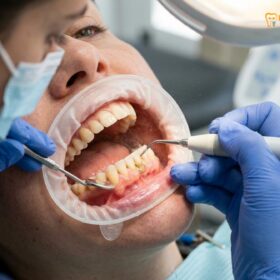
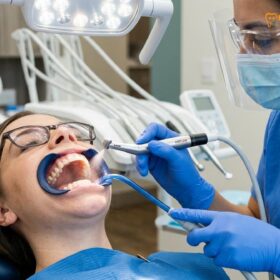
Deep cleaning teeth, clinically known as scaling and root planing, is a non-surgical periodontal therapy designed to treat active gum disease. It meticulously removes hardened plaque and bacterial toxins from below the gumline, smoothing the tooth roots to help infected tissue heal and securely reattach.
Clinical Summary:
Periodontal deep cleaning serves as the gold standard first-line intervention for periodontitis. By mechanically debriding the root surfaces and eliminating subgingival biofilm, this targeted procedure halts the progression of alveolar bone loss, significantly reduces periodontal pocket depths, and mitigates the systemic inflammatory risks associated with chronic periodontal infections. Proper execution requires precise instrumentation, profound local anesthesia, and strict adherence to post-operative maintenance protocols to ensure long-term periodontal stability.
Key Takeaways:
- Deep cleaning specifically targets pathogenic bacterial buildup below the gumline, distinguishing it from standard preventative prophylaxis.
- The therapeutic procedure consists of two distinct phases: scaling (calculus removal) and root planing (cementum surface smoothing).
- Profound local anesthesia is routinely administered to ensure complete patient comfort during subgingival instrumentation.
- Clinical intervention is strictly necessary for patients presenting with periodontal pockets measuring 4 millimeters or deeper.
- Diligent post-treatment maintenance and optimized home oral hygiene are critical to preventing the recurrence of periodontal disease.
What is Periodontal Scaling and Root Planing (SRP)?
Periodontal scaling and root planing is a meticulous therapeutic procedure that removes subgingival calculus and smooths the root surfaces to eradicate infection-causing bacteria.
To fully comprehend the medical necessity of deep cleaning teeth, one must first understand the etiology of periodontal disease. The human oral cavity is a complex microbiome hosting hundreds of bacterial species. When oral hygiene is suboptimal, these bacteria colonize the tooth surfaces, forming a sticky, colorless matrix known as dental plaque or biofilm. If this biofilm is not mechanically disrupted through daily brushing and flossing, minerals from your saliva precipitate into the plaque matrix, calcifying it into a hardened substance known as calculus, or tartar. Once calculus forms, it cannot be removed by a standard toothbrush; it requires professional dental instrumentation.
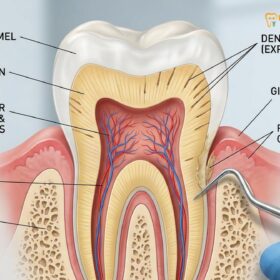
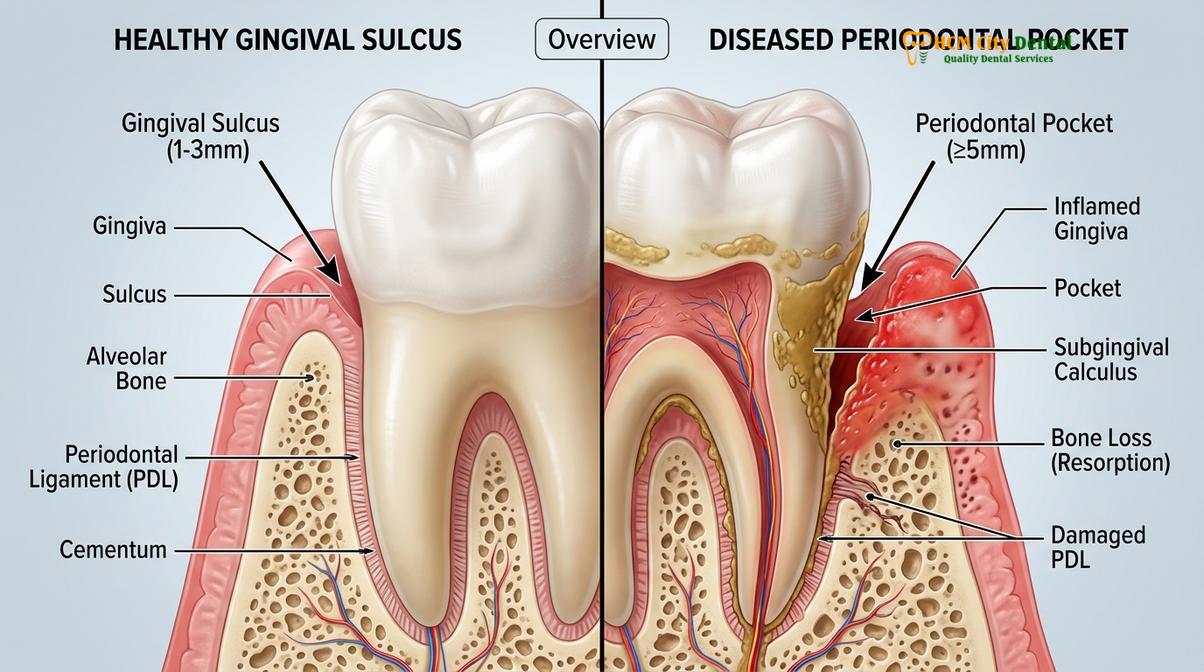
Periodontal scaling and root planing (SRP) is the foundational non-surgical treatment for periodontitis. Unlike a routine cleaning that focuses on the visible portions of the teeth, an SRP dental treatment delves deep into the gingival sulcus—the space between the tooth and the surrounding gum tissue. The procedure is designed to disrupt the subgingival biofilm, remove the calcified deposits that harbor pathogenic bacteria, and detoxify the root surfaces. The presence of these subgingival pathogens triggers a chronic inflammatory response from the host’s immune system. This immune response, while attempting to fight the infection, inadvertently destroys the connective tissue and alveolar bone supporting the teeth[1].
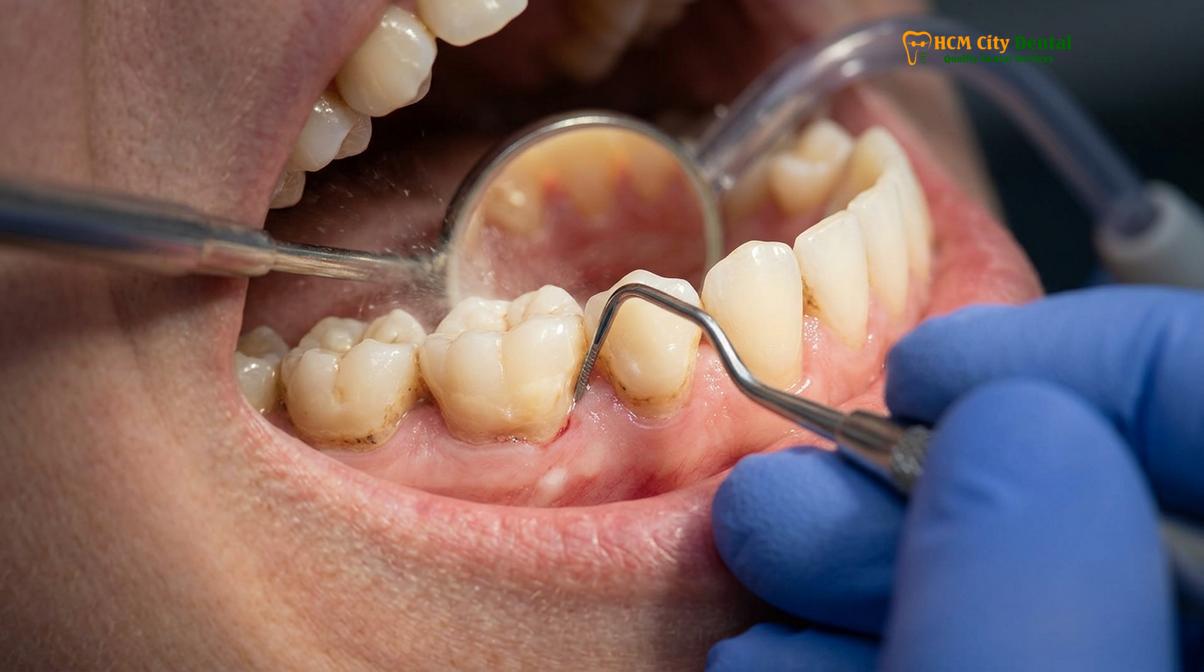
The “scaling” portion of the procedure involves the meticulous removal of plaque, calculus, and bacterial toxins from all supragingival (above the gumline) and subgingival (below the gumline) tooth surfaces. The “root planing” phase focuses on the cementum—the calcified tissue covering the tooth root. Because the root surface can become rough and porous due to bacterial acid erosion and calculus attachment, root planing smooths these micro-irregularities. A smooth, glass-like root surface is biologically essential because it prevents bacteria from easily reattaching and provides a clean substrate for the junctional epithelium (gum tissue) to heal and reattach firmly to the tooth structure.
Difference Between Regular Teeth Cleaning and Deep Cleaning
Regular teeth cleaning focuses on preventative maintenance above the gumline, while deep cleaning is a targeted medical intervention treating active disease below the gums.
A common point of confusion among patients is distinguishing between a standard dental prophylaxis (regular teeth cleaning) and periodontal scaling and root planing. While both procedures aim to improve oral hygiene, their clinical objectives, target areas, and procedural complexities are vastly different. A regular cleaning is strictly a preventative measure designed for patients who possess a healthy periodontium—meaning their gums are firm, pink, and tightly attached to the teeth, with no evidence of bone loss or deep pocketing. In contrast, deep cleaning is a therapeutic intervention prescribed to arrest active disease.
| Clinical Parameter | Regular Cleaning (Prophylaxis) | Deep Cleaning (Scaling & Root Planing) |
|---|---|---|
| Primary Objective | Preventative maintenance and stain removal. | Therapeutic treatment of active periodontal infection. |
| Target Area | Supragingival (at or above the gumline). | Subgingival (deep below the gumline to the root). |
| Anesthesia Requirement | Rarely required; generally painless. | Local anesthesia is typically required for comfort. |
| Time Investment | 30 to 60 minutes for the entire mouth. | 1 to 2 hours per session (often split into multiple visits). |
| Clinical Outcome | Maintains existing periodontal health. | Reduces pocket depths and halts alveolar bone loss. |
During a routine professional prophylaxis, the dental hygienist or dentist focuses on scaling the anatomical crown of the tooth. They remove soft plaque, minor calculus buildup, and extrinsic stains caused by coffee, tea, or tobacco. The procedure is typically completed in a single visit and requires no anesthesia. Conversely, a deep cleaning requires the clinician to navigate specialized instruments deep into the periodontal pockets to debride the root surfaces. Because this involves manipulating inflamed, highly vascularized tissue and instrumenting sensitive root structures, it is a much more invasive and time-consuming process[2].
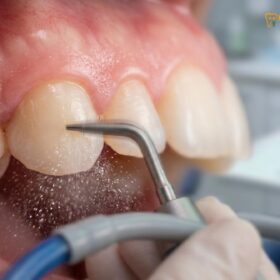
Furthermore, the instruments utilized differ in their application. While ultrasonic scalers are used in both procedures, the tips selected for a deep cleaning are specifically designed to be thinner and longer, allowing them to reach the base of deep periodontal pockets without traumatizing the surrounding soft tissue. The hand instruments, such as Gracey curettes, are also site-specific, engineered with precise angulations to adapt to the complex concavities and furcations (root divisions) of the tooth roots.
When is Scaling and Root Planing Necessary?
This procedure is clinically indicated when periodontal probing reveals pocket depths exceeding three millimeters, accompanied by bleeding, inflammation, or radiographic evidence of bone loss.
Determining the necessity for a periodontal deep cleaning relies on a comprehensive clinical and radiographic examination. The cornerstone of this diagnostic process is periodontal probing. During your examination, the dentist uses a calibrated instrument called a periodontal probe to measure the depth of the gingival sulcus—the crevice between your tooth and gum. In a state of periodontal health, this sulcus measures between 1 to 3 millimeters in depth. This shallow depth allows for effective cleaning with a toothbrush and dental floss.
However, when pathogenic bacteria infiltrate this space, they release toxins that provoke an inflammatory response. This inflammation causes the gingival tissue to detach from the tooth, deepening the sulcus and creating what is clinically termed a “periodontal pocket.” When pocket depths reach 4 millimeters or greater, they become anaerobic environments—perfect breeding grounds for highly destructive, oxygen-hating bacteria. At this depth, home care tools are entirely ineffective at removing the biofilm. If left untreated, the infection progresses, leading to clinical attachment loss (CAL) and the destruction of the alveolar bone that anchors the teeth in the jaw[3].
Clinical Warning: Ignoring the signs of periodontal disease can lead to irreversible consequences. Once the alveolar bone is destroyed by chronic infection, it does not naturally regenerate. Untreated periodontitis is the leading cause of adult tooth loss and has been strongly linked to severe systemic health issues, including cardiovascular disease and uncontrolled diabetes.
In addition to pocket depth measurements, clinicians look for Bleeding on Probing (BOP). Healthy gums do not bleed when gently probed. Bleeding indicates active ulceration of the pocket epithelium and ongoing inflammation. Radiographs (X-rays) are also critical in the diagnostic phase. They reveal the pattern and extent of bone loss—whether it is horizontal (even bone loss across multiple teeth) or vertical (angular bone defects around a specific tooth). When a patient presents with pocket depths of 4mm or greater, BOP, and radiographic evidence of bone loss, a periodontal deep cleaning is unequivocally the required standard of care.
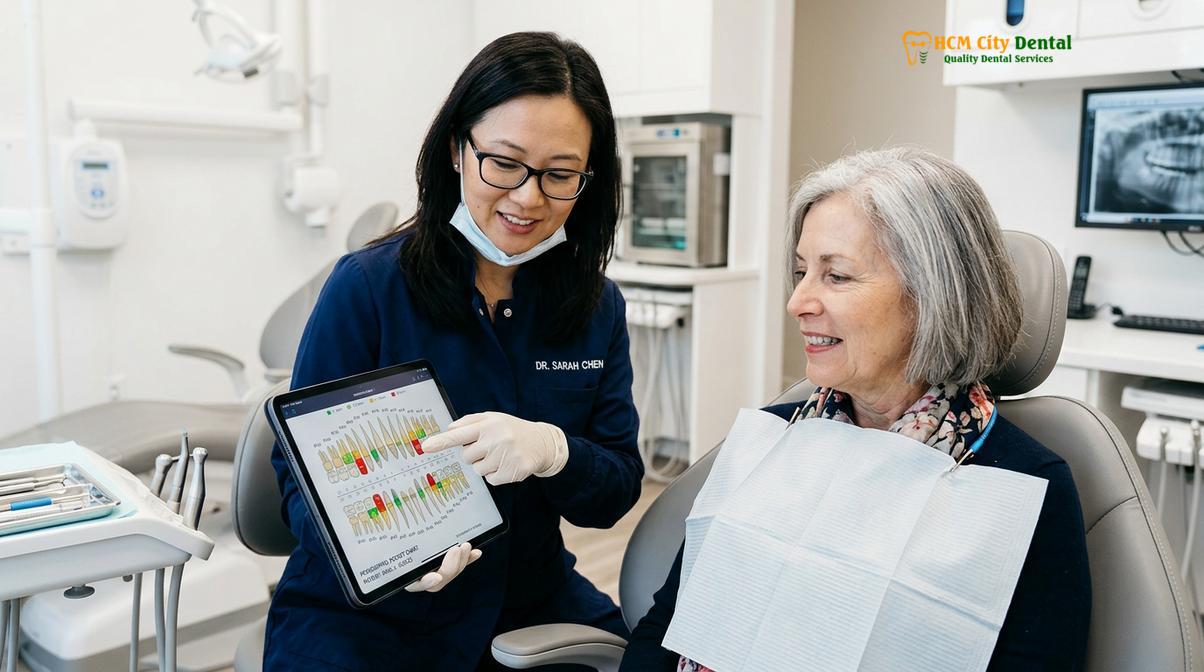
“Accurate diagnosis is the foundation of successful periodontal therapy. We do not merely look at the teeth; we meticulously map the entire periodontal architecture. Identifying attachment loss early allows us to intervene with scaling and root planing before irreversible structural damage occurs, preserving the patient’s natural dentition for a lifetime.”
— Dr. Nguyen Van Cuong, Lead Clinician
The Step-by-Step Deep Cleaning Procedure
The workflow involves comprehensive diagnostics, profound local anesthesia, ultrasonic and hand scaling, root surface planing, and subgingival irrigation to ensure complete bacterial eradication.
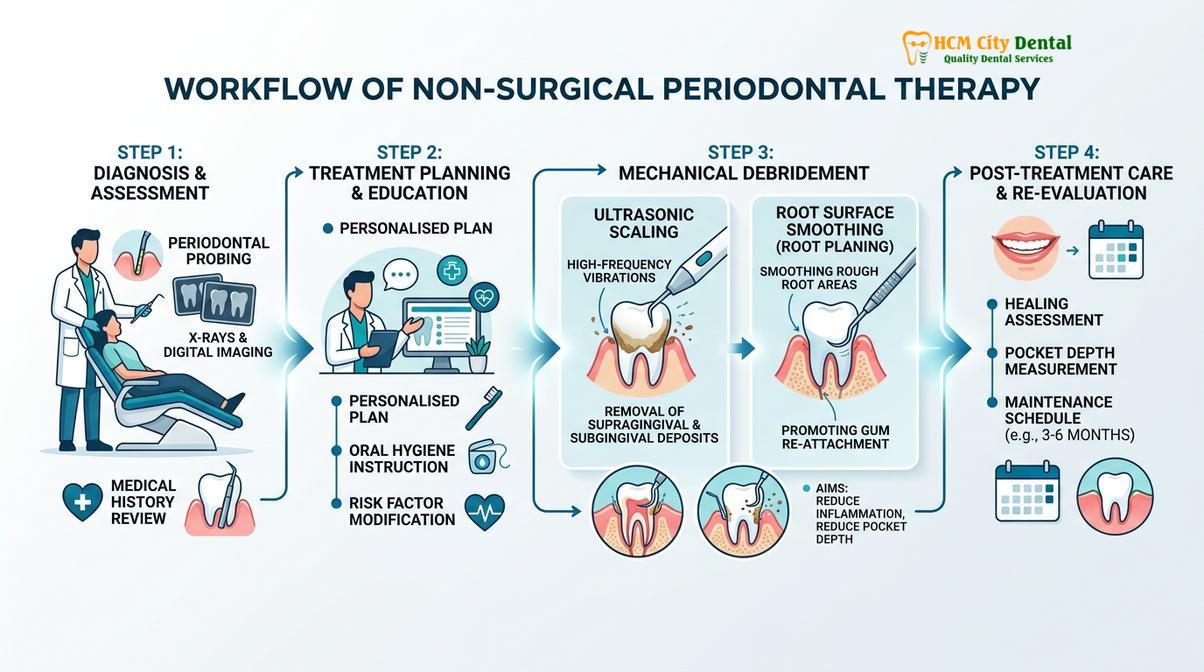
The execution of a deep cleaning is a highly systematic and technically demanding process. It requires a thorough understanding of root anatomy and a tactile sensitivity to detect subgingival calculus that cannot be seen with the naked eye. For patients seeking a comprehensive scaling and root planing guide, understanding the clinical workflow can significantly alleviate dental anxiety and set appropriate expectations for the treatment.
Phase 1: Comprehensive Diagnostic Mapping
Before any instrumentation begins, the clinician performs a full-mouth periodontal charting. This involves recording six specific measurement sites per tooth to create a topographical map of the bone levels and pocket depths. This charting serves as a baseline to monitor the success of the therapy in subsequent visits. Radiographs are reviewed simultaneously to identify areas of heavy subgingival calculus and complex root anatomies, such as furcation involvements, which require specialized instrumentation techniques.
Phase 2: Administration of Local Anesthesia
Because deep cleaning involves instrumenting inflamed tissue and sensitive root surfaces, profound local anesthesia is paramount. The dentist will typically use a topical anesthetic gel to numb the mucosal surface before administering an injectable local anesthetic, such as lidocaine or articaine. To ensure patient safety and comfort, the mouth is usually divided into quadrants (quarters) or halves. Treating one half of the mouth per appointment allows the clinician to achieve deep anesthesia in the targeted area without subjecting the patient to the discomfort of a fully numb mouth, which can interfere with speaking and swallowing post-operatively.
Phase 3: Ultrasonic Debridement
The mechanical removal of calculus begins with an ultrasonic scaler. This advanced device features a metal tip that vibrates at high frequencies (typically between 25,000 to 30,000 cycles per second). The rapid vibration shatters the hardened calculus deposits off the tooth surface. Simultaneously, the ultrasonic scaler emits a continuous stream of water. This water serves a dual purpose: it cools the vibrating tip to prevent thermal damage to the tooth, and it creates a phenomenon known as cavitation. Cavitation produces microscopic shockwaves that rupture the cell walls of pathogenic bacteria, effectively flushing the periodontal pocket of toxins and debris.
Phase 4: Hand Instrumentation and Root Planing
Following ultrasonic debridement, the clinician transitions to hand instruments, primarily curettes and scalers. This phase requires immense precision. The clinician uses tactile feedback to detect microscopic remnants of calculus embedded in the root cementum. Using overlapping strokes, the root surface is meticulously planed (smoothed). A smooth root surface is critical because it eliminates the microscopic niches where bacteria hide and provides a biologically acceptable surface for the gingival fibroblasts to reattach, thereby reducing the depth of the periodontal pocket.
Phase 5: Subgingival Irrigation and Antimicrobial Therapy
Once the root surfaces are completely debrided and smoothed, the periodontal pockets are often irrigated with an antimicrobial solution, such as chlorhexidine gluconate or povidone-iodine. This final flush ensures the removal of any remaining free-floating bacteria and debris. In cases of severe, localized infection, the dentist may also place sustained-release localized antibiotics (such as minocycline microspheres) directly into the deep pockets to suppress bacterial repopulation during the critical healing phase. For patients requiring specialized periodontal therapies, this comprehensive approach ensures the highest probability of disease resolution.
Pain Management: Local Anesthetic and Comfort Measures
Modern deep cleaning utilizes advanced local anesthetics and topical numbing gels to ensure the procedure is highly tolerable and virtually pain-free for the patient.
A primary concern for many patients facing a deep scale teeth procedure is the anticipation of pain. However, modern dentistry has evolved significantly, and pain management protocols are highly effective. The gate control theory of pain dictates that blocking nerve impulses at the site of instrumentation prevents the brain from perceiving discomfort. This is achieved through the precise administration of local anesthetics.
Before the injection, a high-concentration topical benzocaine gel is applied to the gingival mucosa, numbing the surface tissue to make the needle insertion virtually imperceptible. The clinician then administers an amide-based local anesthetic. For lower teeth, an inferior alveolar nerve block is often utilized to numb an entire quadrant effectively. For upper teeth, local infiltrations are placed near the apices of the targeted teeth. These anesthetics temporarily block sodium channels in the nerve membranes, halting the transmission of pain signals[4].
Post-operative comfort is equally important. Once the anesthesia wears off, it is normal to experience mild gingival tenderness and dentinal hypersensitivity. The hydrodynamic theory of dentinal hypersensitivity explains that when root surfaces are exposed and cleaned, the microscopic dentinal tubules are opened. Changes in temperature (hot or cold foods) cause the fluid within these tubules to shift, stimulating the nerve endings inside the tooth. This sensitivity is usually transient. Clinicians often recommend over-the-counter non-steroidal anti-inflammatory drugs (NSAIDs) like ibuprofen to manage tissue inflammation, alongside the use of potassium nitrate-based desensitizing toothpastes to soothe the nerve endings during the healing phase.
Clinical Benefits of Deep Cleaning Gums
Beyond halting tooth loss, deep cleaning significantly reduces systemic inflammation, improving overall health markers and stabilizing the foundation of your dentition.
The primary localized benefit of scaling and root planing is the arrest of periodontal disease progression. By removing the etiology (bacterial biofilm and calculus), the inflammatory cascade is halted. Over the following weeks, the gingival tissue undergoes a healing phase. The swelling subsides, bleeding ceases, and the junctional epithelium forms a long junctional attachment to the newly cleaned root surface. This biological reattachment results in a significant reduction in periodontal pocket depths, making it possible for the patient to maintain the areas with standard home care.
However, the benefits of deep cleaning extend far beyond the oral cavity. The oral-systemic link is a well-documented medical paradigm. The highly vascularized nature of inflamed periodontal pockets allows pathogenic bacteria and inflammatory cytokines (such as Interleukin-1 beta and Tumor Necrosis Factor-alpha) to enter the systemic bloodstream. This chronic systemic inflammation has been clinically linked to the exacerbation of cardiovascular diseases, increased risk of stroke, and severe complications in glycemic control for diabetic patients. By eradicating the periodontal infection, deep cleaning reduces the systemic inflammatory burden, thereby contributing to improved overall physiological health[5].
Clinical Case Study: A 45-year-old patient presented to HCMC Dental Clinic in Ho Chi Minh City with severe gingival bleeding, halitosis, and generalized 5-6mm periodontal pockets. Following a comprehensive two-visit scaling and root planing protocol, combined with targeted antimicrobial irrigation, the patient returned for a 6-week re-evaluation. Clinical charting revealed a dramatic reduction in pocket depths to a healthy 2-3mm range, complete resolution of bleeding on probing, and significantly improved tissue tone, successfully avoiding the need for invasive periodontal surgery.
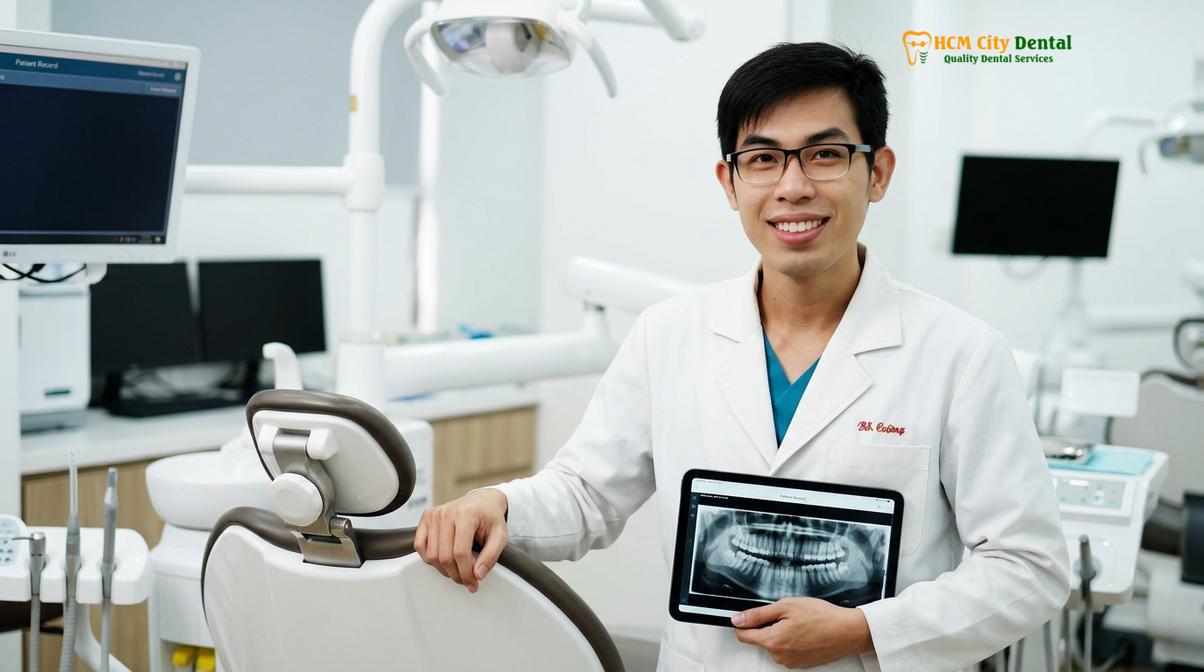
Furthermore, deep cleaning preserves the structural integrity of the dental arch. Alveolar bone loss leads to tooth mobility, shifting, and eventual exfoliation (loss). By stabilizing the bone levels, scaling and root planing ensures that the teeth remain firmly anchored, preserving the patient’s ability to masticate properly and maintaining the aesthetic harmony of their smile. For patients seeking comprehensive care, visiting a state-of-the-art clinical facility ensures access to the latest periodontal technologies.
When to See a Doctor
While mild gingivitis can often be reversed with improved home care, true periodontitis requires immediate professional intervention. You should schedule a comprehensive periodontal evaluation if you experience persistent halitosis (bad breath) that does not resolve with brushing, gums that bleed spontaneously or during normal flossing, or a noticeable recession of the gumline making your teeth appear longer. More severe symptoms that warrant urgent care include the presence of purulent exudate (pus) between the teeth and gums, sudden changes in the way your teeth fit together when you bite, or any degree of tooth mobility.
“Time is of the essence when dealing with periodontal infections. Bone loss is a silent process; it rarely causes pain until the disease is in its most advanced, terminal stages. Early intervention with scaling and root planing is the most conservative and predictable way to save your teeth and protect your systemic health.”
— Dr. Nguyen Van Cuong, Periodontal Specialist
If you are experiencing any of these symptoms, it is imperative to schedule a comprehensive periodontal evaluation promptly. At HCMC Dental Clinic in Ho Chi Minh City, our experienced dental professionals utilize advanced diagnostic imaging and precise instrumentation to accurately stage your periodontal condition and design a personalized, non-surgical treatment plan tailored to restore your oral health.
Frequently Asked Questions
Is a deep cleaning really necessary?
Yes, a deep cleaning is absolutely necessary if you have been diagnosed with active periodontal disease. When bacterial plaque and calculus accumulate below the gumline, they create deep periodontal pockets that a regular toothbrush or standard dental cleaning cannot reach. Without this targeted intervention, the chronic infection will progressively destroy the supporting alveolar bone, ultimately leading to irreversible tooth mobility and tooth loss. It is the critical first step in halting disease progression.
What happens during a deep cleaning at the dentist?
During a deep cleaning, your dentist will first administer local anesthesia to numb the treatment area. They will then use specialized ultrasonic instruments and hand curettes to meticulously remove hardened calculus and bacterial biofilm from the crown and root surfaces (scaling). Finally, the rough areas of the tooth roots are smoothed out (root planing) to prevent future bacterial adherence and encourage the gums to reattach to the tooth, reducing pocket depths.
Does scaling and root planing hurt?
Scaling and root planing is generally not painful because the procedure is performed under profound local anesthesia. While you may feel some pressure or vibration from the ultrasonic instruments, sharp pain is prevented. After the anesthesia wears off, it is common to experience mild gingival tenderness and temporary thermal sensitivity, which can be effectively managed with over-the-counter analgesics and desensitizing toothpaste during the brief healing period.
How long does deep cleaning take?
A comprehensive deep cleaning typically takes between one to two hours per session, depending on the severity of the periodontal disease and the amount of calculus present. Because the procedure requires meticulous subgingival instrumentation, dentists often divide the treatment into two separate appointments, treating one half of the mouth (two quadrants) per visit to ensure patient comfort and optimal clinical outcomes without prolonged jaw fatigue.
How many visits are needed for full-mouth SRP?
A full-mouth scaling and root planing usually requires two to four visits to complete safely and effectively. Most clinical protocols divide the mouth into quadrants or halves. Treating half the mouth per visit allows the dentist to administer localized anesthesia safely without numbing the entire oral cavity at once. A follow-up visit is also scheduled four to six weeks later to evaluate tissue healing, measure pocket reduction, and establish a maintenance schedule.
References
- Journal of Periodontology. Pathogenesis of periodontal disease and subgingival biofilm formation. (2021).
- American Academy of Periodontology. Clinical guidelines for scaling and root planing efficacy. (2020).
- Clinical Oral Investigations. Diagnostic criteria for periodontal pocketing and clinical attachment loss. (2019).
- Journal of Dental Anesthesia and Pain Medicine. Efficacy of local anesthetics in non-surgical periodontal therapy. (2022).
- Journal of Clinical Periodontology. Systemic impacts of periodontal therapy on cardiovascular and glycemic markers. (2023).