Fluoride dental risks encompass both localized cosmetic issues, such as dental fluorosis, and potential systemic health concerns, including thyroid suppression and neurotoxicity. While historically praised for cavity prevention, modern biological dentistry increasingly advocates for safer, biocompatible remineralization alternatives to protect overall patient health without compromising enamel integrity.
Clinical Summary:
The use of fluoride in routine dental care is undergoing intense clinical scrutiny due to emerging research highlighting significant systemic risks. While traditional dentistry has long relied on fluoride varnishes and fluoridated water to harden tooth enamel, biological dental practitioners emphasize that the cumulative ingestion of this halogen compound can lead to unintended physiological consequences. Documented fluoride dental risks include dental fluorosis in developing children, potential endocrine disruption affecting thyroid function, and concerning links to neurotoxicity. Dr. Nguyen Van Cuong and the clinical team at HCMC Dental Clinic advocate for a paradigm shift toward biocompatible alternatives. By utilizing advanced agents like nano-hydroxyapatite (nHAp) and ozone therapy, modern dentistry can achieve superior enamel remineralization and bacterial control without exposing patients to the systemic dangers associated with chronic fluoride accumulation.
Key Takeaways:
- Systemic fluoride exposure is linked to endocrine disruption, particularly affecting thyroid hormone synthesis.
- Excessive fluoride ingestion during childhood tooth development causes dental fluorosis, leading to permanent enamel discoloration and structural weakness.
- Emerging neurotoxicity studies suggest that high levels of fluoride may cross the blood-brain barrier, potentially impacting cognitive development.
- Nano-hydroxyapatite (nHAp) offers a highly effective, non-toxic alternative for remineralizing teeth by directly replacing lost calcium and phosphate.
- Biological dentistry prioritizes whole-body health, utilizing safe, fluoride-free protocols to prevent decay without systemic risks.
Why Fluoride is a Controversial Topic in Dentistry
The controversy stems from balancing fluoride’s topical cavity-prevention benefits against its potential systemic toxicity when ingested over time.
For decades, fluoride has been heralded as the cornerstone of preventive dentistry. Public health initiatives worldwide have championed the addition of fluoride to municipal water supplies, and conventional dental practices routinely apply high-concentration fluoride varnishes to patients of all ages. The primary mechanism by which fluoride prevents decay is by integrating into the tooth structure to form fluorapatite, a compound that is slightly more resistant to the acidic byproducts of oral bacteria than naturally occurring hydroxyapatite. However, this localized benefit comes with a complex array of systemic considerations that have sparked significant debate within the medical and dental communities.
The core of the controversy lies in the difference between topical application and systemic ingestion. While applying a mineral directly to the surface of a tooth may offer structural reinforcement, swallowing that same mineral introduces it into the gastrointestinal tract, bloodstream, and ultimately, the body’s internal organs. Fluoride is not an essential nutrient for human growth or development; the body does not require it for any physiological process. When ingested, it acts as a cumulative toxin. The kidneys can only excrete a portion of the daily fluoride intake, leaving the remainder to accumulate in calcifying tissues such as the bones and the pineal gland over a person’s lifetime [1].
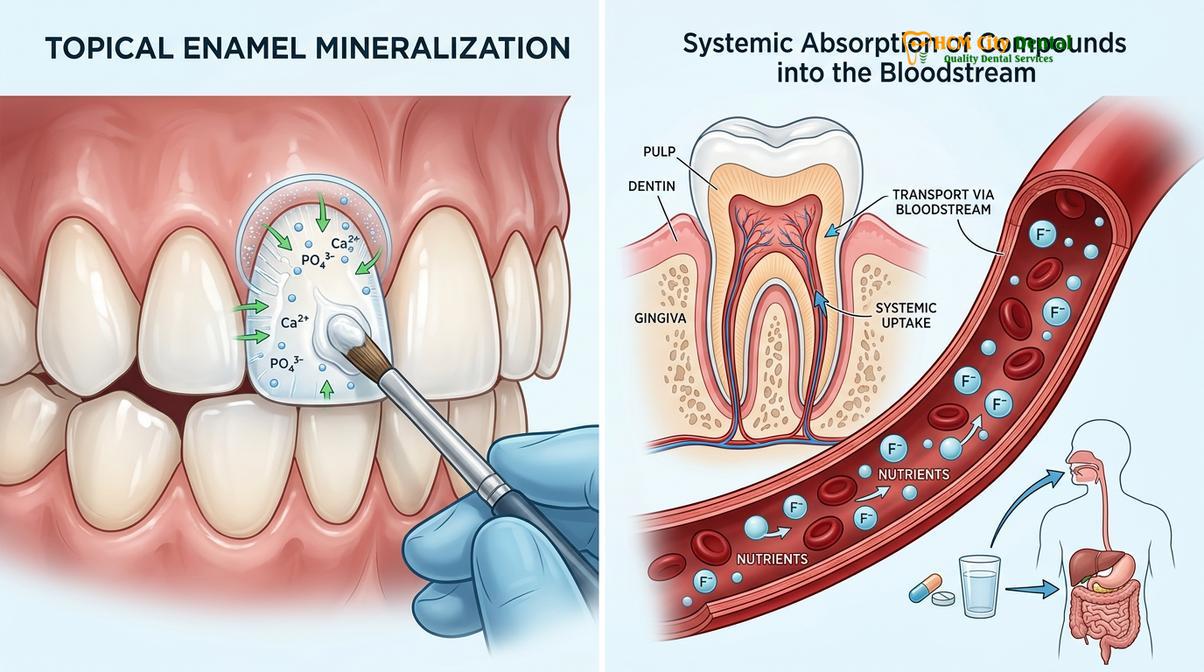
Furthermore, the concept of a “safe” or “optimal” dose of fluoride is highly problematic. Because fluoride is ubiquitous—found in tap water, processed foods, beverages, toothpaste, and dental treatments—it is virtually impossible for a clinician to accurately calculate a patient’s total daily exposure. This lack of dosage control means that many individuals, particularly children, are inadvertently exposed to levels that far exceed the recommended thresholds. This uncontrolled exposure is the primary driver behind the rising incidence of fluoride-related complications, prompting a growing demand for biological dentistry protocols that prioritize non-toxic, biocompatible materials.
Biological dentists argue that the risks associated with systemic fluoride absorption far outweigh the localized benefits to the teeth, especially when highly effective, non-toxic alternatives are readily available. The shift toward fluoride free dental care is not merely a trend; it is a scientifically grounded movement aimed at protecting the holistic health of the patient while still achieving excellent oral hygiene outcomes.
Systemic Risks of Fluoride: Thyroid Suppression and Bone Integrity
Chronic fluoride ingestion can disrupt endocrine function by mimicking iodine in the thyroid gland and may compromise skeletal strength by altering bone mineralization.
The systemic implications of chronic fluoride exposure are profound, particularly concerning the endocrine and skeletal systems. To understand how fluoride impacts the body, one must look at its chemical properties. Fluorine is a highly reactive halogen, belonging to the same chemical family as iodine, chlorine, and bromine. Because of its atomic structure, fluoride can aggressively compete with iodine for receptor sites within the body, most notably in the thyroid gland.
The thyroid gland relies heavily on iodine to synthesize essential hormones, specifically thyroxine (T4) and triiodothyronine (T3). These hormones regulate the body’s metabolic rate, energy production, and neurological development. When fluoride accumulates in the thyroid, it can displace iodine, leading to a reduction in hormone production—a condition known as hypothyroidism. Symptoms of thyroid suppression include chronic fatigue, unexplained weight gain, depression, and cognitive sluggishness. Clinical studies have demonstrated a correlation between communities with highly fluoridated water and an increased prevalence of hypothyroidism, raising serious concerns about the endocrine-disrupting nature of routine fluoride exposure [3].
“The biochemical reality of fluoride is that it is a biologically active ion that does not discriminate between dental enamel and systemic tissues. Its affinity for calcified structures and its ability to interfere with enzymatic processes make chronic ingestion a significant concern for holistic patient health.”
Beyond the endocrine system, fluoride’s affinity for calcium means that it readily accumulates in the skeletal system. While low levels of fluoride are claimed to increase bone density, the structural integrity of fluoridated bone is fundamentally flawed. Chronic, high-level exposure leads to a condition known as skeletal fluorosis. In this disease process, fluoride alters the natural crystalline structure of the bone, making it hyper-dense but paradoxically brittle and more susceptible to fractures. The early stages of skeletal fluorosis often mimic osteoarthritis, presenting as chronic joint pain, stiffness, and reduced mobility.
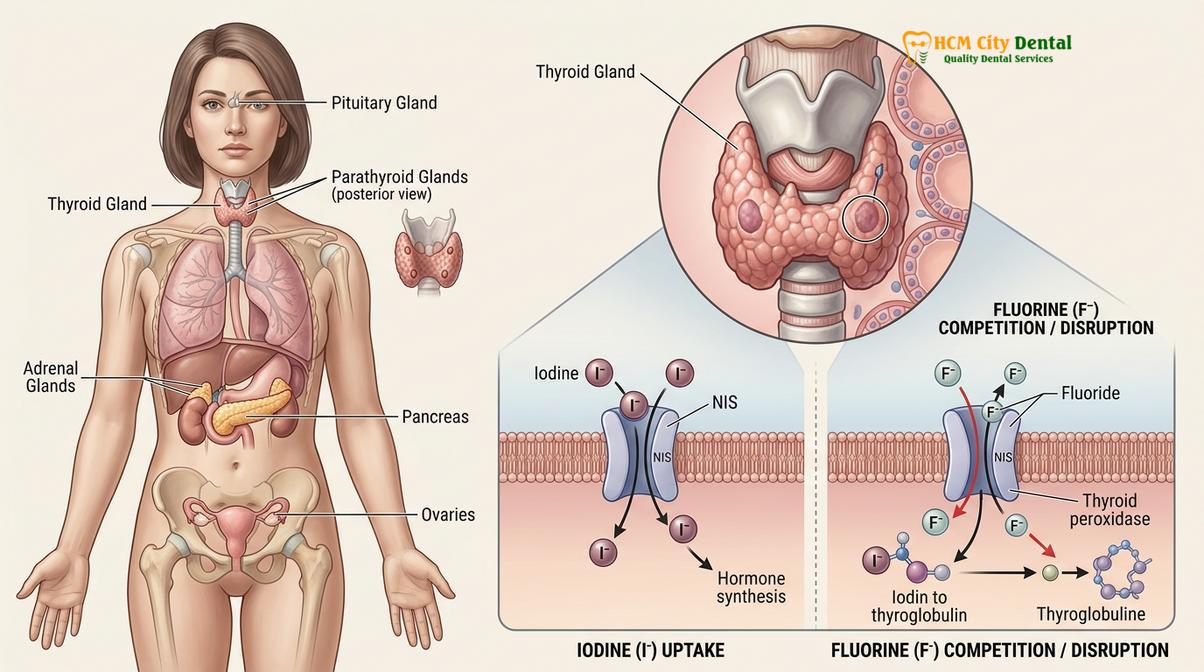
The accumulation of fluoride in the bones is a slow, insidious process that occurs over decades. Because the symptoms of early skeletal fluorosis are non-specific, it is frequently misdiagnosed as age-related joint degeneration. Biological dental practitioners emphasize that protecting bone integrity requires minimizing exposure to cumulative toxins like fluoride and instead focusing on proper nutritional support, including adequate intake of calcium, magnesium, and vitamins D3 and K2, which naturally guide minerals into the bones and teeth without altering their structural elasticity.
Fluoride and Brain Health: Exploring Neurotoxicity Studies
Emerging research indicates that high levels of fluoride exposure, particularly during fetal and early childhood development, may cross the blood-brain barrier and negatively impact cognitive function.
Perhaps the most alarming aspect of fluoride dental risks involves its potential impact on neurological development and brain health. Over the past two decades, a growing body of international research has investigated the neurotoxic properties of fluoride. These fluoride neurotoxicity studies have consistently raised red flags regarding the chemical’s ability to cross the placenta during pregnancy and penetrate the blood-brain barrier in developing infants and children.
The developing brain is exquisitely sensitive to environmental toxins. When fluoride enters the central nervous system, it is believed to induce oxidative stress, trigger lipid peroxidation, and interfere with the function of microglia—the brain’s primary immune cells. This neuroinflammation can disrupt the formation of neural synapses and alter the delicate balance of neurotransmitters required for optimal cognitive function, memory retention, and learning capacity [2].
Extensive epidemiological studies, including comprehensive reviews by prominent toxicological programs, have observed an inverse relationship between high fluoride exposure and intelligence quotient (IQ) scores in children. In communities where water fluoride levels are significantly elevated, researchers have documented measurable deficits in cognitive performance compared to children in non-fluoridated areas. While the exact threshold for neurotoxicity remains a subject of intense scientific debate, the precautionary principle dictates that exposing developing brains to a known neurotoxin—even in supposedly “low” doses—is an unnecessary and avoidable risk.
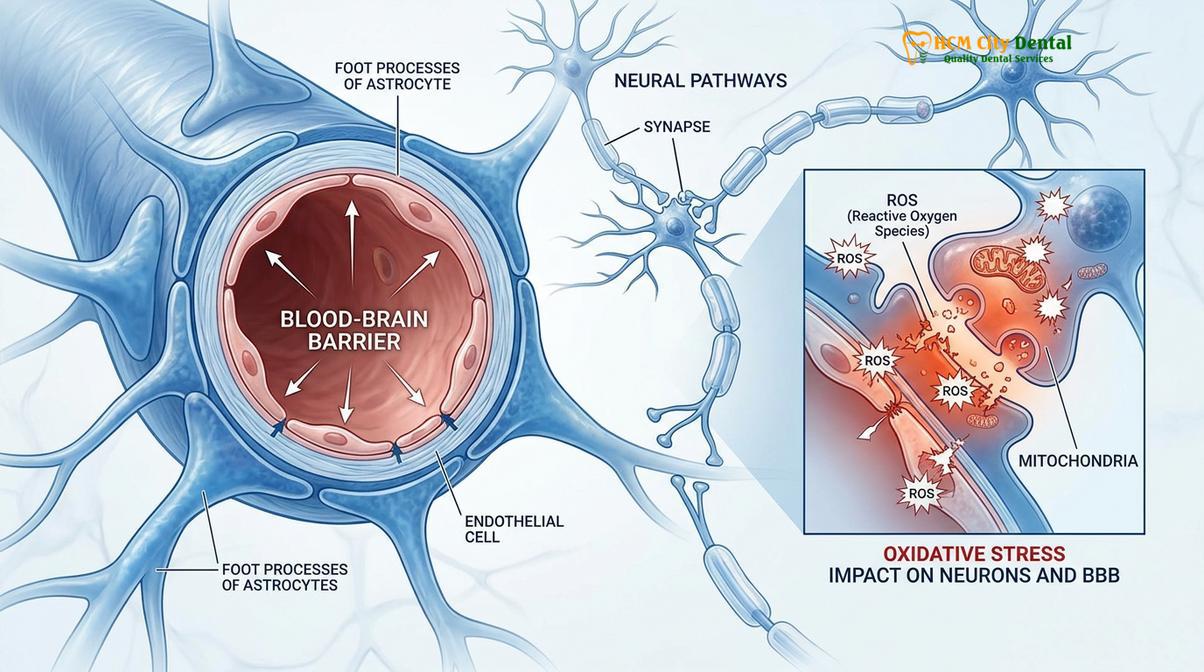
The implications of these findings are profound for pediatric dentistry. Traditional protocols often involve prescribing fluoride drops or tablets to infants and applying highly concentrated fluoride varnishes to the teeth of toddlers. Given the difficulty young children have with expectorating (spitting out) dental products, a significant portion of these topical treatments is inevitably swallowed and absorbed systemically. Recognizing these severe risks, Dr. Nguyen Van Cuong and the team at HCMC Dental Clinic strongly advocate against the use of systemic fluoride supplements and high-dose varnishes in pediatric patients, opting instead for safe, biologically compatible preventive measures that carry zero risk of neurotoxicity.
Dental Fluorosis: The Visual Sign of Childhood Over-Fluoridating
Dental fluorosis manifests as white spots or brown pitting on the enamel, indicating excessive fluoride ingestion during the critical years of tooth development.
While the systemic risks of fluoride are largely invisible, dental fluorosis serves as a glaring, visual biomarker of systemic fluoride overexposure during childhood. Dental fluorosis is a developmental disturbance of the tooth enamel caused by the ingestion of excessive fluoride during amelogenesis—the process of enamel formation. This critical window of vulnerability occurs from birth until approximately eight years of age, while the permanent teeth are still forming beneath the gums.
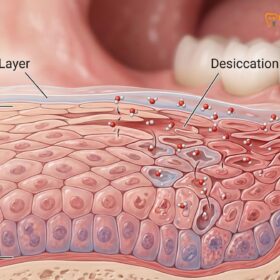
When a child ingests too much fluoride, the fluoride ions interfere with the function of ameloblasts (the cells responsible for forming enamel). This disruption prevents the enamel from mineralizing properly, resulting in a hypomineralized, porous tooth structure. Clinically, dental fluorosis presents on a spectrum of severity. In its mildest forms, it appears as faint, opaque white streaks or spots on the surface of the teeth. As the severity increases, the enamel becomes increasingly porous, leading to yellow or dark brown discoloration, surface pitting, and a structurally weakened tooth that is actually more susceptible to decay and physical trauma [1].
Understanding the exact dental fluorosis causes HCMC patients face requires looking at the cumulative sources of fluoride. A child living in an area with fluoridated water who also swallows fluoridated toothpaste and receives routine fluoride varnish treatments at a conventional dental clinic is receiving a massive, unmonitored dose of the mineral. The rising prevalence of dental fluorosis globally is a direct consequence of this multi-source exposure.
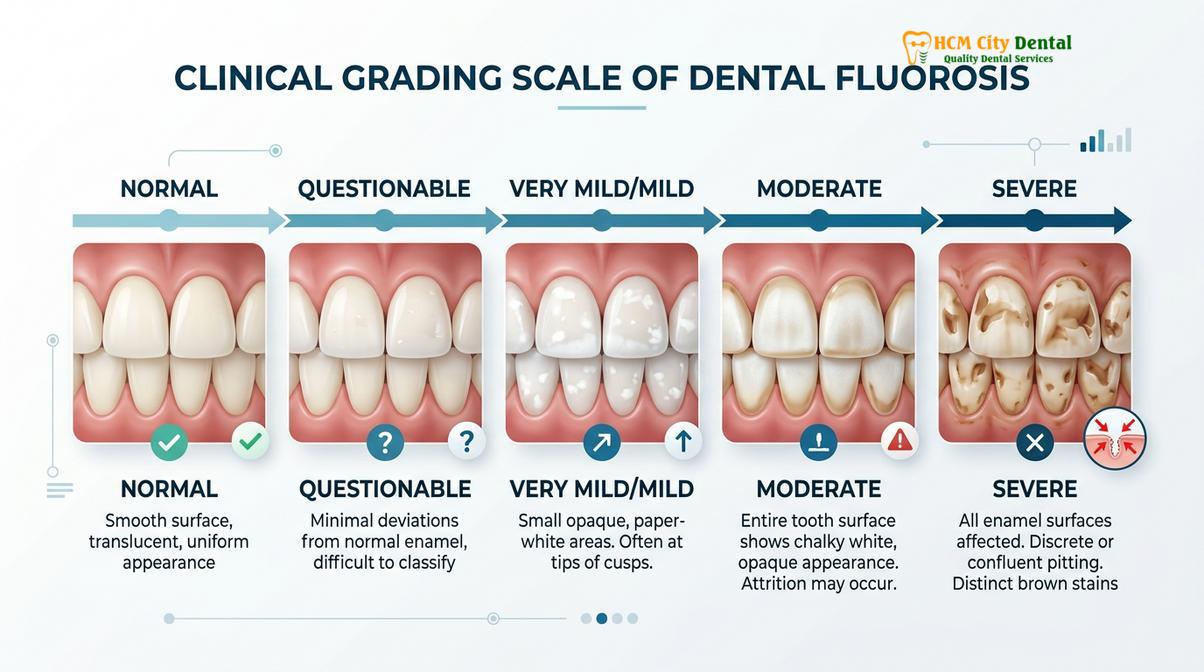
To accurately diagnose and communicate the severity of this condition, dental professionals utilize a specific grading system:
| Fluorosis Grade | Clinical Presentation and Enamel Characteristics |
|---|---|
| Normal | Smooth, glossy, pale creamy-white translucent surface. No structural anomalies. |
| Questionable | Slight aberrations in the translucency of normal enamel, ranging from a few white flecks to occasional white spots. |
| Very Mild | Small, opaque, paper-white areas scattered irregularly over the tooth but involving less than 25% of the surface. |
| Mild | White opaque areas in the enamel are more extensive, but involve less than 50% of the tooth surface. |
| Moderate | All enamel surfaces are affected; surfaces subject to attrition show marked wear. Brown stain is frequently a disfiguring feature. |
| Severe | All enamel surfaces are affected and hypoplasia is so marked that the general form of the tooth may be affected. Widespread brown stains and deep pitting are present. |
Treating dental fluorosis is entirely cosmetic, as the structural damage to the enamel matrix cannot be reversed. Mild cases may be managed with conservative resin infiltration or microabrasion, while moderate to severe cases often require advanced dental treatments such as porcelain veneers or biocompatible crowns to restore the aesthetic appearance and structural integrity of the smile. The most effective “treatment” for fluorosis is strict prevention: eliminating systemic fluoride ingestion during the formative years.
Topical Fluoride Treatments vs. Safe Clinical Alternatives
While traditional dentistry relies on fluoride varnishes, biological clinics utilize biocompatible agents like nano-hydroxyapatite and ozone therapy to remineralize teeth safely.
The conventional approach to cavity prevention relies heavily on the routine application of topical fluoride gels, foams, and varnishes. These products contain fluoride concentrations ranging from 9,000 to 22,600 parts per million (ppm)—levels exponentially higher than what is found in fluoridated water or over-the-counter toothpaste. While these treatments are intended to remain on the tooth surface, the reality of clinical application, especially in pediatric or special needs populations, means that accidental ingestion is highly common.
Clinical Warning: Acute Fluoride Toxicity
Accidental ingestion of high-concentration professional fluoride varnishes or gels can lead to acute fluoride toxicity. Symptoms include severe nausea, vomiting, abdominal pain, and in extreme cases, cardiac arrhythmias due to acute hypocalcemia. If a child swallows a significant amount of a fluoride product, immediate medical evaluation is required.
In stark contrast, biological dentistry offers safe remineralization options that are entirely non-toxic and biocompatible. The gold standard among these alternatives is Nano-hydroxyapatite (nHAp). Hydroxyapatite is the exact mineral that makes up 97% of human tooth enamel and 70% of human dentin. By utilizing nano-sized particles of this natural mineral, nHAp toothpaste and clinical serums can physically bond to the tooth structure, filling in microscopic fissures and remineralizing early areas of decay without introducing any foreign or toxic substances into the body [4].
Because nHAp is biomimetic (mimicking the body’s natural biology), it is 100% safe to swallow. If ingested, the body simply recognizes it as a calcium and phosphate source, utilizing it for bone health or safely excreting it. Clinical studies have repeatedly demonstrated that nHAp is equally, if not more, effective than fluoride at remineralizing early carious lesions and reducing dentinal hypersensitivity.
Another powerful tool in the fluoride-free arsenal is Ozone Therapy. Medical-grade ozone gas or ozonated water is used to bathe the teeth and gums. Ozone is a highly reactive molecule that instantly destroys the cell walls of decay-causing bacteria, viruses, and fungi through an oxidative burst. By eliminating the acidic bacterial biofilm, ozone therapy halts the demineralization process and creates an optimal, alkaline environment where the teeth can naturally remineralize using calcium and phosphate from the patient’s saliva. These advanced, non-toxic modalities form the foundation of comprehensive general dentistry at biologically focused clinics.
Empowering Patients with Fluoride-Free Dental Care Options
Patients can achieve optimal oral health without fluoride by adopting holistic remineralization protocols, proper nutrition, and advanced biological dental therapies.
Transitioning to a fluoride-free dental lifestyle requires a proactive, comprehensive approach to oral health. It is not simply about removing a chemical from your routine; it is about replacing it with superior, biologically supportive practices. At HCMC Dental Clinic in Ho Chi Minh City, the clinical workflow for cavity prevention focuses on identifying the root causes of decay—such as oral microbiome imbalances, acidic salivary pH, and nutritional deficiencies—rather than applying a chemical band-aid.
A critical component of this holistic approach is nutritional counseling. The health of the teeth is intrinsically linked to the body’s systemic mineral balance. Fat-soluble vitamins, particularly Vitamin D3 and Vitamin K2, are essential for directing calcium out of the bloodstream and into the hard tissues like bones and teeth. Without adequate K2, calcium can inappropriately calcify in the arteries or kidneys. A diet rich in bioavailable minerals, combined with the restriction of refined carbohydrates and phytic acid, empowers the body to naturally resist decay from the inside out [5].
Clinical Case Study: Transitioning to Biocompatible Care
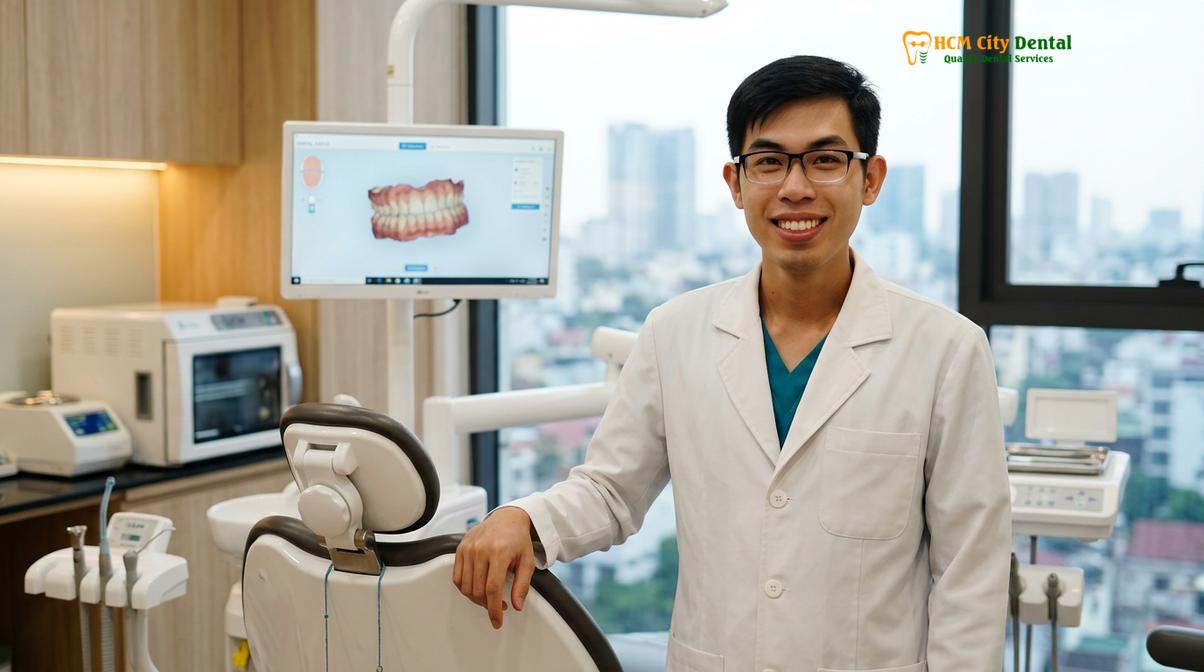
A 28-year-old patient visited HCMC Dental Clinic in Ho Chi Minh City presenting with mild dental fluorosis and a history of recurrent decay despite using prescription high-fluoride toothpaste. Dr. Nguyen Van Cuong initiated a comprehensive biological protocol. The patient was transitioned to a nano-hydroxyapatite remineralization serum and received targeted ozone therapy to eliminate cariogenic bacteria. Salivary testing revealed a highly acidic oral environment, which was corrected through dietary modifications and xylitol therapy. Within six months, the patient’s enamel showed increased density and gloss, with zero new carious lesions, completely eliminating the need for neurotoxic fluoride products.
Furthermore, the use of Xylitol—a natural five-carbon sugar alcohol—is highly recommended in fluoride-free protocols. Unlike regular sugar, the primary cavity-causing bacteria (Streptococcus mutans) cannot metabolize xylitol. When they ingest it, their energy production pathways are disrupted, leading to bacterial starvation and a significant reduction in plaque formation. By combining nHAp, ozone therapy, xylitol, and systemic nutritional support, patients can achieve a lifetime of vibrant oral health without the systemic risks associated with fluoride.
“True preventive dentistry does not rely on introducing cumulative toxins into the human body. By harnessing biomimetic materials like nano-hydroxyapatite and understanding the systemic drivers of decay, we can facilitate profound healing and remineralization that respects the intricate biology of the whole patient.”
Important Clinical Considerations: When to Consult a Biological Dentist
Understanding when to seek professional guidance is crucial for mitigating fluoride dental risks and addressing existing enamel damage. You should schedule a comprehensive evaluation with a biologically trained dental professional if you observe any of the following clinical indicators:
- Visual Enamel Changes: The appearance of chalky white spots, opaque streaks, or brown pitting on your teeth or your child’s teeth, which may indicate dental fluorosis or early hypomineralization.
- Systemic Health Concerns: If you have been diagnosed with a thyroid disorder (such as hypothyroidism), chronic joint pain, or unexplained neurological symptoms, and wish to eliminate potential environmental toxins like fluoride from your healthcare routine.
- Recurrent Decay Despite Fluoride Use: If you or your child continue to develop cavities despite rigorous use of fluoridated water and toothpaste, indicating that the root cause of the decay (microbiome imbalance or nutritional deficiency) is not being addressed.
- Seeking Safe Pediatric Care: Parents looking for non-toxic, swallow-safe cavity prevention protocols for infants and toddlers to ensure optimal neurological and physical development.
A thorough clinical examination, including digital diagnostics and salivary analysis, will allow the dental team to create a personalized, biocompatible treatment plan. To explore safe, holistic alternatives, we encourage you to schedule a consultation with our expert team.
Frequently Asked Questions
Why do holistic dentists avoid fluoride treatments?
Holistic dentists avoid fluoride treatments because of the potential systemic risks associated with cumulative fluoride ingestion, including thyroid disruption and neurotoxicity. Instead, they utilize biocompatible alternatives like nano-hydroxyapatite and ozone therapy that effectively remineralize enamel without introducing systemic toxins into the body. This approach aligns with the core philosophy of biological dentistry, which prioritizes materials that are entirely safe for the whole body, recognizing that the mouth is intimately connected to overall systemic health.
Is fluoride ingestion harmful to health?
Yes, chronic ingestion of excessive fluoride can be harmful to overall health. While topical application is touted for cavity prevention, swallowing fluoride over time is linked to systemic issues such as skeletal fluorosis, endocrine disruption, and potential cognitive impacts, particularly in developing children. Because fluoride accumulates in calcified tissues and the pineal gland, long-term exposure from multiple sources (water, toothpaste, processed foods) can overwhelm the body’s ability to excrete the toxin, leading to adverse physiological effects.
What is dental fluorosis?
Dental fluorosis is a cosmetic and structural defect of the tooth enamel caused by excessive fluoride ingestion during the early years of tooth development. It visually manifests as opaque white spots, streaks, or in severe cases, brown pitting and weakened enamel structure. This condition is irreversible, as the fluoride permanently disrupts the ameloblasts (enamel-forming cells) during the tooth’s formation. Treatment for fluorosis is strictly restorative, often requiring microabrasion, veneers, or crowns to improve the aesthetic appearance.
What are the alternatives to fluoride for cavity prevention?
Safe alternatives to fluoride include nano-hydroxyapatite (nHAp), which directly rebuilds the enamel matrix, ozone therapy to eliminate decay-causing bacteria, and xylitol to neutralize oral acids. Proper nutrition, particularly adequate intake of vitamins D3 and K2, also plays a crucial role in natural cavity prevention. These biomimetic approaches work in harmony with the body’s natural physiology, providing robust protection against demineralization without the risk of systemic toxicity.
How do I request a fluoride-free appointment at HCMC Dental?
You can request a fluoride-free appointment by contacting our patient care team directly via phone or our online booking portal. Simply specify your preference for biological dentistry protocols, and our specialists will ensure your treatment plan utilizes only biocompatible, non-toxic materials. Our clinical team, including Dr. Cuong, is highly experienced in delivering comprehensive care that respects your desire for a holistic, chemical-free dental experience.
References
- Journal of Dental Research. The mechanism of dental fluorosis and enamel hypomineralization. (2020).
- Environmental Health Perspectives. Developmental fluoride neurotoxicity: a systematic review and meta-analysis. (2019).
- Thyroid Research. The impact of chronic fluoride exposure on thyroid function and endocrine health. (2021).
- Clinical Oral Investigations. Efficacy of nano-hydroxyapatite in enamel remineralization compared to fluoride varnishes. (2022).
- International Journal of Biological Dentistry. Systemic implications of routine dental materials and preventive agents. (2023).
For more information on our biocompatible protocols and to meet our clinical team, please contact HCMC Dental Clinic. We are dedicated to providing superior, systemic-focused dental care in the heart of Ho Chi Minh City.