Pediatric sedation dentistry in Vietnam provides safe, anxiety-free dental care for children undergoing complex procedures or experiencing severe dental phobia. Utilizing advanced pharmacological protocols, specialized pediatric dentists ensure optimal comfort, allowing for efficient treatment while minimizing psychological trauma and fostering positive long-term oral health habits.
Clinical Summary:
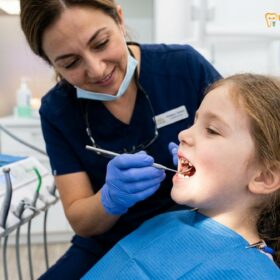
Pediatric sedation dentistry involves administering mild to moderate sedatives, such as nitrous oxide or oral medications, to help children relax during necessary dental procedures. This clinical approach is highly effective for managing kids dental anxiety management, treating extensive early childhood caries, and assisting pediatric patients with special healthcare needs. At top-tier facilities like HCMC Dental Clinic in Ho Chi Minh City, clinical protocols strictly adhere to international pediatric anesthesia guidelines. Dr. Nguyen Van Cuong emphasizes that comprehensive pre-sedation airway assessments, strict adherence to fasting protocols, and continuous intraoperative monitoring are mandatory to ensure maximum patient safety, predictable clinical outcomes, and a trauma-free experience for the child.
Key Takeaways:
- Nitrous oxide (laughing gas) is the most common, rapidly reversible, and minimally invasive sedation method for children.
- Oral conscious sedation provides deeper relaxation for longer or more complex pediatric restorative procedures.
- Strict preoperative fasting guidelines (NPO) must be meticulously followed to prevent pulmonary aspiration risks.
- Continuous physiological monitoring, including pulse oximetry, is a mandatory safety standard during pediatric dental anesthesia HCMC.
- Pharmacological behavior management prevents psychological trauma, ensuring children develop a positive, lifelong relationship with dental care.
When Children Need Dental Sedation
Dental sedation is clinically indicated for children with severe anxiety, extensive dental decay requiring multiple restorations, or special developmental needs that prevent standard cooperation.
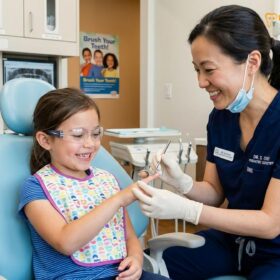
The primary goal of pediatric dentistry is not only to treat oral disease but to instill a positive attitude toward dental care that lasts a lifetime. Unfortunately, many children experience profound fear and anxiety when faced with the unfamiliar sights, sounds, and sensations of a dental environment. When behavioral management techniques—such as Tell-Show-Do, positive reinforcement, and distraction—are insufficient to calm a highly anxious child, pharmacological intervention becomes a clinical necessity. The implementation of advanced dental sedation protocols allows practitioners to perform high-quality restorative work safely and efficiently, without inflicting psychological trauma.
One of the most common indications for children dental sedation Vietnam is the presence of Early Childhood Caries (ECC). ECC is a virulent form of tooth decay that can rapidly destroy primary dentition, leading to pain, infection, and developmental complications. Treating ECC often requires extensive restorative work, including pulpotomies (baby root canals), stainless steel crowns, and multiple extractions. Expecting a young child to remain perfectly still and cooperative for prolonged periods during such invasive procedures is clinically unrealistic. Sedation bridges this gap, allowing the dentist to complete full-mouth rehabilitation in a single visit, thereby minimizing the child’s exposure to repeated stressful appointments[1].
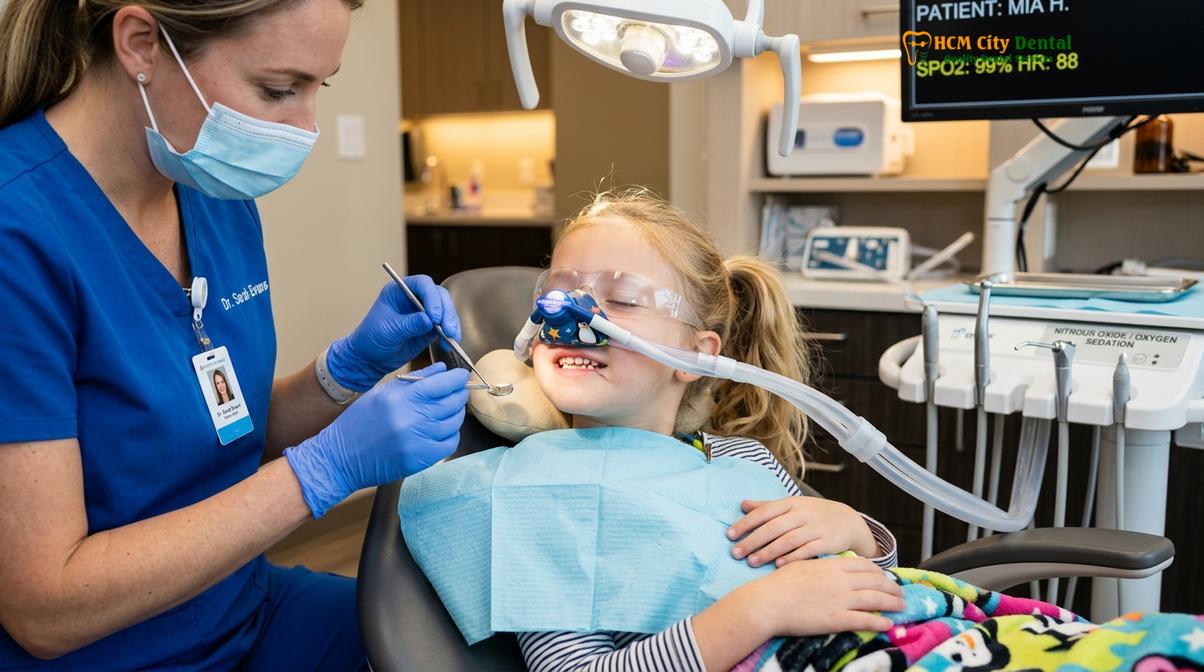
Furthermore, sedation is highly beneficial for pediatric patients with special healthcare needs, including those with autism spectrum disorder, severe ADHD, or sensory processing disorders. For these children, the sensory input of a dental clinic can be overwhelmingly distressing. Sedation gently depresses the central nervous system, reducing sensory overload and allowing the child to receive necessary comprehensive general dentistry care in a calm, controlled state. The decision to utilize sedation is never taken lightly; it is based on a rigorous assessment of the child’s medical history, psychological maturity, and the complexity of the required dental treatment.
“Forcing a terrified child through a painful dental procedure using physical restraint is an outdated practice that often results in lifelong dental phobia. Modern pediatric sedation allows us to provide necessary medical care while protecting the child’s psychological well-being.”
Safe Sedation Options for Pediatric Patients
Pediatric dentists utilize a carefully calibrated spectrum of sedation modalities, ranging from mild inhalation sedation to moderate oral conscious sedation, tailored to the child’s specific medical profile.
The field of pediatric dental anesthesiology operates on a continuum of central nervous system depression. The objective is always to use the lowest level of sedation necessary to achieve the desired clinical outcome. This approach maximizes safety while ensuring patient comfort. The selection of a specific sedation modality depends on several critical factors: the child’s age, weight, medical history (specifically the American Society of Anesthesiologists or ASA physical status classification), the extent of the dental disease, and the child’s baseline level of anxiety.
In the context of pediatric care, sedation is generally categorized into minimal, moderate, and deep sedation. Minimal sedation (anxiolysis) typically involves nitrous oxide, where the child responds normally to verbal commands, and cognitive function may be slightly impaired, but respiratory and cardiovascular functions remain completely unaffected. Moderate sedation, often achieved via oral medications, depresses consciousness to a level where the child responds purposefully to verbal commands or light tactile stimulation. Spontaneous ventilation is adequate, and cardiovascular function is maintained. Deep sedation and general anesthesia, which render the patient unconscious and unresponsive, are typically reserved for severe cases and are performed in hospital settings or specialized surgical centers.
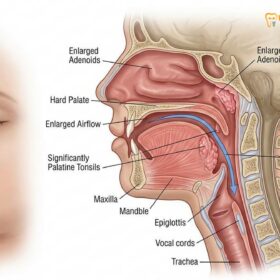
Dr. Nguyen Van Cuong, a leading expert in dental anesthesiology, notes that the success of any sedation protocol relies heavily on the practitioner’s ability to accurately assess the child’s airway anatomy. Pediatric airways differ significantly from adult airways—children have proportionally larger tongues, higher and more anterior larynges, and narrower subglottic spaces. These anatomical differences make pediatric patients more susceptible to airway obstruction during deeper levels of sedation, underscoring the need for highly specialized training and continuous physiological monitoring[2]. Understanding the nuances of conscious versus unconscious sedation techniques is vital for parents making informed decisions about their child’s care.
| Sedation Modality | Level of Sedation | Administration Route | Onset & Recovery | Primary Clinical Indication |
|---|---|---|---|---|
| Nitrous Oxide (Laughing Gas) | Minimal (Anxiolysis) | Inhalation (Nasal Mask) | Rapid onset (2-3 mins) / Rapid recovery | Mild anxiety, short procedures, gag reflex reduction |
| Oral Conscious Sedation | Moderate | Enteral (Liquid Medication) | Slow onset (30-60 mins) / Prolonged recovery | High anxiety, young age, extensive restorative work |
| Intravenous (IV) Sedation | Moderate to Deep | Parenteral (Intravenous Line) | Very rapid onset / Titratable recovery | Severe phobia, complex oral surgery, special needs |
| General Anesthesia | Unconscious | Inhalation/IV (Intubation) | Rapid onset / Monitored recovery | Uncooperative patients, massive full-mouth rehabilitation |
Nitrous Oxide (Laughing Gas) for Children
Nitrous oxide mixed with oxygen provides safe, mild inhalation sedation that rapidly reduces anxiety and gag reflexes while allowing the child to remain fully responsive.
Nitrous oxide (N2O), commonly referred to as laughing gas, is the gold standard for minimal sedation in pediatric dentistry. It is a colorless, sweet-smelling gas that is administered alongside pure oxygen through a small, comfortably fitting nasal hood. The pharmacological profile of nitrous oxide makes it exceptionally well-suited for children. It has a very low blood-gas partition coefficient, meaning it does not readily dissolve in the blood. Consequently, it rapidly crosses the blood-brain barrier to exert its anxiolytic and mild analgesic effects, and it is just as rapidly eliminated from the body through the lungs once the administration ceases.
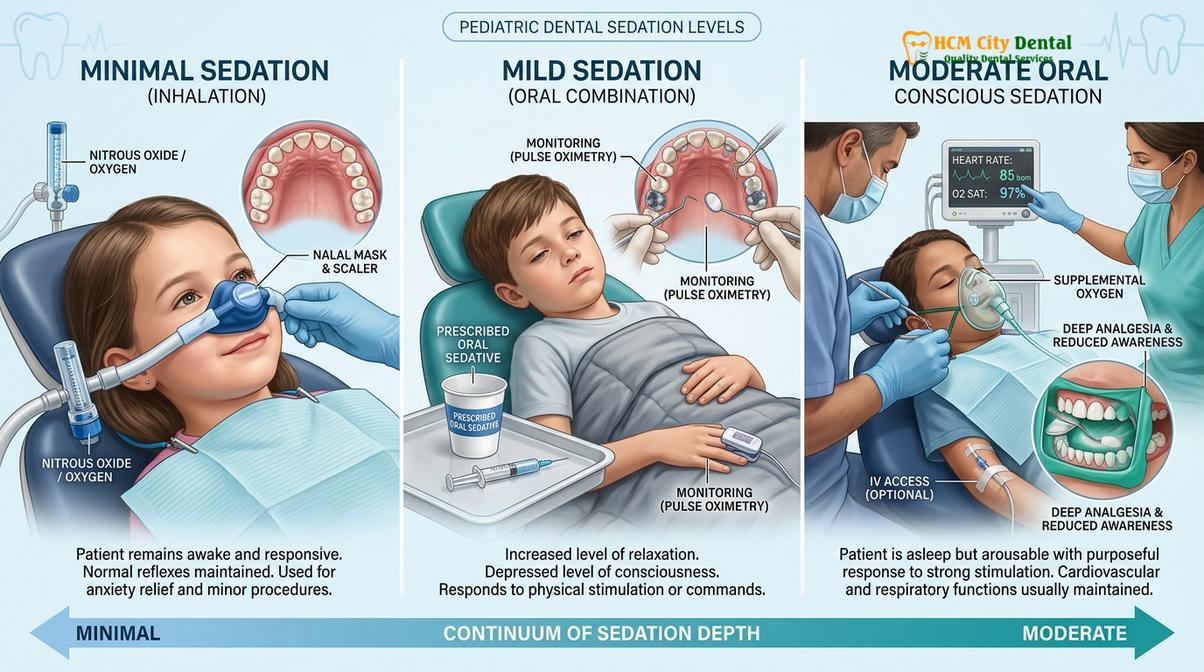
During the administration of nitrous oxide, the child remains fully conscious, keeps their eyes open, and can communicate normally with the dental team. The gas induces a state of euphoria, relaxation, and a feeling of floating or tingling in the extremities. It also slightly raises the pain threshold and is highly effective at suppressing a hyperactive gag reflex, which is a common barrier to taking dental X-rays or performing sedation for routine dental cleanings. Because the child remains awake, nitrous oxide is often used synergistically with behavioral management techniques, such as playing the child’s favorite cartoon on an overhead monitor.
Safety is the paramount advantage of nitrous oxide. Modern delivery systems are equipped with fail-safe mechanisms that prevent the delivery of less than 30% oxygen (room air is approximately 21% oxygen), ensuring the child is never deprived of adequate oxygenation. At the conclusion of the dental procedure, the nitrous oxide is turned off, and the child is placed on 100% pure oxygen for three to five minutes. This critical “oxygen flush” protocol prevents diffusion hypoxia—a temporary condition where the rapid exit of nitrous oxide from the bloodstream into the lungs dilutes the alveolar oxygen concentration, potentially causing a mild headache or nausea[3]. Following this flush, the child is fully recovered and can resume normal activities immediately, with no lingering cognitive impairment.
Oral Sedation for Pediatric Dentistry
Oral conscious sedation involves administering liquid medications to induce a deeper state of relaxation for highly anxious children or those requiring complex surgical procedures.
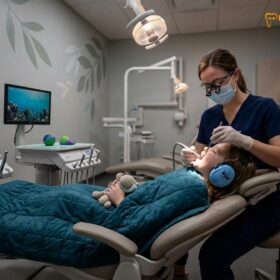
When a child’s anxiety level is too high for nitrous oxide to be effective, or when the treatment plan involves extensive, time-consuming restorative work, oral conscious sedation is often the next clinical step. This modality involves the administration of a sedative medication, typically in a flavored liquid syrup form, administered in the clinic waiting area approximately 30 to 60 minutes prior to the procedure. The most frequently utilized medication in pediatric dental anesthesia HCMC is Midazolam, a short-acting benzodiazepine. Midazolam is favored for its rapid onset compared to older sedatives, its reliable anxiolytic properties, and its profound anterograde amnesia effect—meaning the child is unlikely to remember the details of the dental procedure, thereby preventing the formation of traumatic memories.
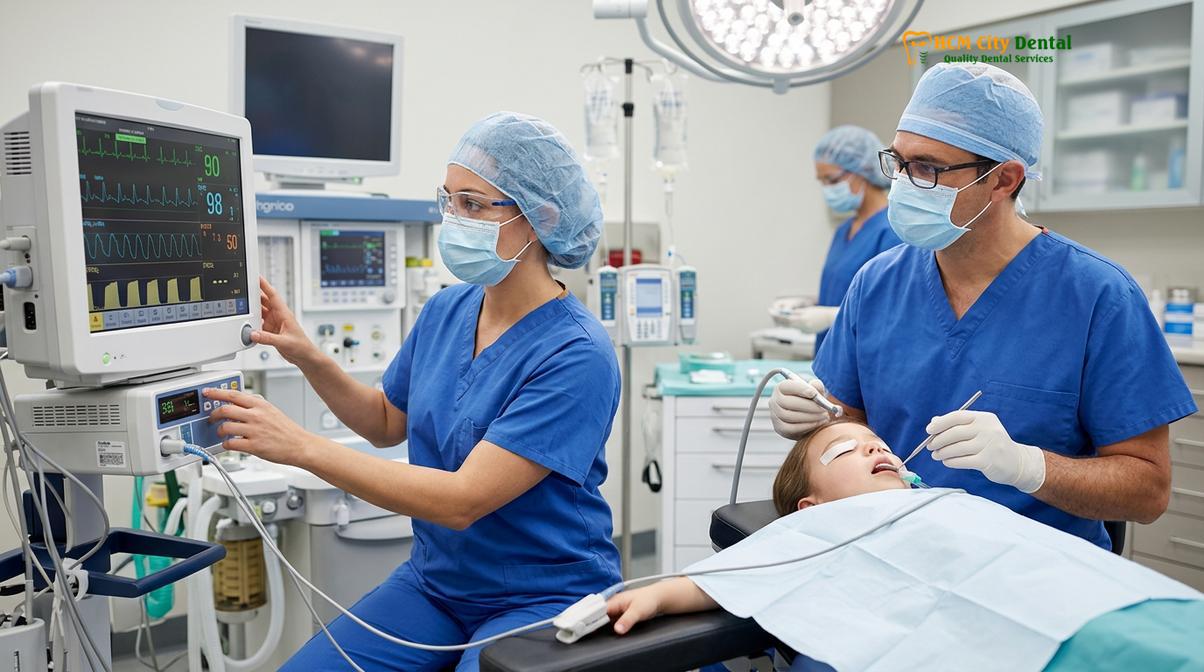
Unlike nitrous oxide, oral sedation is not easily titratable. Once the medication is swallowed, the dentist must wait for gastrointestinal absorption and hepatic first-pass metabolism to occur before the peak clinical effect is reached. Because the depth of sedation can vary based on the child’s unique metabolism, strict physiological monitoring is an absolute requirement. Throughout the procedure, the dental team utilizes pulse oximetry to continuously measure the child’s heart rate and blood oxygen saturation. Capnography, which measures end-tidal carbon dioxide, is also increasingly used to monitor the adequacy of the child’s ventilation in real-time[4].
Clinical Case Review: Managing Severe Early Childhood Caries
A 4-year-old patient presented to HCMC Dental Clinic in Ho Chi Minh City with severe early childhood caries affecting eight primary teeth, accompanied by acute dental phobia. Due to the patient’s young age and inability to cooperate for local anesthesia injections, Dr. Nguyen Van Cuong recommended oral conscious sedation using a carefully calculated dose of Midazolam. Following strict preoperative fasting, the medication was administered. Within 40 minutes, the child achieved a state of moderate sedation. The clinical team successfully completed four pulpotomies and placed four stainless steel crowns in a single 90-minute session while continuously monitoring vital signs. The patient recovered smoothly in the observation room and was discharged with no memory of the local anesthetic delivery, turning a potentially traumatic event into a highly successful clinical outcome.
While under oral sedation, the child may become drowsy and even fall into a light sleep, but they will remain capable of breathing on their own and responding to physical stimulation. It is important to note that oral sedatives do not provide pain relief; therefore, local anesthesia (numbing injections) is still required. However, the sedative ensures the child is relaxed and unaware during the injection process. Parents exploring these options often review comparative sedation dentistry costs to understand the value of investing in a stress-free, single-visit rehabilitation for their child’s oral health.
Preparing Your Child for Sedation
Proper preparation involves strict adherence to preoperative fasting guidelines, a comprehensive medical history review, and clear communication to minimize the child’s anticipatory anxiety.
The safety and efficacy of pediatric dental sedation begin long before the child sits in the dental chair. Comprehensive preoperative preparation is a collaborative effort between the pediatric dental team and the parents. The first critical step is a thorough medical evaluation. The dentist will review the child’s complete medical history, including any current medications, allergies, previous experiences with anesthesia, and any underlying systemic conditions such as asthma, congenital heart defects, or sleep apnea. Only children classified as ASA I (normally healthy) or ASA II (mild systemic disease) are typically considered candidates for in-office conscious sedation.
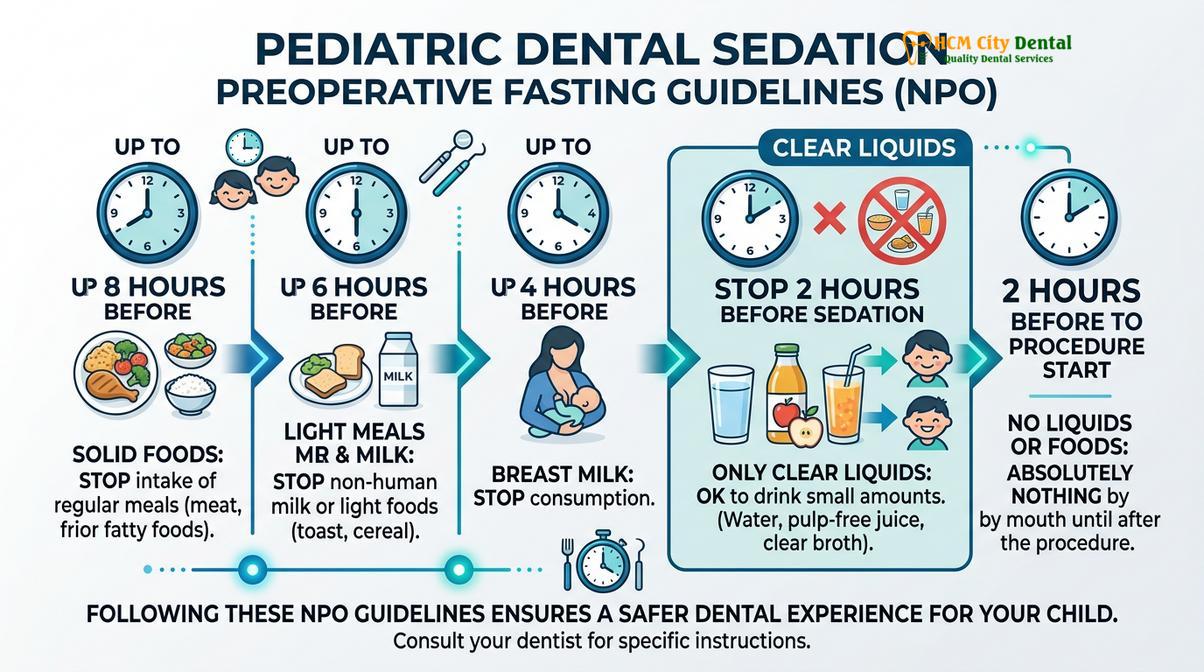
The most crucial aspect of preoperative preparation is strict adherence to fasting guidelines, medically known as NPO (nil per os) protocols. When a child is sedated, their protective airway reflexes—such as coughing and swallowing—can become slightly blunted. If the stomach contains food or liquid, there is a risk of vomiting and subsequent pulmonary aspiration (inhaling stomach contents into the lungs), which is a severe and potentially life-threatening medical emergency. The American Society of Anesthesiologists provides strict guidelines that must be followed: generally, no solid foods or non-clear liquids (like milk or orange juice with pulp) for at least six hours prior to the appointment, and no clear liquids (like water or apple juice) for at least two hours prior.
Critical Clinical Warning: Fasting Compliance
Failure to strictly adhere to preoperative fasting (NPO) guidelines significantly increases the risk of pulmonary aspiration during sedation. If your child has consumed any food, milk, or non-clear liquids within the restricted timeframe, you must inform the dental team immediately. The procedure will be rescheduled to ensure the child’s absolute safety. Never withhold this information from your doctor.
Beyond physiological preparation, psychological preparation is equally important. Parents play a vital role in shaping their child’s expectations. It is highly recommended to use positive, non-threatening language when discussing the upcoming visit. Avoid using trigger words like “shot,” “needle,” “drill,” or “pain.” Instead, frame the visit as a positive experience where the dentist will “count,” “brush,” and “paint” the teeth to make them strong. The clinical team at HCMC Dental Clinic is trained to guide parents on how to communicate effectively, ensuring the child arrives at the clinic with minimal anticipatory anxiety. Understanding how these protocols adapt across different patient demographics, similar to sedation protocols across different age groups, highlights the customized nature of modern dental anesthesiology.
After-Care and Recovery
Post-sedation recovery requires close parental supervision, a soft diet, and restricted physical activity until the pharmacological effects have completely dissipated.
The recovery phase following pediatric dental sedation requires diligent observation and care. If the child received only nitrous oxide, recovery is virtually instantaneous following the five-minute 100% oxygen flush. The child can walk out of the clinic unassisted and return to school or normal play activities immediately, with no dietary restrictions other than those required by the dental procedure itself (e.g., waiting for local anesthesia to wear off before chewing).
However, recovery from oral conscious sedation is a more prolonged process. Because medications like Midazolam have a longer half-life, the child will remain drowsy, slightly uncoordinated, and potentially irritable for several hours after the procedure. Following the completion of the dental work, the child is moved to a quiet recovery area where their vital signs continue to be monitored until they meet strict discharge criteria. They must be awake, responsive, and able to maintain their airway independently before being cleared to go home[5].
“Postoperative monitoring does not end when the patient leaves the clinic. Parents must act as an extension of our clinical team, ensuring the child rests safely at home and remains hydrated while the sedative fully metabolizes out of their system.”
Upon returning home, the child should be encouraged to rest in a supervised environment. Physical activities such as running, climbing, or riding a bicycle must be strictly prohibited for the remainder of the day to prevent falls and injuries due to lingering ataxia (loss of coordination). Hydration is critical; offer clear liquids initially, progressing to a soft diet (like yogurt, applesauce, or mashed potatoes) as tolerated. Parents must also be highly vigilant about the child biting their numb lip, cheek, or tongue. Because the local anesthesia outlasts the sedative effect, children may inadvertently chew on their soft tissues, causing significant self-inflicted injury. For expatriate families evaluating these comprehensive care standards, reviewing international sedation cost comparisons often reveals that high-tier clinics in Vietnam provide world-class safety protocols at highly accessible rates.
When to See a Doctor
While pediatric dental sedation is overwhelmingly safe when protocols are strictly followed, parents must be educated on identifying potential postoperative complications. It is normal for a child to sleep for a few hours after oral sedation or to experience mild nausea. However, certain symptoms warrant immediate medical evaluation. You should contact your pediatric dentist or seek emergency medical care if your child exhibits any of the following red flags:
- Respiratory Distress: Any signs of difficulty breathing, wheezing, shallow breathing, or a bluish tint to the lips or skin (cyanosis).
- Prolonged Lethargy: Inability to wake the child easily, or if the child remains profoundly unresponsive several hours after the procedure.
- Intractable Vomiting: Repeated, forceful vomiting that prevents the child from retaining any fluids, leading to a risk of dehydration.
- Severe Allergic Reaction: The sudden onset of hives, facial swelling, or a rash, which could indicate a delayed hypersensitivity to the sedative or local anesthetic.
- High Fever: A significant spike in body temperature post-procedure, which may indicate an underlying infection rather than a reaction to the sedation.
At HCMC Dental Clinic, our dedicated pediatric team provides comprehensive postoperative instructions and a direct emergency contact line, ensuring parents have immediate access to clinical guidance during the critical recovery period.
Frequently Asked Questions
At what age can children receive dental sedation?
Children can safely receive mild dental sedation, such as nitrous oxide, as early as age two or three, depending on their ability to tolerate a nasal mask. Oral conscious sedation is typically reserved for children over the age of three who require extensive restorative work, subject to a rigorous medical evaluation.
The decision is based less on chronological age and more on the child’s psychological maturity, airway anatomy, and the specific clinical necessity of the dental treatment. Pediatric dentists carefully weigh the risks of sedation against the risks of leaving severe dental decay untreated, which can lead to systemic infection and developmental delays.
Is nitrous oxide safe for young children?
Yes, nitrous oxide is widely considered the safest and most predictable inhalation sedative in pediatric dentistry. It has a rapid onset, is quickly eliminated from the body without leaving residual metabolites, and allows the child to remain fully conscious and responsive throughout the procedure.
Because it does not depress the respiratory drive or cardiovascular system, the risk profile is exceptionally low. The built-in safety mechanisms of modern delivery units ensure that a continuous flow of oxygen is always maintained, preventing any possibility of hypoxia during the dental treatment.
How do I prepare my child for dental sedation?
Preparation requires strict adherence to preoperative fasting guidelines, typically involving no solid foods for six hours and clear liquids up to two hours before the appointment. Parents should also explain the visit using positive, non-threatening language to minimize the child’s anticipatory anxiety.
Ensure your child wears loose, comfortable clothing to the appointment to allow the dental team to easily place monitoring equipment, such as a blood pressure cuff and pulse oximeter. Arrive early to allow the child to acclimate to the clinic environment without feeling rushed or stressed.
What are the risks of pediatric dental sedation?
While generally safe when administered by trained professionals, potential risks include paradoxical hyperactivity, postoperative nausea, and, in extremely rare cases, respiratory depression. Continuous physiological monitoring using pulse oximetry and capnography strictly mitigates these risks during the procedure.
A paradoxical reaction occurs when a sedative, instead of calming the child, causes them to become hyperactive, agitated, or inconsolable. While challenging, pediatric dental anesthesiologists are trained to manage these rare occurrences safely. The risk of respiratory depression is minimized by precise weight-based dosing and continuous airway assessment.
Can my child eat before dental sedation?
No, your child must not eat solid foods before oral or intravenous sedation. Adhering to the specific fasting (NPO) guidelines provided by your pediatric dentist is critical to prevent the dangerous risk of pulmonary aspiration during the sedation process.
If a child vomits while sedated and their airway reflexes are blunted, stomach contents can enter the lungs, causing severe chemical pneumonitis. If you suspect your child has eaten or drank anything outside the permitted guidelines, you must inform the dentist immediately so the procedure can be safely rescheduled.
References
- American Academy of Pediatric Dentistry (AAPD). Best Practices for Behavior Guidance for the Pediatric Dental Patient. (2021).
- Journal of the American Dental Association. Efficacy and safety of nitrous oxide inhalation sedation in children. (2020).
- International Journal of Paediatric Dentistry. Oral conscious sedation protocols for early childhood caries management. (2019).
- Pediatric Anesthesia. Airway management and physiological monitoring during pediatric dental sedation. (2022).
- Clinical Oral Investigations. Postoperative recovery profiles following pediatric dental sedation. (2018).
For professional children’s dental care, preventive sealants, or to schedule a check-up, visit our Children & Pediatric Dentistry service page at HCMC Dental Clinic in Ho Chi Minh City.