Dental anxiety in children is a complex psychological response characterized by fear, stress, or avoidance behaviors related to dental environments. Managing this anxiety requires early intervention, specialized behavioral techniques like ‘Tell-Show-Do’, and sometimes safe pharmacological support to ensure lifelong oral health without psychological trauma.
Clinical Summary:
Pediatric dental anxiety is a recognized clinical barrier that can severely compromise a child’s oral health trajectory, leading to delayed interventions and exacerbated dental pathologies. The etiology of this fear is multifactorial, encompassing objective direct negative experiences, subjective vicarious learning from anxious parents, and innate developmental fears of the unknown. Modern pediatric dentistry addresses these challenges through a tiered approach. Foundational management relies on non-pharmacological behavioral guidance, prominently featuring the ‘Tell-Show-Do’ technique, positive reinforcement, and systematic desensitization. When behavioral modalities prove insufficient for safe and effective treatment, pharmacological interventions such as nitrous oxide (laughing gas) conscious sedation are employed. Establishing a “dental home” by the child’s first birthday is the most effective preventive strategy, fostering acclimatization and shifting the clinical focus from reactive treatment to proactive, anxiety-free preventive care.
Key Takeaways:
- Dental anxiety in children stems from a mix of direct negative experiences, parental fear transmission, and sensory sensitivities.
- Early introduction to the dental clinic by age one establishes a preventive “dental home” and significantly reduces future phobias.
- The ‘Tell-Show-Do’ technique is a highly effective, evidence-based behavioral strategy used to demystify dental instruments and procedures.
- Parents must actively avoid using threatening language or projecting their own dental fears onto their children prior to appointments.
- Nitrous oxide inhalation provides a safe, rapid-acting, and easily reversible conscious sedation option for children requiring complex treatments.
Why Children Develop Dental Anxiety
Children develop dental fear due to a combination of direct negative experiences, learned behaviors from anxious parents, and a natural developmental fear of the unknown or loss of control.
Understanding the root causes of dental anxiety children experience is the first critical step in formulating an effective management plan. Unlike adult dental phobia, which is often deeply entrenched in years of avoidance, pediatric dental anxiety is highly dynamic and heavily influenced by the child’s immediate environment, cognitive development stage, and sensory processing capabilities. Clinical research categorizes the etiology of pediatric dental fear into two primary domains: objective fear and subjective fear.[1]
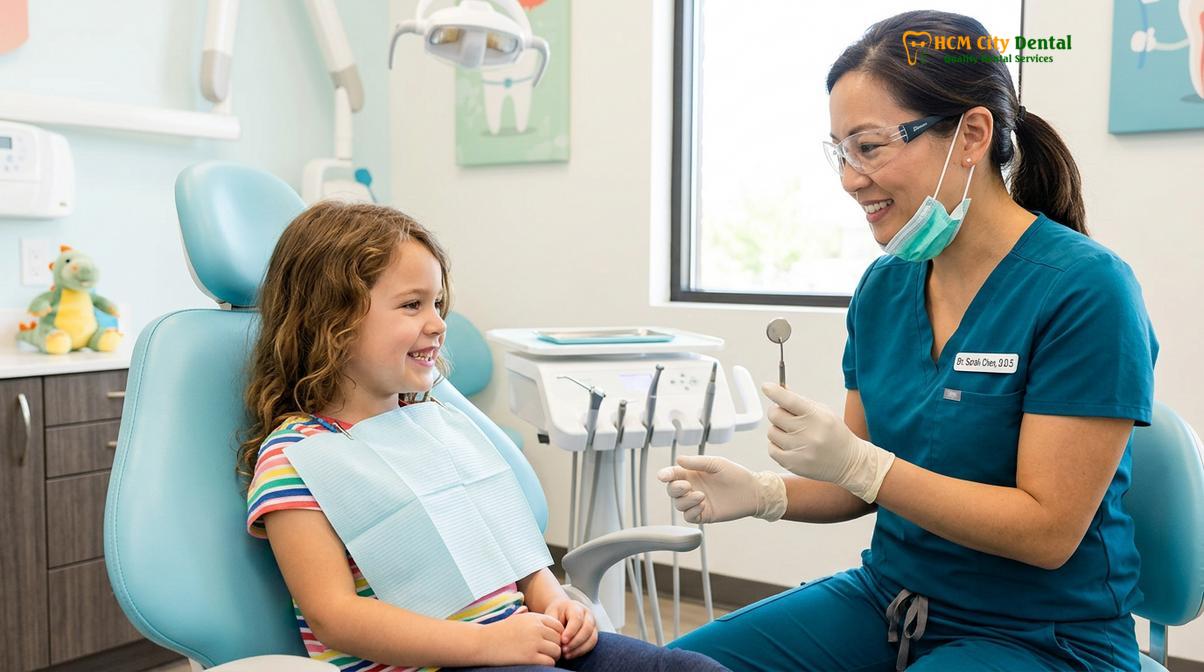
Objective vs. Subjective Fear Mechanisms
Objective fear arises from direct physical experiences. If a child’s first encounter with a dentist involves acute pain—such as an emergency extraction or a deep restorative procedure without adequate local anesthesia—the child’s amygdala rapidly forms a strong associative memory linking the dental environment with trauma. This classical conditioning means that subsequent visits, even for painless preventive care, can trigger a severe sympathetic nervous system response, manifesting as crying, physical resistance, or tachycardia.
Conversely, subjective fear is acquired vicariously. Children are highly perceptive and frequently absorb the anxieties of their primary caregivers. If a parent exhibits visible stress, uses negative terminology, or recounts traumatic dental stories, the child internalizes this information, developing a preemptive fear of an environment they have never actually experienced. This phenomenon of emotional contagion is a leading cause of child fear of dentist in patients who have no prior history of dental trauma.[2]
“The transmission of dental anxiety from parent to child is a well-documented clinical phenomenon. A child’s perception of the dental operatory is often a direct mirror of their caregiver’s psychological state, making parental education just as vital as pediatric behavioral management.”
Sensory Triggers and Cognitive Development
The modern dental operatory is a highly stimulating environment that can easily overwhelm a child’s developing sensory processing systems. The high-pitched whine of a high-speed handpiece, the bright glare of the overhead operatory light, the unfamiliar taste of prophylaxis paste, and the physical sensation of having one’s personal space invaded all contribute to sensory overload. For children with neurodivergent profiles or heightened sensory sensitivities, these stimuli can be interpreted as direct threats.
Furthermore, a child’s cognitive developmental stage dictates their ability to rationalize these experiences. According to Piaget’s stages of cognitive development, children in the preoperational stage (ages 2 to 7) often struggle with abstract reasoning and may view dental instruments as inherently dangerous objects rather than therapeutic tools. Dr. Nguyen Van Cuong emphasizes that recognizing these developmental limitations is crucial; a clinician cannot simply reason with a frightened toddler but must instead rely on behavioral conditioning and environmental adaptation to bypass the cognitive barriers of fear.
Preventing Fear: When and How to Introduce Kids to the Dentist
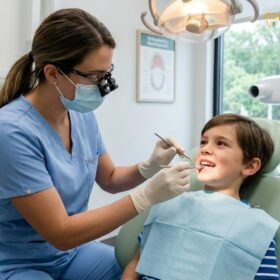
The most effective prevention strategy is scheduling the first dental visit by the child’s first birthday, establishing a non-threatening environment before any complex treatment is required.
The paradigm of pediatric dentistry has shifted significantly from reactive surgical intervention to proactive, preventive acclimatization. The concept of the “Dental Home,” endorsed by leading global pediatric dental associations, advocates for the establishment of an ongoing relationship between the dentist and the patient starting no later than 12 months of age, or within six months of the eruption of the first primary tooth.[1]
The Psychology of Acclimatization
Early and frequent exposure to the dental environment in a non-threatening context utilizes the psychological principle of latent inhibition. When a child’s initial memories of the dental clinic involve positive, painless interactions—such as riding in the dental chair, counting teeth, and receiving a new toothbrush—these positive associations act as a psychological buffer. If a minor restorative procedure is required later in childhood, the established foundation of trust significantly mitigates the anxiety response.
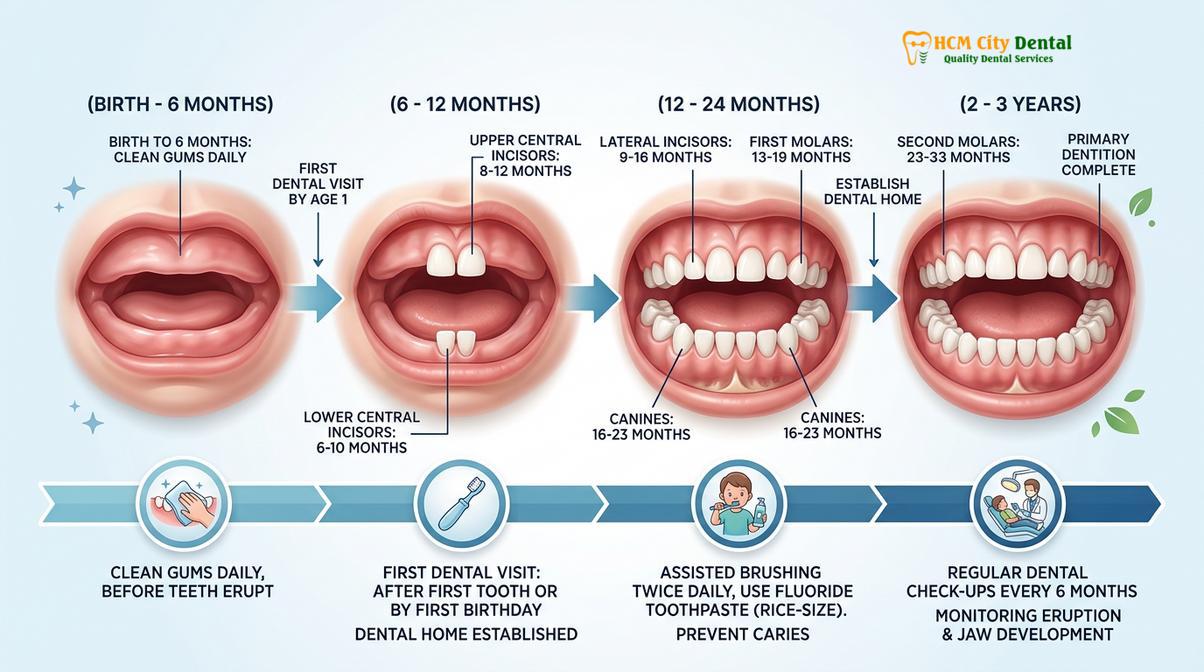
Waiting until a child experiences a toothache to schedule their first visit is a primary catalyst for lifelong dental phobia. In these emergency scenarios, the child is already in pain, fatigued, and highly stressed, making behavioral management exceptionally difficult and often necessitating more invasive pharmacological interventions.
Milestones for Introducing Children to Dentist
A structured timeline for introducing children to dentist ensures that both the child and the parents are adequately prepared for each stage of oral development. The following table outlines the recommended clinical milestones and corresponding acclimatization strategies:
| Age Milestone | Clinical Focus | Acclimatization Strategy |
|---|---|---|
| 6 – 12 Months | First tooth eruption; establishing the Dental Home. | Knee-to-knee exam with parent; gentle oral wiping; familiarization with the clinical room. |
| 1 – 2 Years | Monitoring primary dentition; caries risk assessment. | Introduction to the dental chair; “counting teeth” games; demonstrating the dental mirror. |
| 3 – 5 Years | Full primary dentition; preventive fluoride application. | Introduction of the prophylaxis brush (“tickle toothbrush”); practicing opening wide; positive reinforcement. |
| 6+ Years | Mixed dentition phase; orthodontic evaluation. | Detailed explanations of procedures; introducing dental radiographs; fostering patient autonomy. |
By adhering to this structured timeline, clinicians can systematically desensitize the child to the sights, sounds, and sensations of the operatory, transforming the dental visit from a feared event into a routine, anticipated aspect of their overall healthcare regimen.
The ‘Tell-Show-Do’ Technique for Child Patients
The ‘Tell-Show-Do’ method is a foundational behavioral management strategy where the dentist explains the procedure in child-friendly terms, demonstrates it outside the mouth, and then performs it.
Among the various non-pharmacological behavior guidance techniques utilized in pediatric dentistry, the ‘Tell-Show-Do’ (TSD) method remains the gold standard. Rooted in the principles of systematic desensitization and cognitive behavioral therapy, TSD is designed to demystify the dental experience, reduce the fear of the unknown, and build a collaborative relationship between the clinician and the pediatric patient.[5]
Deconstructing the Three Phases
The efficacy of the TSD technique relies on the precise execution of its three distinct phases, tailored to the child’s specific cognitive and emotional level.
1. Tell: The clinician provides a verbal explanation of the impending procedure using age-appropriate euphemisms. Clinical terminology is strictly avoided. For example, a high-speed suction device is introduced as “Mr. Thirsty,” a dental drill is a “tooth tickler” or “water whistle,” and local anesthesia is described as “sleepy juice.” This phase sets expectations without triggering alarm.
2. Show: The clinician demonstrates the instrument and its function in a non-threatening manner, typically outside the oral cavity. This might involve running the prophylaxis cup against the child’s fingernail to demonstrate the vibration, or spraying the air/water syringe onto the child’s hand. This phase provides safe sensory exposure, allowing the child to process the stimulus without feeling vulnerable.

3. Do: Immediately following the demonstration, the clinician performs the exact action inside the mouth. It is critical that the “Do” phase precisely matches the “Tell” and “Show” phases; any deviation can instantly shatter the child’s trust. During execution, continuous verbal distraction and positive reinforcement are maintained to keep the child’s focus away from any minor discomfort.
Clinical Case Study: Overcoming Restorative Anxiety
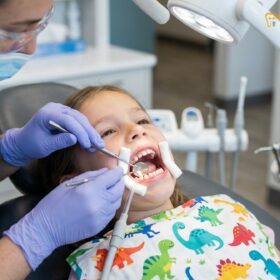
A 5-year-old patient presented to HCMC Dental Clinic in Ho Chi Minh City requiring a composite restoration on a primary molar. The patient exhibited high levels of avoidance, refusing to sit in the chair. Dr. Nguyen Van Cuong utilized a modified Tell-Show-Do approach, first allowing the child to “examine” a stuffed animal’s teeth using a plastic mirror. By gradually transitioning the focus from the toy to the child’s own mouth, and demonstrating the “water whistle” (handpiece) on the child’s thumbnail, the anxiety was sufficiently reduced to complete the restoration under local anesthesia without the need for pharmacological sedation. The case highlights the power of patience and structured behavioral guidance.
Complementary Behavioral Strategies
While TSD is highly effective, it is often combined with other behavioral techniques for maximum efficacy. Voice Control involves the deliberate alteration of voice volume, tone, or pace to gain the child’s attention and establish authority in a non-punitive manner. Distraction techniques, such as playing overhead cartoons, providing noise-canceling headphones, or engaging the child in imaginative storytelling, help divert cognitive resources away from the dental procedure. Positive Reinforcement, utilizing verbal praise or tangible rewards like stickers, reinforces cooperative behavior and ensures the child leaves the clinic with a sense of accomplishment.
Role of Parents: What to Say (and What Not to Say)
Parents play a critical role in shaping their child’s perception of dentistry; using positive reinforcement and avoiding trigger words is essential for a successful visit.
The psychological preparation a child receives at home before ever stepping foot in the dental clinic is arguably as important as the clinical techniques employed by the dentist. Parents act as the primary emotional filter for their children; how a parent frames the upcoming dental visit will directly dictate the child’s baseline anxiety level upon arrival. Unfortunately, well-meaning parents often inadvertently sabotage the appointment by projecting their own unaddressed dental fears or by using inappropriate preparatory language.[4]
The Contagion Effect of Parental Anxiety
Clinical studies have consistently demonstrated a strong correlation between maternal/paternal dental anxiety and the development of pediatric dental fear. Children are highly adept at reading micro-expressions, tone of voice, and body language. If a parent is visibly tense in the waiting room, or if they repeatedly ask the child, “Are you scared?” or “Is it hurting?”, the child will naturally assume that there is a valid reason to be frightened. Parents who suffer from severe dental phobia themselves are often advised to have another trusted caregiver, such as a grandparent or spouse, accompany the child into the operatory to prevent this emotional contagion.
Important Clinical Warning: Language to Avoid
Never use the dentist as a threat or punishment (e.g., “If you don’t brush your teeth, the dentist will give you a shot and pull them out”). Furthermore, strictly avoid using trigger words such as “pain,” “hurt,” “needle,” “shot,” “drill,” or “blood.” Even phrases intended to comfort, such as “Don’t worry, it won’t hurt,” are counterproductive, as the child’s brain primarily registers the word “hurt,” instantly elevating their defensive anxiety.
Constructive Pre-Appointment Preparation
To foster a positive mindset, parents should frame the dental visit as an exciting, routine part of growing up. Utilizing educational resources, such as reading child-friendly books about visiting the dentist or watching positive cartoons on the subject, can help normalize the experience. Parents should explain that the dentist is a friendly doctor whose job is to “count their teeth,” “take pictures of their smile,” and “make sure their teeth are strong enough to eat their favorite foods.”
During the appointment, the parent’s role should transition to that of a silent, supportive observer. The clinician needs to establish direct, undivided communication with the child to effectively utilize behavioral management techniques. If a parent constantly interrupts to soothe the child or answer questions on the child’s behalf, it disrupts the establishment of the dentist-patient bond and undermines the clinician’s authority, making treatment significantly more difficult.
Safe Pediatric Sedation Options: Nitrous Oxide (Laughing Gas)
When behavioral techniques are insufficient, nitrous oxide inhalation provides a safe, mild level of conscious sedation that reduces anxiety without putting the child to sleep.
Despite the best efforts in behavioral management, there are clinical scenarios where non-pharmacological techniques are insufficient to safely complete necessary dental treatment. This is particularly true for very young children, patients with extensive early childhood caries requiring prolonged appointments, or children with severe, entrenched phobias. In these instances, pharmacological intervention is required to ensure patient safety, prevent psychological trauma, and deliver high-quality restorative care. Among the available modalities, nitrous oxide/oxygen inhalation—commonly known as laughing gas—is the most widely used and safest anxiolytic agent in pediatric dentistry.[3]
Pharmacokinetics and Clinical Efficacy
Nitrous oxide (N2O) is a colorless, slightly sweet-smelling gas that, when mixed with oxygen (O2) and inhaled, produces a state of mild conscious sedation and analgesia. Its safety profile is largely attributed to its unique pharmacokinetics. Nitrous oxide has a very low blood-gas partition coefficient, meaning it does not readily dissolve in the blood. Consequently, it rapidly crosses the blood-brain barrier to exert its anxiolytic effects, typically within 3 to 5 minutes of inhalation. It depresses the central nervous system just enough to induce a state of relaxed euphoria, significantly raising the patient’s pain threshold and suppressing the hyperactive gag reflex, which is a common trigger for pediatric dental anxiety.
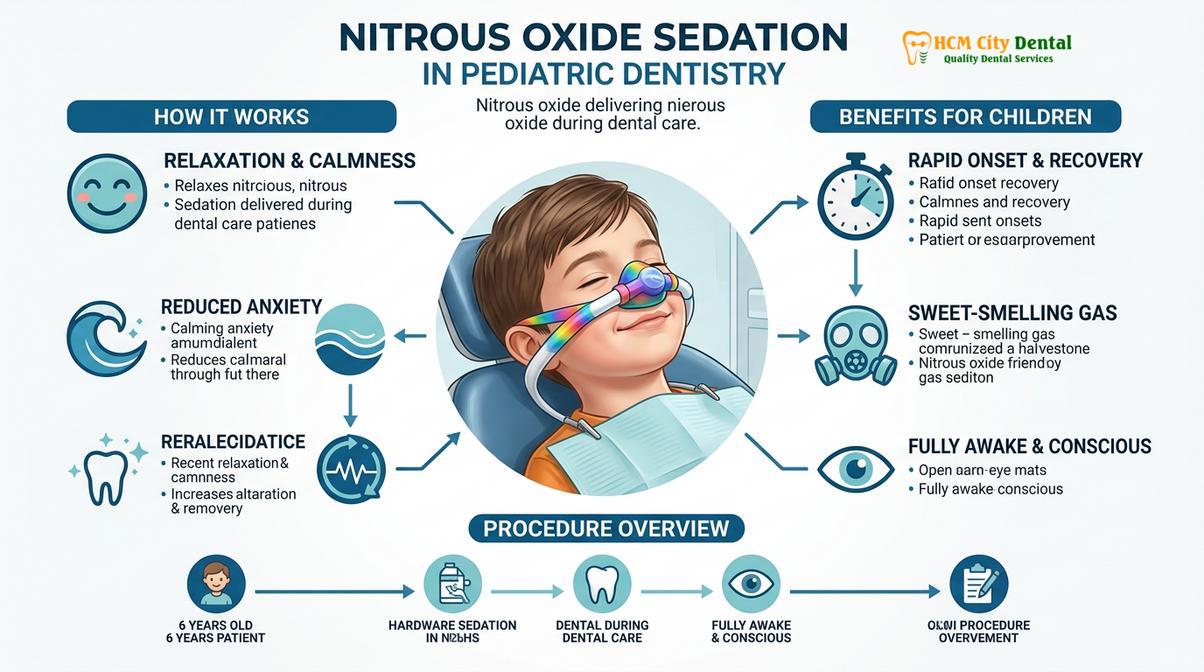
Crucially, nitrous oxide sedation is not general anesthesia. The child remains fully conscious, maintains their own airway reflexes, and can respond to verbal commands throughout the procedure. This allows the clinician to continue utilizing Tell-Show-Do and positive reinforcement in conjunction with the pharmacological support.
“Nitrous oxide is an invaluable tool in pediatric dentistry. It bridges the gap between behavioral guidance and general anesthesia, allowing us to perform complex restorative work safely while the child remains relaxed, cooperative, and entirely conscious.”
Administration Protocols and Recovery
The administration of nitrous oxide follows strict clinical protocols to ensure maximum safety. The gas is delivered through a small, often flavored, nasal hood that sits comfortably over the child’s nose. The clinician carefully titrates the N2O concentration, typically starting at 100% oxygen and gradually introducing nitrous oxide until the desired level of sedation is achieved (usually between 30% and 50% N2O). Continuous monitoring of the patient’s color, respiration, and responsiveness is maintained throughout the procedure.
One of the most significant advantages of nitrous oxide is its rapid reversibility. Once the dental procedure is complete, the nitrous oxide flow is terminated, and the child is administered 100% oxygen for 3 to 5 minutes. This process, known as oxygenation, rapidly flushes the remaining N2O from the lungs, preventing diffusion hypoxia (a temporary decrease in blood oxygen levels that can cause headaches or nausea). The child recovers completely within minutes and can leave the clinic with no lingering grogginess or impairment. For more comprehensive information on advanced pharmacological options, parents can explore detailed protocols regarding sedation dentistry.
Choosing an Expat-Friendly Pediatric Clinic in HCMC
Selecting a clinic that combines international clinical standards, multilingual communication, and a child-centric environment is crucial for expatriate families seeking pediatric dental care.
For expatriate families residing in Vietnam, navigating the healthcare system can add an additional layer of stress to managing a child’s dental anxiety. Finding a kid friendly dentist vietnam requires evaluating several critical factors beyond basic clinical competence. The ideal clinic must bridge cultural and linguistic gaps while providing an environment specifically tailored to alleviate pediatric apprehension.
Criteria for a Child-Centric Dental Environment
A clinic’s physical environment plays a massive role in either exacerbating or mitigating dental fear. Expat-friendly clinics often invest heavily in creating a welcoming, non-clinical atmosphere in their pediatric wings. This includes vibrant, child-friendly decor, dedicated play areas in the waiting room, and operatory designs that conceal intimidating surgical equipment from the child’s direct line of sight. Furthermore, the availability of overhead screens for visual distraction during procedures is a standard feature in modern pediatric setups.
Communication is equally paramount. Expatriate parents need to fully understand the proposed treatment plans, behavioral strategies, and consent forms without the barrier of translation errors. Clinics that cater to the international community, such as HCMC Dental Clinic, prioritize multilingual staff and clinicians who are trained in international standards of patient communication and informed consent. This ensures that parents are active, informed partners in their child’s oral healthcare journey.
Comprehensive Multidisciplinary Care
Managing pediatric dental anxiety saigon often requires a multidisciplinary approach. A premier clinic will seamlessly integrate pediatric care with broader General Dentistry services, ensuring that as the child grows and their dental needs evolve—from early childhood caries management to interceptive orthodontics—they can receive continuous care within the same trusted “dental home.” This continuity of care is vital for maintaining the trust built during early, anxiety-free visits, preventing the regression of fear that often occurs when a child is transferred to an unfamiliar specialist.
When to See a Pediatric Dental Specialist
Immediate professional intervention is required if a child exhibits severe avoidance behaviors, experiences acute dental pain, or requires complex treatments that cannot be managed with basic behavioral guidance.
While mild apprehension is a normal developmental phase, severe dental phobia requires specialized intervention. Parents should seek immediate consultation with a pediatric dental specialist if their child exhibits extreme avoidance behaviors, such as severe tantrums, physical combativeness, or sleep disturbances in the days leading up to an appointment. These are indicators that standard behavioral management techniques may be insufficient and that a more structured, possibly pharmacological, approach is necessary.
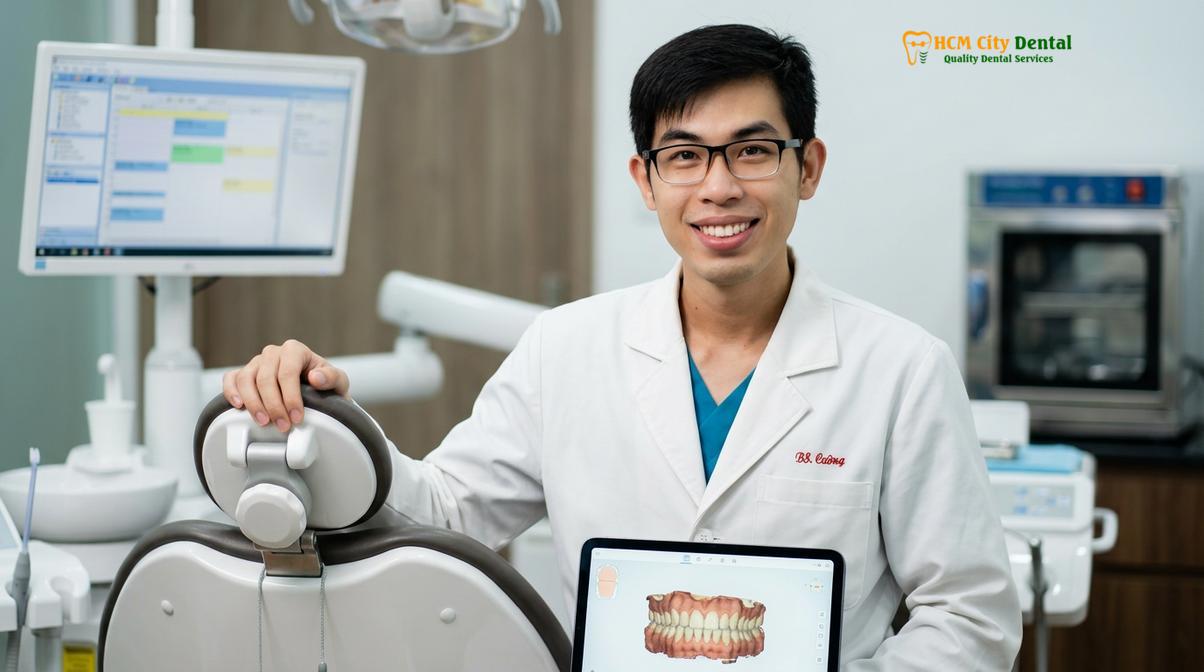
Furthermore, if a child is experiencing acute dental pain, facial swelling, or trauma, delaying care due to anxiety can lead to severe systemic infections and irreversible damage to the developing permanent dentition. In these urgent scenarios, a specialist can rapidly assess the situation and employ advanced modalities, ranging from deep conscious sedation to general anesthesia in a hospital setting, to safely resolve the pathology while protecting the child’s psychological well-being. Early intervention is the key to breaking the cycle of fear and establishing a foundation for a lifetime of healthy smiles.
Frequently Asked Questions
How do I stop my child from being afraid of the dentist?
You can reduce your child’s fear by introducing them to the dental environment early, using positive reinforcement, and avoiding negative trigger words. Consistent, non-invasive visits help desensitize the child, while specialized behavioral techniques employed by pediatric dental professionals build long-term trust and cooperation. Reading positive books about dentistry and playing “pretend dentist” at home can also normalize the experience.
Is laughing gas safe for pediatric dental procedures?
Yes, nitrous oxide (laughing gas) is considered highly safe and effective for managing mild to moderate pediatric dental anxiety. It has a rapid onset, is quickly eliminated from the body, and allows the child to remain fully conscious and responsive while significantly reducing fear and discomfort. It is administered alongside pure oxygen and is rapidly reversed at the end of the procedure.
What should I say to my child before their first dental visit?
Frame the visit positively by explaining that the dentist is a friendly doctor who helps keep their smile healthy and strong. Use child-friendly terms like ‘counting teeth’ or ‘brushing with a special tickle toothbrush,’ and strictly avoid words like ‘pain,’ ‘shot,’ or ‘drill’ that induce unnecessary fear. Keep explanations simple and avoid over-promising that “nothing will happen.”
What if my child refuses to open their mouth at the dentist?
If a child refuses to open their mouth, the dentist will typically employ behavioral management techniques like ‘Tell-Show-Do’ or distraction to ease their apprehension. If behavioral methods are insufficient and treatment is urgently needed, safe pharmacological options like conscious sedation may be recommended to proceed safely. The clinician will never force treatment in a way that causes psychological trauma.
At what age should a child start visiting the dentist?
A child should have their first dental visit by their first birthday or within six months after their first primary tooth erupts. Early visits are crucial for establishing a preventive dental home, monitoring oral development, and acclimatizing the child to the clinical environment before any complex treatment is needed. This proactive approach is the most effective way to prevent future dental anxiety.
References
- Journal of the American Academy of Pediatric Dentistry. Behavior Guidance for the Pediatric Dental Patient. (2021).
- International Journal of Paediatric Dentistry. Factors associated with dental fear and anxiety in children. (2020).
- British Dental Journal. Nitrous oxide inhalation sedation in pediatric dentistry: a review of safety and efficacy. (2019).
- Journal of Dental Research. The psychological impact of parental anxiety on pediatric dental fear. (2022).
- Clinical Oral Investigations. Efficacy of the Tell-Show-Do technique in reducing pediatric dental anxiety. (2018).
For professional children’s dental care, preventive sealants, or to schedule a check-up, visit our Children & Pediatric Dentistry service page at HCMC Dental Clinic in Ho Chi Minh City.