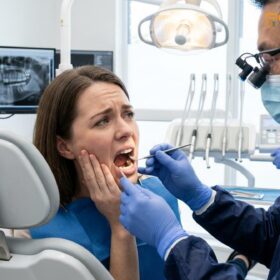
Experiencing a severe toothache in Vietnam? The immediate protocol is to take a combination of ibuprofen and paracetamol, apply a cold compress to the affected cheek, and contact an English-speaking emergency dental clinic for triage. Do not ignore spreading facial swelling or fever, as these indicate a spreading infection that requires prompt professional intervention.
Clinical Summary:
Managing a dental emergency while traveling requires immediate stabilization and prompt professional intervention. Acute dental pain is often triggered by underlying decay exacerbated by travel conditions, such as cabin pressure changes or dietary shifts. Initial management focuses on pharmacological control using a combination of NSAIDs and acetaminophen, alongside physical measures like cold compresses and head elevation. However, these are temporary bridges to definitive care. Recognizing red-flag symptoms—such as spreading facial swelling, fever, or trismus—is critical to preventing severe systemic infections. Reputable dental centers in major Vietnamese cities are fully equipped to provide international-standard diagnostics, emergency endodontic therapy, and surgical interventions, ensuring patients can safely continue their travels or fly home without the risk of barodontalgia.
Key Takeaways:
- Combine 400mg Ibuprofen with 1000mg Paracetamol for optimal over-the-counter pain relief.
- Apply a cold compress to the external cheek in 20-minute intervals to minimize inflammation.
- Never place aspirin, clove oil, or garlic directly on the gums, as this can cause chemical burns.
- Seek immediate hospital ER care if tooth pain is accompanied by fever, difficulty swallowing, or spreading swelling.
- Reputable clinics provide transparent, written treatment plans and itemized invoices for travel insurance claims.
Immediate Pain Relief Steps
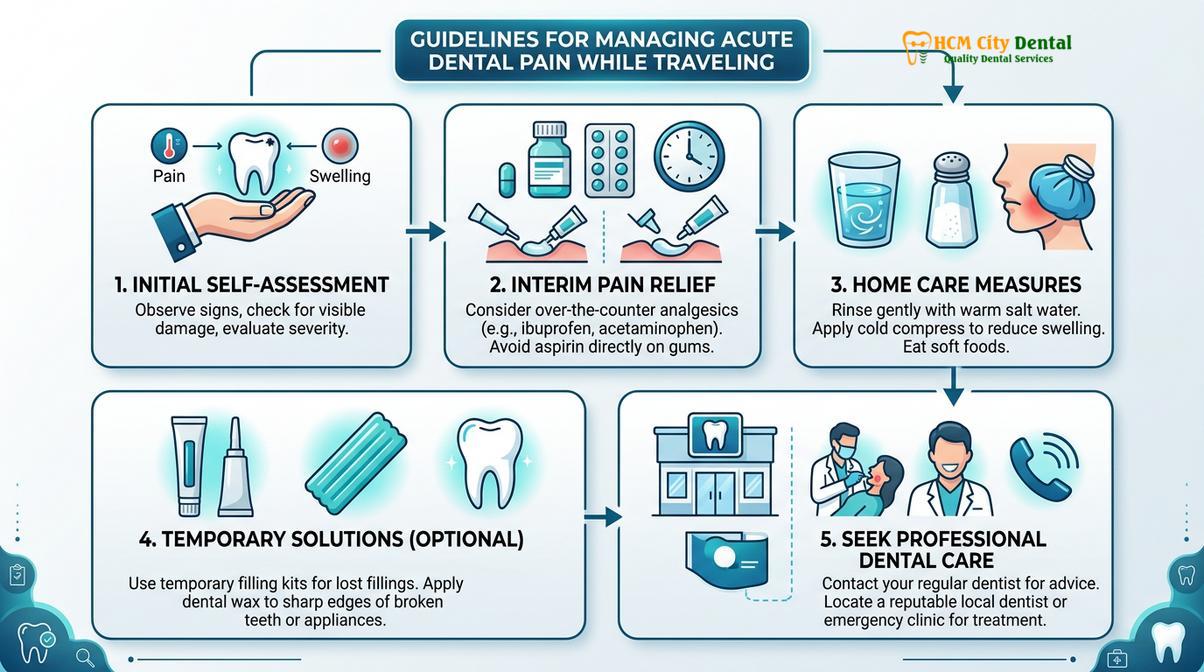
The first line of defense against acute dental pain involves pharmacological management with NSAIDs, cold therapy to reduce inflammation, and head elevation to decrease vascular pressure in the head.
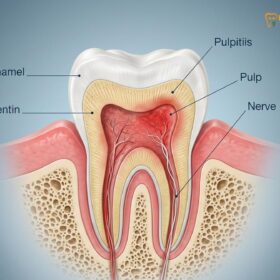
When a sudden toothache strikes during your travels, the immediate goal is to stabilize the pain and reduce localized inflammation until you can reach a professional facility for emergency dental care. Dental pain is notoriously severe because the dental pulp is encased in rigid enamel and dentin; when the tissue becomes inflamed, it has no room to swell, leading to intense pressure on the trigeminal nerve endings[1]. Managing this pressure is the key to temporary relief.
The most effective pharmacological approach for an acute toothache is the synergistic use of non-steroidal anti-inflammatory drugs (NSAIDs) and acetaminophen. Clinical studies consistently demonstrate that taking 400mg to 600mg of Ibuprofen alongside 1000mg of Paracetamol (acetaminophen) every 6 to 8 hours provides pain relief comparable to prescription opioids, without the associated cognitive side effects[3]. Ibuprofen works peripherally to inhibit the synthesis of prostaglandins (the chemicals that cause inflammation), while Paracetamol works centrally in the brain to elevate the pain threshold. Always take Ibuprofen with food to protect your gastric lining, and do not exceed the maximum daily dosages.
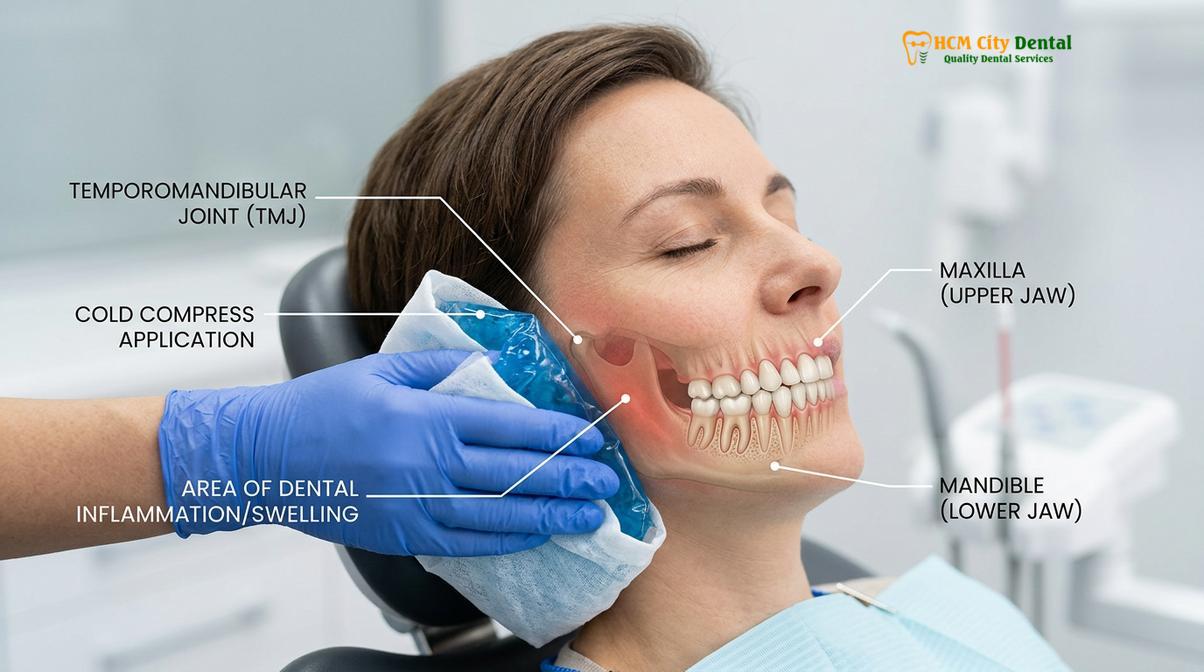
Physical interventions are equally important. Applying a cold compress to the outside of the affected cheek can significantly dull the pain. The cold temperature induces localized vasoconstriction, reducing blood flow to the inflamed area and physically numbing the sensory nerves. Wrap an ice pack in a thin towel and apply it for 20 minutes, followed by a 20-minute break. Never apply heat to a throbbing toothache, as heat causes vasodilation, which will draw more blood to the area, increase internal pressure, and exacerbate the pain.
Postural adjustments can also make a substantial difference, particularly at night. Horizontal sleeping positions increase blood pressure in the head and neck, which is why dental pain often spikes when you lie down to sleep. Elevating your head with two or three extra pillows keeps your head above your heart, utilizing gravity to reduce vascular pressure in the inflamed dental pulp.
Common Causes of Toothache While Abroad
Travel-related dental pain is frequently triggered by cabin pressure changes (barodontalgia), dietary shifts exposing hidden cavities, or physical trauma during vacation activities.
Many travelers are caught off guard by severe dental pain, assuming it developed overnight. In reality, most dental emergencies abroad are acute exacerbations of chronic, previously asymptomatic conditions. The stress of travel, combined with environmental changes, acts as a catalyst for underlying dental pathologies to become symptomatic.
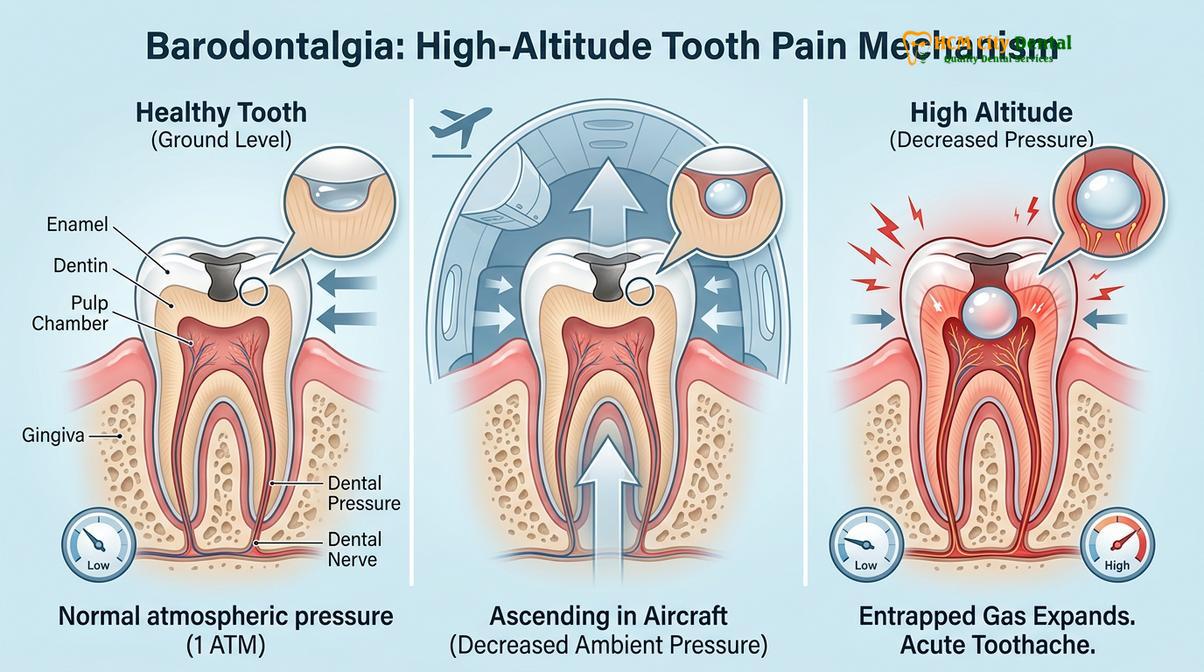
One of the most unique phenomena experienced by travelers is barodontalgia, commonly known as “tooth squeeze.” This occurs during flights or scuba diving when ambient pressure changes rapidly. According to Boyle’s Law, the volume of a gas is inversely proportional to its pressure. If a tooth has a microscopic crack, a failing restoration, or a necrotic (dead) pulp, small pockets of gas can become trapped inside. As the airplane ascends and cabin pressure drops, these trapped gases expand. Because the tooth structure is rigid, the expanding gas exerts excruciating pressure on the internal nerve fibers[2]. Patients who board a flight with a mild, manageable toothache often land in severe distress.
“Barodontalgia is a classic trigger for travel-related dental emergencies. A patient might have a silent, low-grade infection for months, but the pressure differential of a long-haul flight causes the trapped gases within the tooth to expand, turning a minor issue into an acute crisis by the time they land.”
Dietary shifts also play a significant role. Exploring a new culinary landscape often involves consuming foods that are highly acidic, heavily spiced, or unusually hard. Biting down on a hard piece of bone in a bowl of Pho or chewing on tough sugarcane can easily fracture a tooth that has been previously weakened by large amalgam fillings or undetected decay. Cracked tooth syndrome presents as sharp, localized pain specifically upon the release of biting pressure, as the fractured segments shift and stimulate the underlying pulp.
Over-the-Counter Medications Available in Vietnam
Vietnamese pharmacies widely stock effective analgesics like ibuprofen and paracetamol without a prescription, which can be combined for synergistic pain relief.
Navigating a foreign healthcare system can be daunting, but acquiring basic pain relief in Vietnam is highly accessible. Pharmacies are ubiquitous in major cities and are easily identifiable by signs reading “Nhà thuốc” (Pharmacy) or “Hiệu thuốc,” often accompanied by a green cross. Most pharmacists in tourist-centric areas possess a basic understanding of English, particularly regarding common ailments like dental pain.
When seeking medication for a toothache, you do not need a prescription for standard analgesics. Paracetamol is widely available under brand names such as Panadol or Efferalgan (which often comes in effervescent tablets that dissolve in water). Ibuprofen is also readily accessible, sometimes sold under the brand name Gofen or as generic ibuprofen. Another common local medication is Alaxan, which is a pre-formulated combination of Ibuprofen and Paracetamol, making it highly convenient for managing acute dental pain according to international travel protocols[5].
While antibiotics like Amoxicillin or Augmentin are frequently sold over the counter in Vietnam, clinical guidelines strongly advise against self-medicating with antibiotics for a toothache. Dental infections are localized within the tooth structure or the surrounding bone. Systemic antibiotics cannot penetrate a necrotic tooth because there is no longer a blood supply to carry the medication into the root canal system. Taking unprescribed antibiotics will not cure the toothache, may mask spreading symptoms, and contributes to global antibiotic resistance. The infection must be physically removed through dental drilling, drainage, or extraction.
When to See an Emergency Dentist
While pharmacological management can temporarily suppress pain, it does not resolve the underlying pathology. Distinguishing between a manageable toothache and a true medical emergency is critical, as certain odontogenic infections can spread rapidly into the fascial spaces of the head and neck, posing a threat to the airway[4]. The Vietnam Ministry of Health outlines strict triage protocols for dental infections to prevent life-threatening complications[6].
You should seek immediate care at a 24-hour hospital Emergency Room before visiting a dental clinic if you experience any of the following red-flag symptoms:
- Fever and Chills: A core body temperature above 38°C (100.4°F) indicates that the localized dental infection has entered the systemic circulation.
- Spreading Facial Swelling: Swelling that extends to the eye, down the neck, or crosses the midline of the face is a sign of cellulitis.
- Trismus: An inability to open your mouth more than two centimeters. This occurs when the infection inflames the masseter muscles, causing severe spasms.
- Dysphagia or Dyspnea: Difficulty swallowing or breathing indicates that the infection is swelling into the parapharyngeal spaces, which is a life-threatening emergency requiring intravenous antibiotics and surgical drainage.
If your symptoms are confined to the oral cavity—such as severe localized pain, sensitivity to hot and cold, or mild localized swelling around the gumline—you should proceed directly to a specialized dental clinic. Delaying treatment not only prolongs your suffering but also decreases the likelihood that the tooth can be saved.
| Symptom Profile | Clinical Indication | Recommended Action |
|---|---|---|
| Sharp pain when biting, lingering pain to hot/cold, no visible swelling. | Irreversible pulpitis or cracked tooth. | Visit an emergency dental clinic within 24 hours for evaluation and root canal therapy. |
| Dull, throbbing ache, localized gum swelling (pimple on gums), bad taste. | Localized periapical abscess. | Visit a dental clinic promptly for drainage and source control. |
| Severe pain, visible facial asymmetry, fever, swollen lymph nodes. | Spreading odontogenic infection (Cellulitis). | Go to a Hospital ER immediately for IV antibiotics, followed by dental care. |
| Inability to swallow, restricted airway, swelling under the chin. | Ludwig’s Angina (Medical Emergency). | Call emergency services or go to the nearest ER immediately. |
What to Expect at a Vietnamese Dental Clinic
Reputable dental centers in Vietnam offer international-standard care, featuring English-speaking specialists, advanced 3D imaging, and transparent, written treatment plans before any procedure begins.
For many travelers, the prospect of undergoing medical treatment in a foreign country is intimidating. However, the standard of private dental care in major urban centers like Ho Chi Minh City is exceptionally high. Clinics catering to international patients operate with modern technology, strict cross-infection control protocols, and highly trained specialists.
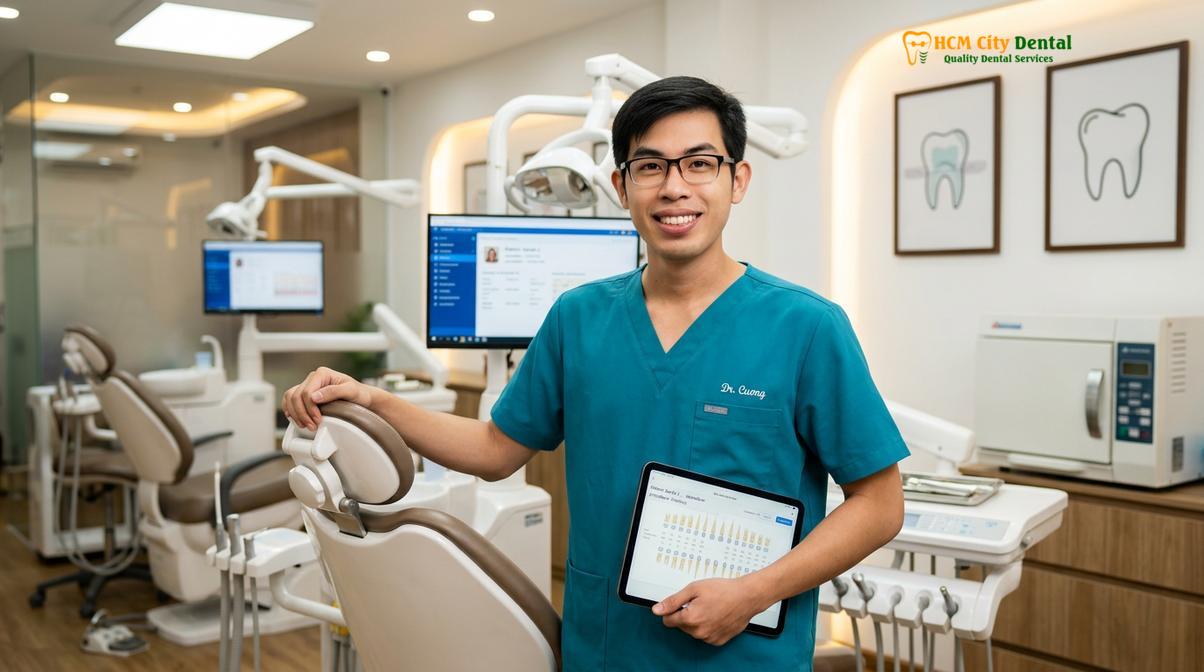
Dr. Nguyen Van Cuong, a leading specialist in acute dental trauma, emphasizes that timely intervention is crucial for preserving the natural tooth structure. At HCMC Dental Clinic, Dr. Cuong and his clinical team utilize advanced diagnostics to pinpoint the exact source of the pain, ensuring that patients receive targeted, effective relief rather than just temporary symptom management. This comprehensive approach allows travelers to resume their itineraries safely and comfortably.
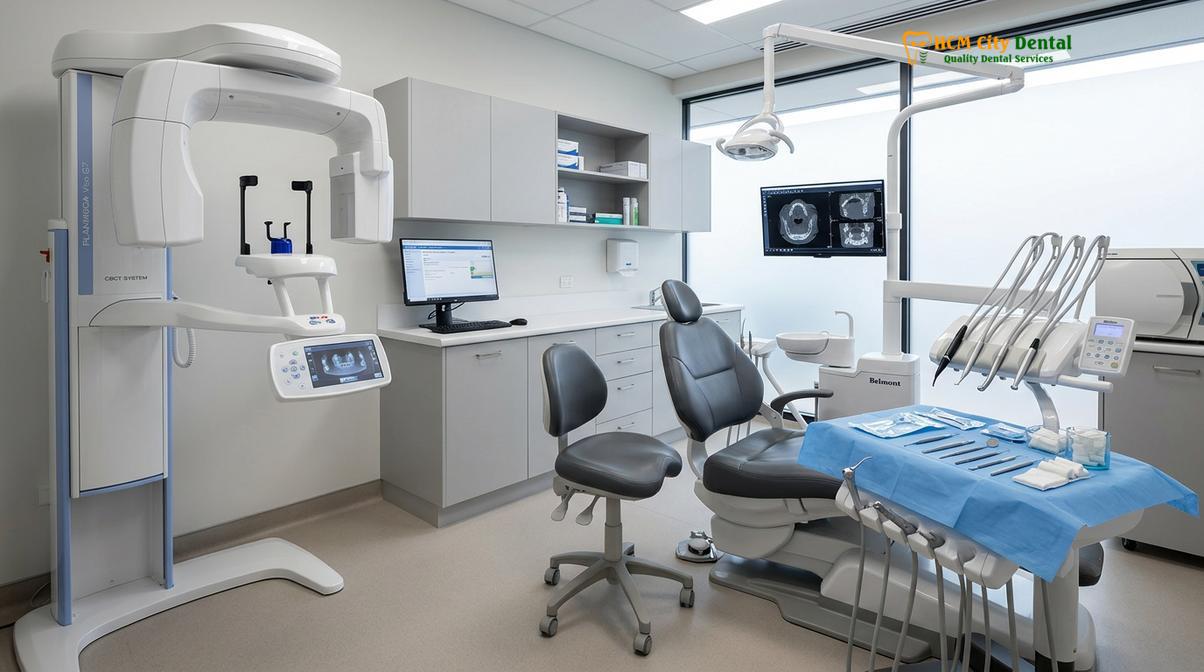
Diagnostics form the foundation of emergency care. The dentist will perform vitality tests to determine the health of the dental nerve. This is followed by radiographic imaging. Modern clinics utilize digital periapical X-rays and Cone Beam Computed Tomography (CBCT). A CBCT scan provides a high-resolution 3D image of your jaw, allowing the dentist to detect hidden micro-fractures, complex root canal anatomies, or the exact extent of a bone infection that traditional 2D X-rays might miss.
Clinical Case Review: Emergency Pulpitis Management
A 34-year-old tourist presented to HCMC Dental Clinic in Ho Chi Minh City with excruciating, spontaneous pain in the lower right quadrant, which had kept him awake for two nights. Clinical examination and CBCT imaging revealed deep recurrent decay under an old amalgam filling on tooth 46, leading to acute irreversible pulpitis. The clinical team administered a targeted inferior alveolar nerve block to ensure complete anesthesia. An emergency pulpectomy was performed to extirpate the inflamed nerve tissue, and the canals were dressed with calcium hydroxide. The patient reported immediate relief from the throbbing pain and was able to resume his travel itinerary the following day, with a comprehensive report provided for his home dentist to complete the root canal therapy.
Cost of Emergency Toothache Treatment in Vietnam
Emergency dental care in Vietnam is highly affordable compared to Western countries, with transparent pricing and itemized invoices provided for international travel insurance claims.
One of the primary advantages of seeking treatment for a toothache in Vietnam is the cost-effectiveness of the care. Despite utilizing the same high-end materials (such as European anesthetics, Japanese composites, and American imaging technology) as clinics in the US or Australia, the operational overhead in Vietnam is significantly lower. This allows top-tier clinics to offer emergency interventions at a fraction of Western prices, without compromising on clinical safety or expertise.
While exact fees depend on the complexity of the clinical situation, patients can generally expect transparent pricing structures. A comprehensive emergency consultation, including digital X-rays and a CBCT scan if necessary, is highly affordable. If a tooth requires an emergency extraction due to a severe, unrestorable fracture, the cost is straightforward and covers the surgical procedure, hemostatic measures, and post-operative instructions. For teeth that can be saved, an emergency pulpectomy (nerve removal) and temporary filling represent a moderate investment that immediately stops the pain and preserves the tooth for future restoration.
“Transparency in emergency care is non-negotiable. Patients in pain are vulnerable, which is why reputable clinics always provide a written, itemized treatment plan before any clinical intervention begins, ensuring there are no financial surprises.”
Conclusion and Next Steps
A severe toothache can quickly derail your travel plans, but understanding how to manage the pain and where to seek help can make all the difference. By utilizing over-the-counter analgesics responsibly, applying cold therapy, and recognizing the signs of a spreading infection, you can stabilize your condition until you reach a professional.
If you are currently experiencing acute dental pain, do not wait for the symptoms to worsen or risk a severe barodontalgia episode on your flight home. Contact the specialists at HCMC Dental Clinic in Ho Chi Minh City for immediate triage, advanced diagnostics, and compassionate emergency care designed to get you out of pain and back to enjoying your travels.
References
- Journal of the American Dental Association. Management of acute dental pain and the efficacy of NSAID combinations. (2020).
- International Endodontic Journal. Barodontalgia and aviation dentistry: A clinical review. (2019).
- World Health Organization. Guidelines on the pharmacological treatment of acute pain. (2021).
- Journal of Oral and Maxillofacial Surgery. Odontogenic infections and fascial space involvement. (2018).
- British Dental Journal. Emergency dental care protocols for international travelers. (2022).
- Vietnam Ministry of Health (MOH). National Guidelines on Odonto-Stomatology Examination and Treatment Protocols. (2020).
Read also: If you wake up with jaw soreness, learn about relieving jaw pain from morning bruxism.