A custom night guard in Vietnam typically costs between $70 and $150 USD, whereas the same clinical-grade appliance in New Zealand ranges from $500 to $1,000 NZD. This significant price difference allows Kiwi patients to access premium bruxism protection using identical international materials at a fraction of the cost.
Clinical Summary:
Sleep bruxism is a prevalent parafunctional habit characterized by involuntary teeth grinding and clenching, leading to severe enamel attrition, temporomandibular joint (TMJ) disorders, and myofascial pain. The gold standard for managing this condition is a custom-fabricated occlusal splint (night guard). While the clinical protocols and biocompatible materials used to create these devices are standardized globally, the economic models of healthcare delivery create vast pricing disparities. Patients comparing the night guard cost Vietnam vs New Zealand will find that Southeast Asian clinics offer identical digital scanning, CAD/CAM fabrication, and clinical adjustments at a significantly reduced price point, primarily due to lower domestic laboratory fees and operational overhead, without compromising clinical efficacy.
Key Takeaways:
- Custom night guards in Vietnam cost approximately 70% to 85% less than in New Zealand.
- Top Vietnamese clinics utilize the same FDA-approved materials (e.g., Erkodent, Pro-form) as NZ practices.
- Digital intraoral scanning (3Shape, iTero) ensures a highly accurate, gag-free impression process.
- The fabrication turnaround time in Vietnam is typically 24 to 48 hours, ideal for travelers.
- Properly fitted night guards protect against enamel wear, porcelain fracture, and TMJ strain.
Night Guard Pricing in Vietnam
In Vietnam, custom night guards cost between $70 and $150 USD, encompassing digital scanning, premium material fabrication, and final clinical adjustments.
The landscape of dental care in Southeast Asia has evolved dramatically, with Vietnam emerging as a premier destination for high-quality, cost-effective treatments. When evaluating the cost of preventive appliances, patients are often surprised by the affordability of clinical-grade solutions. The pricing for a custom night guard in Vietnam is highly transparent, typically structured as an all-inclusive package that covers the initial consultation, the impression or digital scan, the laboratory fabrication, and the final delivery and adjustment appointment[1].
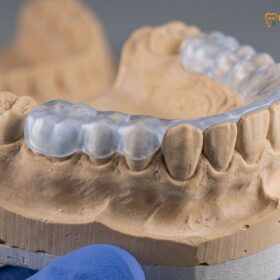
This cost efficiency is not achieved by cutting corners on material quality. Modern dental practices in Ho Chi Minh City utilize imported, biocompatible thermoplastics identical to those used in Western countries. Depending on the severity of the patient’s bruxism, dentists may prescribe a soft silicone guard, a hard acrylic splint, or a dual-laminate appliance (featuring a soft inner layer for comfort and a hard outer shell for durability). The fabrication process relies on advanced thermoforming technology or 3D printing, ensuring an intimate fit over the dental arch.
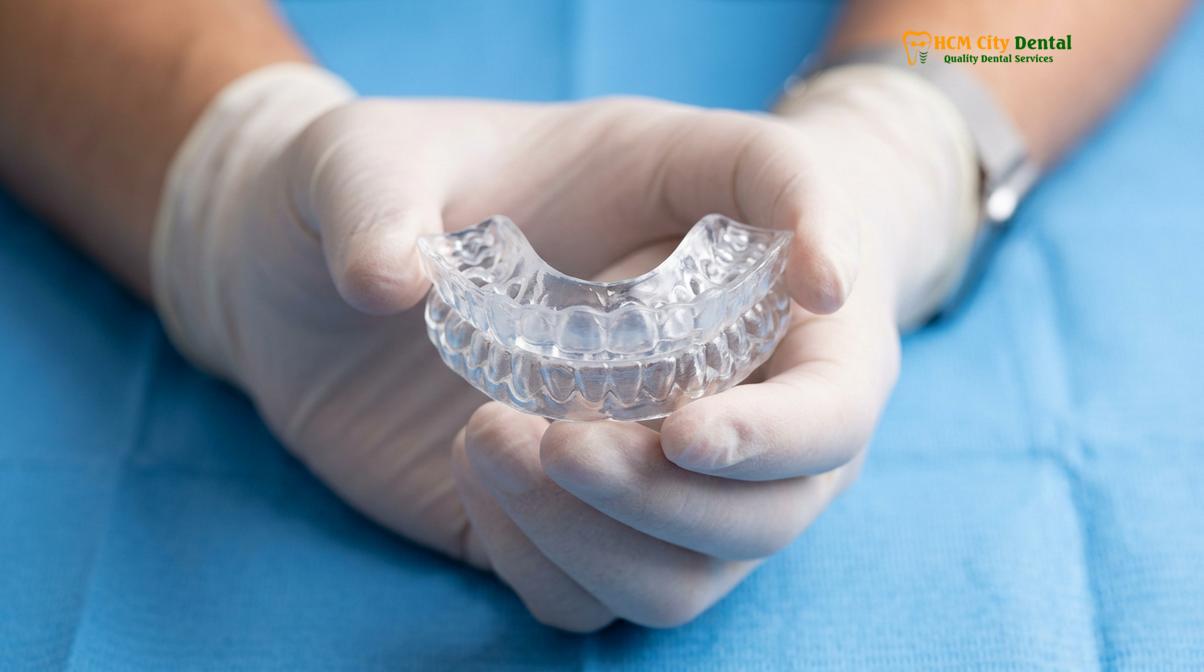
The clinical workflow in Vietnam is highly optimized. A patient visiting a facility like HCMC Dental Clinic in Ho Chi Minh City can expect a streamlined process. During the first visit, the dentist conducts a thorough examination of the occlusal surfaces and the temporomandibular joint to assess the extent of the parafunctional damage. An intraoral scanner is then used to capture a highly precise 3D model of the teeth. This digital file is sent immediately to the in-house or partnered dental laboratory. Within a short timeframe, the patient returns for the fitting, where the dentist meticulously adjusts the occlusal contacts to ensure balanced force distribution across the arch.
Night Guard Pricing in New Zealand
New Zealand dental clinics typically charge between $500 and $1,000 NZD for a custom night guard, driven by high domestic laboratory fees and private practice overhead.
In contrast to the streamlined and highly competitive market in Southeast Asia, the dental sector in New Zealand operates under a different economic model. For patients researching the night guard cost New Zealand, the financial reality can be daunting. The high price point is a culmination of several compounding factors inherent to the domestic healthcare system and the broader economy.
Firstly, the operational overhead for a private dental practice in cities like Auckland, Wellington, or Christchurch is substantial. Commercial rent, staff wages, and the importation costs of dental equipment and materials all contribute to the baseline fees charged to patients. Secondly, many New Zealand clinics outsource the fabrication of occlusal splints to domestic commercial dental laboratories. These laboratories also face high operating costs, which are passed on to the prescribing dentist and, ultimately, the patient[2].
Furthermore, the pricing structure in New Zealand is often unbundled. A patient may be charged a separate fee for the initial consultation, another fee for the diagnostic radiographs (if required to assess TMJ health), a fee for the impressions, and finally, the cost of the appliance itself. This cumulative billing approach can quickly escalate the total out-of-pocket expense, making a standard preventive device a significant financial investment.
Cost Breakdown
Comparing the two regions reveals that patients can save up to 80% on bruxism appliances in Vietnam without compromising on material quality or clinical precision.
To truly understand the value proposition, it is necessary to break down the specific cost components associated with acquiring a custom occlusal splint. The dental guard price NZ often acts as a barrier to entry for patients who desperately need protection against nocturnal grinding but cannot justify the domestic expense.
🇳🇿 Cost Comparison: Vietnam vs New Zealand (Per Arch)
Save up to 65% - 75% on high-quality custom dental night guards. Below is a detailed cost breakdown comparing local rates in New Zealand with HCMC Dental Clinic.
| Night Guard Type | New Zealand Avg. Cost | HCMC Dental Cost | Your Savings |
|---|---|---|---|
| Soft Night Guard (EVA) | $250 - $350 NZD | $85 USD (~$140 NZD) | Save ~75% |
| Dual-Laminate (Hard/Soft) | $350 - $550 NZD | $120 USD (~$195 NZD) | Save ~70% |
| Hard Acrylic Night Guard | $400 - $650 NZD | $150 USD (~$245 NZD) | Save ~80% |
The table above illustrates the stark contrast in pricing. In Vietnam, the lower cost of living and favorable exchange rates allow clinics to offer highly competitive pricing while maintaining healthy profit margins. This economic advantage is passed directly to the patient. Additionally, the prevalence of in-house digital laboratories in top-tier Vietnamese clinics eliminates the middleman, further reducing the final cost and significantly accelerating the turnaround time through efficient digital workflows[4].
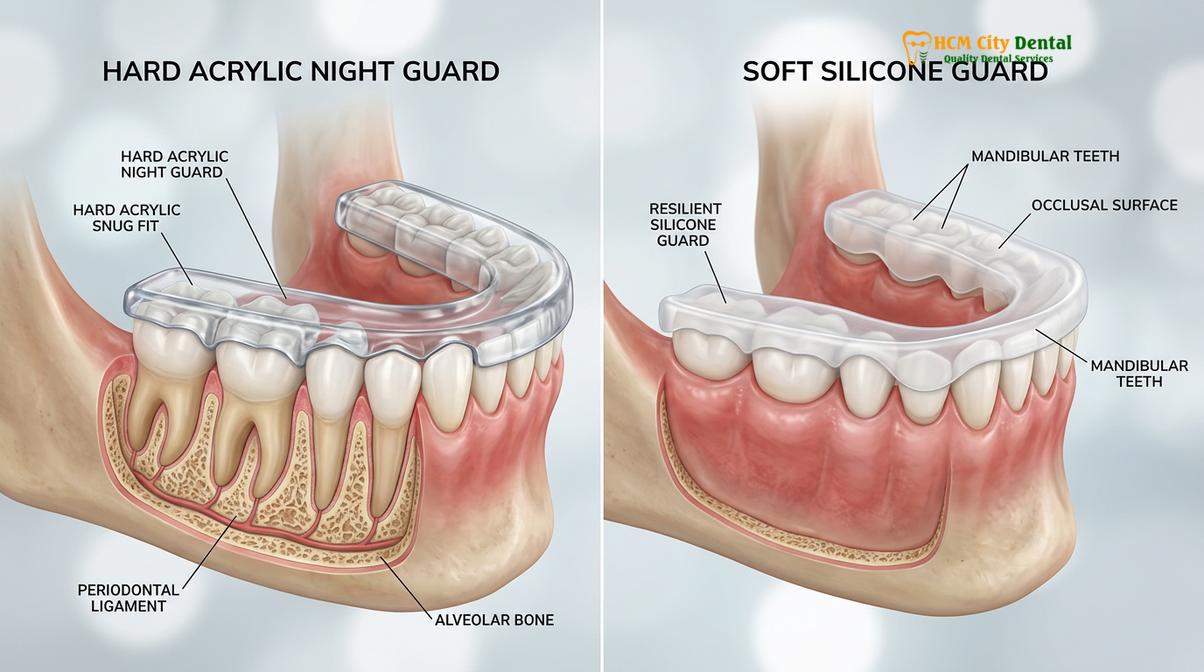
It is crucial to note that while over-the-counter “boil-and-bite” guards are available in pharmacies in both countries for a fraction of the cost, these are not clinically recommended for long-term use. Poorly fitting generic guards can exacerbate TMJ issues, alter the patient’s bite (occlusion), and fail to provide adequate protection against heavy grinding forces. The cost comparison is strictly between custom-fabricated, dentist-prescribed appliances.
NZ Healthcare System and Dental
Because the New Zealand public healthcare system does not subsidize routine adult dental care, patients bear the full commercial cost of preventive treatments like night guards.
The high cost of the bruxism guard New Zealand is deeply rooted in the structural design of the country’s healthcare system. While New Zealand boasts a robust public health infrastructure that provides comprehensive medical care, adult dentistry is a notable exception. Once a New Zealander turns 18, they age out of the publicly funded dental system and must transition to the private sector for all routine and preventive care.
“The exclusion of adult dental care from the core public health funding model means that preventive interventions, which could save the healthcare system millions in restorative costs down the line, are often deferred by patients due to immediate financial constraints.”
This privatization means that dental clinics operate as independent businesses, subject to market forces and high domestic inflation. There are no government subsidies to offset the cost of materials or laboratory fees for adult patients. Consequently, treatments that are essential for preserving the natural dentition—such as occlusal splints to prevent severe attrition—are priced at a premium[5]. For many Kiwis, this creates a difficult choice between enduring the progressive damage of bruxism or absorbing a significant financial hit.
Quality Assurance
Top Vietnamese clinics utilize the exact same FDA-approved materials and 3D intraoral scanners as New Zealand practices, ensuring identical clinical efficacy and safety.
A common and entirely valid concern among international patients is whether the lower cost in Vietnam equates to a compromise in clinical quality. In the realm of modern dental tourism, particularly at established centers in Ho Chi Minh City, this is a misconception. The globalization of dental technology means that a high-end clinic in Vietnam has access to the exact same equipment and materials as a clinic in Auckland.
Dr. Nguyen Van Cuong, a leading specialist in restorative dentistry, emphasizes the importance of precision in treating parafunctional habits. He notes that a night guard is a therapeutic device that must be calibrated to the patient’s specific neuromuscular anatomy. By utilizing digital intraoral scanners, his team captures the exact topography of the teeth to ensure a passive, comfortable fit that aims to minimize TMJ strain.
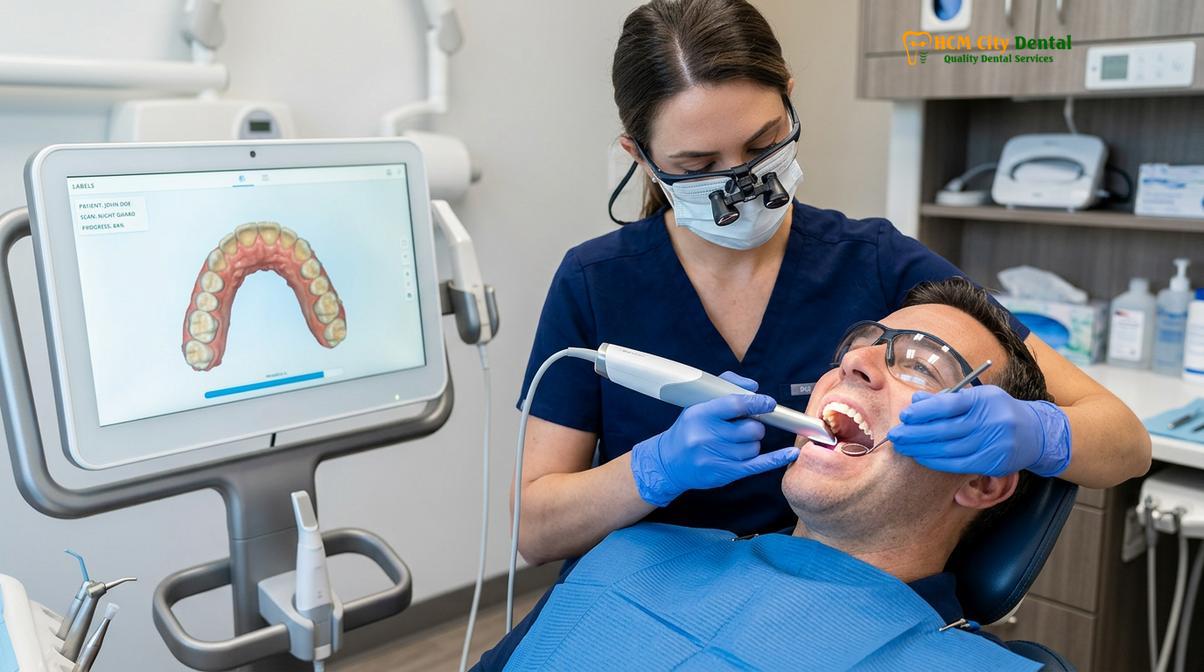
The materials used for fabrication—such as Erkodent or Pro-form thermoplastics—are imported from Germany or the United States. These materials are chosen for their biocompatibility, durability, and resistance to bacterial colonization. Furthermore, the clinical protocols for adjusting the appliance upon delivery align with the rigorous standards set by the Vietnam Odonto-Stomatology Association (VOSA) for preventive occlusal therapies[6]. The dentist will use articulating paper to identify premature contacts and adjust the acrylic until the patient’s bite is perfectly balanced against the guard.
Clinical Warning: Patients should avoid purchasing cheap, over-the-counter “boil-and-bite” mouthguards for severe sleep bruxism. These non-custom devices can cause irreversible changes to your bite, exacerbate temporomandibular joint (TMJ) pain, and present a choking hazard if they dislodge during sleep.
Kiwi Expats in Vietnam
Many New Zealanders living in or visiting Southeast Asia leverage local dental expertise to manage bruxism affordably while enjoying a high standard of clinical care.
The trend of seeking dental care abroad is not limited to those flying in specifically for treatment. A significant number of Kiwi expatriates living in Southeast Asia, as well as digital nomads and long-term travelers, have discovered the benefits of the local healthcare infrastructure. When comparing the night guard Vietnam vs NZ, the convenience and affordability make it an easy decision for those already in the region.
Patient Experience: Sarah, a 34-year-old marketing consultant from Wellington, had been suffering from chronic morning headaches and jaw stiffness. Quoted over $800 NZD for a dual-laminate guard back home, she delayed treatment. During a holiday, she visited HCMC Dental Clinic in Ho Chi Minh City. Following a comprehensive TMJ assessment and digital scan, she received a custom-fitted, premium night guard within 48 hours for just $120 USD. Her symptoms improved significantly within a week of consistent wear.
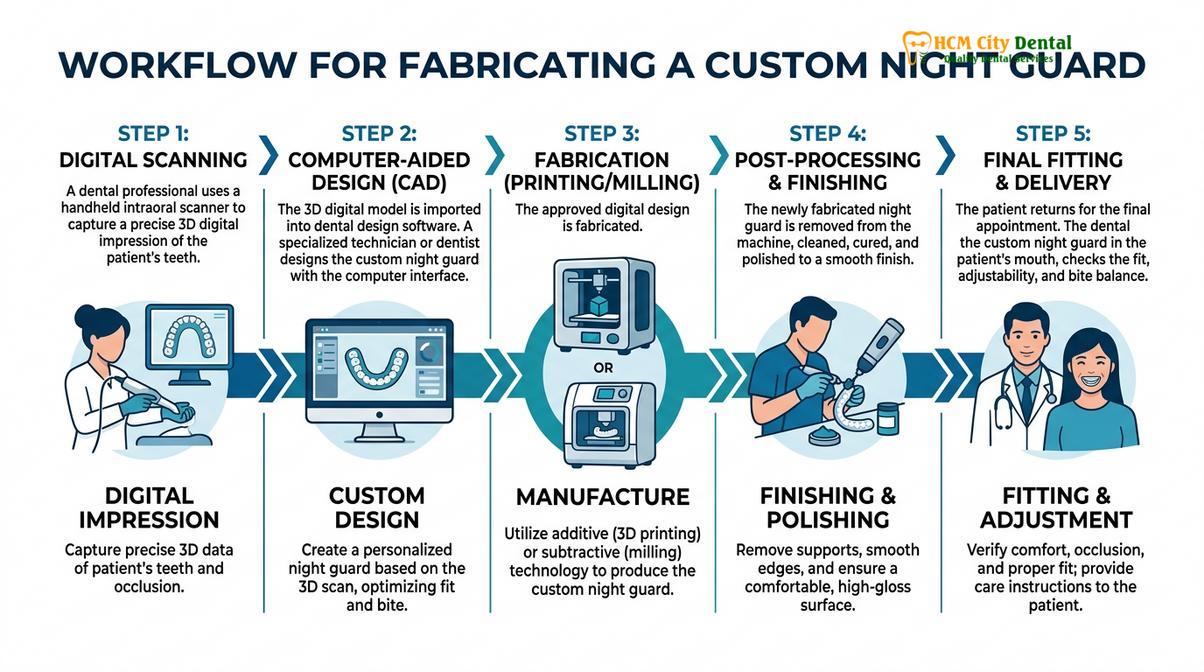
The efficiency of the process is a major draw. Because many top clinics cater to international patients, they have optimized their workflows to accommodate tight travel schedules. A patient can have their initial consultation and scan on a Monday, enjoy the cultural sights of Saigon, and return on Wednesday for the final fitting. This seamless integration of healthcare and travel has made Vietnam a preferred destination for Kiwis seeking to maintain their oral health without the exorbitant domestic price tag.
When to See a Doctor
Sleep bruxism is often a silent condition, as the grinding and clenching occur subconsciously during the night. Many patients are unaware of the habit until a sleeping partner points out the noise, or a dentist notices the physical damage during a routine examination. However, there are several clinical signs and symptoms that indicate an immediate need for professional evaluation and the potential prescription of a custom night guard.
You should schedule a clinical consultation if you experience any of the following:
- Chronic Jaw Pain: A dull, aching pain in the jaw muscles or the temporomandibular joint, particularly upon waking.
- Enamel Attrition: Noticeable flattening, chipping, or micro-fractures on the biting surfaces of the teeth.
- Tooth Sensitivity: Increased sensitivity to hot, cold, or sweet stimuli due to the wearing away of the protective enamel layer, exposing the underlying dentin.
- Morning Headaches: Tension headaches that originate in the temples, caused by the continuous contraction of the temporalis and masseter muscles during sleep.
- Gum Recession: Heavy occlusal forces can contribute to abfraction lesions (notches at the gumline) and subsequent gingival recession.
“Early intervention is critical in the management of sleep bruxism. By the time a patient notices visible wear on their front teeth, significant irreversible damage has already occurred to the posterior dentition. A custom occlusal splint acts as a sacrificial layer, protecting the natural tooth structure from catastrophic failure.”
Dr. Cuong advises that any patient experiencing unexplained facial pain or noticing changes in their bite should undergo a comprehensive occlusal analysis. Ignoring the signs of bruxism can lead to the need for extensive and costly restorative work, such as full-coverage crowns or root canal therapy, to repair fractured teeth[3].
Next Steps
Securing a custom night guard involves a simple initial consultation, a quick digital scan, and a final fitting session just a few days later.
If you are a New Zealander planning a trip to Southeast Asia, or if you are simply exploring options to manage your bruxism more affordably, taking the next step is straightforward. The first action is to gather any recent dental records or simply document your symptoms. Reaching out to HCMC Dental Clinic in Ho Chi Minh City allows you to receive a preliminary consultation and a clear, transparent cost estimate before you even book your flights.
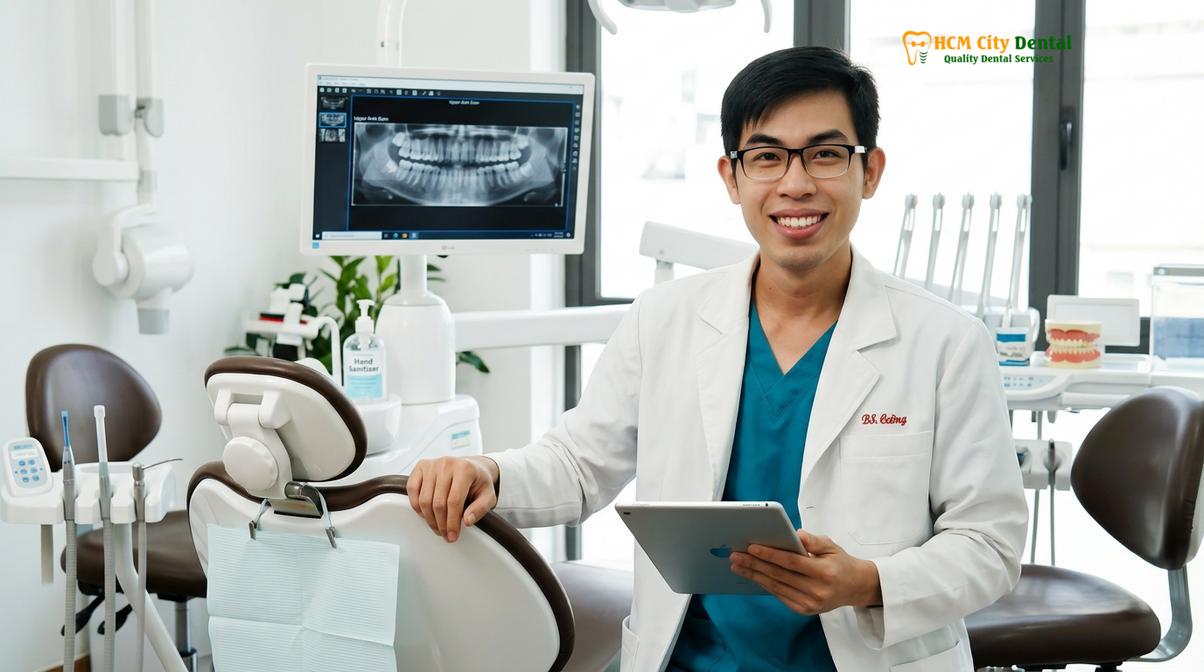
Upon arrival, the clinical process is highly efficient, designed to respect your time while delivering uncompromising medical quality. Protecting your smile from the destructive forces of nocturnal grinding is an investment in your long-term oral health. By choosing to have your Nightguards fabricated by experienced specialists in Vietnam, you can achieve optimal clinical outcomes while realizing significant financial savings.
Frequently Asked Questions
How much is a night guard in New Zealand?
A custom-fitted night guard in New Zealand typically costs between $500 and $1,000 NZD, depending on the clinic’s location and the specific materials used. This high price point is primarily driven by private practice overhead, consultation fees, and domestic dental laboratory costs. Patients with severe bruxism requiring specialized dual-laminate or hard acrylic guards often face the higher end of this pricing spectrum.
Is dental care expensive in NZ?
Yes, adult dental care in New Zealand is considered highly expensive because it is almost entirely privatized and not subsidized by the public healthcare system. Dentists must cover significant operational costs, including staff wages, equipment importation, and commercial rent. Consequently, routine preventive treatments and specialized appliances like night guards carry premium price tags that many patients find financially burdensome.
Can Kiwis get dental work in Vietnam?
Absolutely. Thousands of New Zealanders travel to Vietnam each year to receive high-quality dental care at a fraction of domestic prices. The process is straightforward, with many modern clinics offering English-speaking staff, digital consultations prior to travel, and streamlined treatment plans. Procedures ranging from simple night guards to complex implant rehabilitations are routinely performed for international patients.
Is Vietnam dental safe for New Zealanders?
Dental care in Vietnam is highly safe for New Zealanders when visiting reputable, internationally accredited clinics. Top-tier facilities utilize the exact same FDA-approved materials, strict sterilization protocols, and advanced digital imaging systems found in New Zealand. By thoroughly researching clinics and verifying the credentials of the treating dentists, Kiwi patients can ensure they receive world-class, risk-free clinical care.
How to book at HCMC Dental from NZ?
Booking an appointment at HCMC Dental Clinic from New Zealand is a seamless process that begins with an online inquiry or email. Patients can send their dental records or simply describe their symptoms, after which the clinic’s international coordination team will provide a preliminary treatment plan and cost estimate. Appointments are then scheduled to align perfectly with the patient’s travel itinerary.
References
- Journal of Prosthetic Dentistry. Clinical evaluation of hard and soft occlusal splints. (2021).
- International Journal of Prosthodontics. Economic analysis of preventive dental appliances. (2020).
- American Academy of Sleep Medicine. Guidelines for the treatment of sleep bruxism. (2019).
- Journal of Clinical Medicine. Digital workflows in the fabrication of occlusal devices. (2022).
- New Zealand Dental Journal. Barriers to accessing adult dental care in Aotearoa. (2018).
- Vietnam Odonto-Stomatology Association (VOSA). Standards for preventive occlusal therapies and bruxism management. (2023).
For pricing, booking, and a free clinical assessment, visit our Night Guard & Mouthguard service page at HCMC Dental Clinic in Ho Chi Minh City.