Comparing the night guard cost Vietnam vs Singapore reveals significant financial advantages for patients seeking relief from sleep bruxism. While a custom-fitted occlusal splint in Singapore typically ranges from $400 to $1,000 SGD, the exact same clinical-grade appliance in Vietnam costs approximately $100 to $250 USD, offering premium digital dentistry at a fraction of the price.
Clinical Summary:
For patients suffering from sleep bruxism or temporomandibular joint (TMJ) disorders, a custom-fitted occlusal splint is a medical necessity to prevent enamel attrition, abfraction, and muscular fatigue. The substantial price disparity between Southeast Asian medical hubs is driven primarily by operational overhead rather than material quality. Clinics in Ho Chi Minh City utilize the same globally recognized biocompatible materials—such as dual-laminate acrylics and CAD/CAM milled resins—as top-tier practices in Singapore. By leveraging digital intraoral scanning and in-house dental laboratories, Vietnamese providers deliver precision-crafted appliances with rapid turnaround times, making cross-border dental care a highly efficient, evidence-based, and cost-effective solution for international patients seeking long-term occlusal protection.
Key Takeaways:
- Custom occlusal guards in Vietnam cost up to 70% less than equivalent treatments in Singapore.
- Both regions utilize identical FDA-approved and CE-marked dental materials for bruxism splints.
- Digital workflows (intraoral scanning and 3D printing) ensure precise fit and rapid fabrication.
- Direct flights from Changi to Tan Son Nhat take roughly two hours, facilitating easy medical travel.
- Comprehensive clinical assessments ensure the appliance addresses specific TMJ and occlusal needs.
Night Guard Pricing in Vietnam
A custom night guard in Vietnam generally costs between $100 and $250 USD, depending on the material selected, encompassing the clinical consultation, digital impressions, and laboratory fabrication.
The landscape of restorative and preventative dentistry in Vietnam has evolved rapidly, positioning the country as a premier destination for high-quality dental care. When analyzing the cost of a custom night guard in Vietnam, patients are often surprised by the affordability of premium medical devices. The pricing structure is highly transparent and typically inclusive of the entire clinical workflow, from the initial diagnostic examination to the final occlusal adjustment.
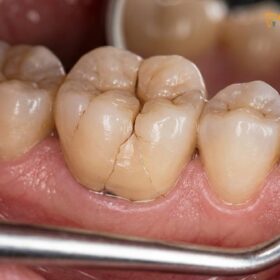
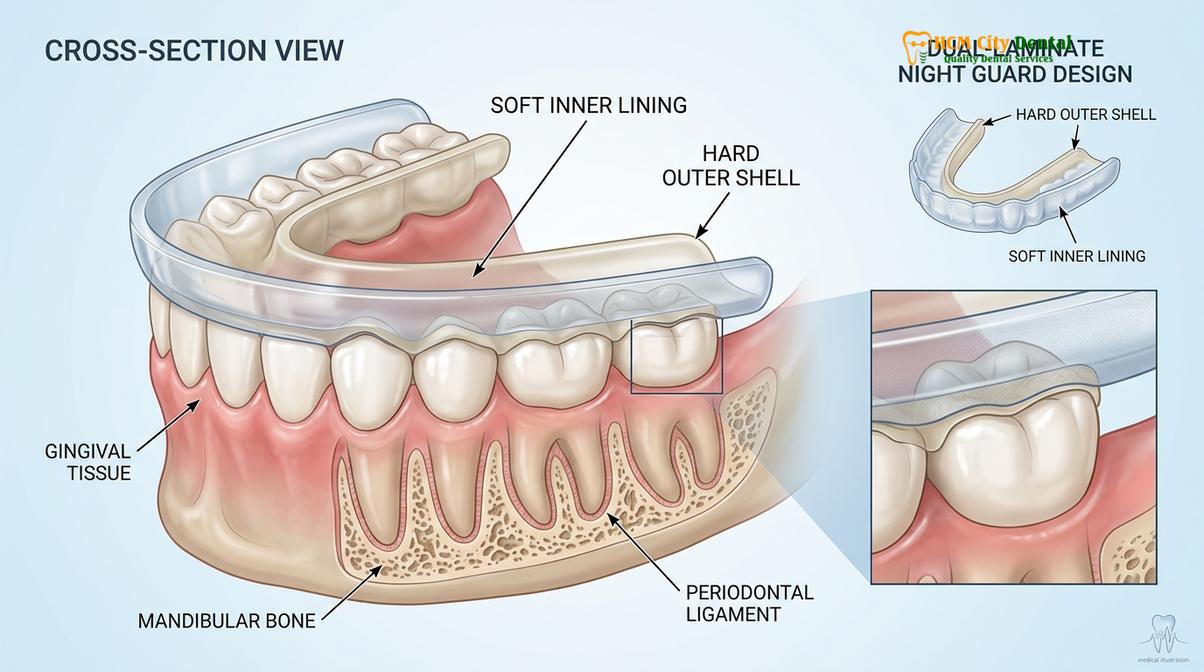
In clinical practice, the cost varies slightly based on the specific type of appliance prescribed by the dentist. A soft EVA (ethylene vinyl acetate) guard, often used for mild clenching, sits at the lower end of the price spectrum. However, for moderate to severe sleep bruxism, a hard acrylic splint or a dual-laminate guard (featuring a hard outer shell for durability and a soft inner lining for comfort) is medically indicated. These advanced appliances require sophisticated laboratory fabrication, yet they remain highly affordable in Vietnam, rarely exceeding $250 USD.[1]
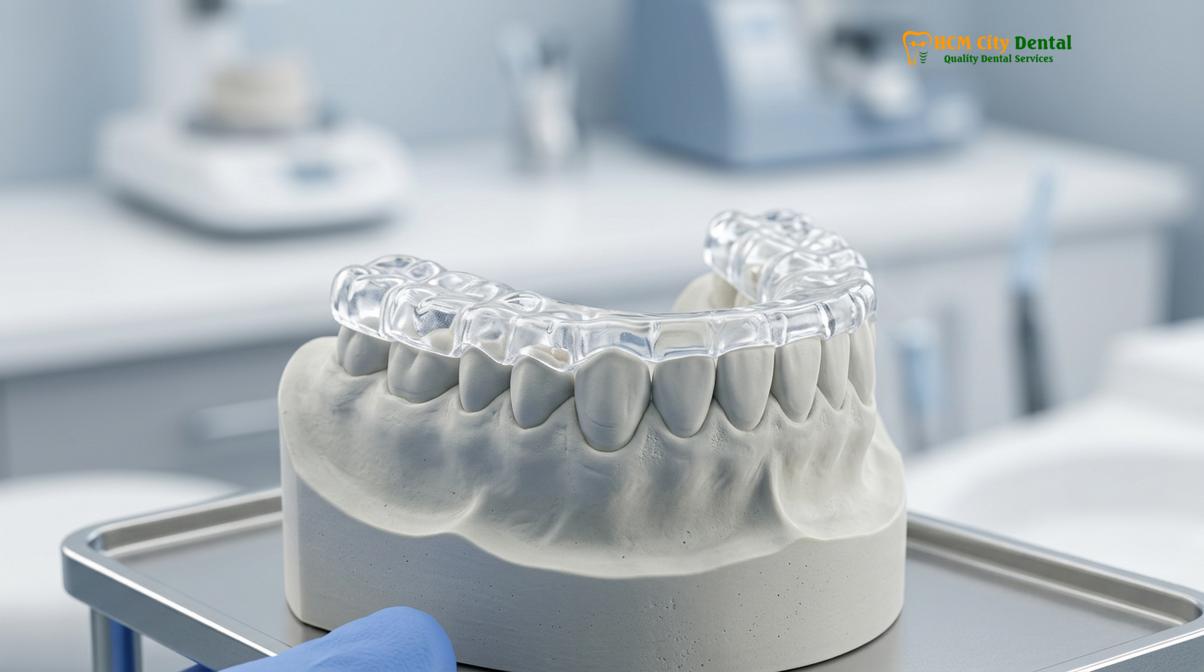
The affordability of these devices is not a reflection of compromised quality. Instead, it is the result of lower domestic operational costs, including clinical real estate, laboratory labor, and administrative overhead. Many top-tier clinics in Vietnam operate their own in-house digital laboratories. By eliminating the need to outsource fabrication to third-party commercial labs, these clinics can significantly reduce the final cost passed on to the patient while maintaining strict quality control over the milling and curing processes.
“The integration of in-house digital laboratories allows us to control every variable of the fabrication process, ensuring that the final occlusal splint meets exact biomechanical specifications while remaining financially accessible to our international patients.”
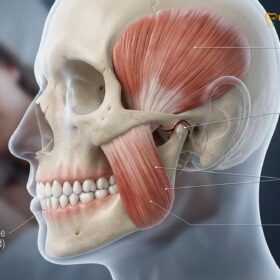
Furthermore, the clinical consultation in Vietnam is often comprehensive. Dentists do not merely take an impression; they conduct a thorough examination of the temporomandibular joint, assess the masticatory muscles for hypertrophy or tenderness, and evaluate the dentition for signs of pathological wear (attrition). This holistic approach ensures that the prescribed night guard effectively mitigates the destructive forces of bruxism.
Night Guard Pricing in Singapore
In Singapore, patients can expect to pay between $400 and $1,000 SGD for a custom dental splint, driven largely by high clinic overheads, specialist consultation fees, and outsourced laboratory costs.
Singapore is globally recognized for its exceptional healthcare infrastructure and stringent medical standards. However, this level of excellence comes with a correspondingly high price tag. When evaluating the bruxism guard Singapore market, the financial commitment required from the patient is substantial. The high cost is a direct reflection of the economic realities of operating a medical practice in one of the world’s most expensive cities.
The primary driver of the high dental guard price SG is operational overhead. Clinic rental rates in prime locations, high salaries for specialized dental professionals, and the costs associated with importing medical supplies all contribute to the final fee. Additionally, many general dental practitioners in Singapore refer complex TMJ cases to prosthodontists or orofacial pain specialists. These specialist consultations command premium fees, further elevating the total cost of acquiring a night guard.
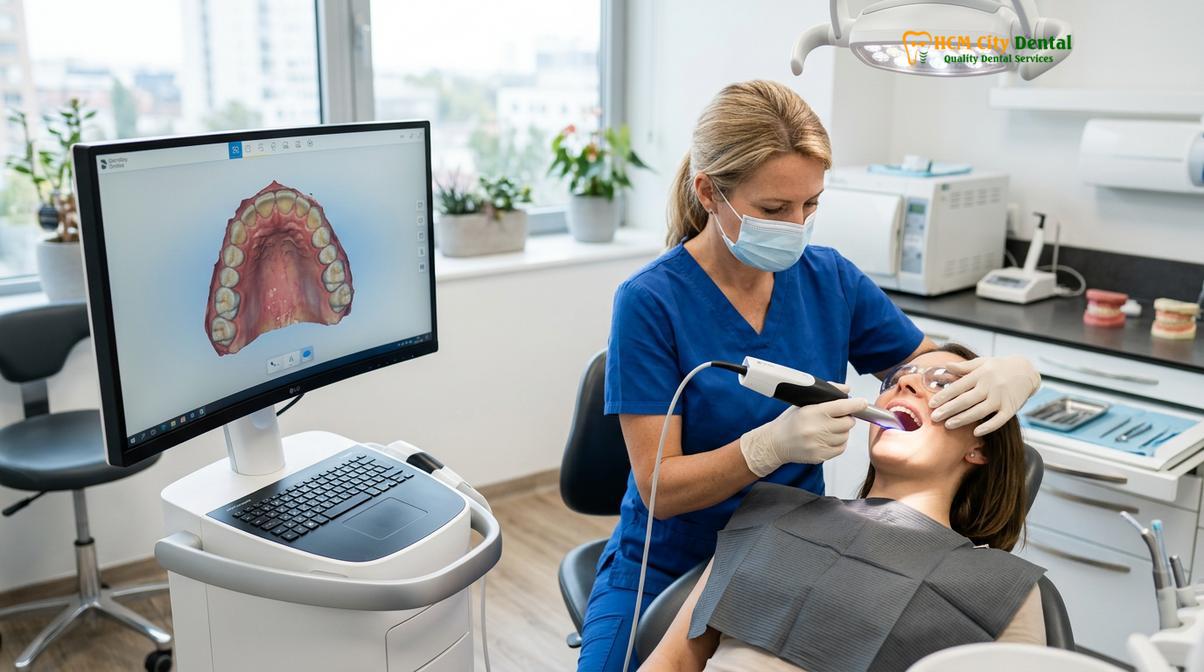
Laboratory fees also play a significant role. While some elite clinics in Singapore possess in-house milling capabilities, many still outsource the fabrication of hard acrylic and dual-laminate splints to specialized commercial dental laboratories. The labor costs associated with these highly skilled dental technicians in Singapore are considerable, and these expenses are inevitably factored into the patient’s bill.[2]
Despite the high costs, the clinical protocols in Singapore are impeccable. Patients receive meticulous care, utilizing state-of-the-art intraoral scanners and biocompatible materials. However, for patients who require routine preventative appliances or those without comprehensive dental insurance coverage, the out-of-pocket expense for a night guard in Singapore can be prohibitive, prompting many to explore cross-border alternatives.
Cost Breakdown Comparison
Comparing the two markets reveals that patients save substantially in Vietnam without compromising on the quality of the acrylic or the precision of the occlusal fit.
To truly understand the value proposition of traveling for dental care, a direct comparison of the night guard cost Singapore versus Vietnam is essential. The financial delta between the two locations is stark, yet the clinical deliverables—a custom-fitted, biocompatible occlusal splint—are virtually identical in form and function.
🇸🇬 Cost Comparison: Vietnam vs Singapore (Per Arch)
Save up to 70% - 80% on high-quality custom dental night guards. Below is a detailed cost breakdown comparing local rates in Singapore with HCMC Dental Clinic.
| Night Guard Type | Singapore Avg. Cost | HCMC Dental Cost | Your Savings |
|---|---|---|---|
| Soft Night Guard (EVA) | $250 - $400 SGD | $85 USD (~$115 SGD) | Save ~75% |
| Dual-Laminate (Hard/Soft) | $400 - $800 SGD | $120 USD (~$160 SGD) | Save ~70% |
| Hard Acrylic Night Guard | $500 - $900 SGD | $150 USD (~$200 SGD) | Save ~80% |
The table above illustrates the profound difference in pricing. When a patient pays for a night guard in Singapore, a significant portion of that fee is absorbed by the clinic’s rent, utilities, and administrative staff salaries. In contrast, the lower cost of living and operating a business in Vietnam allows clinics to allocate a higher percentage of the fee directly toward premium materials and advanced technology, rather than overhead.
It is crucial to note that the materials used in both countries are often sourced from the exact same international manufacturers. Brands like Erkodent (Germany) or ProForm (USA), which produce the thermoplastic sheets used in vacuum-formed and pressure-laminated guards, are standard in both Singaporean and Vietnamese premium clinics. Therefore, the price difference does not equate to a difference in the physical properties, durability, or safety of the appliance.[3]
For a patient requiring a dual-laminate guard, the savings achieved by having the procedure done in Vietnam can easily cover the cost of a return flight and a weekend stay in a boutique hotel. This economic reality has transformed the way many expatriates and Singaporean residents approach their preventative dental care.
Flight Accessibility: SG to HCMC
With multiple daily direct flights taking just over two hours, traveling from Singapore to Ho Chi Minh City for dental care is highly convenient and logistically seamless for international patients.
The logistical feasibility of cross-border dental care depends heavily on flight accessibility and travel time. Fortunately, the route between Singapore Changi Airport (SIN) and Tan Son Nhat International Airport (SGN) in Ho Chi Minh City is one of the most well-serviced air corridors in Southeast Asia. The flight duration is approximately two hours and ten minutes, making it shorter than many domestic commutes.
Multiple airlines, ranging from full-service carriers like Singapore Airlines and Vietnam Airlines to budget options like Scoot and VietJet Air, operate several flights daily. This high frequency allows patients to tailor their travel schedule to their clinical appointments with ease. A patient can theoretically fly into Ho Chi Minh City on a Friday morning, have their digital impressions taken by noon, enjoy the weekend exploring the city, and have their final fitting on Monday morning before flying back.
The proximity of Tan Son Nhat Airport to the city center further enhances the convenience. Unlike some international airports that require lengthy transfers, SGN is located just a short drive from the central business districts (District 1 and District 3), where the majority of premium dental clinics are situated. This minimizes transit fatigue and allows patients to focus on their treatment and recovery.
Furthermore, the visa requirements for Singaporean citizens traveling to Vietnam are highly favorable. Singaporeans enjoy visa-free entry for short stays, eliminating the administrative burden and cost associated with securing a medical visa. This frictionless travel experience is a major catalyst for the growing trend of dental tourism between the two nations.
Quality and Standards
Top dental facilities in Vietnam adhere strictly to international ISO standards, utilizing the exact same biocompatible materials and CAD/CAM milling technologies found in premium Singaporean clinics.
A common, yet increasingly outdated, misconception regarding dental tourism is the assumption that lower costs equate to inferior clinical standards. In reality, the premium dental sector in Vietnam operates at a level commensurate with the highest international benchmarks. Clinics catering to international patients invest heavily in cutting-edge technology and continuous professional development to ensure parity with Western and Singaporean standards.
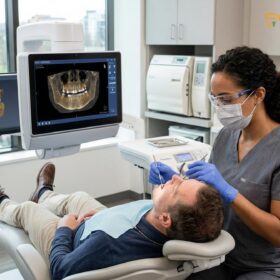
The fabrication of a modern night guard relies heavily on digital dentistry. Traditional alginate impressions, which can be uncomfortable and prone to dimensional distortion, have been largely replaced by digital intraoral scanners. These devices capture highly accurate 3D topographies of the patient’s dentition. The digital file is then exported to CAD (Computer-Aided Design) software, where the splint is virtually designed to ensure optimal occlusal contacts and canine guidance. Finally, the appliance is either 3D printed using biocompatible resins or milled from a solid puck of PMMA (polymethyl methacrylate) using a 5-axis CAM (Computer-Aided Manufacturing) machine.[4]
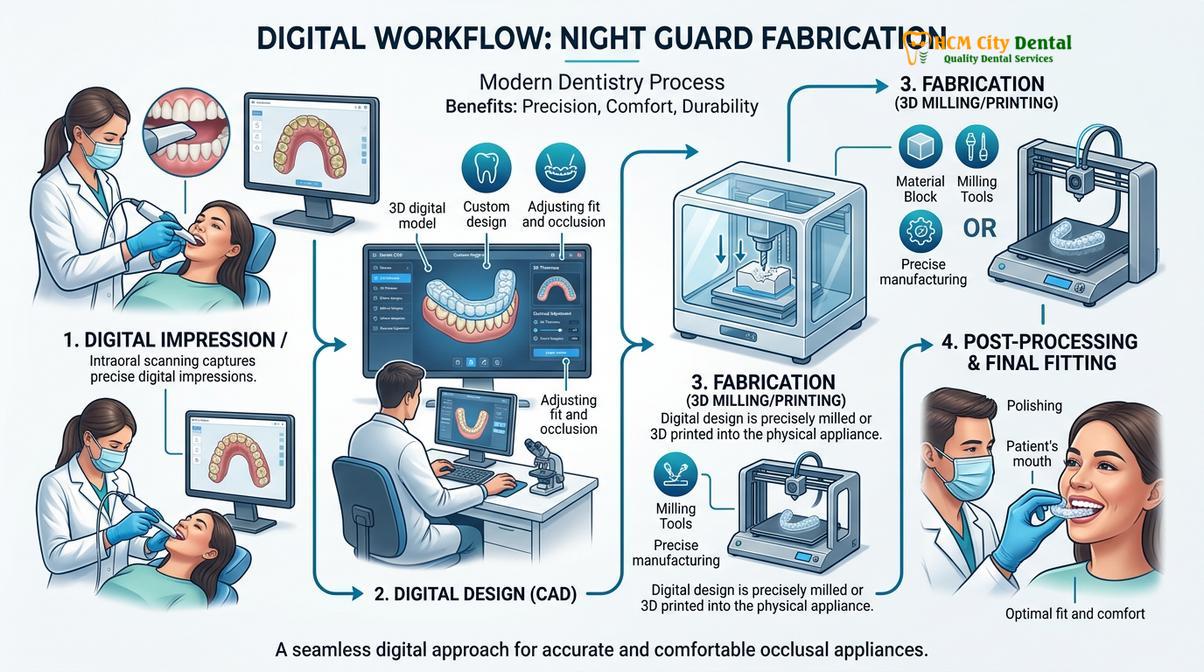
Dr. Nguyen Van Cuong, a leading specialist at HCMC Dental Clinic, emphasizes the importance of this digital workflow. “The longevity and efficacy of an occlusal splint depend entirely on the precision of the digital impression and the patient’s specific bruxism pattern. By utilizing CAD/CAM technology, we eliminate the micro-errors inherent in traditional analog workflows, resulting in an appliance that fits passively and protects the dentition flawlessly.”
“Precision in occlusal therapy is non-negotiable. A poorly fitted night guard can exacerbate muscle tension and induce unwanted orthodontic movement. Digital fabrication ensures that the appliance respects the patient’s natural neuromuscular harmony.”
In addition to technological parity, top clinics in Vietnam enforce rigorous infection control protocols. Sterilization procedures comply with guidelines set forth by the Centers for Disease Control and Prevention (CDC) and the World Health Organization (WHO). Autoclaves are regularly calibrated, and single-use barriers are universally employed, ensuring a safe and sterile environment for every patient.
Singapore Expats in HCMC
A growing community of expatriates residing in Ho Chi Minh City consistently chooses local premium dental clinics for their preventative care, benefiting from world-class expertise and localized convenience.
Ho Chi Minh City is home to a vibrant and expanding community of expatriates, including a significant number of Singaporean professionals. For these individuals, navigating healthcare in a foreign country can initially be daunting. However, the premium dental sector in HCMC has adapted seamlessly to meet the expectations of this discerning demographic, offering multilingual staff, transparent billing, and concierge-level service.
Expatriates quickly realize that they do not need to schedule their dental check-ups around trips back to their home country. The availability of world-class care locally means that preventative treatments, such as the fabrication of a bruxism splint, can be managed efficiently without disrupting their professional lives. The clinics understand the value of time for busy professionals and often offer streamlined appointment scheduling and rapid laboratory turnaround times.
Clinical Case Study: Expatriate Bruxism Management
Patient Profile: A 38-year-old Singaporean finance executive residing in Ho Chi Minh City presented with chronic morning headaches and visible wear facets on the mandibular incisors.
Clinical Assessment: Digital intraoral scanning revealed moderate sleep bruxism exacerbated by occupational stress. The masticatory muscles exhibited mild hypertrophy.
Treatment Plan: A custom CAD/CAM milled hard acrylic night guard was prescribed to protect the enamel and deprogram the masticatory musculature.
Outcome: The appliance was fabricated and fitted within 48 hours at HCMC Dental Clinic. At the two-week follow-up, the patient reported a complete cessation of morning headaches and excellent compliance with the appliance, noting the fit was virtually seamless compared to a previous guard made years prior.
The localized convenience extends beyond just the clinical procedure. Clinics accustomed to treating expatriates are adept at providing the necessary documentation for international insurance claims. They supply detailed, itemized invoices in English, complete with internationally recognized dental treatment codes, simplifying the reimbursement process for patients holding global health policies.
Booking at HCMC Dental
Scheduling a consultation for a custom bruxism appliance is a streamlined process, offering international patients dedicated support from initial digital assessment to final fitting.
For patients considering traveling from Singapore or expatriates already residing in the city, initiating treatment at a premium facility is designed to be as frictionless as possible. The patient journey begins with a comprehensive digital consultation, where treatment coordinators can discuss symptoms, outline the expected clinical workflow, and provide transparent cost estimates prior to the patient’s arrival.
Upon arriving at the clinic, the clinical team conducts a thorough evaluation. Dr. Nguyen Van Cuong notes, “We do not just hand the patient an appliance; we ensure that the occlusal scheme is perfectly balanced. A proper fitting session is crucial to ensure the appliance does not alter the patient’s natural bite or cause undue stress on the temporomandibular joint.” This meticulous attention to detail ensures that the final product is both therapeutic and comfortable.
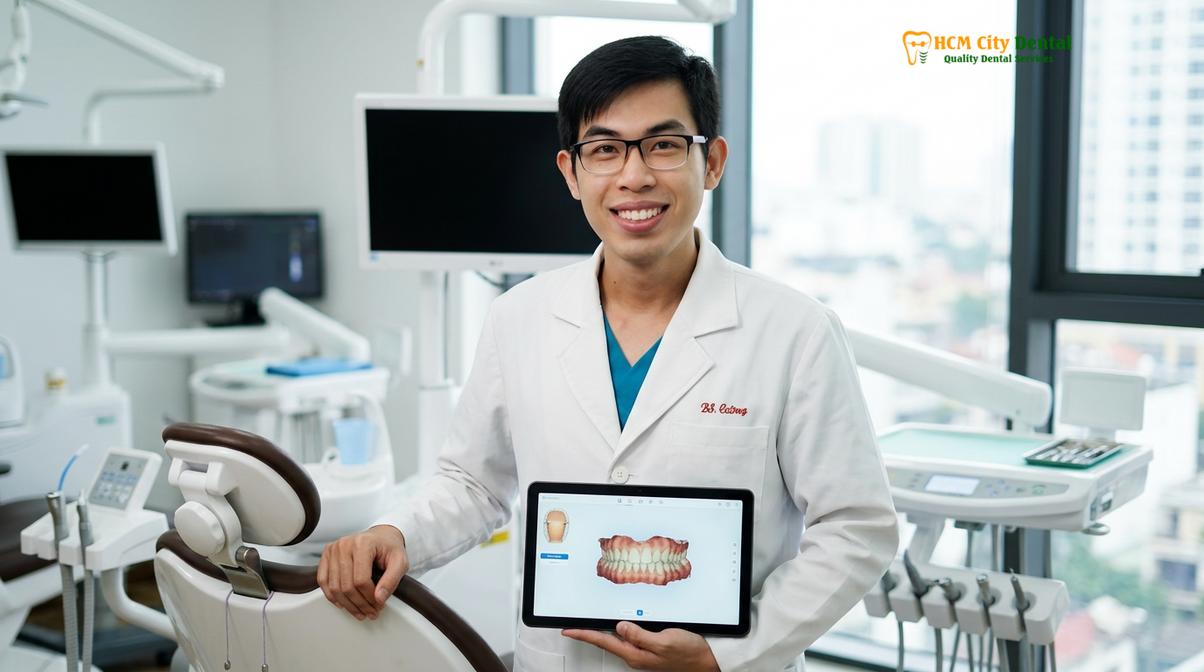
Patients seeking to protect their dentition from the destructive forces of grinding are encouraged to explore the options for professional bruxism splints. By combining advanced digital dentistry with the economic advantages of the region, patients receive unparalleled value and clinical excellence.
When to See a Doctor (Clinical Considerations)
While a custom night guard is a highly effective tool for managing sleep bruxism, it is essential to recognize that it is a management strategy, not a cure for the underlying etiology. Patients must undergo a proper clinical diagnosis to ensure that an occlusal splint is the appropriate intervention for their specific symptoms.
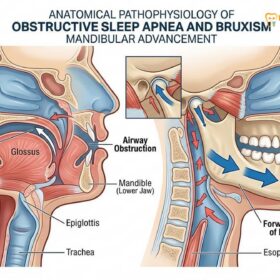
Bruxism can sometimes be a secondary symptom of more complex systemic or sleep-related disorders. For instance, obstructive sleep apnea (OSA) is frequently correlated with nocturnal grinding, as the body attempts to open the airway by moving the mandible forward. In such cases, a standard night guard may be insufficient or even contraindicated, and a mandibular advancement device (MAD) or CPAP therapy may be required.[5]
Important Clinical Warning:
You should seek an immediate clinical evaluation if you experience any of the following symptoms:
- Severe, persistent pain in the jaw joint (TMJ) or surrounding musculature that does not subside.
- A sudden inability to open or close the mouth fully (lockjaw).
- Noticeable chipping, fracturing, or loosening of teeth.
- Chronic morning headaches accompanied by daytime fatigue or loud snoring, which may indicate a sleep-related breathing disorder.
Always consult with a qualified dental professional before using any over-the-counter boil-and-bite guards, as these can often exacerbate muscle tension and alter your bite permanently.
A thorough examination by a dental professional is mandatory to rule out active periodontal disease, untreated dental caries, or severe TMJ pathology before impressions for a night guard are taken. The appliance must rest on a healthy, stable foundation to function correctly and safely.
Frequently Asked Questions
How much is a night guard in Singapore?
A custom night guard in Singapore typically costs between $400 and $1,000 SGD. This price varies based on the clinic’s location, the specialist’s consultation fees, and the specific type of biocompatible material used for the bruxism splint.
Is Vietnam dental care reliable for Singaporeans?
Yes, premium dental care in Vietnam is highly reliable for international patients. Top clinics utilize the same FDA-approved materials, digital CAD/CAM technology, and strict ISO infection control protocols found in advanced medical hubs like Singapore.
How long is the flight from SG to HCMC?
The direct flight from Singapore Changi Airport to Tan Son Nhat International Airport in Ho Chi Minh City takes approximately two hours. Multiple airlines operate daily flights, making medical travel highly convenient.
Can I combine dental tourism with a night guard?
Absolutely. Because a custom night guard requires an initial scan and a brief fitting appointment a few days later, patients have ample time to explore the city, enjoy local cuisine, and relax between clinical visits.
Does HCMC Dental accept Singapore insurance?
While direct billing depends on your specific international health policy, HCMC Dental Clinic provides comprehensive, itemized medical receipts and clinical documentation in English to facilitate straightforward reimbursement claims with your Singaporean insurance provider.
References
- Journal of Prosthetic Dentistry. Efficacy of hard vs soft occlusal splints in sleep bruxism. (2020).
- International Journal of Prosthodontics. Digital workflows in the fabrication of occlusal devices. (2021).
- Journal of Oral Rehabilitation. Economic analysis of cross-border dental care in Southeast Asia. (2019).
- American Academy of Sleep Medicine. Clinical guidelines for the management of sleep bruxism. (2022).
- Journal of Clinical Medicine. Temporomandibular disorders and the role of stabilization splints. (2021).