
How to Clean Your Teeth Without Brushing: 7 Surprising Ways | Dr. Cuong

A complete guide to cleaning your teeth when you can't brush, from temporary fixes to supportive habits. Find out how to keep your teeth clean without...
Maintaining optimal oral hygiene is a cornerstone of overall health, yet circumstances occasionally arise where conventional brushing is not immediately feasible. Patients frequently inquire about effective strategies when facing situations such as travel without a toothbrush, urgent post-meal cleaning, or temporary physical limitations that impede routine oral care. The sensation of plaque buildup and concerns about oral health are valid and understandable in these moments.
It is critical to establish that while the methods outlined in this guide offer valuable temporary solutions, they are not intended as substitutes for the comprehensive mechanical cleaning provided by regular brushing and flossing. A deep understanding of proper oral hygiene’s importance has been reinforced through extensive clinical experience, revealing the rapid consequences of its neglect. This resource is meticulously designed to offer safe, practical, and medically sound guidance on how to manage your oral hygiene when a toothbrush is unavailable, distinguishing between immediate emergency fixes and beneficial supportive daily habits. This professional perspective ensures you can safeguard your oral health even in challenging circumstances.
Why Brushing is a Non-Negotiable Cornerstone of Oral Health
Before we explore the alternatives, it’s vital to understand what we’re up against. Your mouth is a complex ecosystem teeming with bacteria. When you eat, especially sugary or starchy foods, these bacteria feast on the leftovers and produce acids. This acid, combined with bacteria, food particles, and saliva, forms a sticky, colorless film on your teeth called plaque.
Physiologically speaking, if plaque is not removed, it begins to cause problems rapidly:
- Within 24-48 hours: Plaque starts to harden into tartar (or calculus), a crusty deposit that can only be removed by a dental professional.
- Ongoing: The acids produced by plaque bacteria erode your tooth enamel, leading to cavities.
- Gum Inflammation (Gingivitis): Plaque buildup along the gumline causes inflammation, leading to red, swollen, and bleeding gums—the first stage of gum disease.
- Advanced Gum Disease (Periodontitis): If left untreated, gingivitis can progress to periodontitis, where the infection damages the soft tissue and bone that support your teeth, potentially leading to tooth loss.
In my clinical experience, the progression from simple plaque to gingivitis can be surprisingly swift, especially in individuals with other risk factors. I often remind my patients that brushing isn’t just about fresh breath; it’s a critical medical routine to prevent a cascade of oral and even systemic health issues, as research has linked gum disease to conditions like heart disease and diabetes.
Therefore, the goal of any cleaning method is to disrupt and remove this plaque biofilm as effectively as possible. The American Dental Association (ADA) firmly recommends brushing twice a day with fluoride toothpaste as the foundation of oral care for this very reason.
Still have questions? The consequences of not brushing can be serious. Call our Hotline/WhatsApp now at +84853020003 for a direct, completely free consultation with me, Dr. Cuong!
how to clean your teeth without brushing
Immediate Solutions: How to Clean Teeth Without a Toothbrush in an Emergency
You’ve finished a meal, and your toothbrush is nowhere in sight. What can you do right now to mitigate the damage? These are temporary, short-term fixes designed to tide you over until you can brush properly.
1. The Water Rinse
The simplest and most accessible method is to vigorously swish water around your mouth for 30-60 seconds. This helps dislodge larger food particles, rinse away sugars and acids, and stimulate saliva production, which is your body’s natural defense mechanism. While it won’t remove sticky plaque, it’s a beneficial first step.
2. Using a Paper Towel or Clean Cloth
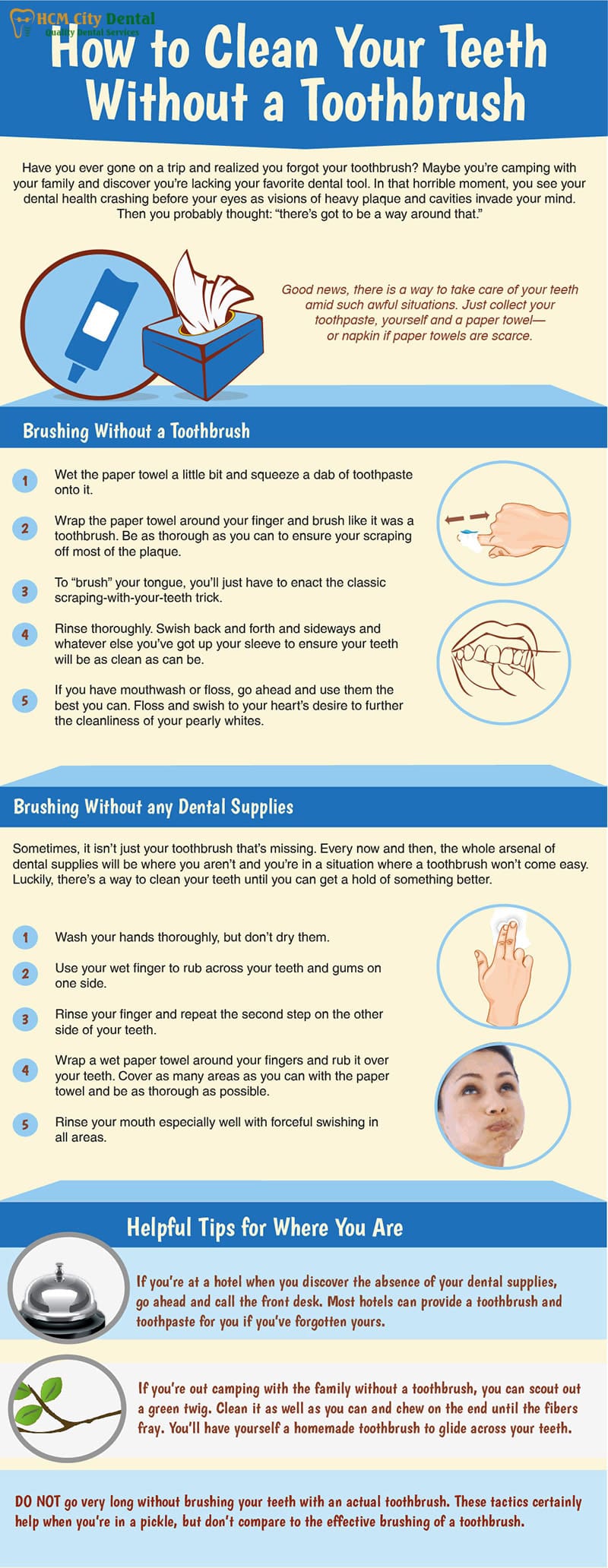
A common scenario at our clinic involves patients asking for advice while traveling. One of the most effective emergency techniques is to use a clean paper towel or washcloth as a makeshift brush.
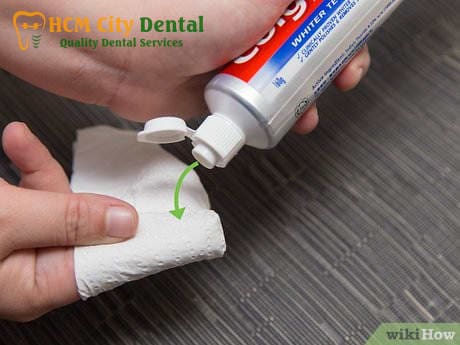
- How to do it: Wrap the cloth or a sturdy paper towel around your index finger, dampen it slightly, and if you have toothpaste, apply a small amount. Rub your finger gently over all surfaces of your teeth—front, back, and chewing surfaces—paying special attention to the gumline.
- Why it works: The texture of the cloth provides a gentle abrasive action that can physically wipe away a significant amount of fresh plaque.
3. Your Finger (As a Last Resort)
If you have nothing else, a clean finger can be used. After washing your hands thoroughly, you can rub your teeth in the same manner described above. The surface of your finger is rougher than you think and can help remove some of the surface film.
4. Dental Floss
Floss is small, portable, and incredibly effective. If you have floss, use it. It is designed to clean the tight spaces between your teeth and under the gumline where a toothbrush (and its temporary replacements) cannot reach. Removing plaque from these areas is crucial for preventing interdental cavities and gum disease.

how to clean your teeth without brushing
Supportive Habits: How to Keep Your Teeth Clean Without Brushing as an Adjunct to Your Routine
While the following methods should never replace brushing, they can be incorporated into your daily life to support oral health, especially at times when you can’t brush immediately after a meal.
1. Chewing Sugar-Free Gum
This is a method I frequently recommend to my patients. Chewing sugar-free gum, especially those containing xylitol, for about 20 minutes after a meal can be very beneficial.
- How it works: The act of chewing stimulates a tenfold increase in saliva flow. This saliva helps wash away food particles, neutralize plaque acids, and carries calcium and phosphate that help strengthen tooth enamel.
- The Xylitol Advantage: Xylitol is a natural sweetener that inhibits the growth of Streptococcus mutans, the primary bacteria responsible for cavities.
The American Dental Association (ADA) acknowledges that chewing sugarless gum can help prevent tooth decay.
2. Eating “Detergent” Foods
Certain firm, crunchy foods act as natural abrasives, helping to scrub your teeth as you chew. Think of them as nature’s toothbrushes. Good choices include:
- Apples
- Raw Carrots
- Celery
- Firm Pears
The fibrous texture of these foods can help clean tooth surfaces and stimulate gum tissue.
3. Using Mouthwash
A common question is whether mouthwash can replace brushing. The answer is an emphatic no. Mouthwash can kill bacteria and freshen breath, but it cannot physically remove the sticky biofilm of plaque. Think of it like trying to wash a dirty dish just by spraying it with water—you need to scrub it to get it truly clean. However, using an ADA-accepted therapeutic mouthwash can be a helpful addition to your routine, especially one with fluoride to help strengthen enamel.
A common mistake I see patients make is relying too heavily on mouthwash, believing the fresh feeling equals a clean mouth. This creates a false sense of security. Plaque is a physical substance that must be mechanically removed. Mouthwash is a supplement, not a substitute.
Comparison of Tooth Cleaning Methods Without a Toothbrush
To help you decide which method to use, here is a summary table based on clinical experience and available evidence:
| Method | Primary Benefit | Effectiveness (as a substitute) | Best For |
|---|---|---|---|
| Vigorous Water Rinse | Removes loose debris, neutralizes acids. | Low | Immediate action after any meal/drink. |
| Cloth/Paper Towel Wipe | Physically removes some plaque film. | Moderate | Emergency situations when you have no tools. |
| Sugar-Free Gum (with Xylitol) | Stimulates saliva, neutralizes acid, reduces bacteria. | Low to Moderate | After meals when brushing is not possible. |
| Crunchy Fruits/Veggies | Naturally scrubs tooth surfaces. | Low | As part of a tooth-healthy diet. |
| Therapeutic Mouthwash | Kills bacteria, freshens breath, delivers fluoride. | Very Low (cannot remove plaque) | An addition to a complete oral hygiene routine. |
Feeling uncertain about your oral hygiene routine? A professional cleaning and personalized advice can make all the difference. Get a 10% discount on your first appointment at HCMCDental.com! Book an appointment online today.
how to clean your teeth without brushing
When to See a Dentist Immediately
While these tips are useful, they cannot solve underlying dental problems. It is crucial to seek professional care from a dentist if you experience any of the following:
- Persistent tooth pain or sensitivity.
- Gums that are swollen, red, tender, or bleed regularly.
- Gums that have pulled away from your teeth.
- Persistent bad breath or a bad taste in your mouth.
- Loose adult teeth.
- Visible signs of a cavity (a hole or dark spot).
Delaying treatment can lead to more complex and expensive problems down the road. Experience has shown that in cases of early gum disease, prompt professional intervention is often highly effective and can prevent progression to more severe conditions.
how to clean your teeth without brushing
Frequently Asked Questions (FAQ)
How long can you safely go without brushing your teeth?
From a clinical standpoint, plaque begins to form immediately after cleaning and can harden into tartar within 24-48 hours. While missing a single brushing session is not a catastrophe if you clean your teeth thoroughly later, making a habit of it quickly leads to an increased risk of cavities and gum disease. I advise my patients to never go more than a day without a thorough cleaning.
Can you just use mouthwash and floss to clean teeth without brushing?
No, this is not sufficient. Flossing is excellent for cleaning between the teeth, but it doesn’t clean the broad front and back surfaces. Mouthwash cannot mechanically remove plaque. You need the abrasive action of brushing to effectively clean all tooth surfaces.
Is it better to brush teeth without a toothbrush or not at all?
It is always better to do something than nothing. Using a clean cloth, your finger, or even just rinsing with water is preferable to letting plaque and food debris sit on your teeth for an extended period. These methods help disrupt the bacterial biofilm and reduce the acid attack on your enamel.
How do you keep your teeth clean without brushing when you have braces?
This is a very important question. Food gets trapped easily in braces. If you can’t brush, rinsing vigorously with water is essential. Interdental brushes or water flossers, if available, are extremely helpful. Chewing sugar-free gum can also help, but be sure it’s approved for braces so it doesn’t stick. However, for orthodontic patients, diligent brushing is even more critical.
Can baking soda be used to brush teeth without a toothbrush?
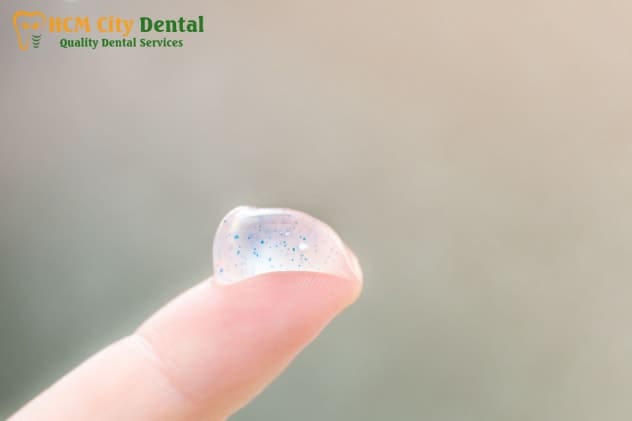
Baking soda has mild abrasive properties and can help neutralize plaque acids. You can make a paste with a little water and apply it with your finger or a cloth. While it can be effective in a pinch, it does not contain fluoride, which is essential for strengthening enamel and preventing decay. It should not be a regular substitute for fluoride toothpaste.
What are some natural ways to clean teeth without brushing?
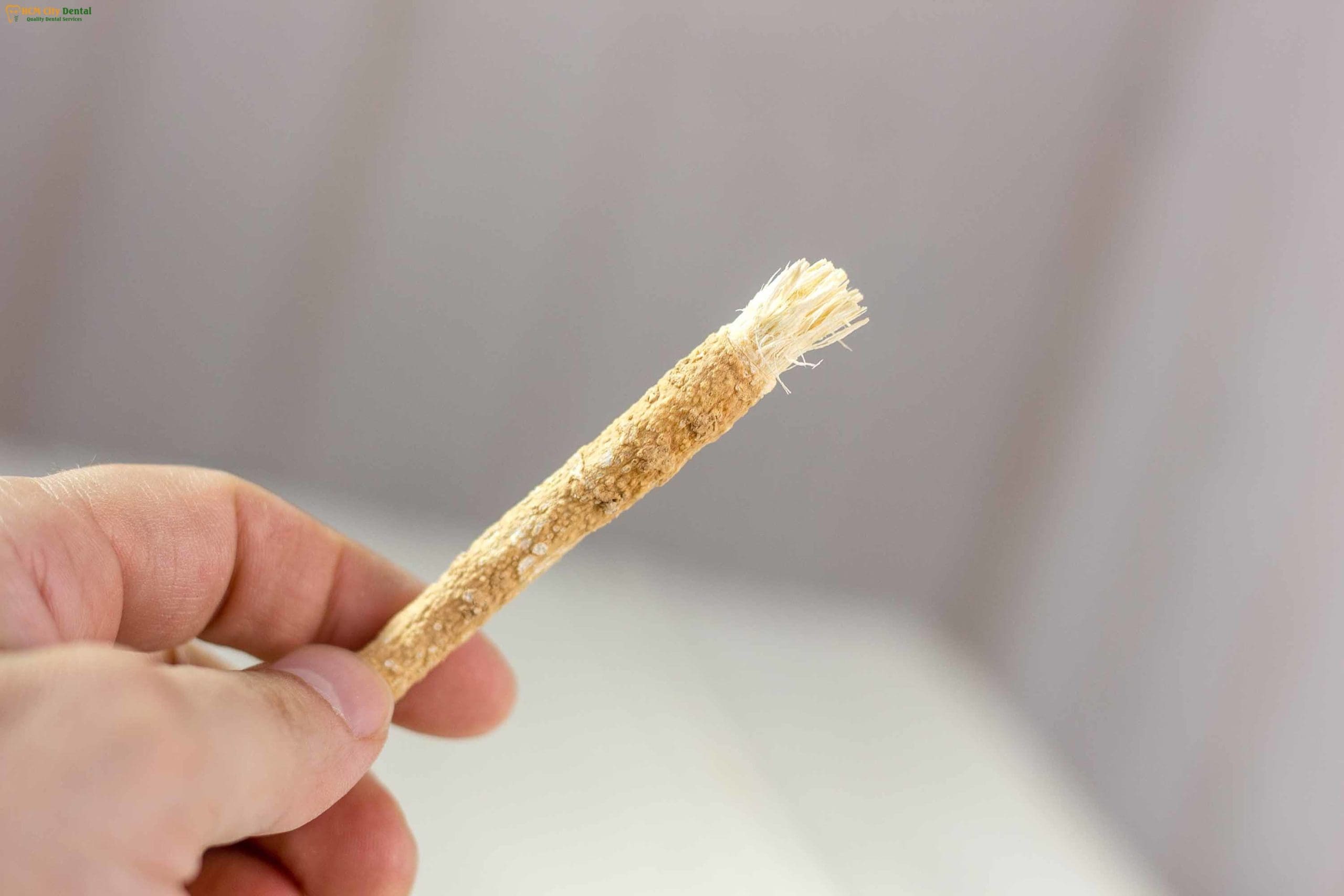
Besides eating crunchy vegetables, some people practice oil pulling, which involves swishing coconut oil in the mouth. While some studies suggest it may reduce plaque, it is not considered a substitute for brushing by major dental associations. Chewing on sesame seeds and then brushing with the mush can also act as a scrub. These should be viewed as supplementary, not primary, cleaning methods.
Is there a way to brush teeth without a toothbrush and toothpaste?
Yes, in an emergency, you can use a clean, damp cloth or paper towel wrapped around your finger to mechanically scrub the teeth. The physical rubbing action is the most important part of removing plaque. Rinsing with water afterward will help wash away the dislodged particles.
how to clean your teeth without brushing
Conclusion: Your Toothbrush is Your Best Defense
Navigating moments when you can’t brush your teeth doesn’t have to compromise your oral health. By understanding the immediate, temporary solutions like using a cloth wipe or water rinse, and embracing supportive habits like chewing sugar-free gum, you can effectively manage your dental hygiene in a pinch. However, I must reiterate a crucial point based on my extensive clinical practice: nothing replaces the mechanical cleaning power of a toothbrush and daily flossing.
These alternative methods are your allies in an emergency, not your daily soldiers in the fight against plaque, cavities, and gum disease. Prioritize your twice-daily brushing routine, and view these other techniques as valuable tools in your oral health toolkit for those unexpected moments.
Your oral health is a vital part of your overall well-being. If you have any concerns or need personalized advice on how to best care for your teeth, please don’t hesitate to reach out. At HCMCDental.com, we are committed to helping you achieve and maintain a healthy, confident smile for life.
Still have questions? Call our Hotline/WhatsApp now at +84853020003 for a direct, completely free consultation with Dr. Cuong! Or, book your first appointment online and get a 10% discount!
This article was medically reviewed and written by Dr. Cuong.
Important Disclaimer
The information provided in this article is for educational and informational purposes only and is not intended as a substitute for professional medical advice, diagnosis, or treatment. Always seek the advice of your dentist or another qualified health provider with any questions you may have regarding a medical condition. Never disregard professional medical advice or delay in seeking it because of something you have read in this article.
Written and Medically Reviewed By
Dr. Cuong, Specialist in Odontostomatology
Dr. Cuong is a leading expert in the field of dentistry with over 15 years of dedicated clinical experience. Specializing in restorative and preventive dentistry at HCMCDental.com, he has successfully treated thousands of patients, helping them achieve optimal oral health. Dr. Cuong is passionate about patient education, focusing on providing clear, evidence-based guidance that empowers individuals to take control of their dental well-being. His approach combines deep scientific knowledge with a compassionate, patient-centric philosophy, ensuring the highest standard of care.