
Can You Fix Tooth Enamel? [Real Solutions Inside] | Dr. Cuong

✓ 8+ Yrs Experience
✓ 500+ Int'l Patients
✓ Nobel Biocare Certified
✓ English · Vietnamese
Clinical Summary
Worried about your tooth enamel? You're not alone. As a dental specialist, I see patients every day concerned about sensitivity, discoloration, or...
Concerns about tooth enamel are common among patients experiencing symptoms such as sensitivity, discoloration, or general wear. Understanding the integrity of your tooth enamel is crucial, as it forms the primary protective outer layer of your teeth. Many individuals question the possibility of repairing damaged enamel, often driven by noticeable changes like increased sensitivity to temperature or alterations in their teeth’s appearance and texture. These are valid concerns, as the health of your enamel is fundamental to both oral function and aesthetic confidence.
This comprehensive guide aims to provide a definitive, evidence-based exploration into the repair and preservation of tooth enamel. We will delve beyond conventional advice, examining the science behind enamel erosion and discussing proven strategies for strengthening and protecting this vital dental structure. The article will cover effective at-home practices, alongside a detailed overview of professional treatments designed to address and potentially reverse early enamel damage. Our objective is to equip you with the knowledge necessary to make informed decisions for safeguarding and enhancing your smile for life.
What Is Tooth Enamel and Why Is It So Important?
Think of tooth enamel as your teeth’s personal bodyguard. It is the hard, translucent outer layer that covers the crown of the tooth—the part you see when you smile. Composed of up to 96% minerals, primarily a crystalline form of calcium phosphate called hydroxyapatite, enamel is the hardest substance in the human body. Its primary job is to protect the softer, more sensitive layer underneath, called dentin, from the daily attacks of acids, temperature changes, and the physical pressures of chewing.
When your enamel is strong and intact, your teeth are shielded from decay and sensitivity. However, because enamel contains no living cells, it cannot regenerate or repair itself once it is physically lost. This is a critical point that many people don’t realize. While we can’t “regrow” enamel, we can strengthen and replenish the minerals in weakened enamel, a process we’ll discuss in detail.

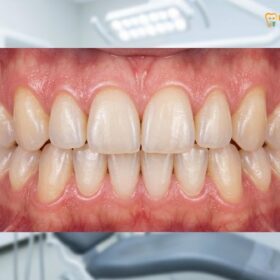
fix tooth enamel
The Unseen Enemy: What Truly Causes Enamel Erosion?
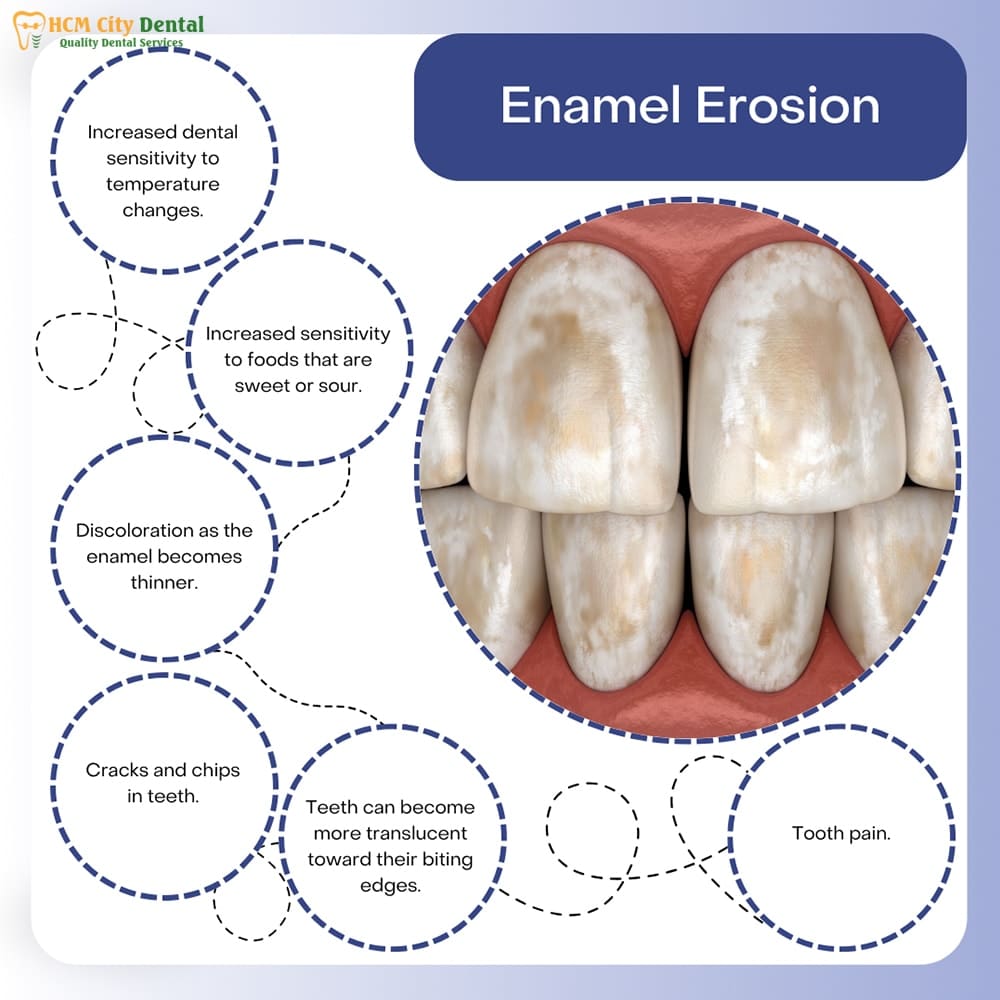
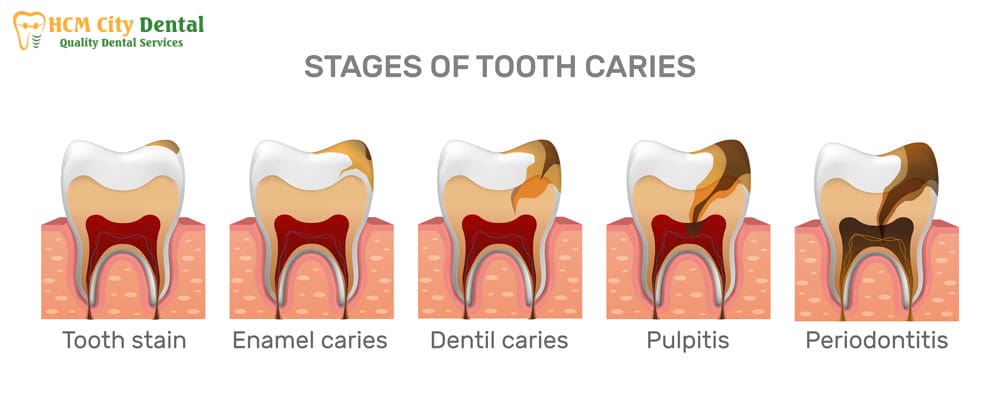
Enamel doesn’t just disappear overnight. Its loss, known as dental erosion, is a gradual process caused by prolonged acid attacks that dissolve its mineral structure. In my clinical experience, patients are often surprised by the variety of sources that contribute to this problem.
Dietary Culprits: The Acidic and Sugary Onslaught
The most common cause of enamel erosion is frequent exposure to acids from the food and drinks we consume. Your saliva works constantly to neutralize these acids, but if the exposure is too frequent, it can’t keep up. Key offenders include:
- Sugary and Starchy Foods: Things like candy, cookies, and even bread are broken down by bacteria in your mouth to produce harmful acids.
- Acidic Drinks: Soft drinks, sports drinks, fruit juices (especially citrus), and even some flavored waters have a low pH that directly dissolves enamel. Studies have shown the damage from some sports drinks can be significantly worse than from colas.
- “Healthy” but Acidic Foods: Citrus fruits and tomatoes, while nutritious, are also highly acidic and can contribute to erosion if consumed in large quantities without proper care.
Physical Wear and Tear: Beyond Just Food
Enamel can also be worn down by physical forces. A common scenario at our clinic is a patient who is a diligent brusher but uses a hard-bristled toothbrush or brushes too aggressively. This can cause abrasion and wear away the enamel over time. Another significant factor is bruxism, or teeth grinding, which creates intense friction that can chip and wear down the enamel surface, especially during sleep when patients are unaware it’s happening.
Medical and Biological Factors You Can’t Ignore
Sometimes, the cause of enamel erosion is internal. Medical conditions like acid reflux (GERD), frequent vomiting (as seen in bulimia or during pregnancy), or even chronic dry mouth (xerostomia) can bring powerful stomach acids into contact with your teeth, leading to severe erosion. Saliva is your mouth’s natural defense, helping to wash away acids and redeposit minerals; when its flow is reduced, this protective capacity is diminished.
In my years of practice, I’ve seen many patients who maintain excellent oral hygiene yet still suffer from enamel erosion. Often, the underlying cause is an undiagnosed issue like silent acid reflux. This is why a thorough dental examination is not just about looking at the teeth, but understanding the patient’s overall health.
If you are experiencing any of the symptoms of enamel erosion, it’s important to consider these factors. For a comprehensive evaluation and personalized advice, don’t hesitate to seek professional help. Still have questions? Call our Hotline/WhatsApp now at +84853020003 for a direct, completely free consultation with me, Dr. Cuong!
fix tooth enamel
Can You Really Fix Tooth Enamel? A Doctor’s Honest Answer
This is the central question for anyone worried about their dental health. The answer requires understanding a crucial distinction: the difference between strengthening weakened enamel and replacing lost enamel.
The Critical Distinction: Remineralization vs. Restoration
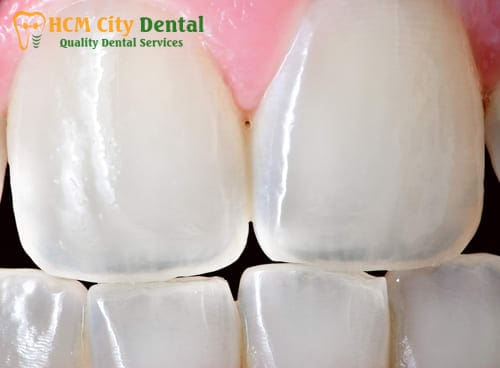
Your body has a remarkable natural process called remineralization. Saliva contains essential minerals like calcium and phosphate, which it continuously deposits onto your enamel to repair and strengthen areas weakened by acid attacks. This process can be enhanced with fluoride, which combines with these minerals to form a more acid-resistant surface. Remineralization can effectively “fix” enamel in its earliest stage of weakness—often visible as a chalky white spot—before a physical cavity forms.
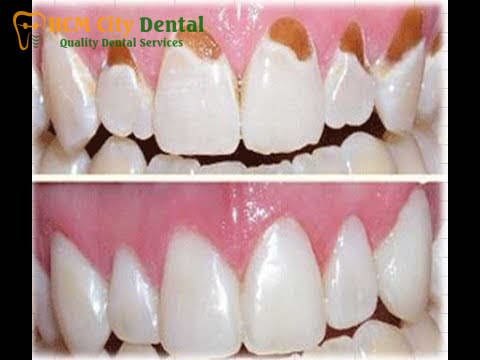
However, once enamel is physically gone—chipped, cracked, or worn away to expose the underlying dentin—remineralization cannot bring it back. At this point, we must turn to restoration. This involves professional dental procedures where a dentist uses specialized materials to cover the damaged area, effectively creating a new protective surface.
Why You Can’t “Regrow” Lost Enamel
As mentioned, enamel is not living tissue. It lacks the cells needed for self-repair, unlike bone or skin. While exciting research is exploring ways to biomimetically regrow enamel in laboratory settings, these methods are not yet available for clinical use. Therefore, any product or “natural remedy” claiming to regrow or replace enamel on teeth is misleading. The only proven way to fix significant enamel loss is through professional dental treatment.
fix tooth enamel
How to Restore Tooth Enamel: At-Home Strategies for Remineralization
While you can’t regrow lost enamel, you have significant power to strengthen what you have. The goal of at-home care is to tip the balance in favor of remineralization over demineralization. Here’s how to do it effectively.
The Power of Fluoride: Your First Line of Defense
Fluoride is the cornerstone of enamel protection. When present in your mouth, it integrates into the enamel structure, making it more resistant to acid attacks and enhancing the natural remineralization process.
- Use Fluoride Toothpaste: Brushing twice daily with a fluoride toothpaste is non-negotiable. Recent studies have also highlighted the effectiveness of toothpastes containing hydroxyapatite, the very mineral your enamel is made of, which can help remineralize the tooth surface.
- Consider a Fluoride Mouthwash: Adding a fluoride rinse to your routine can provide an extra layer of protection, especially if you are at high risk for cavities.
Diet and Nutrition: Rebuilding from the Inside Out
What you eat plays a direct role in your enamel’s health.
- Increase Calcium and Vitamin D: Consuming calcium-rich foods like milk, cheese, and yogurt helps replenish the minerals your enamel loses. Vitamin D is also essential as it aids in the absorption of calcium.
- Limit Acids and Sugars: Reduce your intake of sodas, sports drinks, citrus juices, and sugary snacks. When you do indulge, do so with a meal rather than sipping or snacking throughout the day to minimize the duration of acid attacks.
- Drink Plenty of Water: Water, especially fluoridated tap water, helps rinse away food particles and acids, and it promotes saliva production, your body’s natural defense mechanism.
Oral Hygiene Habits That Make a Difference
How you care for your teeth is just as important as what you use.
- Wait Before Brushing: After consuming something acidic, your enamel is temporarily softened. Wait at least 30-60 minutes before brushing to allow your saliva to neutralize the acids and begin the remineralization process. Rinsing with plain water immediately after an acidic meal can help.
- Use a Soft-Bristled Brush: Brush gently with a soft-bristled toothbrush to avoid abrading your enamel.
- Chew Sugar-Free Gum: Chewing sugar-free gum, especially after meals, stimulates saliva flow, which helps neutralize acid and remineralize teeth.
fix tooth enamel
Professional Tooth Enamel Repair: When to See a Dentist
When at-home care isn’t enough and enamel loss has become significant, professional intervention is necessary to prevent further damage and alleviate symptoms like severe sensitivity or pain. As a dentist, I have several effective methods for tooth enamel repair.
Dental Bonding: A Quick and Effective Tooth Enamel Repair
For mild to moderate cases of enamel erosion, chipping, or discoloration, dental bonding is an excellent and cost-effective solution. In this procedure, I apply a tooth-colored composite resin directly to the prepared tooth surface. This material is sculpted to the desired shape, hardened with a special light, and then polished to blend seamlessly with your natural teeth. It’s a conservative approach that can often be completed in a single visit.
Veneers: A Complete Smile Makeover
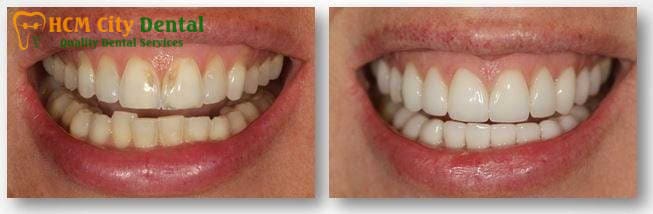
When the damage is more extensive, particularly on the front teeth, veneers are a fantastic option. Veneers are thin, custom-made shells of porcelain that are permanently bonded to the front surface of the teeth. They are highly resistant to stains and can completely transform the appearance of your smile, correcting issues of color, shape, and alignment caused by enamel loss. This procedure requires removing a very small amount of enamel to ensure a perfect fit.
Crowns: For Significant Enamel Loss and Damage
In cases of severe enamel erosion where a significant portion of the tooth structure is lost, a dental crown is the most appropriate treatment. A crown, or “cap,” covers the entire visible portion of the tooth, restoring its original shape, size, strength, and appearance. This provides maximum protection against further damage and allows the tooth to function properly without pain or sensitivity.
Making the right choice depends on the extent of the damage, your aesthetic goals, and your budget. Ready for a professional assessment? Book an appointment online at HCMCDental.com and get a 10% discount on your first visit!
Comparing Professional Enamel Repair Options
To help you understand the differences, here is a summary of the most common professional treatments:
| Treatment | Best For | Durability | Average Cost (Per Tooth) |
|---|---|---|---|
| Dental Bonding | Minor chips, gaps, and localized erosion. | 3-10 years. | $100 – $600. |
| Porcelain Veneers | Moderate to severe erosion on front teeth, discoloration, and cosmetic enhancements. | 10-20+ years. | $925 – $2,500. |
| Dental Crowns | Severe enamel loss, structural damage, and extensive decay. | 10-15+ years. | Varies widely based on material (e.g., porcelain, zirconia). |
fix tooth enamel
A Proactive Approach: Preventing Enamel Damage Before It Starts
The most effective strategy to fix tooth enamel is to prevent its loss in the first place. Based on my clinical observations, simple, consistent habits are the key to long-term dental health. Here is a daily checklist to help you protect your precious enamel.
A common mistake I see patients make is focusing only on brushing while neglecting their diet. You can brush perfectly, but if you are constantly sipping on acidic drinks throughout the day, you are fighting a losing battle. True prevention requires a holistic approach that addresses both hygiene and dietary habits.
Daily Checklist for Healthy Enamel
| Time of Day | Action | Why It’s Important |
|---|---|---|
| Morning | Brush with fluoride toothpaste. | Removes plaque buildup from overnight and applies protective fluoride. |
| During Meals | Drink water with your food. | Helps neutralize acids and wash away food particles. |
| After Meals/Snacks | Rinse with water or chew sugar-free gum. | Stimulates saliva to neutralize acids and begin remineralization. |
| Evening | Floss and brush with fluoride toothpaste before bed. | Removes plaque from between teeth and ensures a clean mouth while saliva flow is lowest during sleep. |
Experience has shown that many “natural” or “DIY” enamel repair remedies found online can be ineffective or even harmful. For instance, brushing with highly abrasive substances like baking soda or acidic ingredients like lemon juice can cause irreversible damage to your enamel. Always trust scientifically-proven methods and professional advice.
fix tooth enamel
Frequently Asked Questions (FAQ)
How can I replace enamel on my teeth?
Unfortunately, you cannot naturally replace or regrow lost tooth enamel because it is not living tissue. The only way to truly “replace” it is through professional dental procedures like dental bonding, veneers, or crowns, where a dentist applies a new protective surface to the tooth.
Can you really fix tooth enamel once it’s gone?
While you can’t regrow the enamel, you can “fix” the problem in two ways. For weakened enamel, you can strengthen it through remineralization using fluoride and a proper diet. For enamel that is physically lost, a dentist can fix the tooth by restoring its structure and appearance with treatments like bonding or crowns.
What are the first signs of enamel loss?
The earliest signs often include increased sensitivity to hot, cold, or sweet foods and drinks. You might also notice your teeth appearing slightly yellow as the darker dentin underneath becomes more visible, or the edges of your teeth may look translucent or feel rough.
Does whitening toothpaste damage enamel?
Most whitening toothpastes are safe for enamel when used as directed. They typically work by using mild abrasives to remove surface stains, not by bleaching the enamel itself. However, overusing them or brushing too aggressively could potentially lead to abrasion. If you have concerns, especially if you already have sensitive teeth, it’s best to consult with your dentist.
How much does tooth enamel repair cost?
The cost varies significantly depending on the treatment. Dental bonding is the most affordable option, often ranging from $100 to $600 per tooth. Porcelain veneers are more of an investment, typically costing between $925 and $2,500 per tooth. Crowns can also vary widely based on the material used. A consultation is the best way to get an accurate estimate for your specific needs.
Is it possible to restore tooth enamel naturally?
You can’t restore lost enamel naturally, but you can support the natural process of remineralization to strengthen weakened enamel. This involves a diet rich in calcium, using fluoride toothpaste, drinking plenty of water, and avoiding acidic and sugary foods. This strengthens existing enamel but does not create new enamel.
Your Next Step to a Healthier Smile
Understanding how to fix tooth enamel is the first step toward taking control of your oral health. We’ve covered the critical difference between strengthening enamel through remineralization and repairing it with professional treatments. We’ve also discussed how to restore tooth enamel with powerful at-home habits and explored definitive tooth enamel repair options like bonding and crowns.
Remember, while at-home care is your daily defense, it cannot replace a professional evaluation. The signs of enamel loss can be subtle, and only a dental expert can accurately diagnose the extent of the damage and recommend the most effective course of action.
Don’t wait for sensitivity to become pain or for a small chip to become a major problem. Be proactive. Your smile is worth the investment.
Take the most important step today. Book a comprehensive consultation at HCMCDental.com to receive a personalized treatment plan from me, Dr. Cuong. Get a 10% discount on your first appointment! Or, for immediate advice, call our Hotline/WhatsApp at +84853020003 for a completely free consultation.
This article was medically reviewed and written by Dr. Cuong.
Important Disclaimer
The information provided in this article is for educational and informational purposes only and is not intended as a substitute for professional medical advice, diagnosis, or treatment. Always seek the advice of your dentist or another qualified health provider with any questions you may have regarding a medical condition. Never disregard professional medical advice or delay in seeking it because of something you have read in this article.
Written and Medically Reviewed By
Dr. Cuong, Specialist in Odontostomatology
Dr. Cuong is a leading specialist in the field of Odontostomatology with extensive experience in cosmetic and restorative dentistry. With a passion for combining scientific evidence with compassionate patient care, Dr. Cuong has successfully treated thousands of patients at HCMCDental.com. His expertise focuses on complex dental reconstructions, smile makeovers, and preventive care, with a commitment to utilizing the latest technologies and techniques to ensure optimal outcomes and patient comfort. He is dedicated to educating his patients, empowering them to take an active role in their oral health.
Medical Disclaimer: This content is for educational purposes only — not a substitute for professional dental advice, diagnosis, or treatment. Always consult a qualified dentist for personalised care.
Read our full disclaimer →
Related Guides
Popular Services