Tooth With Filling Hurts? Get Fast Relief & Fixes | Dr. Cuong

A tooth with a filling that hurts can be unsettling, but understanding the reasons behind this discomfort is the first step toward relief. As a...
A tooth with a new or existing dental filling that begins to ache or experience sensitivity can be unsettling for patients. While the process of restoring a tooth involves careful removal of decay and precise placement of restorative material, some level of post-procedure discomfort is not uncommon. However, distinguishing between normal healing sensations and indicators of a more significant issue is paramount for maintaining oral health and preventing further complications.
This article aims to provide a comprehensive overview of the potential reasons behind pain in a filled tooth. We will delve into various scenarios, from the expected transient sensitivity that often resolves on its own, to more complex underlying problems such as bite discrepancies, secondary decay, or pulpitis. Understanding these distinctions is key to recognizing when at-home management is sufficient and when it is imperative to seek professional dental evaluation for effective diagnosis and treatment. Our objective is to equip you with the knowledge necessary to confidently navigate post-filling discomfort and ensure optimal dental well-being.
Why Does My Tooth Hurt After a Filling? Unraveling the Causes
It’s quite common to experience some level of discomfort after a dental filling procedure. The process, which involves removing decayed tissue and restoring the tooth, can temporarily irritate the tooth and its surrounding structures. However, the nature and duration of this pain can vary significantly. In my years of practice, I’ve seen that most post-filling sensitivity is temporary, but persistent or severe pain often indicates an underlying issue that needs to be addressed.
Normal Post-Procedure Sensitivity vs. a Problem
Distinguishing between normal healing and a potential complication is crucial for my patients’ peace of mind and oral health.
- Normal Sensitivity: It is normal to feel some sensitivity to hot, cold, air pressure, or sweet foods for a few days to a couple of weeks after a filling. This happens because the procedure can temporarily inflame the tooth’s nerve. This type of discomfort is generally mild and should gradually decrease on its own.
- A Sign of a Problem: If the pain is severe, throbbing, constant, or worsens over time, it’s a red flag. Pain that lasts for more than four weeks, or pain that occurs only when you bite down, also suggests an issue that requires professional evaluation.
In my clinical experience, the most common question from patients is, “How long should this sensitivity last?” While a general guideline is a few weeks, every patient is different. The key is to monitor the trend. If the tooth sore after filling is steadily improving, that’s a good sign. If it stays the same or gets worse, it’s time to call us.
Common Culprits Behind Tooth Filling Pain
If the discomfort goes beyond normal sensitivity, several factors could be at play. Understanding these can help you communicate more effectively with your dentist.
Bite Misalignment (High Filling)
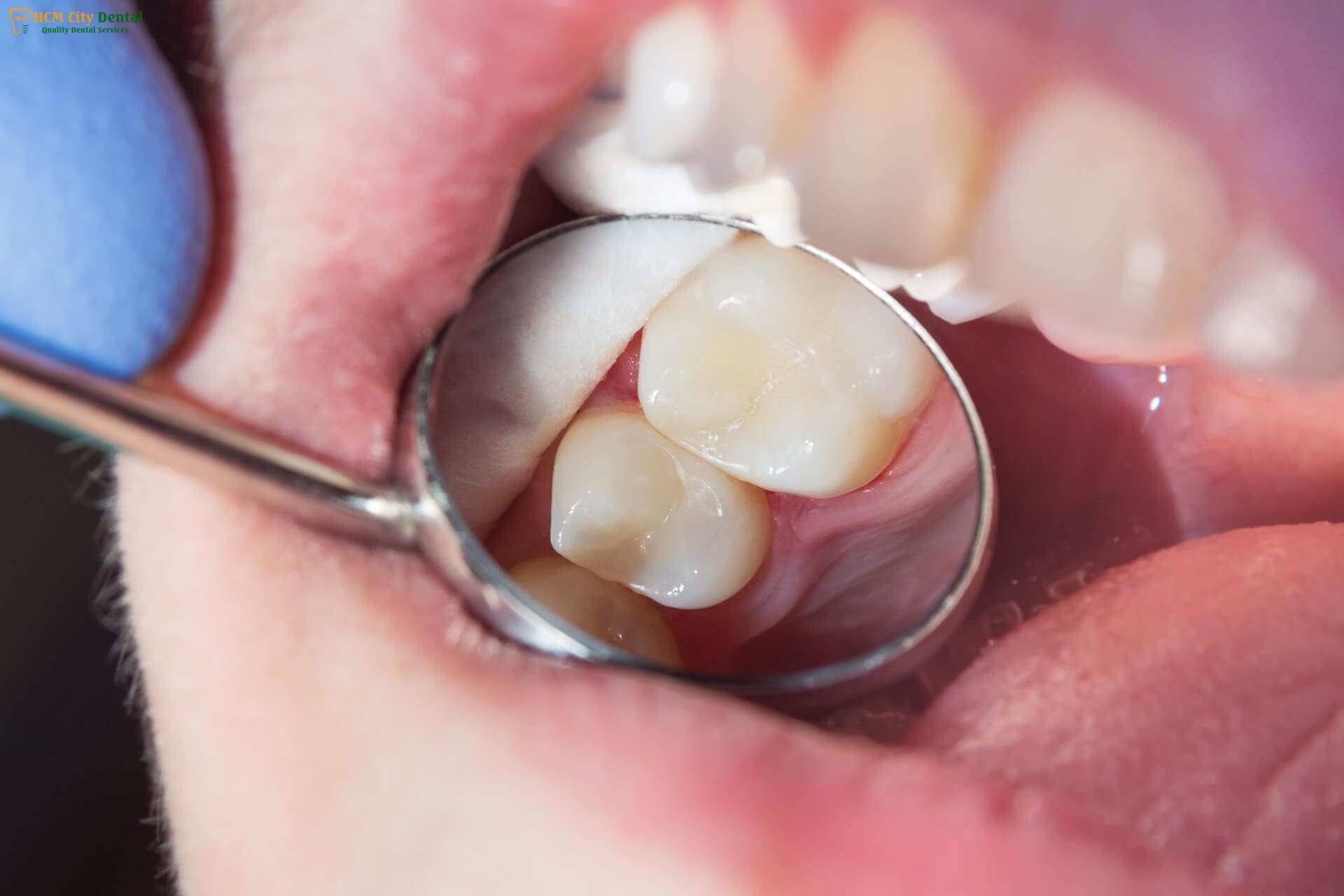
One of the most frequent reasons for pain after a dental filling is a “high” or improperly shaped filling. If the filling is even slightly too high, it disrupts your natural bite, causing excessive pressure on that tooth and its opponent every time you close your mouth or chew. This can lead to significant discomfort, sensitivity, and even jaw pain.
A common scenario at our clinic is a patient returning a week after a filling, complaining of pain specifically when biting. This is a classic sign of a high filling. The initial numbness from the anesthetic can make it difficult for patients to feel their bite accurately right after the procedure. Fortunately, this is a simple problem to fix with a quick adjustment.
Pulpitis: Inflammation of the Tooth’s Nerve
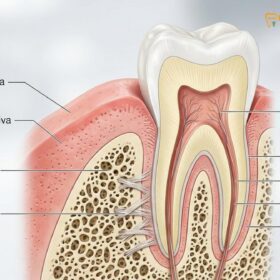
Pulpitis is the inflammation of the dental pulp—the innermost part of the tooth containing nerves and blood vessels. This can occur if the decay was very deep and close to the pulp, or if the procedure itself caused irritation. There are two types of pulpitis:
- Reversible Pulpitis: This involves mild inflammation where the pulp is irritated but can heal. It typically causes sharp, brief pain in response to stimuli like cold or sweets. This is a common form of tooth sensitivity after a filling and usually resolves as the nerve recovers.
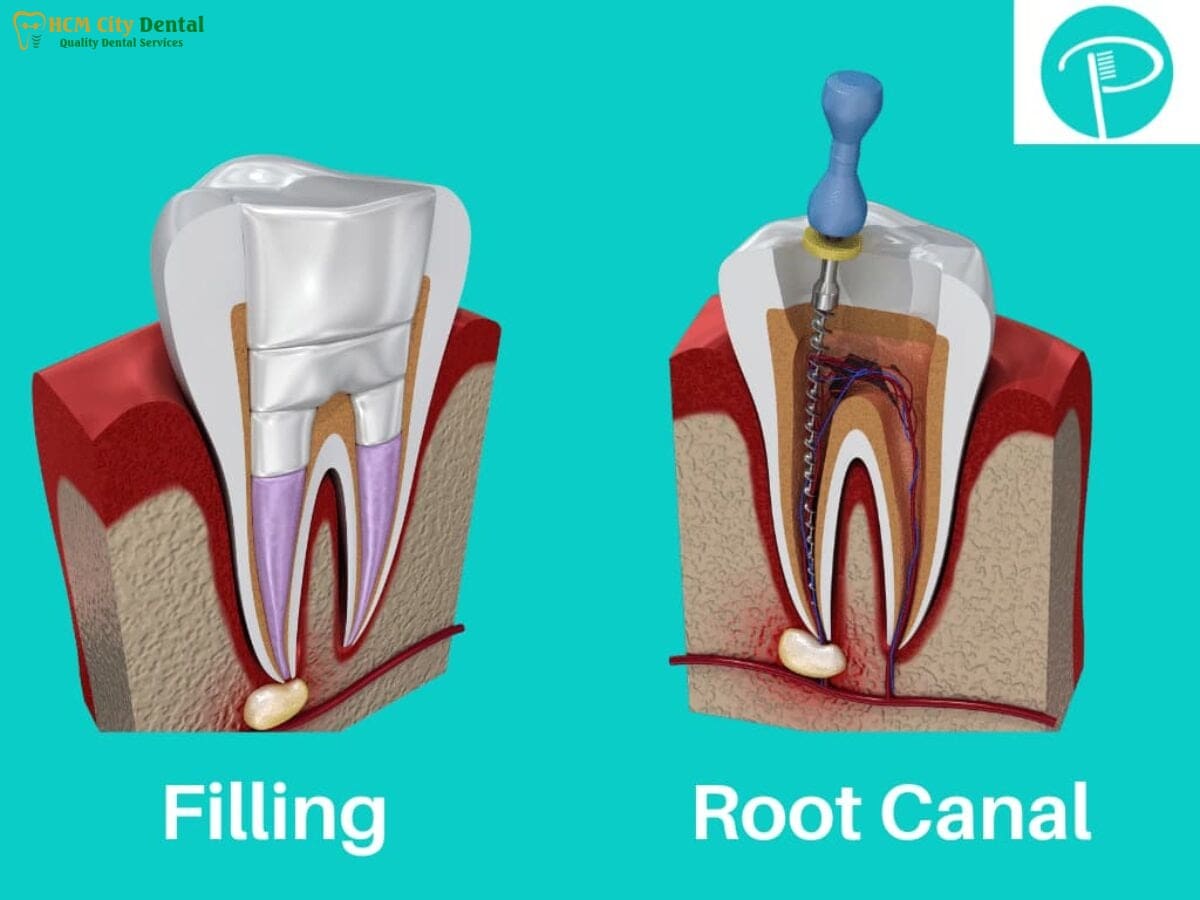
- Irreversible Pulpitis: This is a more severe inflammation where the pulp is damaged beyond repair and cannot heal. The pain is often spontaneous, intense, throbbing, and can linger long after a stimulus (like heat) is removed. If left untreated, this can lead to the death of the nerve and a dental abscess. Irreversible pulpitis requires further treatment, such as a root canal.
Cracked or Leaking Filling
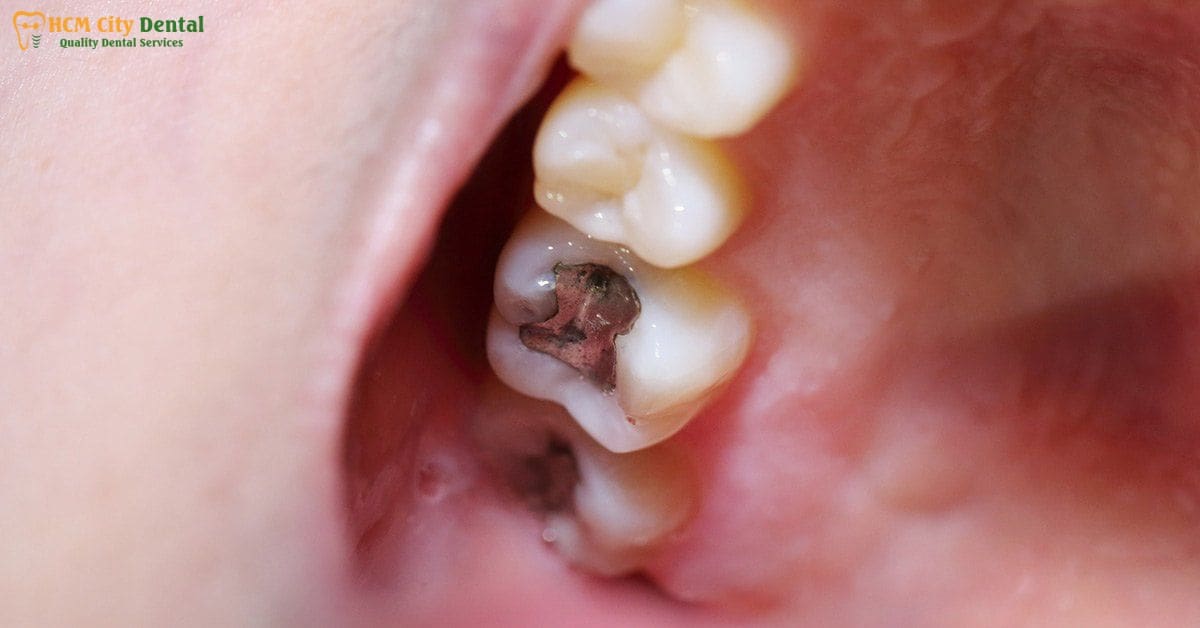
Over time, fillings can wear down, chip, or crack due to the constant pressure of chewing and grinding. A cracked filling can create tiny openings that allow bacteria and food particles to seep underneath, leading to new decay and sensitivity. You might feel a sharp pain when biting down, sensitivity to temperature changes, or notice a rough or sharp edge with your tongue.
Referred Pain
Sometimes, a filled tooth can cause pain in the surrounding teeth. This is known as referred pain. The filled tooth is essentially “passing along” pain signals to its neighbors. This sensation is usually temporary and should fade within one to two weeks as the primary tooth heals.
Allergic Reaction or Galvanic Shock
Though rare, some individuals can have an allergic reaction to the filling material, such as the metals in amalgam fillings or components in composite resins. Symptoms can include itching, a rash, or sores in the mouth near the filling. Another rare phenomenon is “galvanic shock,” an electrical sensation that can occur when two different metals (like an amalgam filling and a gold crown) touch. This creates a small electric current that can cause a brief, sharp pain.

tooth with filling hurts
Is a Hurting Tooth with a Filling Dangerous?
While temporary sensitivity is not dangerous, persistent or severe toothache after filling should never be ignored. It can be a sign of a more serious problem that could lead to significant complications if left untreated.
For instance, untreated irreversible pulpitis can lead to a painful dental abscess, which is a pocket of pus caused by a bacterial infection. This infection can spread to the jawbone, surrounding tissues, and even other parts of the body, potentially causing serious health issues. Similarly, a cracked filling that is not repaired can allow decay to progress deep into the tooth, potentially leading to the need for a root canal or even extraction.
A common mistake I see patients make is waiting too long to report persistent pain, hoping it will just go away. Early intervention is always better. A simple bite adjustment is a much easier fix than a root canal. Trust your instincts; if the pain feels wrong, it probably is.
tooth with filling hurts
Solutions and Relief: What to Do for Dental Filling Pain
When you’re dealing with dental filling pain, your options for relief range from simple at-home care for mild sensitivity to professional treatment for more serious issues.
At-Home Care for Mild Sensitivity
For the first few days or weeks, if the pain is mild and consistent with normal post-procedure sensitivity, you can manage it effectively at home.
- Over-the-Counter Pain Relievers: Medications like ibuprofen or acetaminophen can be very effective for managing mild to moderate pain and inflammation.
- Avoid Triggers: Try to steer clear of foods and drinks that are very hot, cold, acidic, or sugary, as these can exacerbate sensitivity.
- Gentle Oral Hygiene: Brush and floss gently around the sensitive tooth. Using a toothpaste specifically designed for sensitive teeth can also provide significant relief by blocking pain signals to the nerve.
- Chew on the Other Side: Give the new filling time to settle by chewing on the opposite side of your mouth for a few days.
- Salt Water Rinse: Rinsing your mouth with warm salt water can help reduce inflammation and keep the area clean.
When to See Your Dentist: Professional Treatments
If at-home care doesn’t provide relief or if your symptoms indicate a more serious problem, it is crucial to schedule a follow-up appointment.
Based on clinical observations, a prompt evaluation can prevent minor issues from escalating. Here are the common professional solutions:
| Problem | Professional Solution | What to Expect |
|---|---|---|
| High Filling / Bite Misalignment | Bite Adjustment | A quick, painless procedure where the dentist smooths down the high spots on the filling to restore a proper bite. Relief is often immediate. |
| Irreversible Pulpitis | Root Canal Therapy | The inflamed or infected pulp is removed, and the inside of the tooth is cleaned and sealed. This saves the tooth from extraction. |
| Cracked or Damaged Filling | Filling Replacement | The old, damaged filling is removed, any new decay is cleaned out, and a new filling is placed. |
| Allergic Reaction | Filling Replacement with a Different Material | The allergenic filling is replaced with a biocompatible alternative, such as a composite resin instead of an amalgam. |
Still have questions? Call our Hotline/WhatsApp now at +84853020003 for a direct, completely free consultation with Dr. Cuong!
tooth with filling hurts
Preventing Future Pain and Protecting Your Fillings
Once your tooth pain after filling is resolved, the focus shifts to prevention. Good oral hygiene is paramount. This includes brushing twice a day, flossing daily, and using a fluoride mouth rinse to keep your teeth and fillings in excellent condition.
Regular dental check-ups are also essential. During these visits, I can identify and address potential issues, like a wearing filling, before they cause pain. If you grind your teeth (bruxism), a common cause of cracked fillings, wearing a custom-fitted nightguard can protect your teeth and dental work from excessive force.
Experience has shown that in cases where a patient has a history of sensitive teeth or deep cavities, a more cautious approach during the filling procedure and clear post-operative instructions are key to minimizing discomfort. We always take the time to discuss this with our patients at HCMCDental.com.
tooth with filling hurts
Frequently Asked Questions (FAQ)
How long is it normal for a tooth to hurt after a filling?
It is normal to experience some sensitivity for a few days up to a couple of weeks. This mild discomfort should gradually fade. If the tooth pain after filling persists for more than two to four weeks or is severe, you should contact your dentist.
Why do I have a sharp pain when I bite down on my new filling?
A sharp pain when biting is a classic symptom of a “high filling,” meaning the filling is interfering with your natural bite alignment. This creates excessive pressure on the tooth. Your dentist can easily adjust this in a quick follow-up visit.
Can a tooth with a filling get a cavity again?
Yes, new decay can form around the edges of a filling, especially if it is old, cracked, or leaking. This is called recurrent decay. Maintaining excellent oral hygiene and regular dental check-ups are the best ways to prevent this.
What does throbbing tooth pain after a filling mean?
A constant, throbbing pain can be a sign of a more serious issue like irreversible pulpitis, where the tooth’s nerve is severely inflamed or infected. This type of pain warrants an immediate call to your dentist, as it may indicate the need for a root canal.
Is it possible to be allergic to my tooth filling?
Allergic reactions to filling materials are rare but possible. Symptoms might include a rash, itching, or sores inside the mouth. If you suspect an allergy, contact your dentist to discuss alternative, biocompatible materials.
My tooth sore after filling is sensitive to cold, is this normal?
Yes, sensitivity to cold is one of the most common types of discomfort following a dental filling. It’s usually temporary and occurs because the nerve has been irritated during the procedure. This sensitivity should decrease within a few weeks.
What should I do if my dental filling pain doesn’t go away?
If your dental filling pain is persistent, severe, or getting worse, do not wait for it to resolve on its own. Schedule an appointment with your dentist for a proper diagnosis. Ignoring the problem could lead to more complex and costly treatments later.
Conclusion: Your Partner in Oral Health
Experiencing pain in a tooth with a filling can be a source of anxiety, but it’s often a manageable and temporary issue. The key is to understand the difference between normal healing and signs of a problem. From a simple bite adjustment to addressing nerve inflammation, there is a solution for every cause of dental filling pain.
Never hesitate to reach out for professional advice. At HCMCDental.com, we are committed to ensuring your comfort and long-term oral health.
Don’t let dental pain linger. Get a 10% discount on your first appointment! Book an appointment online today for a thorough evaluation and personalized care.
This article was medically reviewed and written by Dr. Cuong.
Important Disclaimer
The information provided in this article is for educational and informational purposes only and is not intended as a substitute for professional medical advice, diagnosis, or treatment. Always seek the advice of your dentist or another qualified health provider with any questions you may have regarding a medical condition. Never disregard professional medical advice or delay in seeking it because of something you have read in this article.
Written and Medically Reviewed By
Dr. Cuong is a highly respected specialist in Odontostomatology with over 15 years of clinical experience in diagnosing and treating a wide range of dental conditions. He is dedicated to providing patient-centered care at HCMCDental.com, focusing on evidence-based practices and utilizing the latest dental technologies to ensure optimal outcomes. Dr. Cuong has successfully treated thousands of patients, with a special focus on restorative and cosmetic dentistry, and is committed to educating his patients to empower them in their oral health journey.