For international patients managing Obstructive Sleep Apnea (OSA), the prospect of undergoing advanced oral surgery presents a unique set of clinical challenges. Specifically, the intersection of continuous positive airway pressure therapy and delicate maxillary bone grafting requires meticulous surgical planning. When considering using cpap after sinus lift dental implants, patients must understand that the biological success of the procedure depends heavily on protecting the newly augmented sinus cavity from unnatural pneumatic forces. At HCMC Dental Clinic in Ho Chi Minh City, our specialized protocols are designed to bridge the gap between maintaining your respiratory health and supporting the osseointegration of your new titanium implants. Under the expert guidance of Dr. Nguyen Van Cuong, DDS, our clinical team implements rigorous, evidence-based safety measures aimed at preventing graft displacement, membrane perforation, and post-operative barotrauma.
Clinical Summary:
Successfully using cpap after sinus lift dental implants requires a highly coordinated approach between your oral surgeon and sleep physician. Because a sinus lift (subantral augmentation) involves elevating the ultra-thin Schneiderian membrane and placing particulate bone graft material, the introduction of pressurized air from a CPAP machine can potentially disrupt the graft or tear the membrane. The medical safety guidelines at HCMC Dental Clinic generally recommend a 7-to-14 day CPAP pause or a pressure-titration and mask-fit modification protocol after maxillary sinus grafting. During this critical healing window, alternative OSA management strategies—such as sleeping at an elevated angle or utilizing temporary oral appliances—are often employed to support both respiratory safety and optimal implant healing.
Key Takeaways:
- Strict Healing Window: A temporary pause or modification of CPAP therapy is typically required following a lateral window or crestal sinus lift to protect the Schneiderian membrane.
- Pneumatic Risk Factors: Standard CPAP pressures can force air through the natural sinus ostium, posing risks of graft displacement and subcutaneous emphysema.
- Mask Modifications: Full-face masks may exert mechanical pressure on healing implants, while nasal pillows direct high-velocity air directly into the sinus pathways.
- Systemic Health Integration: Patients with OSA often present with comorbidities; protocols include continuous SpO2 monitoring and careful glycemic management.
- Expert Oversight: Comprehensive pre-operative 3D CBCT diagnostics and post-operative fit-to-fly clearances are essential for international dental travelers.
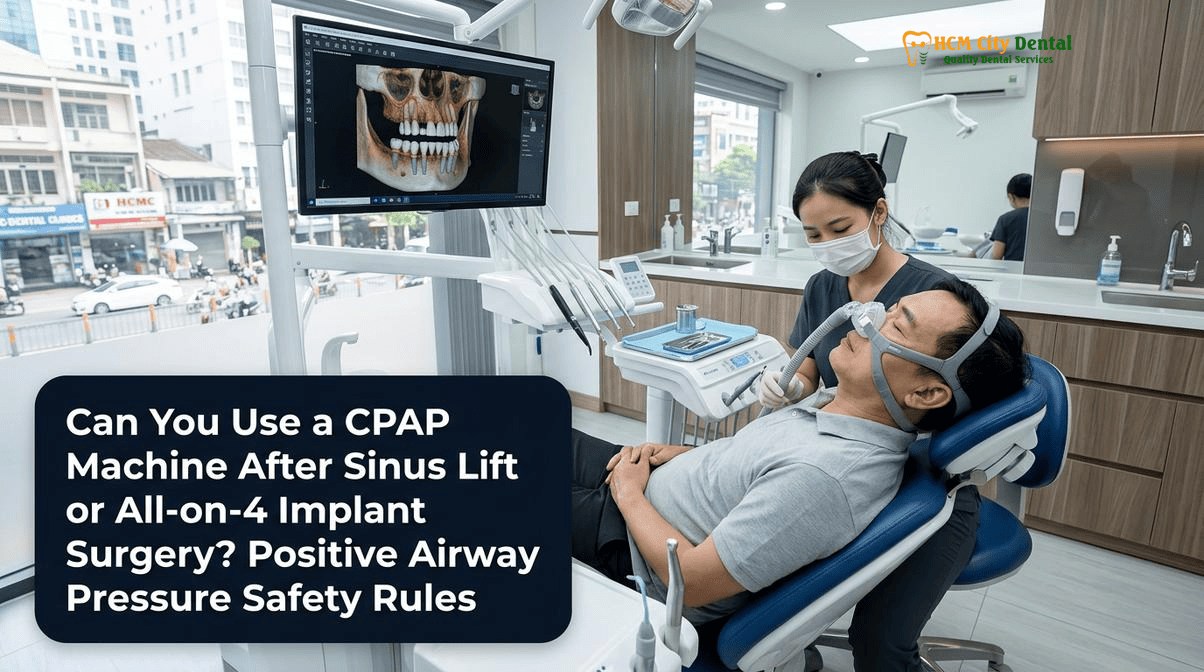
Medical Clearance & Risk Stratification Matrix for Using Cpap After Sinus Lift Dental Implants
Obstructive Sleep Apnea is a widespread systemic condition characterized by repeated episodes of partial or complete upper airway collapse during sleep. To combat this, CPAP machines deliver a continuous stream of pressurized air to act as a pneumatic splint, keeping the airway open. However, when a patient undergoes a maxillary sinus lift—a procedure necessary when there is insufficient vertical bone height in the upper posterior jaw to support dental implants—the anatomical dynamics of the nasal and sinus cavities are fundamentally altered. The core clinical conflict arises because the very mechanism that treats OSA (pressurized air) poses a direct physical threat to the surgical site.
The maxillary sinus is lined by the Schneiderian membrane, a delicate mucosal layer that is typically only 0.3 to 0.8 millimeters thick. During a sinus lift, this membrane is carefully elevated, and a bone graft (often a mixture of allograft and xenograft) is packed into the newly created space. This graft requires absolute stability to undergo angiogenesis and eventual osseointegration. If a patient begins using cpap after sinus lift dental implants too soon, the positive pressure can travel through the nasal cavity, enter the maxillary sinus via the natural ostium, and exert outward force on the healing membrane. This can lead to membrane tearing, displacement of the particulate bone graft into the sinus cavity, or the introduction of air into the soft tissues.
At HCMC Dental Clinic, our Systemic Health, Medication & Sedation Clearance Protocols — Primary Clinical Hub at HCMC Dental Clinic dictate a comprehensive risk stratification matrix for every OSA patient. This begins with a thorough review of the patient’s Apnea-Hypopnea Index (AHI) and current CPAP pressure settings (measured in cmH2O). Patients with mild to moderate OSA may often safely pause their CPAP therapy for a designated period, provided they sleep in an elevated position (30 to 45 degrees) to utilize gravity in keeping the airway open and reducing post-operative facial edema.
Furthermore, OSA is frequently accompanied by other systemic health issues, which must be managed carefully. For diabetic patients, we monitor HbA1c levels to support optimal soft tissue healing and immune response. For patients on blood thinners due to cardiovascular comorbidities, modern perioperative dental management protocols advise careful coordination regarding anticoagulant therapy and glycemic control [3]. Dr. Nguyen Van Cuong utilizes flapless 3D guided surgery and advanced hemostatic techniques to achieve excellent hemostasis. By utilizing high-resolution imaging, the cumulative survival rates of 3D guided dental implants in international cohorts remain exceptionally high, even in complex anatomical presentations [1].
“The integration of sleep medicine and advanced oral implantology requires a delicate balance. We aim to support a patient’s respiratory safety while protecting the structural integrity of a newly augmented sinus. By utilizing high-resolution 3D CBCT imaging and collaborating with sleep physicians, we create customized CPAP modification protocols that prioritize both systemic health and successful osseointegration.”
— Dr. Nguyen Van Cuong (Dr. Cuong), DDS
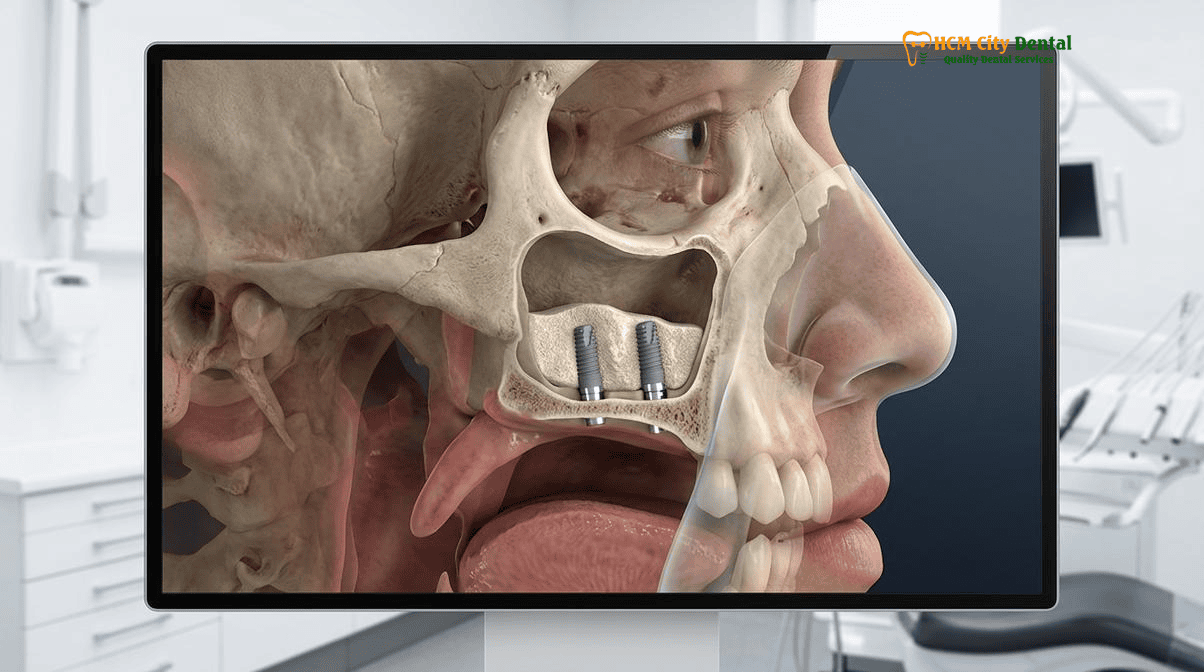
Pathophysiology, Aviation Pressure & Clinical Safety Thresholds
To fully grasp the risks associated with using cpap after sinus lift dental implants, one must understand the pathophysiology of pressure differentials within the human skull. The maxillary sinuses are air-filled cavities that constantly equalize pressure with the outside environment through the nasal passages. When a sinus lift is performed, the volume of the sinus cavity is reduced, and the surgical site becomes highly sensitive to barometric changes. This sensitivity is not only relevant to CPAP machines but also to aviation pressure, which is a critical consideration for our international dental travelers flying into Ho Chi Minh City.
Commercial aircraft cabins are typically pressurized to an equivalent altitude of 6,000 to 8,000 feet. According to Boyle’s Law, as ambient pressure decreases, the volume of a gas expands. If a patient boards a flight too soon after a sinus lift, any trapped air or gas within the healing sinus cavity will expand, potentially causing severe pain or maxillary sinus barotrauma [4]. The pressure exerted by a CPAP machine, while continuous rather than fluctuating like cabin pressure, creates a similar mechanical stress on the surgical site. A standard CPAP machine delivering pressurized air is actively forcing volume against the delicate mucosal linings of the upper respiratory tract.
Because of these physiological realities, the medical safety protocols at HCMC Dental Clinic establish strict clinical safety thresholds. We generally advise a minimum 10 to 14-day ground recovery period in Vietnam before a patient is cleared to fly home. During this time, the initial stages of soft tissue closure and blood clot stabilization occur. The same timeline applies to the resumption of CPAP therapy. If a patient has severe OSA and cannot safely sleep without CPAP, we explore alternative surgical or medical strategies.
One such strategy is the use of a temporary Mandibular Advancement Device (MAD) if cleared by the patient’s sleep physician. In cases where CPAP must be resumed earlier, a pressure-titration protocol is essential. The sleep physician may lower the pressure settings temporarily, and the patient must switch from a nasal pillow mask (which directs high-velocity air directly into the nares) to a full-face mask, provided the mask frame does not rest directly on the surgical sites. This multidisciplinary approach ensures that post-operative safety standards are upheld without compromising the patient’s overall well-being.
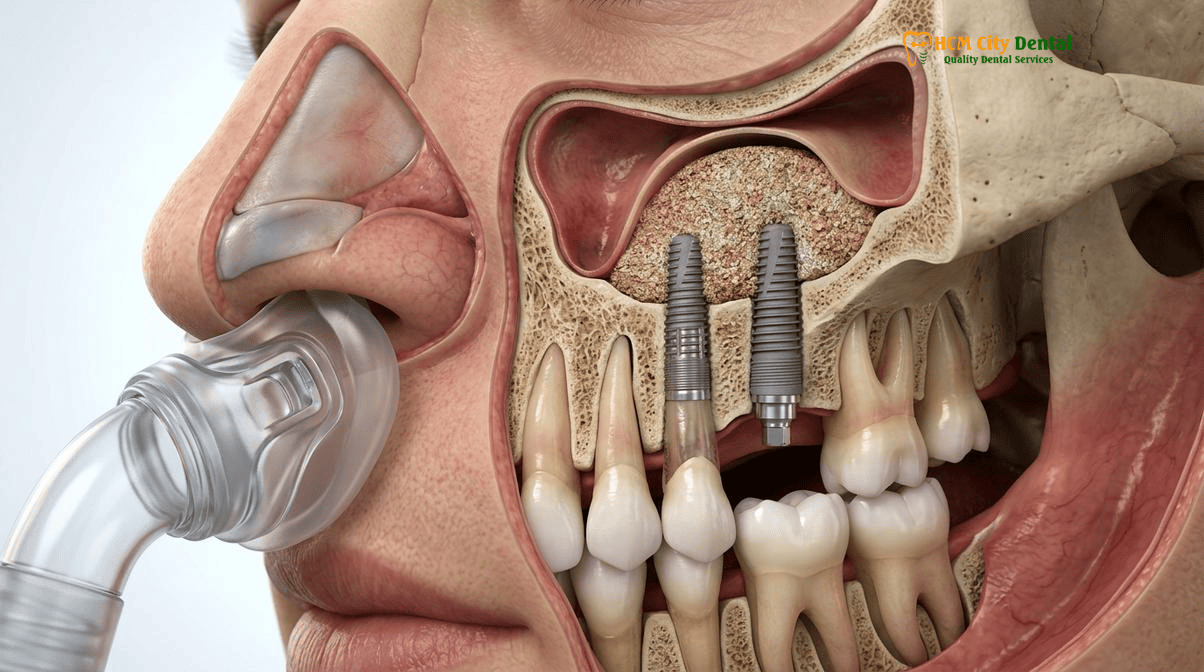
Step-by-Step Pre-Op, Chairside & Post-Op Safety Protocol in District 1, Ho Chi Minh City
For international patients traveling to Vietnam, the clinical journey at HCMC Dental Clinic is defined by precision, transparency, and hospital-grade safety. Located in District 1, Ho Chi Minh City, our facility is equipped with state-of-the-art diagnostic and surgical technology to manage complex cases, including those requiring systemic health clearances for OSA and CPAP usage. The process of safely using cpap after sinus lift dental implants begins long before the patient sits in the surgical chair.
1. Pre-Operative Diagnostics and 3D CBCT Planning
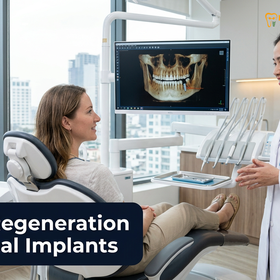
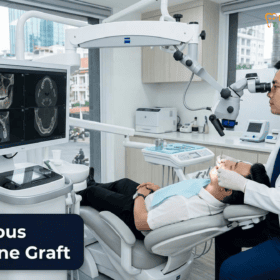
Every implant and sinus lift procedure begins with a high-resolution 3D Cone Beam Computed Tomography (CBCT) scan. This allows Dr. Nguyen Van Cuong to evaluate the exact volume of available bone, map the topography of the Schneiderian membrane, and locate the sinus ostium. For patients with OSA, this scan is also crucial for assessing the airway volume. By utilizing Safe Dental Implants Ho Chi Minh City: 3D CBCT & Guided Surgery, we can often perform crestal sinus lifts (which are less invasive than lateral window approaches) or angle implants to avoid the sinus entirely, thereby reducing the required CPAP pause duration.
2. Chairside Surgical Execution and Infection Control
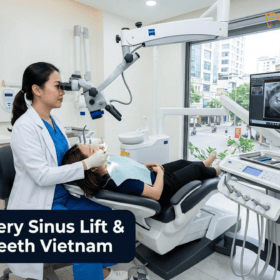
During the surgery, patient comfort and systemic stability are paramount. We utilize monitored sedation combined with profound local anesthesia, tailored to the patient’s cardiovascular profile. Throughout the procedure, the patient is monitored via continuous chairside SpO2, ECG, and blood pressure tracking. All surgical instruments and handpieces are sterilized following strict national clinical guidelines on dental implantology and Class B autoclave infection control standards [5]. The sinus lift is performed with advanced piezoelectric surgery units to gently cut bone without damaging the underlying soft tissue membrane.
3. Post-Operative Recovery and Medication Protocol
Immediately following the procedure, the patient is briefed on the recovery guidelines. The pharmacological protocol typically includes a broad-spectrum antibiotic to prevent sinus infection, a corticosteroid to manage swelling, and a nasal decongestant spray to be used for a few days. The decongestant is critical as it keeps the nasal passages clear and prevents pressure buildup within the sinus cavity. Patients are instructed to sleep with their head elevated at a 30 to 45-degree angle, avoid blowing their nose, and sneeze with their mouth open to dissipate pressure.
4. Transparent Fee Schedule and Restorative Excellence
We believe that world-class medical safety should be paired with absolute financial transparency. Our Official 2026 Dental Fee Schedule (-40% Online Booking Pricing) allows international patients to plan their medical travel with confidence. When it comes to the final restorations, the marginal accuracy and long-term survival of CAD/CAM monolithic zirconia restorations make them an excellent choice for full-arch rehabilitation [2].
Clinical Case Study: Managing Severe OSA and Bilateral Sinus Lifts
A 62-year-old male patient from Australia traveled to HCMC Dental Clinic (Ho Chi Minh City) for maxillary rehabilitation. He presented with severe OSA and required bilateral lateral window sinus lifts prior to implant placement. Because he could not safely pause his CPAP therapy for an extended period, Dr. Nguyen Van Cuong collaborated with the patient’s sleep physician. The surgical plan was modified: the sinus lifts were performed using a highly cohesive particulate graft and covered with a double-layered resorbable collagen membrane for extra reinforcement. Post-operatively, the patient’s CPAP pressure was titrated down, and he was switched from a nasal pillow to an oronasal full-face mask that distributed pressure away from the maxilla. The patient slept at a 45-degree angle in his District 1 hotel. A follow-up CBCT confirmed excellent graft stability, allowing him to safely fly home.
Clinical Decision Matrix Table: Safe Timelines, Thresholds & Red Flags
To provide absolute clarity for our international patients and referring medical professionals, we have developed a comprehensive clinical decision matrix. This table outlines the specific protocols for using cpap after sinus lift dental implants based on the type of surgical intervention performed. It is crucial to understand that not all dental implant procedures carry the same pneumatic risks. A standard implant placed in the dense bone of the anterior mandible has virtually no interaction with the airway, whereas a lateral window sinus lift is highly susceptible to pressure differentials.
| Surgical Procedure Type | CPAP Pause / Modification | Mask Type Considerations | Pneumatic Risk Level |
|---|---|---|---|
| Standard Mandibular Implants | No pause required. Resume immediately. | Avoid chin straps that compress the surgical site. | Low |
| Anterior Maxillary Implants (No Sinus Involvement) | 1 to 3 days pause recommended for swelling reduction. | Full-face mask preferred over nasal pillows. | Low to Moderate |
| Crestal Sinus Lift (Internal Approach) | 7 to 10 days pause or pressure titration. | Strictly avoid nasal pillows. Use oronasal mask. | Moderate to High |
| Lateral Window Sinus Lift (External Approach) | 10 to 14 days strict pause or alternative OSA therapy. | Requires sleep physician clearance for any mask use. | High |
| Zygomatic Implants | 14+ days pause. Complex airway interaction. | Custom modification required. | Very High |
When to Contact Your Doctor: Post-Operative Red Flags
While our protocols are designed to minimize complications, patients must remain vigilant during the initial healing phase. If you are using cpap after sinus lift dental implants and experience any of the following symptoms, you should discontinue CPAP use immediately and contact our clinical team:
- Sudden Facial Swelling: Rapid swelling that occurs after using a CPAP machine may indicate subcutaneous emphysema (air trapped in the soft tissues).
- Epistaxis (Nosebleeds): While minor blood-tinged nasal discharge is normal for the first day, active or continuous nosebleeds require immediate evaluation.
- Air Escaping from the Mouth: If you feel air passing from your nose into your mouth through the surgical site, this indicates an oroantral communication (a hole between the sinus and the mouth).
- Severe Sinus Pain or Pressure: Unrelenting pain that is not managed by prescribed analgesics could signal barotrauma or an acute sinus infection.
As the Clinical Director at HCMC Dental Clinic, Dr. Nguyen Van Cuong, DDS (Clinical Director — MOH License 0003265/BL-CCHN) oversees all complex oral rehabilitation cases involving systemic health considerations. Dr. Cuong combines advanced 3D CBCT diagnostics with rigorous surgical protocols to ensure optimal patient safety. His expertise in managing medically compromised patients allows international travelers to receive world-class care without compromising their overall well-being.
“Patient education is a cornerstone of our practice. When international travelers understand the ‘why’ behind our strict post-operative guidelines—especially regarding airway pressure and aviation safety—they become active participants in their own healing process, leading to more predictable and successful clinical outcomes.”
— Dr. Nguyen Van Cuong (Dr. Cuong), DDS
Frequently Asked Questions (FAQ)
What are the medical safety guidelines for using CPAP after sinus lift dental implants at HCMC Dental Clinic?
Our clinical guidelines generally recommend a 7-to-14 day CPAP pause or a pressure-titration and mask-fit modification protocol after maxillary sinus grafting. Patients are advised to avoid positive airway pressure that could disrupt the delicate Schneiderian membrane or displace the bone graft. Alternative sleep apnea management, such as sleeping at an elevated angle, should be coordinated with your sleep physician prior to surgery.
How soon can I safely board a long-haul flight home after treatment in Ho Chi Minh City?
Following a sinus lift, Dr. Nguyen Van Cuong, DDS typically advises a minimum of 10 to 14 days of ground recovery before boarding a commercial flight. This allows the sinus membrane to stabilize and helps prevent aviation-induced barotrauma. A final 3D CBCT scan and clinical evaluation are conducted to issue your fit-to-fly medical clearance.
What pre-operative diagnostics does Dr. Nguyen Van Cuong require for sleep apnea patients?
For patients managing Obstructive Sleep Apnea (OSA) or other systemic conditions, we require a comprehensive 3D CBCT scan to map sinus anatomy and airway volume. We also review your Apnea-Hypopnea Index (AHI) and current CPAP pressure settings. Continuous chairside SpO2, ECG, and blood pressure monitoring are standard during the surgical procedure.
What post-operative precautions should I follow at my hotel in District 1?
Post-operative care includes a prescribed antibiotic regimen, specific mouth rinses, and a nasal decongestant for a few days to keep the sinus ostium clear. You should sleep with your head elevated at 30 to 45 degrees, avoid blowing your nose, sneeze with your mouth open, and strictly adhere to the customized CPAP modification protocol provided by our team.
How do I contact the medical support team if I have issues with my CPAP mask fit?
International patients can reach our dedicated English-speaking medical triage team directly via our official contact channels. Whether you are experiencing unexpected swelling, have questions about your CPAP mask fit, or need to adjust your post-operative medication schedule, our clinical coordinators are available to assist you throughout your recovery.
References
- International Journal of Oral & Maxillofacial Implants. Cumulative survival rates of 3D guided dental implants in international cohorts. (2024).
- Journal of Prosthetic Dentistry. Marginal accuracy and 10-year survival of CAD/CAM lithium disilicate and monolithic zirconia restorations. (2023).
- Journal of the American Dental Association (JADA). Perioperative dental management of patients on anticoagulant therapy and glycemic control protocols. (2023).
- Aerospace Medicine and Human Performance. Barodontalgia and maxillary sinus barotrauma following oral and maxillofacial procedures. (2022).
- Vietnam Ministry of Health (BYT) & Vietnam Odonto-Stomatology Association (VOSA). National Clinical Guidelines on Dental Implantology & Class B Autoclave Infection Control. (2024).
If you are planning your dental travel and have questions about International Patient Medical Safety & Post-Op Recovery Guides, please contact HCMC Dental Clinic in Ho Chi Minh City. Our team is ready to provide a comprehensive remote consultation and coordinate your care with your local medical providers.