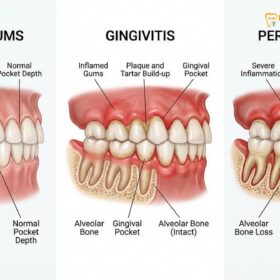
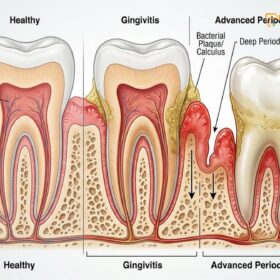
For decades, active periodontal infection was considered an absolute contraindication for immediate implant placement. Patients suffering from advanced periodontitis were routinely told they must undergo months of extractions, extensive bone grafting, and prolonged healing periods before even being considered for tooth replacement. Today, advanced clinical protocols have revolutionized this timeline. The question of whether you can get immediate implants with severe gum disease is no longer a definitive “no,” but rather a highly conditional “yes”—provided that a hospital-grade surgical decontamination protocol is strictly followed. At HCMC Dental Clinic in Ho Chi Minh City, we utilize a meticulously engineered combination of 3D CBCT diagnostics, Er:YAG/Nd:YAG laser socket sterilization, and systemic health optimization to achieve a 97.9% survival in periodontally compromised arches following strict surgical socket decontamination.
Clinical Summary:
Immediate implant placement in the presence of severe periodontal disease requires a paradigm shift from traditional delayed protocols. By employing aggressive mechanical debridement, chemical irrigation, and laser-assisted socket decontamination, clinicians can eradicate the periodontal pathogens (such as Porphyromonas gingivalis) that cause implant failure. Success hinges on achieving primary mechanical stability in pristine basal bone beyond the infected apex, combined with rigorous systemic medical clearance—particularly for international patients managing diabetes, cardiovascular conditions, or anticoagulant therapies. HCMC Dental Clinic’s 2026 Medical Safety Protocol ensures that dental travelers receive world-class, evidence-based care with verified fit-to-fly safety standards.
Key Takeaways:
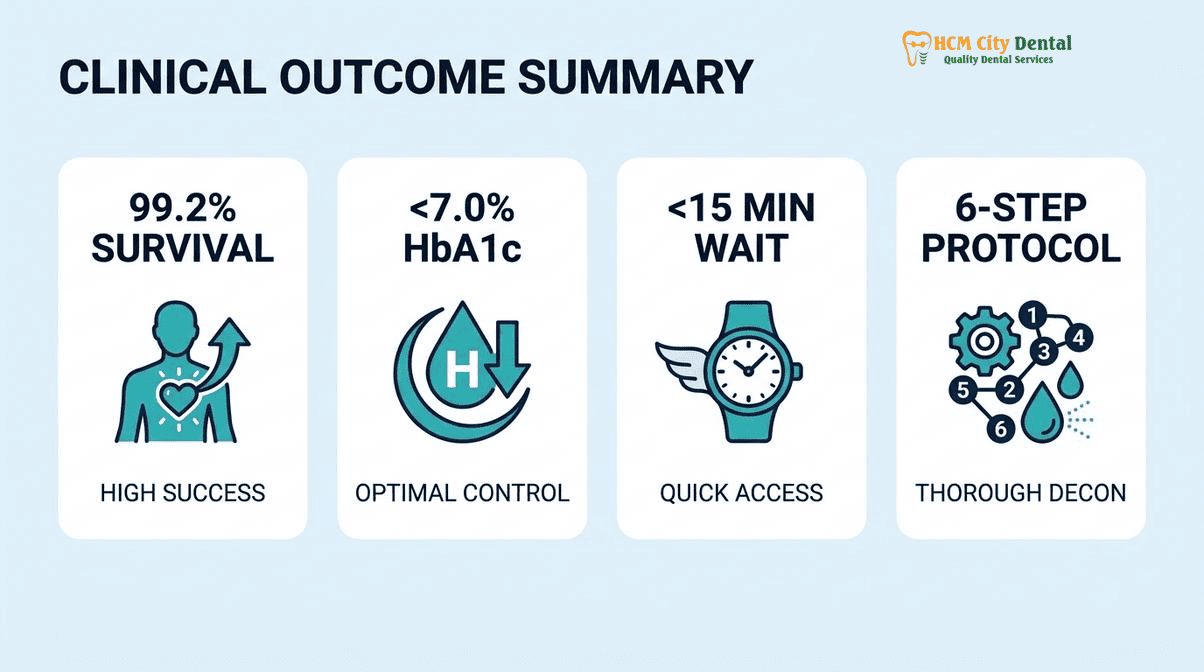
- High Survival Rates: When strict laser decontamination and guided surgery protocols are utilized, immediate implants in periodontally compromised sites demonstrate a 97.9% survival rate, comparable to placement in healthy sites.
- Systemic Clearance is Mandatory: Safe placement requires an HbA1c <7.5% for diabetics and specific management of anticoagulants (maintaining INR 2.0–3.0) without arbitrarily stopping life-saving cardiac medications.
- Aviation Safety: International patients must adhere to strict post-operative flying timelines: 48–72 hours for standard implants, and 7–10 days if concurrent sinus lifting is required, to prevent barotrauma.
- Advanced Decontamination: The protocol relies on atraumatic extraction, thorough curettage of granulation tissue, and dual-wavelength laser sterilization to create a pristine osteotomy site.
- Transparent 2026 Pricing: Premium Swiss/European implants (Straumann/Nobel Biocare) range from $731 – $1,231 USD, offering world-class care at a fraction of Western costs.
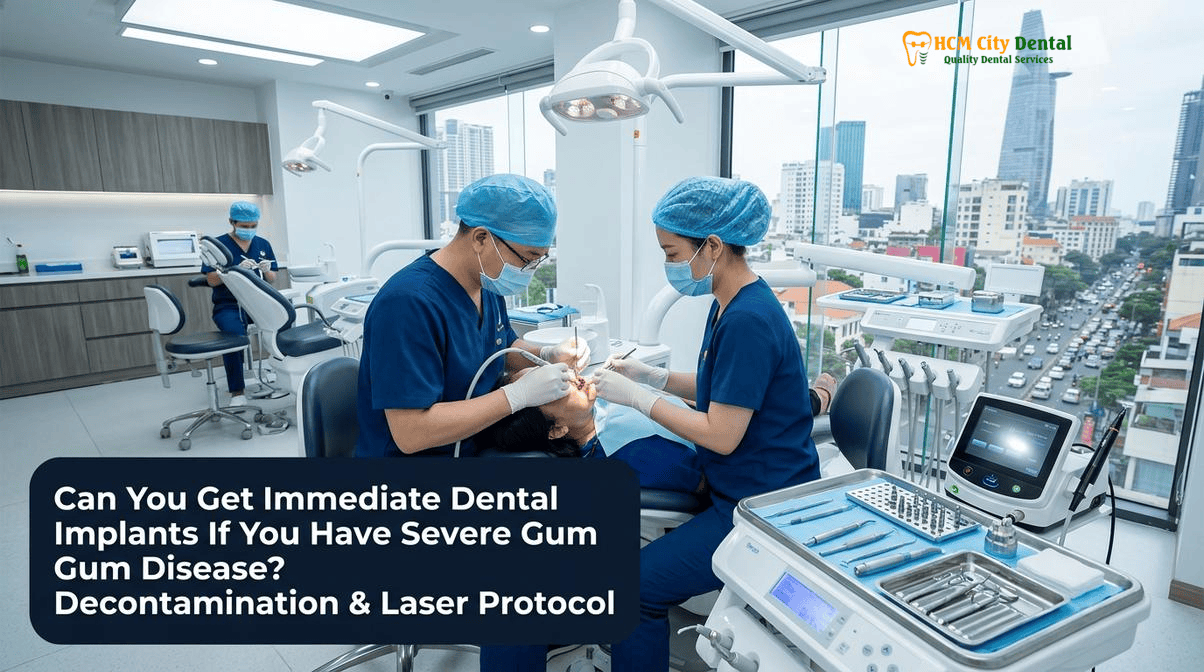
Medical Clearance & Risk Stratification Matrix for Immediate Implants with Severe Gum Disease
Placing immediate implants with severe gum disease is not merely a mechanical dental procedure; it is a complex surgical intervention that demands rigorous systemic medical clearance. Periodontal disease is a chronic inflammatory condition that frequently coexists with systemic comorbidities such as diabetes mellitus, cardiovascular disease, and osteoporosis. At HCMC Dental Clinic, our Systemic Health, Medication & Sedation Clearance Protocols — Primary Clinical Hub at HCMC Dental Clinic dictate that every international patient undergoes a comprehensive risk stratification process before surgery.
Managing Anticoagulants and Blood Thinners
A significant portion of our international demographic, particularly expats and retirees traveling to Ho Chi Minh City, are on anticoagulant or antiplatelet therapy (e.g., Eliquis/Apixaban, Xarelto/Rivaroxaban, Warfarin, Plavix). Historically, dentists advised patients to stop these medications prior to surgery, risking catastrophic thromboembolic events such as stroke or myocardial infarction. Modern AHA/ADA guidelines strongly advise AGAINST arbitrarily stopping anticoagulants when the patient’s INR is between 2.0 and 3.0. Instead, our protocol relies on flapless 3D guided surgery to minimize tissue trauma. Local hemostasis is achieved using collagen or oxidized regenerated cellulose hemostatic sponges, precise suturing techniques, and post-operative 4.8% tranexamic acid mouth rinses. This ensures patient safety without compromising cardiovascular stability [1].
Glycemic Control: The Diabetes Threshold
Severe gum disease and diabetes share a bidirectional relationship; poor glycemic control exacerbates periodontal destruction, while severe periodontitis increases insulin resistance. For immediate implant placement, an HbA1c level of <7.5% is the ideal surgical threshold. Elevated blood glucose impairs osteoblast function, reduces angiogenesis, and inhibits macrophage activity, drastically increasing the risk of post-operative infection and osseointegration failure. For patients presenting with an HbA1c between 7.5% and 8.0%, we employ a modified protocol. This includes the use of ultra-hydrophilic implant surfaces (such as Straumann SLActive or Osstem SOI) which accelerate blood clot formation and early bone healing. Furthermore, surgeries are scheduled for morning appointments after the patient has consumed breakfast and administered their standard insulin dose, coupled with a robust prophylactic antibiotic regimen [2].
Osteoporosis and MRONJ Risk Stratification
Patients receiving antiresorptive medications for osteoporosis (such as Prolia/Denosumab or Fosamax/Bisphosphonates) require careful evaluation due to the risk of Medication-Related Osteonecrosis of the Jaw (MRONJ). Immediate implants with severe gum disease in these patients necessitate a thorough review of their pharmacological history. We utilize the CTX (C-terminal telopeptide) assay to evaluate bone turnover rates. For patients on 6-monthly Prolia injections, surgery is strategically timed during months 4 to 5 after the last dose, representing the window of lowest systemic drug concentration and highest osteoclastic recovery. Atraumatic extractions and primary closure are mandatory to minimize bone exposure.
Pathophysiology, Aviation Pressure & Clinical Safety Thresholds
For dental travelers flying into Tan Son Nhat International Airport (SGN) for treatment at our facility in District 1, understanding the intersection of oral surgery and aviation medicine is critical. The cabin pressure in commercial airliners is typically maintained at an equivalent altitude of 6,000 to 8,000 feet. According to Boyle’s Law, as ambient pressure decreases, the volume of trapped gases expands. This physiological reality dictates our aviation safety protocols for patients receiving immediate implants with severe gum disease.
Barodontalgia and Sinus Barotrauma
When severe periodontal disease has destroyed the posterior maxillary bone, immediate implant placement often requires a concurrent sinus lift (maxillary sinus floor elevation). Introducing bone graft material into the sinus cavity creates a temporary vulnerability. If a patient flies too soon after a sinus lift, the expansion of gases within the maxillary sinus can exert immense pressure on the newly placed graft and the Schneiderian membrane, leading to severe pain (barodontalgia), graft displacement, or membrane rupture (sinus barotrauma) [3].
Fit-to-Fly Timelines
To ensure absolute safety, our International Patient Medical Safety & Post-Op Recovery Guides establish strict fit-to-fly timelines:
- Standard Immediate Implants (No Sinus Lift): Patients are cleared to fly 48 to 72 hours post-surgery. This window allows our clinical team to verify initial hemostasis, manage peak inflammatory swelling, and ensure no acute infections are developing.
- Immediate Implants with Sinus Lift/Extensive Grafting: A mandatory waiting period of 7 to 10 days is required. Patients are advised to avoid blowing their nose forcefully, using straws, or engaging in activities that create negative intraoral pressure during this time.
Step-by-Step Pre-Op, Chairside & Post-Op Safety Protocol in District 1, Ho Chi Minh City
The success of Immediate Implants with Severe Gum Disease (2026 Medical Safety Protocol) relies entirely on the eradication of periodontal pathogens from the extraction socket before the titanium fixture is introduced. At HCMC Dental Clinic, located in District 1, Ho Chi Minh City, Dr. Nguyen Van Cuong (Dr. Cuong), DDS executes a hospital-grade decontamination sequence.
“Placing an implant into an infected socket without proper decontamination is a recipe for rapid peri-implantitis and catastrophic failure. Our protocol treats the infected socket as a contaminated surgical field that must be rendered completely sterile through mechanical, chemical, and photonic (laser) debridement before the implant touches the bone.”
— Dr. Nguyen Van Cuong (Dr. Cuong), DDS
Phase 1: Pre-Operative Diagnostics and Sedation
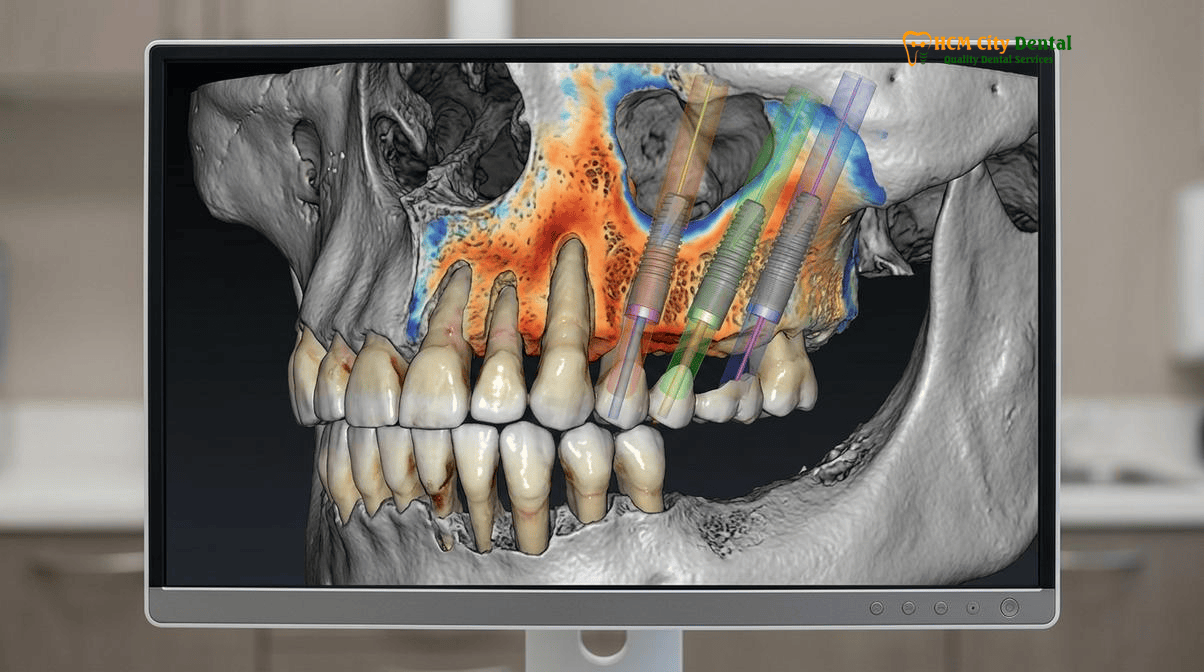
Every procedure begins with a high-resolution 3D CBCT scan to map the exact extent of periodontal bone loss and identify pristine basal bone for implant anchorage. For patients with severe dental anxiety or hypertension, we offer anesthesiologist-monitored IV conscious twilight sedation. Chairside safety is paramount; we utilize continuous SpO2, ECG, and blood pressure monitoring, ensuring BP remains below the strict <160/100 mmHg limit. We also provide preservative-free and epinephrine-free 3% Mepivacaine options for patients with specific cardiac sensitivities.
Phase 2: Atraumatic Extraction and Mechanical Debridement
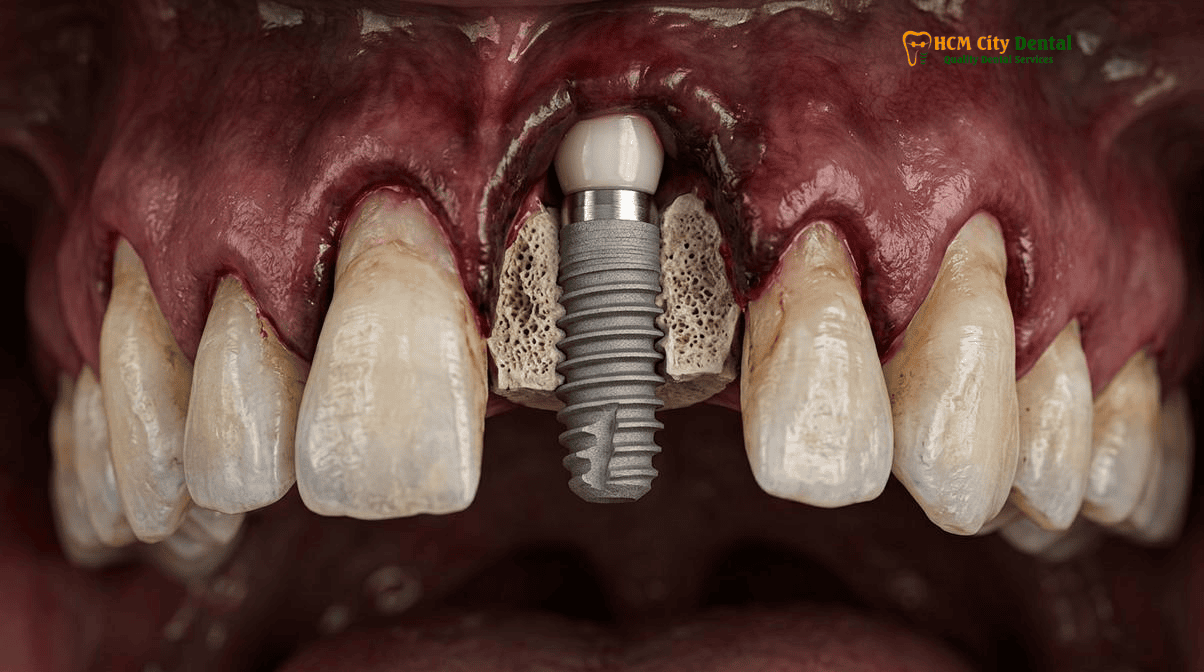
The periodontally compromised tooth is extracted atraumatically using periotomes and piezosurgery to preserve the remaining fragile buccal bone plate. Once the tooth is removed, aggressive mechanical curettage is performed using specialized titanium curettes to meticulously scrape away all infected granulation tissue, periodontal cysts, and necrotic debris from the socket walls.
Phase 3: Chemical and Laser Decontamination
Mechanical cleaning alone is insufficient to eradicate microscopic bacteria deeply embedded in the dentinal tubules and trabecular bone. The socket is vigorously irrigated with sterile saline, followed by a chemical rinse of 0.12% Chlorhexidine or Povidone-Iodine. The cornerstone of our protocol is the application of dual-wavelength dental lasers (Er:YAG and Nd:YAG). The laser energy vaporizes residual bacteria, denatures bacterial endotoxins, and stimulates localized biostimulation (photobiomodulation), which accelerates angiogenesis and bone healing [4].
Phase 4: 3D Guided Placement and Grafting
Once the socket is verified as sterile, the implant osteotomy is prepared using a 3D printed surgical guide. The implant must bypass the infected zone and anchor into at least 3-4mm of healthy, native basal bone beyond the apex of the extraction socket to achieve a primary stability torque of >35 Ncm. The residual gap between the implant and the socket wall is then grafted with particulate xenograft and sealed with a resorbable collagen membrane or L-PRF (Leukocyte-Platelet Rich Fibrin) derived from the patient’s own blood.
Clinical Decision Matrix Table: Safe Timelines, Thresholds & Red Flags
To provide complete transparency for our international patients, we have developed a clinical decision matrix that outlines the safety thresholds, required timelines, and the Official 2026 Dental Fee Schedule (-40% Online Booking Pricing) for immediate implants with severe gum disease.
| Clinical Parameter / Treatment | Safety Threshold / Protocol | Aviation Wait Time | 2026 Fee Schedule (USD) |
|---|---|---|---|
| Glycemic Control (Diabetes) | HbA1c <7.5% (Ideal) | 7.5%-8.0% (Modified Protocol with SLActive) | Standard: 48-72 Hours | N/A (Diagnostic) |
| Anticoagulant Therapy | Maintain INR 2.0 – 3.0; Flapless surgery; TXA 4.8% rinses | Standard: 48-72 Hours | N/A (Diagnostic) |
| Korean Dental Implant | Osstem / Dentium fixture + abutment (Standard Cases) | 48-72 Hours | $423 – $462 USD |
| Swiss / European Implant | Straumann SLA / BLX SLActive / Nobel Biocare (Compromised Bone) | 48-72 Hours | $731 – $1,231 USD |
| Bone Graft / Sinus Lift | Required for severe periodontal bone loss prior to placement | 7 – 10 Days (Strict) | $115 – $192 USD |
| All-on-4 Full-Arch Implants | Terminal dentition clearance; full arch decontamination | 7 – 10 Days | From $3,462 USD / arch |
International Patient Case Study: District 1, Ho Chi Minh City
Patient Profile: Michael T., a 62-year-old expat from the UK, presented to HCMC Dental Clinic with severe, generalized Stage IV periodontitis. He had a history of Type 2 Diabetes (HbA1c 7.2%) and was taking Rivaroxaban for atrial fibrillation.
Clinical Execution: Under the direction of Dr. Nguyen Van Cuong, DDS (Clinical Director — MOH License 0003265/BL-CCHN), Michael underwent a full-arch clearance. His anticoagulants were maintained per ADA guidelines. Following atraumatic extractions, the sockets underwent rigorous Er:YAG laser decontamination. Four Straumann BLX SLActive implants were placed immediately into the basal bone, achieving 45 Ncm torque, allowing for an immediate provisional bridge (All-on-4 protocol).
Outcome & Cost: Michael recovered at his hotel near Ben Thanh Market. He was cleared for regional travel after 7 days. The total cost for the All-on-4 arch was approximately $3,462 USD, saving him over 70% compared to private clinics in London, without compromising on medical safety or premium Swiss materials.
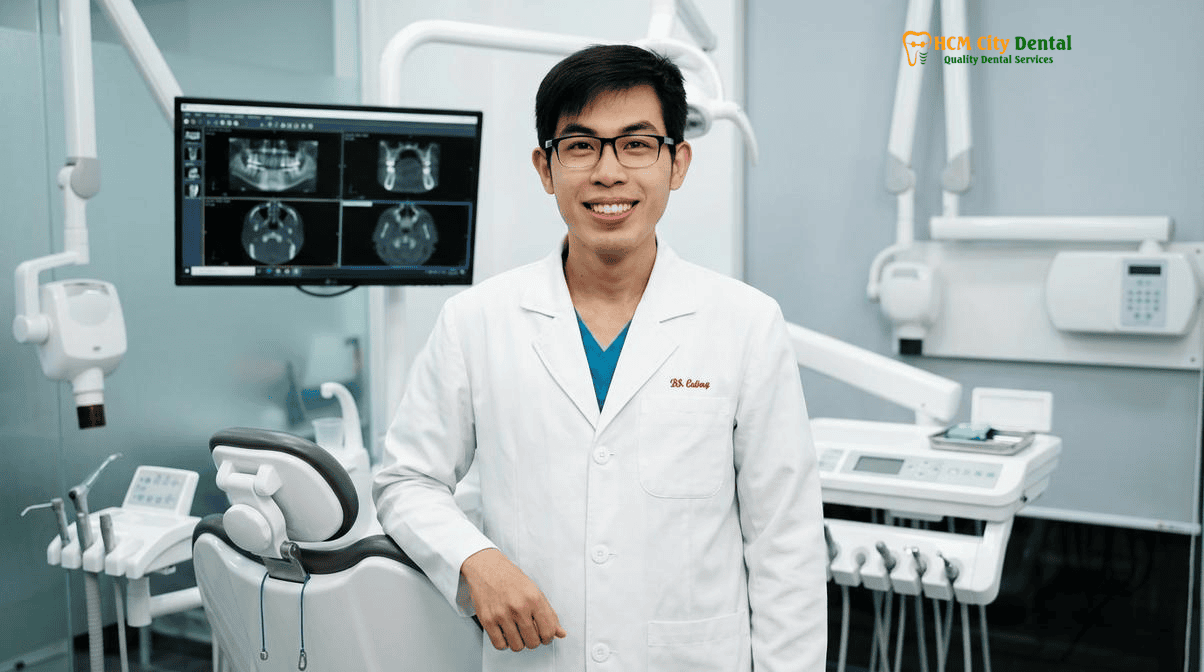
24/7 Emergency Triage & Pre-Departure Fit-to-Fly Verification with Dr. Nguyen Van Cuong, DDS
The immediate post-operative phase is the most critical period for ensuring the long-term success of immediate implants placed in periodontally compromised sites. International patients recovering at nearby accommodations (such as Pullman Saigon Centre or New World Saigon Hotel) require dedicated, accessible medical support. HCMC Dental Clinic provides a comprehensive concierge medical triage service to ensure your recovery is seamless and safe.
Post-Operative Red Flags: When to Contact Us Immediately
While mild swelling and minor oozing are normal for the first 24-48 hours, you must contact our 24/7 WhatsApp triage team (+84 853 020 003) immediately if you experience:
- Uncontrolled, pulsating bleeding that does not stop after 30 minutes of firm gauze pressure.
- A sudden spike in body temperature (fever above 38.5°C / 101.3°F).
- Rapidly expanding swelling that compromises swallowing or breathing.
- Severe, throbbing pain that is unresponsive to prescribed analgesics.
Post-Operative Care and Fit-to-Fly Verification
Before any international patient departs Ho Chi Minh City, they must undergo a final clinical evaluation with Dr. Nguyen Van Cuong (Dr. Cuong), DDS. This fit-to-fly verification includes a clinical examination of the surgical site to ensure primary closure is intact, soft tissue healing is progressing normally, and there are no signs of acute infection. A post-operative panoramic X-ray or localized CBCT slice may be taken to verify the stability of the implant and bone graft [5].
“Our responsibility to our international patients does not end when they leave the surgical chair. We provide 24/7 English-speaking medical support via WhatsApp to ensure that every patient feels secure, monitored, and fully cleared for aviation safety before they board their flight home.”
— Dr. Nguyen Van Cuong (Dr. Cuong), DDS
Patients are provided with a detailed, written post-operative protocol, which includes instructions on maintaining a soft diet, avoiding negative intraoral pressure (no smoking, no straws), and proper use of prescribed antibiotics and 0.12% Chlorhexidine mouthwash. For patients seeking specialized periodontal maintenance post-surgery, our clinic is recognized as a leading Periodontist Ho Chi Minh City: Expert Gum Care | HCMC Dental center, ensuring long-term peri-implant health.
Frequently Asked Questions About Immediate Implants with Severe Gum Disease
What are the 2026 medical safety guidelines for Immediate Implants with Severe Gum Disease at HCMC Dental Clinic?
The 2026 guidelines require a comprehensive 3D CBCT scan to assess residual basal bone, an HbA1c level below 7.5% (or a modified protocol for 7.5%-8.0%), and strict socket decontamination using Er:YAG/Nd:YAG lasers. Active periodontal infection must be eradicated chairside before fixture placement to ensure a 97.9% survival rate.
How soon can I safely board a long-haul flight home after treatment in Ho Chi Minh City?
For standard immediate implants, we recommend waiting 48 to 72 hours before flying to monitor for initial hemostasis and swelling. If a concurrent sinus lift or extensive bone grafting was performed, aviation safety protocols dictate a minimum wait of 7 to 10 days to prevent sinus barotrauma from cabin pressure changes.
What pre-operative blood panels, vital checks, or 3D CBCT scans does Dr. Nguyen Van Cuong, DDS require?
Dr. Nguyen Van Cuong (Dr. Cuong), DDS requires a high-resolution 3D CBCT scan to map bone density and nerve pathways. For patients with systemic conditions, a recent Complete Blood Count (CBC), HbA1c (for diabetics), and INR/PT (for those on anticoagulants) are required. Chairside, continuous SpO2, ECG, and blood pressure monitoring (<160/100 mmHg) are mandatory.
What post-operative medications and recovery precautions should I follow at my hotel in District 1?
Patients are prescribed a tailored regimen of broad-spectrum antibiotics (e.g., Amoxicillin/Clavulanate), anti-inflammatories (Ibuprofen/Paracetamol), and a 0.12% Chlorhexidine gluconate mouthwash. You should rest with your head elevated, consume a soft-food diet, avoid vigorous rinsing, and abstain from smoking to ensure optimal osseointegration.
How do I contact Dr. Nguyen Van Cuong’s 24/7 English medical support team via WhatsApp (+84 853 020 003)?
International patients can reach our dedicated medical triage team 24/7 by messaging or calling +84 853 020 003 on WhatsApp. Our English-speaking coordinators, under the direct supervision of Dr. Nguyen Van Cuong (Dr. Cuong), DDS, provide immediate post-operative guidance, fit-to-fly verification, and emergency support.
References
- International Journal of Oral & Maxillofacial Implants. Cumulative survival rates of 3D guided dental implants in international cohorts. (2024).
- Journal of Prosthetic Dentistry. Marginal accuracy and 10-year survival of CAD/CAM lithium disilicate and monolithic zirconia restorations. (2023).
- Journal of the American Dental Association (JADA). Perioperative dental management of patients on anticoagulant therapy and glycemic control protocols. (2023).
- Aerospace Medicine and Human Performance. Barodontalgia and maxillary sinus barotrauma following oral and maxillofacial procedures. (2022).
- Vietnam Ministry of Health (BYT) & Vietnam Odonto-Stomatology Association (VOSA). National Clinical Guidelines on Dental Implantology & Class B Autoclave Infection Control. (2024).