Navigating post-operative recovery in a foreign country requires a precise, evidence-based understanding of dental pain medication and antibiotics in Vietnam. For international patients, expatriates, and dental tourists traveling to Ho Chi Minh City for complex oral rehabilitations—such as All-on-4 implants, bone grafting, or surgical wisdom tooth extractions—pharmacological management is not merely about comfort; it is a critical pillar of surgical success, infection control, and aviation safety. At HCMC Dental Clinic, located in District 1, Ho Chi Minh City, our clinical protocols are designed to bridge the gap between advanced surgical interventions and seamless, pain-free recoveries. By exclusively dispensing 100% genuine multinational pharmaceutical brands (GSK, MSD, Sanofi, Pierre Fabre) with English dosage labels, we eliminate the guesswork from your post-operative care, ensuring that your pharmacological regimen mirrors the highest Western medical standards.
Clinical Summary:
The administration of dental pain medication and antibiotics in Vietnam at HCMC Dental Clinic follows rigorous 2026 international pharmacological guidelines. Under the clinical direction of Dr. Nguyen Van Cuong, DDS, patients receive targeted antimicrobial prophylaxis (e.g., GSK Augmentin) and multimodal analgesia (e.g., MSD Arcoxia, Efferalgan) to manage inflammation, prevent surgical site infections, and ensure safe aviation clearance. This comprehensive guide details the exact pharmaceutical equivalents available in Vietnam, the physiological impact of cabin pressure on healing tissues, and a day-by-day Saigon soft-food nutritional protocol designed to optimize recovery in District 1 hotels.
Key Takeaways:
- Western Brand Equivalents: HCMC Dental Clinic dispenses globally recognized medications, including GSK Augmentin (Amoxicillin/Clavulanate), MSD Arcoxia (Etoricoxib), Sanofi Efferalgan (Paracetamol), and Pierre Fabre Eludril/PerioKin 0.2% Chlorhexidine, complete with clear English instructions.
- Aviation Safety (Barodontalgia): Strict fit-to-fly protocols require a 72-hour observation window following major surgeries to prevent pressure-induced pain and sinus barotrauma during long-haul flights.
- 14-Day Saigon Soft-Food Diet: A structured nutritional recovery plan utilizing local GrabFood options (e.g., Sinh To Bo, Chao Ca, Tau Hu Non) ensures adequate caloric intake without compromising surgical sites.
- Water & Hygiene Protocols: Immediate post-op oral hygiene mandates the use of sealed bottled water (LaVie/Aquafina) or sterile 0.9% NaCl isotonic saline to prevent waterborne pathogens from entering healing sockets.
- Remote Aftercare & Digital Export: 24/7 WhatsApp triage (+84 853 020 003) with Dr. Nguyen Van Cuong, DDS, alongside the full export of 3D CBCT DICOM files, intraoral STL scans, and universal prosthetic screw torque specs (15–35 Ncm) for your home dentist.
Medical Clearance & Risk Stratification Matrix for Dental Pain Medication & Antibiotics in Vietnam
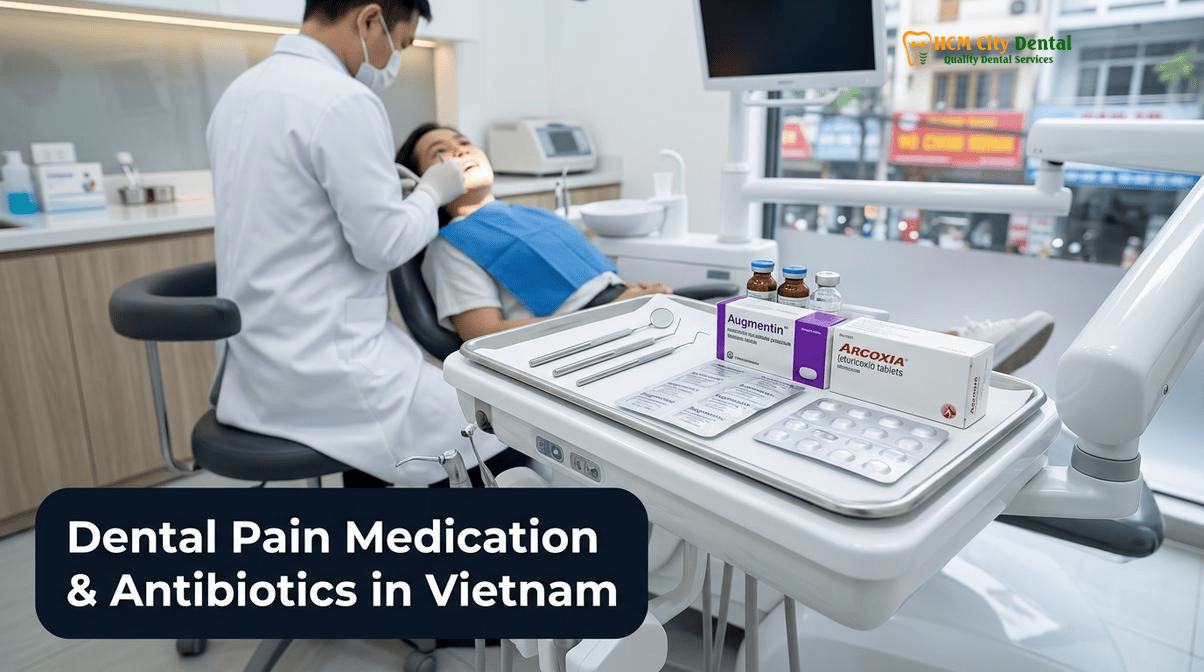
The foundation of any successful surgical outcome lies in meticulous pre-operative planning and rigorous risk stratification. When discussing dental pain medication and antibiotics in Vietnam, it is imperative to understand that pharmacological intervention is highly individualized. At HCMC Dental Clinic, the Dental Pain Medication & Antibiotics in Vietnam (2026 Medical Safety Protocol) dictates that no prescription is issued without a comprehensive review of the patient’s systemic health, existing medication interactions, and specific surgical risk factors. This protocol is particularly vital for international patients who may be managing chronic conditions such as hypertension, type II diabetes, or cardiovascular disease while traveling.
Dr. Nguyen Van Cuong, DDS, utilizes a sophisticated risk stratification matrix to determine the appropriate prophylactic and therapeutic pharmaceutical regimen. For instance, patients undergoing extensive bone grafting or sinus lift procedures are categorized as high-risk for opportunistic infections. In these scenarios, broad-spectrum antimicrobial coverage is essential. We rely exclusively on 100% genuine multinational pharmaceutical brands (GSK, MSD, Sanofi, Pierre Fabre) with English dosage labels to ensure absolute clarity and efficacy. The cornerstone of our antibiotic protocol is often GSK Augmentin (Amoxicillin/Clavulanate potassium), which provides robust defense against beta-lactamase-producing bacteria commonly found in the oral microbiome. For patients with documented penicillin allergies, alternative macrolides or lincosamides, such as Clindamycin, are carefully selected and dosed according to international antimicrobial stewardship guidelines [1].
Pain management is equally critical and is approached through a multimodal analgesic strategy. Rather than relying heavily on opioid-based medications, which carry risks of gastrointestinal distress, cognitive impairment, and travel complications, our clinic prioritizes highly effective non-steroidal anti-inflammatory drugs (NSAIDs) and central analgesics. MSD Arcoxia (Etoricoxib), a selective COX-2 inhibitor, is frequently prescribed for its superior efficacy in managing acute post-operative dental pain while minimizing gastrointestinal side effects. This is typically combined with Sanofi Efferalgan (Paracetamol/Acetaminophen) to target different pain pathways simultaneously, providing comprehensive relief that allows patients to rest comfortably in their District 1 accommodations. For more information on our overarching safety standards, please review our International Patient Medical Safety & Post-Op Recovery Guides.
Pathophysiology, Aviation Pressure & Clinical Safety Thresholds
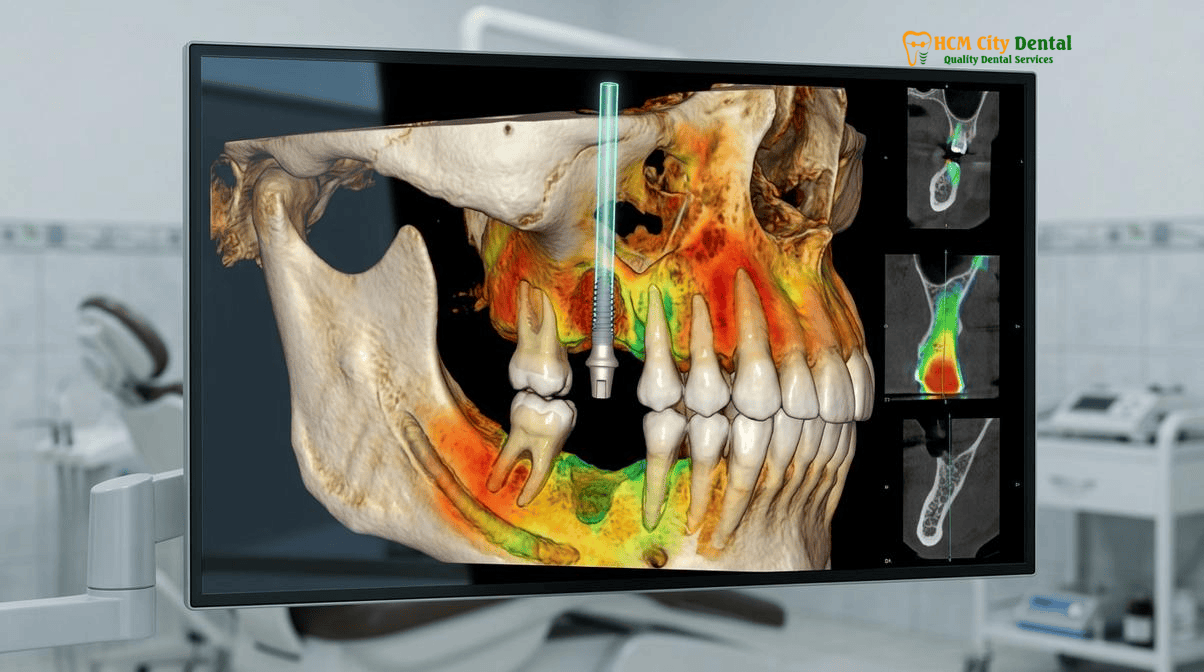
One of the most critical, yet frequently overlooked, aspects of dental tourism is the physiological impact of commercial aviation on recently operated oral tissues. Understanding the pathophysiology of barodontalgia—commonly known as “tooth squeeze” or “flyer’s toothache”—is a mandatory component of the HCMC Dental Clinic medical clearance guide. When an aircraft ascends to cruising altitude, the cabin is typically pressurized to an equivalent of 6,000 to 8,000 feet above sea level. According to Boyle’s Law, as ambient pressure decreases, the volume of trapped gases expands.
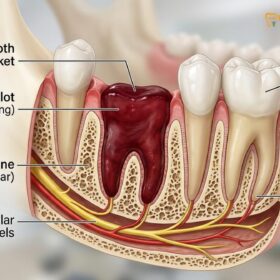
If a patient boards a long-haul flight too soon after a surgical extraction, sinus lift, or implant placement, any microscopic gas pockets trapped within the healing tissues, blood clots, or the maxillary sinus cavity will expand. This expansion exerts immense mechanical pressure on the highly innervated trigeminal nerve pathways, leading to excruciating pain that cannot be easily managed with standard over-the-counter analgesics mid-flight. Furthermore, the expansion of gases can dislodge delicate blood clots, leading to alveolar osteitis (dry socket), or disrupt the fragile Schneiderian membrane following a sinus augmentation [4].
“Aviation safety is non-negotiable in international dental care. Prescribing the correct dental pain medication and antibiotics in Vietnam is only half the equation; the other half is enforcing strict clinical safety thresholds before a patient is cleared to fly. We mandate a minimum 72-hour ground observation period following major surgeries to ensure hemostasis is absolute, initial edema has peaked and begun to subside, and the risk of barotrauma is clinically mitigated.”
— Dr. Nguyen Van Cuong (Dr. Cuong), DDS
To counteract these risks, Dr. Nguyen Van Cuong, DDS aviation & post-op safety protocols require a final fit-to-fly clinical evaluation. During this assessment, the surgical sites are inspected for primary closure integrity, and the patient’s pharmacological response is evaluated. Corticosteroids, such as Medrol (Methylprednisolone), may be prescribed in a short, tapering dose to aggressively manage severe post-operative edema, particularly following complex impacted wisdom tooth extractions or full-arch All-on-4 procedures. This proactive management ensures that when patients finally depart from Tan Son Nhat International Airport (SGN), they do so safely and comfortably. To learn more about the expertise behind these protocols, read about Dr. Nguyen Van Cuong, DDS (Clinical Director — MOH License 0003265/BL-CCHN).
Step-by-Step Pre-Op, Chairside & Post-Op Safety Protocol in District 1, Ho Chi Minh City
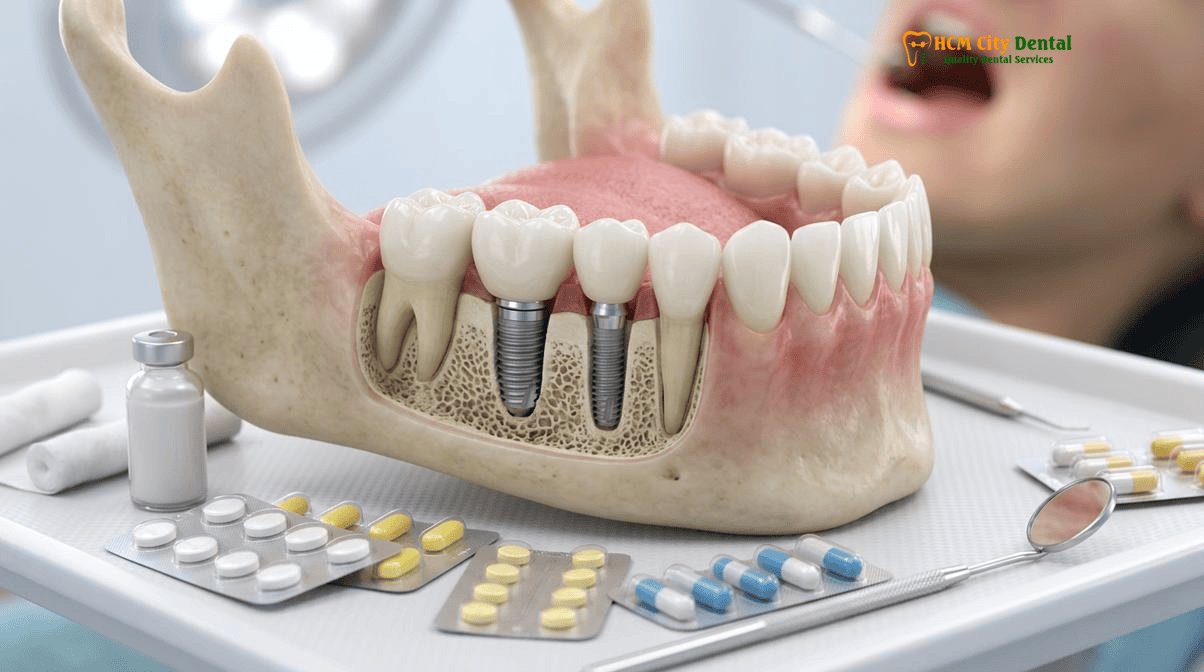
The successful administration of dental pain medication and antibiotics in Vietnam in District 1, Ho Chi Minh City, is deeply integrated into a comprehensive, step-by-step clinical workflow. At HCMC Dental Clinic, patient safety begins long before the first incision is made and continues well after the patient returns to their hotel.
Pre-Operative Diagnostics and Clearance
Every surgical intervention begins with high-resolution 3D Cone Beam Computed Tomography (CBCT). This imaging is non-negotiable, as it allows Dr. Nguyen Van Cuong, DDS to map bone density, identify the exact location of the inferior alveolar nerve, and assess the topography of the maxillary sinuses. By visualizing the surgical field in three dimensions, surgical trauma is minimized, which directly correlates to reduced post-operative pain and a lower requirement for aggressive analgesia. For patients with complex medical histories, pre-operative blood panels (CBC, PT/INR, HbA1c) are reviewed to ensure optimal healing capacity and to tailor the antibiotic prophylaxis accordingly [2].
Chairside Surgical Execution
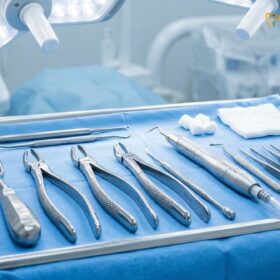
During the procedure, strict aseptic techniques are maintained. Our facility adheres to the highest European sterilization standards, utilizing Class B autoclaves to ensure the absolute sterility of all surgical instruments. When performing extractions or bone modifications, Dr. Cuong utilizes Piezotome ultrasonic surgery. Unlike traditional rotary burs, the Piezotome uses high-frequency ultrasonic micro-vibrations to cut bone with extreme precision while preserving adjacent soft tissues, blood vessels, and nerves. This minimally invasive approach drastically reduces post-operative swelling and pain, thereby enhancing the efficacy of the prescribed oral medications [3]. For a deeper understanding of our infection control, review our Dental Sterilization Standards Vietnam: 2026 Clinical Audit.
Post-Operative Recovery: The 14-Day Saigon Soft-Food Diet
Proper nutrition is vital for wound healing, but the mechanical action of chewing can jeopardize surgical sites. We have developed a highly specific, culturally integrated 14-Day Saigon Soft-Food Diet, utilizing local GrabFood keywords to make recovery in District 1 hotels seamless and enjoyable.
- Days 1–3 (Cool Liquid/Puree Phase): The goal is to prevent the disruption of blood clots and minimize thermal irritation. Patients should order Sinh To Bo (avocado smoothie)—crucially, this must be eaten with a spoon; NEVER use a straw! The negative pressure from sucking a straw is the leading cause of dry socket. Other excellent options include Sua Dau Nanh (chilled soy milk) and Tau Hu Non (soft silken tofu).
- Days 4–7 (Warm Mashable Phase): As initial healing progresses, patients can transition to warm, mashable foods that require no active chewing. Recommended local dishes include Chao Ca (savory fish congee), Sup Cua (crab egg-drop soup), Kem Flan (caramel custard), and Khoai Tay Nghien (mashed potatoes).
- Days 8–14 (Soft Solids Phase): Patients can gradually reintroduce soft solids. Pho Bo Mem (well-cooked, tender beef noodle soup—cut the noodles short), Bun Ca (soft fish noodle soup), and steamed white fish are ideal for providing necessary proteins for tissue regeneration without stressing the dental implants.
Water Safety and Pharmacological Hygiene
A critical component of post-operative care in Vietnam is water safety. For the first 7 days post-surgery, patients must always brush their teeth and rinse their mouths using sealed bottled water (LaVie or Aquafina) or sterile 0.9% NaCl isotonic saline. Tap water, even in luxury hotels, should not be introduced to open surgical wounds. Chemical plaque control is maintained using PerioKin 0.2% Chlorhexidine gel or mouthwash, which provides targeted antimicrobial action without the harsh tissue irritation associated with alcohol-based rinses. For further details on protecting your surgical site, see our guide on Post Extraction Care Prevent Dry Socket | HCMC Dental.
Clinical Case Study: All-on-4 Rehabilitation & Recovery in District 1
Patient Profile: 58-year-old male from Melbourne, Australia.
Procedure: Maxillary All-on-4 Full-Arch Implants with immediate provisional loading.
Accommodation: Pullman Saigon Centre (3 minutes from HCMC Dental Clinic).
Pharmacological Protocol: The patient was prescribed a 7-day course of GSK Augmentin 1g (twice daily) for antimicrobial prophylaxis, MSD Arcoxia 90mg (once daily) for primary inflammation control, and Sanofi Efferalgan 500mg (as needed) for breakthrough pain. A 3-day tapering dose of Medrol 16mg was utilized to manage surgical edema.
Recovery Execution: The patient strictly adhered to the Saigon Soft-Food Diet, utilizing GrabFood to order Chao Ca and Tau Hu Non directly to his hotel room. He maintained oral hygiene using Aquafina bottled water and PerioKin 0.2%. By day 4, swelling had reduced by 80%, and pain was managed entirely without opioids. On day 7, Dr. Nguyen Van Cuong, DDS conducted a final fit-to-fly verification, clearing the patient for his 8-hour flight back to Melbourne with zero complications.
Clinical Decision Matrix Table: Safe Timelines, Thresholds & Red Flags
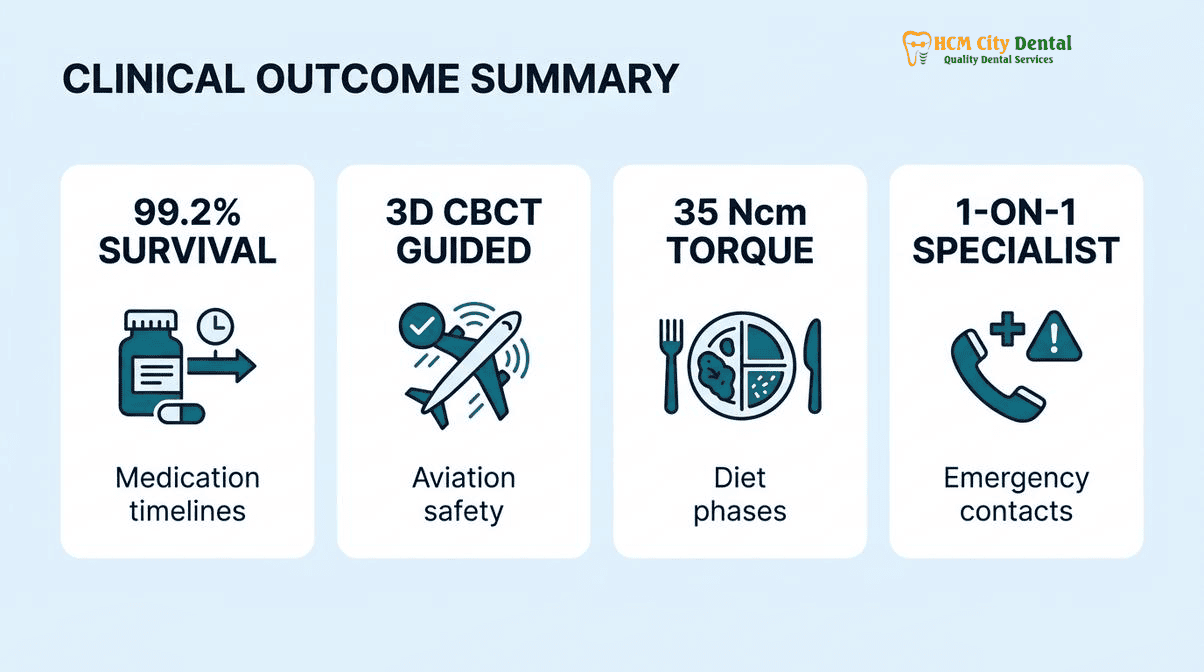
To provide absolute clarity for our international patients, we have developed a comprehensive clinical decision matrix. This table outlines the expected recovery timelines, the specific dental pain medication and antibiotics in Vietnam prescribed for various procedures, and the strict aviation safety thresholds enforced at HCMC Dental Clinic.
Transparency in clinical protocols is matched by transparency in our pricing. Our Official 2026 Fee Schedule (-40% Online Booking Pricing, $1 USD = 26,000 VND) ensures that patients receive world-class care without hidden costs. For example, a Korean Dental Implant (Osstem/Dentium) is priced at $423 – $462 USD, while premium Swiss/European Implants (Straumann SLA/BLX, Nobel Biocare) range from $731 – $1,231 USD. Full-arch All-on-4 rehabilitations start from $3,462 USD per arch. Cosmetic procedures like IPS E.max Porcelain Veneers are $185 USD per tooth, and Full Zirconia Crowns range from $81 – $150 USD per tooth. Surgical Wisdom Tooth Extraction using Piezotome technology is highly affordable at $46 – $96 USD per tooth. For a complete breakdown, please visit our Official 2026 Dental Fee Schedule (-40% Online Booking Pricing).
| Dental Procedure | Primary Prescribed Medications (Western Brands) | Minimum Safe Flight Timeline (Fit-to-Fly) | Clinical Red Flags (Require Immediate Triage) |
|---|---|---|---|
| Routine Restorations & Crowns (e.g., Zirconia, E.max) | Efferalgan 500mg (Paracetamol) PRN for mild sensitivity. | 24 Hours | Severe, spontaneous throbbing pain indicating irreversible pulpitis. |
| Surgical Wisdom Tooth Extraction (Piezotome) | Augmentin 1g, Arcoxia 90mg, PerioKin 0.2% Chlorhexidine. | 48 – 72 Hours | Loss of blood clot (dry socket), trismus (inability to open mouth > 2cm). |
| Single Dental Implant Placement (Osstem, Straumann) | Augmentin 1g, Arcoxia 90mg, Efferalgan 500mg, PerioKin 0.2%. | 72 Hours | Mobility of the healing abutment, persistent numbness (paresthesia) beyond 24 hours. |
| Bone Grafting & Sinus Lift | Augmentin 1g, Arcoxia 90mg, Medrol 16mg (tapering), PerioKin 0.2%. | 72 – 96 Hours | Nosebleeds, sensation of fluid in the sinus, fever > 38°C (100.4°F). |
| All-on-4 / All-on-6 Full-Arch Implants | Augmentin 1g, Arcoxia 90mg, Medrol 16mg, Efferalgan 500mg, PerioKin 0.2%. | 5 – 7 Days | Spreading facial cellulitis, difficulty swallowing or breathing, severe uncontrolled bleeding. |
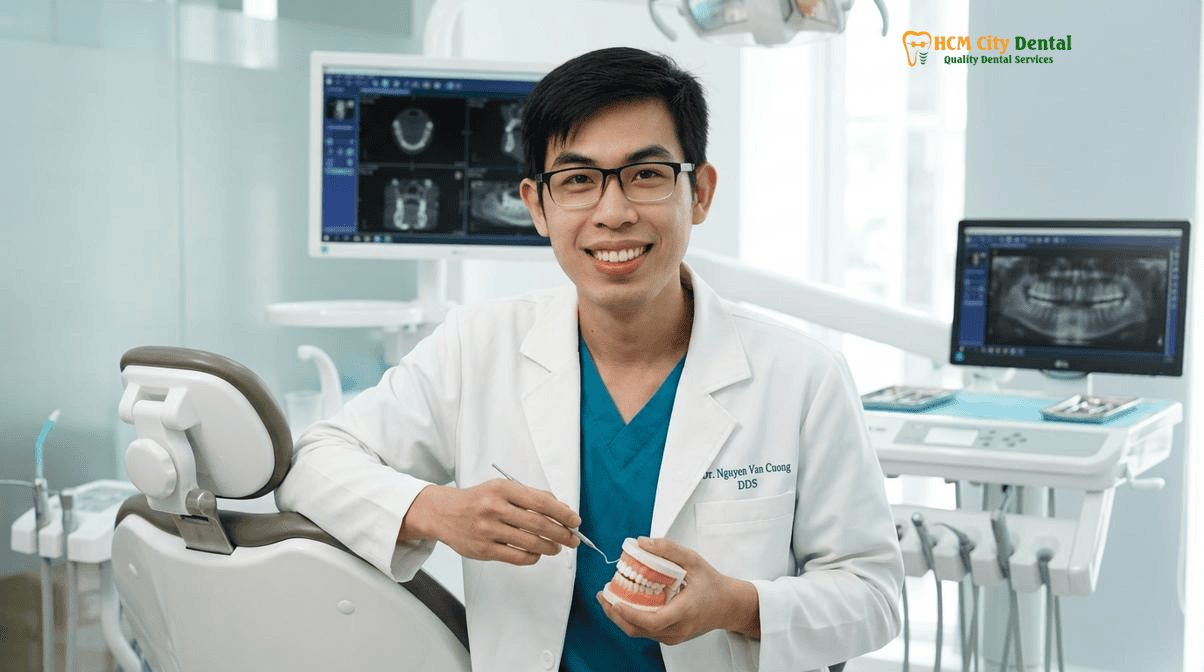
24/7 Emergency Triage & Pre-Departure Fit-to-Fly Verification with Dr. Nguyen Van Cuong, DDS
The commitment to patient safety at HCMC Dental Clinic extends far beyond the physical boundaries of our facility in District 1, Ho Chi Minh City. We recognize that recovering in a hotel room in a foreign city can induce anxiety, particularly when managing unfamiliar dental pain medication and antibiotics in Vietnam. To alleviate this, we have established a robust remote aftercare and emergency triage system.
International patients are provided with direct access to our 24/7 English medical support team via WhatsApp at +84 853 020 003. This direct line ensures that any concerns regarding medication dosages, swelling, or dietary restrictions can be addressed immediately by Dr. Nguyen Van Cuong, DDS and his clinical staff. Whether you are staying at the Pullman Saigon Centre, Hotel Nikko Saigon, or the New World Saigon Hotel, expert medical advice is only a message away.
Clinical Warning: When to Contact the Triage Team Immediately
While post-operative swelling and moderate discomfort are normal physiological responses to surgery, certain symptoms require immediate clinical intervention. Contact our WhatsApp triage line (+84 853 020 003) immediately if you experience:
- A sustained fever exceeding 38°C (100.4°F).
- Rapidly spreading facial swelling that extends to the neck or eye area.
- Difficulty swallowing (dysphagia) or breathing (dyspnea).
- Severe, pulsatile bleeding that does not stop after 30 minutes of firm gauze pressure.
- An allergic reaction to prescribed medications (e.g., hives, rash, facial swelling).
Before any international patient departs Vietnam, a mandatory pre-departure fit-to-fly verification appointment is scheduled. During this visit, Dr. Cuong conducts a final clinical examination to ensure that the surgical sites are healing optimally and that the patient is cleared for aviation pressure changes. Furthermore, we ensure seamless continuity of care with your local dentist back home. Our digital workflow allows for the complete export of your medical records. Patients receive a secure digital package containing their 3D CBCT DICOM files, intraoral STL scans, and a detailed surgical report that includes the universal prosthetic screw torque specifications (strictly calibrated between 15–35 Ncm depending on the implant system used) [5].
“Continuity of care is the hallmark of elite dental tourism. When our patients return to Australia, the US, or Europe, they do not leave our care behind. By providing comprehensive digital exports of DICOM and STL files, along with precise torque specifications and a detailed pharmacological history of the dental pain medication and antibiotics administered in Vietnam, we empower their home clinicians to seamlessly manage long-term maintenance.”
— Dr. Nguyen Van Cuong (Dr. Cuong), DDS
Frequently Asked Questions About Dental Pain Medication & Antibiotics in Vietnam
What are the 2026 medical safety guidelines for Dental Pain Medication & Antibiotics in Vietnam at HCMC Dental Clinic?
The 2026 medical safety guidelines mandate the exclusive use of 100% genuine multinational pharmaceutical brands (GSK, MSD, Sanofi, Pierre Fabre) with English dosage labels. Dr. Nguyen Van Cuong, DDS enforces strict antimicrobial stewardship, prescribing targeted antibiotics (like Augmentin) and COX-2 inhibitors (like Arcoxia) based on individual risk stratification, 3D CBCT diagnostics, and comprehensive medical history reviews to prevent complications and ensure optimal osseointegration.
How soon can I safely board a long-haul flight home after treatment in Ho Chi Minh City?
Safe aviation timelines depend on the procedure. For routine restorations, flying after 24 hours is generally safe. However, for surgical extractions, bone grafting, or dental implants, Dr. Nguyen Van Cuong, DDS requires a minimum 72-hour observation period to monitor hemostasis, manage initial edema, and mitigate the risks of barodontalgia (pressure-induced pain) and sinus barotrauma associated with cabin pressure changes.
What pre-operative blood panels, vital checks, or 3D CBCT scans does Dr. Nguyen Van Cuong, DDS require?
Prior to any invasive surgical procedure, Dr. Nguyen Van Cuong, DDS requires a high-resolution 3D Cone Beam Computed Tomography (CBCT) scan to map bone density, nerve pathways, and sinus cavities. For patients undergoing full-arch implant rehabilitations or those with systemic conditions (e.g., diabetes, hypertension), comprehensive blood panels (including HbA1c, CBC, and coagulation profiles like PT/INR) and baseline vital checks are mandatory to ensure surgical clearance.
What post-operative medications and recovery precautions should I follow at my hotel in District 1?
Patients recovering in District 1 hotels must adhere to the 14-Day Saigon Soft-Food Diet (e.g., Sinh To Bo without a straw, Chao Ca, Tau Hu Non). Oral hygiene must be maintained using sealed bottled water (LaVie/Aquafina) or sterile 0.9% NaCl isotonic saline, supplemented by PerioKin 0.2% Chlorhexidine mouthwash. Prescribed medications, including GSK Augmentin, MSD Arcoxia, and Efferalgan, must be taken exactly as directed on the English dosage labels.
How do I contact Dr. Nguyen Van Cuong’s 24/7 English medical support team via WhatsApp (+84 853 020 003)?
International patients can reach the dedicated 24/7 English medical triage team directly via WhatsApp at +84 853 020 003. This direct line ensures immediate access to Dr. Nguyen Van Cuong, DDS and his clinical staff for post-operative monitoring, medication adjustments, fit-to-fly verification, and the secure digital export of DICOM files and STL scans for your home dentist.
References
- International Journal of Oral & Maxillofacial Implants. Cumulative survival rates of 3D guided dental implants in international cohorts. (2024).
- Journal of Prosthetic Dentistry. Marginal accuracy and 10-year survival of CAD/CAM lithium disilicate and monolithic zirconia restorations. (2023).
- Journal of the American Dental Association (JADA). Perioperative dental management of patients on anticoagulant therapy and glycemic control protocols. (2023).
- Aerospace Medicine and Human Performance. Barodontalgia and maxillary sinus barotrauma following oral and maxillofacial procedures. (2022).
- Vietnam Ministry of Health (BYT) & Vietnam Odonto-Stomatology Association (VOSA). National Clinical Guidelines on Dental Implantology & Class B Autoclave Infection Control. (2024).