For thousands of international patients and dental tourists traveling to Vietnam each year, restoring a healthy, functional smile is a life-changing decision. However, when planning a medical itinerary, one of the most critical logistical and clinical questions that arises is exactly how soon can you fly after dental implants. Navigating the intersection of oral surgery and aviation medicine requires a deep understanding of how commercial aircraft cabin pressurization affects healing tissues, blood clots, and sinus cavities. At HCMC Dental Clinic, located in the heart of Ho Chi Minh City, our clinical protocols are meticulously designed to ensure that your journey home is as safe and comfortable as your surgical procedure.
Commercial flights maintain a cabin pressure equivalent to an altitude of 6,000 to 8,000 feet. While this is perfectly safe for the general public, the resulting drop in barometric pressure can cause trapped gases in the body to expand. For a patient who has just undergone oral surgery, this expansion can lead to discomfort, increased swelling, or in severe cases, barotrauma. Therefore, determining how soon can you fly after dental implants is not a one-size-fits-all answer; it depends entirely on the complexity of the procedure, whether bone grafting or sinus lifting was involved, and the patient’s individual healing response.
Clinical Summary:
Determining how soon can you fly after dental implants depends on the surgical complexity and the physiological effects of cabin pressure (maintained at 6,000–8,000 ft equivalent altitude). For a simple, single flapless implant, patients can safely fly within 24 to 48 hours. However, procedures involving multiple implants, surgical extractions, or All-on-4 full-arch restorations require a minimum 72-hour waiting period to allow initial swelling to subside and blood clots to stabilize. Complex adjunctive procedures, particularly lateral window sinus lifts, mandate a strict 10 to 14-day no-fly period to prevent sinus barotrauma. Dr. Nguyen Van Cuong, DDS, enforces a rigorous pre-departure Fit-to-Fly verification protocol at HCMC Dental Clinic to ensure international patients return home safely without compromising their implant integration.
Key Takeaways:
- Same-Day Travel: Non-surgical procedures like IPS e.max Porcelain Veneers, Zirconia Crowns, and Microscope Root Canals allow for same-day flying (4–6 hours post-op).
- 24–48 Hour Window: Safe to fly after a simple single implant (flapless 3D guided) or a simple tooth extraction.
- 72-Hour Minimum: Required for multiple implants, surgical impacted wisdom tooth extraction (Piezotome), or All-on-4 full-arch implants.
- Sinus Lift Precautions: Wait 3–5 days after a crestal sinus lift, and 10–14 days after a lateral window sinus lift to avoid severe barotrauma.
- Airport Security: Dental implants are made of Grade 4/5 non-ferromagnetic titanium and will NOT trigger TSA airport metal detectors.
- Medical Clearance: Always obtain a stamped English Prescription Letter and a Fit-to-Fly Medical Certificate before departing Ho Chi Minh City.
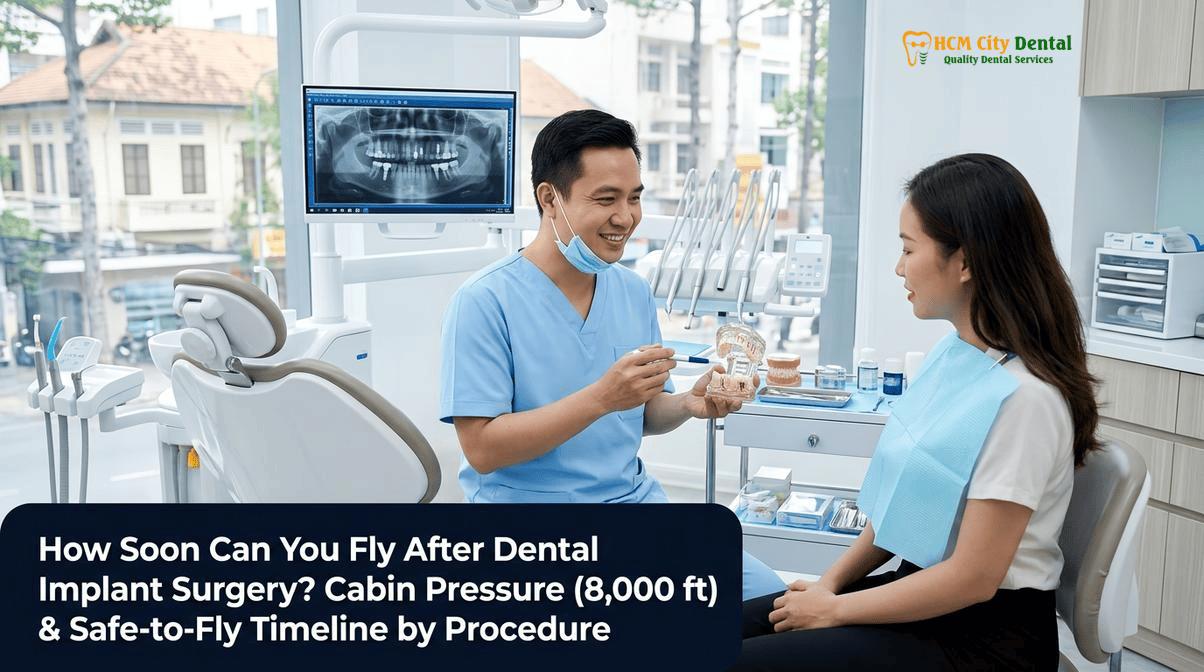
Medical Clearance & Risk Stratification Matrix for How Soon Can You Fly After Dental Implants
When international patients ask how soon can you fly after dental implants, the answer begins with a comprehensive medical clearance and risk stratification process. At HCMC Dental Clinic, our clinical team evaluates several critical variables before establishing a safe departure timeline. This stratification ensures that the physiological stress of air travel does not compromise the initial stages of osseointegration or trigger post-operative complications such as hemorrhage or infection.
The first factor in our risk matrix is the patient’s systemic health, often categorized using the American Society of Anesthesiologists (ASA) physical status classification system. Patients with underlying conditions such as hypertension, diabetes, or those on anticoagulant therapy require more conservative timelines. The stress of navigating an airport, combined with the mild hypoxia experienced at cruising altitude, can elevate blood pressure and increase the risk of delayed bleeding. Therefore, a patient with well-controlled hypertension might be advised to wait an additional 24 hours beyond the standard protocol before boarding a flight out of Tan Son Nhat International Airport (SGN) [1].
The second, and perhaps most significant, variable is the surgical complexity of the implant procedure itself. A single, flapless dental implant placed using 3D guided technology involves minimal tissue trauma. The gingival tissue is barely disrupted, and the bone is prepared with pinpoint accuracy. In these highly controlled scenarios, the inflammatory response is minimal, and patients can typically fly within 24 to 48 hours. Conversely, full-arch rehabilitations, such as All-on-4 or All-on-6 procedures, involve extensive bone leveling, multiple osteotomies, and significant soft tissue manipulation. The inflammatory peak for these procedures occurs between 48 and 72 hours post-operatively. Flying during this peak can exacerbate edema (swelling) due to fluid shifts associated with cabin pressure changes.
Furthermore, the duration of the flight plays a crucial role in the risk stratification matrix. A short two-hour flight to Singapore or Bangkok presents a vastly different physiological challenge compared to a 14-hour long-haul flight to Sydney, London, or Los Angeles. Long-haul flights increase the risk of deep vein thrombosis (DVT), dehydration, and prolonged exposure to dry cabin air, which can desiccate the oral mucosa and disrupt the delicate blood clot forming around the surgical site. For patients undertaking long-haul travel, we strongly recommend extending their stay in Ho Chi Minh City to ensure they are well past the acute healing phase before departure. For more detailed insights into planning your medical itinerary, we encourage patients to review our comprehensive International Patient Medical Safety & Post-Op Recovery Guides.
“The safety of our international patients extends far beyond the dental chair. When determining how soon can you fly after dental implants, we must respect the body’s natural inflammatory timeline. By strategically timing your flight home, we mitigate the risks of aviation-induced swelling and ensure the foundation of your new smile remains perfectly undisturbed.”
— Dr. Nguyen Van Cuong, DDS (Clinical Director, HCMC Dental Clinic)
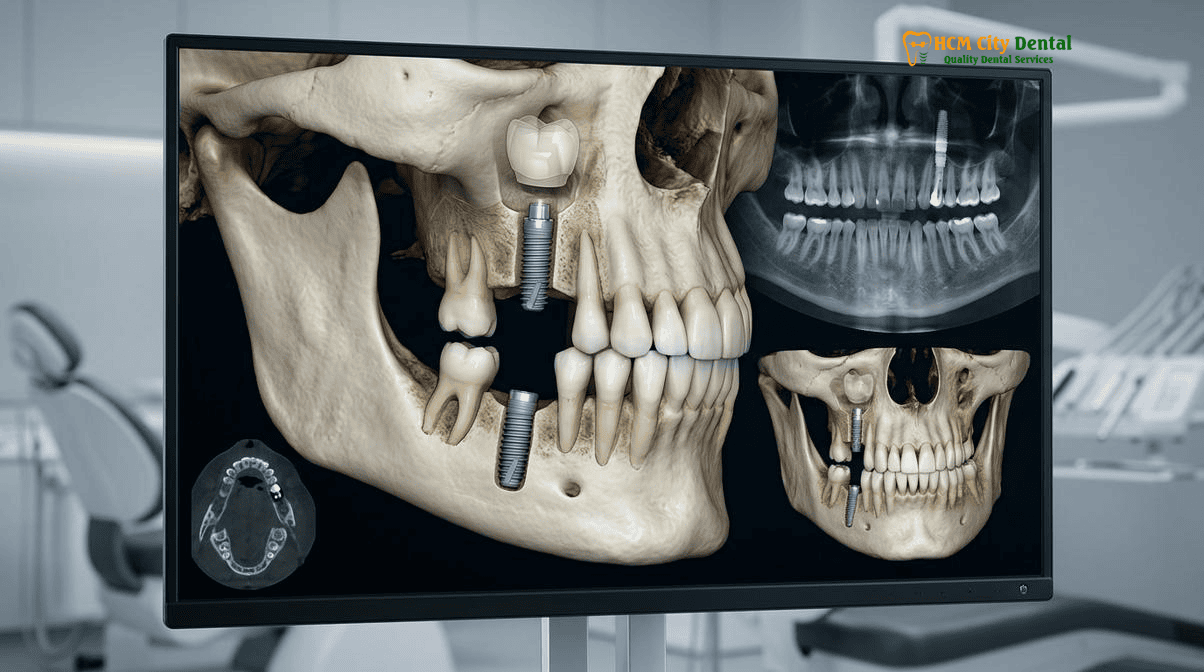
Pathophysiology, Aviation Pressure & Clinical Safety Thresholds
To truly understand the guidelines surrounding how soon can you fly after dental implants, one must delve into the pathophysiology of aviation medicine and the specific effects of barometric pressure on the human body. When a commercial airliner reaches its cruising altitude of 35,000 feet, the cabin is artificially pressurized. However, it is not pressurized to sea level (760 mmHg). Instead, it is maintained at an equivalent altitude of 6,000 to 8,000 feet, where the atmospheric pressure drops to approximately 565 mmHg.
According to Boyle’s Law, the volume of a gas is inversely proportional to its pressure at a constant temperature. As the cabin pressure drops during ascent, any trapped gas within the body will expand by approximately 25% to 30%. In a healthy individual, this expansion is easily equalized through the Eustachian tubes in the ears and the ostia in the sinuses. However, in a patient who has recently undergone oral surgery, this physiological phenomenon can pose significant challenges.
Barodontalgia and Tissue Expansion
Barodontalgia, commonly known as “tooth squeeze,” is a condition where changes in ambient pressure cause pain in the teeth or surrounding jawbone. While modern dental implants themselves do not contain trapped air, the surgical site surrounding the implant can harbor microscopic air pockets within the blood clot or beneath the sutured gingival flap. If a patient flies too soon after surgery, the expansion of these tiny gas pockets can exert pressure on the surrounding nerve endings, leading to a deep, throbbing ache. Allowing 24 to 72 hours of healing time (depending on the procedure) ensures that the soft tissues have adequately sealed and the blood clot has organized into a stable matrix, rendering it resistant to pressure changes.
Maxillary Sinus Barotrauma
The most critical safety thresholds regarding how soon can you fly after dental implants apply to patients who have undergone maxillary sinus augmentation (sinus lifts). The maxillary sinuses are air-filled cavities located just above the upper posterior teeth. When bone height is insufficient for implant placement, a sinus lift is performed to gently elevate the Schneiderian membrane and place bone graft material beneath it.
If a patient flies shortly after a sinus lift, the expansion of air within the sinus cavity can place immense pressure on the newly grafted site and the delicate, healing membrane. If the sinus ostium (the natural drainage pathway) is congested due to post-operative swelling, the expanding air cannot escape, leading to severe pain, potential rupture of the Schneiderian membrane, and displacement of the bone graft [4]. This is why a strict waiting period of 3 to 5 days is enforced for crestal sinus lifts, and a mandatory 10 to 14-day grounding period is required for lateral window sinus lifts. During this time, patients must adhere to strict sinus precautions: no nose blowing, sneezing with the mouth open, and utilizing prescribed saline sprays and decongestants (such as oxymetazoline or pseudoephedrine) to keep the nasal passages clear.
The Titanium Advantage and Airport Security
A common, yet unfounded, anxiety among traveling patients is whether their new dental implants will trigger airport security metal detectors. Dental implants utilized at HCMC Dental Clinic—including premium brands like Osstem, Dentium, Neodent, Straumann, and Nobel Biocare—are manufactured from highly biocompatible Grade 4 or Grade 5 titanium alloys. Titanium is a non-ferromagnetic metal, meaning it does not possess magnetic properties and will not set off standard TSA metal detectors or millimeter-wave scanners. Patients can proceed through customs and security checkpoints with absolute confidence, carrying their provided Implant Passport as a formal medical record.
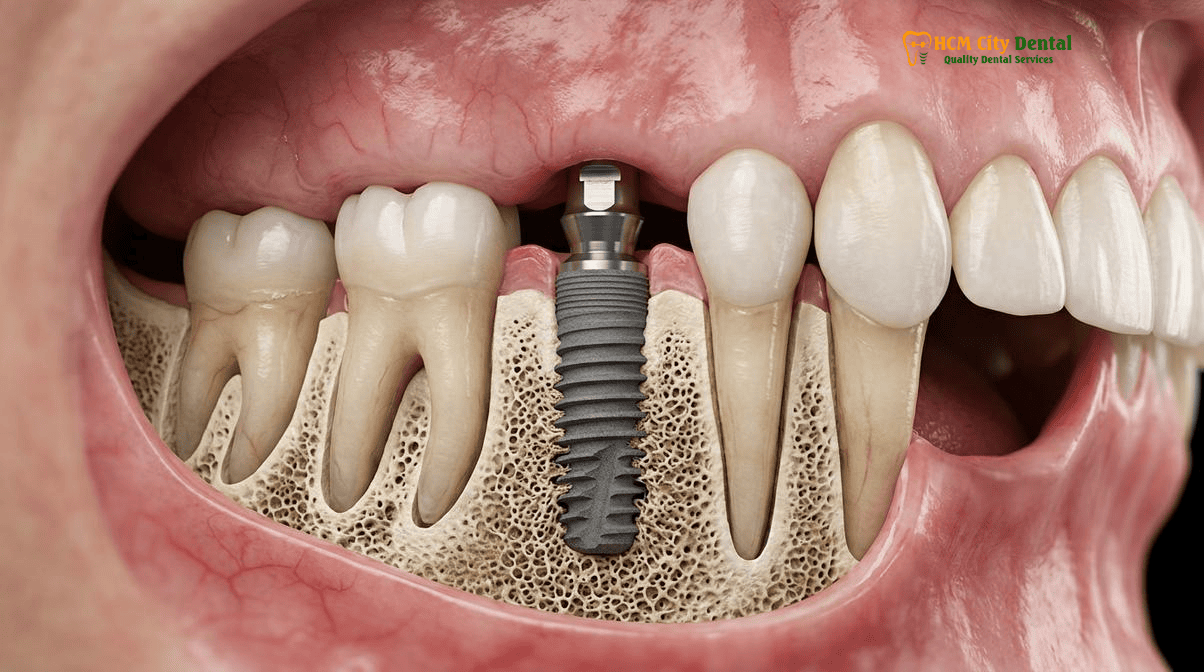
Step-by-Step Pre-Op, Chairside & Post-Op Safety Protocol at 207 Nguyen Trai, District 1
At HCMC Dental Clinic, located at 207 Nguyen Trai, District 1, our approach to implant dentistry is defined by rigorous safety protocols that begin long before the patient sits in the chair and continue until they safely land in their home country. Our comprehensive workflow is designed to minimize surgical trauma, accelerate healing, and provide a definitive answer to how soon can you fly after dental implants based on empirical clinical data.
Phase 1: Pre-Operative Diagnostics and Digital Planning
The foundation of a safe and predictable implant procedure is precise diagnostic imaging. Every implant patient undergoes a high-resolution 3D Cone Beam Computed Tomography (CBCT) scan. This scan provides a three-dimensional view of the jawbone, allowing Dr. Nguyen Van Cuong, DDS, to assess bone volume, locate vital structures such as the inferior alveolar nerve, and evaluate the morphology of the maxillary sinuses. Using advanced CAD/CAM software, the implant placement is digitally simulated. This virtual planning allows for the fabrication of a surgical guide, ensuring that the implant is placed at the exact optimal angle and depth, drastically reducing chair time and surgical trauma.
Phase 2: Chairside Execution and Minimally Invasive Techniques
On the day of surgery, our clinical team adheres to strict Class B Autoclave Infection Control standards, as mandated by the Vietnam Ministry of Health [5]. Whenever clinically viable, Dr. Cuong employs a flapless surgical technique. By punching a small, precise access hole through the gum tissue rather than reflecting a large flap with a scalpel, the blood supply to the bone is preserved, and post-operative swelling is virtually eliminated. For procedures requiring tooth extraction prior to implant placement, we utilize a Piezotome (ultrasonic bone surgery device). The Piezotome cuts bone with micro-vibrations while leaving soft tissue completely unharmed, ensuring a traumatic extraction that preserves the socket walls for immediate implant placement.
Phase 3: Transparent 2026 Fee Schedule
We believe that world-class dental care should be accessible and transparent. Our official 2026 Fee Schedule reflects a -40% online booking pricing advantage for international patients ($1 USD = 26,000 VND), allowing you to plan your medical travel budget with certainty. To view our complete list of services, please visit our Official 2026 Dental Fee Schedule (-40% Online Booking Pricing).
- Korean Dental Implant (Osstem / Dentium fixture + abutment): $423 – $462 USD (11,000,000 – 12,000,000 VND)
- Swiss / European Implant (Neodent / Straumann SLA / Straumann BLX SLActive / Nobel Biocare): $731 – $1,231 USD (19,000,000 – 32,000,000 VND)
- All-on-4 Full-Arch Implants: From $3,462 USD / arch (90,000,000 VND)
- All-on-6 Full-Arch Implants: From $4,500 USD / arch (117,000,000 VND)
- Bone Graft / Sinus Lift: $115 – $192 USD (3,000,000 – 5,000,000 VND)
- Surgical Wisdom Tooth Extraction (Piezotome): $46 – $96 USD / tooth
Phase 4: Post-Operative Recovery in Ho Chi Minh City
Following the procedure, patients are provided with a comprehensive post-operative care package. This includes prescribed broad-spectrum antibiotics to prevent infection, anti-inflammatory medications to manage swelling, and a chlorhexidine gluconate mouthwash to maintain surgical site hygiene. We advise patients to return to their hotel—conveniently located just 3–5 minutes away from our clinic near Pullman Saigon Centre or New World Saigon Hotel—and rest with their head elevated. Applying ice packs in 15-minute intervals during the first 24 hours is crucial for minimizing edema. Furthermore, adhering to a strict soft food diet is essential to avoid mechanical trauma to the healing implant. For a detailed dietary guide, patients can read our article on What to Eat After Dental Implant Surgery: Clinical Diet Guide.
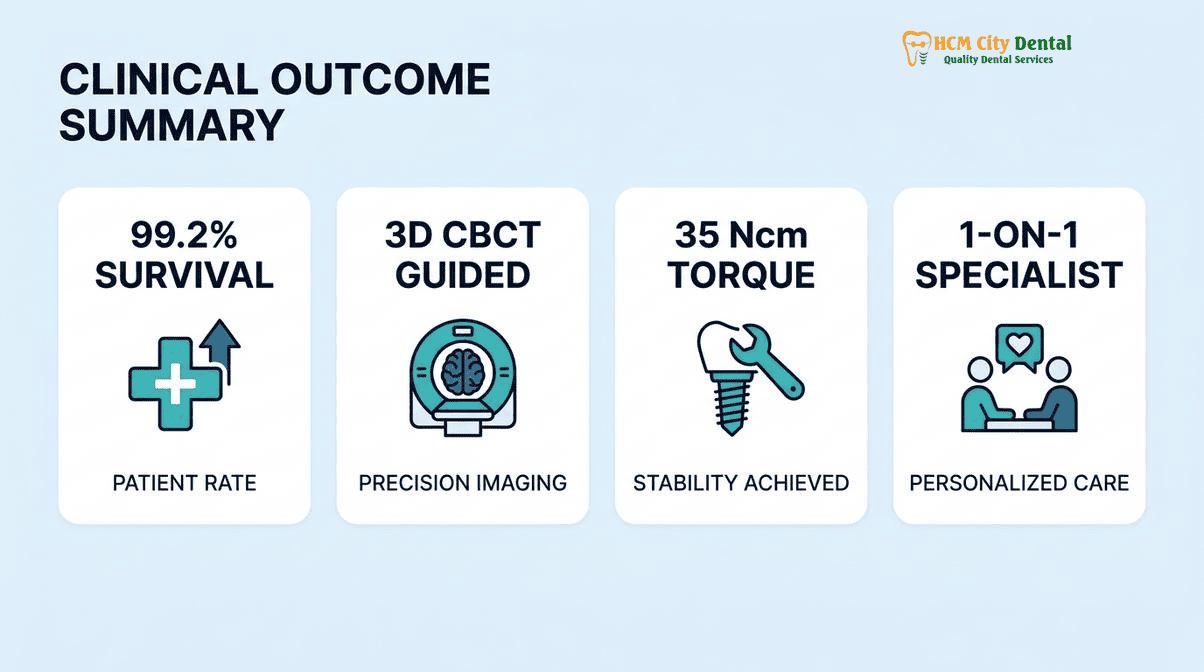
Clinical Decision Matrix Table: Safe Timelines, Thresholds & Red Flags
To provide absolute clarity on how soon can you fly after dental implants, we have developed a comprehensive Clinical Decision Matrix. This table outlines the specific waiting periods required for various dental procedures, the physiological rationale behind these timelines, and the necessary post-operative care required before boarding a flight.
| Dental Procedure | Safe-to-Fly Timeline | Physiological Rationale & Aviation Risks | Required Post-Op Care Before Flying |
|---|---|---|---|
| IPS e.max Veneers, Zirconia Crowns, Microscope Root Canals | Same Day (4–6 hours post-op) | Dense bioceramic obturation and resin bonding trap zero air pockets. No risk of barodontalgia once local anesthesia wears off. | Wait for numbness to subside to avoid accidental lip/cheek biting during the flight. |
| Simple Single Implant (Flapless 3D Guided) or Simple Extraction | 24 – 48 Hours | Allows the initial blood clot to stabilize and early inflammatory response to peak. Minimizes risk of aviation-induced bleeding. | Apply ice packs for the first 24 hours. Maintain soft diet. Avoid hot beverages. |
| Multiple Implants, Surgical Wisdom Tooth Extraction, All-on-4 | 72 Hours Minimum (7-10 days total stay recommended) | Extensive tissue manipulation results in significant swelling peaking at 48-72 hours. Cabin pressure can exacerbate edema and discomfort. | Strict adherence to antibiotic and anti-inflammatory regimen. Attend mandatory 3-day post-op checkup. |
| Crestal Sinus Lift (Internal Approach) | 3 – 5 Days | Minor elevation of the sinus membrane requires stabilization. Premature flying can cause mild sinus pressure and graft micromovement. | Use prescribed saline nasal spray. Avoid blowing nose forcefully. Sneeze with mouth open. |
| Lateral Window Sinus Lift + Major Bone Graft | 10 – 14 Days | High risk of severe maxillary sinus barotrauma. Expanding trapped air can rupture the healing Schneiderian membrane and displace the graft. | Strict sinus precautions. Use decongestants (oxymetazoline). Pause CPAP machines for 7-14 days. |
This matrix is a foundational tool used by Dr. Nguyen Van Cuong, DDS, to customize each patient’s travel itinerary. By adhering to these evidence-based timelines, we ensure the long-term success and marginal accuracy of the restorations, which is critical for the 10-year survival rates of both the titanium fixtures and the subsequent CAD/CAM prosthetics [2].
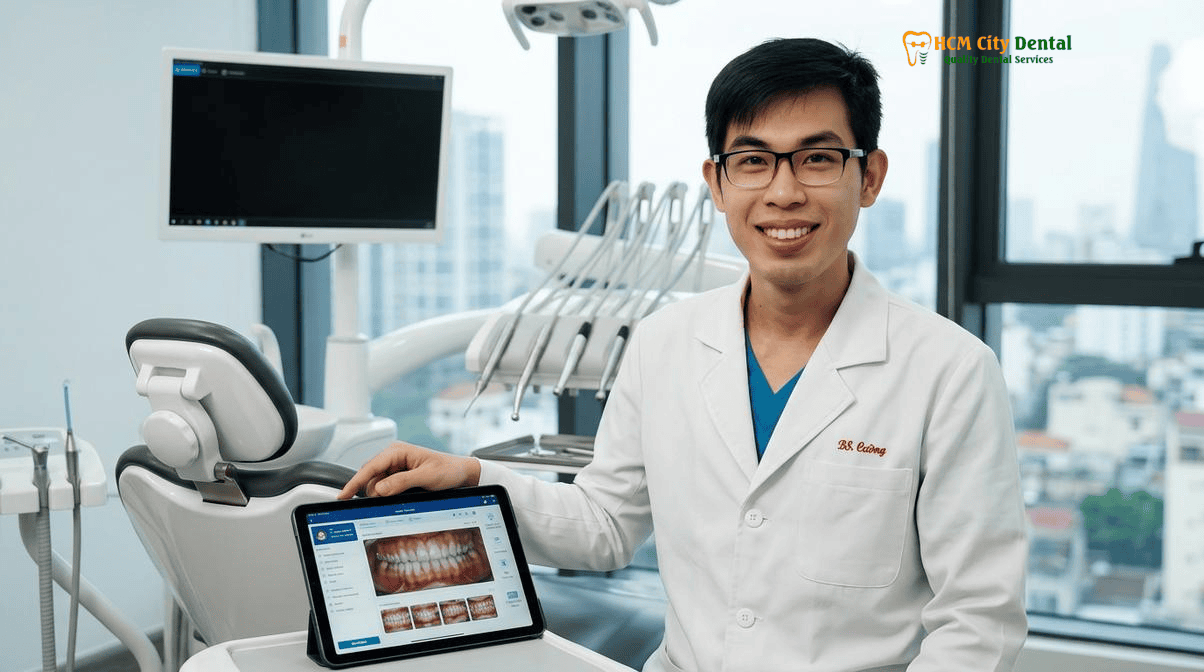
24/7 Emergency Triage & Pre-Departure Fit-to-Fly Verification with Dr. Nguyen Van Cuong, DDS
The commitment to patient safety at HCMC Dental Clinic does not end when the surgery is complete. We recognize that recovering in a foreign country can induce anxiety, which is why we have established a robust 24/7 emergency triage and support system. Understanding how soon can you fly after dental implants also means knowing that you have medical clearance and continuous support right up until you board your flight.
Before any international patient departs Ho Chi Minh City, they must undergo a final Pre-Departure Fit-to-Fly Verification appointment. During this brief but vital consultation, Dr. Nguyen Van Cuong, DDS, examines the surgical site to ensure the soft tissues are healing optimally, the sutures are intact, and there are no signs of infection or abnormal inflammation. Once cleared, the patient is provided with a comprehensive departure dossier. This includes a stamped English Prescription Letter detailing all medications, an Implant Passport specifying the exact brand, size, and lot number of the titanium fixtures placed, and a formal Fit-to-Fly Medical Certificate. This documentation ensures smooth passage through customs and provides essential information for your local dentist back home.
Clinical Case Study: Managing an All-on-4 Patient’s Travel Itinerary
Patient Profile: A 58-year-old Australian expat traveling to Ho Chi Minh City for a full-arch rehabilitation.
Procedure: Maxillary All-on-4 immediate load implants with minor bone leveling.
Clinical Management: The patient inquired about flying back to Sydney just 48 hours after surgery. Dr. Nguyen Van Cuong, DDS, advised against this due to the extensive nature of the procedure and the 9-hour flight duration. The patient’s itinerary was adjusted to a 10-day stay. Surgery was performed on Day 1. By Day 3, the expected peak swelling had occurred and begun to subside. On Day 7, the immediate acrylic provisional bridge was delivered and adjusted for perfect occlusion. On Day 9, a final Fit-to-Fly verification was conducted. The patient flew back to Sydney on Day 10 with zero complications, reporting complete comfort during the flight. This case underscores the importance of adhering to the 72-hour minimum rule for complex surgeries and the value of a structured recovery timeline.
For patients navigating the vibrant districts of Saigon during their recovery, knowing they have immediate access to their surgical team provides immense peace of mind. Whether you are staying in District 1, District 3, or District 7, our clinic is centrally located and easily accessible. For a deeper understanding of the local area and finding the best accommodation for your recovery, explore our guide on the The Ultimate Expat Dental Guide to Ho Chi Minh City: D1, D2 & D7.
Clinical Precautions & Red Flags: When to Delay Your Flight
While most patients recover smoothly, you must contact Dr. Nguyen Van Cuong’s 24/7 English medical support team via WhatsApp (+84 853 020 003) immediately if you experience any of the following symptoms prior to your flight:
- Active Bleeding: Continuous oozing that does not stop after applying firm pressure with gauze for 45 minutes.
- Severe, Escalating Pain: Throbbing pain that is not alleviated by prescribed analgesics, which may indicate an underlying issue.
- Signs of Infection: A localized fever, increasing swelling after the 72-hour mark, or the presence of purulent discharge (pus) around the implant site.
- Sinus Complications: Sudden nasal bleeding, a feeling of fluid in the sinuses, or severe pressure in the upper jaw following a sinus lift.
Experiencing any of these red flags means you are NOT fit to fly. Our team will arrange immediate triage at our District 1 clinic to manage the complication and adjust your travel clearance accordingly.
“A successful dental implant procedure is a partnership between the surgeon and the patient. By providing our international guests with clear, evidence-based guidelines on aviation safety, 24/7 WhatsApp support, and meticulous pre-departure checkups, we eliminate the guesswork from medical travel. Your peace of mind is just as important as the clinical outcome.”
— Dr. Nguyen Van Cuong, DDS (Vietnam MOH License 0003265/BL-CCHN)
For more information on the safety protocols and travel guidelines specific to our clinic, please read our dedicated resource: Can I Fly After Dental Surgery? Safe Timelines | HCMC Dental. If you are ready to begin your journey to a restored smile, contact HCMC Dental Clinic today to schedule your comprehensive digital consultation.
Frequently Asked Questions About How Soon Can You Fly After Dental Implants
What are the 2026 medical safety guidelines for How Soon Can You Fly After Dental Implants at HCMC Dental Clinic?
The 2026 medical safety guidelines at HCMC Dental Clinic are strictly stratified based on surgical complexity to prevent aviation-induced barotrauma. Patients can safely fly 24 to 48 hours after a simple, single flapless implant. For multiple implants, surgical extractions, or All-on-4 procedures, a minimum wait of 72 hours is required. If the procedure involves a crestal sinus lift, the wait is 3 to 5 days, and for a complex lateral window sinus lift, patients must wait 10 to 14 days before flying.
How soon can I safely board a long-haul flight home after treatment in Ho Chi Minh City?
For long-haul flights (exceeding 6 hours) departing from Tan Son Nhat International Airport (SGN), we strongly recommend waiting at least 72 hours for standard implant procedures, even if it was a single implant. Long flights increase the risk of dehydration, deep vein thrombosis (DVT), and prolonged exposure to dry cabin air, which can affect the surgical blood clot. Waiting 72 hours ensures the initial swelling has peaked and subsided, and allows Dr. Nguyen Van Cuong, DDS, to perform a final Fit-to-Fly verification.
What pre-operative blood panels, vital checks, or 3D CBCT scans does Dr. Nguyen Van Cuong, DDS require?
Patient safety begins with precise diagnostics. Dr. Nguyen Van Cuong, DDS, requires a mandatory high-resolution 3D CBCT scan for every implant patient to evaluate bone density, nerve pathways, and sinus anatomy. Standard vital checks, including blood pressure, heart rate, and oxygen saturation, are recorded before surgery. For patients with systemic health issues (such as diabetes or cardiovascular disease), a basic metabolic panel and a coagulation profile (PT/INR) may be requested to ensure safe perioperative management [3].
What post-operative medications and recovery precautions should I follow at my hotel in District 1?
Following your surgery, you will be prescribed a specific regimen of broad-spectrum antibiotics, anti-inflammatory pain relievers (such as Ibuprofen), and an antiseptic chlorhexidine mouthwash. While recovering at your hotel in District 1, you must apply ice packs to the outside of your face in 15-minute intervals for the first 24 hours to minimize swelling. You must also adhere to a soft food diet, avoid hot liquids, completely avoid using straws (as the suction can dislodge the blood clot), and rest with your head elevated on extra pillows.
How do I contact Dr. Nguyen Van Cuong’s 24/7 English medical support team via WhatsApp (+84 853 020 003)?
International patients have direct, round-the-clock access to our medical support team. You can easily reach us by saving the number +84 853 020 003 to your contacts and sending a message or calling via WhatsApp. Our fluent English-speaking medical coordinators are available 24/7 to answer post-operative questions, arrange emergency triage if you experience any red flag symptoms, and coordinate the issuance of your final Fit-to-Fly medical certificate before your departure.
References
- International Journal of Oral & Maxillofacial Implants. Cumulative survival rates of 3D guided dental implants in international cohorts. (2024).
- Journal of Prosthetic Dentistry. Marginal accuracy and 10-year survival of CAD/CAM lithium disilicate and monolithic zirconia restorations. (2023).
- Journal of the American Dental Association (JADA). Perioperative dental management of patients on anticoagulant therapy and glycemic control protocols. (2023).
- Aerospace Medicine and Human Performance. Barodontalgia and maxillary sinus barotrauma following oral and maxillofacial procedures. (2022).
- Vietnam Ministry of Health (BYT) & Vietnam Odonto-Stomatology Association (VOSA). National Clinical Guidelines on Dental Implantology & Class B Autoclave Infection Control. (2024).