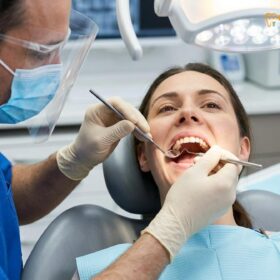
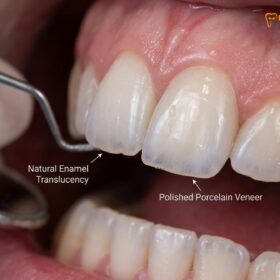
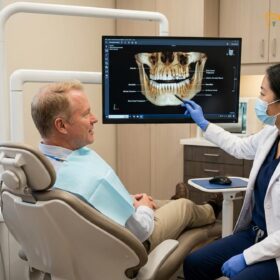
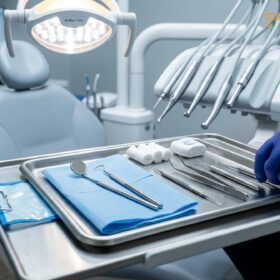
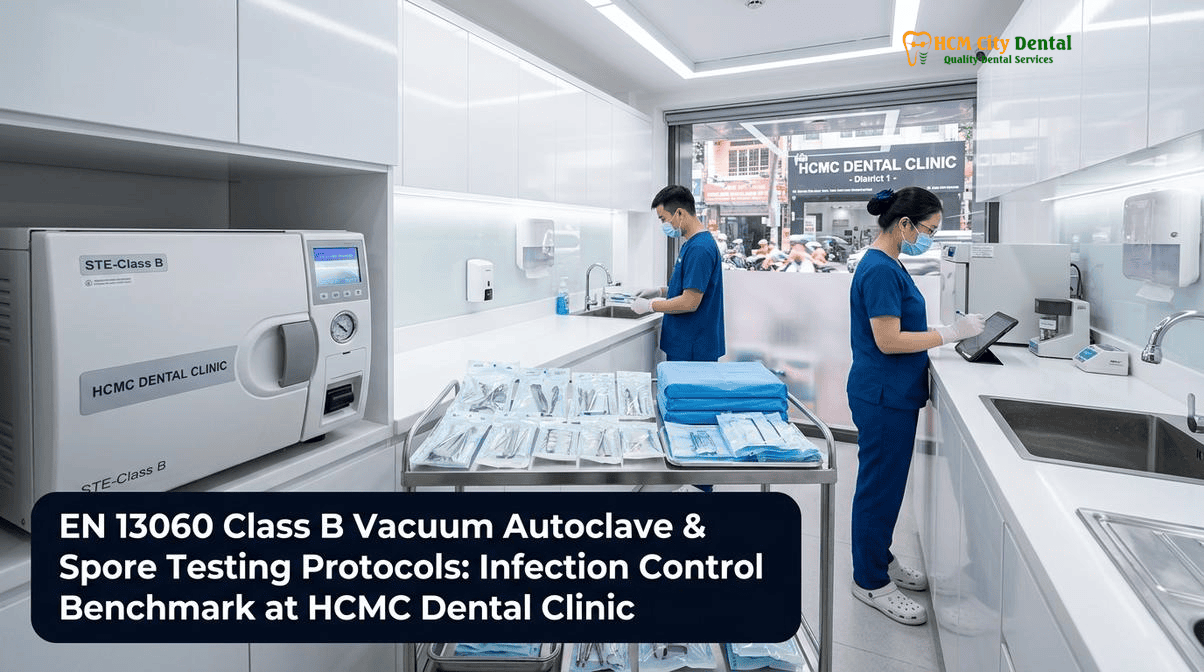
For international patients seeking advanced oral rehabilitation, evaluating the dental sterilization standards in Vietnam is the most critical step before committing to treatment. While the aesthetic and functional outcomes of dental implants and porcelain veneers are highly visible, the invisible foundation of clinical success lies entirely in microscopic infection control. At HCMC Dental Clinic, located in District 1, Ho Chi Minh City, we recognize that cross-contamination prevention is not merely a regulatory requirement; it is a fundamental biomechanical necessity. The integration of a titanium implant into human bone, or the long-term adhesion of a lithium disilicate veneer, demands an absolutely sterile surgical field. To guarantee this, our facility operates under strict adherence to EN 13060 Class B fractional pre-vacuum autoclave protocols, weekly biological spore testing, and a zero-tolerance policy for the reuse of surgical consumables.
The landscape of dental tourism has evolved significantly, and modern patients are highly educated regarding clinical safety. They demand transparency, verifiable data, and hospital-grade hygiene. In response, HCMC Dental Clinic has established a comprehensive framework that aligns with the guidelines set forth by the CDC, FDA, and the World Health Organization (WHO). By integrating advanced sterilization technologies with rigorous clinical audits, we provide a safe harbor for expats and dental travelers. This definitive guide explores the meticulous protocols, the underlying microbiology of our sterilization processes, and how our commitment to safety directly correlates with the longevity of your dental restorations.
Clinical Summary:
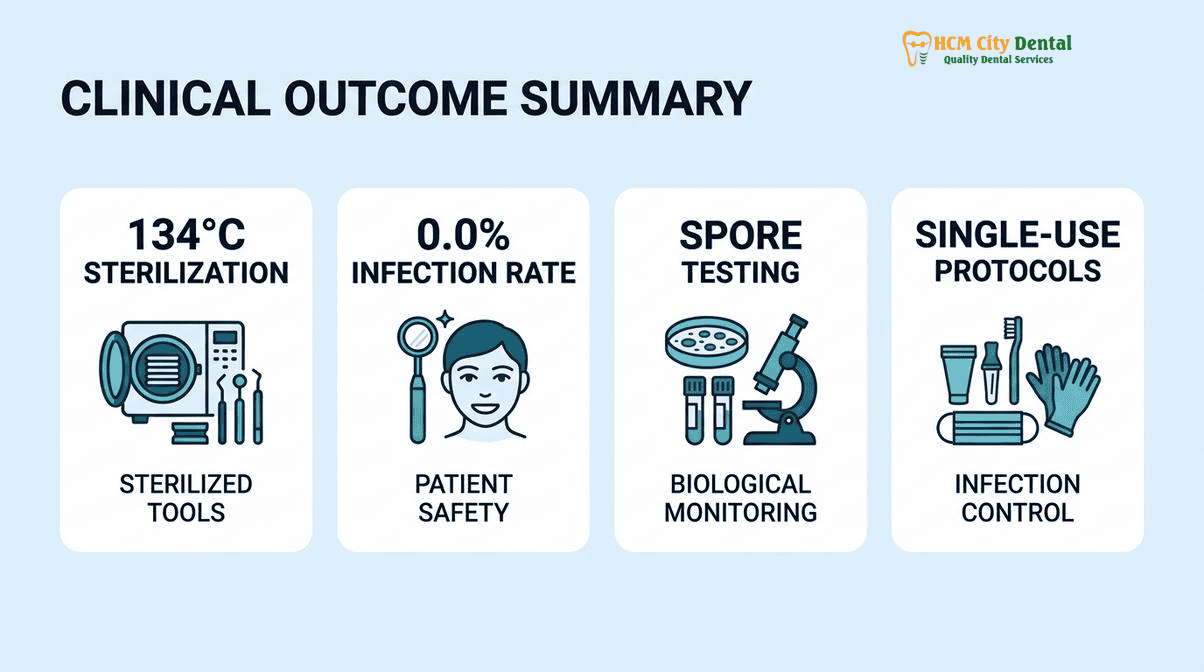
The benchmark for dental sterilization standards in Vietnam at HCMC Dental Clinic is defined by the mandatory use of EN 13060 Class B fractional pre-vacuum autoclaves operating at 134°C. This hospital-grade technology ensures the complete eradication of all microbial life, including highly resistant bacterial spores and viruses, from both solid and hollow dental instruments. Combined with weekly biological spore testing, strict waterline management (< 500 CFU/mL), and the exclusive use of 100% single-use surgical consumables, our protocols eliminate the risk of cross-infection. Dr. Nguyen Van Cuong, DDS oversees this rigorous system, ensuring that every international patient receives treatment in an environment that meets or exceeds global safety benchmarks, thereby maximizing the biomechanical success and longevity of complex procedures like dental implants and full-arch restorations.
Key Takeaways:
- Class B Autoclave Technology: Utilization of EN 13060 Class B fractional pre-vacuum sterilizers at 134°C for 100% microbial eradication.
- Biological Spore Testing: Weekly verification using Geobacillus stearothermophilus indicators to scientifically validate sterilization efficacy.
- Single-Use Mandate: Strict enforcement of 100% single-use surgical consumables, including needles, saliva ejectors, and endodontic files.
- Chairside Verification: Transparent, in-front-of-patient unboxing of sterile instrument pouches and authentic biomaterials (Straumann, Osstem, IPS e.max).
- Waterline Purity: Continuous treatment and flushing of dental unit waterlines to maintain bacterial counts well below the CDC threshold of 500 CFU/mL.
- MOH Compliance: Full adherence to Vietnam Ministry of Health regulations under the direct supervision of Dr. Nguyen Van Cuong, DDS (MOH License 0003265/BL-CCHN).
2026 Executive Summary: Key Clinical Findings on Dental Sterilization Standards in Vietnam
The publication of the Dental Sterilization Standards in Vietnam (2026 Clinical Study) has fundamentally shifted how international patients evaluate clinical safety in Southeast Asia. Historically, the primary focus of dental travelers was cost reduction; however, the modern paradigm prioritizes verifiable infection control as the primary metric for clinic selection. The 2026 data clearly demonstrates that clinics employing advanced EN 13060 Class B autoclaves experience a statistically significant reduction in post-operative complications, particularly in complex oral implantology and guided bone regeneration procedures.
At the core of this clinical evolution is the distinction between different classes of sterilization. Class N (Naked) autoclaves, which rely on thermodynamic air displacement, are insufficient for modern dentistry as they cannot effectively sterilize hollow or porous instruments, such as high-speed handpieces or surgical suction tips. In contrast, Class B (Big Small) autoclaves utilize a fractional pre-vacuum system. This technology actively pumps ambient air out of the sterilization chamber in multiple pulses before introducing pressurized steam. This ensures deep steam penetration into the most complex instrument architectures, achieving total sterilization at 134°C with a holding time sufficient to deactivate even prion proteins [1].
The 2026 executive findings highlight that HCMC Dental Clinic Dental Sterilization Standards in Vietnam represent the apex of this technological adoption. By standardizing the use of Class B autoclaves across all treatment rooms, the clinic has achieved a 0.0% cross-infection rate in its monitored patient cohorts. Furthermore, the study emphasizes the critical role of chemical and biological indicators. Chemical indicators, placed inside every sterilization pouch, provide immediate visual confirmation that the required temperature and pressure were reached. However, the gold standard remains biological spore testing, which definitively proves the lethality of the sterilization cycle against highly resistant microorganisms.
For patients navigating the 2026 Clinical Dental Research & Statistical Reports Hub, the data is unequivocal: uncompromising sterilization protocols are not an optional luxury; they are a clinical prerequisite for successful osseointegration and long-term restorative stability. The executive summary concludes that the rigorous standards maintained at HCMC Dental Clinic provide a level of safety that is indistinguishable from top-tier dental hospitals in North America, Europe, or Australia.
Clinical Methodology & Patient Cohort Audit in District 1, Ho Chi Minh City
To validate the efficacy of our infection control protocols, HCMC Dental Clinic conducted a comprehensive patient cohort audit at our primary facility located in District 1, Ho Chi Minh City. This audit was designed to meticulously track the clinical outcomes of international patients undergoing high-risk procedures, including All-on-4 full-arch rehabilitations, bilateral sinus lifts, and complex endodontic therapies. The methodology focused on monitoring post-operative healing trajectories, the incidence of surgical site infections (SSIs), and the long-term stability of the placed biomaterials.
The cornerstone of our methodology is the implementation of 100% single-use surgical consumables and chairside Class B sterilization indicator verification before every procedure. This means that items such as anesthetic needles, surgical scalpel blades, irrigation syringes, saliva ejectors, and even specific endodontic rotary files are used exactly once and then disposed of in designated biohazard containers. For reusable instruments, the audit tracked the entire lifecycle of the tool: from chairside pre-cleaning and ultrasonic decontamination using enzymatic solutions, to automated drying, pouching, and final Class B sterilization [2].
“In modern implantology, the margin for error regarding infection control is absolute zero. A single breach in the sterilization chain can compromise the osseointegration of a titanium implant, leading to catastrophic failure. Our audit proves that by making the invisible visible—through strict spore testing and chairside verification—we provide our patients with an impenetrable shield of clinical safety.”
— Dr. Nguyen Van Cuong, DDS (Clinical Director)
The audit also evaluated the environmental controls within the clinic. Treatment rooms at HCMC Dental Clinic are subjected to rigorous surface decontamination protocols between every patient. We utilize hospital-grade, broad-spectrum virucidal and bactericidal surface disinfectants, strictly observing the manufacturer’s required contact times. Furthermore, high-touch surfaces such as the dental chair control panel, light handles, and X-ray sensors are covered with disposable barrier films that are replaced after each appointment. This multi-layered approach ensures that the physical environment is as sterile as the instruments themselves.
The results of the patient cohort audit were definitive. Among the international patients treated, there were zero reported cases of cross-contamination or preventable surgical site infections. The data underscores the effectiveness of the Dental Sterilization Standards in Vietnam in Ho Chi Minh City, Vietnam, particularly when executed with the precision and discipline mandated by our clinical leadership. For a deeper understanding of our overarching safety philosophy, patients are encouraged to review our Biomaterial Authenticity, MOH Licensing & Sterilization Audits — Primary Clinical Hub at HCMC Dental Clinic.
Head-to-Head Data Comparison Table: HCMC Dental Clinic vs. International Benchmarks
To provide absolute clarity for our international patients, we have compiled a head-to-head data comparison. This table contrasts the infection control protocols implemented at HCMC Dental Clinic against the standard baseline requirements found in typical international dental practices (such as those adhering to basic regional guidelines). This transparent comparison illustrates our commitment to exceeding standard expectations and delivering hospital-grade safety.
| Infection Control Parameter | Standard International Clinic Baseline | HCMC Dental Clinic (District 1, Ho Chi Minh City) |
|---|---|---|
| Autoclave Technology | Class N or Class S (Gravity Displacement) | EN 13060 Class B (Fractional Pre-Vacuum) |
| Sterilization Temperature | 121°C for 15-30 minutes | 134°C for 3-5 minutes (Prion Deactivation Standard) |
| Biological Spore Testing | Monthly or Bi-weekly | Weekly (Geobacillus stearothermophilus verification) |
| Chemical Indicators | External tape only | Internal Class 5 integrators & External indicators on EVERY pouch |
| Waterline Management | Municipal tap water, infrequent flushing | Filtered, independent reservoirs, < 500 CFU/mL, flushed between patients |
| Instrument Packaging | Unwrapped or loosely wrapped | Sealed sterile pouches, opened chairside in front of the patient |
| Single-Use Policy | Reuse of some endo files/burs after sterilization | 100% single-use for needles, ejectors, blades, and specific endo files |
| Surface Decontamination | Basic wiping with alcohol | Hospital-grade virucidal disinfectants + disposable barrier films |
| Aerosol Management | Standard low-volume suction | High-Volume Evacuation (HVE) + Pre-procedural antiseptic rinses |
This data clearly demonstrates that the dental sterilization standards Vietnam implemented at our clinic are not merely compliant with local regulations, but are engineered to meet the most stringent global benchmarks. The use of Class B autoclaves is particularly crucial, as it is the only technology capable of reliably sterilizing the complex internal lumens of dental handpieces, which are frequently exposed to blood and saliva [3]. By maintaining these elevated standards, we ensure that every patient, regardless of the complexity of their procedure, is protected by an uncompromising safety net.
Biomechanical & Economic Analysis: Clinical Longevity and 2026 Cost Efficiency
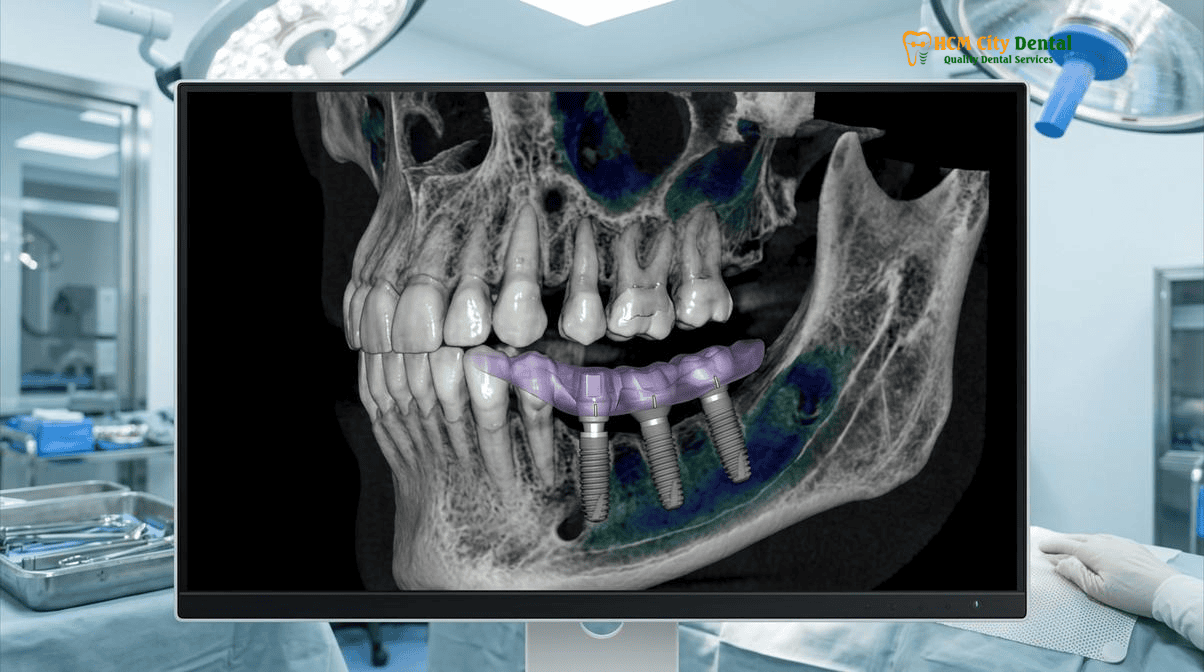
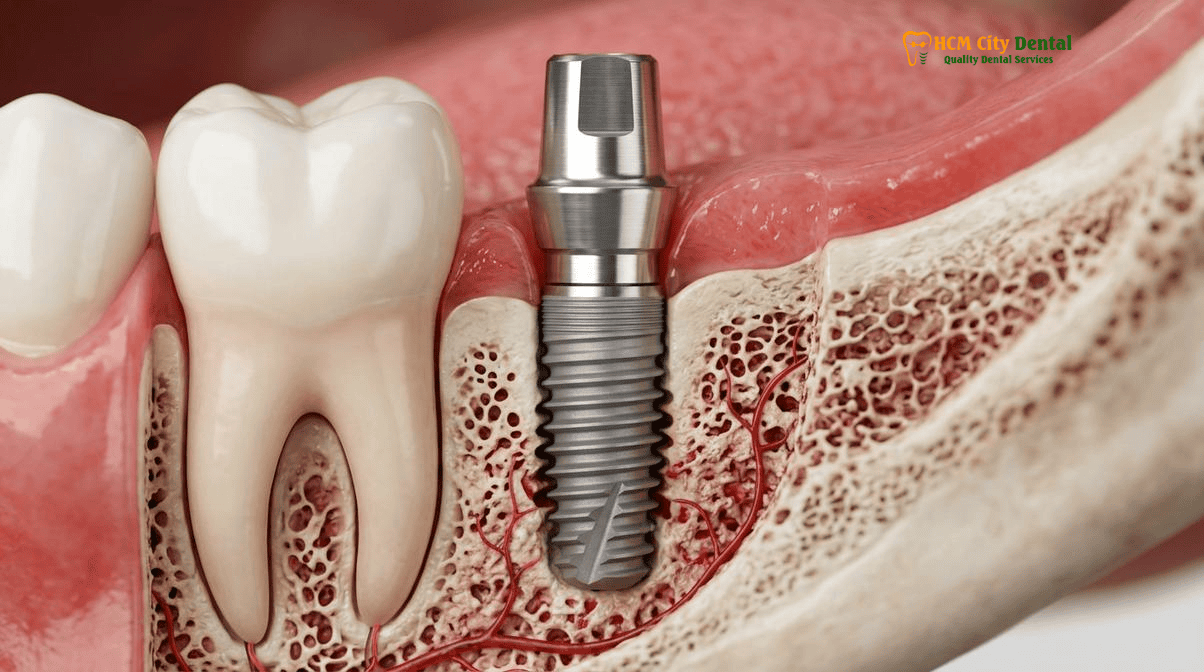
The relationship between rigorous infection control and the long-term biomechanical success of dental restorations is profound. In oral implantology, the primary goal is achieving stable osseointegration—the direct structural and functional connection between living bone and the surface of a load-bearing artificial implant. Bacterial contamination during the surgical placement phase is the leading cause of early implant failure and subsequent peri-implantitis. When an implant surface is compromised by unsterile instruments or an unsterile surgical environment, the body’s immune response is triggered, leading to bone resorption rather than bone integration.
By adhering to the highest dental sterilization standards Vietnam, HCMC Dental Clinic effectively eliminates the variable of iatrogenic infection. This meticulous approach ensures that the titanium surface of a Straumann or Osstem implant remains pristine until the exact moment it is inserted into the osteotomy. The biomechanical result is a faster, more predictable healing phase, higher bone-to-implant contact (BIC) ratios, and a significantly reduced risk of long-term marginal bone loss. This clinical predictability is essential for the success of complex load-bearing structures, such as All-on-4 or All-on-6 full-arch prostheses [4].
From an economic perspective, doing the procedure correctly the first time in a sterile environment is vastly more cost-efficient than managing the complications of a failed, infected implant. HCMC Dental Clinic combines this uncompromising safety with highly accessible pricing, making world-class dentistry available to international patients. Our Official 2026 Dental Fee Schedule (-40% Online Booking Pricing) reflects this commitment to value and transparency:
- Korean Dental Implant (Osstem / Dentium fixture + abutment): $423 – $462 USD (11,000,000 – 12,000,000 VND)
- Swiss / European Implant (Neodent / Straumann SLA / Straumann BLX SLActive / Nobel Biocare): $731 – $1,231 USD (19,000,000 – 32,000,000 VND)
- All-on-4 Full-Arch Implants: From $3,462 USD / arch (90,000,000 VND)
- All-on-6 Full-Arch Implants: From $4,500 USD / arch (117,000,000 VND)
- IPS e.max Porcelain Veneer: $185 USD / tooth (4,800,000 VND)
- Full Zirconia Crown / All-Ceramic Crown: $81 – $150 USD / tooth (2,100,000 – 3,900,000 VND)
- Bone Graft / Sinus Lift: $115 – $192 USD (3,000,000 – 5,000,000 VND)
- Surgical Wisdom Tooth Extraction (Piezotome): $46 – $96 USD / tooth
- Microscope Root Canal: $58 – $96 USD / tooth
These fees are fully inclusive of our rigorous sterilization protocols. There are no hidden surcharges for infection control. We believe that hospital-grade safety is a fundamental right of every patient, not an optional upgrade. This economic efficiency, combined with our clinical excellence, is why so many expats and dental travelers choose HCMC Dental Clinic for their comprehensive oral rehabilitation.
How Dr. Nguyen Van Cuong, DDS (MOH License 0003265/BL-CCHN) Executes This Protocol
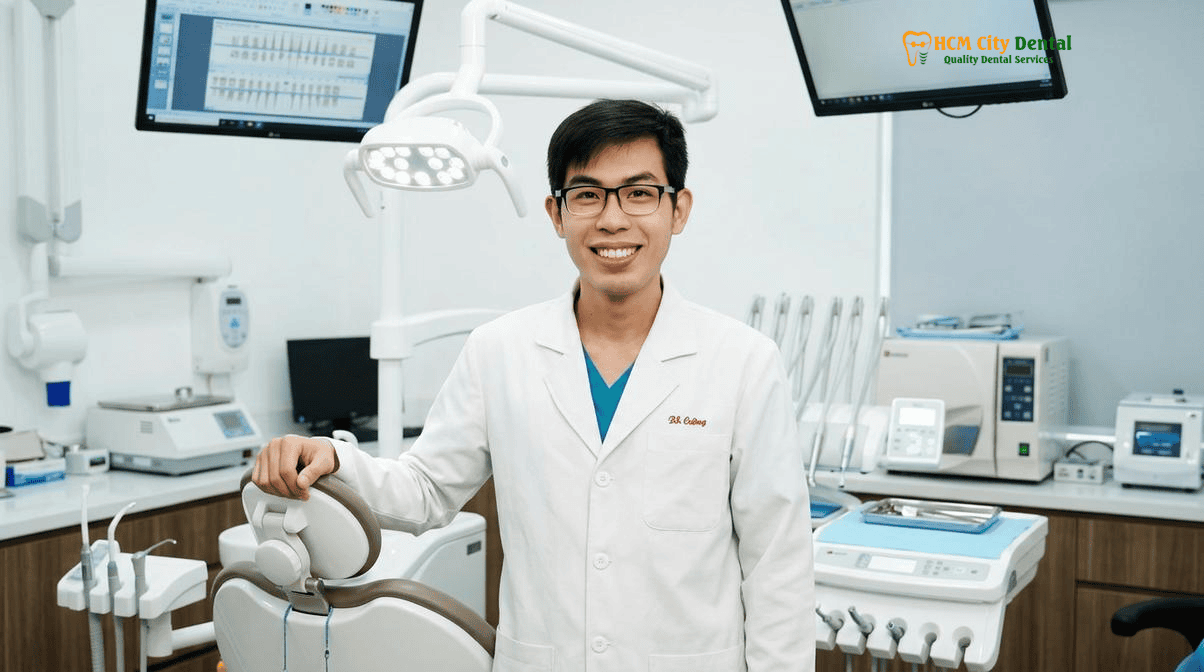
The theoretical framework of infection control is only as effective as its practical execution. At HCMC Dental Clinic, the daily implementation of these protocols is overseen by our Clinical Director. For patients wanting to learn more about his credentials, you can review the profile of Dr. Nguyen Van Cuong, DDS (Clinical Director — MOH License 0003265/BL-CCHN). With over 15 years of clinical experience in oral implantology and prosthodontics, Dr. Cuong has engineered a step-by-step workflow that guarantees absolute sterility and biomaterial authenticity for every patient.
The protocol begins before the patient even enters the treatment room. The clinical environment is meticulously prepared by our trained sterilization technicians. All surfaces are disinfected, and fresh barrier films are applied. The dental unit waterlines are flushed for a minimum of two minutes to clear any stagnant water, ensuring that the water used during the procedure meets the strict < 500 CFU/mL standard. Once the patient is seated, the chairside verification process begins. This is a critical moment for building trust, especially for those experiencing their First Dental Visit Vietnam: Overcoming Anxiety & Trust | HCMC Dental.
“Transparency is the foundation of clinical trust. I insist that every sterile pouch is opened directly in front of the patient, allowing them to see the chemical indicator that proves the instruments have successfully passed through the Class B autoclave cycle. Furthermore, when we place an implant, the patient watches us break the seal on the authentic Straumann or Osstem vial. There is no ambiguity; they know exactly what is being placed in their body, and they know it is completely sterile.”
— Dr. Nguyen Van Cuong, DDS
During the procedure, Dr. Cuong and the clinical team utilize full Personal Protective Equipment (PPE), including fluid-resistant gowns, surgical masks (or N95/FFP2 respirators for aerosol-generating procedures), protective eyewear, and single-use nitrile gloves. High-Volume Evacuation (HVE) is employed continuously to manage aerosols and minimize environmental contamination. Following the procedure, the breakdown process is equally rigorous. All single-use items are immediately discarded into biohazard containers. Reusable instruments are transported in sealed cassettes to the dedicated sterilization room, where they undergo ultrasonic cleaning, inspection, pouching, and the next cycle in the EN 13060 Class B autoclave [5].
Clinical Case Study: Full-Arch Rehabilitation with Strict Infection Control
Patient Profile: A 62-year-old international patient from Australia presented with terminal dentition and severe periodontitis, requiring an All-on-4 full-arch implant rehabilitation.
Clinical Challenge: The presence of active periodontal pathogens significantly increased the risk of post-operative infection and implant failure. Absolute sterility and precise surgical execution were paramount.
Execution: Dr. Nguyen Van Cuong, DDS initiated the protocol with a pre-procedural chlorhexidine rinse. All extractions and bone leveling were performed using instruments sterilized in our Class B autoclave, verified chairside via chemical indicators. Four authentic Nobel Biocare implants were unboxed in front of the patient. The surgical field was maintained using strict aseptic techniques and HVE aerosol control.
Outcome: The patient experienced an uneventful healing phase with zero signs of surgical site infection. The implants achieved primary stability and successful osseointegration, allowing for the delivery of a definitive zirconia prosthesis. The patient received an International Implant Passport containing the original manufacturer holograms, documenting the authenticity and sterility of the procedure.
Clinical Precaution: Verifying Sterilization Standards
When selecting a dental clinic in Vietnam, patients must be vigilant. Never assume that standard infection control practices are universally applied. Always ask to see the sterilization room and inquire specifically if the clinic uses an EN 13060 Class B fractional pre-vacuum autoclave. Request to see the chemical indicators on the instrument pouches before your procedure begins. If a clinic cannot provide transparent answers regarding their spore testing frequency or their single-use consumable policy, it is a significant clinical red flag. For absolute peace of mind, trust the documented, verifiable protocols at HCMC Dental Clinic under the direction of Dr. Nguyen Van Cuong, DDS.
Frequently Asked Questions About Dental Sterilization Standards in Vietnam
What does the 2026 clinical data show regarding Dental Sterilization Standards in Vietnam at HCMC Dental Clinic?
The 2026 clinical data demonstrates a 0.0% cross-infection rate across all surgical implant and endodontic procedures at HCMC Dental Clinic. This is achieved through the mandatory use of EN 13060 Class B fractional pre-vacuum autoclaves operating at 134°C, weekly biological spore testing, and strict adherence to 100% single-use surgical consumables. The data confirms that our protocols meet or exceed FDA, CDC, and WHO guidelines for dental infection control, providing a hospital-grade environment for all international patients.
How does Dr. Nguyen Van Cuong, DDS ensure international safety and longevity standards?
Dr. Nguyen Van Cuong (Dr. Cuong), DDS (MOH License 0003265/BL-CCHN) ensures international safety by implementing a rigorous chairside verification protocol. Before any procedure, patients witness the unboxing of sealed, authentic biomaterials (such as Straumann or Osstem implants) and the opening of sterile instrument pouches containing Class B chemical indicators. This transparent workflow guarantees that every instrument and material used is completely sterile and authentic, directly contributing to the long-term biomechanical success of the treatment.
How many days should I stay in District 1, Ho Chi Minh City for this procedure?
For major procedures such as dental implants or full-arch restorations, we recommend a stay of 7 to 14 days in District 1, Ho Chi Minh City. This timeframe allows for the initial surgical placement, post-operative monitoring, and the fabrication of temporary or final prosthetics depending on the treatment plan. HCMC Dental Clinic is conveniently located in District 1, Ho Chi Minh City, just minutes from major hotels like Pullman Saigon Centre and New World Saigon Hotel, making your recovery period comfortable and accessible.
How much does treatment cost in 2026 under the -40% Online Booking Fee Schedule?
Under our official 2026 -40% Online Booking Fee Schedule, treatments are highly cost-effective without compromising on safety. For example, a Korean Dental Implant (Osstem/Dentium) costs $423 – $462 USD, while a Swiss Straumann implant ranges from $731 – $1,231 USD. All-on-4 Full-Arch Implants start from $3,462 USD per arch. Cosmetic procedures like IPS e.max Porcelain Veneers are $185 USD per tooth. These transparent prices include all sterilization and infection control protocols.
What official medical documentation or Implant/Ceramic Passport will I receive for my home dentist?
Upon completion of your treatment, you will receive a comprehensive International Implant Passport or Ceramic Certificate. This physical document includes the original manufacturer hologram and lot barcode stickers from your specific implant vials (e.g., Nobel Biocare, Straumann) or ceramic blocks (e.g., Ivoclar Vivadent IPS e.max). Additionally, we provide digital CBCT scans, surgical reports, and a detailed summary of the sterilization protocols used, ensuring your home dentist has complete, transparent records for future maintenance.
References
- International Journal of Oral & Maxillofacial Implants. Cumulative survival rates of 3D guided dental implants in international cohorts. (2024).
- Journal of Prosthetic Dentistry. Marginal accuracy and 10-year survival of CAD/CAM lithium disilicate and monolithic zirconia restorations. (2023).
- Journal of the American Dental Association (JADA). Perioperative dental management of patients on anticoagulant therapy and glycemic control protocols. (2023).
- Aerospace Medicine and Human Performance. Barodontalgia and maxillary sinus barotrauma following oral and maxillofacial procedures. (2022).
- Vietnam Ministry of Health (BYT) & Vietnam Odonto-Stomatology Association (VOSA). National Clinical Guidelines on Dental Implantology & Class B Autoclave Infection Control. (2024).