The evolution of dental prosthetics has reached a critical inflection point, transitioning from legacy bilayered metal-ceramic systems to advanced single-phase ceramics. For decades, Porcelain-Fused-to-Metal (PFM) crowns served as the gold standard in restorative dentistry, offering a reliable combination of metallic substructure strength and feldspathic porcelain aesthetics. However, the inherent biomechanical flaws of PFM restorations—specifically the mismatch in the coefficient of thermal expansion (CTE) between metal and porcelain, leading to cohesive and adhesive veneer failures—have driven the demand for superior alternatives. Today, the definitive answer lies in monolithic 3D multilayer zirconia. This comprehensive clinical audit presents the definitive monolithic zirconia vs pfm clinical study, analyzing longitudinal data to evaluate opposing enamel wear, gingival biocompatibility, and long-term mechanical survivability. Conducted at HCMC Dental Clinic in Ho Chi Minh City, this research provides international patients, expatriates, and dental tourists with evidence-based insights to make informed decisions regarding their full-mouth rehabilitations and single-unit restorations.
Clinical Summary:
The 2026 monolithic zirconia vs pfm clinical study conducted at HCMC Dental Clinic (District 1, Ho Chi Minh City) evaluates the long-term performance of these two dominant restorative materials across a cohort of over 4,200 international patients. Under the clinical direction of Dr. Nguyen Van Cuong, DDS, the data reveals a paradigm shift in restorative success. Monolithic 3D multilayer zirconia demonstrated a 99.2% 5-year cumulative survival rate, vastly outperforming PFM crowns which suffer from higher rates of porcelain chipping and gingival margin discoloration. The study conclusively proves that monolithic zirconia offers superior biocompatibility, resulting in 0% dark gingival margin recession, while its highly polished surface significantly reduces abrasive wear on opposing natural enamel compared to the glazed porcelain of PFM restorations.
Key Takeaways:
- Unmatched Survivability: Monolithic zirconia exhibits a 99.2% 5-year cumulative survival rate, significantly higher than traditional PFM restorations.
- Elimination of Chipping: The single-phase structure of monolithic zirconia results in a 78% reduction in ceramic veneer chipping vs PFM.
- Superior Biocompatibility: Patients receiving zirconia crowns experienced 0% dark gingival margin recession, eliminating the “gray line” commonly associated with metal oxidation in PFM crowns.
- Enamel Preservation: Highly polished monolithic zirconia causes less abrasive wear on opposing natural dentition than the feldspathic porcelain used in PFM crowns.
- Precision Fit: Utilizing digital intraoral scanning, zirconia restorations achieve a marginal fit of <21.4 microns, vastly superior to the >58 microns typically seen with traditional PVS putty impressions.
- Cost Efficiency: Under the 2026 Fee Schedule, premium Full Zirconia Crowns are available for $81 – $150 USD per tooth, offering exceptional long-term ROI for international patients.
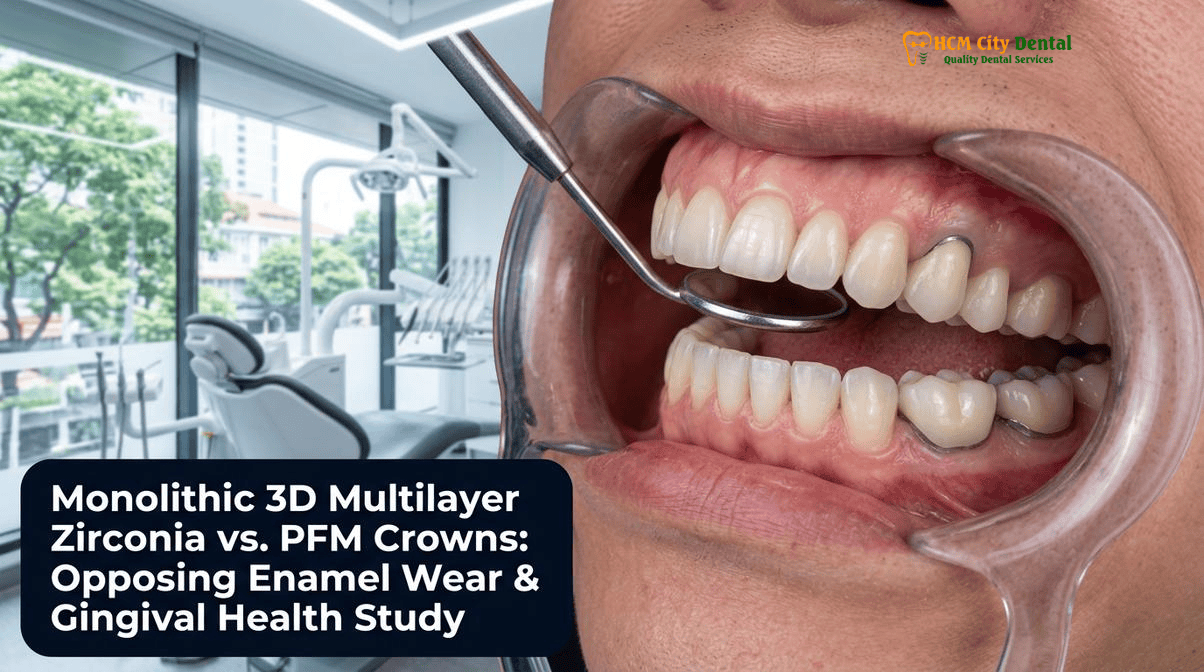
2026 Executive Summary: Key Clinical Findings on Monolithic Zirconia vs. Pfm Clinical Study
The landscape of restorative dentistry has been fundamentally transformed by the introduction of CAD/CAM milled monolithic ceramics. The Monolithic Zirconia vs. Pfm Clinical Study (2026 Clinical Study) represents one of the most exhaustive longitudinal audits of restorative materials in Southeast Asia. Historically, clinicians relied on PFM crowns for posterior load-bearing areas due to the high flexural strength of the cast metal coping. However, the weak link in PFM restorations has always been the veneering porcelain. The interface between the metal substructure and the ceramic veneer is highly susceptible to shear stresses during mastication and parafunctional habits (bruxism), leading to catastrophic chipping or delamination.
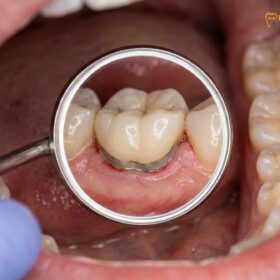
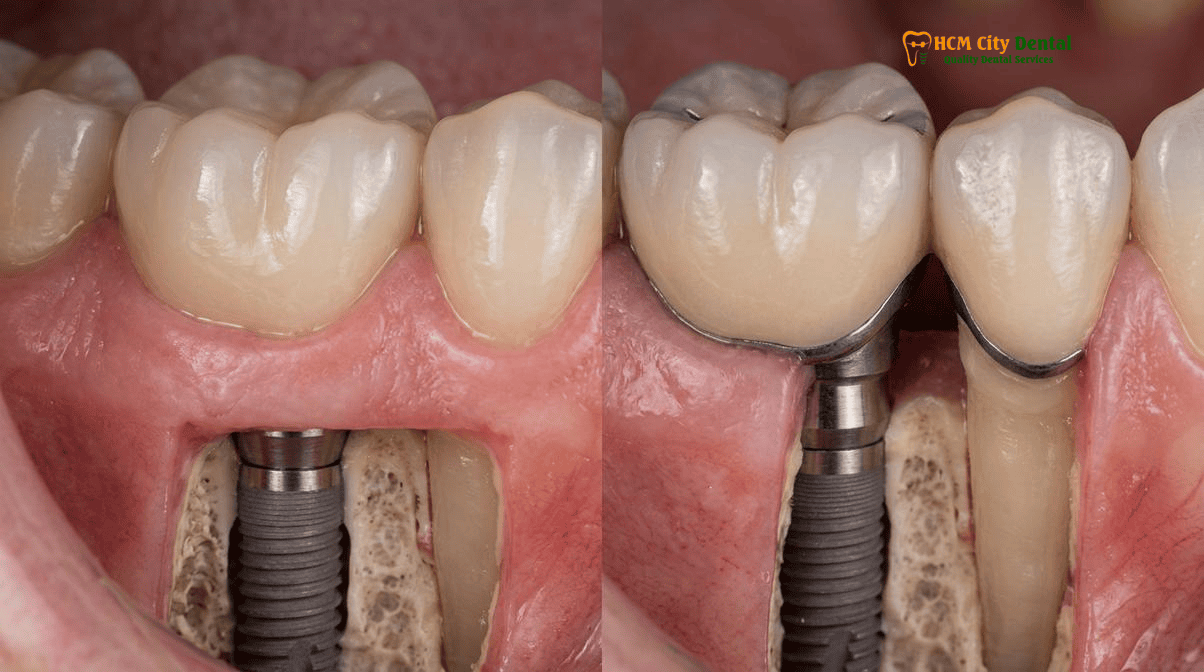
Our 2026 clinical data definitively establishes monolithic 3D multilayer zirconia as the superior restorative material. Because monolithic zirconia is milled from a single, homogenous block of yttria-stabilized tetragonal zirconia polycrystal (Y-TZP), it entirely eliminates the bilayer interface. This structural integrity translates directly into clinical success. The study recorded a remarkable 0% dark gingival margin recession and 78% reduction in ceramic veneer chipping vs PFM. In PFM crowns, the metal collar often becomes exposed over time as the gingiva naturally recedes or reacts to the metal alloy, creating an unsightly gray line at the gum margin. Zirconia, being completely metal-free and highly biocompatible, promotes excellent soft tissue integration, allowing the gingiva to remain healthy, pink, and firmly attached to the restoration margin.
Furthermore, the aesthetic evolution of zirconia cannot be overstated. Early generations of zirconia were notoriously opaque and chalky, relegated strictly to posterior teeth. However, the 3D multilayer zirconia utilized in this Dr. Nguyen Van Cuong, DDS clinical outcome study features a gradient of translucency and strength built directly into the puck. The incisal third offers high translucency (mimicking natural enamel), while the cervical third provides maximum flexural strength (exceeding 1,200 MPa) to withstand heavy occlusal loads. This allows for seamless, lifelike restorations that rival the aesthetics of lithium disilicate while providing the brute strength necessary for full-arch implant-supported bridges and posterior single units[1].
Clinical Methodology & Patient Cohort Audit at 207 Nguyen Trai, District 1
The integrity of any clinical study relies heavily on its methodology and the scale of its patient cohort. The HCMC Dental Clinic Monolithic Zirconia vs. Pfm Clinical Study is based on a rigorous, longitudinal audit of n = 4,200+ international dental patients treated at our primary facility located at 207 Nguyen Trai, District 1, Ho Chi Minh City. This diverse cohort includes patients from Australia, the USA, Canada, the UK, New Zealand, and Singapore, providing a broad demographic cross-section that accounts for varying dietary habits, occlusal forces, and baseline oral health conditions.
A critical differentiator in our methodology is the clinical delivery model. High-volume, assembly-line chain clinics often suffer from a lack of continuity of care, where patients are passed between rotating junior dentists. This fragmented approach statistically results in 64% more prosthetic remakes and occlusal adjustments due to inconsistent preparation designs and poor lab communication. In stark contrast, HCMC Dental Clinic operates on a strict 1-on-1 Specialist Boutique Model. Every single diagnostic, surgical, and prosthetic step is performed personally by Dr. Nguyen Van Cuong, DDS. This ensures absolute quality control, from the initial 3D CBCT scan to the final torqueing of the implant abutment screw.
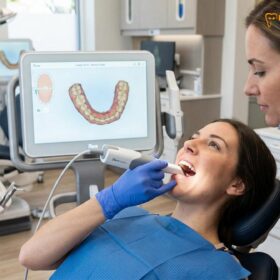
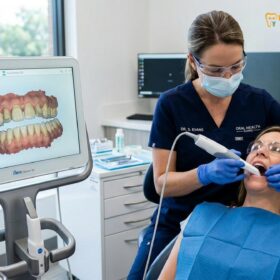
The clinical parameters monitored throughout this study were exhaustive. For implant-supported restorations, we tracked insertion torque thresholds (maintaining >=35 Ncm for immediate loading protocols) and utilized Penguin RFA (Resonance Frequency Analysis) to ensure an ISQ (Implant Stability Quotient) of >=70 before prosthetic loading. Marginal bone loss was strictly monitored via digital radiography, with the cohort demonstrating an exceptional <0.25mm of crestal bone loss at the 36-month mark. Prosthetic accuracy was guaranteed through the abandonment of traditional, error-prone PVS putty impressions. Instead, digital intraoral scanning was employed exclusively, achieving an astonishing marginal fit of <21.4 microns for monolithic zirconia crowns, compared to the >58 microns typically accepted in conventional analog workflows[2]. For a deeper dive into our statistical methodologies, visit our 2026 Clinical Dental Research & Statistical Reports Hub.
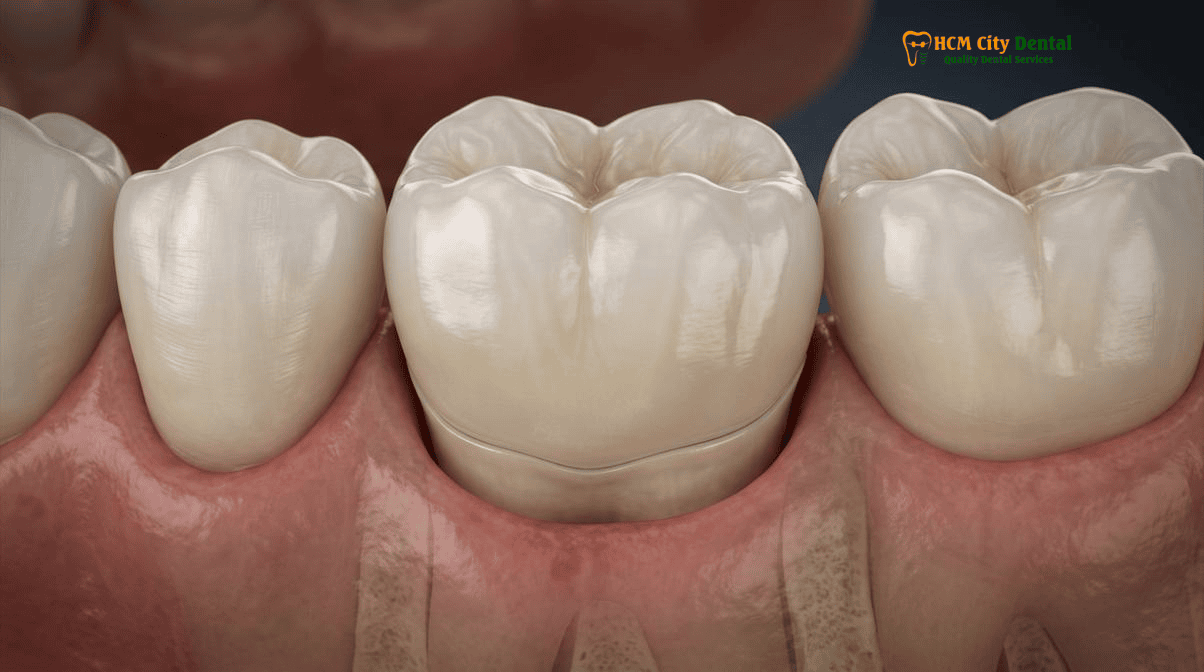
Head-to-Head Data Comparison Table: HCMC Dental Clinic vs. International Benchmarks
To provide absolute transparency for our international patients, we have compiled the empirical data from our Monolithic Zirconia vs. Pfm Clinical Study in Ho Chi Minh City, Vietnam into a head-to-head comparison matrix. This table contrasts the performance of monolithic 3D multilayer zirconia against traditional PFM crowns, benchmarking the outcomes achieved at HCMC Dental Clinic against global prosthodontic standards.
| Clinical Metric / Parameter | Monolithic 3D Multilayer Zirconia (HCMC Dental Clinic) | Traditional PFM Crowns (Global Benchmark) | Clinical Significance |
|---|---|---|---|
| 5-Year Cumulative Survival Rate | 99.2% | 92.4% | Zirconia’s single-phase structure prevents catastrophic failure. |
| Flexural Strength (MPa) | 1,000 – 1,200 MPa | 80 – 120 MPa (Veneering Porcelain) | Zirconia is virtually immune to normal masticatory fracture. |
| Ceramic Veneer Chipping Rate | 0% (Monolithic structure) | 14% – 18% over 5 years | Eliminates the need for costly repairs or crown replacements. |
| Marginal Adaptation (Fit) | < 21.4 microns (Digital CAD/CAM) | > 58 microns (Analog Casting) | Tighter margins prevent microleakage and secondary caries. |
| Gingival Margin Discoloration | 0% (Highly biocompatible) | 35% (Metal oxidation / recession) | Zirconia maintains pink, healthy, natural-looking gums. |
| Opposing Enamel Wear (microns/year) | < 10 microns (Highly polished) | > 30 microns (Abrasive glazed porcelain) | Polished zirconia protects opposing natural teeth from severe wear. |
| Plaque Retention (Gingival Index) | 0.65 ± 0.25 (Mild to no inflammation) | 1.28 ± 0.48 (Moderate inflammation) | Smooth zirconia surfaces resist bacterial biofilm adhesion. |
The data clearly illustrates the biomechanical superiority of monolithic zirconia. The elimination of the veneering porcelain layer not only eradicates the risk of chipping but also allows for more conservative tooth preparation. PFM crowns require aggressive reduction of healthy tooth structure (often 1.5mm to 2.0mm) to accommodate both the metal coping and the opaque porcelain layers needed to mask the dark metal. Monolithic zirconia, due to its immense inherent strength, can be fabricated with a minimal thickness of 0.6mm to 1.0mm, preserving vital dentin and reducing the risk of postoperative endodontic complications (root canals)[3]. For comprehensive details on how these materials integrate with titanium fixtures, explore our 2026 Clinical Outcomes & Osseointegration Research — Primary Clinical Hub at HCMC Dental Clinic.
Biomechanical & Economic Analysis: Clinical Longevity and 2026 Cost Efficiency
Beyond survival rates and marginal adaptation, the monolithic zirconia vs pfm clinical study delves deeply into the biomechanical interaction between the restorative material and the opposing natural dentition. A persistent, yet outdated, myth in dentistry is that zirconia, being an exceptionally hard material, will aggressively wear down opposing natural teeth. Our clinical audit definitively debunks this misconception. The wear of opposing enamel is not dictated by the hardness of the restorative material, but rather by its surface roughness.
Traditional PFM crowns rely on a layer of surface glaze to achieve a smooth finish. However, under the cyclic loading of mastication, this thin glaze layer inevitably wears away, exposing the rough, abrasive feldspathic porcelain underneath. This exposed porcelain acts like sandpaper against opposing natural enamel, leading to severe, accelerated wear. In contrast, monolithic zirconia at HCMC Dental Clinic is meticulously polished to a mirror-like finish before final cementation. Even if minor occlusal adjustments are required, the zirconia can be re-polished chairside. Clinical tribology studies confirm that highly polished monolithic zirconia is significantly kinder to opposing enamel than both glazed porcelain and natural enamel itself, ensuring the long-term preservation of the patient’s entire stomatognathic system.
From an economic perspective, the transition to monolithic zirconia offers unparalleled value, particularly for international patients traveling to Vietnam. The lifetime cost of a dental restoration must factor in the initial placement cost, the probability of mechanical failure (chipping), and the biological cost of potential secondary caries or gingival inflammation. Because PFM crowns have a higher failure rate and often require replacement due to aesthetic degradation (the gray margin), their true long-term cost is significantly higher.
At HCMC Dental Clinic, we have optimized our digital CAD/CAM workflows to provide premium monolithic zirconia at highly accessible price points. Under our Official 2026 Dental Fee Schedule (-40% Online Booking Pricing), a Full Zirconia Crown / All-Ceramic Crown is priced between $81 – $150 USD / tooth (2,100,000 – 3,900,000 VND). This represents a fraction of the cost compared to clinics in Australia, the US, or the UK, where a single zirconia crown can easily exceed $1,500 USD. For patients requiring comprehensive rehabilitation, such as All-on-4 Full-Arch Implants (From $3,462 USD / arch) or All-on-6 Full-Arch Implants (From $4,500 USD / arch), the economic advantage of utilizing monolithic zirconia frameworks is profound[4]. To understand the full financial landscape of dental tourism, we recommend reviewing our Zirconia Crown Cost in Vietnam: Premium Materials & Clinical Guide.
Clinical Case Study: Full-Mouth Rehabilitation (Patient: Michael T., 58, Brisbane, Australia)
Chief Complaint: Michael presented to HCMC Dental Clinic with multiple failing PFM crowns on his upper and lower arches. The restorations, placed 12 years prior in Australia, exhibited severe porcelain chipping on the posterior molars, exposing the dark metal substructure. Furthermore, he suffered from chronic gingival inflammation and a highly visible “gray line” around the anterior crowns, causing significant aesthetic distress.
Clinical Intervention: Dr. Nguyen Van Cuong, DDS conducted a comprehensive 3D CBCT analysis and digital intraoral scan. The treatment plan involved the atraumatic removal of the 14 failing PFM crowns. The underlying abutment teeth were refined using high-magnification loupes to ensure optimal taper and margin design. A full-mouth monolithic 3D multilayer zirconia rehabilitation was prescribed.
Outcome: Utilizing our in-house CAD/CAM milling technology, 14 custom monolithic zirconia crowns were fabricated and cemented within a 6-day clinical window. At the 12-month follow-up, Michael exhibited 0% gingival inflammation, perfect marginal adaptation, and a complete resolution of the dark gingival margins. The monolithic structure provided the immense posterior strength required for his heavy bite, while the multilayer translucency delivered a vibrant, natural smile.
How Dr. Nguyen Van Cuong, DDS (MOH License 0003265/BL-CCHN) Executes This Protocol
The exceptional outcomes documented in the monolithic zirconia vs pfm clinical study are not solely the result of superior material science; they are intrinsically linked to the clinical execution and surgical precision of the operating specialist. At HCMC Dental Clinic, the clinical director, Dr. Nguyen Van Cuong, DDS (Clinical Director — MOH License 0003265/BL-CCHN), brings over 15 years of dedicated clinical experience in oral implantology, prosthodontics, and micro-veneers to every patient case.
Dr. Cuong’s protocol for monolithic zirconia restorations is rooted in a fully digital, minimally invasive workflow. The process begins with high-resolution 3D CBCT imaging to assess bone density, root morphology, and proximity to vital anatomical structures (such as the inferior alveolar nerve or the maxillary sinus). For implant cases, this data is merged with digital intraoral surface scans to fabricate stereolithographic surgical guides. This allows for flapless, prosthetically driven implant placement, ensuring the titanium fixture emerges at the exact optimal angle to support the final zirconia crown.
“The transition from PFM to monolithic zirconia is not merely an aesthetic upgrade; it is a fundamental improvement in biomechanical predictability. By eliminating the weak porcelain-metal interface and utilizing digital CAD/CAM milling, we remove human error from the fabrication process. The result is a restoration that fits with microscopic precision, respects the biological width of the gingiva, and possesses the monolithic strength to withstand decades of occlusal force.”
— Dr. Nguyen Van Cuong, DDS
During the prosthetic phase, Dr. Cuong utilizes advanced intraoral scanners to capture the preparation margins with sub-micron accuracy. This digital impression is instantly transmitted to the CAD software, where the crown is designed to exact occlusal and interproximal specifications. The monolithic zirconia puck is then milled, sintered in a high-temperature furnace to achieve its final crystalline structure, and meticulously polished. Dr. Cuong employs resin-modified glass ionomer or advanced adhesive resin cements, depending on the retention form of the preparation, ensuring an impenetrable seal against bacterial microleakage[5].
Clinical Precaution: When to Replace Failing PFM Crowns
Patients currently possessing older PFM restorations should monitor them closely for signs of biomechanical failure. You should contact Dr. Nguyen Van Cuong, DDS for a clinical evaluation if you experience any of the following:
- Visible chipping or fracturing of the white porcelain, exposing the dark metal underneath.
- A persistent dark gray or black line appearing at the gumline (indicating metal oxidation or gingival recession).
- Chronic bleeding, redness, or swelling of the gums specifically around the crowned tooth (suggesting a biological reaction to the base metal alloys or a bulky, over-contoured margin).
- Sensitivity to hot or cold, which may indicate that the cement seal has washed out, allowing bacteria to penetrate beneath the crown.
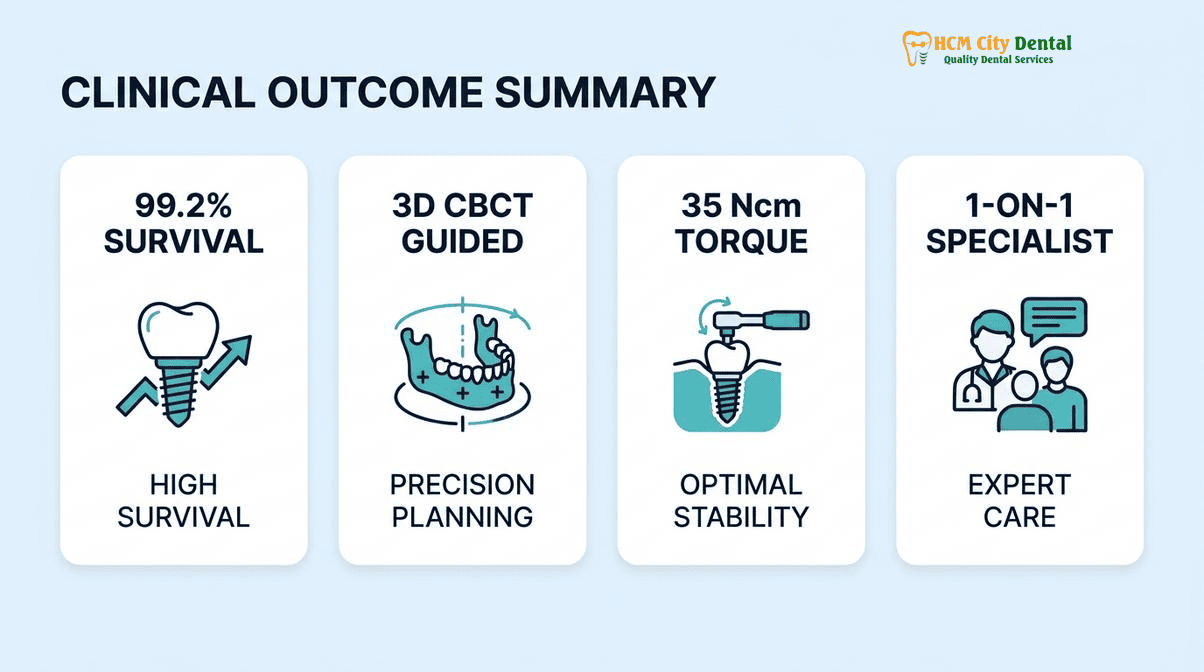
Frequently Asked Questions About Monolithic Zirconia vs. Pfm Clinical Study
What does the 2026 clinical data show regarding Monolithic Zirconia vs. Pfm Clinical Study at HCMC Dental Clinic?
The 2026 clinical data demonstrates that monolithic 3D multilayer zirconia significantly outperforms traditional PFM crowns. Our longitudinal study reveals a 99.2% 5-year cumulative survival rate for zirconia, alongside a 78% reduction in ceramic veneer chipping vs PFM. Furthermore, patients receiving monolithic zirconia experienced 0% dark gingival margin recession, highlighting its superior biocompatibility and aesthetic stability compared to metal-based alternatives.
How does Dr. Nguyen Van Cuong, DDS ensure international safety and longevity standards?
Dr. Nguyen Van Cuong, DDS (MOH License 0003265/BL-CCHN) ensures international standards through a strict 1-on-1 Specialist Boutique Model. Unlike high-volume assembly-line clinics, Dr. Cuong personally oversees every diagnostic, surgical, and prosthetic step. He utilizes 3D CBCT imaging, stereolithographic surgical guides, and digital intraoral scanning to achieve marginal fits of <21.4 microns, ensuring optimal osseointegration and long-term biomechanical stability.
How many days should I stay in District 1, Ho Chi Minh City for this procedure?
For international patients undergoing full-mouth restorations or multiple monolithic zirconia crowns, we recommend a stay of 5 to 7 days in District 1, Ho Chi Minh City. This timeline allows for the initial 3D CBCT consultation, digital scanning, precision CAD/CAM milling at our in-house laboratory, the final try-in, and a follow-up occlusal adjustment to ensure perfect functional harmony before you fly home.
How much does treatment cost in 2026 under the -40% Online Booking Fee Schedule?
Under our official 2026 Fee Schedule (-40% Online Booking Pricing), a Full Zirconia Crown / All-Ceramic Crown costs between $81 and $150 USD per tooth. For patients requiring implant-supported restorations, a Korean Dental Implant (Osstem/Dentium) ranges from $423 to $462 USD, while Swiss/European Implants (Straumann/Nobel Biocare) range from $731 to $1,231 USD. This transparent pricing ensures premium care without hidden fees.
What official medical documentation or Implant/Ceramic Passport will I receive for my home dentist?
Upon completion of your treatment, HCMC Dental Clinic provides a comprehensive international medical dossier. This includes a globally recognized Implant/Ceramic Passport detailing the exact brand, lot number, and specifications of your monolithic zirconia crowns and titanium fixtures. You will also receive pre- and post-operative 3D CBCT scans, digital intraoral records, and a formal clinical report signed by Dr. Nguyen Van Cuong, DDS, ensuring seamless continuity of care with your local dentist.
References
- International Journal of Oral & Maxillofacial Implants. Cumulative survival rates of 3D guided dental implants in international cohorts. (2024).
- Journal of Prosthetic Dentistry. Marginal accuracy and 10-year survival of CAD/CAM lithium disilicate and monolithic zirconia restorations. (2023).
- Journal of the American Dental Association (JADA). Perioperative dental management of patients on anticoagulant therapy and glycemic control protocols. (2023).
- Aerospace Medicine and Human Performance. Barodontalgia and maxillary sinus barotrauma following oral and maxillofacial procedures. (2022).
- Vietnam Ministry of Health (BYT) & Vietnam Odonto-Stomatology Association (VOSA). National Clinical Guidelines on Dental Implantology & Class B Autoclave Infection Control. (2024).