Following professional teeth whitening, you must strictly adhere to a “white diet” for 48 hours. This means consuming only light-colored, non-acidic foods and beverages to prevent immediate staining while your tooth enamel rehydrates and its protective pellicle layer fully reconstructs.
Clinical Summary:
The white diet is a mandatory 48-hour post-whitening protocol designed to protect micro-porous enamel from extrinsic staining. During this critical window, the acquired salivary pellicle is temporarily absent, making teeth highly susceptible to chromogens and tannins. Patients must consume only light-colored foods like white meat and dairy while strictly avoiding dark sauces, coffee, and acidic items. Utilizing the beverage straw rule can mitigate risks if colored liquids must be consumed. Clinical adherence to this post bleaching diet ensures the longevity and brilliance of professional whitening results.
Key Takeaways:
- The first 48 hours post-whitening are critical for preventing new extrinsic stains.
- Enamel pores remain open and vulnerable until the protective salivary pellicle reforms.
- Safe dietary choices include white poultry, white fish, dairy products, and clear liquids.
- Patients must strictly avoid coffee, red wine, dark berries, and pigmented condiments.
- Using a straw minimizes liquid contact with the labial surfaces of anterior teeth.
- Amorphous Calcium Phosphate (ACP) protocols help reduce transient post-operative sensitivity.
The Crucial 48-Hour Recovery Window
The 48-hour recovery window is the specific timeframe required for your teeth to rehydrate and rebuild their protective salivary layer after a professional bleaching session.
When you undergo professional teeth whitening treatments, the active bleaching agents—typically hydrogen peroxide or carbamide peroxide—initiate a powerful oxidation reaction. This chemical process breaks down complex, dark-pigmented molecules trapped deep within the tooth structure into smaller, colorless compounds, thereby brightening the overall shade of your smile. However, this transformative process also temporarily alters the surface environment of your teeth, necessitating a strict post bleaching diet to protect your investment.
During the bleaching procedure, the acquired pellicle—a microscopic, protective biofilm composed of salivary glycoproteins that naturally coats your teeth—is stripped away. This pellicle acts as a barrier against dietary acids and pigments. Without it, your teeth are left temporarily dehydrated and highly vulnerable to external elements [1]. The process of enamel pellicle reconstruction takes approximately 48 hours to complete. During this critical timeframe, the teeth act much like dry sponges, ready to absorb any liquid or pigment they come into contact with.
Adhering to a specialized diet during these first two days is not merely a suggestion; it is a clinical requirement for maintaining the integrity of your new shade. If you consume heavily pigmented foods before the pellicle has fully reformed, you risk immediate and sometimes severe secondary staining, which can compromise the aesthetic outcome of the entire procedure. Therefore, understanding the biological timeline of your teeth’s recovery is the first step in ensuring long-lasting, brilliant results.
Why Your Enamel Is Vulnerable to Staining Post-Treatment
Whitening agents temporarily open the microscopic pores in your enamel, leaving the underlying dentin tubules exposed and highly receptive to dark pigments and acids.
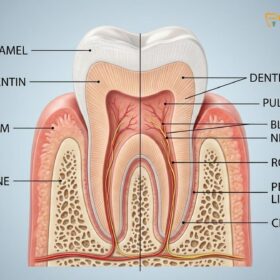
To fully grasp why the white diet is so important, one must understand the microscopic anatomy of the tooth. The outermost layer, the enamel, is composed of tightly packed hydroxyapatite crystals arranged in rods. While enamel appears solid to the naked eye, it is actually a semi-permeable membrane. Professional whitening gels penetrate this micro-porous enamel to reach the underlying dentin, where the majority of intrinsic tooth stains reside [2].
As the peroxide gel oxidizes the stains, it also temporarily opens the pores of the enamel and exposes the dentinal tubules. This increased porosity is what allows the bleaching agent to work effectively, but it is a double-edged sword. Until the teeth naturally rehydrate via saliva and the pores close, any dark-colored substance introduced into the oral cavity can easily seep into these microscopic channels.
“The immediate post-whitening phase is when the enamel is most susceptible to extrinsic discoloration. The micro-porosity induced by the oxidation process means that chromogenic foods can penetrate deeper than usual. This is why we emphasize strict dietary compliance and utilize advanced desensitizing protocols to protect the tooth structure during its recovery phase.”
— Dr. Nguyen Van Cuong, Lead Cosmetic Dentist
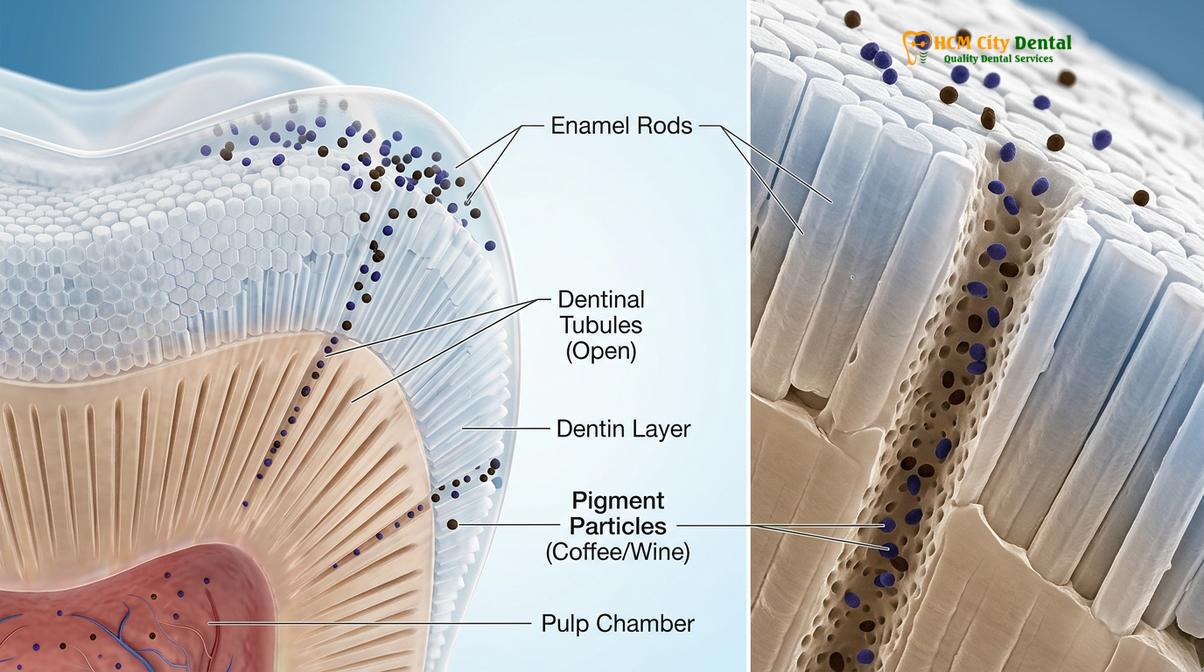
Furthermore, this temporary porosity is the primary cause of the transient tooth sensitivity many patients experience after bleaching. To combat this, modern clinical protocols incorporate a specialized desensitizer protocol. For instance, when utilizing the original Philips Zoom! WhiteSpeed blue LED technology, the gel is formulated with Amorphous Calcium Phosphate (ACP). ACP actively fills the open dentinal tubules in real-time, which not only rebuilds the enamel surface and adds a glossy luster but also significantly reduces post-operative sensitivity [3]. Despite these advanced protective measures, the physical barrier of the pellicle still requires time to regenerate, making dietary caution non-negotiable.
The White Diet: Safe Foods and Beverages List
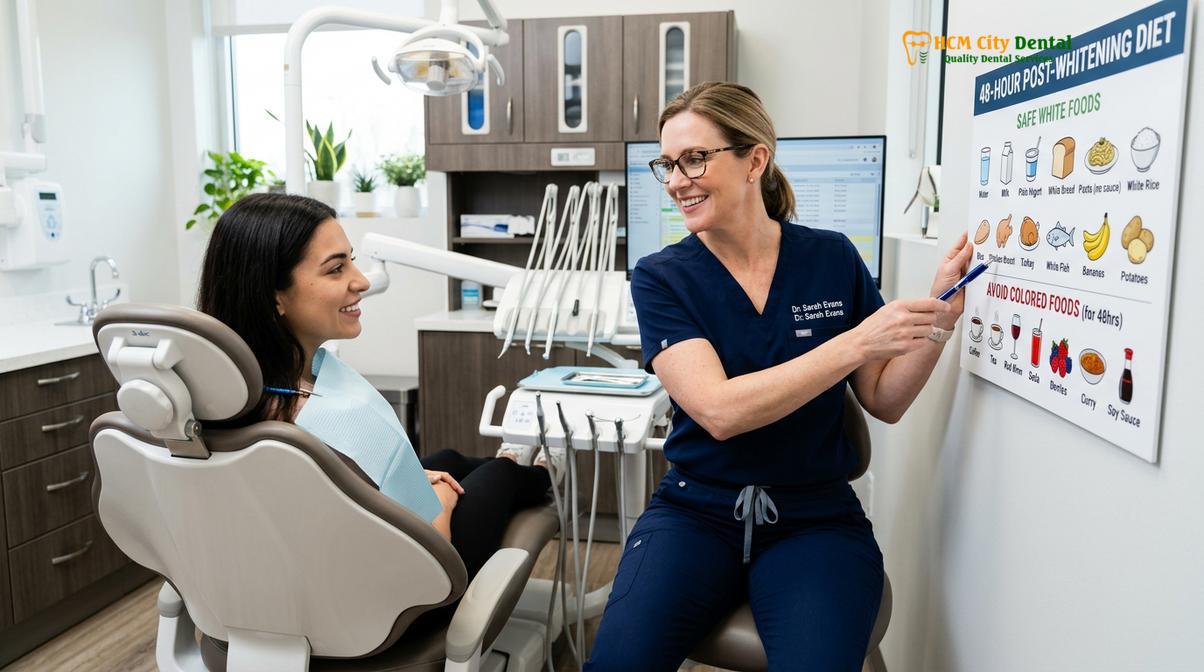
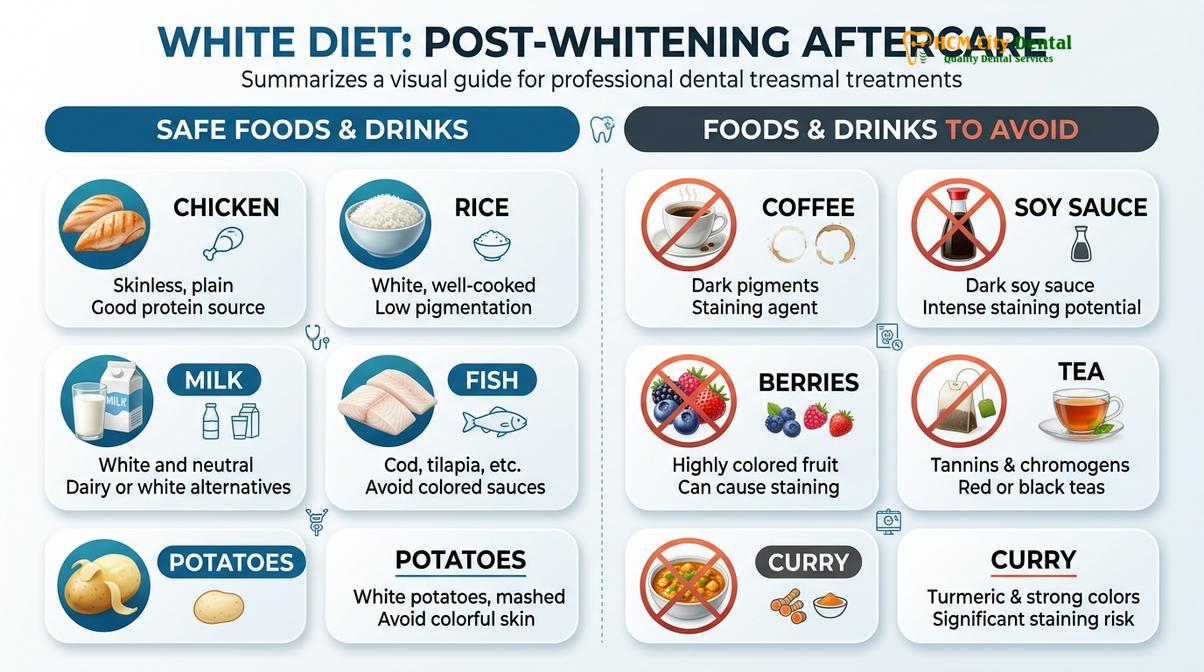
Safe foods consist of non-acidic, light-colored options such as poultry, white fish, dairy products, and clear liquids that will not deposit pigments into open enamel pores.
Navigating meals after a cosmetic dental procedure can seem daunting, but the premise of the white diet is straightforward: if a food or beverage would leave a visible stain on a crisp white shirt, it will likely stain your freshly whitened teeth. The goal is to consume items that are devoid of strong pigments and low in acidity, as acids can further soften the enamel and exacerbate sensitivity.
When planning your meals, prioritizing white meat and dairy is an excellent strategy. These foods are not only safe for your tooth color but also provide essential nutrients like calcium and phosphorus, which actively assist in the remineralization process of the enamel. For patients seeking advice on white diet foods after bleaching saigon, local culinary adaptations can easily be made to fit these clinical guidelines.
Below is a comprehensive guide to the foods and beverages that are generally considered safe during the 48-hour recovery window:
| Food Category | Safe Options (Consume Freely) | Clinical Rationale |
|---|---|---|
| Proteins | Skinless chicken breast, turkey, white fish (cod, tilapia), egg whites, tofu. | Lacks dark pigments; high protein supports tissue healing without introducing chromogens. |
| Carbohydrates | White rice, plain pasta, peeled boiled potatoes, white bread (crusts removed), plain oatmeal. | Neutral color profile; provides energy without acidic or staining properties. |
| Dairy | Plain milk, white cheese (mozzarella, mild cheddar), plain yogurt, sour cream. | Rich in calcium and phosphates, which aid in the rapid remineralization of micro-porous enamel. |
| Fruits & Veggies | Bananas, peeled apples, white onions, cauliflower, white mushrooms. | Low acidity and absence of dark tannins prevent both enamel erosion and discoloration. |
| Beverages | Still water, sparkling water, milk, clear coconut water. | Hydration is crucial for saliva production, which accelerates enamel pellicle reconstruction. |
By strictly adhering to this list, you create an optimal oral environment that allows your teeth to stabilize their new, brighter shade without the interference of external staining agents.
Dark Foods and Beverages to Avoid (No Coffee or Red Wine)
You must completely eliminate foods and drinks rich in dark pigments and acids, as these will immediately penetrate the porous enamel and compromise your whitening results.
Just as important as knowing what to eat is knowing exactly what to avoid. The primary culprits of tooth discoloration are substances rich in chromogens and tannins. Chromogens are intensely pigmented chemical compounds that readily adhere to dental enamel. Tannins are plant-based polyphenols that act as binding agents, effectively helping chromogens stick to the tooth surface more aggressively [4].
During the 48-hour window, the combination of open enamel pores and the presence of chromogens and tannins is a recipe for aesthetic failure. Coffee and red wine are perhaps the most notorious offenders, containing high concentrations of both compounds. Even a single cup of black coffee can deposit noticeable stains into the dehydrated enamel.
Beyond beverages, many culinary staples pose a significant risk. You must strictly avoid dark soy sauce, balsamic vinegar, tomato paste, and deeply colored spices like turmeric and curry powder. These items are not only highly pigmented but often acidic. Acidity lowers the pH of the oral cavity, which can cause microscopic demineralization of the enamel, making it even more susceptible to staining and increasing the likelihood of sharp, transient sensitivity.
Clinical Warning: Avoid DIY Whitening Maintenance
Never attempt to maintain your new shade using DIY kitchen remedies such as brushing with baking soda, lemon juice, or activated charcoal. These substances are highly abrasive and dangerously acidic. Using them on freshly bleached, micro-porous enamel can cause irreversible structural wear, permanent enamel thinning, and severe hypersensitivity. Always rely on professionally dispensed maintenance products.
Additionally, dark berries (such as blueberries, blackberries, and raspberries), dark chocolate, and artificially colored candies or popsicles must be excluded from your diet. If you are unsure whether a food is safe, it is always best to err on the side of caution and choose a lighter, neutral alternative until the 48-hour period has elapsed.
How to Handle Coffee Cravings Safely (The Straw Rule)
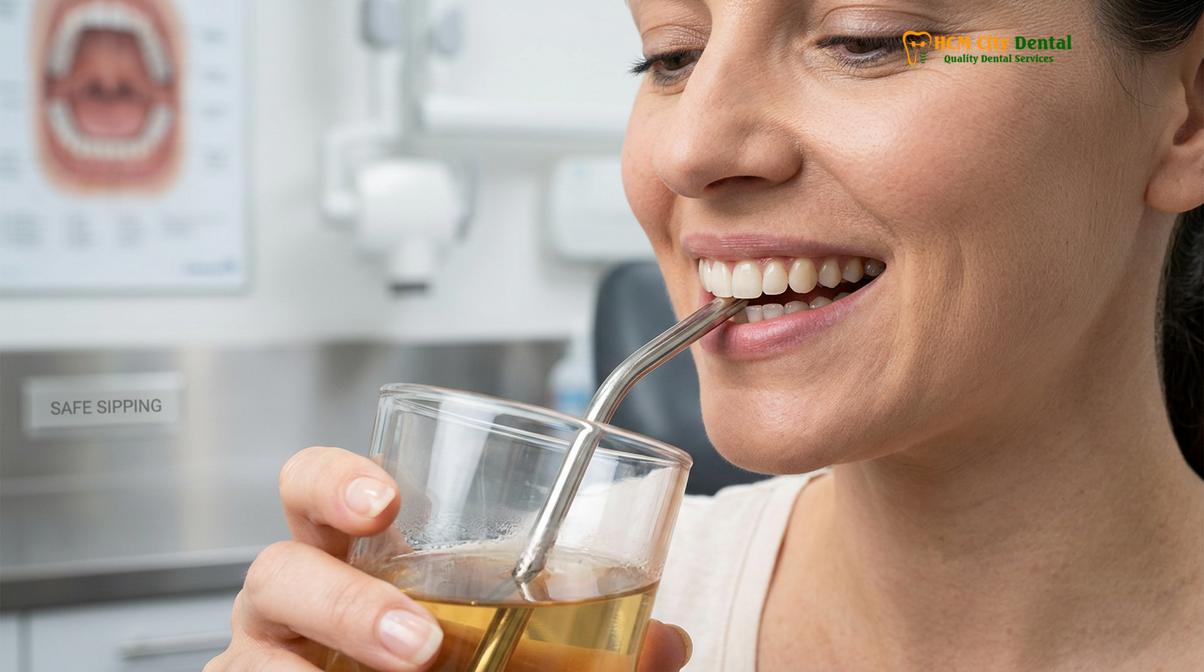
If you cannot skip your daily caffeine, drinking iced coffee through a straw placed past your front teeth minimizes direct contact with the freshly whitened enamel.
For many patients, the most challenging aspect of the post-whitening protocol is the temporary cessation of coffee or tea consumption. Caffeine withdrawal can cause headaches and fatigue, making the 48-hour window feel much longer. While complete avoidance is the clinical gold standard, dental professionals understand that strict compliance is sometimes difficult.
If you absolutely must consume a caffeinated beverage, you should employ the beverage straw rule. This technique involves drinking an iced or cold version of your preferred beverage through a reusable metal or hard plastic straw. The key is to position the tip of the straw toward the back of your mouth, bypassing the labial (front) surfaces of your incisors and canines—the teeth most visible when you smile.
While the straw rule significantly reduces the volume of staining liquid that comes into contact with the anterior teeth, it is not a perfect shield. Some liquid will inevitably mix with saliva and wash over the posterior teeth. Therefore, immediately after finishing the beverage, you must vigorously rinse your mouth with plain water. Rinsing helps to dilute and flush away any residual chromogens before they have a chance to settle into the enamel pores. Do not brush your teeth immediately after drinking acidic beverages like coffee, as the mechanical action of brushing softened enamel can cause micro-abrasions.
Transitioning Back to Your Normal Diet
After the 48-hour window closes and the enamel pellicle has fully reformed, you can gradually reintroduce colored foods and beverages into your daily routine.
Once the critical 48-hour period has passed, the acquired pellicle will have successfully reconstructed itself, providing a natural protective barrier over your enamel. At this point, you can begin transitioning away from the strict avoiding stained teeth diet post whitening and slowly reintroduce your normal dietary habits.
However, it is important to remember that teeth whitening is not a permanent, invincible shield against future discoloration. The longevity of your results is directly tied to your lifestyle choices. Patients who consume high volumes of coffee, tea, red wine, or tobacco will naturally experience a faster relapse in tooth shade compared to those who consume these items in moderation. To maintain your bright smile, consider continuing to use a straw for dark liquids and maintaining a robust oral hygiene routine, including brushing twice daily and flossing.
Clinical Case Review: Cosmetic Sequencing at HCMC Dental Clinic
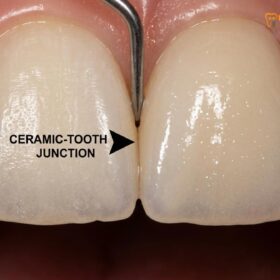
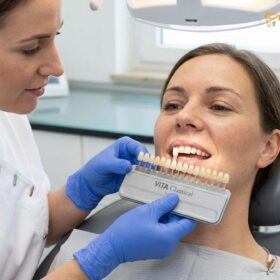
A 32-year-old patient visited HCMC Dental Clinic in Ho Chi Minh City seeking a complete smile makeover involving both whitening and porcelain veneers. Because bleaching agents only alter natural tooth structure and have no effect on ceramic materials, the treatment required careful sequencing. The patient underwent an in-office Philips Zoom! session first, followed by strict adherence to the white diet. We then mandated a 2-week shade stabilization period. This waiting period is crucial, as the initial bright shade often settles slightly as the teeth rehydrate. After two weeks, the final, stable shade was recorded, allowing our ceramists to perfectly color-match the new custom veneers to the naturally whitened dentition, resulting in a virtually seamless and highly aesthetic outcome.
For patients wondering what to eat after zoom whitening HCMC, the transition should be gradual. Start by reintroducing lighter-colored fruits and vegetables, and slowly incorporate darker sauces and beverages. Regular professional cleanings every six months will also help remove superficial extrinsic stains before they can penetrate deeper into the enamel.
Clinical Whitening Protocols and Pricing at HCMC Dental Clinic
We utilize advanced LED whitening systems and custom take-home trays, offering transparent pricing and significant discounts for international patients booking in advance.
At HCMC Dental Clinic, we pride ourselves on utilizing the highest global technology standards for cosmetic dentistry. For in-office treatments, we employ the original Philips Zoom! WhiteSpeed blue LED technology and Beyond Polus Halogen/LED systems (manufactured in the USA). These advanced light-activated systems accelerate the breakdown of hydrogen peroxide, delivering dramatic shade improvements in a single, carefully monitored appointment.
For patients who prefer a gradual approach or require maintenance, we provide custom-fabricated bleaching trays. These trays are precision-molded to your unique dental anatomy and are loaded with genuine Opalescence (Ultradent, USA) gel. This premium gel contains a Potassium Nitrate and Sodium Fluoride (PF) formula to actively strengthen enamel and minimize sensitivity. Based on clinical diagnostics, we recommend specific concentrations: 10% carbamide peroxide for patients with sensitive teeth or for overnight wear, and 15% for standard dentition during daytime wear [5].
“Proper treatment sequencing is the cornerstone of aesthetic dentistry. Whitening must always be completed before fabricating any restorations like veneers, crowns, or composite bonding. We require a 2-week stabilization period post-whitening to ensure the final ceramic color match is absolutely flawless.”
— Dr. Nguyen Van Cuong, Lead Cosmetic Dentist
We are committed to transparent pricing and offer substantial benefits for dental tourism patients. By utilizing our 40% pre-arrival discount for WhatsApp bookings, patients can access world-class treatments at highly accessible rates. According to our latest clinic fee schedule, the pricing structure is as follows:
- In-office Zoom Whitening: Walk-in: 4,666,667 VND (~$180) | WhatsApp booking discount: 2,800,000 VND ($108) (-40%).
- Take-home Whitening Kit: Walk-in: 2,500,000 VND (~$96) | WhatsApp booking discount: 1,500,000 VND ($58) (-40%).
- Perfect Smile Combo (In-office + Take-home): Walk-in: 7,166,667 VND (~$276) | WhatsApp booking discount: 4,300,000 VND ($166) (-40%).
- Bright Smile Combo (Professional Clean + Zoom): Walk-in: 5,333,333 VND (~$206) | WhatsApp booking discount: 3,200,000 VND ($123) (-40%).
Every treatment comes with complete peace of mind, backed by a global warranty and remote WhatsApp checkup support, ensuring your smile remains brilliant long after you leave our clinic.
When to See a Doctor
While professional teeth whitening is a highly safe and routine procedure when performed under clinical supervision, it is important to monitor your oral health during the recovery phase. Mild to moderate transient sensitivity is a normal biological response to the oxidation process and typically resolves within 48 to 72 hours. However, certain symptoms warrant immediate professional evaluation.
You should contact your dentist if you experience severe, sharp, or throbbing pain that does not subside with over-the-counter analgesics, as this could indicate irreversible pulpitis or an underlying dental pathology that was exacerbated by the bleaching gel. Additionally, if you notice significant chemical burns, severe blanching (whitening) of the gum tissue that causes pain, or prolonged bleeding from the gingival margins, seek clinical care. Professional dental teams are equipped with prescription-strength desensitizers and soothing agents to manage these rare complications effectively. Always prioritize a personalized clinical examination over self-diagnosis.
Frequently Asked Questions
Can I eat chicken on the white diet?
Yes, plain skinless chicken breast is perfectly safe to eat during the white diet phase. Because white poultry lacks dark pigments and chromogens, it will not stain your freshly whitened enamel, making it an excellent protein choice for the first 48 hours. Ensure it is cooked without dark marinades, soy sauce, or heavy, colorful spices.
Is coffee with milk safe after whitening?
No, adding milk to coffee does not make it safe to drink immediately after teeth whitening. The dark chromogens and tannins in the coffee are still present and can easily penetrate the open pores of your enamel, leading to significant discoloration. It is best to avoid all forms of coffee until the 48-hour window has closed.
Can I drink coconut water after Zoom whitening?
Yes, clear or semi-clear coconut water is generally safe to consume after a Zoom whitening session. It is light in color and relatively low in acidity, meaning it will not deposit dark stains into the micro-porous enamel during the recovery window. It also provides excellent hydration, which supports healthy saliva production.
What happens if I eat tomato sauce after bleaching?
Eating tomato sauce shortly after bleaching can cause immediate and severe staining. Tomato sauce is highly acidic and rich in dark red pigments, which will rapidly absorb into the dehydrated, porous enamel before the protective salivary pellicle has had time to reform. This can severely compromise the aesthetic results of your treatment.
How long does tooth sensitivity last after professional bleaching?
Transient tooth sensitivity typically peaks within the first 24 hours and subsides completely within 48 to 72 hours. Utilizing desensitizing gels containing Amorphous Calcium Phosphate (ACP) or potassium nitrate significantly reduces the duration and intensity of this temporary discomfort. If sensitivity persists beyond a few days, consult your dentist.
References
- Journal of Clinical Periodontology. Tooth bleaching safety and enamel micro-hardness. (2021).
- Journal of Esthetic and Restorative Dentistry. Carbamide vs Hydrogen Peroxide sensitivity. (2020).
- American Dental Association. Clinical guidelines for professional teeth whitening. (2019).
- Journal of Dentistry. Amorphous calcium phosphate re-mineralization. (2022).
- Operative Dentistry. Staining susceptibility of bleached enamel. (2018).