Tooth Decay and Bad Breath: 7 Simple Solutions for Fresh Breath | Dr. Cuong

Struggling with tooth decay and bad breath? Dr. Cuong explains the direct link, the risks, and how to permanently solve the problem. Find out why. As a...
Struggling with tooth decay and bad breath? Dr. Cuong explains the direct link, the risks, and how to permanently solve the problem. Find out why.
As a dental specialist, one of the most common concerns my patients bring to me is the embarrassing and persistent problem of bad breath, medically known as halitosis. Often, they are frustrated, having tried countless mints, gums, and rinses with no lasting relief. A frequent question I get is, “Dr. Cuong, could a cavity be the reason my breath smells bad?” The answer is a definitive yes. The relationship between tooth decay and bad breath is direct and significant. If you’re worried about this issue, you’ve come to the right place. This comprehensive guide, based on years of clinical experience and scientific evidence, will explain exactly how tooth decay causes bad breath, the potential dangers if left untreated, and most importantly, the effective solutions to restore your oral health and confidence.
The Unmistakable Link: How Tooth Decay Causes Bad Breath
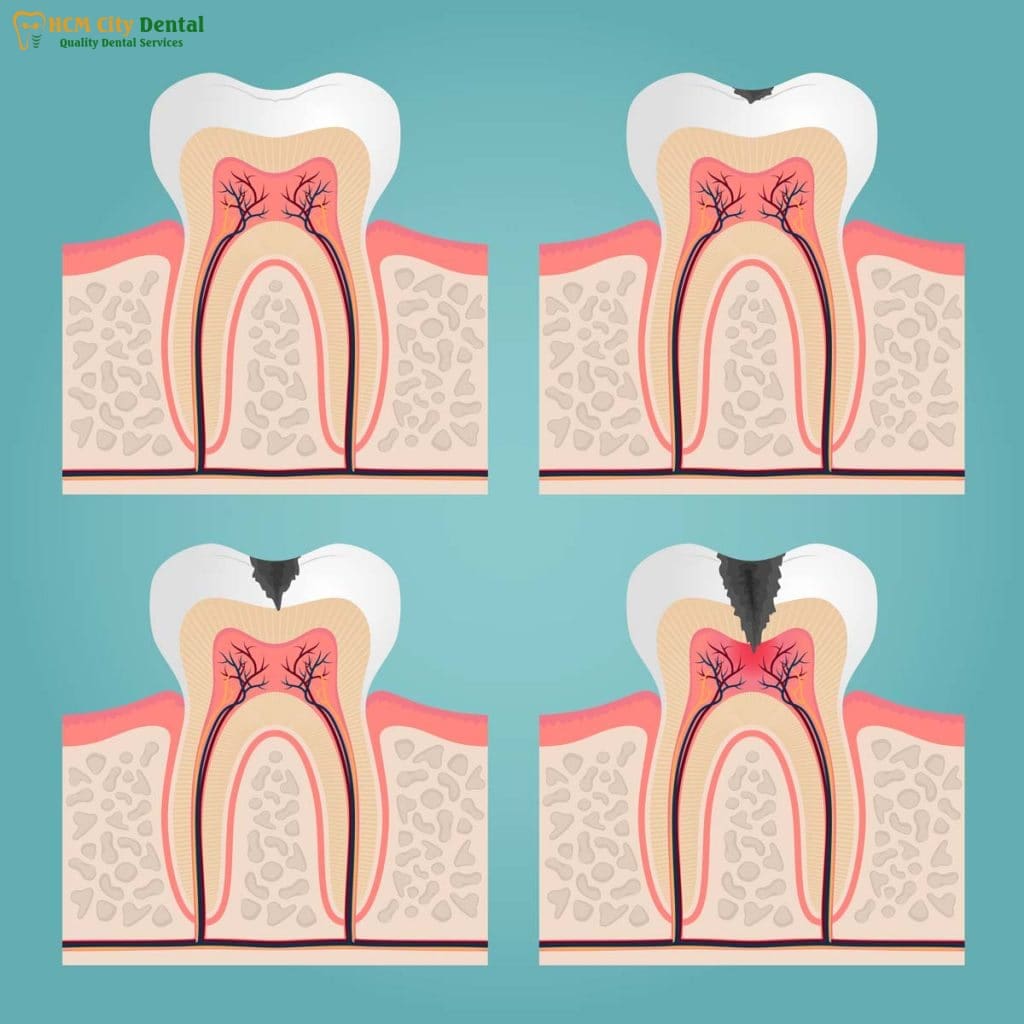
To understand the connection, we first need to understand what tooth decay (also called dental caries) is. Physiologically speaking, your mouth is home to millions of bacteria. When you consume sugary or starchy foods, certain harmful bacteria feed on these carbohydrates and produce acids. These acids attack and demineralize your tooth enamel, the hard, protective outer layer of your teeth. Over time, this acid erosion creates a small hole, or cavity. This cavity is the perfect breeding ground for more bacteria.
Here’s the step-by-step process of how tooth decay cause bad breath:
- Bacterial Havens: A cavity is essentially a breach in your tooth’s defenses. It creates a sheltered pocket where bacteria can multiply undisturbed by brushing.
- Food Entrapment: The hole created by decay traps tiny food particles. These particles, which are impossible to remove with a toothbrush, begin to decompose.
- Volatile Sulfur Compounds (VSCs): As the trapped bacteria feast on these food remnants and proteins in your saliva, they release foul-smelling gases. These are known as Volatile Sulfur Compounds (VSCs), such as hydrogen sulfide, which has a distinct “rotten egg” smell. It is this release of VSCs that is the primary source of bad breath originating from tooth decay.
In my experience treating thousands of patients, the moment we treat an existing cavity, the associated bad breath issue often resolves dramatically. A single untreated cavity can absolutely be the source of chronic halitosis, even if a patient is otherwise diligent with their oral hygiene. It creates an environment that brushing and flossing simply cannot fix.
tooth decay and bad breath
The Root Causes: Why Do Tooth Decay and Bad Breath Occur?
Understanding the underlying causes is the first step toward effective prevention. While the mechanism involves bacteria, several factors create the ideal conditions for both tooth decay and the resulting bad breath to develop.
The Role of Bacteria and Plaque
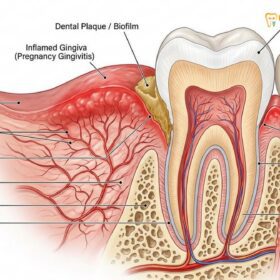
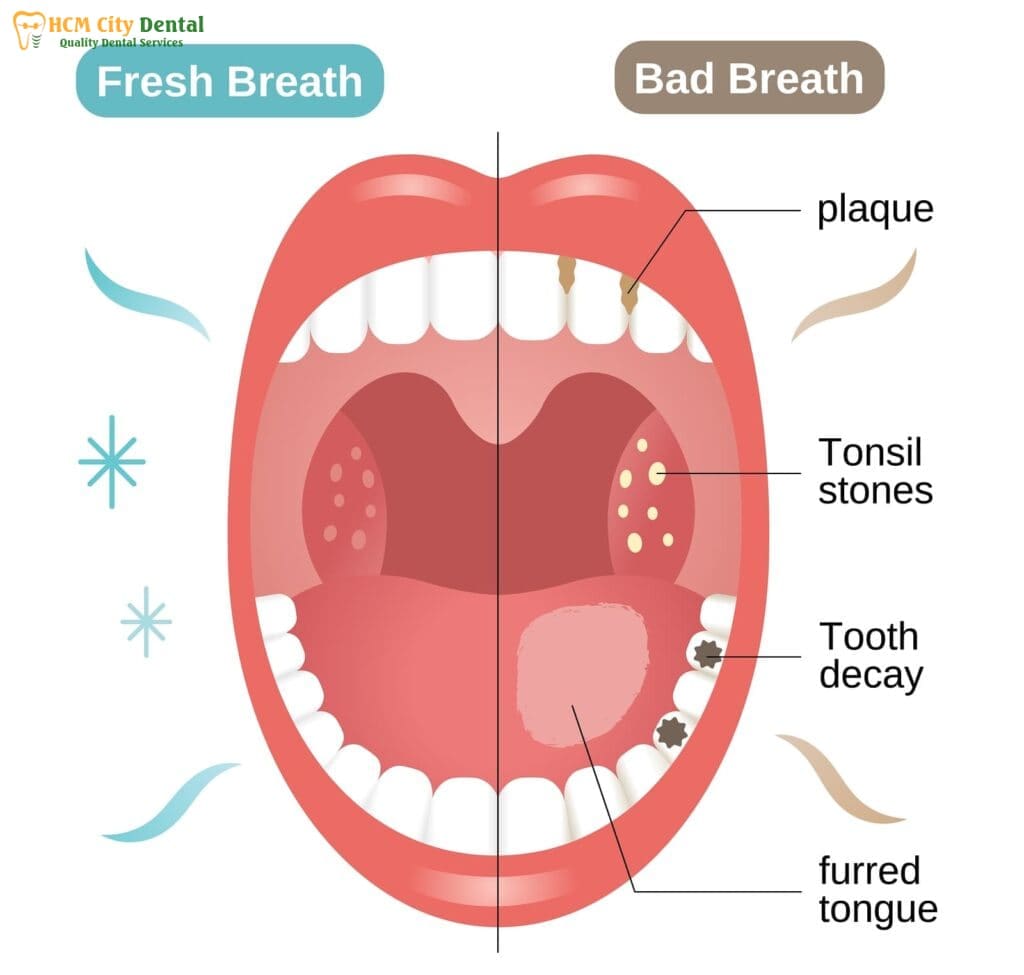
Plaque is a sticky, colorless film of bacteria that constantly forms on your teeth. If not removed daily through proper brushing and flossing, this plaque hardens into tartar, which can only be removed with a professional cleaning. The bacteria within plaque are the primary culprits behind the acid that causes decay.
Dietary Habits: The Fuel for Decay
A diet high in sugar and starches provides the perfect fuel for acid-producing bacteria. Frequent snacking or sipping on sugary drinks throughout the day continually exposes your teeth to this acid attack, accelerating the decay process. Acidic foods and beverages, like citrus fruits and sodas, can also directly erode tooth enamel, making teeth more susceptible to cavities.
Poor Oral Hygiene: The Most Common Culprit
This is the most straightforward cause. Ineffective or inconsistent brushing and flossing allow plaque to accumulate, leading to both tooth decay and gum inflammation, another significant cause of bad breath. Over many years of practice, I’ve observed that patients who neglect daily flossing are particularly at risk, as food and plaque become trapped between teeth where a brush cannot reach.
Dry Mouth (Xerostomia): A Hidden Accelerant
Saliva is your mouth’s natural defense system. It washes away food particles, neutralizes acids produced by bacteria, and contains disease-fighting substances. When saliva flow is reduced—a condition known as dry mouth or xerostomia—the risk for tooth decay and bad breath skyrockets. Dry mouth can be caused by certain medications, medical conditions, or even just breathing through your mouth frequently.

tooth decay and bad breath
Is It Dangerous? Recognizing the Warning Signs of Tooth Decay and Bad Breath
While bad breath is a social concern, the underlying tooth decay is a progressive disease that can lead to serious complications if ignored. It’s crucial to recognize the signs beyond just halitosis.
Early to Moderate Stage Symptoms
In the initial stages, you might not feel any pain. However, as decay progresses, you may notice:
- Persistent Bad Breath or a Bad Taste: A key indicator that bacteria are actively breaking down tissue or trapped food.
- Tooth Sensitivity: A sharp, sudden pain when consuming something sweet, hot, or cold.
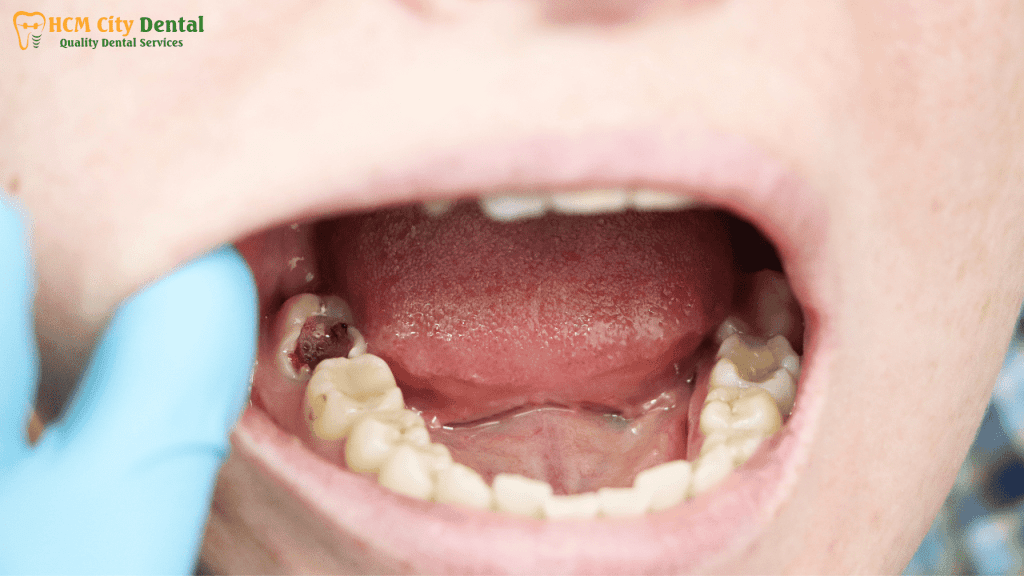
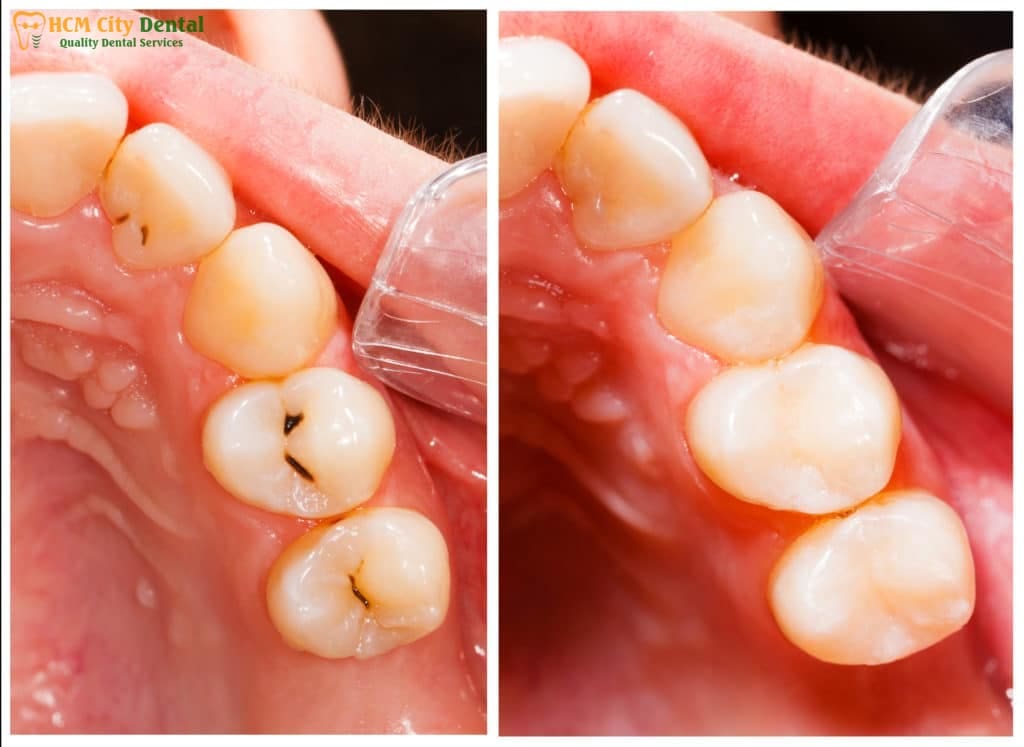
- Visible Holes or Pits: You might be able to see a small hole in your tooth.
- Staining: White, brown, or black spots appearing on the surface of a tooth can be an early sign of demineralization and decay.
Advanced Stage Dangers: When to See a Dentist Immediately
Ignoring the early signs allows the decay to penetrate deeper into the tooth, potentially reaching the inner pulp, which contains nerves and blood vessels. This can lead to severe consequences:
- Severe Toothache: A constant, throbbing pain that can disrupt sleep and daily activities.
- Infection and Abscess: The bacteria can cause a severe infection, leading to a pocket of pus (an abscess) at the root of the tooth. This is a serious condition that can cause fever, facial swelling, and intense pain.
- Tooth Loss: If the tooth is too damaged to be saved, extraction may be the only option.
- Spread of Infection: In rare but life-threatening cases, an untreated dental abscess can spread to other parts of the body, including the jaw, sinuses, and even the brain.
A common mistake I see patients make is waiting for pain to become unbearable before seeking help. Please understand, persistent tooth decay bad breath is already a significant warning sign. Pain is a late-stage indicator. At our clinic, a common scenario is treating a patient for a severe abscess that started as a small, painless cavity months earlier. Early intervention is always safer, simpler, and more effective.
tooth decay and bad breath
Your Action Plan: Effective Solutions for Tooth Decay and Bad Breath
The only way to truly eliminate bad breath caused by a cavity is to have the decay professionally treated. At-home care can help manage symptoms, but it cannot repair the physical damage to the tooth.
Ready to find the right solution for you? Get a 10% discount on your first appointment! Book online today at HCMCDental.com.
Professional Dental Treatments: The Definitive Solution
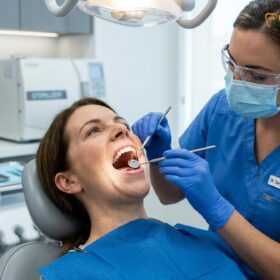
Based on the extent of the decay, I will recommend the most appropriate treatment. The American Dental Association provides clear guidelines for managing dental caries, ensuring the chosen approach is effective and evidence-based. My goal is always to preserve as much of the natural tooth as possible.
- Dental Fillings: This is the most common treatment for cavities. I will remove the decayed portion of the tooth and then “fill” the area with a durable material like composite resin or amalgam. This restores the tooth’s shape and eliminates the hiding spot for bacteria.
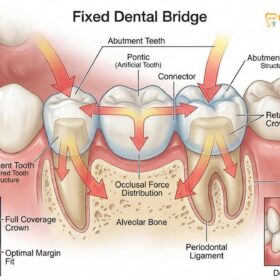
- Dental Crowns: For larger cavities where there is significant tooth structure loss, a crown (or cap) is used. After removing the decay, a custom-made crown is placed over the entire tooth to protect it and restore its function.
- Root Canal Therapy: If the decay has reached the tooth’s pulp, a root canal is necessary to save the tooth. This procedure involves removing the infected pulp, cleaning and disinfecting the inside of the tooth, and then filling and sealing it.
- Tooth Extraction: This is a last resort, used only when the tooth is too damaged to be saved by other means.
At-Home Care to Support Treatment and Manage Symptoms
While you await your dental appointment, or to prevent future issues, a rigorous oral hygiene routine is essential. This supports professional treatment but does not replace it.
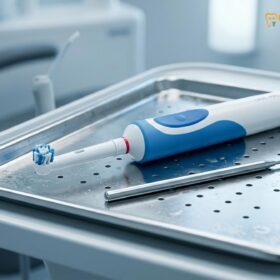
- Proper Brushing: Brush for two minutes, twice a day, with a fluoride toothpaste. Fluoride helps to remineralize enamel and make teeth more resistant to acid attacks.
- Daily Flossing: This is non-negotiable. Flossing removes plaque and food particles from between teeth and under the gumline, areas your brush can’t reach.
- Tongue Scraping: Bacteria also accumulate on the tongue, contributing to bad breath. Using a tongue scraper or the back of your toothbrush to clean your tongue daily can make a noticeable difference.
- Therapeutic Mouthwash: Your dentist may recommend an antimicrobial mouthwash to help reduce the bacterial load in your mouth.
- Stay Hydrated: Drink plenty of water throughout the day to combat dry mouth and help wash away bacteria and food debris.
Still have questions about which treatment is right for you? Call our Hotline/WhatsApp now at +84853020003 for a direct, completely free consultation with Dr. Cuong!
Comparing Professional vs. At-Home Solutions
To clarify the roles of each approach, here is a summary table:
| Approach | Purpose | Effectiveness for Decay | Effectiveness for Bad Breath | Expert Recommendation |
|---|---|---|---|---|
| Professional Treatment (e.g., Filling, Crown) | To physically remove decay and restore the tooth’s structure. | Curative. The only way to stop and repair decay. | Highly Effective. Removes the source of bacteria and trapped food. | Essential and non-negotiable for treating existing cavities. |
| At-Home Care (Brushing, Flossing, etc.) | To remove daily plaque, prevent new decay, and manage surface bacteria. | Preventive. Cannot fix existing cavities. | Supportive. Helps manage overall oral odor but won’t fix breath from a cavity. | Crucial for daily maintenance and prevention of future problems. |
tooth decay and bad breath
Long-Term Prevention: A Dentist’s Advice for a Healthy, Fresh Mouth
Once we have treated the existing problem, the focus shifts to prevention. Experience has shown that patients who adopt a proactive mindset are the most successful in maintaining their oral health long-term.
Based on clinical observations over many years, the patients who remain cavity-free are those who are consistent. They don’t just brush and floss; they do it correctly every single day. They don’t just visit the dentist when there’s pain; they come for regular check-ups. This consistency is the true secret to preventing tooth decay and bad breath.
The Pillars of a Cavity-Free Lifestyle
Preventing tooth decay is a partnership between you and your dental team. Following these guidelines is your best defense.
- Master Your Oral Hygiene: Ensure you are using the correct techniques for brushing and flossing. Ask for a demonstration at your next visit.
- Smart Dietary Choices: Limit sugary and acidic foods and drinks. If you do indulge, do so with a meal rather than snacking throughout the day to minimize acid exposure.
- Regular Dental Check-ups & Cleanings: A professional cleaning is the only way to remove hardened tartar. Regular check-ups (typically every six months) allow us to detect and treat problems like decay in their earliest stages, long before they cause pain or other symptoms.
- Consider Dental Sealants: For molars, which have deep grooves, dental sealants can be a highly effective preventive measure. They are a thin, protective coating applied to the chewing surfaces to “seal out” food and plaque.
tooth decay and bad breath
Frequently Asked Questions (FAQ)
Can bad breath from tooth decay go away on its own?
No. The physical hole in the tooth that traps bacteria and food will not heal itself. The bad breath will persist and likely worsen until the cavity is professionally treated by a dentist.
How quickly can a dentist fix the bad breath caused by tooth decay?
In many cases, the bad breath improves almost immediately after the dental procedure (like a filling). Once the decayed material and bacteria are removed and the tooth is sealed, the source of the odor is gone.
Does a filling stop the bad breath from tooth decay immediately?
Yes, treating the cavity with a filling removes the breeding ground for odor-causing bacteria. This directly addresses the root cause of the specific bad breath associated with that tooth, leading to a very rapid improvement.
What if I have tooth decay bad breath but no pain?
This is very common. Tooth decay often does not cause pain in its early to moderate stages. The bad breath itself is a clear warning sign that you have a cavity that needs attention. Do not wait for pain to develop, as that indicates the problem has become more severe.
Can children also get bad breath from tooth decay?
Absolutely. Children are susceptible to tooth decay, sometimes referred to as early childhood caries. The mechanism is the same, and an untreated cavity in a baby tooth or permanent tooth can cause persistent bad breath.
Why does my breath still smell bad after brushing if I have a cavity?
A toothbrush and floss cannot reach the bacteria deep inside a cavity. While brushing cleans the surfaces of your teeth, the bacteria within the decayed pocket continue to thrive and produce smelly compounds, which is why the bad breath persists.
Is there a specific toothpaste for tooth decay and bad breath?
Using a fluoride toothpaste is crucial for preventing decay. Some toothpastes also contain antibacterial agents like stannous fluoride or zinc that can help reduce bad breath. However, no toothpaste can cure an existing cavity. It is a tool for prevention and management, not a treatment for decay.
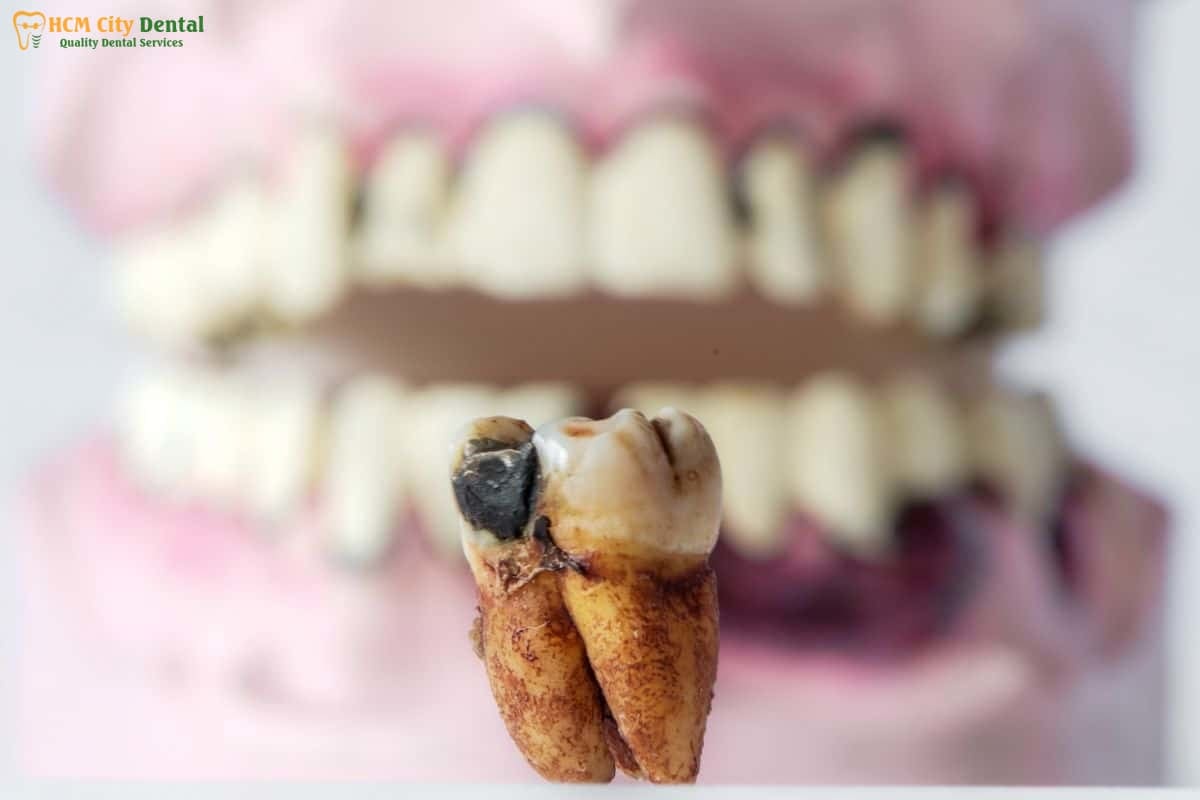
tooth decay and bad breath
Your Health and Confidence Restored
The link between tooth decay and bad breath is undeniable. It’s a clear signal from your body that something is wrong and needs professional attention. Ignoring this connection not only affects your confidence but also puts your overall health at risk. By understanding the causes, recognizing the signs, and seeking timely professional treatment, you can eliminate the problem at its source.
Don’t let this issue control your life any longer. Take the first step towards a healthier, fresher mouth today.
Ready to say goodbye to bad breath and tooth decay for good? Book your appointment online at HCMCDental.com and receive a 10% discount on your initial consultation, or call our Hotline/WhatsApp at +84853020003 for a free, no-obligation chat with our expert team.
This article was medically reviewed and written by Dr. Cuong.
Important Disclaimer
The information provided in this article is for educational and informational purposes only and is not intended as a substitute for professional medical advice, diagnosis, or treatment. Always seek the advice of your dentist or another qualified health provider with any questions you may have regarding a medical condition. Never disregard professional medical advice or delay in seeking it because of something you have read in this article.
Written and Medically Reviewed By
Dr. Cuong, Specialist in Odontostomatology
Dr. Cuong is a leading specialist in the field of Odontostomatology with extensive experience in diagnosing and treating a wide range of dental conditions. With a passion for patient education and preventive care, Dr. Cuong has dedicated his career to providing the highest standard of dental services at HCMCDental.com. His clinical practice focuses on restorative and cosmetic dentistry, helping thousands of patients restore their smiles and improve their oral health. He is committed to using the latest evidence-based practices to ensure optimal outcomes for every patient.