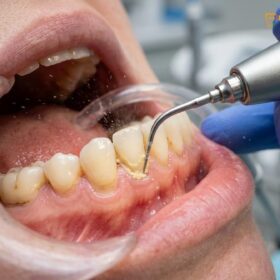
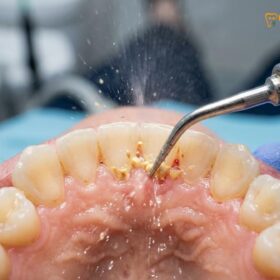
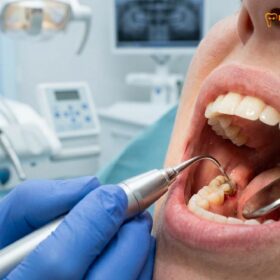
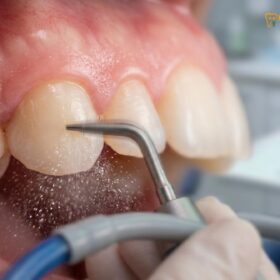
Navigating dental insurance direct billing cleanings in Vietnam is seamless when utilizing clinics with established international networks. Comprehensive coverage typically includes routine ultrasonic scaling, exams, and advanced biofilm removal, ensuring optimal periodontal health without out-of-pocket expenses for eligible expat policies.
Clinical Summary:
Professional dental prophylaxis is a cornerstone of preventive oral healthcare, heavily subsidized by international insurance networks to mitigate severe periodontal complications. In Vietnam, top-tier dental facilities integrate advanced clinical protocols—such as the Dual Scaler Advantage and Swiss Guided Biofilm Therapy (GBT)—with streamlined administrative processes. By leveraging direct billing networks with providers like Allianz, Cigna, and Bupa, patients can receive premium subgingival debridement and enamel remineralization therapies with minimal financial friction. Understanding the specific diagnostic codes, required documentation (including the mandatory red VAT invoice), and the clinical distinction between routine polishing and deep scaling is essential for maximizing policy benefits and maintaining long-term gingival health.
Key Takeaways:
- Most international expat insurance plans cover 100% of routine preventive cleanings and exams twice per policy year.
- Direct billing networks eliminate upfront costs by securing a Guarantee of Payment (GOP) directly from the insurer.
- Advanced clinical protocols like Guided Biofilm Therapy (GBT) utilize 25μm erythritol powder for painless, non-abrasive plaque removal.
- A legally compliant electronic red VAT invoice is strictly required by international insurers for reimbursement of non-direct billing claims.
- Clinical diagnostics, including periodontal pocket depth measurements, dictate whether a standard cleaning or deep Scaling and Root Planing (SRP) is medically necessary.
Does Insurance Cover Cleanings?
Most international dental insurance plans cover 100% of routine preventive cleanings, including ultrasonic scaling and polishing, typically twice a year to prevent plaque-induced gingivitis.
The foundation of any comprehensive dental insurance policy is preventive care. Insurers universally recognize that funding routine prophylaxis significantly reduces the long-term costs associated with advanced restorative treatments, such as root canals, extractions, and dental implants. Therefore, standard dental cleanings are almost always classified under preventive benefits, which usually carry no deductible and are covered at 100% up to the annual limit.
To understand why insurance companies prioritize this, one must understand the clinical pathogenesis of periodontal disease. The oral cavity is a complex microbiome. Throughout the day, a sticky, colorless film of bacteria known as plaque continuously forms on the teeth. These bacteria, primarily Streptococcus mutans and various anaerobic strains, feed on fermentable carbohydrates from the diet, producing acidic byproducts that demineralize enamel and irritate the gingival tissues. If plaque is not meticulously removed through proper daily brushing techniques and flossing, it begins to mineralize within 48 to 72 hours. Calcium and phosphate ions from saliva precipitate into the biofilm matrix, hardening it into calculus, commonly known as tartar.
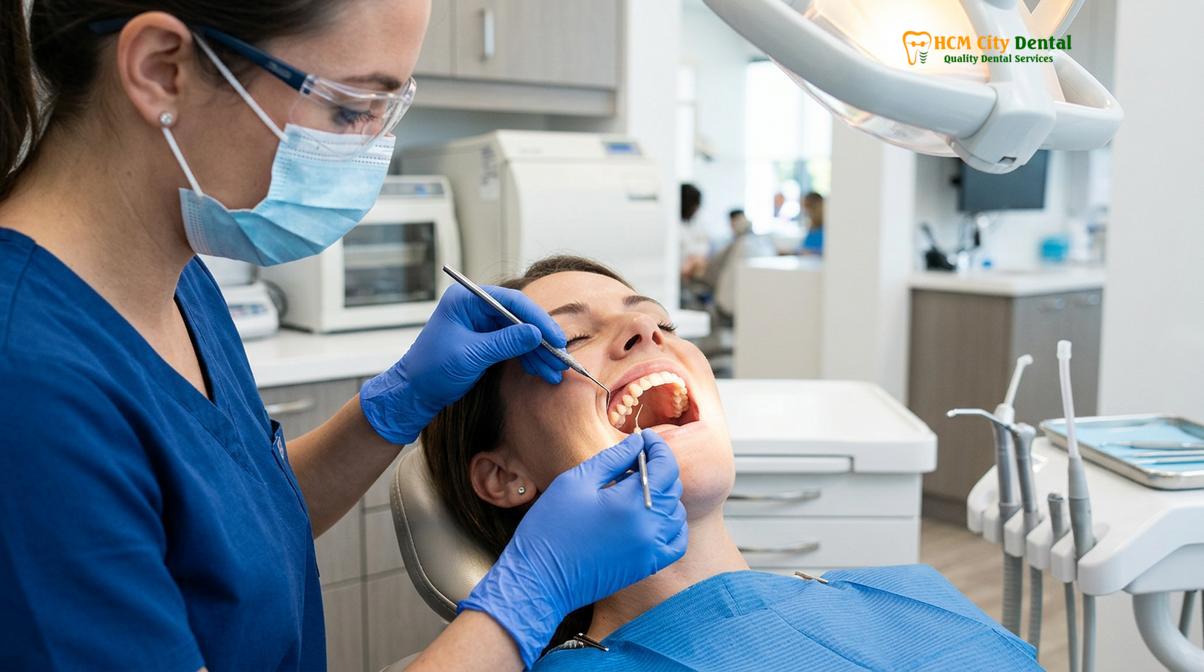
Once calculus forms, it cannot be removed by at-home oral hygiene methods. It provides a highly porous, rough surface that attracts even more plaque, driving the bacterial biofilm deeper into the gingival sulcus. This triggers a localized immune response, leading to plaque-induced gingivitis—characterized by bleeding gums, erythema (redness), and edema (swelling). Furthermore, the anaerobic bacteria thriving in these deepening periodontal pockets produce volatile sulfur compounds, which are the primary clinical causes of persistent bad breath (halitosis). Regular professional intervention is required to disrupt this cycle. [1]
Insurance coverage typically distinguishes between different levels of clinical cleaning based on the patient’s periodontal health:
- Prophylaxis (Standard Cleaning): Billed under specific preventive codes (e.g., CDT code D1110), this involves the removal of supragingival (above the gumline) plaque, calculus, and stains from the coronal surfaces of the teeth. It is intended for patients with generally healthy periodontium.
- Periodontal Maintenance: For patients with a history of periodontal disease, insurers may cover maintenance cleanings (D4910) every three to four months to prevent the recurrence of deep pocketing.
- Scaling and Root Planing (SRP): If active periodontitis is diagnosed—indicated by periodontal pocket depths exceeding 4mm and radiographic evidence of bone loss—a deep cleaning is required. This therapeutic procedure (D4341/D4342) removes subgingival calculus and smooths the root surfaces. SRP is usually covered under basic or major restorative benefits, which may require a co-pay or deductible.
Direct Billing Partners (Allianz, Cigna, Bupa)
Top-tier clinics in Vietnam partner directly with global insurers like Allianz, Cigna, and Bupa to process payments seamlessly, eliminating upfront patient costs for covered treatments.
For expatriates and international residents, navigating healthcare administration in a foreign country can be daunting. Direct billing networks bridge this gap by allowing the dental clinic to communicate and settle financial claims directly with the insurance provider. When you visit a clinic within your insurer’s network, the administrative team handles the complex coding and submission process on your behalf.
Finding an allianz direct billing dentist saigon or a facility that accepts cigna expat dental coverage is a priority for many professionals relocating to Ho Chi Minh City. At HCMC Dental Clinic, our dedicated international coordination department maintains robust partnerships with the world’s leading health insurance providers. This includes, but is not limited to, Allianz, Cigna, Bupa, Aetna, April International, and various regional third-party administrators (TPAs).
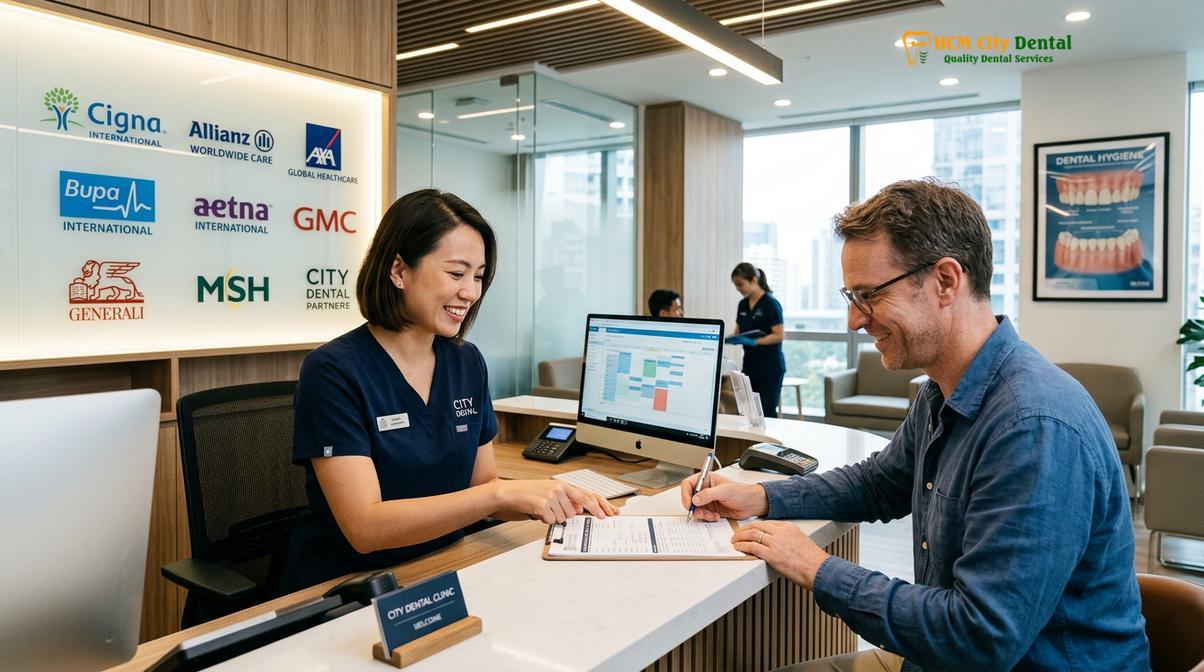
The direct billing workflow is highly structured to ensure compliance and financial transparency. Before your scheduled Dental Cleaning, the clinic will request a copy of your insurance card and passport. The administrative team then contacts the insurer to verify your active benefits, annual maximums, and specific coverage ratios for preventive care. A Guarantee of Payment (GOP) is generated, which serves as a binding authorization from the insurer that they will cover the specified clinical codes.
This system provides immense peace of mind. Patients can undergo their necessary ultrasonic scaling, airflow polishing, and comprehensive examinations knowing exactly what is covered. If a treatment plan exceeds the preventive scope—for instance, if deep subgingival calculus necessitates Scaling and Root Planing—the clinic will provide a transparent breakdown of any patient co-insurance or out-of-pocket responsibilities before any clinical work begins.
Clinical Cleaning Protocols: Dual Scaler Advantage & GBT
Advanced prophylaxis utilizes a Dual Scaler Advantage and the Swiss EMS Guided Biofilm Therapy protocol to eradicate subgingival biofilm painlessly while preserving enamel health.
The efficacy of a professional dental cleaning relies heavily on the technology utilized and the clinical expertise of the practitioner. Modern dentistry has evolved far beyond traditional hand scaling, which, while still useful for fine tactile feedback, can be time-consuming and uncomfortable for the patient. Today, the gold standard involves advanced ultrasonic instrumentation and targeted air-polishing systems.
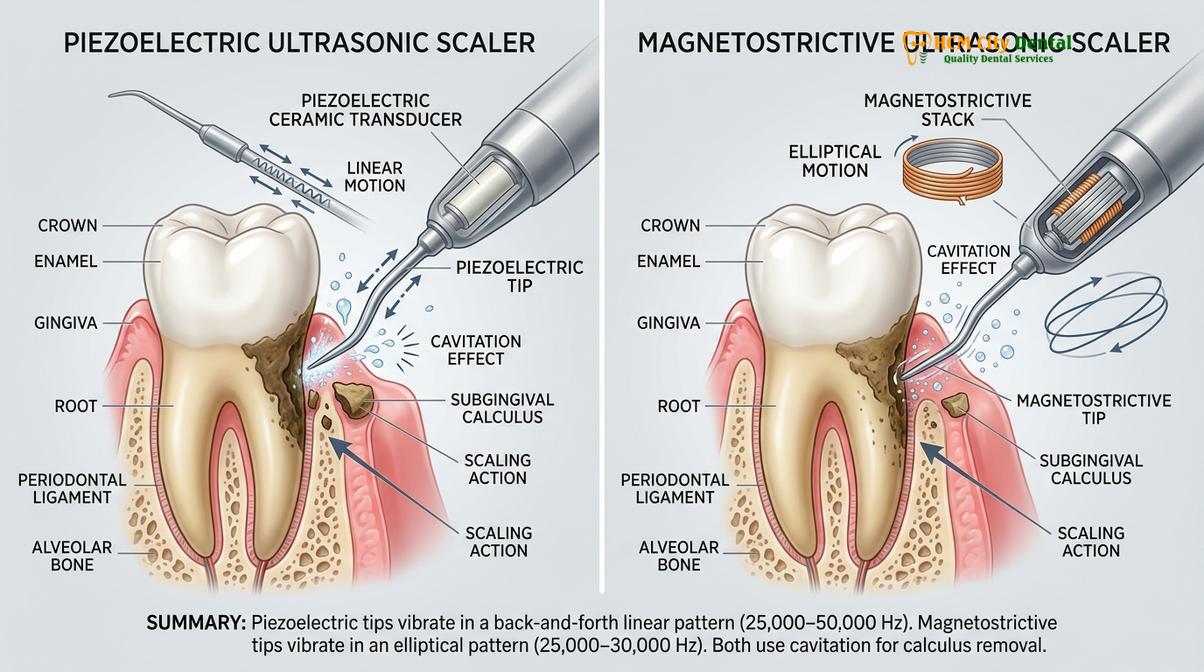
At HCMC Dental Clinic, we implement a highly sophisticated “Dual Scaler Advantage.” This means our clinical suites are equipped with BOTH Piezoelectric and Magnetostrictive ultrasonic scalers, allowing the dentist to customize the treatment based on the patient’s specific calculus density and enamel sensitivity.
- Piezoelectric Scalers (e.g., Acteon/Satelec): These devices utilize ceramic crystals that expand and contract when electrical energy is applied, creating a linear, back-and-forth motion at the tip. Operating at frequencies up to 32 kHz, piezoelectric scalers generate significantly less heat and require less water coolant. The linear motion is exceptionally gentle, making it the preferred modality for patients with sensitive teeth, pediatric patients, and those undergoing orthodontic treatment.
- Magnetostrictive Scalers (e.g., Dentsply Cavitron): These utilize a stack of metal strips that expand and contract in a magnetic field, creating an elliptical motion that vibrates all sides of the tip simultaneously. This multi-directional energy transfer is highly efficient at breaking down heavy, tenacious calculus, deep subgingival tartar, and is ideal for full mouth debridement cases.
Both technologies rely on the physics of the “cavitation effect.” As the ultrasonic tip vibrates against the water coolant, it creates millions of microscopic vacuum bubbles. When these bubbles collapse against the tooth surface, they release localized shockwaves that rupture bacterial cell walls and flush the periodontal pocket of endotoxins and debris. [2]
Beyond ultrasonic scaling, the pinnacle of modern preventive care is Guided Biofilm Therapy (GBT). We feature the premium Swiss EMS GBT protocol, an 8-step clinical workflow designed to provide the highest level of prophylaxis with maximum patient comfort. The GBT protocol begins with a diagnostic assessment and the application of a disclosing solution, which dyes the invisible plaque biofilm, making it highly visible to both the clinician and the patient. This visual aid is crucial for motivating better home care and teeth staining habits.
The core of GBT is the Airflow technology, which utilizes a precise mixture of warm water and low-abrasive erythritol powder. With a microscopic grain size of just 25μm, erythritol is significantly finer and softer than traditional sodium bicarbonate powders. It safely and painlessly eradicates biofilm, plaque, and extrinsic stains without scratching natural enamel, titanium implants, porcelain crowns, or delicate veneers. [3]
“According to Dr. Nguyen Van Cuong, the clinical perspective on dental scaling technique emphasizes that the selection of ultrasonic power levels must be tailored to the patient’s specific periodontal biotype to ensure absolute enamel preservation safety.”
Understanding the pricing parameters is essential, especially when coordinating with insurance limits. Currently, our fee schedule is structured to accommodate various clinical needs (Note: Patients booking via WhatsApp receive a -40% discount on the walk-in rates):
| Clinical Procedure | Discounted Price (VND) | Walk-in Price (VND) | Typical Insurance Coverage |
|---|---|---|---|
| Standard Ultrasonic Scaling & Polishing | 500,000 – 800,000 | 800,000 – 1,300,000 | 100% Covered (Preventive) |
| Airflow Prophylaxis / GBT (Swiss EMS) | 1,500,000 – 2,000,000 | 2,500,000 – 3,300,000 | Covered up to Standard Limit |
| Scaling & Root Planing (SRP per quadrant) | 1,000,000 – 1,500,000 | 1,600,000 – 2,500,000 | 80% – 100% (Basic Restorative) |
| Full Mouth Debridement (Heavy Tartar) | 2,000,000 – 3,000,000 | 3,300,000 – 5,000,000 | Subject to Clinical Review |
Document Packages
A complete insurance claim requires a detailed medical report, itemized receipts, pre-treatment X-rays, and a legally compliant red VAT invoice to ensure swift reimbursement.
When direct billing is not available—either because the clinic is out-of-network or the specific policy requires a “pay and claim” workflow—the accuracy of the document package becomes the most critical factor in securing your reimbursement. International insurance companies operate on strict evidentiary standards to prevent fraud and ensure that treatments meet the criteria of medical necessity.
The most crucial, and often misunderstood, component in Vietnam is the requirement for a red invoice medical record vietnam (hóa đơn đỏ). The red VAT invoice is an official, government-issued electronic tax document. It proves to the insurance company that the financial transaction was legally recorded and taxed under Vietnamese law. Standard clinic receipts or credit card slips are universally rejected by international insurers as insufficient proof of payment. At HCMC Dental Clinic, our accounting department automatically generates this electronic VAT invoice for all insured patients.
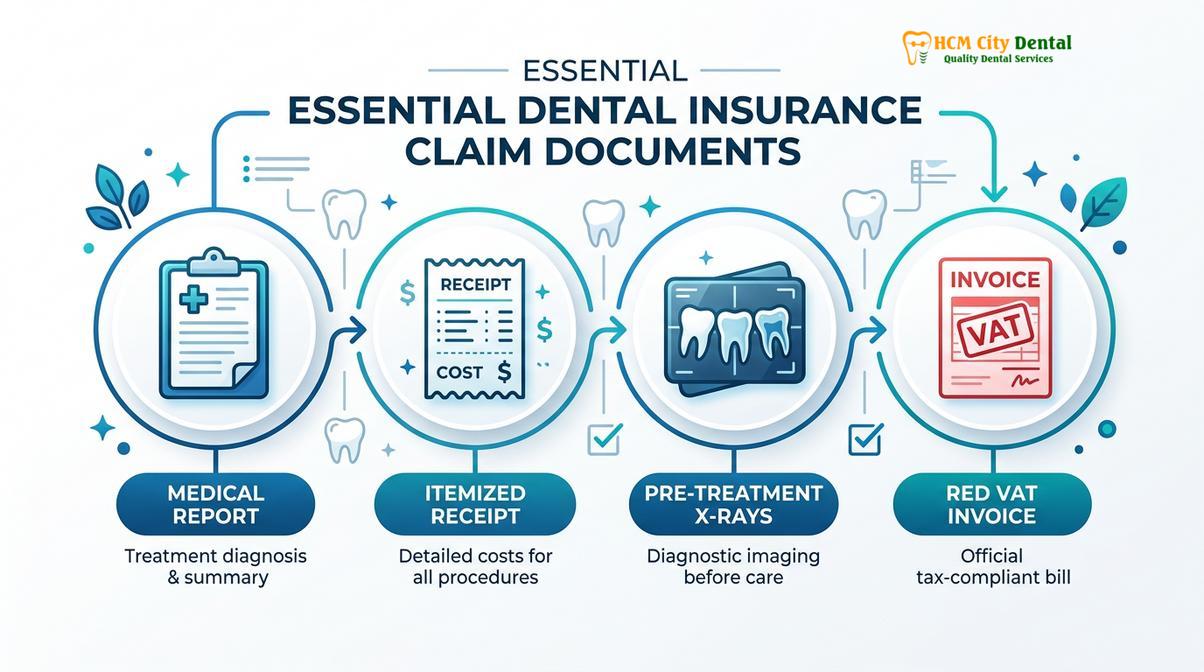
Alongside the financial documentation, the clinical documentation must be impeccable. A standard reimbursement package includes:
- Detailed Medical Report: Signed and stamped by the attending dentist, this report must include the patient’s chief complaint, the clinical diagnosis (e.g., localized chronic periodontitis), and the exact tooth numbers or quadrants treated.
- Itemized Invoice: A breakdown of costs corresponding to standardized international dental codes (CDT codes).
- Diagnostic Imaging: For advanced procedures like SRP, insurers require pre-treatment periapical or panoramic X-rays demonstrating radiographic bone loss or subgingival calculus to justify the deep cleaning.
- Periodontal Charting: A record of periodontal pocket depths (measured in millimeters) to prove the presence of active disease requiring therapeutic intervention rather than standard prophylaxis.
“Dr. Cuong notes that strict adherence to the GBT protocol verification ensures that even the most microscopic subgingival biofilm is eradicated, preventing the progression from reversible gingivitis to irreversible periodontitis.”
How to File Claims
For policies lacking direct billing, patients must pay upfront, collect the standardized document package, and submit the claim through their insurer’s online portal for reimbursement.
Filing a manual claim does not have to be a frustrating experience if you follow a systematic approach. The process begins before you even sit in the dental chair. Always verify your policy’s specific requirements regarding claim submission deadlines—most insurers require claims to be filed within 90 to 180 days of the treatment date.
Once your clinical treatment is complete, you will settle the invoice directly with the clinic. Our patient coordination team will then prepare your comprehensive document package, ensuring that the medical report aligns perfectly with the itemized receipt and the electronic VAT invoice. These documents are typically provided in both physical and digital (PDF) formats.
Clinical Case Study: Expat Claim Processing
A 34-year-old expatriate teacher visited HCMC Dental Clinic in Ho Chi Minh City presenting with bleeding gums and heavy calculus buildup. Clinical examination revealed 5mm periodontal pockets, necessitating Scaling and Root Planing (SRP) across two quadrants. Because her specific Cigna policy tier required a pay-and-claim process for basic restorative work, she paid the discounted rate upfront. Our team provided a stamped medical report detailing the D4341 codes, pre-treatment X-rays showing bone loss, and the official red VAT invoice. She uploaded the digital package via the Cigna portal and received her 80% reimbursement directly to her bank account within five business days, demonstrating the efficiency of proper documentation.
To submit the claim, log into your insurer’s secure member portal or mobile application. Upload the high-resolution PDFs of your document package. Ensure that all pages are legible and that the diagnosis codes clearly match the billed procedures. Retain the original physical copies until the claim is fully processed and the funds have cleared your account.
100% Coverage Tips
To maximize your dental benefits, always verify your annual limits, request pre-authorization for deep cleaning procedures, and strictly adhere to your policy’s recall intervals.
Achieving 100% coverage for your dental cleanings requires proactive management of your insurance policy. The most common reason for claim denial is a frequency limitation violation. Most policies strictly dictate that standard prophylaxis is covered “once every six months” or “twice per calendar year.” It is vital to understand whether your policy calculates this based on a rolling six-month period (exactly 180 days between visits) or simply allows two visits at any time during the policy year. [4]
Another critical tip is to differentiate between preventive and therapeutic treatments. If you book a “cleaning” but the dentist diagnoses severe periodontitis requiring Full Mouth Debridement or SRP, the billing codes change from preventive (100% coverage) to basic restorative (often 80% coverage with a deductible). Always ask the clinic to submit a pre-treatment estimate or pre-authorization to your insurer if advanced periodontal therapy is recommended.
Important Insurance Exclusion Warning:
Dental insurance policies strictly exclude cosmetic procedures. While the Airflow polishing step of the GBT protocol effectively removes extrinsic stains (from coffee, tea, or tobacco), it must be billed as part of a medically necessary prophylaxis to be covered. Standalone aesthetic teeth whitening procedures are never covered by standard health insurance and will result in an immediate claim denial.
When to See a Doctor
Periodontal disease is often described as a “silent disease” because it can progress significantly without causing acute pain. Relying solely on pain as an indicator to visit the dentist is a dangerous strategy that often leads to irreversible bone loss and eventual tooth mobility.
You should schedule a clinical examination and professional cleaning immediately if you experience any of the following symptoms:
- Gingival Bleeding: Gums that bleed during normal brushing or flossing are the primary indicator of active inflammation and bacterial infection. Healthy gums do not bleed.
- Persistent Halitosis: Bad breath that does not resolve with mouthwash or brushing is often caused by anaerobic bacteria thriving deep within periodontal pockets.
- Gingival Recession: If your teeth appear longer than they used to, or if you experience sudden sensitivity to hot and cold, the gums may be receding due to calculus buildup and bone loss.
- Visible Calculus: Hard, yellowish, or brown deposits along the gumline, particularly on the lingual (tongue) side of the lower front teeth, indicate mineralized tartar that requires ultrasonic removal.
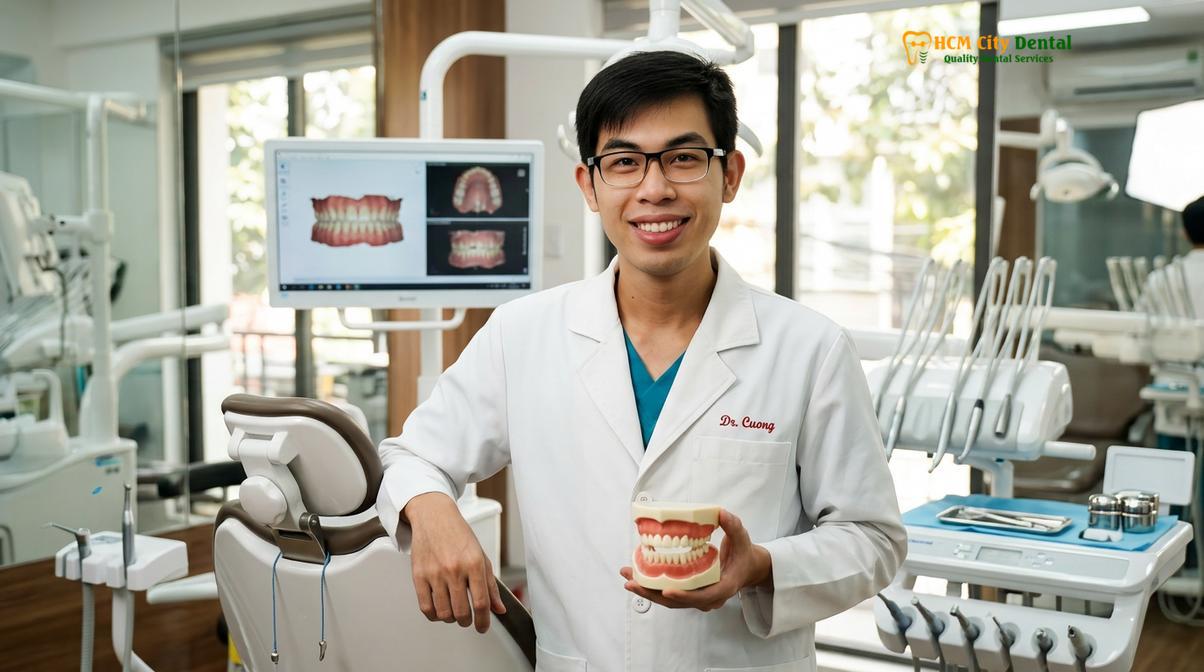
Early intervention is the key to preserving your natural dentition. By maintaining a strict recall schedule for professional cleanings, you allow the clinical team to monitor your periodontal pocket depths and apply localized treatments, such as fluoride varnish for enamel remineralization, before minor issues escalate into complex surgical requirements. [5]
For personalized diagnostic advice and to verify your insurance coverage, contact our international coordination team to schedule a comprehensive evaluation.
Frequently Asked Questions
Can I get a red VAT invoice for dental insurance?
Yes, a legally compliant electronic red VAT invoice is provided for all treatments to facilitate insurance claims. This official government-issued document is mandatory for international insurers to verify that payment was legally processed in Vietnam before they approve your reimbursement. Our accounting team generates this automatically for patients requiring documentation for manual claim submissions.
Which international insurances support direct billing?
Major global insurers including Allianz, Cigna, Bupa, Aetna, and April International typically support direct billing networks in Vietnam. Coverage depends on your specific policy tier, so our coordination team always requests a Guarantee of Payment (GOP) prior to initiating your clinical treatment to ensure a seamless, cashless experience for covered procedures.
Are routine dental exams covered 100%?
Most comprehensive expat dental insurance policies cover 100% of routine dental exams and standard prophylactic cleanings. These preventive benefits are usually available once or twice per policy year, designed to prevent severe periodontal disease and reduce long-term restorative costs. Always verify your specific policy’s frequency limitations.
Does insurance cover Guided Biofilm Therapy (GBT)?
Insurance coverage for Guided Biofilm Therapy depends on how the procedure is coded and your specific plan limits. While standard prophylaxis is universally covered, the premium GBT protocol may require a small patient co-pay if the insurer only reimburses up to the standard ultrasonic scaling rate. We provide transparent cost breakdowns prior to treatment.
How often will my insurance pay for ultrasonic scaling?
Standard dental insurance policies typically authorize ultrasonic scaling and polishing every six months. However, patients diagnosed with active periodontal disease may be approved for periodontal maintenance cleanings every three to four months, depending on the clinical justification and diagnostic charting provided by the attending dentist.
References
- Journal of the American Dental Association. Professional cleaning recall intervals and periodontal health. (2018).
- Clinical Oral Investigations. Erythritol air-polishing powder safety and efficacy in biofilm removal. (2022).
- Journal of Periodontology. Scaling and root planing for periodontitis: Clinical outcomes. (2019).
- International Journal of Dental Hygiene. Ultrasonic scaling vs hand scaling in subgingival debridement. (2020).
- Journal of Clinical Periodontology. Guided Biofilm Therapy clinical efficacy and patient comfort. (2021).