Lip exercises for a gummy smile involve targeted myofunctional therapy to relax a hyperactive levator muscle and stretch the upper lip. While these daily routines can temporarily reduce mild gingival display, moderate to severe cases typically require clinical interventions like laser gum contouring or lip repositioning for permanent, predictable results.
Clinical Summary:
Excessive gingival display, commonly known as a gummy smile, can stem from various etiologies including hyperactive lip muscles, delayed passive eruption, or vertical maxillary excess. For patients with muscular hyperactivity, non-invasive myofunctional therapy—comprising targeted lip stretching and strengthening exercises—can help retrain the neuromuscular resting posture. However, these natural methods require months of strict compliance and offer limited, temporary relief. For definitive, permanent correction, modern dentistry utilizes advanced diagnostic protocols like Digital Smile Design (DSD) and biological width sounding. Treatments range from minimally invasive diode laser gingivectomy and aesthetic crown lengthening to surgical lip repositioning and orthognathic surgery. By accurately diagnosing the underlying anatomical cause, dental professionals can prescribe a tailored treatment plan that harmonizes the gingival zenith points, tooth proportions, and lip dynamics for a balanced, aesthetic smile.
Key Takeaways:
- Myofunctional therapy targets the hyperactive levator muscle to reduce excessive lip elevation during smiling.
- Daily lip stretching exercises can temporarily improve mild gummy smiles but require long-term consistency.
- Permanent correction often necessitates clinical intervention, such as laser gum contouring or crown lengthening.
- Advanced diode lasers offer bloodless, sutureless treatments with a rapid recovery period.
- Severe skeletal discrepancies require orthognathic surgery via maxillofacial specialists.
- Vietnam has become a premier hub for dental tourism, offering world-class aesthetic gum treatments at highly competitive prices.
The Concept of Myofunctional Therapy in Smile Aesthetics
Myofunctional therapy for smile aesthetics focuses on retraining the orofacial muscles to achieve a harmonious balance between the lips, teeth, and gingival tissues during dynamic movement.
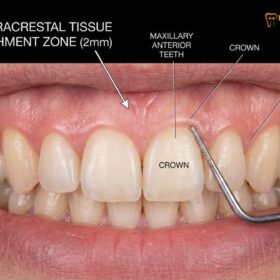
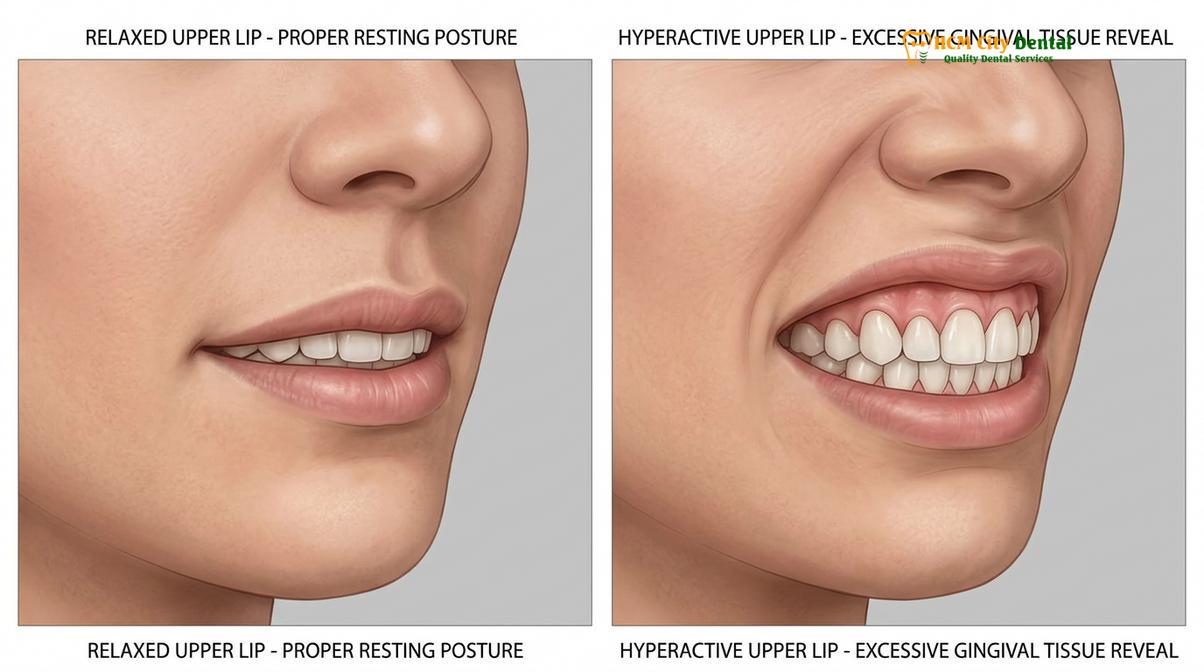
To understand how a myofunctional therapy smile approach works, it is essential to first examine the complex anatomy and biomechanics of human facial expressions. A smile is not merely a static position; it is a dynamic interplay of multiple muscle groups, primarily the levator labii superioris, the zygomaticus major, and the depressor septi nasi. In a structurally ideal smile, the upper lip elevates just enough to reveal the full clinical crown of the maxillary anterior teeth, with perhaps one to two millimeters of pink gingival tissue visible. When the lip elevates significantly higher—exposing three to four millimeters or more of gum tissue—it results in what clinicians term excessive gingival display.
One of the primary muscular culprits behind this phenomenon is a hyperactive levator muscle. When this muscle contracts with excessive force, it pulls the upper lip far above the gingival zenith points (the highest point of the gum scallop, which should ideally be displaced slightly distal to the long axis of the tooth). Differentiating between a muscular etiology and a skeletal or dental etiology is the most critical step in treatment planning. If the underlying bone structure is normal and the teeth are fully erupted, but the lip simply travels too far upward, the patient may benefit from neuromuscular re-education[3].
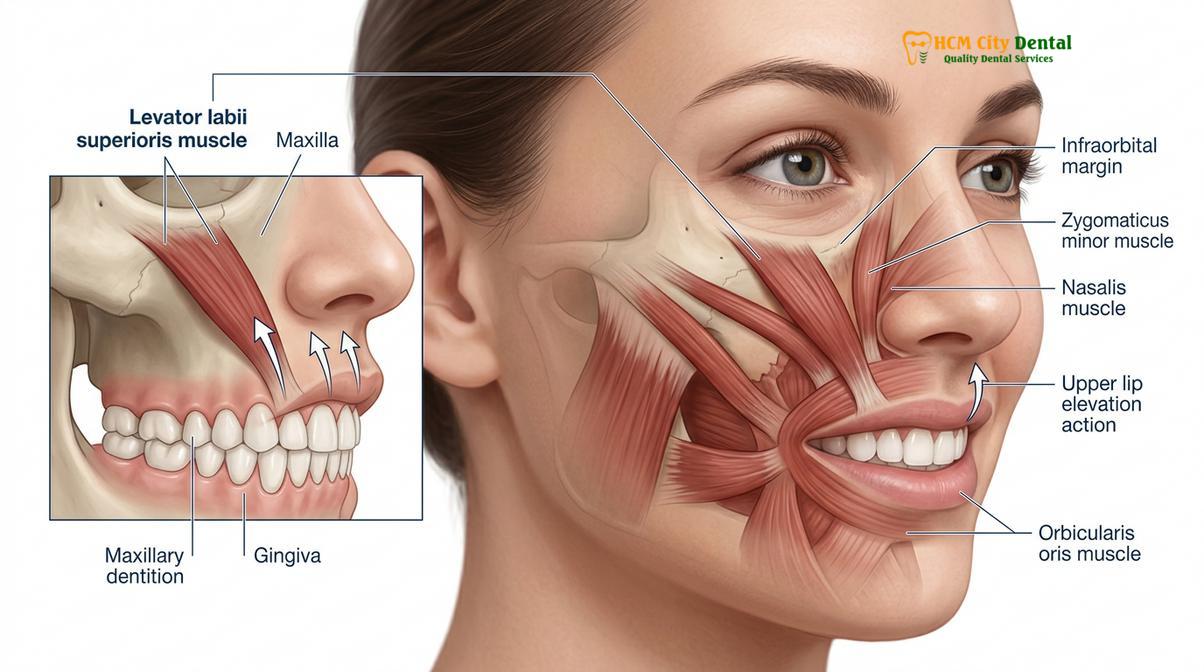
Myofunctional therapy aims to address this hyperactivity by introducing specific, repetitive movements designed to fatigue the overactive muscles, elongate the fascial tissues, and establish a new baseline for muscle resting tone. By consciously practicing these movements, patients attempt to override the autonomic reflex that causes the lip to snap upward excessively during laughter or broad smiling. While this conservative approach is highly appealing to patients seeking natural remedies, it requires a deep understanding of facial anatomy and an unwavering commitment to daily practice.
Retraining the Upper Lip to Rest and Move Naturally
Establishing a proper resting posture and controlled dynamic movement prevents the upper lip from retracting excessively, thereby minimizing unwanted gingival display.
The foundation of any successful muscle training for gums and lips begins with resting posture. In a relaxed state, the lips should maintain a gentle, unforced seal (lip competence), the teeth should be slightly apart, and the tongue should rest against the roof of the mouth, just behind the maxillary incisors. Patients with a gummy smile often exhibit poor oral resting posture, sometimes exacerbated by chronic mouth breathing, which can lead to a shortened, hypertonic upper lip.
To stretch upper lip tissues effectively, patients must first become acutely aware of their current resting habits. Neuromuscular re-education involves constant mindfulness. When the lips are habitually parted, the upper lip muscles remain in a shortened, contracted state. Over time, this lack of elasticity means that any stimulus to smile results in an exaggerated upward pull. By consciously maintaining a lip seal throughout the day, the patient provides a continuous, low-grade stretch to the orbicularis oris and the levator muscles, encouraging them to lengthen and relax.
“The success of non-invasive smile correction lies in the patient’s ability to transition conscious muscle control into an unconscious neuromuscular habit. Without addressing the resting posture of the oral cavity, dynamic exercises yield only fleeting results.”
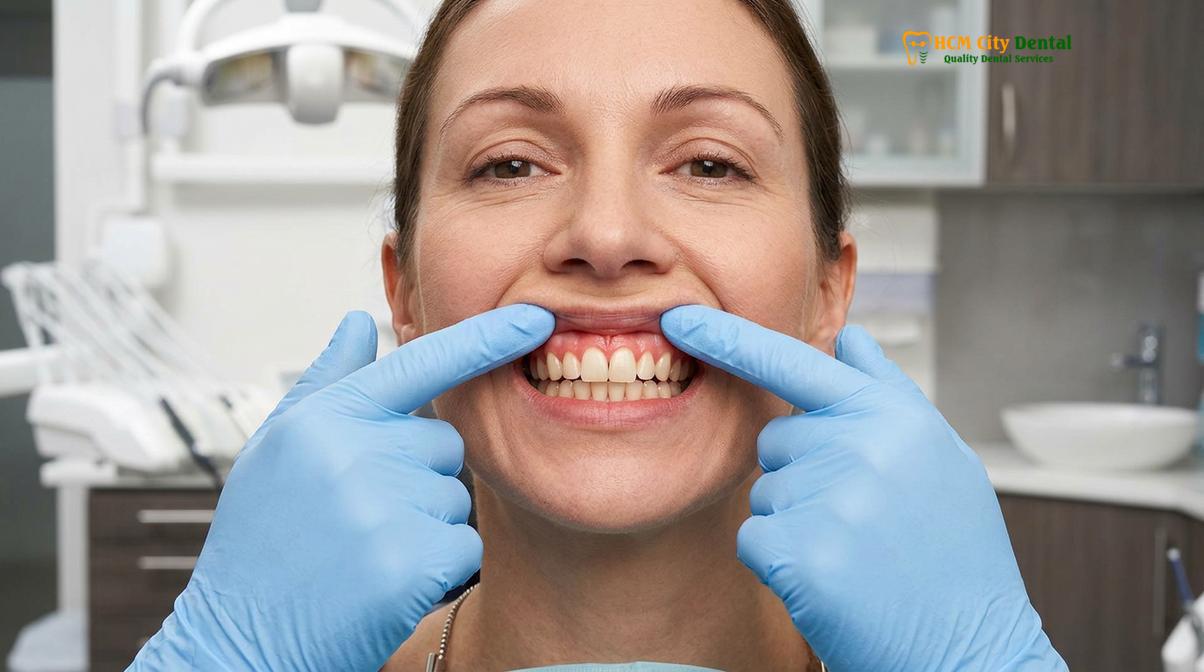
Furthermore, retraining involves practicing the mechanics of the smile itself. Many individuals with excessive gingival display utilize a “gummy” motor pattern, recruiting accessory muscles that are not strictly necessary for a pleasant expression. By practicing a controlled, horizontal smile—engaging the zygomaticus muscles to pull the corners of the mouth outward rather than upward—patients can learn to express joy without triggering the hyperactive vertical lift. This requires practicing in front of a mirror, utilizing visual feedback to map new neural pathways in the brain.
Daily Lip Stretching and Strengthening Exercises
A structured daily regimen of targeted facial exercises can help elongate the upper lip and reduce the hyper-contractility of the smile muscles over time.
For patients committed to a natural approach, a specific protocol of lip strengthening exercises and stretching routines must be followed diligently. These exercises are designed to increase the flexibility of the upper lip, improve muscle tone around the mouth, and decrease the dominance of the levator labii superioris. It is important to perform these exercises with clean hands and in front of a mirror to ensure proper form and prevent the reinforcement of asymmetrical facial habits.
1. The Downward Lip Stretch: This exercise directly targets the shortened upper lip. The patient closes their mouth, ensuring the teeth are slightly parted. Using the index fingers, the patient gently pulls the upper lip downward, stretching it over the maxillary anterior teeth. The stretch should be firm but not painful, held for 10 to 15 seconds, and repeated multiple times. This physical manipulation helps to elongate the fascial connective tissue and stretch upper lip muscle fibers.
2. The Resistance Smile: This is a core component of muscle training for gums. The patient places their index and middle fingers firmly over the upper lip, applying downward pressure. While maintaining this resistance, the patient attempts to smile widely. The fingers prevent the lip from elevating, forcing the muscles to work against the resistance. This fatigues the levator muscle, reducing its hyper-contractility over time.
3. The O-Shape Hold: To improve the overall tone of the orbicularis oris (the circular muscle around the mouth), the patient forms their lips into a tight, exaggerated “O” shape, as if whistling forcefully. The lips are pushed forward and held in maximum tension for 10 seconds before relaxing. This exercise strengthens the opposing muscles that pull the lip downward, creating a better balance of forces during a smile.
4. The Controlled Mirror Smile: This is a neuromuscular feedback exercise. The patient stands before a mirror and slowly begins to smile. The moment the gingival tissue begins to show beyond an acceptable aesthetic limit, the patient stops, holds the position, and consciously relaxes the upper lip while maintaining the upward curve at the corners of the mouth. This trains the brain to recognize the physical sensation of a balanced smile.
| Exercise Name | Target Muscle Group | Frequency | Duration / Repetitions |
|---|---|---|---|
| Downward Lip Stretch | Levator Labii Superioris, Fascia | Twice daily (Morning/Evening) | Hold 15 seconds, 5 repetitions |
| Resistance Smile | Levator Labii Superioris | Once daily | Hold 5 seconds, 10 repetitions |
| O-Shape Hold | Orbicularis Oris | Twice daily | Hold 10 seconds, 10 repetitions |
| Controlled Mirror Smile | Neuromuscular mapping | Throughout the day | Hold 10 seconds, 5-8 repetitions |
Does Muscle Retraining Offer Permanent Gummy Smile Relief?
While muscle retraining provides temporary aesthetic improvements for mild cases, it cannot alter underlying skeletal discrepancies or excess gingival tissue, meaning results are rarely permanent without ongoing practice.
The critical question for any patient investing time in a myofunctional therapy smile regimen is whether the results will last. Clinically speaking, the efficacy of facial exercises is highly dependent on the exact etiology of the gummy smile. If the sole cause is a hyperactive levator muscle, consistent exercises can yield a noticeable reduction in gingival display. However, muscle memory is notoriously difficult to overwrite permanently. If a patient ceases their daily routine, the muscles will almost inevitably revert to their original hyper-contractile state, bringing the gummy smile back with them.
More importantly, lip strengthening exercises are entirely ineffective if the root cause of the gummy smile is structural. For instance, if a patient suffers from altered passive eruption—a condition where the gum tissue fails to recede normally during childhood, leaving the clinical crowns partially covered by thick, fibrotic gingiva—no amount of lip stretching will reveal the hidden tooth structure. Similarly, if the patient has Vertical Maxillary Excess (VME), where the upper jaw bone has grown too far downward, the physical distance between the nose and the teeth is too great for the lip to cover, regardless of its elasticity. In such skeletal cases, orthognathic interventions like a Le Fort I osteotomy are often required to physically reposition the maxilla[4].
Therefore, while exercises can be a helpful adjunct therapy or a temporary measure for mild cases, they are not a definitive cure. Patients seeking a permanent, predictable, and structurally sound resolution must look toward modern clinical interventions. A comprehensive diagnostic evaluation, including digital radiographs, periodontal probing, and Digital Smile Design (DSD) analysis, is required to determine the true cause of the gingival display and formulate an appropriate surgical or laser-assisted treatment plan.
Advanced Clinical Interventions for Excessive Gingival Display
When conservative exercises fall short, modern dentistry offers precise, minimally invasive procedures ranging from diode laser contouring to surgical lip repositioning to permanently harmonize the smile.
For patients who desire a permanent transformation, the field of periodontics and aesthetic dentistry provides highly effective solutions. The choice of procedure depends entirely on the clinical diagnosis. At advanced practices, the integration of cutting-edge technology ensures that these procedures are safer, faster, and more comfortable than ever before.
Laser Gingivectomy and Aesthetic Crown Lengthening
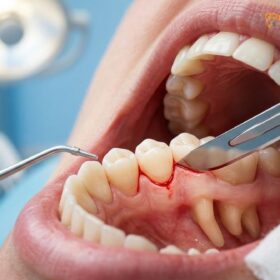
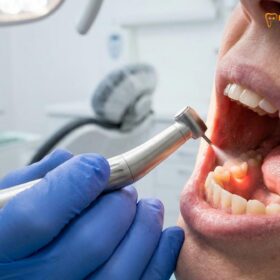
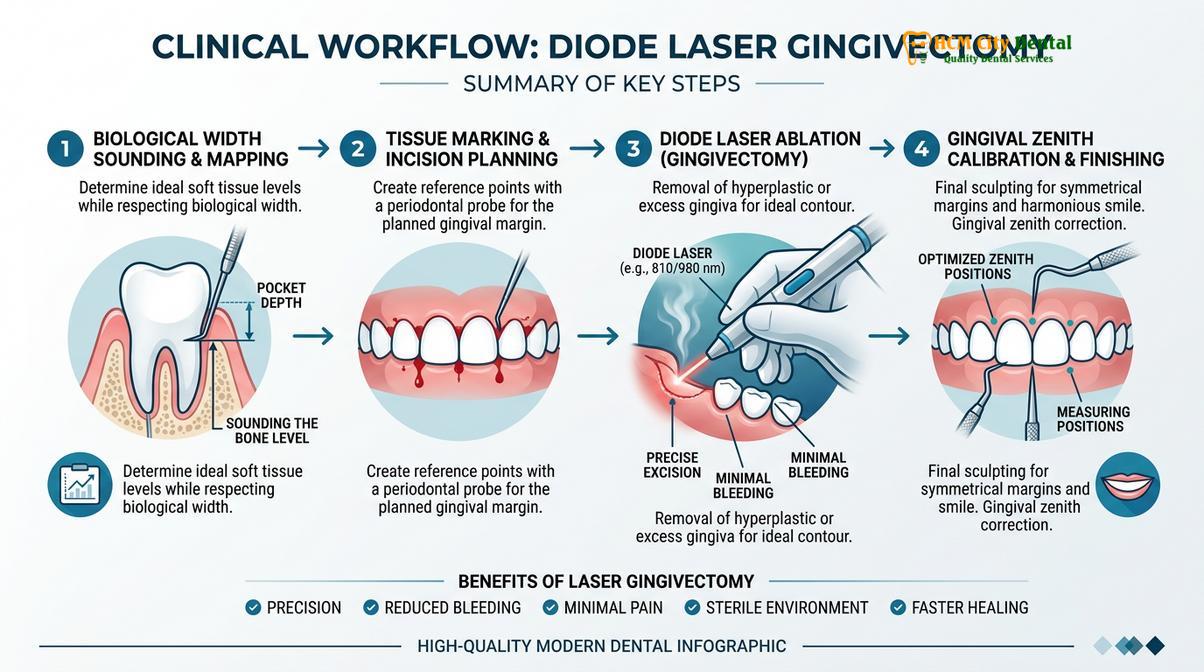
When the gummy smile is caused by excess gum tissue covering the teeth (delayed passive eruption), the treatment of choice is the removal of this tissue to expose the natural, beautiful crown underneath. Historically, this was done with a surgical scalpel, which caused significant bleeding, required sutures, and involved a lengthy, painful recovery. Today, the gold standard is the use of advanced diode soft tissue lasers[2].
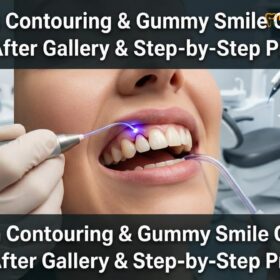
The diode laser operates at a wavelength that is highly absorbed by melanin and hemoglobin, making it exceptionally precise for soft tissue ablation. As the laser vaporizes the excess gingiva, it simultaneously cauterizes the blood vessels and seals the nerve endings. This results in a virtually bloodless, sutureless procedure. Patients experience minimal postoperative pain and swelling, allowing for a rapid recovery. Furthermore, the sterile nature of the laser beam significantly minimizes the risk of postoperative infection.
During a laser gingivectomy, the clinician must meticulously respect the biological width—the minimum supracrestal tissue attachment required to protect the underlying alveolar bone from chronic inflammation and resorption. Precise biological width sounding is imperative before any tissue is removed. If the bone level is too close to the cementoenamel junction (CEJ), simply cutting the gums will result in the tissue growing back or chronic periodontal disease. In such cases, an aesthetic crown lengthening procedure is required. This involves not only a gingivectomy but also an osteoplasty to re-establish the proper supracrestal tissue attachment further up the root[1].
Botox Injections and Surgical Lip Repositioning
If the diagnosis confirms that the teeth and bone are in the correct position, but the levator muscle is hyperactive, clinical treatments focus on restricting lip movement. Botox (Botulinum Toxin Type A) can be injected directly into the levator labii superioris alaeque nasi muscles. This temporarily paralyzes the muscle fibers, preventing the lip from elevating too high. While highly effective and non-invasive, Botox is temporary, requiring re-treatment every few months.
For a permanent solution to a hypermobile lip, Surgical Lip Repositioning (also known as lip lowering surgery) is highly recommended. This procedure involves removing a strip of mucosa from the inside of the upper lip and suturing the lip to a lower position on the gingiva. This physically restricts the upward pull of the elevator muscles, permanently reducing the amount of gum shown during a full smile. Clinical studies indicate high patient satisfaction and excellent longevity for this procedure[5]. The incision is completely hidden inside the mouth, leaving no visible scars.
When to Consult a Specialist for a Gummy Smile
Recognizing the limitations of at-home exercises is crucial; consulting a dental specialist ensures an accurate diagnosis and prevents potential complications from untreated structural issues.
While exploring natural remedies is a common first step, patients should seek professional evaluation if they experience any functional issues alongside their aesthetic concerns. Symptoms such as chronic mouth breathing, difficulty maintaining a lip seal, or frequent gingival inflammation require clinical attention. The Vietnam Odonto-Stomatology Association (VOSA) and other health authorities emphasize that aesthetic periodontal surgery should only be performed after a thorough assessment of the patient’s periodontal health and anatomical constraints[6].
“A gummy smile is rarely just an aesthetic concern; it often serves as a clinical indicator of underlying functional discrepancies, such as altered passive eruption or airway-induced skeletal adaptations, which require professional diagnosis.”
A specialist can utilize digital imaging and cephalometric analysis to pinpoint the exact etiology of the excessive gingival display. Attempting to force changes through aggressive lip stretching without understanding the underlying bone and tissue architecture can lead to frustration and, in rare cases, temporomandibular joint (TMJ) strain.
Case Study: Comprehensive Smile Correction in Ho Chi Minh City
Combining advanced diagnostics with tailored clinical treatments allows for predictable, life-changing aesthetic outcomes for patients dealing with complex gummy smiles.
A recent patient visiting HCMC Dental Clinic in Ho Chi Minh City presented with a chief complaint of excessive gingival display that had not responded to months of dedicated myofunctional therapy. Upon clinical examination and digital smile design analysis, it was determined that the patient had a combination of a hyperactive upper lip and delayed passive eruption. Because the etiology was multifactorial, lip exercises alone were insufficient to resolve the aesthetic concern.
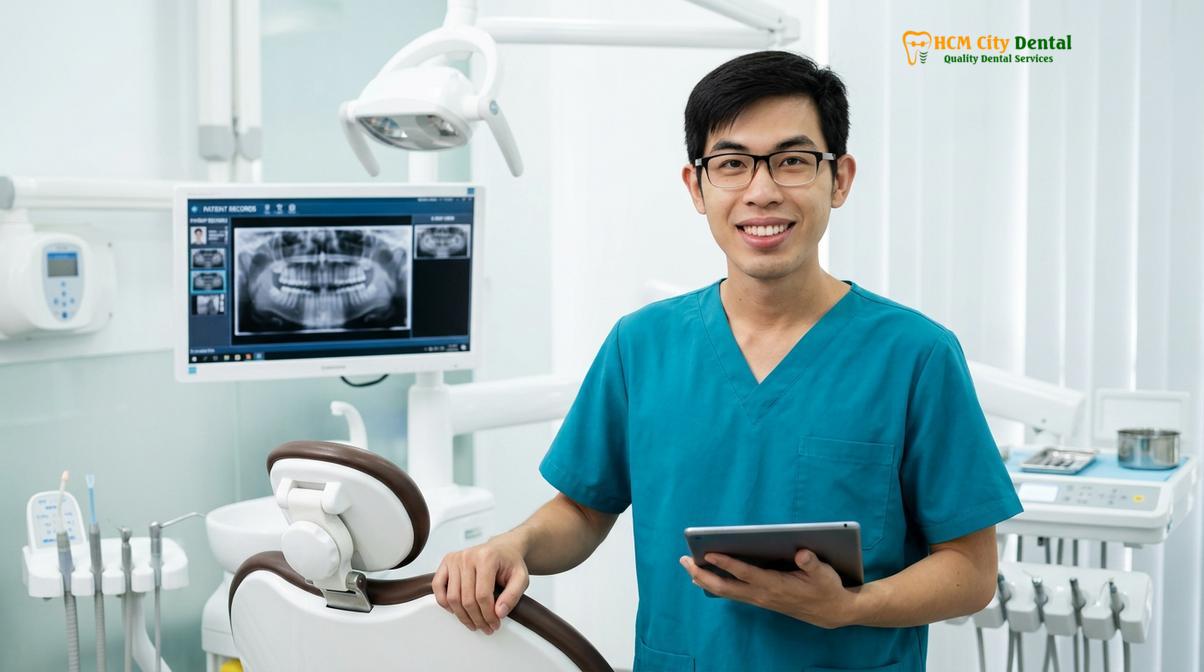
Dr. Nguyen Van Cuong, a leading specialist at HCMC Dental Clinic, emphasizes that accurate diagnosis is the cornerstone of aesthetic dentistry. Dr. Cuong routinely combines digital smile design with minimally invasive techniques to ensure optimal outcomes for patients seeking Gum Contouring & Gummy Smile tại HCMC Dental Clinic. For this patient, a dual approach was prescribed: a diode laser gingivectomy to expose the natural clinical crowns, followed by a minor surgical lip repositioning to permanently restrict the hypermobile levator muscle. The result was a perfectly balanced, harmonious smile that required no further daily exercises to maintain.
If you are struggling with excessive gingival display and want to explore permanent, predictable solutions beyond daily lip exercises, contact HCMC Dental Clinic in Ho Chi Minh City today. Our expert team is ready to provide a comprehensive digital smile analysis and tailor a treatment plan that fits your unique anatomy and aesthetic goals.
References
- Journal of Clinical Periodontology. Esthetic crown lengthening outcomes and biological width. (2021).
- International Journal of Periodontics & Restorative Dentistry. Diode laser vs scalpel gingivectomy in aesthetic zones. (2020).
- Journal of Aesthetic and Restorative Dentistry. Myofunctional therapy and hyperactive lip management. (2019).
- Journal of Oral and Maxillofacial Surgery. Le Fort I osteotomy stability for vertical maxillary excess. (2022).
- Clinical Oral Investigations. Surgical lip repositioning longevity and patient satisfaction. (2018).
- Vietnam Odonto-Stomatology Association (VOSA). Clinical guidelines on aesthetic periodontal surgery and gingival display management. (2023).