Navigating dental insurance implants requires understanding your specific policy’s restorative clauses. While standard plans often exclude implantology, comprehensive expat or premium tiers frequently cover a percentage of the surgical placement and prosthetic crown when deemed medically necessary to restore oral function.
Clinical Summary:
Securing financial reimbursement for implant-based restorative dentistry involves a complex intersection of clinical diagnostics, precise procedural coding, and rigorous administrative documentation. Dental implants are increasingly recognized by premium health insurers as the standard of care for treating edentulism, yet coverage remains highly contingent on the specific parameters of individual or corporate policies. Patients utilizing international health plans must navigate waiting periods, annual maximums, and missing tooth clauses before initiating treatment. The clinical workflow requires the submission of comprehensive pre-authorization dossiers, including 3D Cone Beam Computed Tomography (CBCT) scans, periodontal charting, and a detailed medical narrative justifying the necessity of surgical intervention. By partnering with experienced administrative teams capable of generating accurate American Dental Association (ADA) codes, patients can successfully process out-of-country claims. Dr. Nguyen Van Cuong emphasizes that aligning the clinical treatment plan with the insurer’s evidentiary requirements is paramount for minimizing out-of-pocket expenses while achieving optimal functional and aesthetic rehabilitation.
Key Takeaways:
- Premium dental insurance policies often cover a percentage of implant therapy under “major restorative” benefits.
- Pre-authorization is a critical step, requiring the submission of 3D CBCT scans and a detailed clinical narrative.
- International claims rely heavily on accurate ADA procedural coding for both surgical and prosthetic phases.
- Patients must be aware of policy limitations, including waiting periods and missing tooth clauses.
- Out-of-country treatments typically operate on a pay-and-claim reimbursement model.
Sourcing Health Insurance Coverage for Dental Implants
Securing coverage for implantology depends on identifying major restorative benefits within your policy and proving medical necessity through comprehensive clinical diagnostics.
The landscape of dental insurance is notoriously complex, particularly when it pertains to advanced surgical interventions such as implantology. Historically, many insurance carriers categorized dental implants as elective or cosmetic procedures, favoring traditional, less expensive alternatives like removable partial dentures or conventional fixed bridges. However, as the clinical literature has overwhelmingly demonstrated the superior long-term efficacy, bone preservation capabilities, and functional outcomes of implant-supported prosthetics, a growing number of premium insurance plans now include provisions for implant therapy [1]. Understanding how to source and activate these benefits is the first critical step in your restorative journey.
When evaluating a dental insurance policy for implant coverage, patients must scrutinize the “Major Restorative” category. Dental insurance is typically divided into three tiers: preventative (Class I), basic restorative (Class II), and major restorative (Class III). Implant placement, along with the associated abutments and crowns, falls squarely into Class III. Even when a policy explicitly states that implants are covered, this coverage is rarely absolute. Most plans will cover a specific percentage of the allowable fee—often 50%—leaving the patient responsible for the remaining balance, known as coinsurance.
Furthermore, patients must be acutely aware of several restrictive clauses that commonly apply to major restorative work. The most significant of these is the “Missing Tooth Clause.” This stipulation dictates that the insurance company will not pay to replace a tooth that was extracted or lost prior to the inception date of the policy. Therefore, if you lost a molar five years ago and recently purchased a new insurance plan, the replacement of that specific tooth via an implant will likely be denied. Conversely, if a tooth fractures or fails due to severe periodontal disease while the policy is active, the subsequent extraction and implant placement have a much higher probability of being covered [2].
Another critical factor is the “Waiting Period.” To prevent individuals from purchasing insurance solely to immediately claim expensive procedures, carriers often impose a 12-to-18-month waiting period for Class III services. Patients requiring immediate intervention must carefully review their policy documents to determine if they have satisfied this temporal requirement. Additionally, every dental plan features an “Annual Maximum”—the absolute highest dollar amount the insurer will pay out within a single benefit year. Because implant therapy is a multi-stage process, strategic clinical planning can sometimes bridge two benefit years. For example, the surgical placement of the titanium fixture might be performed and billed in November, utilizing the current year’s maximum, while the final prosthetic crown is placed and billed in February, utilizing the renewed maximum of the following year. This phased approach requires meticulous coordination between the clinical team and the patient to optimize comprehensive restorative cost analysis and financial planning.
Bupa, Allianz, and AXA Expat Health Policies Out-of-Country Care
Premium expatriate health policies often feature out-of-country dental riders that reimburse implant surgeries performed in recognized international clinics.
For expatriates living and working in Southeast Asia, securing high-quality dental care while maximizing insurance benefits presents a unique set of challenges and opportunities. Global mobility policies provided by major international carriers such as Bupa Global, Allianz Care, and AXA are specifically designed to accommodate the transient nature of the expatriate lifestyle. These comprehensive health plans frequently include robust dental riders that extend coverage beyond the borders of the policyholder’s home country, enabling them to seek treatment at internationally accredited facilities.
The mechanism of international insurance reimbursement typically operates on a “pay-and-claim” model. Unlike domestic networks where the clinic bills the insurer directly (direct billing), out-of-country care usually requires the patient to settle the clinic’s invoice in full at the time of service. Following the completion of the treatment, the patient submits a comprehensive claim dossier to their insurer for reimbursement. This model provides patients with the freedom to choose their preferred clinical provider, provided the clinic meets the insurer’s standards for licensing and professional accreditation.
“Navigating cross-border dental claims requires a deep understanding of international coding standards. Expatriate patients must ensure that their chosen clinic is capable of producing meticulous, globally recognized documentation to prevent unnecessary delays in reimbursement.”
When utilizing a bupa global out-of-country policy, for instance, patients must verify whether their specific tier (e.g., Bupa Global Elite or Ultimate) includes major restorative dental care. These premium tiers often offer generous annual limits for dental work, sometimes entirely separate from the general medical maximum. However, Bupa, like most international carriers, strictly enforces the requirement for pre-authorization for any treatment exceeding a certain financial threshold. Proceeding with implant surgery without obtaining this prior approval can result in a complete denial of the claim, regardless of clinical necessity [3].
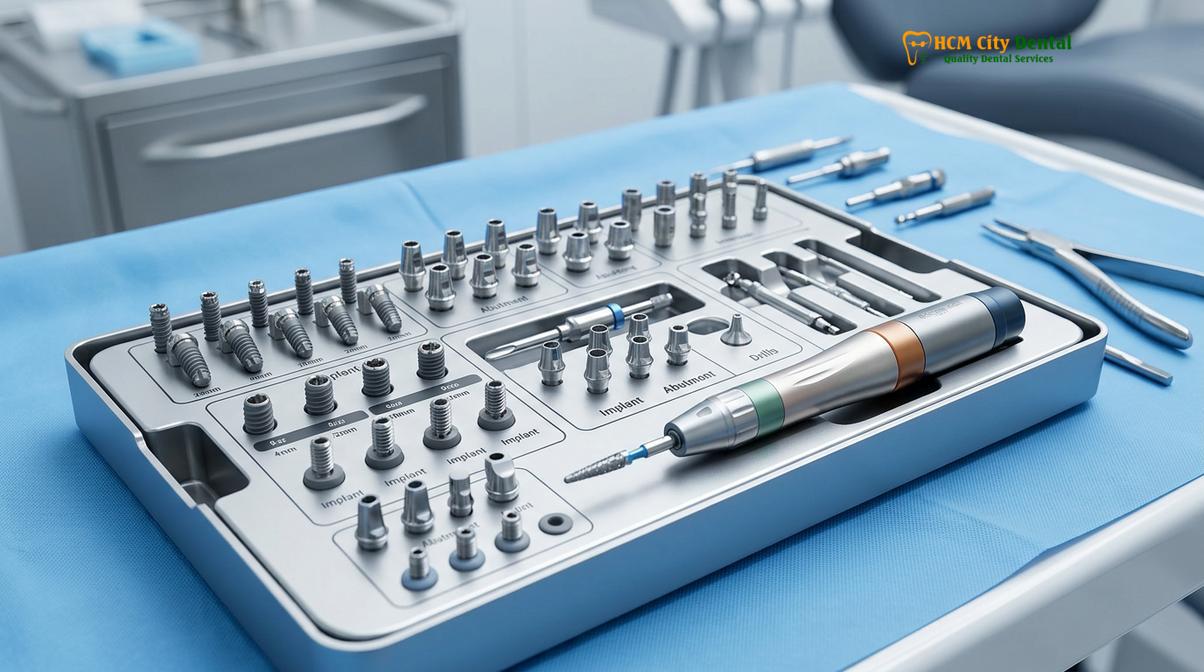
Similarly, allianz expat coverage frequently encompasses complex oral rehabilitation, provided the clinical rationale is sound. Allianz claims assessors look for evidence that the implant is required to restore masticatory function or prevent further deterioration of the stomatognathic system, rather than being purely cosmetic. This is where the expertise of the treating implantologist becomes invaluable. The clinical notes must clearly articulate the diagnosis—such as severe localized periodontitis, unrestorable caries, or traumatic root fracture—that necessitates the extraction and subsequent implant placement. By ensuring that the clinical narrative aligns with the insurer’s definitions of medical necessity, expatriates can effectively leverage their global health policies to fund advanced treatments like ultrasonic surgical techniques for atraumatic extractions and immediate implant placement.
Sourcing the Proper ADA Treatment Code Invoices in Saigon
Accurate international claims require precise American Dental Association (ADA) coding for every surgical and prosthetic phase of the implant procedure.
The cornerstone of any successful dental insurance claim is the accuracy and specificity of the procedural coding. The American Dental Association (ADA) Current Dental Terminology (CDT) is the globally recognized standard for reporting dental services. Even when treatment is rendered outside the United States, international insurance carriers rely on these standardized codes to process claims, determine benefit eligibility, and calculate reimbursement rates. For patients seeking treatment in Vietnam, securing invoices that feature the correct ada dental codes saigon is absolutely essential.
Implant dentistry is not a single procedure but a sequence of distinct clinical phases, each requiring its own specific ADA code. A generic invoice stating “Dental Implant – $1,500” will be immediately rejected by any major insurance carrier. Instead, the invoice must meticulously itemize the surgical placement, the restorative components, and any adjunctive procedures required to prepare the site [4].
| ADA CDT Code | Clinical Procedure Description | Insurance Claim Context |
|---|---|---|
| D6010 | Surgical placement of implant body: endosteal implant | Represents the surgical insertion of the titanium fixture into the jawbone. Often subject to waiting periods. |
| D6059 | Abutment supported porcelain fused to metal crown (titanium, titanium alloy, high noble metal) | The final prosthetic phase. Billed only after osseointegration is complete and the crown is delivered. |
| D6056 | Prefabricated abutment – includes modification and placement | The connector piece between the implant and the crown. Must be billed separately from the crown and surgical fixture. |
| D7953 | Bone replacement graft for ridge preservation – per site | Used when grafting is performed at the time of extraction to preserve bone volume for future implant placement. |
| D0367 | Cone beam CT capture and interpretation with field of view of both jaws | Crucial diagnostic imaging. Many insurers now require this code to justify the necessity and safety of the surgical plan. |
Beyond the primary codes for the implant and crown, adjunctive surgical procedures are frequently necessary to ensure long-term success, particularly in cases of severe bone resorption. If a patient requires an alveolar ridge augmentation prior to implant placement, the clinic must utilize codes such as D7950 (osseous, osteoperiosteal, or cartilage graft of the mandible or maxilla). Similarly, if the maxillary sinus floor has pneumatized, necessitating a maxillary sinus elevation, codes D7951 (sinus augmentation with bone or bone substitutes via a lateral open approach) or D7952 (via a vertical approach) must be applied.
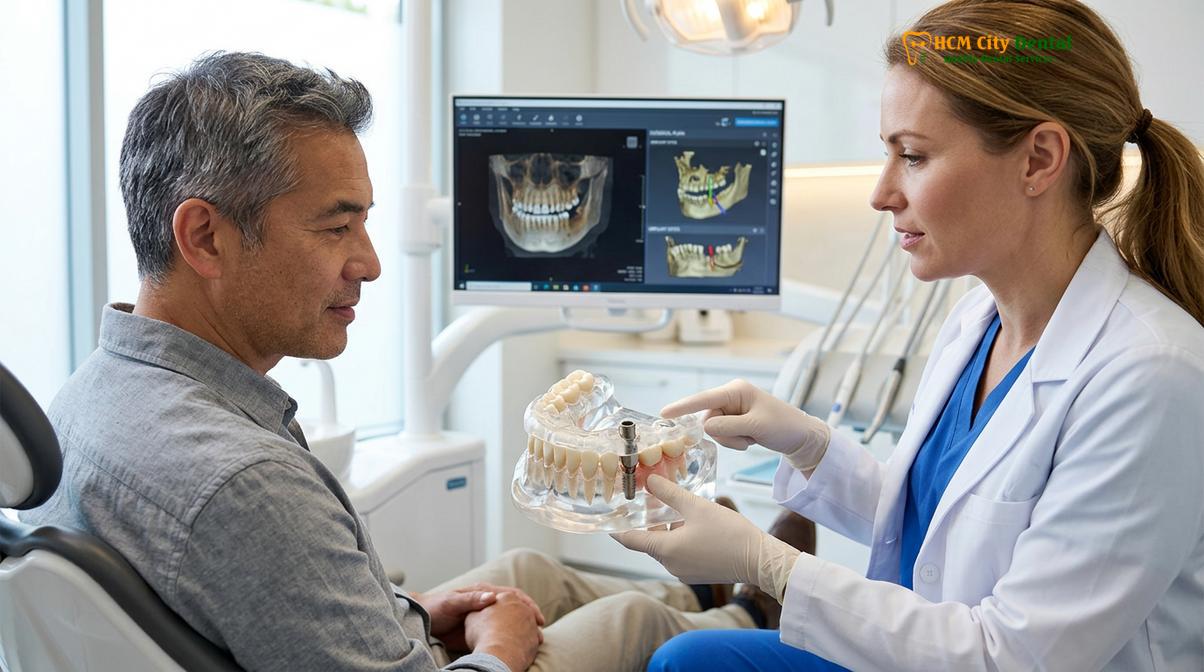
It is imperative that the clinical team understands the nuances of these codes. For example, billing a custom-milled abutment (D6057) when a prefabricated abutment (D6056) was actually used can lead to claims being flagged for audit. Furthermore, the sequencing of the codes on the invoice must logically follow the clinical timeline. The surgical codes (D6010) are billed on the date of surgery, while the restorative codes (D6059) are billed months later upon the delivery of the final prosthesis. Clinics that specialize in treating expatriates are well-versed in generating these highly detailed, ADA-compliant invoices, ensuring that the patient’s administrative burden is minimized and the probability of successful reimbursement is maximized.
Pre-Approval Documentation: Submitting Scans and Phác Đồ Early
Obtaining pre-authorization mandates submitting comprehensive clinical evidence, including 3D CBCT scans and a detailed treatment plan, prior to surgery.
In the realm of major restorative dentistry, surprises are rarely beneficial, particularly when it comes to financial reimbursement. To mitigate the risk of denied claims, the standard protocol for implant therapy involves a rigorous pre-authorization (or pre-determination) process. This administrative step requires the clinical team to submit a comprehensive dossier to the insurance carrier detailing the proposed treatment, the associated costs, and the clinical justification for the intervention before any surgical procedures are initiated.
The foundation of this pre-approval dossier is the “Phác Đồ” (the formal clinical treatment plan). This document outlines the exact sequence of procedures, the specific teeth involved (using the universal numbering system), and the corresponding ADA codes. However, a treatment plan alone is insufficient. Insurance assessors require objective, radiographic evidence to verify the diagnosis. Historically, two-dimensional panoramic X-rays were acceptable; today, the standard of care—and the standard for insurance approval—increasingly demands three-dimensional Cone Beam Computed Tomography (CBCT) scans [5].
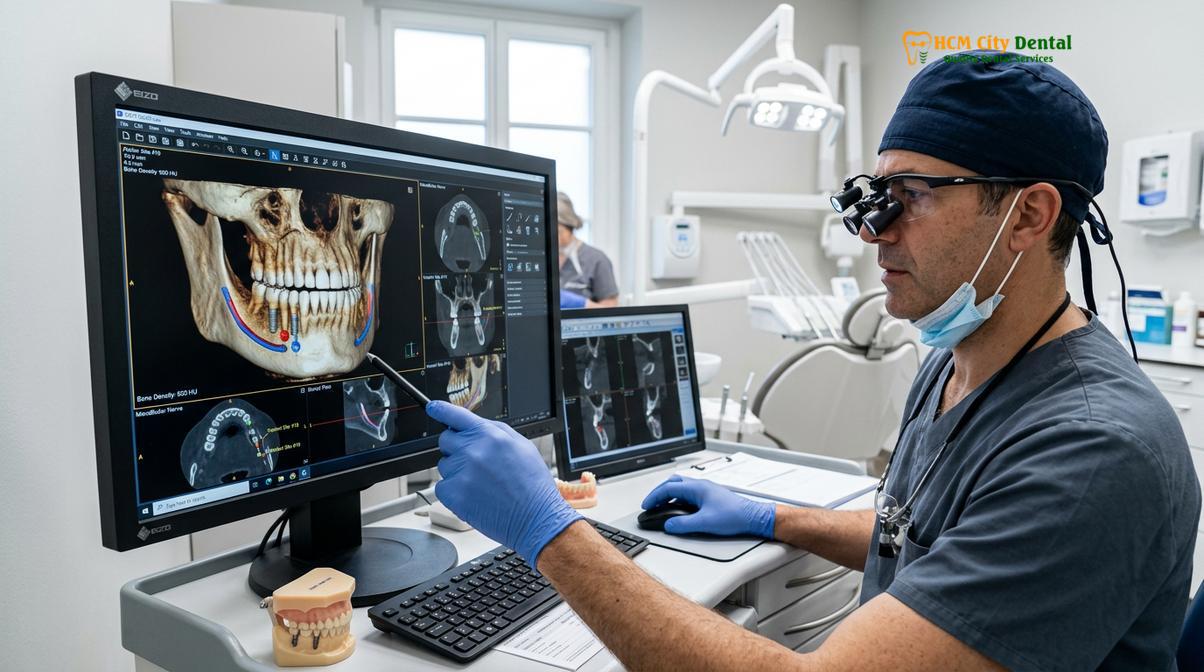
CBCT scans provide a volumetric assessment of the patient’s maxillofacial anatomy, allowing the implantologist to evaluate bone density, measure the available ridge width and height, and identify critical anatomical landmarks such as the inferior alveolar nerve and the maxillary sinus. When submitting a pre-authorization request, the clinic will often include specific slices from the CBCT scan demonstrating the exact site of the proposed implant. If adjunctive procedures like bone grafting or sinus lifts are planned, the CBCT scan serves as the undeniable proof that the patient lacks sufficient native bone to support an implant without these interventions.
“A meticulously prepared pre-authorization dossier transforms a subjective clinical recommendation into an objective, evidence-based necessity, significantly reducing the likelihood of insurance denials and providing the patient with clear financial expectations.”
In addition to radiographic evidence, a detailed clinical narrative written by the attending surgeon is often required. Dr. Nguyen Van Cuong emphasizes that this narrative must clearly articulate the etiology of the tooth loss, the patient’s current functional deficits, and the rationale for choosing implant therapy over alternative treatments. For example, if a patient is a candidate for implant-retained overdentures, the narrative should explain how severe mandibular resorption renders conventional removable dentures unstable and functionally inadequate. By submitting this comprehensive documentation early—often weeks before the scheduled surgery—patients receive a formal Explanation of Benefits (EOB) from their insurer, detailing exactly what will be covered and what their out-of-pocket liability will be.
How HCMC Dental Administrative Staff Assist Your Claims
Dedicated administrative teams bridge the gap between clinical treatment and insurance providers by preparing meticulously coded dossiers for patient reimbursement.
The intersection of clinical dentistry and international insurance bureaucracy can be overwhelming for patients. Recognizing this, premier dental institutions invest heavily in specialized administrative support teams whose sole function is to facilitate the claims process. At HCMC Dental Clinic in Ho Chi Minh City, the patient coordination team acts as a vital liaison between the clinical staff, the patient, and the international insurance carrier.
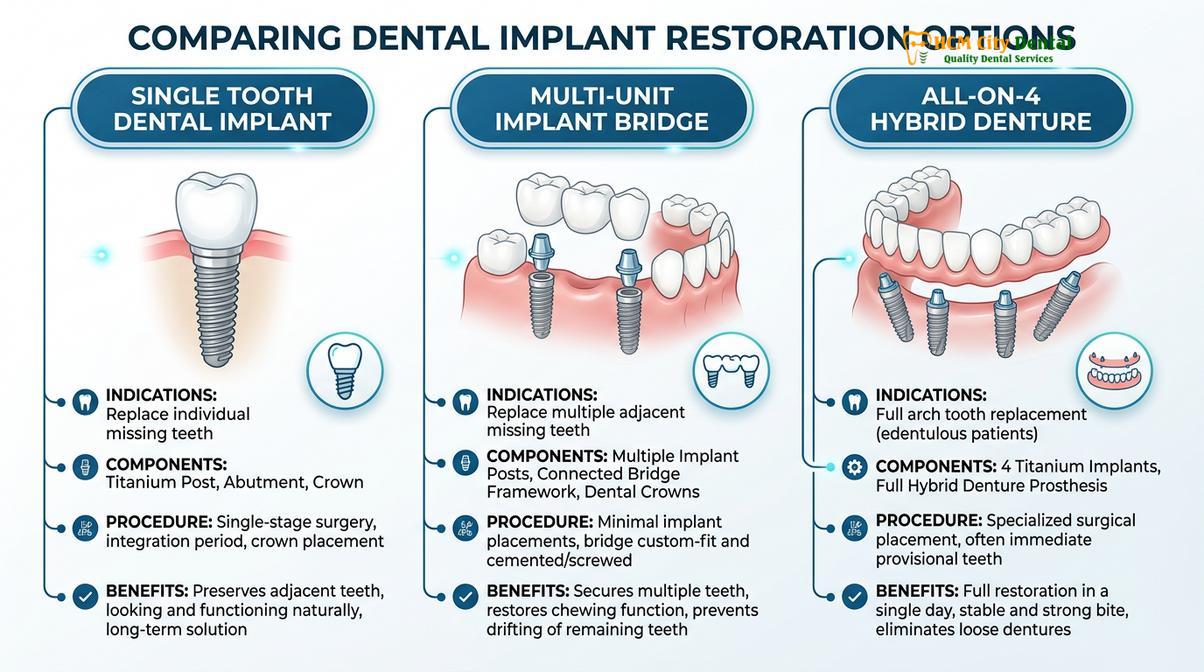
The assistance begins during the initial consultation phase. Once the implantologist has formulated the clinical treatment plan, the administrative staff translates this plan into a standardized, ADA-coded pre-authorization request. They are responsible for compiling the necessary diagnostic records, including exporting the CBCT DICOM files into accessible formats, gathering intraoral photographs, and drafting the initial clinical narrative based on the surgeon’s notes. This proactive approach ensures that the insurance carrier receives a complete and professional dossier, minimizing back-and-forth requests for additional information.
Clinical Case & Administrative Workflow:
A 45-year-old expatriate presented to HCMC Dental Clinic in Ho Chi Minh City with a vertically fractured maxillary premolar requiring extraction and immediate implant placement. The patient held a comprehensive international health policy. The administrative team immediately compiled a pre-authorization dossier containing the CBCT scan demonstrating the fracture, periodontal charting, and a detailed narrative from the surgeon justifying the use of immediate loading protocols. By submitting the exact ADA codes for the extraction, bone graft, surgical placement, and custom prosthetic abutments, the clinic secured a pre-approval within 14 days, allowing the patient to proceed with surgery with full financial clarity.
Following the completion of the surgical or restorative phases, the administrative team generates the final invoices. These documents are meticulously reviewed to ensure that the dates of service, the ADA codes, and the treating physician’s credentials are accurately reflected. Furthermore, the staff often assists patients in completing the specific claim forms required by their insurer, ensuring that all fields are correctly populated. While the clinic cannot guarantee the outcome of any insurance claim, providing patients with perfectly structured, globally recognized documentation significantly streamlines the reimbursement process, allowing patients to focus on their clinical recovery rather than administrative hurdles.
Clinical Considerations: When to Consult an Implantologist
Patients experiencing severe tooth loss, failing dentition, or compromised masticatory function should seek an immediate clinical evaluation for implant candidacy.
While understanding the financial and administrative aspects of implant therapy is crucial, the decision to proceed with treatment must always be rooted in clinical necessity. Dental implants are advanced medical devices designed to replace missing tooth roots, thereby preserving alveolar bone and restoring the structural integrity of the dental arch. Patients should seek a consultation with a qualified implantologist when they experience symptoms or conditions that compromise their oral health and quality of life.
The most obvious indication for implant therapy is the loss of one or more teeth due to trauma, severe caries, or advanced periodontal disease. However, patients with failing dentition—teeth that exhibit severe mobility, recurrent abscesses, or non-restorable fractures—should also be evaluated proactively. Delaying the extraction of a failing tooth can lead to extensive localized bone destruction, which complicates future implant placement and often necessitates extensive and costly bone grafting procedures.
Important Clinical Warning:
Prolonged edentulism (missing teeth) leads to progressive alveolar bone resorption. Delaying implant therapy can result in insufficient bone volume, rendering standard implant placement impossible without complex, multi-stage augmentation procedures. Early clinical intervention is critical for optimal surgical outcomes.
During the initial consultation, Dr. Nguyen Van Cuong emphasizes the importance of a comprehensive medical history review. While dental implants boast a high success rate, certain systemic conditions can act as relative or absolute contraindications. Uncontrolled diabetes mellitus, active autoimmune disorders, a history of intravenous bisphosphonate therapy, and heavy tobacco use can significantly impair the body’s ability to achieve osseointegration—the biological process by which the jawbone fuses to the titanium implant. A thorough clinical and radiographic examination is essential to determine true candidacy and to develop a personalized treatment plan that mitigates surgical risks. Patients are encouraged to schedule a diagnostic evaluation to discuss their specific clinical needs and explore the feasibility of implant-supported restorations.
Frequently Asked Questions
Does expat insurance cover dental implants in Vietnam?
Yes, many premium expatriate health policies cover dental implants in Vietnam if major restorative care is included in your plan. Coverage typically depends on fulfilling waiting periods, proving clinical necessity through radiographic evidence, and ensuring the tooth loss occurred after the policy’s inception date. Patients must review their specific policy documents to confirm the inclusion of Class III major restorative benefits and any associated annual maximums.
How long does the reimbursement approval take?
International insurance reimbursement approval generally takes between two to six weeks, depending on the carrier. Submitting a comprehensive pre-authorization dossier, including 3D CBCT scans and a detailed clinical narrative from your implantologist, significantly expedites the review and approval process. Delays most commonly occur when the submitted documentation lacks specific ADA coding or sufficient radiographic evidence to justify the proposed treatment.
Do you require up-front payments for insured patients?
Yes, most international dental treatments operate on a pay-and-claim basis, requiring patients to settle the clinic invoice up-front. Following the completion of the surgical or prosthetic phase, the clinic provides all necessary ADA-coded invoices and medical reports for you to claim reimbursement directly from your insurer. Direct billing is rarely available for complex, multi-stage surgical procedures like implantology.
Can I claim bone grafting and sinus lifts under my dental policy?
Bone grafting and sinus lifts can often be claimed if your policy includes comprehensive oral surgery and major restorative benefits. However, these adjunctive procedures require strict pre-authorization and detailed radiographic proof demonstrating insufficient alveolar bone volume prior to implant placement. The clinical narrative must clearly explain why the implant cannot be successfully placed without these preparatory surgeries.
What happens if my insurance denies the pre-authorization for implants?
If your pre-authorization is denied, your clinical team can submit an appeal with additional diagnostic evidence and a stronger medical narrative. Common reasons for denial include missing tooth clauses or unfulfilled waiting periods, which must be carefully reviewed against your specific policy documents. In some cases, providing a more detailed explanation of the functional deficit caused by the missing tooth can successfully overturn an initial denial.
References
- Journal of the American Dental Association. Dental benefits and coding for implantology. (2021).
- International Journal of Oral and Maxillofacial Implants. Health economics and insurance reimbursement in implant dentistry. (2020).
- British Dental Journal. Navigating cross-border dental care and international insurance claims. (2019).
- Clinical Oral Implants Research. The impact of pre-authorization on implant therapy timelines. (2022).
- Journal of Prosthetic Dentistry. Standardized ADA coding for implant-supported prosthetics. (2018).
For personalized pricing, booking, and a free digital 3D CBCT scan, visit our Dental Implants service page or check our comprehensive Dental Implant Cost in Vietnam guide.