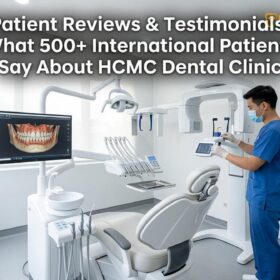
Finding a reliable expat dental clinic Ho Chi Minh City requires evaluating clinical standards, English proficiency, and transparent pricing. HCMC Dental Clinic offers international patients direct doctor-led consultations, Class-B sterilization protocols, and comprehensive care tailored for both residents and dental tourists seeking world-class treatments in Vietnam.
Clinical Summary:
For expatriates and international travelers, selecting a dental provider in Saigon involves prioritizing stringent infection control, globally recognized materials, and seamless communication. An optimal clinic integrates advanced diagnostics with direct physician oversight, eliminating non-clinical middlemen. HCMC Dental Clinic exemplifies this standard by combining European-grade sterilization, comprehensive digital workflows, and specialized care led by experienced clinicians, ensuring predictable and safe clinical outcomes for complex restorative and implant procedures.
Key Takeaways:
- Direct doctor-to-patient communication ensures accurate clinical diagnostics and treatment planning.
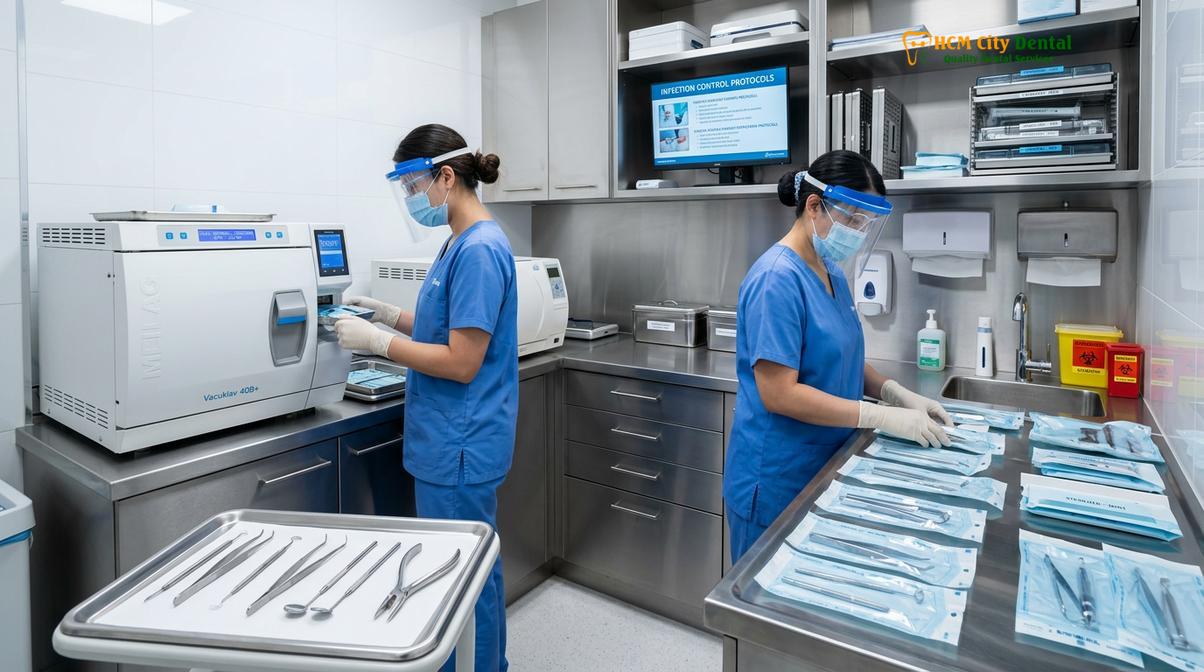
- Class-B autoclave sterilization protocols meet rigorous European infection control standards.
- Centralized locations in District 1 provide optimal logistical convenience for international patients.
- Transparent pricing and diverse payment options streamline the patient experience.
- Comprehensive digital workflows enhance the precision of implants and aesthetic restorations.
What Expats Look for in a Vietnamese Dental Clinic
Expatriates prioritize clinics that demonstrate uncompromising infection control, utilize globally certified dental materials, and provide transparent, evidence-based treatment plans without hidden costs.
When relocating to or visiting Vietnam, securing high-quality healthcare is a primary concern for international residents. The search for a dependable dental provider goes beyond mere aesthetics; it is fundamentally about clinical safety, diagnostic accuracy, and long-term oral health. Expatriates bring with them expectations shaped by the healthcare systems of their home countries, necessitating that any chosen facility in Vietnam meets or exceeds these international benchmarks. The foundation of a reputable clinic lies in its adherence to stringent medical protocols and its commitment to utilizing advanced, evidence-based methodologies.
Infection control is arguably the most critical metric by which a dental facility is evaluated. A premier clinic must implement sterilization protocols that align with global directives. The Centers for Disease Control and Prevention (CDC) advises travelers to seek facilities with rigorous hygiene protocols to mitigate cross-contamination risks[1]. The utilization of a Class-B autoclave is essential in this regard. Unlike standard sterilizers, a Class-B autoclave employs fractionated pre-vacuum technology, which completely removes air from the sterilization chamber. This allows pressurized steam to penetrate even the most complex, hollow instruments, such as surgical handpieces and implant drills.
Beyond sterilization, the quality of dental materials significantly impacts the longevity and biocompatibility of restorative work. Expatriates actively seek clinics that exclusively utilize materials carrying FDA (Food and Drug Administration) approval and CE (Conformité Européenne) certification. The FDI World Dental Federation emphasizes the necessity of certified materials for long-term biocompatibility and structural integrity[2]. Whether it is the titanium alloys used in endosseous implants or the high-translucency zirconia employed in aesthetic crowns, the provenance of these materials dictates their clinical performance.
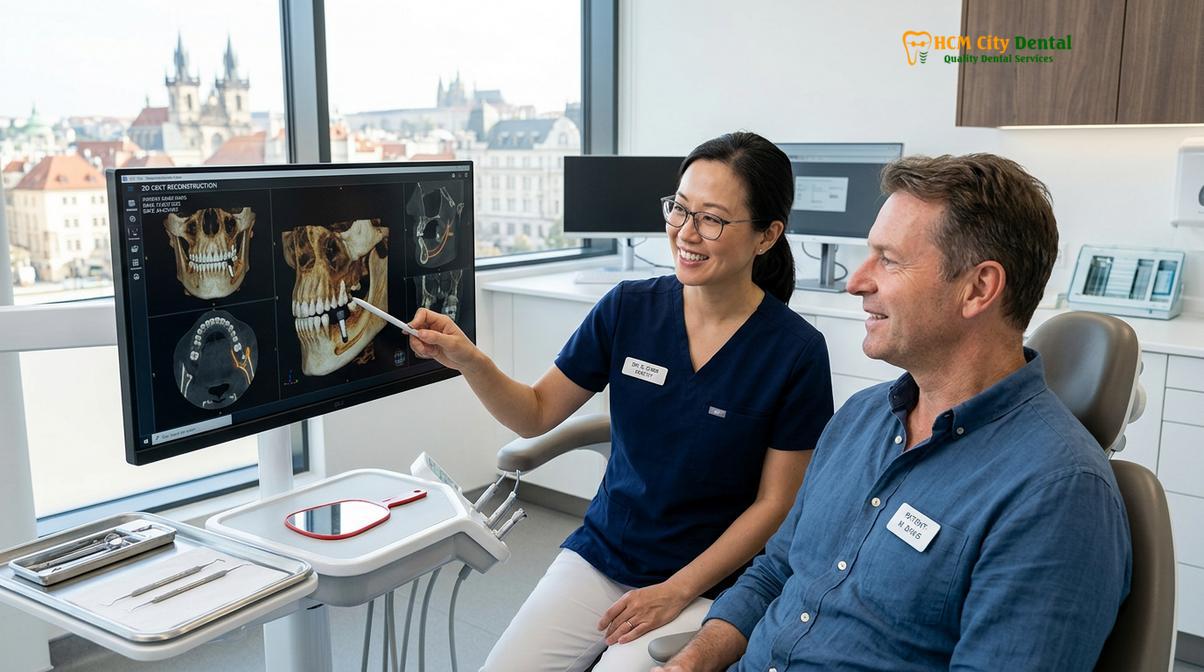
Furthermore, comprehensive diagnostic capabilities are essential. The integration of 3D Cone Beam Computed Tomography (CBCT) and intraoral digital scanners allows for precise anatomical mapping. This technology facilitates accurate bone density assessment, nerve canal tracing, and the fabrication of highly precise surgical guides, which are critical for predictable implant placement and complex endodontic therapies.
| Clinical Aspect | Standard Local Clinic | Expat-Focused Clinic (e.g., HCMC Dental) |
|---|---|---|
| Sterilization Protocol | Basic autoclaving or chemical disinfection | Class-B fractionated pre-vacuum autoclave |
| Material Certification | Locally sourced, variable certification | Strictly FDA and CE certified materials |
| Diagnostic Imaging | 2D Panoramic X-rays | 3D CBCT scanning and digital intraoral scanning |
| Communication | Primarily Vietnamese, reliance on translators | Direct English consultation with the attending dentist |
| Treatment Planning | Often segmented, lacking comprehensive overview | Holistic, evidence-based, and digitally planned |
Location Advantage: Why District 1 is the Expat Choice
District 1 serves as the optimal hub for international patients, offering seamless access to premium accommodations, transportation networks, and top-tier medical facilities.
The geographical location of a medical facility plays a significant role in the overall patient experience, particularly for those undergoing extensive surgical procedures. Ho Chi Minh City is a sprawling metropolis, and navigating its districts can be challenging for newcomers. District 1, the commercial and cultural epicenter of the city, naturally emerges as the preferred location for expatriates and medical tourists. Choosing a centrally located clinic ensures that patients are situated in an environment that caters to international standards of convenience, safety, and accessibility.
From a clinical perspective, minimizing transit time following surgical interventions—such as multiple implant placements or complex extractions—is highly beneficial. Extended travel in heavy traffic can elevate stress levels, potentially increasing blood pressure and exacerbating postoperative bleeding or discomfort. A centrally located clinic allows patients to return to their accommodations swiftly, facilitating immediate rest and the timely application of postoperative care protocols, such as cold compresses and prescribed analgesics.
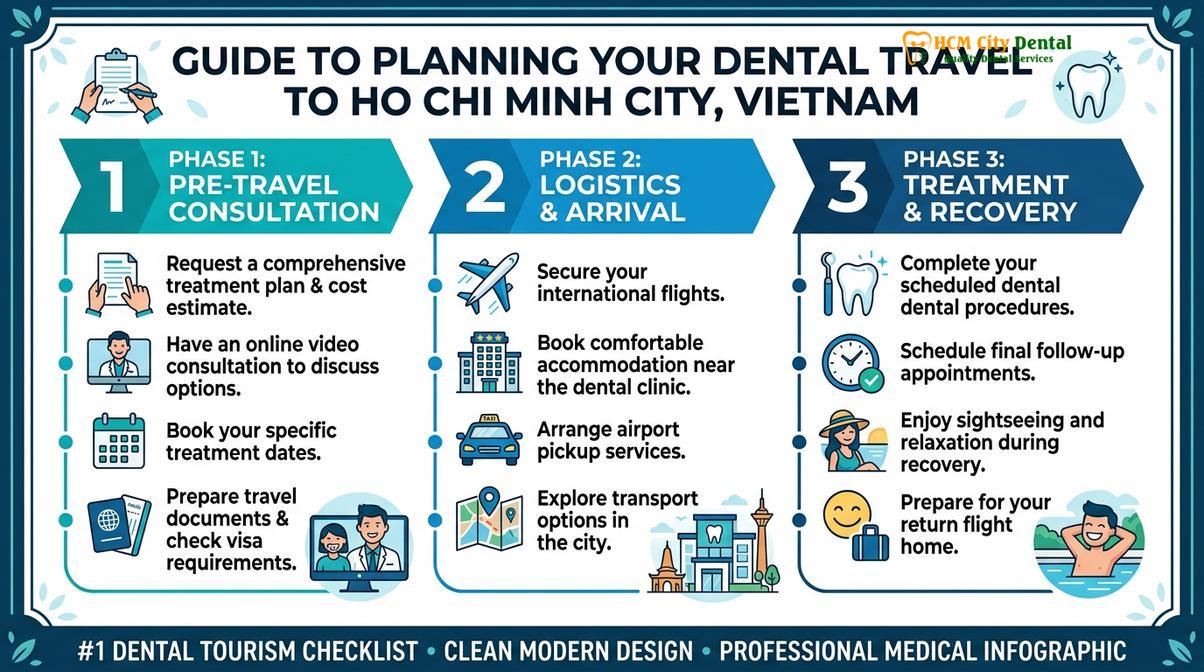
HCMC Dental Clinic is strategically positioned to serve this demographic. The clinic’s location offers unparalleled access to a wide array of premium hotels and serviced apartments. For patients traveling specifically for treatment, the clinic’s support team can provide tailored hotel recommendations in District 1 that align with various preferences and budgets, ensuring a comfortable environment for recovery. Additionally, the clinic assists with logistical arrangements, including airport pickup services, to streamline the arrival process.
The surrounding infrastructure in District 1 also provides access to international pharmacies, diverse dietary options suitable for postoperative soft-food diets, and immediate proximity to major general hospitals should any unforeseen non-dental medical needs arise. This comprehensive ecosystem of support is a critical factor for those researching How to Find a Trustworthy Dentist in Ho Chi Minh City, as it ensures that all aspects of the patient’s well-being are addressed during their stay.
Direct Doctor-Led Consultation vs. Coordinator Middlemen
Direct communication with the attending dentist eliminates diagnostic misinterpretations common when relying on non-clinical sales coordinators, ensuring precise and personalized medical care.
A pervasive issue in the global medical tourism industry is the over-reliance on treatment coordinators or sales representatives who act as intermediaries between the patient and the clinician. While these individuals may facilitate logistical arrangements, their involvement in clinical discussions introduces a significant risk of miscommunication. Dentistry is a highly nuanced medical field where the precise articulation of symptoms, medical history, and aesthetic expectations is paramount. The Vietnam Ministry of Health (MOH) outlines strict national guidelines on infection control and clinical communication in dental establishments, ensuring patient safety and accurate diagnostics[3].
When a patient describes a symptom—such as distinguishing between a sharp, transient pain provoked by temperature versus a dull, throbbing, continuous ache—the exact terminology used is critical for an accurate diagnosis. A non-clinical translator may inadvertently alter the nuance of these descriptions, leading to misdiagnosis or the formulation of an inappropriate treatment plan. Direct communication allows the dentist to ask targeted follow-up questions, perform specific clinical tests based on the patient’s immediate feedback, and establish a comprehensive understanding of the pathology.
“In complex restorative dentistry, the diagnostic phase is as critical as the surgical execution. Direct, unfiltered communication between the clinician and the patient is the bedrock of accurate diagnosis and the formulation of a predictable, patient-centric treatment plan.”
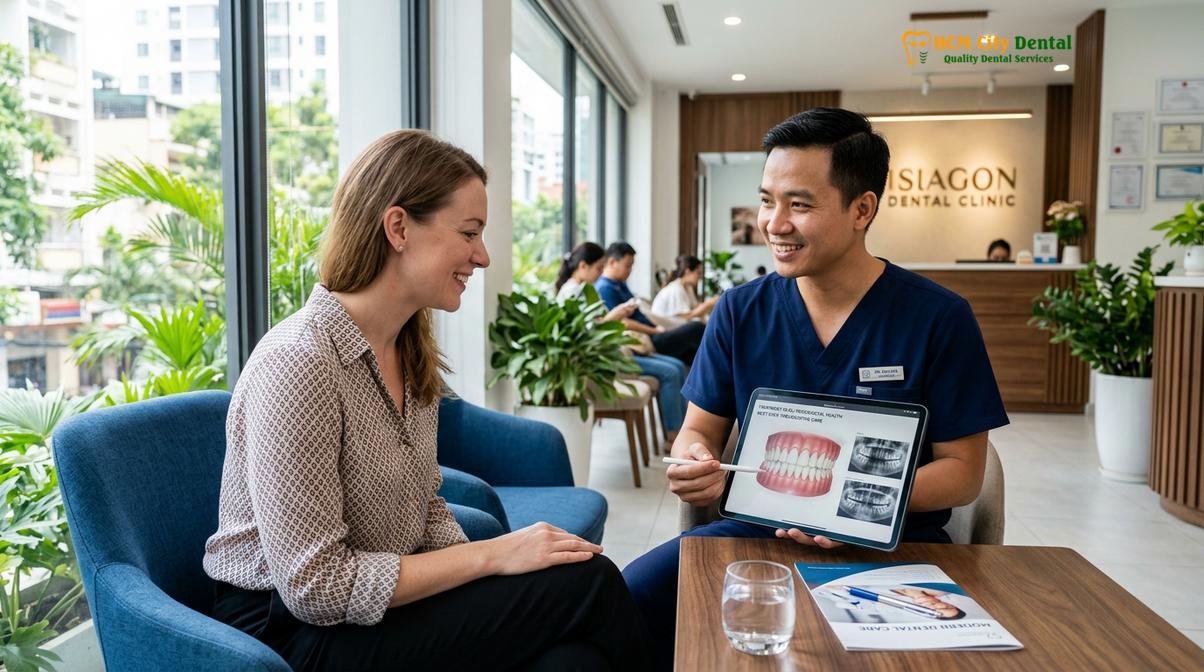
Furthermore, direct consultation fosters a relationship built on trust and clinical transparency. The attending dentist can explain the biomechanical rationale behind a proposed treatment, discuss potential risks and contraindications, and set realistic expectations regarding the outcome. This level of detailed medical discourse is impossible to achieve through a middleman. At HCMC Dental Clinic, the clinical team conducts all primary consultations directly in fluent English. This approach ensures that patients are fully informed participants in their healthcare journey.
This commitment to direct clinical oversight is particularly crucial for complex procedures such as full-arch rehabilitations or advanced bone grafting. Patients seeking an English-Speaking Dentist in Ho Chi Minh City: Complete Guide will find that direct physician engagement is the most reliable indicator of a clinic’s dedication to ethical medical practice and superior patient outcomes.
Expat Reviews & Community Reputation of HCMC Dental
A clinic’s reputation within the expatriate community is a strong indicator of its clinical consistency, ethical practices, and ability to manage complex international patient needs.
In the digital age, peer reviews and community reputation serve as vital barometers for assessing the quality of healthcare providers. For expatriates, who often rely on the shared experiences of their peers to navigate foreign medical systems, these testimonials are invaluable. The Medical Tourism Association (MTA) notes that patient safety ratings and peer reviews are primary drivers for healthcare decisions abroad[4]. Analyzing expat dentist reviews provides insight into a clinic’s long-term clinical consistency, its handling of complex cases, and its commitment to postoperative care.
The reputation of HCMC Dental Clinic is built upon a foundation of verifiable clinical successes and a patient-centric philosophy. Reviews frequently highlight the clinic’s meticulous approach to diagnostics, the pain management protocols employed during surgery, and the durability of the restorative work. Unlike transient tourist reviews, feedback from long-term expatriate residents offers a longitudinal perspective on the clinic’s performance, confirming that the materials used resist degradation over time and that the implants maintain stable marginal bone levels years after placement.
Clinical Case Study: Full-Arch Rehabilitation for an Expatriate Patient
Patient Profile: A 58-year-old expatriate visiting HCMC Dental Clinic in Ho Chi Minh City, presenting with severe generalized periodontitis, significant alveolar bone loss, and failing conventional bridges.
Clinical Assessment: 3D CBCT imaging revealed inadequate bone volume in the posterior maxilla for standard implant placement. Direct consultation in English facilitated a thorough discussion of the patient’s medical history, including mild hypertension.
Treatment Workflow: The clinical team proposed an All-on-4 implant-supported fixed prosthesis. The procedure utilized computer-guided surgery to maximize the use of available anterior bone, avoiding the need for extensive sinus augmentation. FDA-certified titanium implants were placed with high primary stability.
Outcome: The patient received a functional, aesthetic provisional prosthesis within 48 hours. Following a standard osseointegration period, a definitive monolithic zirconia bridge was delivered. The patient reported a complete restoration of masticatory function and a significant improvement in quality of life, with stable peri-implant tissues observed during follow-up visits.
Community trust is also fostered by the clinic’s transparent approach to pricing and its ethical handling of complications, should they arise. In surgical dentistry, the true measure of a clinician is not just in executing a flawless procedure, but in their capability and willingness to manage postoperative challenges effectively. For those comparing regional options, such as Dental Implants in Vietnam vs Thailand: Which Is Better?, the robust community endorsement of HCMC Dental Clinic serves as a compelling differentiator.
When to Consult a Clinical Specialist in Vietnam
Timely intervention by a qualified dental specialist is crucial for preventing the progression of oral diseases and avoiding complex, invasive surgical procedures.
Expatriates should seek immediate clinical evaluation if they experience persistent oral pain, signs of infection, or structural damage to existing dental work. The World Health Organization (WHO) guidelines for safe surgery highlight the importance of timely intervention to prevent systemic complications arising from localized infections[5]. Delaying treatment for issues such as severe pulpitis, periodontal abscesses, or failing implants can lead to extensive bone loss and more complex surgical requirements.
Routine check-ups are equally important for maintaining oral health, especially when adapting to a new environment and diet. A proactive approach allows clinicians to detect early signs of demineralization, monitor the integrity of older restorations, and perform professional prophylaxis to manage plaque accumulation. It is crucial to consult a qualified professional who can provide accurate diagnostics and evidence-based interventions tailored to the patient’s specific physiological needs.
Direct Clinical Consultation with Dr. Cuong
Engaging directly with experienced specialists allows patients to receive comprehensive diagnostic insights, tailored treatment timelines, and transparent cost estimates before commencing any procedure.
Dr. Nguyen Van Cuong is a highly respected clinician known for his meticulous approach to complex dental rehabilitations. At HCMC Dental Clinic, Dr. Cuong personally oversees primary consultations, ensuring that international patients receive comprehensive diagnostic insights and tailored treatment timelines. His direct involvement eliminates communication barriers, allowing patients to fully understand the biomechanical rationale behind their care. Dr. Cuong ensures that every expatriate is fully informed about their medical options, fostering a collaborative environment for optimal health outcomes.
“Our clinical philosophy is centered on transparency and precision. By engaging directly with patients, we establish a foundation of trust that is essential for successful, long-term restorative outcomes.”
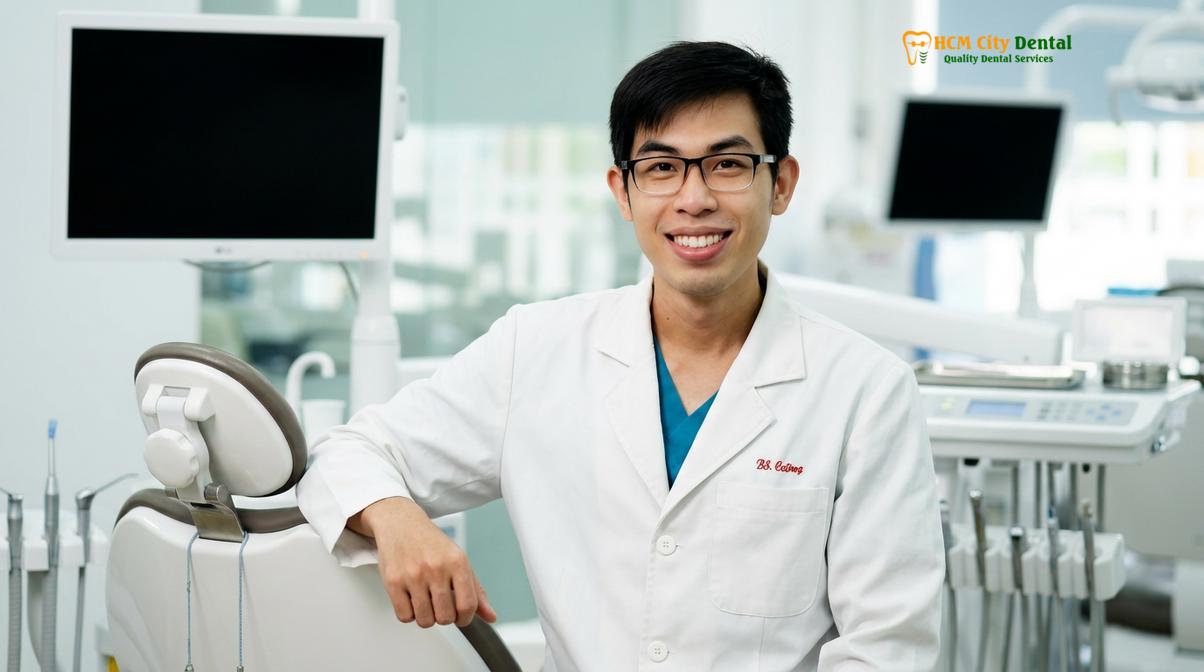
The consultation workflow begins with a thorough anamnesis, reviewing the patient’s systemic health, current medications, and specific dental concerns. This is followed by advanced radiographic evaluation using CBCT technology, allowing the clinical team to assess bone morphology, identify anatomical landmarks, and detect any underlying pathology that may contraindicate certain procedures. Based on these objective clinical findings, a personalized treatment plan is formulated. This plan details the surgical methodologies, the specific FDA/CE certified materials to be used, the anticipated timeline for healing and restoration, and a transparent breakdown of all associated costs. For more details on planning your visit, review our Dental Tourism Vietnam: Complete Guide for International Patients.
References
- Centers for Disease Control and Prevention (CDC). Health Information for Travelers to Vietnam.
- FDI World Dental Federation. Infection Control and Sterilization Standards in Dental Practice.
- Vietnam Ministry of Health (MOH). National Guidelines on Infection Control in Dental Establishments.
- Medical Tourism Association (MTA). Global Medical Tourism Index and patient safety ratings.
- World Health Organization (WHO). Guidelines for Safe Surgery and infection prevention.
For personalized advice and advanced restorative care, contact HCMC Dental Clinic, Ho Chi Minh City today. Explore our comprehensive services and plan your journey through our guide on Dental Tourism tại HCMC Dental Clinic.