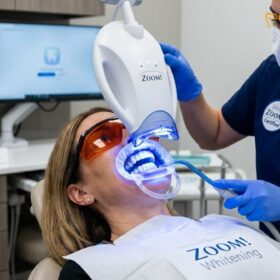
When comparing Zoom vs laser whitening in Saigon, Philips Zoom! WhiteSpeed utilizes advanced blue LED light to activate hydrogen peroxide gel with minimal heat, whereas laser whitening relies on concentrated thermal energy. Both deliver exceptional shade improvements, but Zoom often provides superior comfort for patients with sensitive teeth.
Clinical Summary:
The decision between different professional teeth bleaching systems requires an understanding of how light and heat interact with chemical oxidizing agents. In modern cosmetic dentistry, the focus has shifted from aggressive thermal activation to safer, light-activated protocols. Philips Zoom! WhiteSpeed and Beyond Polus systems represent the current technology standard, utilizing a specific spectrum of blue LED light to accelerate the breakdown of hydrogen peroxide without elevating pulpal temperatures to dangerous levels. Conversely, traditional diode laser bleaching uses concentrated heat to drive the chemical reaction, which, while highly effective at stain removal, carries a higher risk of transient pulpitis. For patients seeking cosmetic enhancements in Ho Chi Minh City, selecting a system that incorporates advanced desensitizers—such as Amorphous Calcium Phosphate (ACP)—is crucial for preserving enamel integrity and ensuring a comfortable post-operative recovery.
Key Takeaways:
- Technology Standard: Philips Zoom! WhiteSpeed uses blue LED light, while laser whitening uses thermal energy to activate the bleaching gel.
- Enamel Protection: Zoom incorporates Amorphous Calcium Phosphate (ACP) to remineralize enamel and reduce sensitivity in real-time.
- Cosmetic Sequencing: Always complete teeth whitening and wait two weeks before color-matching new veneers or crowns.
- Post-Op Care: A strict 48-hour “White Diet” is mandatory while the protective enamel pellicle reforms.
- Cost Efficiency: Pre-arrival WhatsApp bookings at HCMC Dental Clinic offer a 40% discount, reducing Zoom whitening to just $108.
Laser Whitening vs Zoom: Which Is More Effective?
The Battle of Modern Smile Brightening
The choice between modern whitening systems hinges on balancing rapid oxidation of dental stains with the preservation of enamel integrity and patient comfort.
The pursuit of a radiant, youthful smile has made professional Teeth Whitening one of the most requested cosmetic dental procedures worldwide. As dental tourism continues to flourish, patients researching zoom vs laser whitening vietnam are often confronted with conflicting information regarding efficacy, safety, and post-operative sensitivity. Understanding the biochemical mechanisms behind these treatments is essential for making an informed clinical decision.
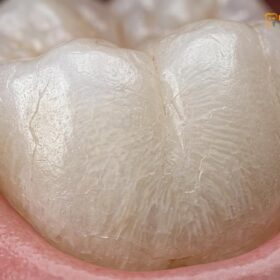
Tooth discoloration occurs on two levels: extrinsic and intrinsic. Extrinsic stains are superficial, accumulating on the enamel surface due to the consumption of chromogen-rich foods and beverages like coffee, tea, red wine, and tobacco. Intrinsic stains, however, reside deep within the dentin—the porous layer beneath the enamel—and can be caused by aging, trauma, or systemic factors such as tetracycline exposure during tooth development. While routine prophylaxis (scaling and polishing) can remove extrinsic debris, eradicating intrinsic discoloration requires a chemical oxidation process[1].
Both Zoom and laser systems utilize a peroxide-based bleaching agent to achieve this oxidation. When applied to the tooth surface, the peroxide breaks down into water and highly reactive oxygen free radicals. These free radicals penetrate the microscopic enamel rod structure, reaching the underlying dentin where they interact with the dark, complex chromophore molecules. The oxidation reaction breaks the double carbon bonds of these chromophores, transforming them into smaller, colorless compounds, thereby reflecting more light and creating a brighter appearance.
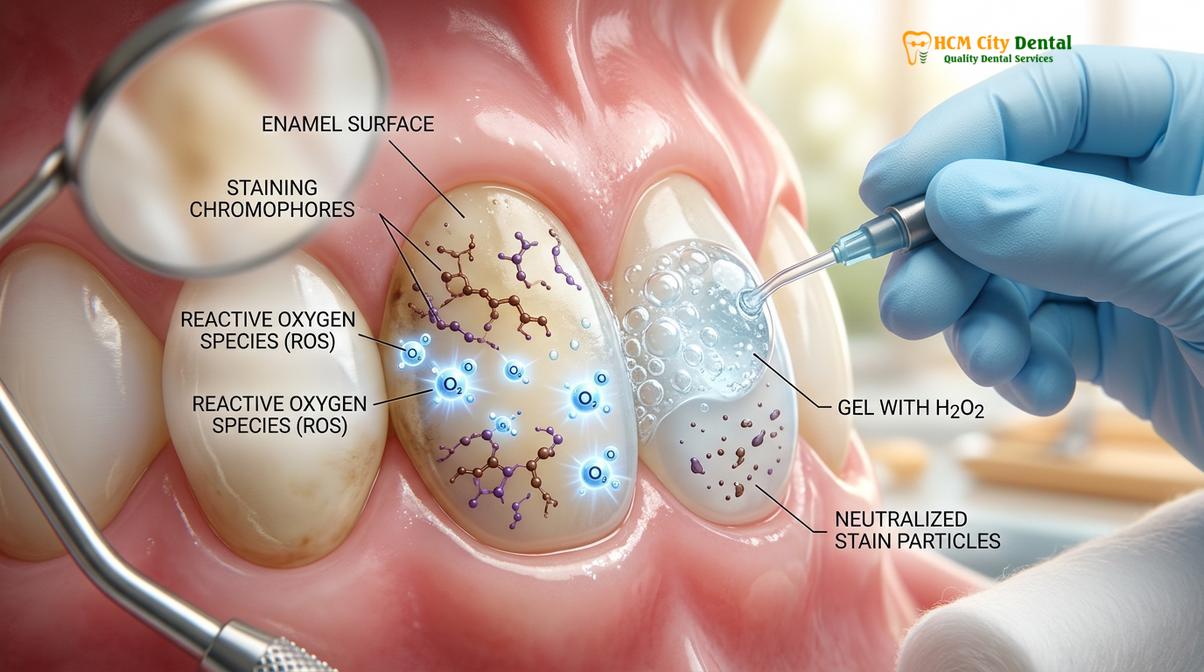
The critical difference between the various professional systems lies in the catalyst used to accelerate this chemical breakdown. Historically, heat was the primary catalyst, but advancements in photochemistry have introduced specific wavelengths of light that can activate the gel more efficiently and safely. At HCMC Dental Clinic, we prioritize evidence-based protocols that maximize aesthetic outcomes while strictly safeguarding the vitality of the dental pulp.
Philips Zoom! WhiteSpeed: Blue LED Technology
Philips Zoom! WhiteSpeed employs a proprietary blue LED spectrum to accelerate the breakdown of hydrogen peroxide gel, maximizing stain removal while minimizing pulpal heat.
The philips zoom whitespeed system represents the pinnacle of modern in-office bleaching technology. Manufactured in the USA, this system utilizes a highly specialized blue LED (Light Emitting Diode) lamp that emits light at a specific wavelength (typically between 400 and 505 nanometers). This wavelength is precisely calibrated to interact with a proprietary photo-activator formulated within the 25% hydrogen peroxide gel.
Unlike older halogen or heat-based lamps, the blue LED technology generates minimal thermal output. The light energy excites the photo-activator, which in turn accelerates the release of oxygen free radicals from the peroxide. This targeted photochemical reaction allows for rapid and profound stain oxidation without subjecting the internal pulp chamber to excessive heat stress. The standard clinical workflow involves three to four 15-minute illumination sessions, allowing the clinician to monitor the shade progression and patient comfort in real-time.
One of the most significant clinical advantages of the Zoom system is its integrated desensitizer protocol. The light-activated gel is uniquely formulated with amorphous calcium phosphate (ACP). As the peroxide opens the microscopic pores of the enamel to lift stains, the ACP simultaneously precipitates into these dentinal tubules. This real-time remineralization process effectively plugs the tubules, preventing the rapid fluid movement that triggers nerve pain. Furthermore, ACP helps to restore the micro-hardness of the enamel and imparts a smooth, lustrous finish to the teeth[2].
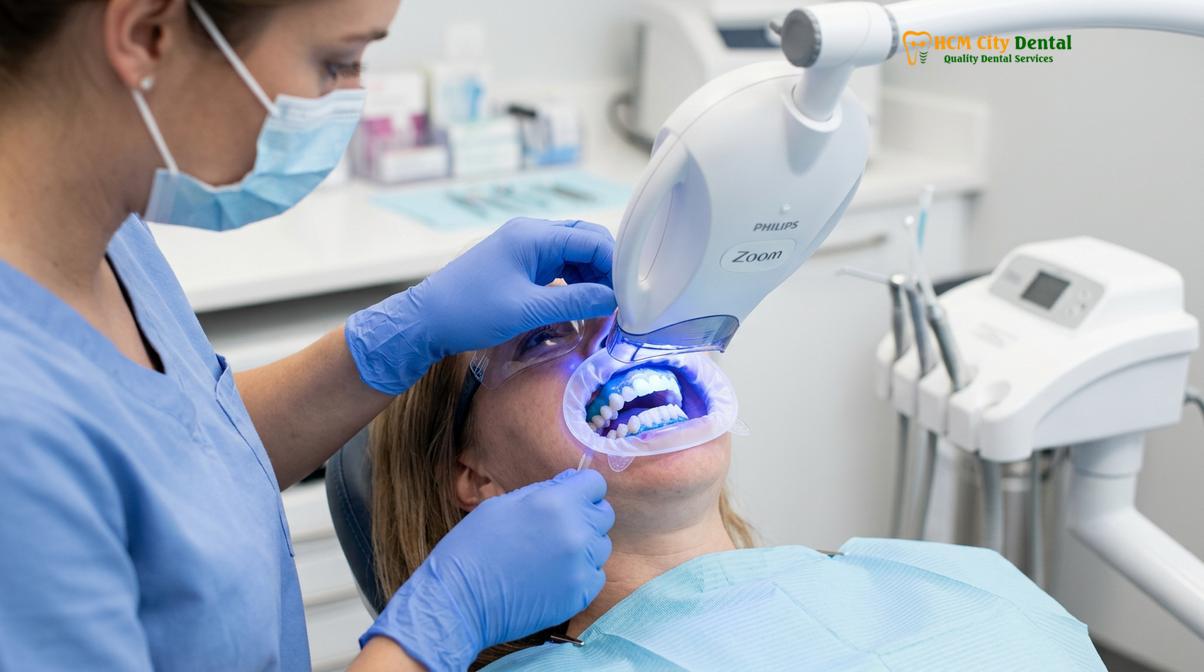
Dr. Nguyen Van Cuong, a leading cosmetic specialist at HCMC Dental Clinic, emphasizes the importance of this dual-action approach. By combining powerful oxidation with immediate remineralization, the Zoom system mitigates the transient sensitivity that historically deterred patients from seeking professional whitening treatments. This focus on patient comfort, combined with predictable aesthetic results, has established Zoom as the gold standard in our clinical practice.
Laser Teeth Whitening: Concentrated Heat Activation
Laser whitening utilizes a targeted diode laser to heat the bleaching agent, triggering a rapid chemical reaction that effectively eradicates deep-set enamel stains.
Traditional laser teeth whitening operates on a fundamentally different physical principle. Instead of relying on a broad-spectrum LED light to initiate a photochemical reaction, this method utilizes a diode laser bleaching device. The laser emits a highly concentrated, monochromatic beam of light energy that is absorbed by special pigment particles mixed into the bleaching gel. As these particles absorb the laser energy, they convert it into heat.
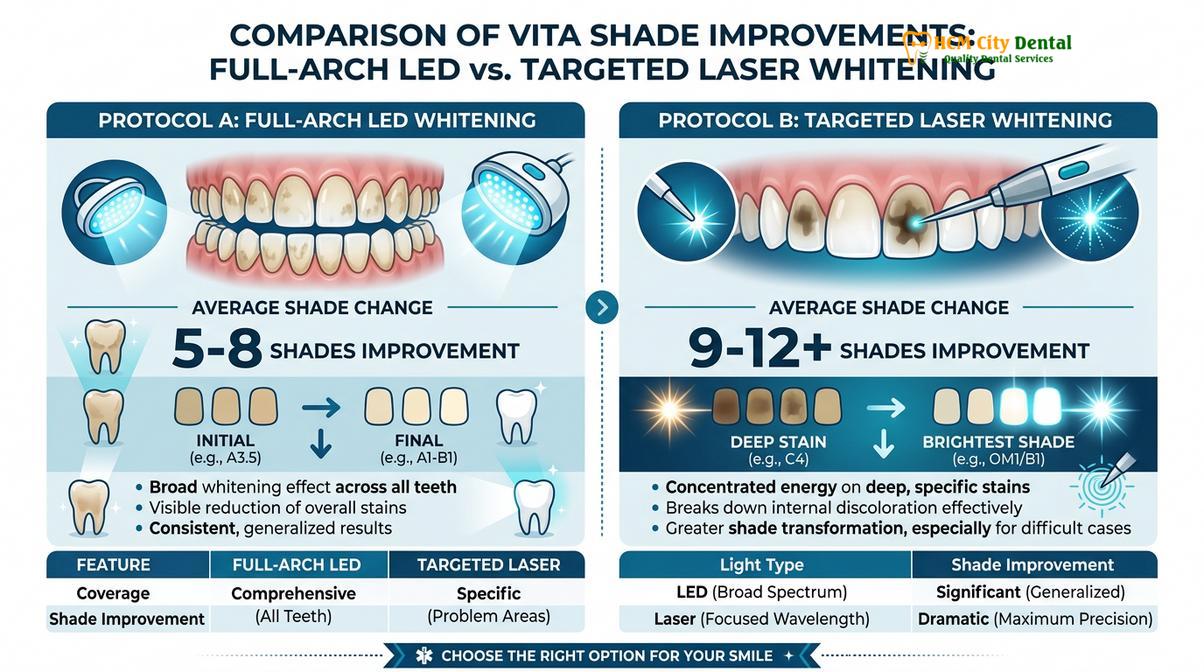
This photothermal effect rapidly raises the temperature of the peroxide gel, exponentially accelerating its breakdown into oxygen free radicals. Because the laser beam is narrow and highly focused, the clinician must manually direct the laser over each individual tooth, or small groups of teeth, in a sweeping motion. For patients searching for the best dental whitening laser saigon, it is important to understand that while the heat-driven reaction is incredibly fast and effective at obliterating stubborn stains, it carries inherent clinical risks.
The primary concern with laser activation is the potential for a significant rise in intrapulpal temperature. The dental pulp, housed in the center of the tooth, contains delicate nerves and blood vessels. If the heat generated by the laser penetrates too deeply, it can cause thermal trauma to the pulp, leading to acute, sharp pain during the procedure and prolonged sensitivity afterward. To mitigate this risk, highly skilled practitioners must carefully control the laser’s wattage and exposure time.
Clinical Warning: Professional Supervision vs. DIY Remedies
Professional whitening systems are strictly formulated to be safe for enamel under dental supervision. Patients must absolutely avoid DIY kitchen remedies such as scrubbing teeth with baking soda, activated charcoal, or lemon juice. These acidic and highly abrasive substances do not oxidize intrinsic stains; instead, they aggressively strip away the outer layer of enamel, leading to permanent structural damage, severe sensitivity, and paradoxically yellower teeth as the underlying dentin is exposed.
While laser whitening remains a viable option for specific clinical scenarios—particularly for single-tooth bleaching of a non-vital, endodontically treated tooth—the broader cosmetic dentistry community has largely transitioned toward the safer, cooler LED technology of systems like Zoom and Beyond Polus to ensure optimal patient safety across the entire dental arch.
Comparing Efficacy: How Many Shades Can You Expect?
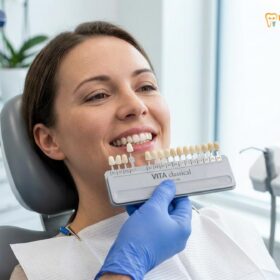
Both systems can achieve dramatic results, typically lightening teeth by up to eight shades on the VITA Classical guide, depending on the initial baseline and enamel porosity.
When evaluating the efficacy of any professional bleaching system, clinicians rely on standardized shade assessment tools, most notably the vita classical guide. This guide categorizes natural tooth shades into 16 distinct tabs, arranged by hue and value. A successful in-office whitening session typically yields an improvement of 5 to 8 shades, transforming a dull, yellowish smile into a vibrant, youthful one.
The final shade achieved is highly individualized and depends on several physiological factors, including the initial thickness of the enamel, the density of the dentin, and the specific type of chromogens present. Yellow and brown stains (typically caused by food and aging) respond exceptionally well to oxidation. Conversely, grayish stains (often resulting from tetracycline use or fluorosis) are notoriously resistant and may require multiple sessions or alternative cosmetic solutions like porcelain veneers.
To maximize and maintain these results, a comprehensive whitening protocol often involves a combination of in-office treatment and at-home maintenance. We provide custom-fabricated bleaching trays loaded with genuine Opalescence (Ultradent, USA) gel. This take-home gel utilizes a carbamide peroxide formula, which breaks down more slowly than hydrogen peroxide, making it ideal for safe, unsupervised use. The Opalescence gel also contains a PF formula (potassium nitrate and sodium fluoride) to further strengthen enamel and prevent sensitivity.
We recommend specific concentrations based on the patient’s lifestyle and sensitivity profile: a 10% concentration for overnight wear (ideal for sensitive teeth) and a 15% concentration for daytime wear (typically 2-4 hours). The synergy between the immediate, powerful oxidation of the in-office session and the sustained, gentle bleaching of the take-home kits ensures the longevity of the aesthetic outcome.
| Feature | Philips Zoom! WhiteSpeed | Diode Laser Whitening | Opalescence Take-Home Kits |
|---|---|---|---|
| Activation Method | Blue LED Light (Photochemical) | Targeted Laser (Photothermal) | Chemical Breakdown (No light) |
| Active Agent | 25% Hydrogen Peroxide | 25-35% Hydrogen Peroxide | 10-15% Carbamide Peroxide |
| Heat Generation | Minimal | Moderate to High | None |
| Desensitizing Agent | Amorphous Calcium Phosphate (ACP) | Varies by brand | Potassium Nitrate & Fluoride |
| Treatment Time | 45-60 minutes (In-office) | 45-60 minutes (In-office) | 1-2 weeks (At-home) |
Tooth Sensitivity & Gum Protection
Comprehensive gingival barriers and advanced desensitizing protocols are mandatory to prevent chemical burns and manage transient pulpitis during the oxidation process.
The most common adverse effect associated with any form of vital tooth bleaching is transient post-operative sensitivity. To understand why this occurs, we must look at the hydrodynamic theory of tooth sensitivity. The dentin layer is composed of thousands of microscopic tubules filled with fluid that connect directly to the nerve endings in the pulp. When the highly concentrated peroxide gel opens the enamel pores to oxidize stains, it temporarily alters the osmotic pressure within these tubules. This pressure change causes the fluid to shift rapidly, triggering the nerve endings and resulting in sharp, fleeting “zingers” of pain[3].
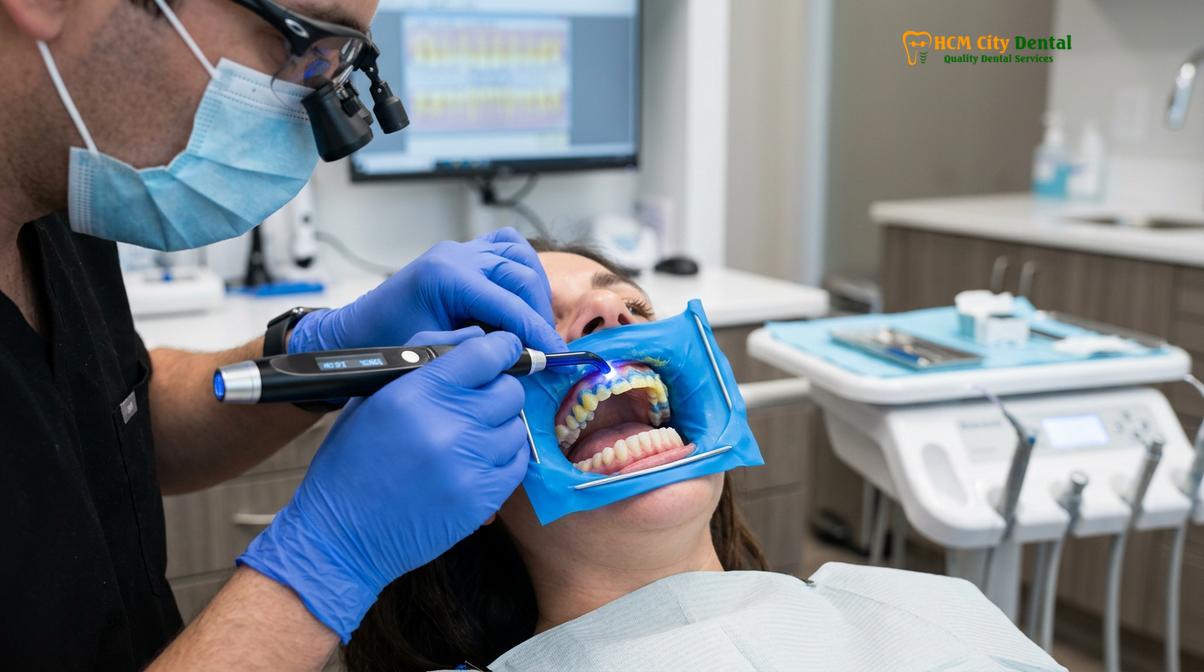
Because laser whitening relies on heat, it exacerbates this fluid expansion, often leading to a higher incidence of acute sensitivity compared to LED systems. This is why enamel dentin protection is a paramount concern during the clinical workflow. Before any bleaching agent is applied, the clinician must meticulously isolate the soft tissues. A light-cured resin barrier (often referred to as a liquid dental dam) is carefully painted along the gingival margins to protect the gums from chemical burns, while retractors keep the lips and cheeks safely away from the treatment zone.
“The integration of Amorphous Calcium Phosphate in modern LED systems has revolutionized our approach to cosmetic bleaching. By actively plugging the dentinal tubules during the oxidation process, we can achieve maximum shade enhancement while drastically reducing the incidence of transient pulpitis, ensuring a comfortable experience even for our most sensitive patients.”
— Dr. Nguyen Van Cuong, Clinical Director
Following the procedure, the teeth are temporarily dehydrated, and the protective protein pellicle that normally coats the enamel has been stripped away. It takes approximately 48 hours for the salivary proteins to rebuild this pellicle and for the teeth to rehydrate. During this critical window, the enamel is highly susceptible to secondary staining and thermal shock. Utilizing desensitizing gels containing potassium nitrate immediately post-op helps to calm the nerve endings by preventing repolarization, ensuring a smooth recovery.
Clinical Decision: Which Method Should You Choose?
Selecting the optimal whitening protocol requires a comprehensive clinical evaluation of your enamel thickness, restorative history, and personal sensitivity thresholds.
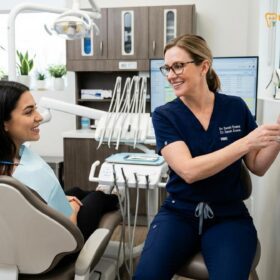
For patients evaluating philips zoom vs laser bleaching HCMC, the decision should be guided by a professional consultation rather than marketing claims. At HCMC Dental Clinic, our diagnostic process begins with a thorough examination of the oral cavity to assess the etiology of the discoloration and the structural integrity of the teeth.
A critical rule in cosmetic dentistry is proper treatment sequencing. Whitening must always be completed BEFORE getting any permanent restorations, such as porcelain veneers, dental crowns, or composite bonding. Bleaching agents only affect natural tooth structure; they cannot alter the color of ceramic or resin materials. Therefore, we require patients to complete their whitening protocol and undergo a mandatory 2-week stabilization period. This allows the oxygen to fully dissipate from the enamel and the final shade to settle before we color-match the new restorations, ensuring a seamless, monolithic smile design.
Clinical Case Study: Smile Makeover Sequencing
An international patient visited HCMC Dental Clinic in Ho Chi Minh City seeking a complete smile rejuvenation. Presenting with generalized yellowing and two failing composite restorations on the central incisors, the treatment plan was carefully sequenced. The patient first underwent a 45-minute Philips Zoom in-office session, achieving a 6-shade improvement. After a strict 2-week stabilization period using the 10% Opalescence take-home kit, the final brightened shade was recorded. Only then were the old composites replaced with high-translucency ceramic veneers perfectly matched to the new, radiant baseline, resulting in a flawless, natural-looking outcome.
Understanding the financial investment is also a key component of the clinical decision. We maintain a transparent pricing structure that incorporates a significant 40% pre-arrival discount for patients who secure their appointments via WhatsApp. According to our current fee schedule:
- In-office Zoom Whitening: Walk-in rate is 4,666,667 VND (~$180). With the WhatsApp booking discount, the cost is reduced to 2,800,000 VND ($108).
- Take-home Whitening Kit: Includes custom trays and Opalescence gel. Walk-in rate is 2,500,000 VND (~$96). WhatsApp discount price is 1,500,000 VND ($58).
- Perfect Smile Combo: Combines both In-office Zoom and the Take-home Kit for maximum longevity. Walk-in rate is 7,166,667 VND (~$276). WhatsApp discount price is 4,300,000 VND ($166).
- Bright Smile Combo: Includes professional scaling/cleaning prior to Zoom whitening. Walk-in rate is 5,333,333 VND (~$206). WhatsApp discount price is 3,200,000 VND ($123).
This transparent approach, combined with our global warranty and remote WhatsApp checkup support, provides our international and local patients with complete peace of mind throughout their cosmetic journey.
When to See a Doctor: Important Clinical Considerations
While professional teeth whitening is highly predictable and safe, it is a medical procedure that requires strict clinical oversight. Not everyone is an ideal candidate for immediate bleaching. Patients presenting with active periodontal disease, untreated dental caries, or exposed root surfaces due to gum recession must have these pathologies addressed prior to any cosmetic intervention. Applying high-concentration peroxide to active decay or exposed dentin can cause excruciating pain and irreversible pulpal damage[4].
Furthermore, pregnant or lactating women are generally advised to postpone elective whitening treatments as a precautionary measure. Patients with severe enamel hypoplasia or amelogenesis imperfecta may not achieve satisfactory results and might be better suited for restorative options like veneers.
Post-treatment compliance is just as critical as the clinical procedure itself. Patients must strictly adhere to the “White Diet” during the crucial 48-hour recovery window while the enamel pellicle is reforming. This means absolutely avoiding staining pigments, chromogens, and tannins found in coffee, red wine, dark tea, soy sauce, berries, and tobacco. If consuming colored beverages is unavoidable, using a straw placed toward the back of the mouth can help minimize contact with the anterior teeth. Consuming clear or white foods—such as chicken, rice, pasta with white sauce, and milk—is highly recommended during this period to prevent secondary staining[5].
“The safety and efficacy of vital tooth bleaching are maximized when the procedure is preceded by a comprehensive clinical examination, proper diagnosis of the discoloration etiology, and executed under the direct supervision of a qualified dental professional.”
— American Dental Association Clinical Guidelines
If you experience prolonged sensitivity lasting more than a few days, or if you notice any blanching or ulceration of the gum tissue, you should contact your dentist immediately for an evaluation. For a personalized assessment of your cosmetic needs, we invite you to schedule a consultation with our expert team at HCMC Dental Clinic.
Frequently Asked Questions
Is Philips Zoom better than laser whitening?
Philips Zoom is generally preferred over traditional laser whitening because its blue LED technology generates less heat, significantly reducing the risk of pulpal sensitivity. While both methods effectively oxidize deep enamel stains, Zoom’s integration of Amorphous Calcium Phosphate (ACP) provides superior enamel protection and a more comfortable patient experience.
Why does laser whitening cause more sensitivity?
Laser whitening causes more sensitivity because it relies on concentrated thermal energy (heat) to activate the bleaching gel, which can elevate the temperature inside the tooth’s pulp chamber. This sudden temperature increase exacerbates fluid movement within the dentinal tubules, leading to transient pulpitis and sharper post-operative sensitivity.
How long do Zoom whitening results last?
Professional Zoom whitening results typically last between 12 to 24 months, depending heavily on your dietary habits and oral hygiene routine. Patients who strictly follow the 48-hour white diet, avoid heavy chromogens like coffee and tobacco, and use custom take-home maintenance trays can extend their bright results significantly longer.
Which is cheaper in Ho Chi Minh City?
In Ho Chi Minh City, laser whitening and Zoom whitening are often priced similarly, but Zoom offers better long-term value due to its advanced desensitizing properties. At our clinic, patients booking via WhatsApp receive a 40% discount, bringing the premium Zoom in-office treatment down to just 2,800,000 VND ($108).
Can I whiten my teeth if I have crowns or veneers?
No, professional whitening agents only alter the color of natural tooth structure and will not change the shade of existing ceramic crowns, porcelain veneers, or composite resin restorations. If you are planning a smile makeover, you must whiten your natural teeth first and wait two weeks before color-matching new restorations.
References
- Journal of Clinical Periodontology. Tooth bleaching safety and enamel micro-hardness. (2021).
- Journal of Esthetic and Restorative Dentistry. Carbamide vs Hydrogen Peroxide sensitivity. (2020).
- American Dental Association. Clinical guidelines for professional teeth whitening. (2019).
- Journal of Dentistry. Amorphous calcium phosphate re-mineralization. (2022).
- Operative Dentistry. Staining susceptibility of bleached enamel. (2018).