
Porcelain Veneers Cost in Saigon — e.max Veneer Pricing Guide

The porcelain veneers cost saigon typically ranges from $250 to $450 per tooth, depending on the chosen ceramic material. Swiss e.max pressed veneers offer superior translucency for anterior teeth, while international patients benefit from world-class cosmetic dentistry, digital smile design, and significant savings compared to Western clinics.
Clinical Summary:
Porcelain veneers in Ho Chi Minh City provide a highly aesthetic, minimally invasive solution for comprehensive smile restoration. Utilizing advanced materials such as lithium disilicate (e.max) and monolithic zirconia, cosmetic dentists achieve natural translucency and optimal structural durability. The clinical workflow integrates Digital Smile Design (DSD) for precise treatment planning, requiring only 0.3mm to 0.5mm of enamel preparation to ensure maximum bond strength. With transparent pricing, international warranty coverage, and direct billing options for expatriates, patients receive comprehensive, evidence-based care tailored to their unique anatomical and aesthetic requirements.
Key Takeaways:
- Swiss e.max veneers cost between $250 and $400 per tooth, ideal for achieving natural anterior aesthetics.
- German Zirconia veneers range from $300 to $450 per tooth, offering exceptional structural strength for heavy bite forces.
- Minimal preparation techniques conserve natural tooth structure, requiring only 0.3mm to 0.5mm of enamel reduction.
- Digital Smile Design (DSD) allows patients to preview their final restorations before any clinical preparation begins.
- Pre-booking consultations via WhatsApp can secure up to a 40% discount on comprehensive smile makeover packages.

Porcelain Veneers Cost in Saigon: Custom Shade Packages
The cost of porcelain veneers in Saigon is structured around the specific ceramic material, with premium options like Swiss e.max and German Zirconia offering distinct aesthetic and functional benefits at highly competitive rates.
Understanding the financial investment required for a smile makeover is a critical first step for both local residents and international dental tourists. The porcelain veneers cost saigon is highly competitive, primarily due to lower operational overheads in Vietnam, rather than any compromise in material quality or clinical expertise. Clinics in the region utilize the exact same imported European ceramics and digital milling technologies found in top-tier practices in Australia, the United States, and Europe. [1]
Currently, the pricing structure is divided based on the material's origin and its specific biomechanical properties. Swiss e.max pressed veneers, renowned for their lifelike optical qualities, generally range from $250 to $400 per tooth. For patients requiring enhanced structural integrity, German Zirconia veneers are priced between $300 and $450 per tooth. This transparent pricing model ensures that patients can select a treatment plan that aligns with both their clinical needs and their budget.
To further optimize the financial aspect of the treatment, many clinics offer significant incentives for proactive patients. By utilizing WhatsApp pre-bookings, international travelers and expatriates can often secure up to a 40% discount on comprehensive cosmetic packages. This streamlined communication channel also facilitates the exchange of initial photographs and clinical histories, allowing the dental team to provide a preliminary assessment before the patient even boards a flight.
For expatriate families residing in Vietnam, navigating healthcare expenses is made seamless through established direct billing partnerships. Reputable clinics collaborate with major international insurance providers, including Allianz, Bupa, and Cigna. This integration allows patients to utilize their dental coverage for eligible restorative components of their treatment, minimizing out-of-pocket expenses and simplifying the administrative process. [2]
| Veneer Material | Origin | Estimated Cost per Tooth | Primary Clinical Indication |
|---|---|---|---|
| Pressed Lithium Disilicate (e.max) | Switzerland | $250 - $400 | Anterior teeth, high translucency requirements |
| Monolithic Zirconia | Germany | $300 - $450 | Patients with heavy bite forces or bruxism |
| Composite Resin | Various | $100 - $150 | Budget-friendly, temporary aesthetic corrections |
When evaluating the overall veneers cost, it is essential to factor in the comprehensive nature of the care provided. The quoted fees typically encompass the initial consultation, 3D radiographic imaging, the fabrication of the temporary restorations, and the final bonding protocol. Furthermore, patients receive a 3-year clinic bonding warranty, providing peace of mind and underscoring the clinic's commitment to long-term clinical success.
Swiss e.max vs. German Zirconia: Veneer Material Comparison
Selecting between Swiss e.max and German Zirconia depends on a careful clinical evaluation of the patient's bite force, aesthetic goals, and the specific position of the tooth being restored.
The foundation of a successful cosmetic restoration lies in the selection of the appropriate ceramic material. In modern aesthetic dentistry, the two predominant choices are lithium disilicate glass-ceramic (commonly known by the brand name e.max) and monolithic zirconia. Each material possesses unique microstructural properties that dictate its clinical application. Understanding these differences is crucial for patients researching the emax veneers price ho chi minh and planning their treatment.
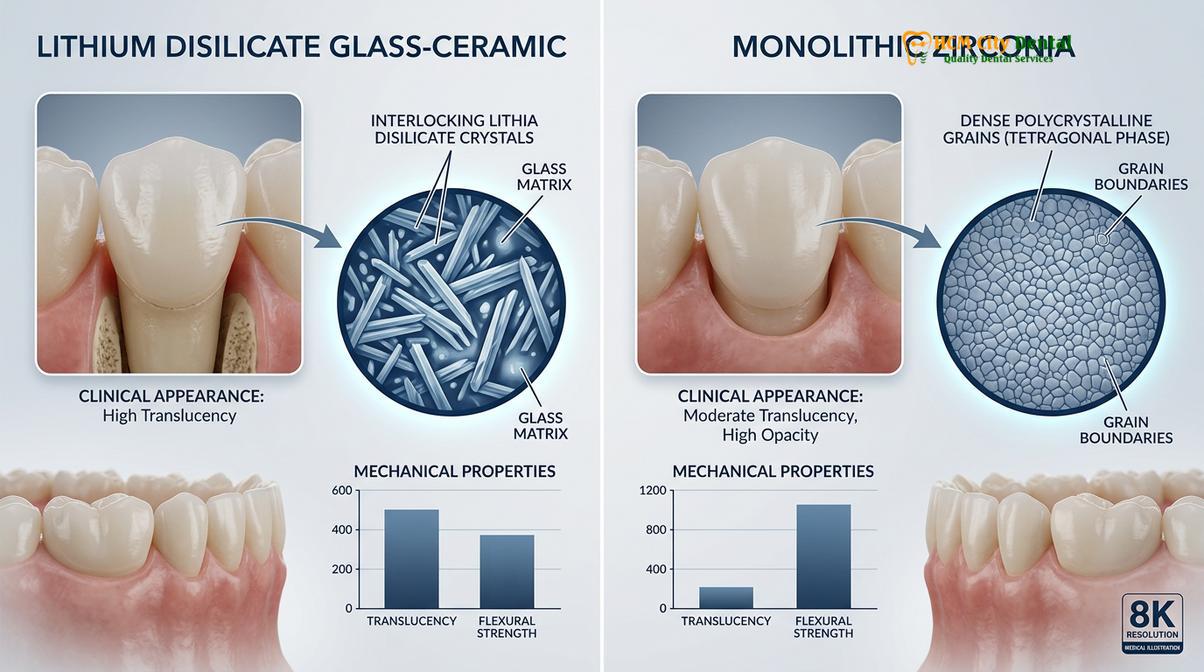
Swiss e.max veneers are celebrated for their unparalleled aesthetic properties. The material is composed of interlocking lithium disilicate crystals dispersed within a glassy matrix. This specific structure allows light to penetrate and scatter in a manner that closely mimics natural human enamel. Consequently, e.max is highly translucent, making it the material of choice for anterior (front) teeth where aesthetics are paramount. Despite its delicate appearance, pressed e.max boasts a flexural strength of approximately 400 to 500 MPa, which is more than sufficient to withstand normal incisal forces. [3]
"Lithium disilicate glass-ceramic exhibits optical properties that closely mimic natural dentin and enamel, making it the gold standard for anterior cosmetic restorations where both strength and superior aesthetics are required." [1]
Conversely, German Zirconia is engineered for maximum durability. Zirconia is a polycrystalline ceramic that lacks a glassy phase, resulting in exceptional flexural strength that can exceed 1000 MPa. This makes it highly resistant to fracture and chipping. While traditional zirconia was often criticized for being overly opaque, advancements in material science have led to the development of highly translucent zirconia variants. However, it still generally falls slightly short of the lifelike vitality offered by e.max. Zirconia is frequently recommended for patients with a history of bruxism (teeth grinding) or for restoring posterior teeth that bear the brunt of masticatory (chewing) forces.
To guarantee the authenticity and quality of the materials used, premier dental centers provide patients with manufacturer authenticity cards upon the completion of their treatment. These cards verify that the ceramics meet stringent ISO certification standards. Furthermore, the clinical bonding protocol differs slightly between the two materials. E.max veneers require hydrofluoric acid etching and the application of a silane coupling agent to achieve a micromechanical and chemical bond with the tooth structure. Zirconia, being acid-resistant, requires specialized phosphate-monomer-based primers (such as MDP) to ensure reliable adhesion.
Minimal Prep vs. Non-Prep Veneers in Saigon
Modern cosmetic dentistry prioritizes the conservation of natural tooth structure, utilizing minimal prep or non-prep techniques to achieve a harmonious smile without compromising long-term dental health.
The paradigm of cosmetic dentistry has shifted significantly towards minimally invasive protocols. The goal is to enhance the smile while preserving as much healthy enamel as possible. Enamel is the hardest substance in the human body and provides the optimal substrate for adhesive dentistry. When a veneer is bonded directly to enamel, the bond strength is significantly higher and more predictable than when bonded to the underlying, softer dentin layer. [2]
Minimal preparation veneers require the removal of a very thin layer of enamel, typically ranging from 0.3mm to 0.5mm. This conservative reduction is necessary to create space for the ceramic material, ensuring that the final restoration does not appear bulky or over-contoured. It also allows the cosmetic dentist to establish a distinct margin, which is crucial for the precise fit of the veneer and the maintenance of periodontal (gum) health. The preparation is meticulously controlled using specialized depth-cutting diamond burrs under high magnification.
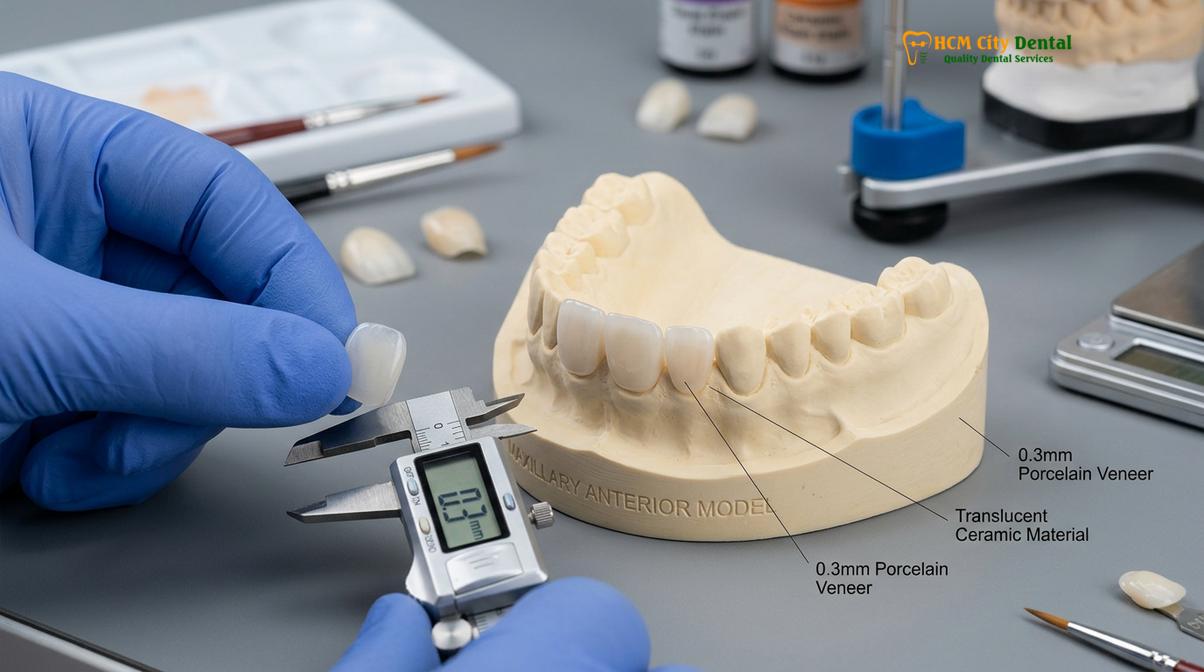
In specific clinical scenarios, non prep veneers ho chi minh offer an alternative that requires zero removal of natural tooth structure. These ultra-thin shells are bonded directly onto the unprepared enamel. While the concept of a "drill-free" procedure is highly appealing, patient selection is critical. Non-prep veneers are primarily indicated for patients with microdontia (abnormally small teeth), minor diastemas (gaps), or teeth that are slightly lingually inclined (tilted inward). In these cases, the addition of the ceramic material brings the teeth into proper alignment and proportion.
For patients seeking a hollywood smile cost saigon, a thorough clinical evaluation is necessary to determine the most appropriate preparation design. The decision between minimal prep and non-prep is not merely a matter of preference but a clinical judgment based on the patient's existing dental anatomy, the desired final shade, and the functional requirements of their bite. The expertise of the clinician is paramount in striking the perfect balance between aesthetic enhancement and biological conservation.
Digital Smile Design (DSD) Mockups & Smile Customization
Digital Smile Design integrates 3D intraoral scanning and facial photography to engineer a customized smile that perfectly complements the patient's unique facial proportions and dynamic expressions.
The era of unpredictable cosmetic outcomes has been replaced by the precision of smile design technology. Digital Smile Design (DSD) is a comprehensive conceptual protocol that utilizes advanced digital imaging to plan and execute aesthetic dental treatments. This workflow ensures that the final restorations are in perfect harmony with the patient's facial features, including the interpupillary line, the facial midline, and the curvature of the lower lip during a natural smile. [3]
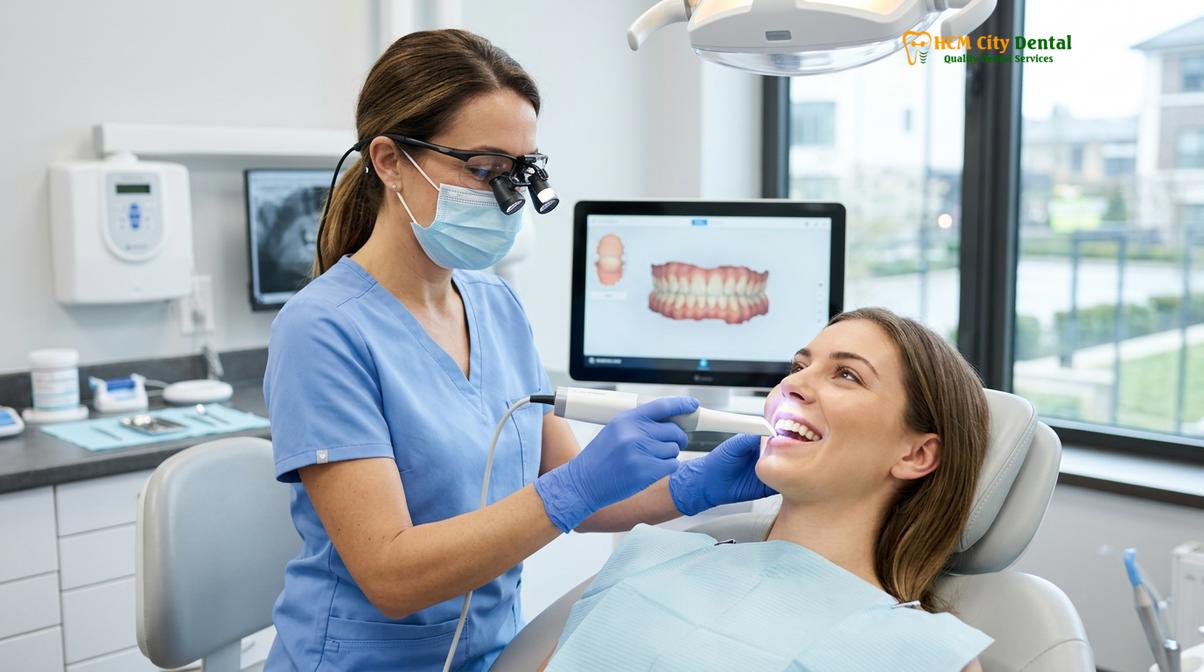
The process begins with the acquisition of high-resolution digital data. Traditional, uncomfortable alginate impressions have been largely superseded by 3D intraoral scanners. These devices capture highly accurate, full-color digital impressions of the dental arches in a matter of minutes. Simultaneously, a series of standardized facial photographs and dynamic video recordings are taken to analyze the patient's phonetics and lip mobility.
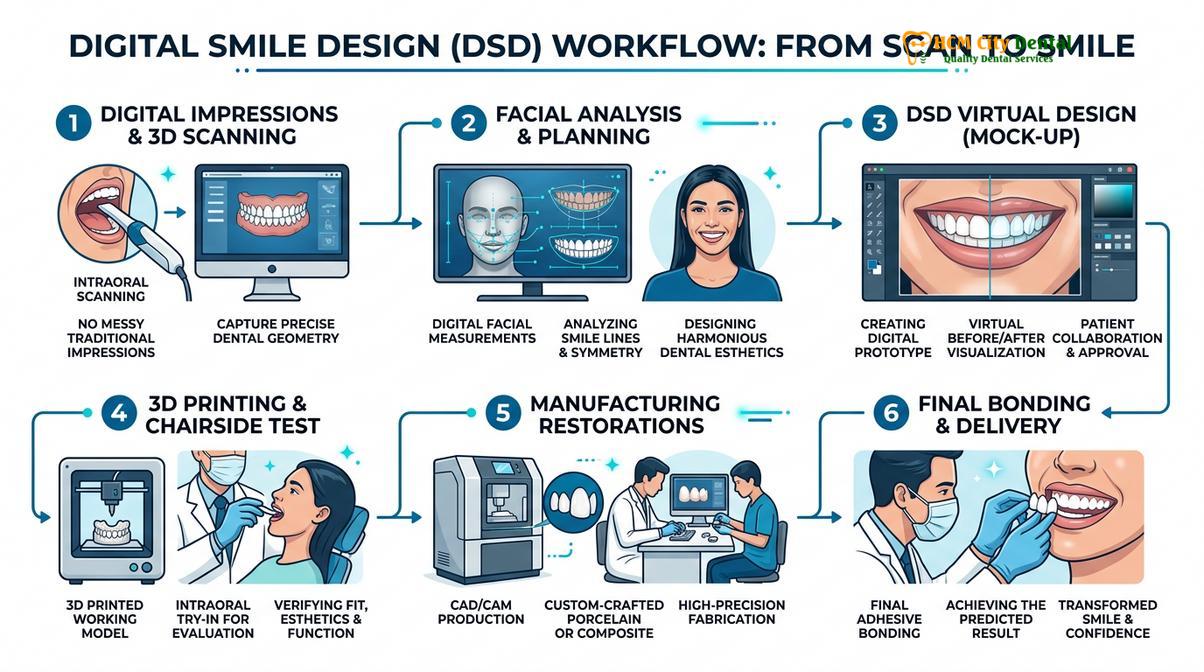
This data is then imported into specialized DSD software, where the clinician can manipulate the size, shape, and proportion of the teeth virtually. Patients are actively involved in this co-design process, allowing them to express their preferences regarding tooth morphology—whether they desire a more rounded, youthful appearance or a squarer, more dominant look. This collaborative approach ensures that the patient's expectations are fully aligned with the clinical possibilities.
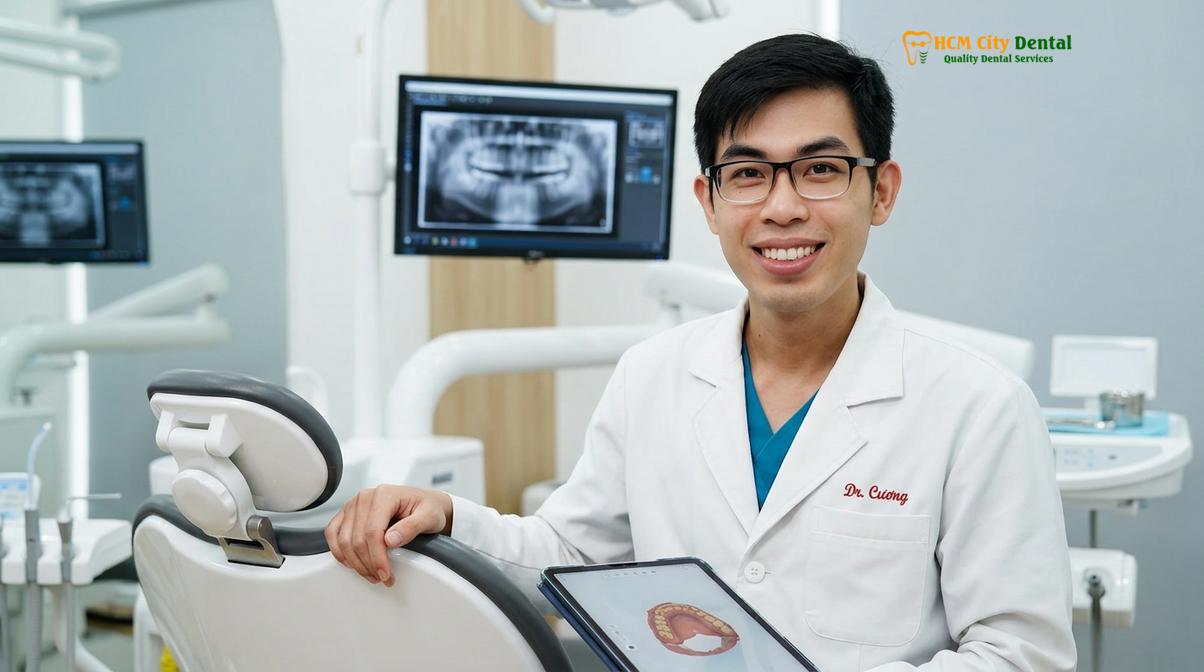
A 34-year-old international patient visited HCMC Dental Clinic in Ho Chi Minh City seeking to correct mild spacing and enamel wear. Under the expert guidance of Dr. Nguyen Van Cuong, the clinical team utilized DSD to plan a 10-unit e.max veneer restoration. The patient approved the digital mockup, and a PMMA temporary trial smile was placed. After confirming the aesthetics and phonetics, the final restorations were bonded within five days, achieving a flawless, natural-looking result while preserving maximum enamel.
Once the digital design is finalized, it is translated into a physical reality through a process known as a "mock-up" or "trial smile." A temporary resin material is placed over the patient's un-prepared teeth, allowing them to physically experience their new smile before any irreversible treatment is initiated. This crucial step allows for the evaluation of aesthetics, phonetics, and occlusal function. Only after the patient gives their full approval does the clinical preparation and final fabrication of the porcelain veneers district 1 commence.
When to See a Doctor for Veneer Consultations
While porcelain veneers offer transformative aesthetic benefits, they are a medical procedure that requires a healthy biological foundation. A comprehensive clinical evaluation is mandatory before proceeding with any cosmetic dental treatment to ensure the underlying teeth and periodontium are healthy and capable of supporting the restorations long-term. [5]
Patients should schedule a consultation with a qualified dental professional to assess their candidacy. During this examination, the clinician will evaluate several critical factors. Periodontal health is paramount; the gums must be free of inflammation and disease, as bleeding gums can severely compromise the adhesive bonding process and lead to premature failure of the veneers. Any active decay or endodontic (root canal) infections must be fully resolved prior to aesthetic enhancements.
"Successful veneer bonding relies heavily on the presence of healthy enamel and a stable periodontal foundation; therefore, patients with severe enamel erosion or active periodontal disease must undergo restorative and therapeutic treatments prior to cosmetic enhancements." [5]
Furthermore, an occlusal (bite) analysis is essential. Patients who exhibit signs of severe bruxism (teeth grinding) or clenching may require a modified treatment plan. While modern ceramics are incredibly strong, excessive parafunctional forces can lead to chipping or debonding. In such cases, the clinician may recommend the use of monolithic zirconia over lithium disilicate, or prescribe a custom-fitted occlusal splint (night guard) to protect the investment while the patient sleeps. [4]
It is important to recognize that cosmetic dentistry is not a one-size-fits-all solution. A personalized diagnostic approach, guided by experienced professionals like Dr. Cuong, ensures that the chosen treatment modality is both safe and effective. Patients experiencing tooth sensitivity, structural damage, or dissatisfaction with their smile aesthetics should seek a professional consultation to explore their options within a structured, evidence-based clinical framework.
Frequently Asked Questions
Common questions from international patients seeking porcelain veneers cost saigon in Saigon.
The cost of e.max veneers in Saigon typically ranges from $250 to $400 per tooth. This pricing reflects the use of authentic Swiss lithium disilicate materials, which provide exceptional translucency and strength. Patients can often secure a 40% discount by pre-booking their consultation via WhatsApp before arriving at the clinic, making it a highly cost-effective option for international travelers.
A complete smile makeover with porcelain veneers generally takes between 5 to 7 days, requiring two to three clinical visits. The process begins with a comprehensive consultation and Digital Smile Design, followed by minimal tooth preparation, temporary veneer placement, and finally, the bonding of the permanent ceramic restorations. This efficient timeline is ideal for dental tourists managing travel itineraries.
No, non-prep veneers are not universally suitable for all patients. They are best reserved for individuals with microdontia (small teeth), minor spacing issues, or teeth that are slightly positioned inward. Patients with severe crowding or dark intrinsic stains typically require traditional minimal-prep veneers to achieve optimal aesthetic results without making the teeth appear bulky or over-contoured.
Yes, reputable dental centers provide a comprehensive 3-year clinic bonding warranty on porcelain veneers. Additionally, premium materials like e.max come with manufacturer authenticity cards, ensuring the ceramics meet international ISO certification standards for durability and biocompatibility. This dual layer of protection ensures long-term peace of mind for the patient.
Many international patients can utilize their dental insurance through direct billing partnerships. Clinics often collaborate with major global insurers such as Allianz, Bupa, and Cigna, allowing expat families and dental tourists to seamlessly process their claims for restorative and cosmetic procedures. Patients are advised to provide their insurance details during the initial consultation to verify coverage limits.
References
- Journal of Prosthetic Dentistry. Clinical performance of lithium disilicate veneers. (2021).
- International Journal of Periodontics & Restorative Dentistry. Enamel preservation in aesthetic dentistry. (2020).
- Journal of Esthetic and Restorative Dentistry. Digital Smile Design workflows and patient outcomes. (2019).
- Dental Materials. Comparative analysis of zirconia and glass-ceramic restorations. (2022).
- American Dental Association. Guidelines on cosmetic dental restorations and periodontal health. (2018).
Restore Your Smile with Dr. Cuong
Contact us via WhatsApp for a free digital consultation. Send us your dental records or CT scan for an upfront, transparent cost estimation.
Related: Complete smile makeover at our Saigon clinic → | Biocompatible dental implants → | General dentistry & prevention → | Dental Tourism Vietnam Guide →