[Solve] Teething Diaper Rash: 3 Steps to Fast Relief | Dr. Cuong

Is your baby fussy, struggling with sleep, and sporting an angry red rash in their diaper area? As a parent, it’s natural to connect the dots and...
When an infant is experiencing discomfort, sleep disturbances, and an angry red rash in the diaper area, parents often logically connect these symptoms with the eruption of new teeth. This observation, commonly brought to our clinical attention, highlights a strong perceived link between teething and diaper rash. While medical consensus indicates that teething does not directly cause a diaper rash, an undeniable indirect correlation is frequently observed, often accompanied by changes in stool consistency. This article provides a comprehensive, clinically informed explanation of why a teething diaper rash occurs. We will explore the subtle mechanisms at play, differentiate it from other types of rashes, and, crucially, offer evidence-based strategies for effective treatment and prevention, ensuring rapid relief for your baby. This guide is built upon years of professional insight and medical evidence to empower parents with practical solutions.
The Big Question: Does Teething Cause Diaper Rash?
Let’s address the central question immediately: Teething does not directly cause a diaper rash. The American Academy of Pediatrics (AAP) and other medical bodies are clear that a rash is not a direct symptom of tooth eruption. However, what countless parents observe in their homes—and what I see in my clinical practice—is a strong indirect correlation. The true culprit is a chain reaction that starts in your baby’s mouth.
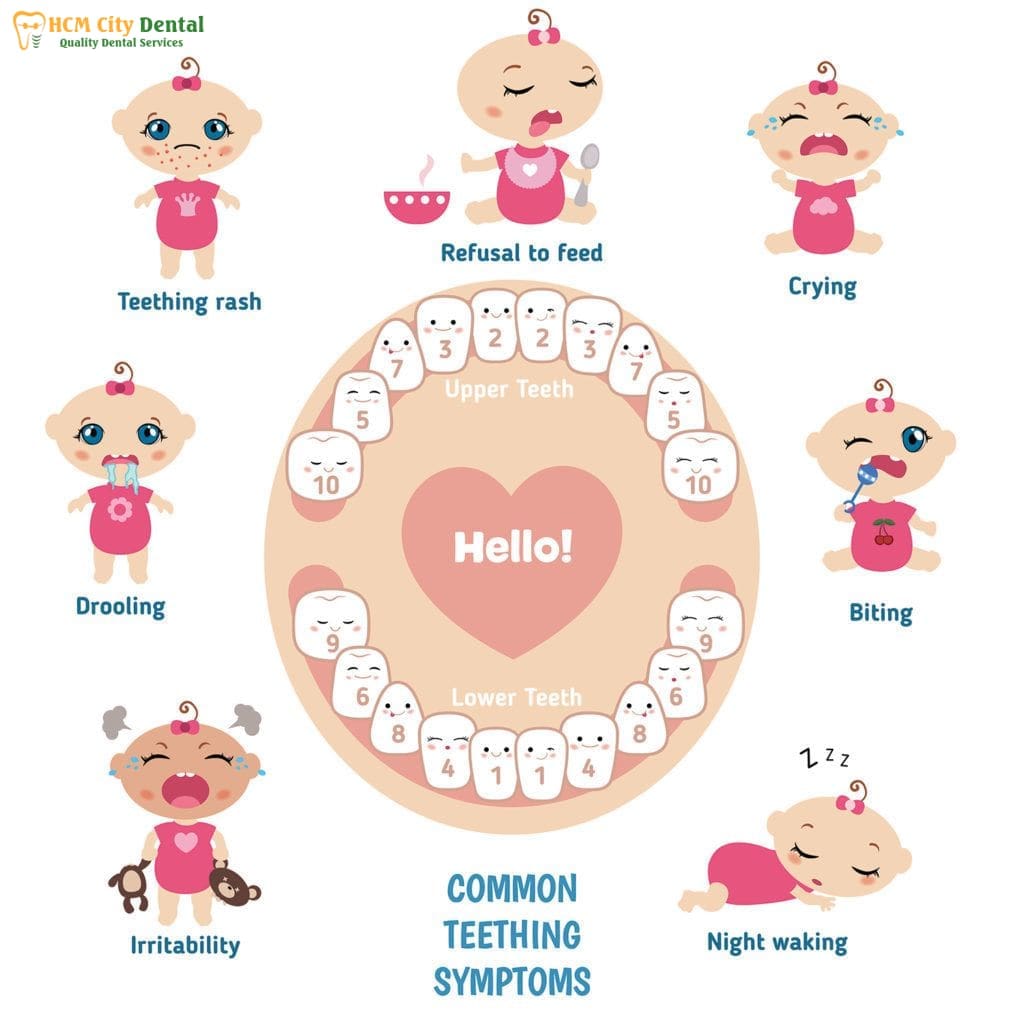
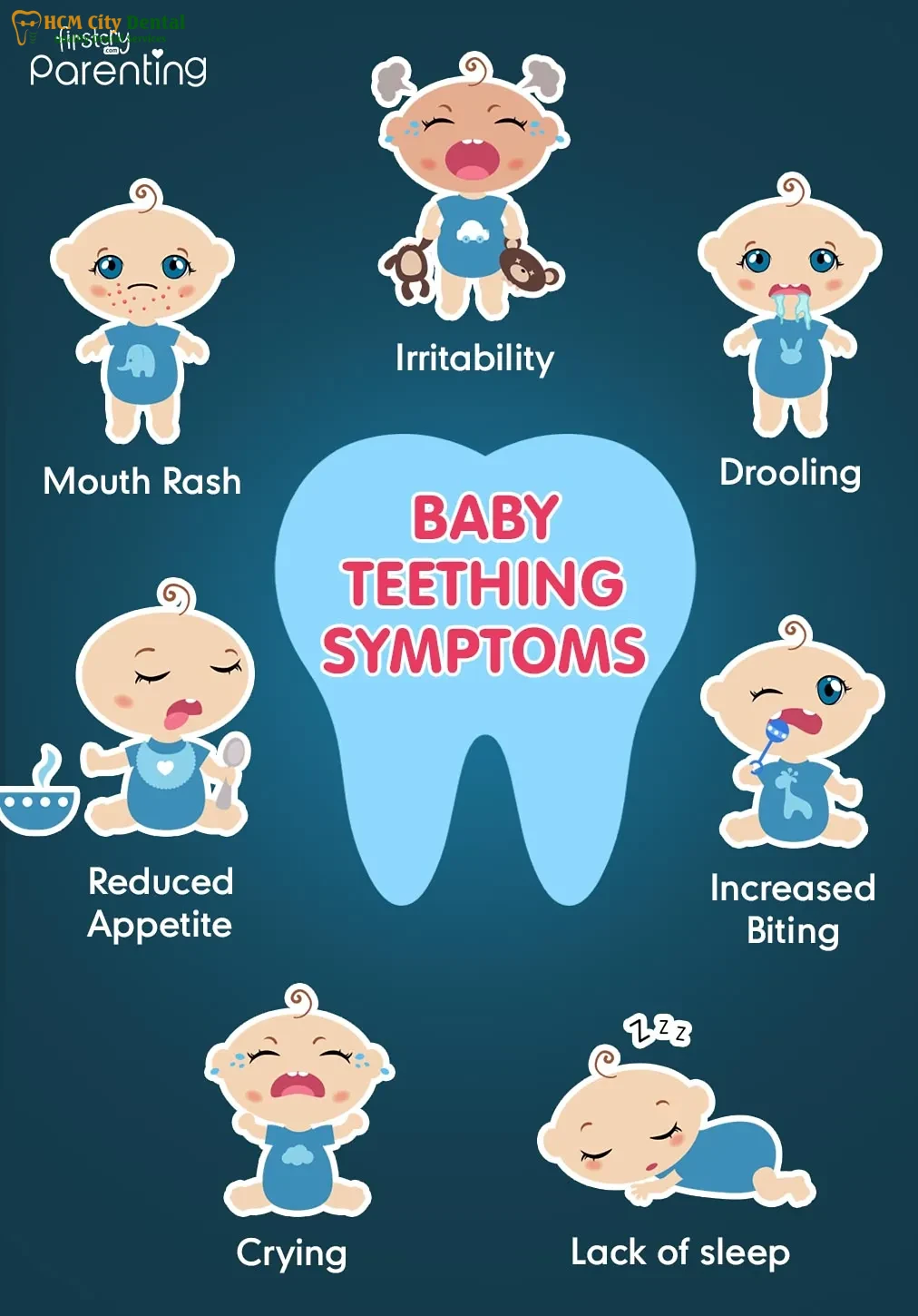
The process is simple: teething stimulates a significant increase in saliva production. While some of this drool escapes onto their chin and chest, causing a separate “drool rash,” a large amount is swallowed. This excess saliva travels through the gastrointestinal tract, which can alter the digestive environment, sometimes leading to looser, more frequent, or more acidic stools. It is this change in your baby’s poop, combined with the moist environment of a diaper, that irritates their delicate skin and leads to what we call a teething diaper rash.
In my experience treating thousands of patients, the pattern is classic. A parent will report increased drooling and gum sensitivity, followed a day or two later by milder, looser stools and a localized red rash around the diaper area. Understanding this sequence is the first step to managing it effectively.
teething diaper rash
The Real Culprit: Unraveling the Indirect Connection
To truly understand teething and diaper rash, we need to follow the journey of that excess saliva. It’s a fascinating physiological process that explains why a dental milestone can have effects felt at the other end of your baby’s body.
The Journey of Excess Saliva: From Mouth to Diaper
Physiologically speaking, saliva is rich in enzymes designed to begin the digestion process. When a baby swallows copious amounts of it, this can slightly disrupt the delicate balance of their gut. The result is often stool that is looser and more watery than usual. Some sources refer to this as a mild form of diarrhea. This increased moisture and frequency mean the skin is in contact with irritants for longer periods, breaking down its natural protective barrier.
Changes in Stool Acidity and Frequency
The swallowed saliva can sometimes alter the pH balance of your baby’s stool, making it more acidic. Acidic stool is a powerful skin irritant. When held against the skin by a diaper, it can quickly cause redness, inflammation, and discomfort. This is why a teething-related diaper rash can appear so suddenly and look so angry. The combination of wetness, friction from the diaper, and irritating stool creates the perfect storm for irritant contact dermatitis, the most common type of diaper rash.
The Role of Chewing and Other Factors
It’s also important to remember what else is happening during the teething phase. Babies instinctively chew on objects to relieve gum pressure. If they chew on hands or toys that aren’t perfectly clean, they can introduce new bacteria into their system, which may also contribute to changes in their stool. Furthermore, teething often coincides with major dietary changes, like the introduction of solid foods, which can independently cause diarrhea and diaper rash.
teething diaper rash
Distinguishing Teething-Related Rash from Other Causes
A common scenario at our clinic is a parent worried that a persistent rash is something more serious. It’s crucial to know what you’re looking for. A typical teething diaper rash is a form of irritant dermatitis. However, other rashes, like those from a yeast or bacterial infection, require different treatment. Here’s a table to help you identify the likely cause.
| Rash Type | Appearance | Common Location | Likely Cause & Notes |
|---|---|---|---|
| Irritant Rash (Teething Related) | Pink or red patches, flat, sometimes with small bumps. Skin may look irritated but is generally confined to surfaces touching the diaper. | Buttocks, thighs, genital area—surfaces in direct contact with the diaper. The folds of the skin are often spared. | Caused by prolonged contact with stool and urine. Often linked to excess saliva from teething leading to looser stools. |
| Yeast Infection (Candida) | Bright, beefy red patches, often shiny. May have sharp, defined borders and “satellite” spots or bumps outside the main rash area. | Tends to be worse in the skin folds of the groin and thighs, where it’s warm and moist. | An overgrowth of yeast. Often occurs after a course of antibiotics. Requires an antifungal cream for treatment. |
| Bacterial Infection | May include yellow crusting, weeping sores, or pus-filled pimples. The area can be very tender and swollen. | Can occur anywhere in the diaper region, often starting from a simple irritant rash that becomes infected. | Requires medical evaluation and likely a prescription antibiotic ointment. Never ignore signs of infection. |
| Allergic Reaction | Red, itchy rash that can appear suddenly after using a new product. | Can appear anywhere the allergen made contact, such as from new wipes, diapers, or creams. | Caused by a reaction to an ingredient. Discontinue use of the new product and see if the rash improves. |
teething diaper rash
Dr. Cuong’s Proven At-Home Treatment Plan for Teething Diaper Rash
Based on clinical observations and established medical guidelines, a swift and consistent response is key to healing a teething diaper rash. The goal is to keep the area as clean, dry, and protected as possible.
The “Golden Hour” Rule: Clean, Dry, Protect
The moment you notice redness, act immediately. The longer irritants sit on the skin, the worse the rash will become.
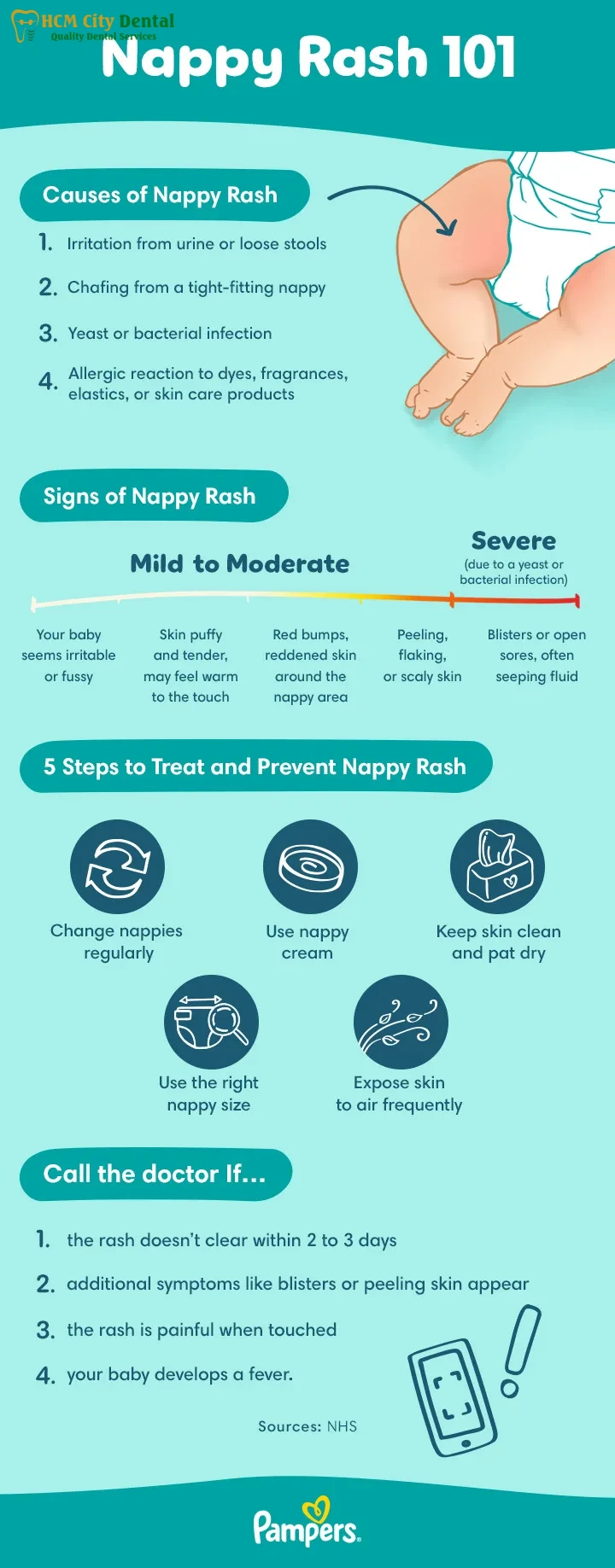
- Clean Gently: Change diapers frequently, as soon as they are wet or soiled. Use a soft cloth and warm water or fragrance-free, alcohol-free wipes. For very raw skin, a squirt bottle with water can be used to cleanse the area without rubbing.
- Dry Completely: Pat the skin dry with a soft towel—never rub. Allow for several minutes of “diaper-free” time after each change to let the skin air dry completely. This is one of the most effective remedies.
- Protect Thoroughly: Apply a thick layer of a barrier cream to create a seal between your baby’s skin and any moisture. Think of it like frosting a cake; you want a visible, protective layer.
Choosing the Right Diaper Cream: A Specialist’s Advice
Not all diaper creams are created equal. For an irritant diaper rash associated with teething, your best defense is a product that forms a strong barrier.
- Zinc Oxide is Key: Look for creams with a high percentage of zinc oxide. It is a highly effective skin protectant that forms an impermeable barrier against moisture and helps soothe irritated skin.
- Petrolatum-Based Ointments: Products like Aquaphor or Vaseline are excellent for prevention. They create a seal that repels moisture, which is perfect for applying overnight or when you first notice increased drooling.
Still have questions? Call our Hotline/WhatsApp now at +84853020003 for a direct, completely free consultation with Dr. Cuong!
teething diaper rash
Soothing Your Teething Baby: A Dentist’s Perspective
Managing a teething diaper rash also means addressing the root of the problem: teething discomfort. By soothing your baby’s gums, you can help reduce the excessive drooling that kicks off the entire cycle.
- Safe Chewing: Provide firm rubber teething rings, but avoid liquid-filled ones that could break. Chilling them in the refrigerator (not the freezer) can provide extra relief.
- Gentle Pressure: A gentle gum massage with a clean finger or a soft, damp cloth can provide significant comfort by applying counter-pressure.
- Cool Foods: For babies on solid foods, chilled soft foods like yogurt or pureed fruits can be both nutritious and soothing.
A critical mistake I see is parents turning to unsafe remedies out of desperation. Avoid teething necklaces, which are choking and strangulation hazards, and topical numbing gels containing benzocaine, which have been linked to a rare but serious condition called methemoglobinemia. Stick to physical soothing methods recommended by pediatric and dental associations.
teething diaper rash
Prevention: Proactive Steps for the Next Tooth
Experience has shown that in cases of recurring teething diaper rash, a proactive approach is often most effective. Once you see the signs of teething begin for the next tooth, you can get ahead of the rash.
Managing Drool at the Source
Keep soft, absorbent bibs on your baby to catch drool and change them when they become damp. Gently wipe your baby’s face and neck throughout the day to prevent a separate facial rash from developing. Applying a barrier ointment like petroleum jelly to their chin and neck can also protect the skin.
Proactive Diaper Care During Teething Peaks
As soon as you notice the tell-tale signs of teething (increased drool, fussiness, gum chewing), become extra vigilant with diaper changes. Apply a thin layer of a preventative barrier cream at each change, even if there is no redness yet. This creates a shield before the irritation can even start.
teething diaper rash
When to Call a Professional: Red Flags You Shouldn’t Ignore
While a mild diaper rash linked to teething is common, it’s vital to know when to seek professional medical advice. Never attribute serious symptoms to “just teething.”
Consult your pediatrician or a dentist immediately if you observe any of the following:
- A fever over 100.4°F (38°C). Teething can cause a slight rise in temperature, but a true fever indicates a possible infection.
- Severe diarrhea (many watery stools per day), vomiting, or signs of dehydration (fewer wet diapers, sunken eyes, lethargy).
- The rash has blisters, open sores, or pus-filled bumps.
- The rash is bright red with satellite spots, suggesting a yeast infection.
- The rash does not improve after 2-3 days of diligent at-home care or continues to worsen.
At HCMCDental, we can help assess oral symptoms and provide guidance. For concerns about rashes and systemic symptoms, your pediatrician is the primary expert. Get a 10% discount on your first appointment! Book an appointment online today.
Frequently Asked Questions (FAQ)
How long does teething diaper rash last?
With consistent at-home care (keeping the area clean, dry, and protected), a mild irritant diaper rash should improve significantly within 2-3 days. The rash may come and go as teething symptoms wax and wane with each new tooth.
Does teething cause diarrhea and diaper rash?
While medical experts state teething doesn’t directly cause diarrhea, the massive increase in swallowed saliva can lead to looser, more frequent stools. This mild diarrhea is a primary trigger for the diaper rash that parents often observe during teething periods.
What does a teething diaper rash look like?
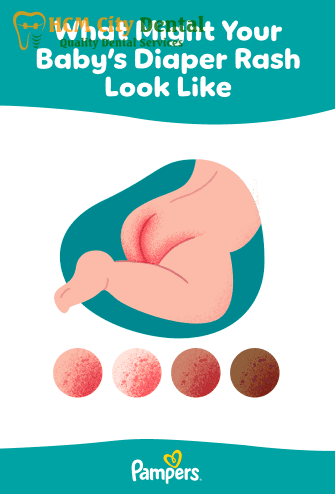
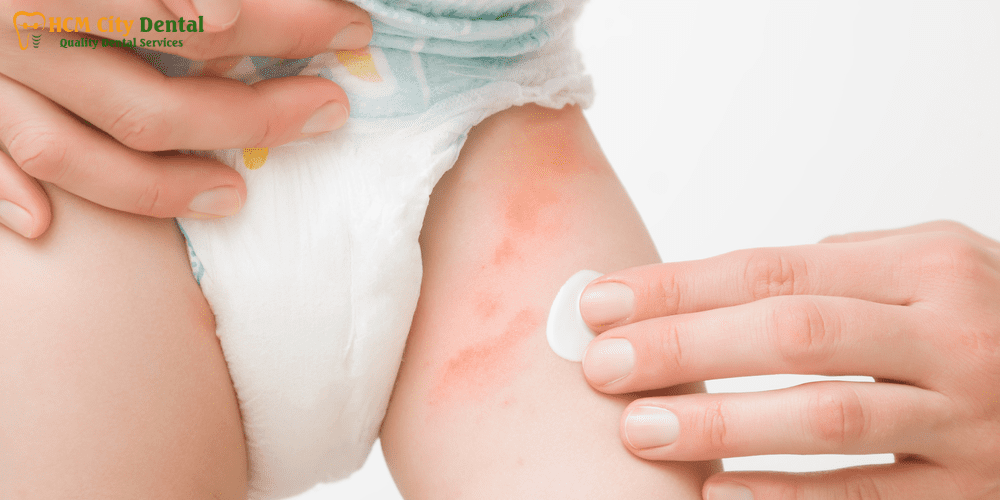
It typically appears as pink or red patches of irritated skin on the buttocks, thighs, and genital area. In milder cases, the skin is just red and inflamed. Unlike a yeast rash, it usually spares the deep folds of the groin.
Is it normal for a baby to have a diaper rash with every tooth?
Some babies are more sensitive than others. If your child has sensitive skin and produces a lot of saliva with each erupting tooth, it’s possible they may experience a mild diaper rash more frequently. Using preventative measures can help break this cycle.
Does teething cause diaper rash in all babies?
No, not all babies will experience this. It depends on several factors, including the amount of extra saliva they produce, their individual skin sensitivity, and the natural composition of their stool. Many babies teethe with no noticeable diaper issues at all.
My baby’s rash isn’t getting better, what should I do?
If the rash doesn’t improve within a few days, gets worse, or develops blisters, sores, or a beefy-red appearance, it’s time to see a doctor. It may have developed into a secondary infection (like yeast) that requires a specific medicated cream.
Are there specific foods to avoid during teething to prevent diaper rash?
While managing teething, it can be wise to avoid introducing too many new foods at once, especially acidic ones like citrus fruits and tomatoes, which can further irritate the digestive system. Stick to familiar, gentle foods until the teething discomfort subsides.
Your Partner in Your Child’s Oral Health
Navigating the milestones of your baby’s first years can be challenging, but you are not alone. Understanding the indirect link between teething and diaper rash empowers you to treat the symptoms effectively and, more importantly, to prevent them proactively. By soothing the gums and protecting the skin, you can manage both issues with confidence.
Remember to focus on the core strategy: keep the diaper area clean and dry, use a high-quality barrier cream, and provide safe relief for sore gums. And never hesitate to call a professional if you are concerned. At HCMCDental, we are dedicated to providing expert, compassionate care for your child’s every smile.
Still have questions or need personalized advice? Call our Hotline/WhatsApp now at +84853020003 for a direct, completely free consultation with Dr. Cuong!
This article was medically reviewed and written by Dr. Cuong.
Important Disclaimer
The information provided in this article is for educational and informational purposes only and is not intended as a substitute for professional medical advice, diagnosis, or treatment. Always seek the advice of your pediatrician or another qualified health provider with any questions you may have regarding a medical condition. Never disregard professional medical advice or delay in seeking it because of something you have read on this website.
Written and Medically Reviewed By
Dr. Cuong is a leading specialist in Odontostomatology at HCMCDental.com. With over 15 years of dedicated clinical experience, he has treated thousands of pediatric and adult patients, focusing on preventative care and evidence-based treatments. Dr. Cuong is passionate about educating parents and caregivers, empowering them with the knowledge to ensure a lifetime of excellent oral health for their children. His approach combines deep medical expertise with a compassionate, patient-centric philosophy.