Remove Plaque From Teeth: Avoid These 3 Mistakes! | Dr. Cuong

A complete guide by Dr. Cuong on how to remove dental plaque, its dangers, and the best at-home and professional treatments for a healthy smile. Read...
The persistent, often fuzzy film on teeth, commonly known as plaque, is a prevalent concern for countless individuals seeking optimal oral health. Patients frequently express frustration, feeling they have tried various methods without truly achieving that lasting clean sensation. This expert-led guide is meticulously crafted to address these challenges, offering definitive strategies for effectively managing and removing dental plaque, drawing from extensive clinical experience and current scientific understanding.
Understanding plaque is paramount, as its unchecked accumulation poses significant threats to oral well-being, ranging from the earliest stages of tooth decay to the progression of serious gum disease. This resource will thoroughly explore the nature of plaque, elucidate the specific health risks it presents, and critically, outline actionable steps. We will cover both essential at-home oral hygiene practices and the vital role of professional dental treatments in eliminating plaque to ensure a healthier, truly clean smile.
Understanding Dental Plaque: The Invisible Enemy
Before we can effectively fight it, we must understand our opponent. Many patients are surprised to learn what plaque actually is. It’s not just leftover food; it’s a complex, sticky, and colorless to pale-yellow film that is constantly forming on your teeth. Physiologically speaking, plaque is a biofilm, a community of living microbes, primarily bacteria, that thrive on the sugars and starches from the food you eat. When you consume carbohydrates, these bacteria produce acids that can attack your tooth enamel and lead to serious dental problems.
What is Plaque Made Of?
In my practice, I often explain to patients that plaque is a mixture of several components. Think of it as a sticky cocktail of bacteria, their acidic byproducts, food debris, and saliva. There are hundreds of different bacterial species living in our mouths, some harmless, others not so much. The bacteria, like Streptococcus mutans, are the primary culprits behind tooth decay. They adhere to the tooth surface, multiply, and create this resilient biofilm that daily brushing and flossing are designed to disrupt.
Plaque vs. Tartar (Calculus): What’s the Difference?
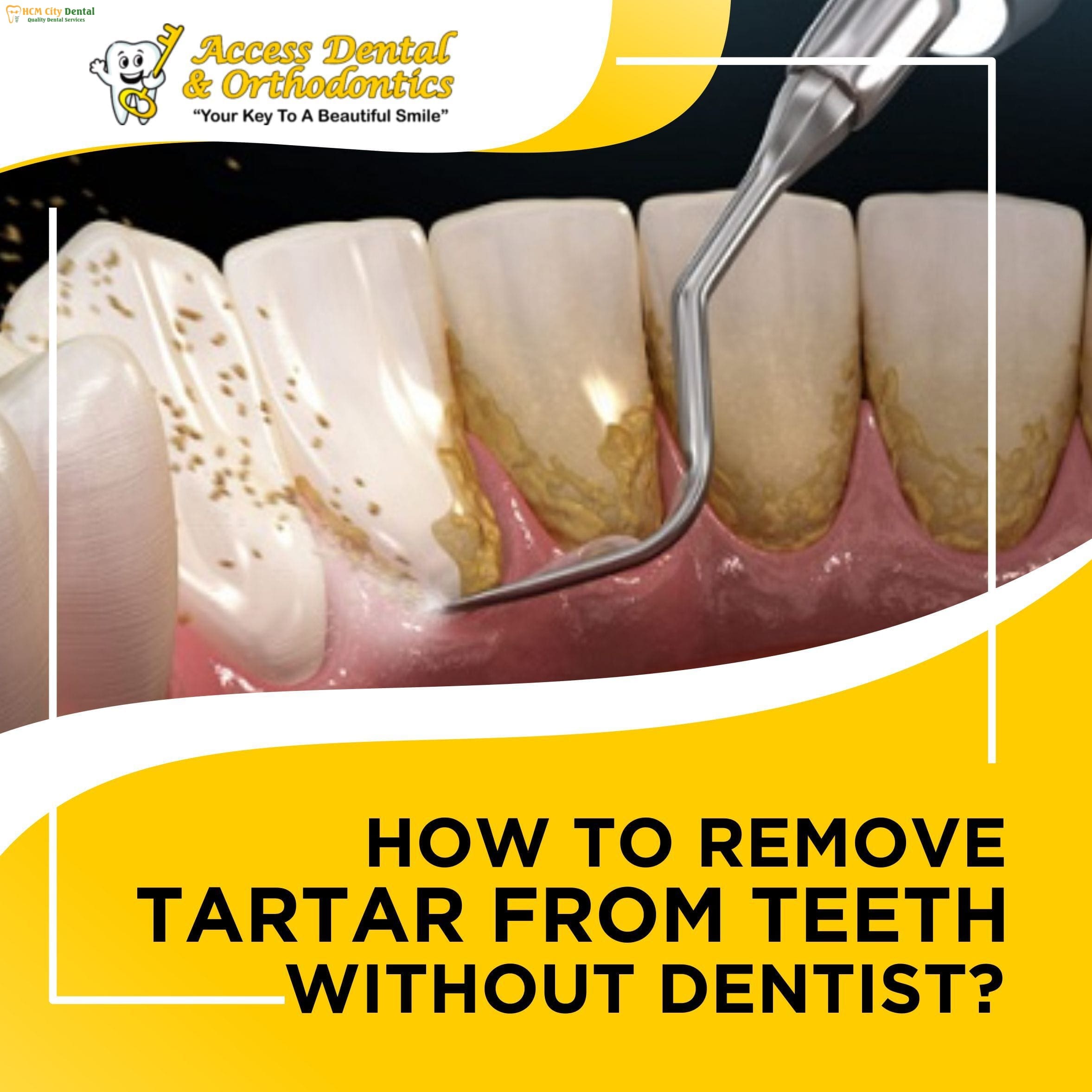
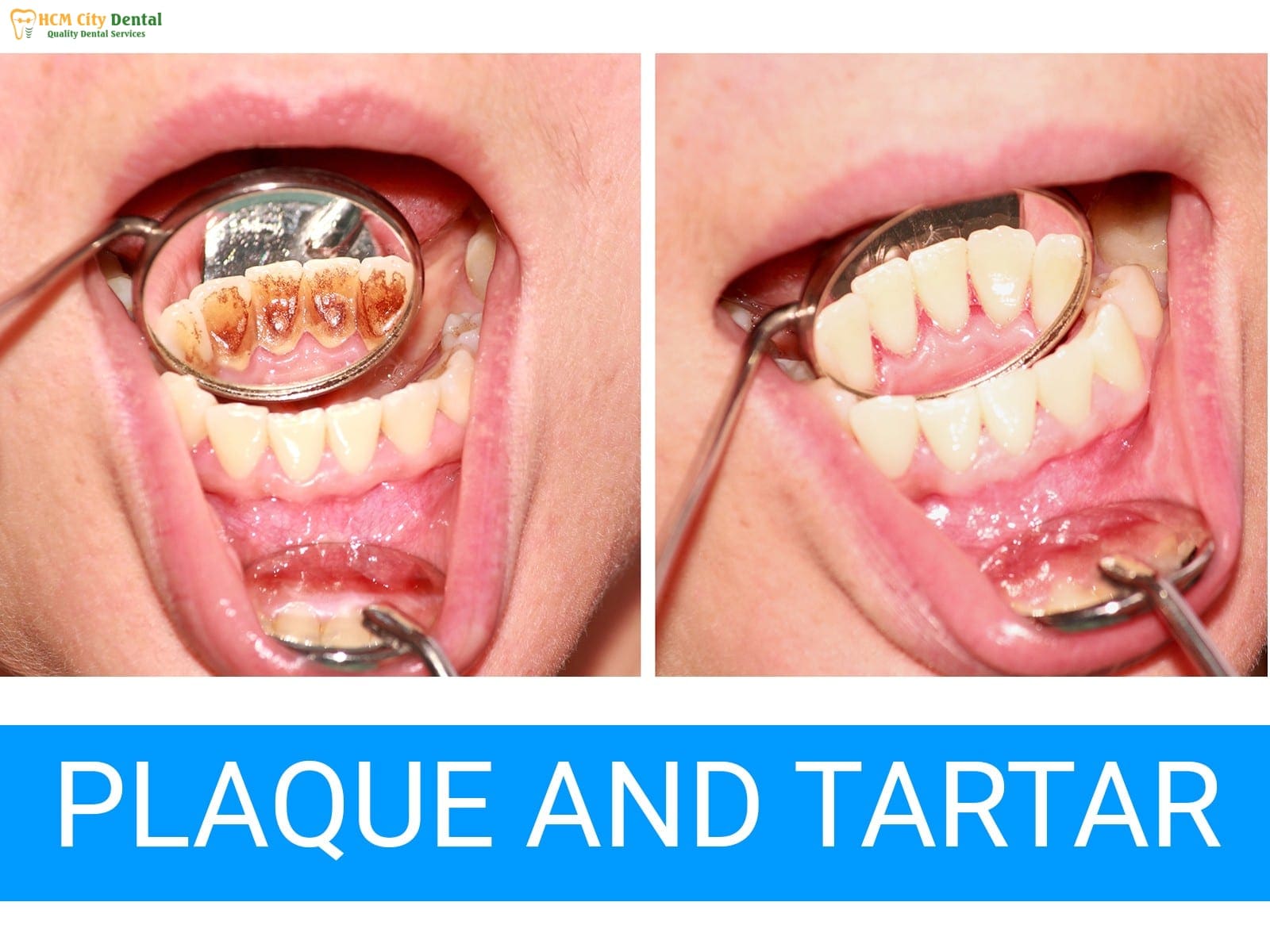
This is a critical distinction I emphasize to every patient. While you can manage plaque at home, you cannot remove tartar yourself. If plaque is not removed regularly, it absorbs minerals from your saliva and hardens into a substance called tartar, or dental calculus. This hardened deposit is much rougher and more porous than plaque, allowing even more plaque to accumulate on its surface. Tartar is typically yellow or brown and can form both above and below the gum line.
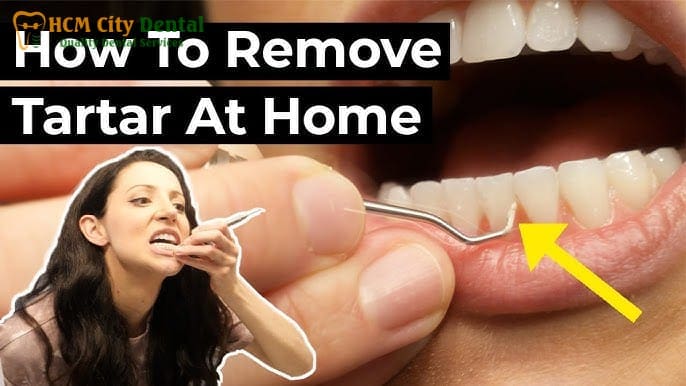
In my clinical experience, many patients confuse plaque with tartar. They try to scrape off the hard, yellow deposits at home, which is not only ineffective but can also damage their tooth enamel and gums. It’s crucial to understand that once plaque hardens into tartar, only a dental professional with specialized tools can safely remove it.
This is why preventing plaque from hardening is the most important step you can take at home.
remove plaque from teeth
The Dangers of Plaque Buildup: More Than Just a Fuzzy Feeling
Ignoring plaque is a significant risk to your oral and overall health. The acidic attacks from the bacteria in plaque are the direct cause of several dental diseases. A common scenario at our clinic is a patient who comes in for a different issue, only for us to discover that the root cause is uncontrolled plaque buildup.
From Gingivitis to Periodontitis
When plaque accumulates along the gum line, it causes inflammation. This initial stage of gum disease is called gingivitis, characterized by red, swollen gums that may bleed when you brush. The good news is that gingivitis is often reversible with diligent oral hygiene and a professional cleaning. However, if left untreated, the inflammation can progress to a more severe condition called periodontitis. In this advanced stage, the gums pull away from the teeth, creating pockets that become infected. The body’s immune response to this infection, combined with the bacterial toxins, starts to break down the bone and connective tissue that hold teeth in place, ultimately leading to tooth loss.
Tooth Decay (Cavities)
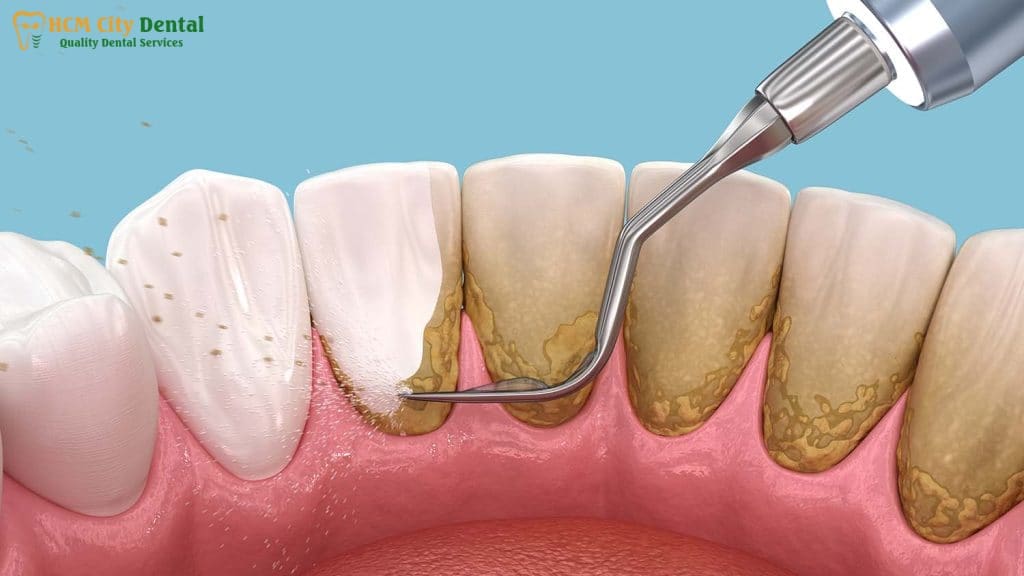
The acids produced by plaque bacteria are powerful enough to erode tooth enamel, the hard, protective outer layer of your teeth. Repeated acid attacks create weak spots in the enamel. Over time, these weak spots can break down completely, forming a hole in the tooth known as a cavity. Without treatment, cavities can grow larger and affect the deeper layers of the tooth, causing pain, infection, and potentially tooth loss.
remove plaque from teeth
How to Get Rid of Plaque on Teeth: A Two-Front Approach
Effectively managing plaque requires a combination of diligent at-home care and regular professional support. One cannot substitute for the other. Based on my experience treating thousands of patients, those who succeed in keeping their mouths healthy are the ones who master both.
At-Home Plaque Removal: Your Daily Defense
Your daily habits are the foundation of plaque control. The goal is to disrupt and remove the plaque biofilm before it has a chance to organize and harden into tartar.
1. Master the Art of Brushing
Brushing is the cornerstone of plaque removal, but technique is everything. The American Dental Association (ADA) recommends brushing twice a day for two minutes with a soft-bristled toothbrush and fluoride toothpaste.
- Technique: Angle the brush at 45 degrees to the gum line and use gentle, short, circular strokes. Don’t scrub aggressively, as this can damage your enamel and gums.
- Toothbrush: Both manual and electric toothbrushes are effective if used correctly. However, many patients find that an electric toothbrush helps them clean more thoroughly. Replace your toothbrush or brush head every three to four months, or sooner if the bristles are frayed.
- Toothpaste: Always use a toothpaste containing fluoride, which helps strengthen enamel. For those prone to tartar, tartar-control toothpastes can provide an additional benefit.
2. The Importance of Daily Flossing
Brushing alone cannot reach the tight spaces between your teeth and under the gum line, where plaque thrives. Flossing once a day is non-negotiable for removing plaque from these areas. Studies show that flossing before brushing can remove more plaque.
A common mistake I see is patients flossing only when they feel food stuck between their teeth. Flossing isn’t just for removing food; its primary purpose is to scrape away the sticky plaque film that forms between teeth daily. Consistent, correct flossing is one of the most powerful tools you have against gum disease.
3. The Role of Mouthwash and Other Aids
While not a substitute for brushing and flossing, certain mouthwashes can be a helpful addition. An antiseptic mouthwash can help reduce bacteria and control plaque. For patients with braces or difficulty using traditional floss, water flossers can be an effective tool for removing plaque from hard-to-reach areas.
Still have questions about your at-home routine? Our team is here to help. Call our Hotline/WhatsApp now at +84853020003 for a direct, completely free consultation with me, Dr. Cuong!
Controversial Home Remedies: What Does the Science Say?
Many patients ask me about popular DIY methods for plaque removal. It’s important to approach these with caution and understand the evidence.
| Home Remedy | Claim | Scientific Evidence & Expert Opinion |
|---|---|---|
| Baking Soda | Removes plaque due to its abrasive nature. | Some studies suggest toothpastes with baking soda can be more effective at plaque removal. However, using it alone can be too abrasive and damage enamel over time. It’s safer to use an ADA-accepted toothpaste that contains it. |
| Oil Pulling (e.g., Coconut Oil) | Reduces bacteria and plaque. | Some small studies show oil pulling might reduce plaque and gingivitis, but the evidence is limited and not robust enough to replace traditional methods. The American Dental Association does not recommend oil pulling as a reliable dental hygiene practice. It should never be a substitute for brushing and flossing. |
| DIY Scraping Tools | Scrapes off hard tartar at home. | Extremely dangerous. I strongly advise against this. You can easily scratch your enamel, damage your gums, or push tartar deeper into the gum line, causing more harm. This should only be done by a trained professional. |
How to Remove Dental Plaque with Professional Treatment
No matter how diligent your at-home care is, regular professional cleanings are essential to remove any plaque you’ve missed and, crucially, to remove hardened tartar. At HCMCDental.com, we provide comprehensive cleanings tailored to each patient’s needs.
1. Routine Professional Cleaning (Prophylaxis)
For most patients, a professional cleaning every six months is recommended. This procedure involves several steps:
- Examination: First, we conduct a thorough oral exam to check for any issues like cavities or gum disease.
- Scaling: We use specialized instruments, including ultrasonic scalers and hand scalers, to carefully remove plaque and tartar from your tooth surfaces, between your teeth, and along the gum line.
- Polishing: After scaling, we polish your teeth with a gritty paste. This removes any remaining surface stains and leaves your teeth feeling smooth and shiny, which makes it harder for new plaque to attach.
- Fluoride Treatment: A professional fluoride treatment may be applied to help strengthen your enamel and protect against future decay.
2. Deep Cleaning (Scaling and Root Planing)
If gum disease has progressed to periodontitis, a more intensive procedure called scaling and root planing is necessary. This is often referred to as a “deep cleaning.”
- Scaling: This step is more extensive than in a routine cleaning, as we need to remove plaque and tartar from deep below the gum line.
- Root Planing: We then smooth the root surfaces of the teeth. This helps the gums reattach to the teeth and makes it more difficult for bacteria to colonize in the future.
Experience has shown that for patients with early to moderate periodontitis, scaling and root planing is a highly effective, non-surgical approach to halt the progression of the disease and prevent tooth loss. It’s a cornerstone of periodontal therapy and has saved countless smiles in my practice.
Don’t wait for plaque to cause irreversible damage. Take control of your oral health today. Book an appointment online now and get a 10% discount on your first cleaning!
remove plaque from teeth
Prevention: Keeping Plaque at Bay for Good
The best strategy is always prevention. Once your teeth are professionally cleaned, you have a clean slate. Maintaining it involves a combination of diet and consistent habits.
| Preventive Strategy | Expert Advice from Dr. Cuong |
|---|---|
| Dietary Choices | Limit your intake of sugary and starchy foods and drinks, as these are the primary fuel for plaque bacteria. When you do have them, try to consume them with meals rather than snacking throughout the day. Drinking plenty of water helps rinse away food particles. |
| Consistent Oral Hygiene | Stick to the routine: Brush for two minutes, twice a day, and floss once a day. Consistency is more important than intensity. Gentle, thorough cleaning every day is the goal. |
| Regular Dental Visits | Schedule and keep your professional cleaning appointments every six months, or as recommended. This is our opportunity to remove any tartar buildup and spot potential problems before they become serious. |
remove plaque from teeth
Frequently Asked Questions (FAQ)
Can you permanently remove plaque from teeth?
Plaque is constantly forming in the mouth, so it cannot be “permanently” removed in a single action. However, you can permanently control it and prevent it from causing harm through a consistent daily routine of brushing and flossing, combined with regular professional cleanings to remove any hardened tartar.
How do I know if I have plaque or tartar?
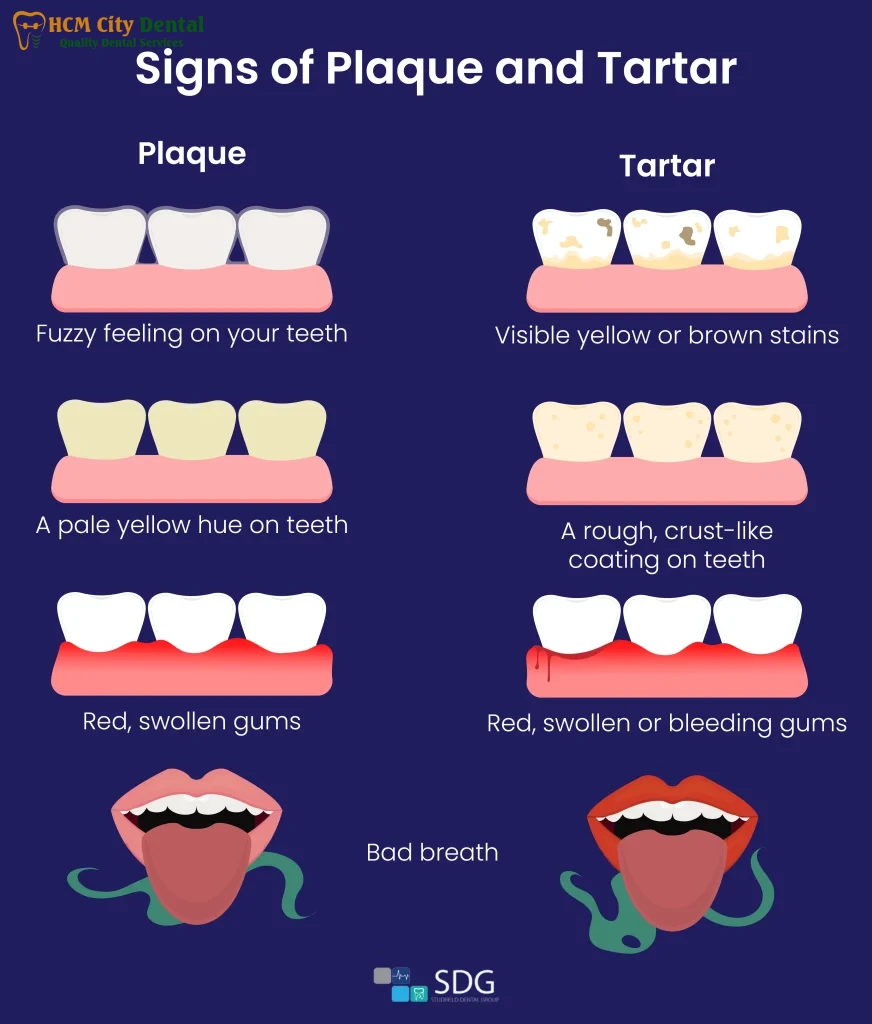
Plaque is a soft, sticky, colorless film that makes your teeth feel fuzzy. Tartar is a hard, mineralized deposit that feels rough and can be yellow or brown. While you can remove plaque with a toothbrush and floss, tartar can only be safely removed by a dental professional.
Is it safe to use metal plaque scrapers I see sold online?
No, it is absolutely not safe. A common scenario at our clinic involves patients who have damaged their teeth or gums trying to use these tools. You can easily scratch your enamel, injure your gums, or even push bacteria deeper below the gumline, worsening the problem. Please leave tartar removal to trained professionals.
How to remove dental plaque that has hardened?
Once plaque has hardened into tartar (calculus), it cannot be removed by brushing or flossing at home. You will need a professional dental cleaning, where a dentist or hygienist uses special instruments called scalers to safely and effectively remove it.
Does mouthwash get rid of plaque on teeth?
Antiseptic mouthwash can help kill the bacteria that cause plaque and can reduce the overall amount of plaque in your mouth, but it is not a substitute for the mechanical removal of plaque through brushing and flossing. Think of it as a helpful supplement to your core routine, not a replacement.
Can chewing gum help remove plaque?
Chewing sugar-free gum after a meal can help rinse away food particles and stimulate saliva flow, which helps neutralize acids and wash away some bacteria. Look for gums with the American Dental Association (ADA) Seal of Acceptance. However, it does not replace brushing and flossing.
What is the fastest way to remove plaque from teeth?
The fastest and most effective way to remove a significant buildup of both plaque and tartar is to get a professional dental cleaning. For daily management, the most efficient method is a combination of proper brushing for two minutes and thorough flossing.
remove plaque from teeth
Your Healthiest Smile Starts Today
Understanding how to remove plaque from teeth is the first step toward lasting oral health. It requires a partnership between your dedicated daily efforts and our professional expertise. By embracing a thorough at-home care routine and scheduling regular visits to your dentist, you can effectively control plaque, prevent tartar buildup, and protect yourself from cavities and gum disease.
At HCMCDental.com, we are committed to empowering you with the knowledge and care you need for a confident, healthy smile. If you have any more questions or are ready to schedule your professional cleaning, we are here to help.
Still have questions? Call our Hotline/WhatsApp now at +84853020003 for a direct, completely free consultation with Dr. Cuong! Or, book your appointment online today and receive a 10% discount on your first visit.
This article was medically reviewed and written by Dr. Cuong.
Important Disclaimer
The information provided in this article is for educational and informational purposes only and is not intended as a substitute for professional medical advice, diagnosis, or treatment. Always seek the advice of your dentist or other qualified health provider with any questions you may have regarding a medical condition. Never disregard professional medical advice or delay in seeking it because of something you have read in this article.
Written and Medically Reviewed By
Dr. Cuong, Specialist in Odontostomatology
Dr. Cuong is a leading specialist in the field of Odontostomatology with many years of dedicated clinical experience. He is the head professional at HCMCDental.com, where he is renowned for his patient-centric approach, meticulous attention to detail, and commitment to providing the highest standard of dental care. Dr. Cuong specializes in preventive dentistry, cosmetic procedures, and the treatment of complex dental conditions, consistently leveraging the latest research and technology to ensure optimal outcomes for his patients.