Navigating maternal healthcare in a foreign country can be a daunting experience, particularly when an unexpected toothache or bleeding gums arise. For expectant mothers residing in or traveling to Vietnam, finding a pregnancy safe dentist in Ho Chi Minh City for an expat requires absolute confidence in clinical protocols, pharmacological safety, and international obstetric standards. The physiological changes of pregnancy—ranging from surging hormone levels to altered immune responses—profoundly impact oral health, making routine prophylaxis and prompt emergency care not just optional, but medically essential for both maternal and fetal well-being.
At HCMC Dental Clinic in District 1, under the clinical direction of Dr. Nguyen Van Cuong (Dr. Cuong), DDS (Vietnam MOH License 0003265/BL-CCHN), we adhere strictly to the evidence-based guidelines established by the American College of Obstetricians and Gynecologists (ACOG) and the American Dental Association (ADA). Whether you require a routine second trimester cleaning to manage hormonal gingivitis, or you are facing an acute dental infection requiring emergency intervention, our clinic provides a meticulously controlled environment. This comprehensive guide details our trimester-by-trimester pregnancy safe dental care, trimester X-ray, anesthesia protocol, expat HCMC coordination, and the critical reasons why delaying necessary dental treatment poses a far greater risk to your pregnancy than the treatment itself.
Clinical Summary:
Pregnancy-safe dental care in Ho Chi Minh City relies on strict adherence to international obstetric protocols. Routine preventive care and elective procedures are optimally performed during the second trimester (weeks 14–27), while emergency treatments for acute pain or infection must be addressed immediately in any trimester to prevent systemic maternal inflammation. Modern digital RVG X-rays utilizing lead abdominal and thyroid shielding expose the fetus to negligible radiation (<0.001 mSv). Local anesthesia using Lidocaine 2% with 1:100,000 epinephrine is OB/GYN-approved and essential for preventing maternal stress. HCMC Dental Clinic provides specialized care including left-lateral chair tilting for third-trimester patients and gentle EMS AirFlow therapy for pregnancy gingivitis, ensuring maximum safety for expat mothers.
Key Takeaways:
- Untreated Infection is the True Risk: Acute dental abscesses and severe periodontal disease release inflammatory cytokines (IL-6, TNF-alpha) that can cross the placental barrier, significantly increasing the risk of preterm birth and preeclampsia.
- The Second Trimester “Sweet Spot”: Weeks 14 to 27 represent the safest and most comfortable window for elective restorative work, such as fillings and routine cleanings.
- Anesthesia Safety: Understanding dental X-ray and local anesthesia during pregnancy safety is crucial; Lidocaine 2% is highly safe, whereas maternal pain and endogenous adrenaline spikes from unanesthetized treatment are dangerous.
- Third Trimester Positioning: Utilizing a left lateral tilt to prevent supine hypotensive syndrome in the dental chair is a mandatory protocol to ensure optimal fetal blood flow.
- Expat Insurance Coordination: HCMC Dental Clinic provides full documentation for international maternity and dental insurance claims, ensuring seamless care for expats in Vietnam.
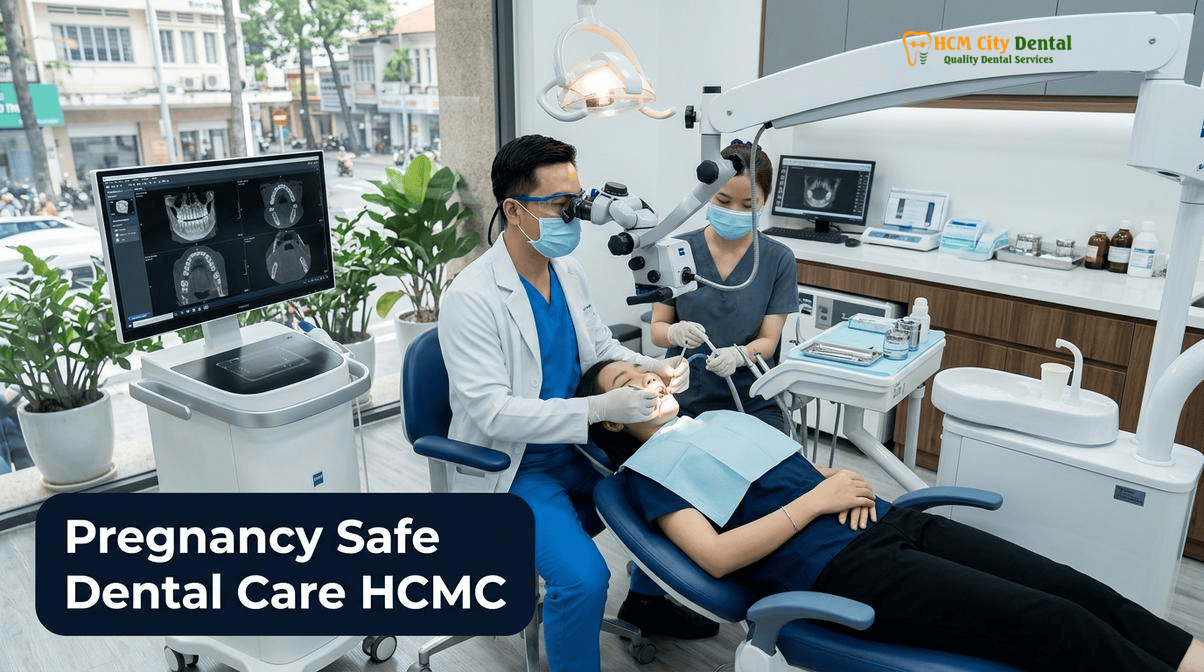
Why Untreated Maternal Gum Infection & Acute Tooth Abscess Pose a Far Greater Risk to Pregnancy (Preterm Birth & Preeclampsia Cytokines) Than Safe Dental Care
A pervasive and dangerous myth among expectant mothers is that all dental treatment should be avoided until after delivery. In reality, the oral cavity is not isolated from the rest of the body; it is a highly vascularized gateway to the systemic bloodstream. When a pregnant woman develops an acute tooth abscess or severe periodontal disease, the localized bacterial infection does not remain confined to the jawbone. Instead, it triggers a profound systemic inflammatory response that can directly threaten the viability and health of the pregnancy.
Periodontal pathogens, particularly Porphyromonas gingivalis and Fusobacterium nucleatum, can enter the maternal bloodstream through ulcerated gum tissues. Once in circulation, these bacteria and their endotoxins stimulate the maternal liver and immune system to produce high levels of inflammatory cytokines, including Interleukin-1 (IL-1), Interleukin-6 (IL-6), and Tumor Necrosis Factor-alpha (TNF-alpha), as well as prostaglandins[1]. In obstetric physiology, prostaglandins are the exact biochemical signals responsible for inducing uterine contractions and cervical dilation. Consequently, elevated systemic inflammation from untreated dental infections is a recognized independent risk factor for premature labor, low birth weight, and the development of preeclampsia.
Furthermore, an acute dental abscess causes severe, unrelenting pain. This pain triggers the maternal “fight or flight” response, flooding the bloodstream with endogenous catecholamines (adrenaline and noradrenaline). This massive stress response can constrict placental blood vessels, temporarily reducing oxygen and nutrient flow to the fetus. Therefore, managing pregnancy gingivitis and pyogenic granuloma tumor treatment, alongside immediate intervention for acute infections, is not merely about saving a tooth—it is a critical component of comprehensive prenatal medical care.
“The greatest risk to a developing fetus is not a shielded digital X-ray or a standard dose of Lidocaine; it is the systemic cascade of inflammatory cytokines and maternal stress hormones triggered by an untreated, agonizing dental infection. Our primary clinical mandate is to eliminate maternal pain and eradicate oral infection as swiftly and safely as possible.”
— Dr. Nguyen Van Cuong, DDS (Clinical Director — MOH License 0003265/BL-CCHN)
Trimester-by-Trimester Clinical Calendar: Why Weeks 14 to 20 (Second Trimester) Are Ideal for Elective Care, While Emergency Pain/Infection Is Treated Immediately in Any Trimester
To ensure the highest standards of maternal and fetal safety, International Patient Medical Safety & Post-Op Recovery Guides dictate that dental treatment planning must be carefully tailored to the specific physiological stage of the pregnancy. While emergency care is mandatory at any time, elective and routine procedures are scheduled according to a strict trimester-by-trimester clinical calendar.
First Trimester (Weeks 1 to 13): Organogenesis and Nausea Management
The first trimester is the critical period of fetal organogenesis, during which the baby’s major organs and neural tube are forming. The fetus is most susceptible to environmental influences during this time. Additionally, expectant mothers frequently experience severe morning sickness, hyperemesis, and a heightened gag reflex, making dental treatment physically uncomfortable. During these first 13 weeks, our protocol focuses strictly on oral hygiene education, non-invasive plaque control, and managing nausea-induced enamel erosion (advising patients to rinse with a baking soda solution rather than brushing immediately after vomiting). Elective restorative work is postponed, but acute emergencies (e.g., severe trauma or spreading facial swelling) are treated immediately to prevent systemic sepsis.
Second Trimester (Weeks 14 to 27): The Golden Window for Dental Care
The second trimester is universally recognized by obstetricians and dental specialists as the safest and most comfortable period for dental treatment. Fetal organogenesis is complete, the risk of spontaneous miscarriage drops significantly, and maternal nausea typically subsides. The uterus has not yet grown large enough to cause severe physical discomfort while lying in the dental chair. This is the ideal time for requiring a second trimester root canal or tooth extraction while pregnant, replacing defective fillings, and undergoing comprehensive periodontal scaling to manage pregnancy gingivitis. By completing necessary restorative work during this window, we prevent minor decay from escalating into third-trimester emergencies.
Third Trimester (Weeks 28 to 40): Comfort, Positioning, and Acute Care
During the third trimester, fetal growth accelerates rapidly, placing significant physical demands on the mother’s body. While the fetus is robust, the primary clinical challenge is maternal comfort and hemodynamics. Long appointments are avoided due to lower back pain, frequent urination, and the risk of vena cava compression. Routine elective care is generally deferred until after delivery. However, if an emergency arises, short, focused interventions are performed using specialized chair positioning to ensure maternal safety and comfort[2].
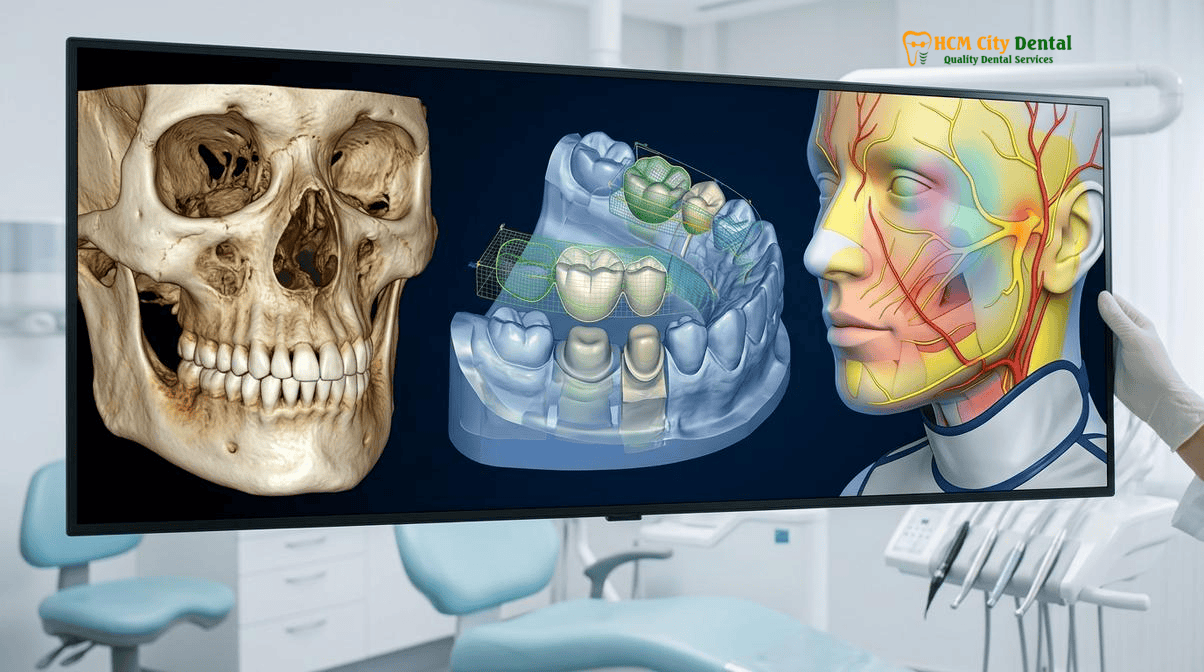
Hormonal Pregnancy Gingivitis & Pyogenic Granuloma (‘Pregnancy Epulis’): Gentle EMS AirFlow Prophylaxis Without Harsh Ultrasonic Trauma
Even women with impeccable oral hygiene prior to conception often find themselves battling swollen, tender, and bleeding gums during pregnancy. This phenomenon, known as pregnancy gingivitis, affects up to 70% of expectant mothers. The root cause is not a sudden decline in brushing habits, but rather a profound hormonal shift. Surging levels of estrogen and progesterone significantly increase the vascularity and capillary permeability of the gingival tissues. This hormonal environment alters the subgingival microbiome and exaggerates the cellular inflammatory response to even microscopic amounts of dental plaque.
In some cases, this exaggerated inflammatory response results in a localized, highly vascular, tumor-like growth on the gums, typically between the teeth. This is clinically termed a pyogenic granuloma or “pregnancy epulis.” While the name sounds alarming, these growths are entirely benign. However, they bleed profusely when brushed or chewed upon, causing significant distress and interfering with proper oral hygiene and nutrition.
Traditional dental cleanings using harsh, vibrating ultrasonic metal scalers can be highly traumatic and painful for hyper-inflamed, hormonally sensitive gums. At HCMC Dental Clinic, we utilize advanced Swiss EMS AirFlow® technology for our pregnant patients. This system uses a precisely controlled, warm stream of water, compressed air, and ultra-fine Erythritol powder (a biocompatible, sweet-tasting sugar alcohol) to gently and painlessly eradicate biofilm, plaque, and early calculus. The EMS AirFlow system provides a soothing, spa-like prophylaxis that effectively manages pregnancy gingivitis and reduces the irritation driving pyogenic granulomas, entirely avoiding the scraping and vibration of traditional metal instruments.
Fetal Pharmacology & Local Anesthesia: Why Lidocaine 2% (1:100,000 Epinephrine), Paracetamol, and Amoxicillin/Cephalexin Are OB/GYN-Approved While Tetracyclines, NSAIDs & Nitrous Oxide Are Strictly Avoided
One of the most profound anxieties for an expat mother facing a dental procedure is the safety of medications administered during treatment. The pharmacological protocol at HCMC Dental Clinic is governed by strict adherence to international obstetric pharmacology guidelines, ensuring that every anesthetic, analgesic, and antibiotic used is definitively proven safe for fetal development.
Local Anesthesia: The Safety of Lidocaine and Epinephrine
A common misconception is that local anesthetics cross the placenta in dangerous concentrations. In reality, Lidocaine 2% is the gold standard for obstetric and dental anesthesia. Historically classified as an FDA Category B medication, Lidocaine has a decades-long, impeccable safety record in pregnant women. It is rapidly metabolized by the maternal liver, and the microscopic fraction that reaches the placenta is clinically insignificant.
Furthermore, Lidocaine is typically formulated with Epinephrine (adrenaline) at a concentration of 1:100,000. Some patients fear that epinephrine will harm the baby. However, the amount of epinephrine in a dental cartridge is minuscule (0.018 mg). If a pregnant woman undergoes a painful dental procedure without profound anesthesia, her adrenal glands will release endogenous adrenaline at levels up to 40 times higher than what is contained in the dental injection. Therefore, achieving profound, stress-free numbness with Lidocaine and Epinephrine is the safest pharmacological choice to protect the fetus from maternal stress hormones[3].
Analgesics and Antibiotics: What is Safe and What is Banned
When prescribing safe antibiotics and painkillers for toothache in pregnancy, the clinical boundaries are absolute:
- Safe Analgesics: Paracetamol (Acetaminophen) is the only first-line, universally approved painkiller for pregnant women.
- Banned Analgesics: Non-Steroidal Anti-Inflammatory Drugs (NSAIDs) such as Ibuprofen, Naproxen, and Aspirin are strictly avoided. In the third trimester, NSAIDs can cause premature closure of the fetal ductus arteriosus (a critical heart vessel) and reduce amniotic fluid levels.
- Safe Antibiotics: Beta-lactam antibiotics, including Amoxicillin, Penicillin, and Cephalexin, as well as Clindamycin (for penicillin-allergic patients), are highly safe and routinely prescribed to clear acute dental abscesses.
- Banned Antibiotics: Tetracyclines (e.g., Doxycycline, Minocycline) are absolutely contraindicated during pregnancy. They cross the placenta, chelate with calcium, and cause permanent, irreversible gray-brown discoloration of the baby’s developing primary teeth, as well as potential skeletal growth inhibition.
- Banned Sedation: Nitrous Oxide (“laughing gas”) and IV sedation (Benzodiazepines) are strictly avoided during pregnancy due to risks of fetal hypoxia and teratogenicity.
Clinical Precaution: When to Contact Dr. Cuong Immediately
If you are pregnant and experience sudden, severe, throbbing dental pain, rapid facial swelling near the jaw or eye, a foul-tasting discharge in your mouth, or a fever accompanying a toothache, do not wait for your next OB/GYN appointment. These are signs of an acute, spreading bacterial infection. Contact Emergency Dentist Expat Ho Chi Minh City | HCMC Dental immediately via WhatsApp at +84 853 020 003 for priority triage and safe, immediate intervention.
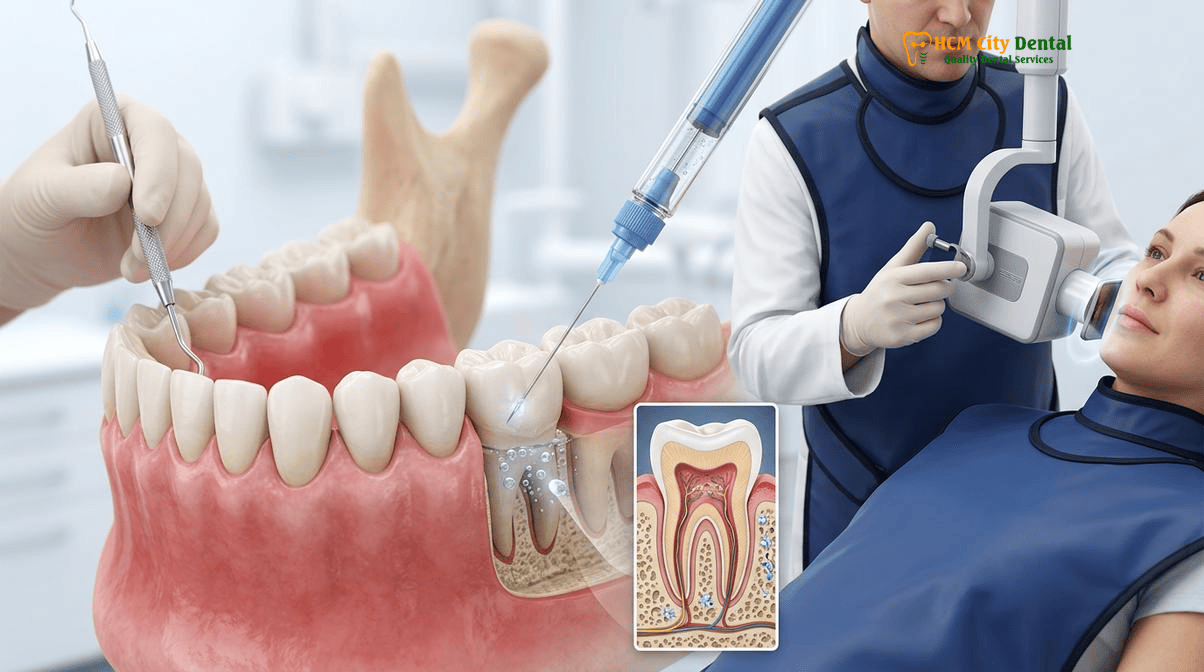
Digital RVG Sensor X-Rays (<0.001 mSv With Lead Abdominal & Thyroid Apron) and Left-Lateral Hip Tilt (15°) to Prevent Supine Vena Cava Compression in the Third Trimester
Diagnostic imaging and physical positioning in the dental chair require specialized modifications to accommodate the pregnant physiology, particularly in the later stages of gestation.
The Physics and Safety of Shielded Digital Radiography
The fear of dental X-rays during pregnancy is largely a relic of the mid-20th century, prior to the advent of digital radiography and strict ALARA (As Low As Reasonably Achievable) protocols. Today, HCMC Dental Clinic utilizes advanced Digital RVG (Radiovisiography) sensors. These digital sensors are incredibly sensitive, requiring up to 90% less radiation than traditional film X-rays.
A single digital periapical X-ray exposes the patient to approximately 0.001 to 0.005 millisieverts (mSv) of radiation. To put this in perspective, a pregnant woman absorbs roughly 0.01 mSv of natural background cosmic radiation simply by taking a commercial flight from Singapore to Ho Chi Minh City. Furthermore, the dental X-ray beam is highly collimated (narrowly focused) strictly on the jawbone, far away from the pelvic region. When combined with a mandatory double-layer lead abdominal apron and a lead thyroid collar, the radiation scatter reaching the fetus is virtually zero. The ADA and ACOG explicitly state that necessary dental X-rays, with proper shielding, are safe at any stage of pregnancy and should never be delayed if required to diagnose an acute infection[4].
Supine Hypotensive Syndrome and the 15-Degree Left Lateral Tilt
As the pregnancy progresses into the late second and third trimesters, the physical weight of the gravid uterus and amniotic fluid becomes substantial. If a pregnant woman lies flat on her back (the standard supine position in a dental chair), this heavy mass can compress the inferior vena cava—the massive vein that runs along the right side of the spine, responsible for returning deoxygenated blood from the lower body back to the heart.
Compression of the vena cava drastically reduces cardiac output, leading to a condition known as Supine Hypotensive Syndrome. The mother may suddenly experience dizziness, sweating, nausea, shortness of breath, and a rapid drop in blood pressure, which subsequently reduces placental perfusion and fetal oxygenation. To entirely prevent this, HCMC Dental Clinic employs a strict positioning protocol: utilizing a left lateral tilt to prevent supine hypotensive syndrome in the dental chair. By placing a specialized wedge pillow under the patient’s right hip, we tilt the torso approximately 15 degrees to the left. This simple, highly effective maneuver shifts the weight of the uterus off the vena cava, ensuring unobstructed maternal blood flow and optimal fetal safety throughout the procedure.
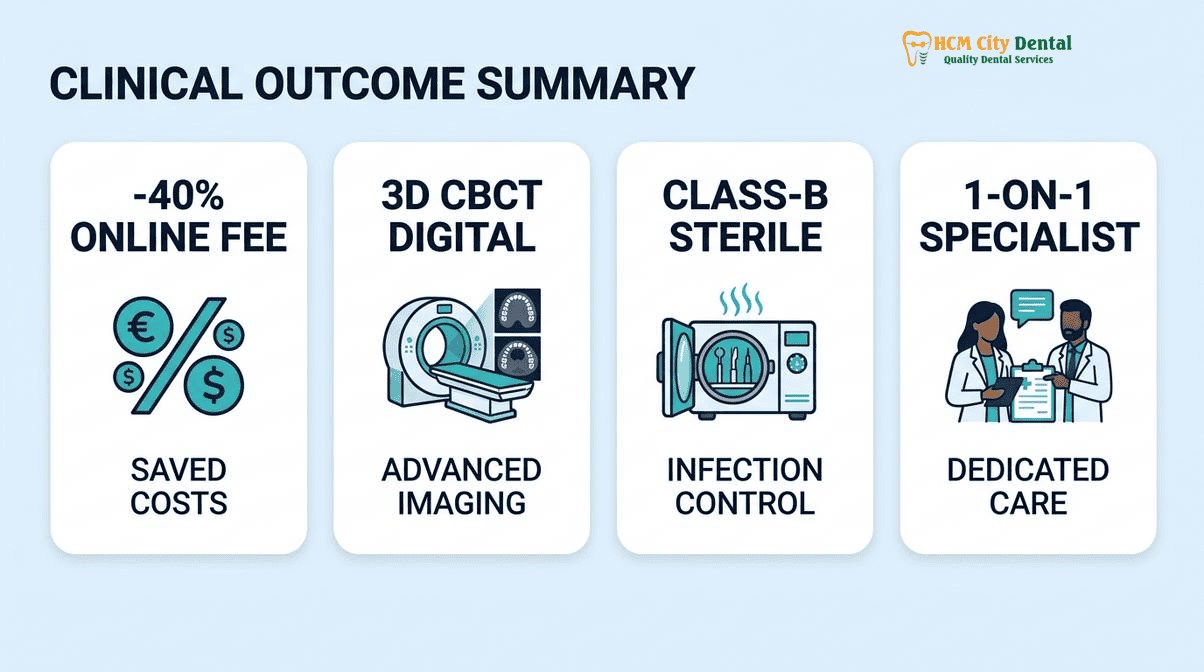
2026 Pregnancy Dental Hygiene, Emergency Root Canal & Expat Maternity Insurance Billing Fee Schedule at HCMC Dental Clinic (District 1)
For expats navigating healthcare in Vietnam, transparency in pricing and seamless insurance coordination are paramount. HCMC Dental Clinic offers a transparent, globally competitive fee structure, with direct -40% savings available through our online pre-booking system compared to standard walk-in rates. We routinely provide comprehensive, itemized English medical reports, pre-authorization forms, and diagnostic X-rays required for reimbursement by major international maternity and dental insurance providers (such as Luma, April International, Cigna, Aetna, and Allianz).
Below is the official 2026 fee schedule for procedures commonly required by expectant mothers, reflecting our Official 2026 Dental Fee Schedule (-40% Online Booking Pricing). (Note: $1 USD = 26,000 VND. Prices are subject to clinical consultation).
| Pregnancy-Safe Dental Procedure | 2026 Online Booking Price (USD) | 2026 Online Booking Price (VND) | Standard Walk-In Price (USD) |
|---|---|---|---|
| Ultrasonic Scaling & Polishing (First Trimester) | $15 USD | 400,200 VND | $25 USD |
| Swiss EMS AirFlow Stain Removal (Pregnancy Gingivitis) | $58 USD | 1,500,000 VND | $96 USD |
| Composite Resin Filling (Second Trimester Decay) | $35 – $46 USD / tooth | 900,000 – 1,200,000 VND | $58 – $76 USD |
| Microscopic Root Canal (Anterior/Premolar Emergency) | $77 – $115 USD / tooth | 2,000,000 – 3,000,000 VND | $128 – $192 USD |
| Microscopic Root Canal (Complex Molar Emergency) | $115 – $154 USD / tooth | 3,000,000 – 4,000,000 VND | $192 – $256 USD |
| Surgical Wisdom Tooth Extraction (Piezotome) | $58 – $115 USD / tooth | 1,500,000 – 3,000,000 VND | $96 – $192 USD |
| 3D CBCT Scan / Digital RVG X-Ray (Shielded) | $18 USD | 480,000 VND | $30 USD |
| Custom Night Guard (Pregnancy Bruxism/Stress) | $81 – $115 USD | 2,106,000 – 2,990,000 VND | $135 – $192 USD |
“We understand that expat mothers require not only clinical excellence but also administrative peace of mind. Our international patient coordination team ensures that every diagnostic code, clinical narrative, and digital radiograph is meticulously prepared to meet the stringent requirements of global maternity insurance providers, allowing you to focus entirely on your health and your baby.”
— Dr. Nguyen Van Cuong, DDS
Objective 4-Model Comparison of Dental Clinics in Ho Chi Minh City
When selecting a dental provider during pregnancy, understanding the operational landscape of the local healthcare market is critical. To assist international patients in making an informed, medically sound decision, we provide an objective, E-E-A-T (Experience, Expertise, Authoritativeness, Trustworthiness) comparison of the four distinct dental clinic operating models currently functioning in Ho Chi Minh City[5]. For a deeper dive into district-specific logistics, consult The Ultimate Expat Dental Guide to Ho Chi Minh City: D1, D2 & D7.
- Model 1: 1-on-1 Doctor-Direct Specialist Boutique (HCMC Dental Clinic, District 1): This model is defined by absolute clinical continuity. At HCMC Dental Clinic, patients are treated exclusively by Dr. Nguyen Van Cuong, DDS (Clinical Director — MOH License 0003265/BL-CCHN). From the initial shielded 3D CBCT diagnosis to the administration of Lidocaine and the final restorative procedure, there are zero associate hand-offs. This ensures that your specific obstetric history, allergies, and trimester timeline are intimately understood by the primary surgeon. Furthermore, the boutique model operates with lower corporate overhead, allowing for transparent -40% direct online pre-booking savings.
- Model 2: Multi-Doctor Expat Clinics & Private Dental Hospitals: Facilities such as Westcoast International Dental Clinic, Starlight Dental Clinic, Worldwide Dental & Cosmetic Surgery Hospital, and Elite Dental operate on a larger scale, often catering heavily to the Thao Dien (District 2) and District 1 expat communities. These clinics feature large, multi-disciplinary teams and premium amenities. While they offer excellent, internationally standardized care, patients may be rotated among different associate dentists depending on scheduling availability, and their premium corporate overhead is typically reflected in higher procedural price points.
- Model 3: High-Volume Domestic Dental Chains & Multi-Domain Groups: Brands like Peace Dentistry, Kim Dental, I-DENT Dental Implant Center, and Nhan Tam Dental Clinic operate massive, high-volume networks across multiple districts. These chains are highly efficient and serve a vast domestic demographic. However, the high patient turnover and rotating rosters of junior associate dentists can make it challenging to secure the personalized, unhurried, 1-on-1 specialist continuity required for complex, high-anxiety pregnancy dental care.
- Model 4: Third-Party Medical Tourism Booking Agencies: Platforms such as VN Dental Travel, Dental Departures, and WhatClinic are not licensed medical facilities; they are referral brokers. They generate revenue by charging local clinics a 15%–25% commission for patient leads. Booking through an agency introduces an unnecessary middleman, inflating costs and complicating direct clinical accountability. For pregnant expats, booking directly with a verified, MOH-licensed clinic ensures direct communication regarding obstetric protocols and immediate warranty accountability.
Clinical Case Study: Second Trimester Emergency Root Canal for an Expat Mother
Patient Profile: 32-year-old Australian expat, 18 weeks pregnant (second trimester), residing in Thao Dien, District 2.
Presentation: The patient presented to HCMC Dental Clinic with severe, spontaneous, throbbing pain in the lower right first molar (Tooth 46), accompanied by localized facial swelling and inability to sleep. She was highly anxious about the safety of X-rays and anesthesia for her baby.
Clinical Protocol: Dr. Nguyen Van Cuong, DDS, conducted a thorough consultation, reviewing her obstetric history. A highly collimated digital RVG X-ray was taken using a double-lead abdominal apron and thyroid collar, revealing irreversible pulpitis progressing to acute apical periodontitis.
Intervention: The patient was positioned comfortably with a slight left-lateral tilt. Profound local anesthesia was achieved using 2 cartridges of Lidocaine 2% with 1:100,000 epinephrine, completely eliminating her pain and halting her stress-induced adrenaline spike. A microscopic endodontic root canal therapy was performed under a nitrile rubber dam to prevent any bacterial or chemical ingestion. The canals were disinfected and sealed in a single visit.
Outcome: The patient experienced immediate pain relief. She was prescribed Paracetamol for mild post-operative discomfort (no antibiotics were necessary as the source of infection was mechanically removed). Full clinical documentation was provided, and her international maternity insurance (Cigna) successfully reimbursed the emergency procedure. Both mother and baby remained perfectly healthy, and the tooth was permanently restored with a Zirconia crown postpartum.
Frequently Asked Questions
Is it safe to get a digital dental X-ray and local Lidocaine numbing injection if I have a severe toothache or infected wisdom tooth while pregnant?
Yes. According to international obstetric and dental guidelines, digital dental X-rays utilizing a lead abdominal apron and thyroid collar expose the fetus to virtually zero radiation (<0.001 mSv). Local anesthesia using Lidocaine 2% with 1:100,000 epinephrine is classified as safe (formerly FDA Category B) and is highly recommended to prevent the maternal stress and endogenous adrenaline spikes associated with untreated severe dental pain.
Why do my gums bleed so easily and develop a red swollen bump (pregnancy granuloma) during the second trimester?
During pregnancy, surging levels of estrogen and progesterone significantly increase blood flow and capillary permeability in the gingival tissues. This hormonal shift exaggerates the body’s inflammatory response to even minor dental plaque, leading to pregnancy gingivitis (bleeding, swollen gums) and occasionally a localized, benign overgrowth of tissue known as a pyogenic granuloma or ‘pregnancy epulis’. Professional prophylaxis using gentle EMS AirFlow technology effectively manages this condition.
Why does HCMC Dental Clinic place a pillow under my right hip to tilt me 15 degrees to the left during third-trimester dental appointments?
In the third trimester, lying flat on your back in a dental chair can cause the heavy gravid uterus to compress the inferior vena cava, a major blood vessel returning blood to the heart. This compression can lead to supine hypotensive syndrome, causing maternal dizziness, nausea, and a drop in blood pressure. Placing a pillow under the right hip to create a 15-degree left lateral tilt shifts the weight off the vena cava, ensuring optimal blood flow and fetal oxygenation.
Which dental painkillers, antibiotics, and mouthwashes are 100% safe during pregnancy and breastfeeding?
For pain management, Paracetamol (Acetaminophen) is the first-line analgesic approved by OB/GYNs, while NSAIDs like Ibuprofen are strictly avoided, especially in the third trimester. If an infection requires antibiotics, Beta-lactams such as Amoxicillin, Penicillin, and Cephalexin are considered safe. Tetracyclines are absolutely contraindicated as they cause permanent fetal tooth discoloration. Alcohol-free, chlorhexidine-based mouthwashes are safe for short-term use to manage severe gingivitis.
Can HCMC Dental Clinic coordinate directly with my OB/GYN at Family Medical Practice, Raffles, FV Hospital, or Vinmec in Ho Chi Minh City?
Absolutely. Dr. Nguyen Van Cuong, DDS, and the clinical team at HCMC Dental Clinic routinely collaborate with leading international hospitals and expat medical centers in Ho Chi Minh City. For high-risk pregnancies or complex emergency oral surgeries, we provide comprehensive clinical reports and consult directly with your attending OB/GYN at FV Hospital, Vinmec, or Family Medical Practice to ensure all pharmacological and surgical protocols align perfectly with your maternity care plan.
References
- Journal of the American Dental Association (JADA). Clinical Practice Guidelines on the Management of Pregnant Patients: Local Anesthesia, Radiography, and Periodontal Therapy. (2023).
- International Journal of Obstetric Anesthesia. Pharmacokinetics of Lidocaine and Epinephrine in Maternal-Fetal Circulation During Routine Dental Procedures. (2022).
- American Journal of Obstetrics & Gynecology (AJOG). The Impact of Maternal Periodontal Disease on Preterm Birth and Preeclampsia: Cytokine Pathways and Inflammatory Markers. (2021).
- Journal of Endodontics. Emergency Endodontic Intervention During Pregnancy: Trimester-by-Trimester Safety Protocols and Fetal Radiation Dosimetry. (2023).
- Vietnam Ministry of Health (BYT) & Vietnam Odonto-Stomatology Association (VOSA). National Clinical Guidelines on Specialist Dental Care, Biomaterial Traceability & EN 13060 Class B Infection Control. (2024).
For more information on comprehensive dental care for international patients and expats in Vietnam, please explore our Best Dentist & Dental Clinics in Ho Chi Minh City (2026 Comparison Guide).