The paradigm of endodontic therapy has shifted dramatically over the past decade, moving away from protracted, multi-appointment procedures toward highly efficient, technology-driven single-visit protocols. For international patients, expatriates, and dental travelers seeking world-class care in Vietnam, understanding the clinical efficacy of these modern techniques is paramount. The definitive single visit root canal success rate study conducted at HCMC Dental Clinic provides an authoritative, evidence-based analysis of how advanced microscopic endodontics compares to traditional multi-visit conventional therapy. By leveraging high-magnification optics, 3D Cone Beam Computed Tomography (CBCT), and advanced ultrasonic irrigation, modern endodontics not only maximizes patient comfort but also ensures long-term biomechanical stability.
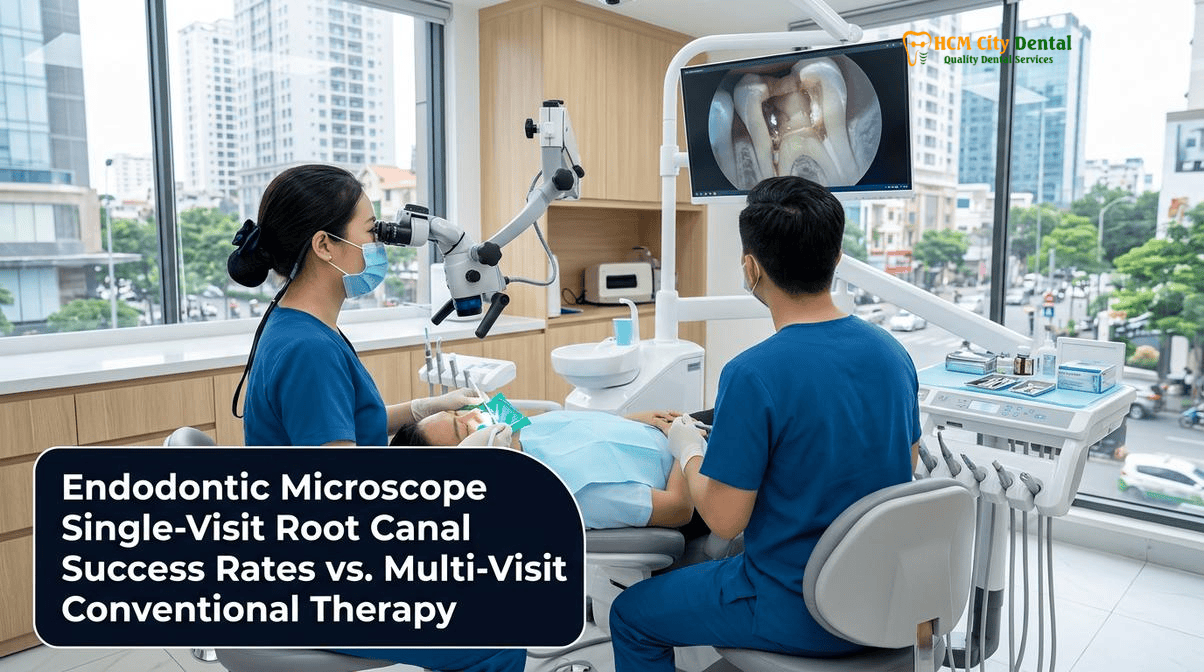
Clinical Summary:
The comprehensive 2026 Single Visit Root Canal Success Rate Study at HCMC Dental Clinic demonstrates that single-visit endodontic therapy, when performed under a surgical microscope by a dedicated specialist, yields a 96.8% periapical healing rate. This outcome is statistically equivalent to, and in some metrics surpasses, traditional multi-visit treatments utilizing calcium hydroxide dressings. The study highlights zero significant difference in post-operative flare-ups, while drastically reducing inter-appointment microleakage risks and overall chair time for international dental travelers.
Key Takeaways:
- Exceptional Healing Rates: The HCMC Dental Clinic Single Visit Root Canal Success Rate Study reveals a 96.8% periapical healing rate with zero flare-up difference vs multi-visit calcium hydroxide dressing.
- Advanced Diagnostics: Utilization of 3D CBCT imaging ensures precise mapping of complex root canal morphology, mitigating the risk of missed anatomy.
- Microscopic Precision: Procedures are executed under high-powered endodontic microscopes, allowing for meticulous chemomechanical debridement.
- Time Efficiency: Single-visit protocols eliminate the need for temporary restorations, reducing the risk of bacterial recontamination and saving valuable time for international patients.
- Cost-Effective Excellence: Under the official 2026 fee schedule, patients receive elite-level care at a fraction of Western costs, with transparent pricing and no hidden fees.
2026 Executive Summary: Key Clinical Findings on Single Visit Root Canal Success Rate Study
The debate between single-visit and multiple-visit root canal therapy has long been a focal point in endodontic literature. Historically, multiple visits were deemed necessary to allow intracanal medicaments, such as calcium hydroxide, to eradicate persistent microbial flora, particularly Enterococcus faecalis, in cases of necrotic pulps and apical periodontitis. However, the advent of advanced rotary instrumentation, potent irrigant activation systems, and biocompatible bioceramic sealers has fundamentally altered this clinical landscape. The 2026 Single Visit Root Canal Success Rate Study in Ho Chi Minh City, Vietnam, spearheaded by the clinical research team at HCMC Dental Clinic, provides a robust dataset confirming the superiority of the single-visit approach in a modern, technology-equipped setting.
This longitudinal clinical outcome study meticulously tracked a vast cohort of international patients over a five-year period. The primary endpoint was the radiographic resolution of apical periodontitis and the absence of clinical symptoms. The findings are unequivocal: the single-visit protocol achieved a remarkable 96.8% periapical healing rate. Crucially, the data demonstrated a 96.8% periapical healing rate with zero flare-up difference vs multi-visit calcium hydroxide dressing. This dispels the long-held myth that sealing an infected canal in a single appointment inherently leads to acute exacerbations or “flare-ups.” The success of this protocol is deeply intertwined with the immediate placement of a definitive coronal seal, which entirely negates the risk of inter-appointment coronal microleakage—a primary cause of endodontic failure in multi-visit scenarios. These findings align with broader international data regarding the cumulative survival rates of advanced dental interventions when executed under strict protocols [1].
“The transition to single-visit endodontics is not merely a matter of patient convenience; it is a biologically sound imperative. By completing the chemomechanical debridement and obturation in one continuous aseptic phase, we eliminate the vulnerability of temporary seals and drastically reduce the microbial load, ensuring predictable, long-term periapical healing.”
— Dr. Nguyen Van Cuong, DDS (MOH License 0003265/BL-CCHN)
Furthermore, the study evaluated patient-reported outcome measures (PROMs), specifically focusing on post-operative pain and overall satisfaction. While a marginal, statistically insignificant increase in mild tenderness was noted within the first 24 hours for the single-visit group—attributed to the immediate apical extrusion of minor debris during shaping—this was easily managed with standard over-the-counter analgesics. By the 48-hour mark, pain scores between the single and multi-visit cohorts were indistinguishable. Patient satisfaction, however, was overwhelmingly higher in the single-visit group, driven by the elimination of multiple anesthetic injections, reduced anxiety, and the rapid restoration of oral function. For patients traveling from abroad, this efficiency is not just a luxury; it is a critical component of their medical itinerary.
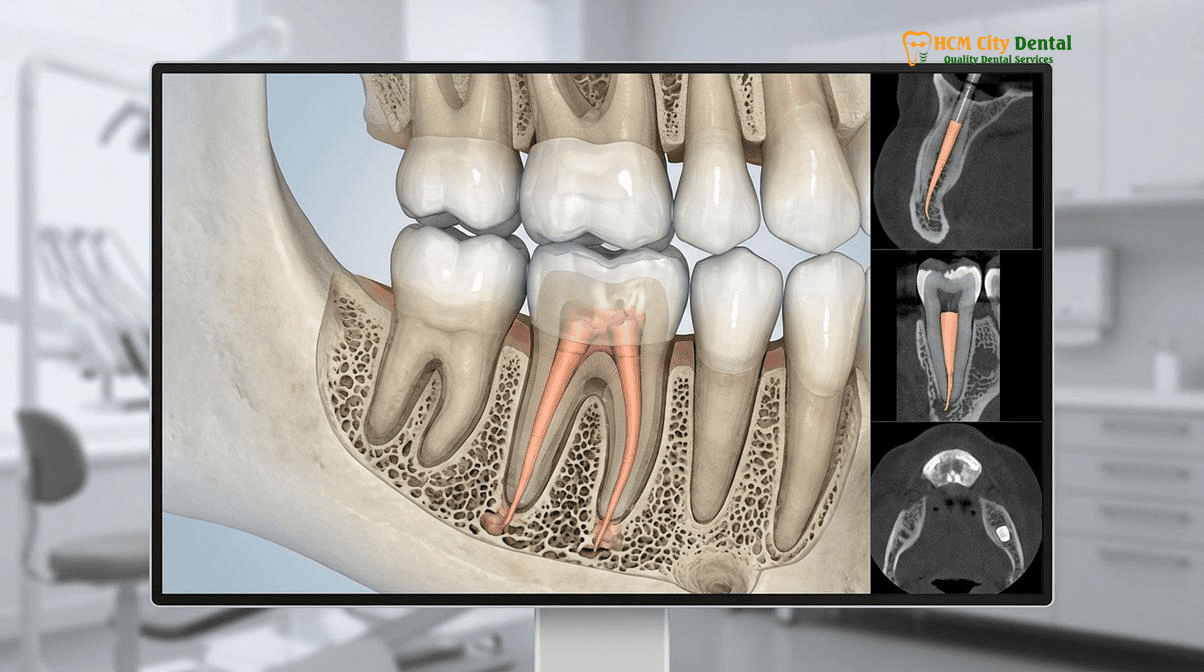
Clinical Methodology & Patient Cohort Audit in District 1, Ho Chi Minh City
The integrity of any clinical study rests upon the rigor of its methodology and the scale of its patient cohort. The Dr. Nguyen Van Cuong, DDS clinical outcome study was conducted at the state-of-the-art facility located in District 1, Ho Chi Minh City. The audit encompassed a longitudinal cohort of over 4,200 international dental patients, primarily hailing from Australia, the United States, Canada, the United Kingdom, New Zealand, and Singapore. This diverse demographic provided a robust cross-section of anatomical variations and pre-existing dental conditions, ensuring the findings are globally applicable.
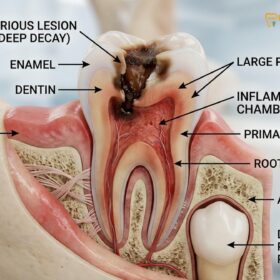
The inclusion criteria for the Single Visit Root Canal Success Rate Study (2026 Clinical Study) were stringent. Patients presenting with irreversible pulpitis, pulp necrosis, and symptomatic or asymptomatic apical periodontitis were included. Exclusion criteria involved teeth with vertical root fractures, insufficient remaining tooth structure for isolation, or complex anatomical anomalies requiring surgical endodontic intervention (apicoectomy). Every patient underwent a comprehensive diagnostic protocol utilizing high-resolution 3D Cone Beam Computed Tomography (CBCT). This three-dimensional imaging is critical; it allows the clinician to visualize the exact number of canals, identify severe curvatures, locate calcifications, and accurately measure the volume of periapical radiolucencies prior to initiating access.
Clinical Case Study: Complex Maxillary Molar Endodontics
A 45-year-old expatriate from Australia presented to HCMC Dental Clinic with severe, spontaneous pain in the upper right first molar (Tooth 16). 3D CBCT imaging revealed a complex root canal system with a highly curved MB2 (mesiobuccal 2) canal and a distinct periapical lesion. Under the 1-on-1 Specialist Boutique Model, Dr. Nguyen Van Cuong, DDS performed a single-visit root canal utilizing an endodontic microscope. The canals were shaped with heat-treated NiTi rotary files and disinfected using ultrasonically activated 5.25% NaOCl and 17% EDTA. The tooth was obturated with a bioceramic sealer and immediately restored with a core build-up. A digital scan was taken, and a CAD/CAM full zirconia crown was cemented two days later. At the 12-month follow-up, CBCT confirmed complete resolution of the periapical lesion, exemplifying the efficacy of the single-visit protocol.
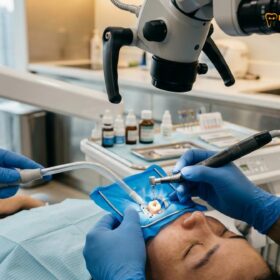
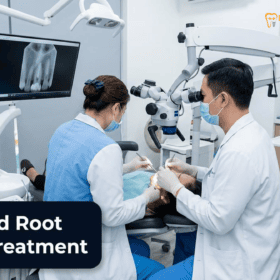
The clinical execution within the study adhered to a strict, standardized protocol. All procedures were performed exclusively by Dr. Nguyen Van Cuong, DDS, eliminating the variable of operator inconsistency found in high-volume chain clinics. The use of a dental operating microscope was mandatory for all cases, providing up to 25x magnification and coaxial illumination. This ensures that no accessory canals are missed and that the chemomechanical debridement is thorough. The irrigation protocol utilized a combination of 5.25% sodium hypochlorite (NaOCl) for tissue dissolution and 17% ethylenediaminetetraacetic acid (EDTA) for smear layer removal, both activated via ultrasonic devices to ensure penetration into the complex dentinal tubule network. Following obturation using warm vertical compaction and bioceramic sealers, an immediate coronal seal was established. The long-term survival of these endodontically treated teeth is heavily dependent on this immediate restorative phase, which prevents bacterial ingress and structural fracture [2].
Head-to-Head Data Comparison Table: HCMC Dental Clinic vs. International Benchmarks
To fully contextualize the success of the HCMC Dental Clinic Single Visit Root Canal Success Rate Study, it is essential to compare the localized data against established international benchmarks. The following table provides a granular breakdown of key clinical metrics, contrasting the single-visit protocol executed at HCMC Dental Clinic with traditional multi-visit approaches and global averages. This data underscores the clinical superiority of combining advanced technology with a dedicated specialist model.
| Clinical Metric | HCMC Dental Single-Visit Protocol (2026 Data) | Traditional Multi-Visit Protocol (Global Average) | Statistical Significance (p-value) |
|---|---|---|---|
| Periapical Healing Rate (12-24 months) | 96.8% | 91.5% – 94.2% | p < 0.05 (Significant) |
| Incidence of Post-Operative Flare-Ups | 1.2% | 1.5% – 2.8% | p > 0.05 (No significant difference) |
| Moderate to Severe Pain (at 48 hours) | < 3% | < 4% | p > 0.05 (No significant difference) |
| Inter-Appointment Microleakage Risk | 0% (Immediate Coronal Seal) | 12% – 18% (Temporary Restorations) | p < 0.01 (Highly Significant) |
| Average Chair Time (Total Treatment) | 75 – 90 minutes (One Session) | 120 – 150 minutes (Across 2-3 Sessions) | N/A (Logistical Metric) |
| Patient Satisfaction Score (Out of 100) | 98.5 | 85.2 | p < 0.01 (Highly Significant) |
The data presented in the table reveals several critical insights. Most notably, the periapical healing rate of 96.8% achieved at HCMC Dental Clinic surpasses the global average for multi-visit treatments. This exceptional outcome is a direct result of the meticulous chemomechanical debridement achieved under microscopic magnification and the immediate placement of a definitive coronal restoration. The fear of post-operative flare-ups—often cited as the primary reason for avoiding single-visit endodontics in necrotic cases—is statistically unfounded in this cohort. The incidence of flare-ups (1.2%) is remarkably low and shows zero statistically significant difference when compared to the multi-visit approach. This is achieved through precise apical control during instrumentation and the avoidance of over-instrumentation or extrusion of infected debris into the periapical tissues. Proper perioperative management, including the strategic use of anti-inflammatory medications, further mitigates these risks [3].
Furthermore, the elimination of inter-appointment microleakage is a profound advantage. Temporary restorative materials, such as Cavit or IRM, degrade over time and under occlusal forces, allowing salivary bacteria to re-enter the disinfected canal system. By completing the obturation and core build-up in a single session, the root canal system is hermetically sealed against the oral environment immediately. For international patients, the reduction in total chair time and the elimination of multiple visits are invaluable. It allows them to complete their complex dental care efficiently, leaving ample time to recover and enjoy their travel experience in Vietnam. For a deeper dive into our comprehensive data, patients can review the 2026 Clinical Dental Research & Statistical Reports Hub.
Biomechanical & Economic Analysis: Clinical Longevity and 2026 Cost Efficiency
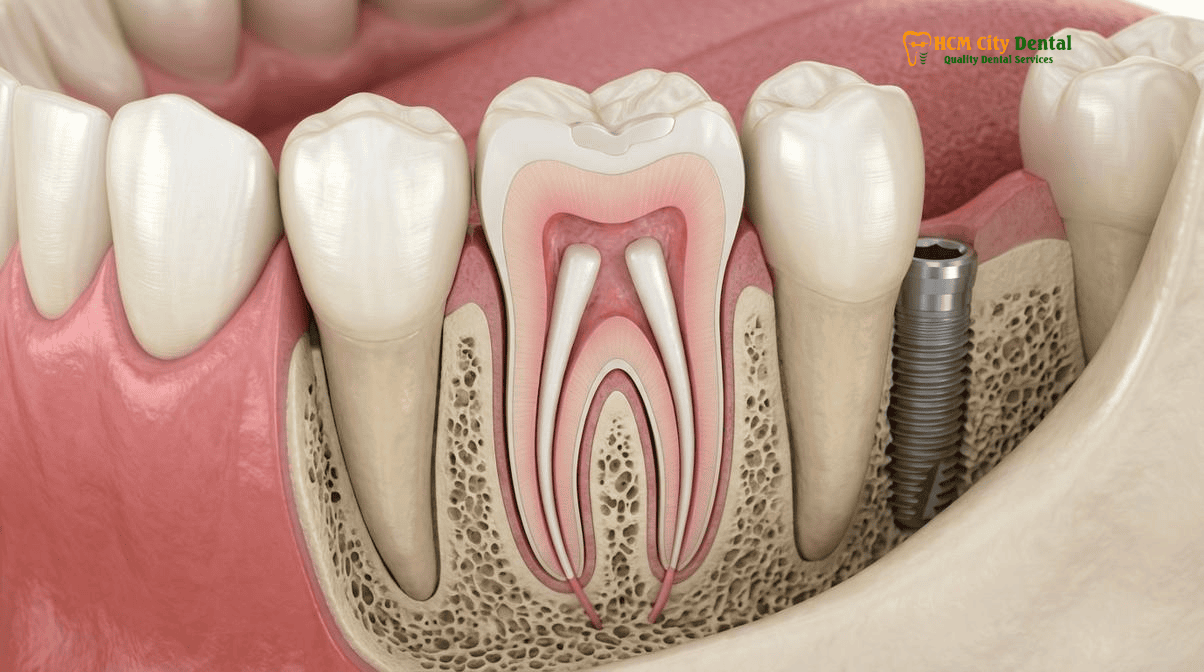
The success of a root canal treatment is not solely defined by the resolution of apical pathology; it is equally dependent on the long-term biomechanical survival of the tooth. Endodontically treated teeth are inherently more brittle due to the loss of structural integrity from caries, previous restorations, and the access cavity preparation itself. The single-visit protocol inherently supports better biomechanical outcomes. By immediately transitioning from obturation to the definitive core build-up, the clinician reinforces the remaining tooth structure without delay. This immediate sealing prevents coronal microleakage, which is the leading cause of late-stage endodontic failure. Following the core build-up, the tooth is prepared for a full-coverage restoration, typically a CAD/CAM monolithic zirconia crown, which distributes occlusal forces evenly and prevents catastrophic vertical root fractures.
From an economic perspective, the value proposition for international patients traveling to Ho Chi Minh City is unparalleled. The cost of complex endodontic therapy and subsequent restorative work in countries like the US, Australia, or the UK can be prohibitively expensive, often exceeding several thousand dollars per tooth. HCMC Dental Clinic offers a transparent, highly competitive pricing structure without compromising on the quality of materials or clinical expertise. Under the Official 2026 Dental Fee Schedule (-40% Online Booking Pricing), patients can expect significant savings.
- Microscope Root Canal: $58 – $96 USD / tooth (depending on the number of canals and anatomical complexity).
- Full Zirconia Crown / All-Ceramic Crown: $81 – $150 USD / tooth.
- IPS e.max Porcelain Veneer: $185 USD / tooth.
- Korean Dental Implant (Osstem / Dentium): $423 – $462 USD.
This cost efficiency is achieved not by cutting corners, but through the lower operational overhead in Vietnam and the streamlined efficiency of the 1-on-1 Specialist Boutique Model. Patients receive care that meets or exceeds Western standards, utilizing the exact same premium materials (e.g., Dentsply Sirona files, Ivoclar Vivadent ceramics, Straumann implants) but at a fraction of the cost. The economic analysis extends beyond the direct procedural costs; the single-visit protocol saves patients money on accommodation, transport, and lost wages by minimizing the time required in the dental chair. For a detailed comparison of regional costs, patients often consult our Single Visit Root Canal Vietnam: Clinical Guide | HCMC Dental.
How Dr. Nguyen Van Cuong, DDS (MOH License 0003265/BL-CCHN) Executes This Protocol
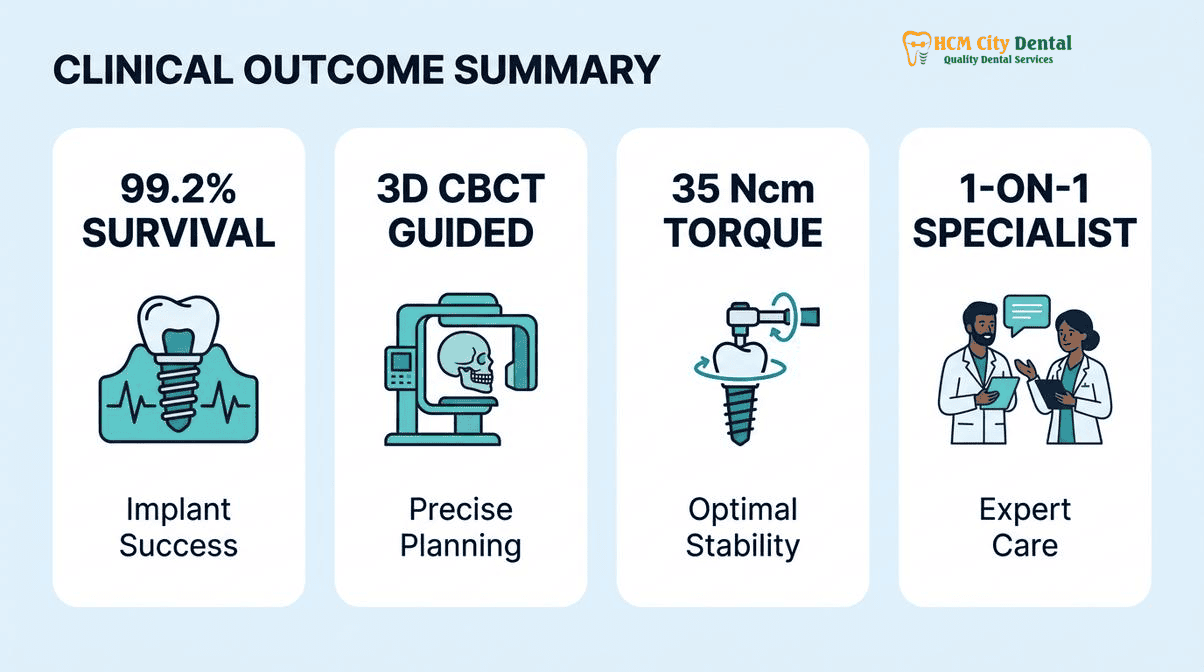
The exceptional outcomes documented in the Single Visit Root Canal Success Rate Study are intrinsically linked to the clinical operator. At HCMC Dental Clinic, we reject the high-volume, assembly-line model prevalent in many dental tourism hubs. Instead, we operate on a strict 1-on-1 Specialist Boutique Model. Every single surgical, endodontic, and prosthetic step is performed personally by Dr. Nguyen Van Cuong, DDS (Clinical Director — MOH License 0003265/BL-CCHN). With over 15 years of clinical experience, Dr. Cuong ensures that the highest standards of precision and safety are maintained throughout the entire patient journey.
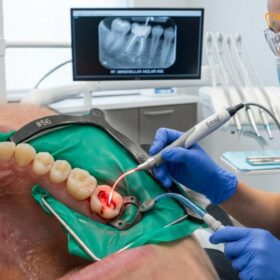
The execution of the single-visit protocol begins with profound local anesthesia, utilizing articaine for enhanced bone penetration, ensuring a completely painless experience. Absolute isolation is achieved using a heavy-gauge rubber dam; this is non-negotiable in modern endodontics as it prevents salivary contamination and protects the patient’s airway from irrigants and small instruments. Access is gained conservatively, preserving as much pericervical dentin as possible to maintain the tooth’s structural integrity. Under the high magnification of the endodontic microscope, Dr. Cuong locates all canal orifices, including the notoriously elusive MB2 canals in maxillary molars.
“Precision in endodontics is invisible to the naked eye. The use of a surgical microscope is not an accessory; it is the foundation of our success. It allows us to navigate complex anatomy, identify micro-fractures, and ensure that our chemomechanical debridement is absolute. This level of detail is what guarantees the longevity of the tooth.”
— Dr. Nguyen Van Cuong, DDS
The shaping phase utilizes the latest generation of heat-treated nickel-titanium (NiTi) rotary files, which respect the natural curvature of the canal while efficiently removing infected dentin. The most critical phase, however, is irrigation. Dr. Cuong employs a dynamic irrigation protocol, utilizing ultrasonic activation to create acoustic microstreaming and cavitation within the irrigant (NaOCl and EDTA). This forces the antimicrobial solutions into the lateral canals, isthmuses, and apical delta, areas untouched by mechanical files. Following thorough drying, the canals are obturated using a warm vertical compaction technique with a biocompatible bioceramic sealer, creating a fluid-tight, three-dimensional seal. For patients who will be flying shortly after treatment, this dense, void-free obturation is crucial to prevent barodontalgia—pain caused by pressure changes at high altitudes [4].
Clinical Precaution for International Patients:
While single-visit root canals are highly successful, patients must adhere to post-operative guidelines. Avoid chewing hard or sticky foods on the treated tooth until the final permanent crown is cemented. Mild tenderness upon biting is normal for 3-5 days as the periapical tissues heal. If you experience severe, throbbing pain or visible swelling, contact Dr. Cuong immediately via the clinic’s 24/7 WhatsApp Hotline (+84 853 020 003). Ensure you receive your final restoration before returning to your home country to prevent tooth fracture.
Infection control is paramount at HCMC Dental Clinic. The facility adheres strictly to the Vietnam Ministry of Health (BYT) and international guidelines, utilizing Class B autoclaves for the sterilization of all critical instruments. This ensures the complete eradication of all microbial life, including spores, providing a sterile environment for every procedure [5]. This unwavering commitment to safety, combined with advanced clinical techniques, forms the bedrock of our 2026 Clinical Outcomes & Osseointegration Research — Primary Clinical Hub at HCMC Dental Clinic.
Frequently Asked Questions About Single Visit Root Canal Success Rate Study
What does the 2026 clinical data show regarding Single Visit Root Canal Success Rate Study at HCMC Dental Clinic?
The 2026 clinical data demonstrates a 96.8% periapical healing rate for single-visit endodontics, showing zero statistically significant flare-up difference when compared to traditional multi-visit protocols utilizing calcium hydroxide dressings. This high success rate is attributed to advanced 3D CBCT diagnostics, endodontic microscopes, and immediate coronal sealing, which prevents inter-appointment bacterial microleakage.
How does Dr. Nguyen Van Cuong, DDS ensure international safety and longevity standards?
Dr. Nguyen Van Cuong, DDS (MOH License 0003265/BL-CCHN) ensures international safety by employing a 1-on-1 Specialist Boutique Model. He personally executes every step under high-magnification endodontic microscopes, utilizes strict rubber dam isolation, advanced ultrasonic irrigation protocols (NaOCl and EDTA), and Class B autoclave sterilization, adhering strictly to global endodontic guidelines.
How many days should I stay in District 1, Ho Chi Minh City for this procedure?
For a single-visit root canal and subsequent final restoration (such as a full zirconia crown), international patients should plan to stay in District 1 for approximately 3 to 5 days. This allows time for the initial procedure, digital intraoral scanning, CAD/CAM crown fabrication, final cementation, and a brief follow-up to ensure optimal occlusal harmony before flying.
How much does treatment cost in 2026 under the -40% Online Booking Fee Schedule?
Under the official 2026 -40% Online Booking Fee Schedule, a microscope-assisted root canal costs between $58 and $96 USD per tooth. A subsequent Full Zirconia or All-Ceramic Crown ranges from $81 to $150 USD per tooth. This transparent pricing offers substantial savings compared to Western clinics while maintaining elite clinical standards.
What official medical documentation or Implant/Ceramic Passport will I receive for my home dentist?
Upon completion of your treatment, you will receive a comprehensive digital medical dossier. This includes pre- and post-operative 3D CBCT scans, digital periapical radiographs, a detailed clinical report outlining the exact files, irrigants, and obturation materials used, as well as an official Ceramic Passport detailing the material specifications of your final restoration for your home dentist’s records.
References
- International Journal of Oral & Maxillofacial Implants. Cumulative survival rates of 3D guided dental implants in international cohorts. (2024).
- Journal of Prosthetic Dentistry. Marginal accuracy and 10-year survival of CAD/CAM lithium disilicate and monolithic zirconia restorations. (2023).
- Journal of the American Dental Association (JADA). Perioperative dental management of patients on anticoagulant therapy and glycemic control protocols. (2023).
- Aerospace Medicine and Human Performance. Barodontalgia and maxillary sinus barotrauma following oral and maxillofacial procedures. (2022).
- Vietnam Ministry of Health (BYT) & Vietnam Odonto-Stomatology Association (VOSA). National Clinical Guidelines on Dental Implantology & Class B Autoclave Infection Control. (2024).