Metal Crown Tooth: Benefits You Didn’t Know | Dr. Cuong

Considering a metal crown tooth? Dr. Cuong explains the types, pros, cons, and costs of metal dental crowns. Get expert advice for a lasting smile....
Considering a metal crown tooth? Dr. Cuong explains the types, pros, cons, and costs of metal dental crowns. Get expert advice for a lasting smile.
When a tooth is significantly damaged by decay or trauma, restoring its strength and function becomes a top priority. As a dental specialist, a common question I get from patients is about the best way to protect a compromised tooth for the long term. For many, especially for teeth in the back of the mouth, the answer is often a metal crown tooth. These restorations have a long and proven history in dentistry for their exceptional durability and strength.
This comprehensive guide is based on my clinical experience at HCMCDental.com, where I have placed thousands of crowns, and on current dental research. We will explore everything you need to know about metal crowns, from the different types available to the procedure itself and how to care for them properly. My goal is to provide you with clear, trustworthy information so you can make an informed decision about your dental health.
What Exactly Is a Metal Crown Tooth?
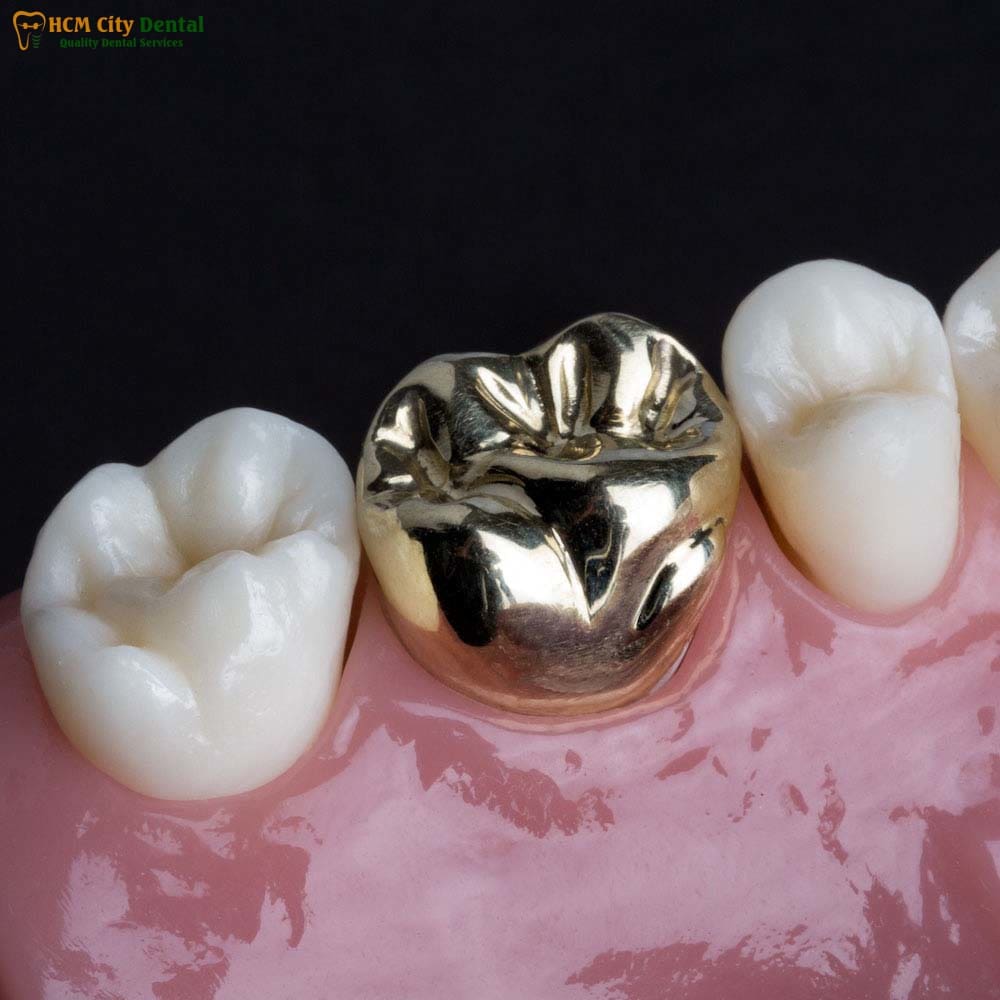
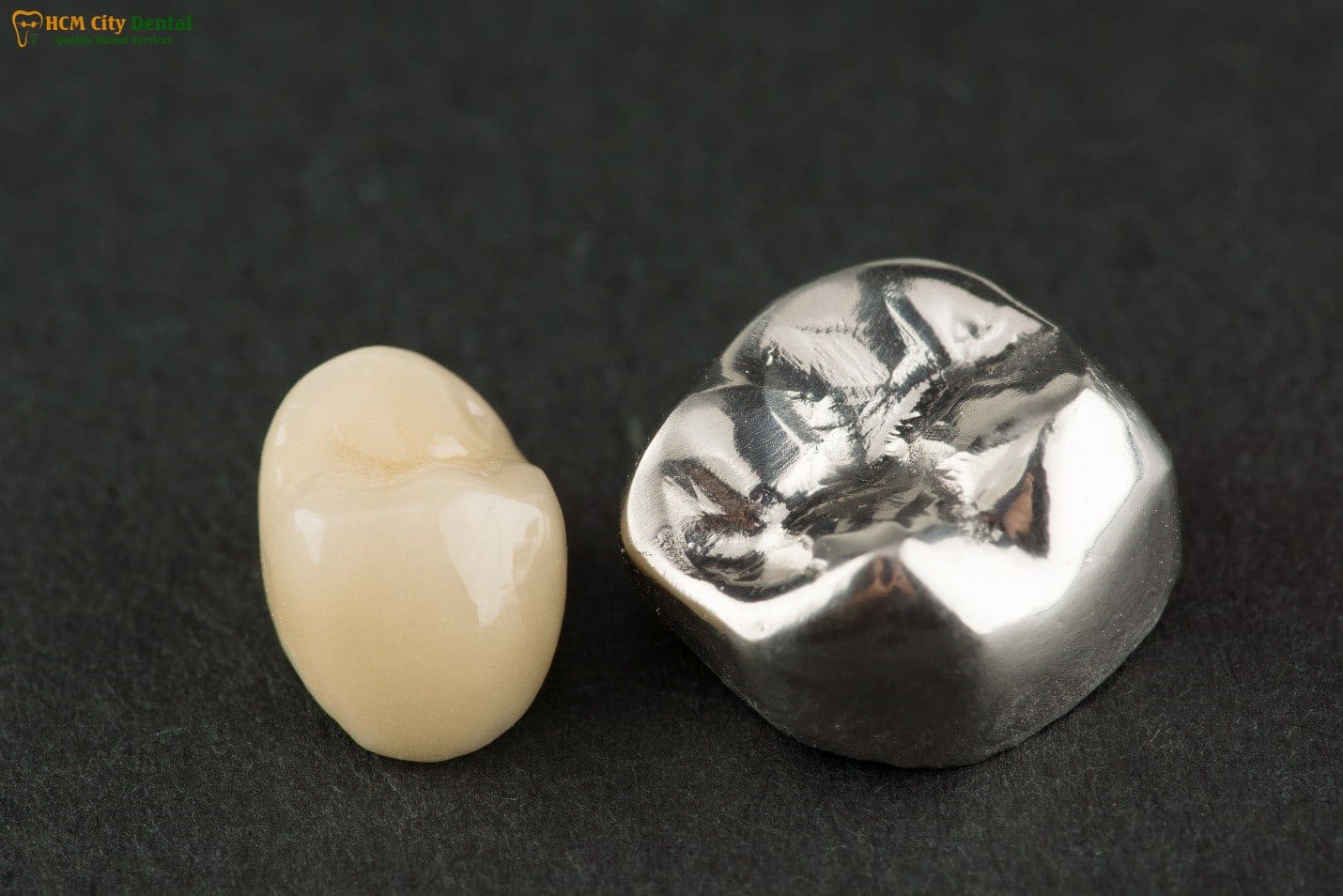
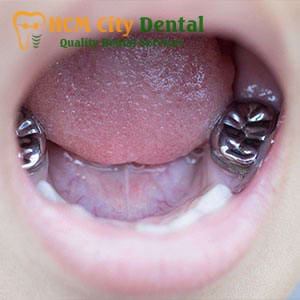
A dental crown is a custom-made “cap” that is placed over a damaged tooth, covering it completely to restore its shape, size, strength, and appearance. A metal crown tooth, as the name suggests, is a crown fabricated entirely from one or more types of metal. Unlike porcelain or ceramic crowns that are colored to match natural teeth, metal crowns have a characteristic metallic appearance (e.g., gold or silver-colored). For this reason, they are most frequently recommended for molars and premolars, where their strength is a major advantage and their appearance is less visible.
At our clinic, a common scenario involves patients who are heavy grinders (a condition known as bruxism) or have a very strong bite. For them, a full metal crown is often the most recommended solution because it can withstand immense pressure without fracturing, unlike some more brittle ceramic materials. This makes them a highly reliable and long-lasting restorative option.
Types of Metal Dental Crowns: A Closer Look
When we talk about a metal dental crown, it’s not just one type of material. The metals used are actually alloys, which are mixtures of different metals, each offering specific properties. Understanding these can help you and your dentist choose the best option for your needs.
- High Noble Alloys (e.g., Gold Crowns): These are considered the premium standard in metal crowns. They contain over 60% noble metals (like gold, platinum, palladium), with at least 40% being gold. Gold alloys are exceptionally biocompatible, meaning they are very gentle on the gum tissues and rarely cause allergic reactions. They are also highly resistant to corrosion and wear down at a rate similar to natural tooth enamel, which protects the opposing teeth from excessive wear.
- Noble Alloys (e.g., Palladium-Based): These alloys have at least 25% noble metal content. Palladium-based alloys are a popular choice because they offer excellent strength and durability at a lower cost than high-gold alloys. They are a good option for patients who may have sensitivities to other metals.
- Base-Metal Alloys (e.g., Nickel-Chromium, Cobalt-Chromium): These contain less than 25% noble metals and are known for their incredible strength and hardness. Because they are so strong, less tooth structure needs to be removed to prepare for the crown. However, the primary drawback is the potential for allergic reactions, particularly to nickel, in sensitive individuals.
When Is a Metal Crown the Right Choice?
Based on years of practice, I recommend metal crowns in several specific situations where their unique properties provide the greatest benefit. A metal dental crown is often the ideal choice for:
- Restoring Molars and Premolars: These back teeth bear the brunt of chewing and grinding forces. The superior strength of metal makes it the most durable option for these high-stress areas.
- Patients with Bruxism (Teeth Grinding): The intense, prolonged pressure from grinding can easily fracture porcelain or ceramic crowns. Metal crowns can withstand these forces without breaking.
- Teeth with Extensive Damage: When a tooth has lost a significant amount of its structure to decay or a large filling, a metal crown provides robust protection against further fracture.
- Cases Requiring Maximum Longevity: When properly cared for, full metal crowns can last for decades, often 20 years or more, making them one of the longest-lasting dental restorations available.
- As a Retainer for Dental Bridges: The strength of metal crowns makes them excellent anchors for dental bridges, especially for long spans replacing multiple teeth.
In my clinical experience, the longevity of a well-made metal crown is unparalleled, especially for molars that endure significant chewing force. While newer materials offer better aesthetics, for pure function and durability in the back of the mouth, metal remains a gold standard.
If you have any of these conditions, a metal crown might be the most effective long-term solution for you. For a personalized assessment, don’t hesitate to reach out. Still have questions? Call our Hotline/WhatsApp now at +84853020003 for a direct, completely free consultation with Dr. Cuong!
metal crown tooth
The Pros and Cons of Metal Teeth Caps: A Balanced View
Every dental treatment has its advantages and disadvantages. It’s important to have a clear, balanced picture to make the best choice. Here’s a straightforward comparison of metal teeth caps.
| Advantages (Pros) | Disadvantages (Cons) |
|---|---|
| Exceptional Strength & Durability: Metal crowns are extremely strong and highly resistant to chipping, cracking, or breaking. They can withstand powerful biting and chewing forces. | Aesthetics: The most significant drawback is their metallic color, which doesn’t blend in with natural teeth. This is why they are typically reserved for less visible back teeth. |
| Longevity: With proper care, metal crowns are the longest-lasting type of crown, often surviving for 20 years or even a lifetime. | Potential for Allergies: Base-metal alloys, particularly those containing nickel, can cause allergic reactions in some individuals. Symptoms can include gum inflammation or redness. |
| Conservative Tooth Preparation: Because metal is so strong, less of the natural tooth structure needs to be removed compared to what’s required for porcelain or PFM crowns. Preserving more of your own tooth is always a primary goal in dentistry. | Metallic Taste: In rare cases, some patients may experience a persistent metallic taste in their mouth, which could be a sign of an allergic reaction. |
| Kind to Opposing Teeth: High-noble metal alloys (like gold) wear at a rate very similar to natural enamel, which means they are less likely to cause excessive wear on the teeth they bite against. | Conductivity: Some patients may notice temporary sensitivity to hot and cold temperatures after the crown is placed, as metal conducts temperature changes more readily. This sensitivity usually subsides. |
metal crown tooth
The Metal Crown Procedure: What to Expect at HCMCDental
Getting a dental crown is a standard and very common procedure that typically requires two visits to our clinic. Here’s a step-by-step breakdown of what you can expect:
Visit 1: Tooth Preparation and Impression
- Consultation and Examination: First, I will conduct a thorough examination, which may include X-rays, to ensure the tooth’s roots and surrounding bone are healthy and that a crown is the best treatment.
- Tooth Preparation: After numbing the area with a local anesthetic to ensure your comfort, I will carefully reshape the tooth. This involves removing any decay and a small amount of the outer tooth structure to create space for the crown to fit perfectly.
- Taking an Impression: Once the tooth is prepared, we will take a precise impression (or mold) of it, as well as the surrounding teeth. This impression is sent to a specialized dental laboratory where your custom metal crown will be fabricated.
- Placing a Temporary Crown: To protect the prepared tooth while your permanent crown is being made, I will place a temporary crown. This temporary restoration is usually made of resin and is secured with temporary cement. You’ll need to be a bit gentle with it, avoiding very sticky or hard foods.
Visit 2: Placing Your Permanent Metal Crown
- Removing the Temporary Crown: A few weeks later, when your custom metal crown is ready, you will return to the clinic. I will remove the temporary crown and thoroughly clean the underlying tooth.
- Checking the Fit and Bite: I will carefully place the new metal crown tooth and check its fit, color (in terms of its metallic finish), and your bite. It’s crucial that the crown fits perfectly against the margins of the tooth and that your bite feels comfortable and natural. We will make any necessary minor adjustments.
- Cementing the Crown: Once we are both satisfied with the fit, I will permanently cement the crown into place using a strong, durable dental adhesive.
A common question I get from patients is about the feeling of the bite right after the crown is placed. It might feel slightly different or ‘high’ for a day or two, but your bite should quickly adapt. If it continues to feel off after a few days, it’s important to come back for a simple adjustment. A perfect bite is key to the crown’s long-term success.
metal crown tooth
Caring for Your Metal Crown: My Professional Advice
One of the best features of a metal crown is its durability, but its longevity still depends on excellent oral hygiene. The crown itself cannot decay, but the natural tooth underneath, especially at the gum line where the crown meets the tooth, is still vulnerable to plaque and bacteria.
Here is my advice for keeping your crown and the underlying tooth healthy for many years:
- Practice Diligent Brushing and Flossing: Brush twice a day with fluoride toothpaste and pay special attention to the gum line around the crown. Flossing daily is essential to remove plaque from between the teeth and at the crown’s edge.
- Be Mindful of Your Habits: While metal crowns are incredibly tough, you should still avoid habits like chewing on ice, pens, or other hard objects, which can put undue stress on any dental work.
- Use an Antibacterial Mouthwash: Rinsing with an antimicrobial mouthwash can help reduce bacteria in your entire mouth, further protecting the area around your crown.
- Regular Dental Check-ups: Visiting HCMCDental for regular check-ups and cleanings is vital. These appointments allow me to inspect your crown, check its margins, and ensure the surrounding gums and tooth are healthy.
Ready to invest in a durable, long-lasting solution for your tooth? Book an appointment online: Get a 10% discount on your first appointment!
metal crown tooth
Potential Issues and How We Address Them
While metal crowns are highly successful, like any dental procedure, there are a few potential issues to be aware of. At our clinic, we believe in transparent communication so you are fully informed.
Allergic Reactions
This is rare but can occur, especially with base-metal alloys containing nickel. Symptoms may include redness, swelling, or inflammation of the gums around the crown. Before proceeding, I always discuss your medical history, including any known metal sensitivities. If you have a known allergy, we will opt for a biocompatible material like a high-noble gold alloy or a metal-free option like zirconia.
A Dark Line at the Gum Line
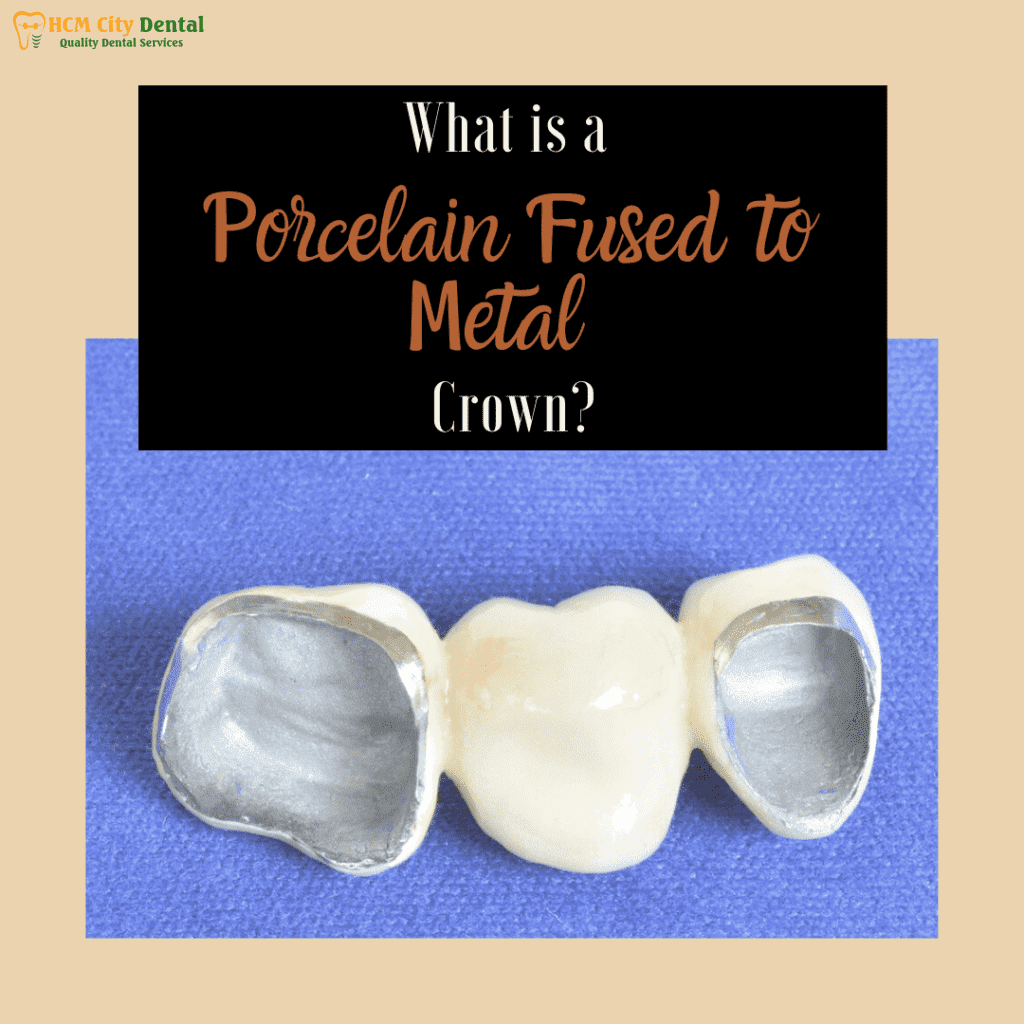
This issue is more common with Porcelain-Fused-to-Metal (PFM) crowns, where the underlying metal can become visible if the gums recede. With a full metal crown, this is not an issue as the entire crown is metal. However, maintaining healthy gums through good hygiene is still the best way to prevent gum recession.
A Loose Crown
A crown can become loose if the cement washes out from underneath or if the underlying tooth develops decay. If your crown feels loose, it is crucial to contact us immediately. Trying to fix it yourself or ignoring it can lead to bacteria getting trapped underneath, causing significant damage to the remaining tooth.
Based on clinical observations, the most common reason for premature crown failure is not the material itself, but improper oral hygiene around the crown margin. This is why post-procedure care is critical, and we spend significant time educating our patients on how to maintain their new restoration.
metal crown tooth
Metal Crowns vs. Other Popular Options
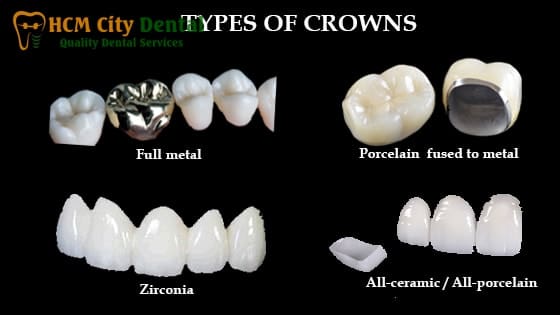
With modern advancements, you have several choices for dental crowns. Here’s a comparison to help you understand where metal teeth caps fit in.
| Crown Type | Key Characteristics | Best For |
|---|---|---|
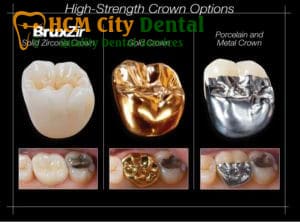
| Full Metal Crown | Highest strength and durability; most long-lasting; metallic appearance. Requires less tooth removal. | Back teeth (molars), patients with heavy grinding habits, situations where maximum durability is the priority. |
| Porcelain-Fused-to-Metal (PFM) | Good strength from the metal substructure with a tooth-colored porcelain overlay for better aesthetics. The porcelain can chip, and a dark line may appear at the gum line over time. | A good balance of strength and aesthetics for back or front teeth. |
| All-Ceramic or All-Porcelain | Excellent, natural-looking aesthetics. Best for matching the color of your natural teeth. Not as strong as metal and can be more prone to fracture under heavy force. | Front teeth where appearance is the top concern. |
| Zirconia | A very strong, tooth-colored ceramic material. Offers a great combination of durability and aesthetics, and is highly biocompatible. | Both front and back teeth; a strong, metal-free alternative. |
metal crown tooth
Frequently Asked Questions About Metal Dental Crowns
How long does a metal crown tooth last?
With proper oral hygiene and regular dental check-ups, a metal crown can last for 20 years or even a lifetime. They are the most durable and long-lasting type of dental crown available.
Will a metal dental crown affect MRI scans?
Most modern dental alloys, especially noble alloys like gold and palladium, are not magnetic and typically do not cause issues with MRI scans. However, it is always best to inform your radiologist about any dental work you have before an imaging procedure.
Is the procedure for getting metal teeth caps painful?
No, the procedure itself is not painful. We use local anesthesia to completely numb the tooth and surrounding area before we begin the preparation. You may experience some mild sensitivity or tenderness for a few days after each appointment, but this is temporary and can be managed with over-the-counter pain relievers if needed.
Can you get a cavity under a metal crown?
Yes, it is possible. While the crown itself is immune to decay, the natural tooth underneath is not. A cavity can form at the margin where the crown meets the tooth if plaque is allowed to accumulate. This is why diligent brushing and flossing are so important.
What is the cost of a metal crown tooth?
The cost can vary depending on the specific type of metal alloy used. High-noble alloys like gold are more expensive than base-metal alloys. Generally, metal crowns can range from being a less expensive option (base-metal) to a more premium one (high-gold). We will provide a clear cost breakdown during your consultation.
Are there any food restrictions with a metal crown?
For the first 24 hours after your permanent crown is cemented, it’s wise to avoid very hard or sticky foods to allow the cement to fully cure. After that, you can generally eat normally. However, as a general rule for all teeth, it’s best to avoid chewing on extremely hard things like ice or hard candy to protect both your natural teeth and your restorations.
Why would my dentist recommend a metal crown over a white one?
A dentist might recommend a metal crown for a back tooth primarily for its superior strength and longevity, especially if you grind your teeth or have a very strong bite. In these cases, the functional benefit and durability of metal often outweigh the aesthetic advantage of a white crown.
Your Strongest, Most Durable Solution
When it comes to restoring a damaged back tooth, a metal crown tooth offers a powerful combination of strength, durability, and longevity that is hard to beat. While they may not be the most aesthetic choice for visible teeth, their performance in high-stress areas of the mouth is outstanding. As an experienced dental specialist, I have seen firsthand how these reliable restorations can protect teeth and preserve function for decades.
Making the right decision for your dental health requires trustworthy information and expert guidance. I hope this guide has answered your questions and clarified the role of the metal dental crown in modern dentistry. At HCMCDental.com, we are committed to providing solutions that are not only effective but also tailored to your specific needs and clinical situation.
If you believe a metal crown might be the right option for you, or if you have more questions, I encourage you to take the next step.
Call our Hotline/WhatsApp now at +84853020003 for a direct, completely free consultation with Dr. Cuong, or book your appointment online to receive a 10% discount on your first visit!
This article was medically reviewed and written by Dr. Cuong.
Important Disclaimer
The information provided in this article is for educational and informational purposes only and is not intended as a substitute for professional dental advice, diagnosis, or treatment. Always seek the advice of your dentist or another qualified health provider with any questions you may have regarding a medical condition or dental treatment. Never disregard professional medical advice or delay in seeking it because of something you have read in this article.
Written and Medically Reviewed By
Dr. Cuong is a highly respected Specialist in Odontostomatology with many years of dedicated clinical experience. Practicing at HCMCDental.com, he has successfully treated thousands of patients, specializing in restorative and cosmetic dentistry. Dr. Cuong is committed to providing patient-centric care, leveraging the latest dental technologies and evidence-based practices to ensure optimal outcomes. His expertise is rooted in a deep understanding of dental science and a passion for helping patients achieve and maintain a healthy, confident smile.
For premium porcelain crowns, bridges, and advanced smile reconstructions, visit our Dental Crowns & Bridges service page at HCMC Dental Clinic in Ho Chi Minh City.