Gum contouring pain is typically mild and highly manageable, often described as a dull ache or slight tenderness rather than sharp pain. Because modern procedures utilize advanced diode lasers that cauterize nerve endings instantly, most patients require only basic over-the-counter analgesics for 24 to 48 hours post-operatively.
Clinical Summary:
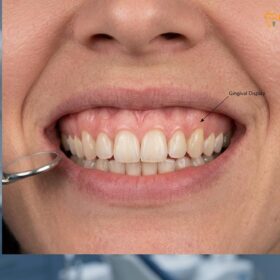
Gingival sculpting, or gum contouring, is a precise periodontal procedure designed to correct asymmetrical gum lines and treat excessive gingival display. From a clinical perspective, the degree of post-procedural discomfort depends heavily on the surgical modality employed. Traditional scalpel techniques often result in secondary intention healing, requiring sutures and a longer inflammatory phase. Conversely, the integration of 810nm diode lasers allows for simultaneous tissue ablation and photothermal coagulation, sealing blood vessels and nerve endings instantaneously. This minimally invasive approach drastically reduces the release of pain-inducing biochemical mediators, ensuring that normal post op soreness is easily controlled with standard pharmacological protocols. Comprehensive care involves respecting the supracrestal tissue attachment, utilizing targeted antimicrobial rinses, and adhering to strict postoperative dietary modifications to facilitate rapid, uncomplicated epithelialization.
Key Takeaways:
- Modern laser contouring cauterizes tissue instantly, resulting in a bloodless field and significantly reduced postoperative discomfort.
- Maintaining a minimum 2mm supracrestal tissue attachment is critical to prevent chronic inflammation and alveolar bone resorption.
- Over-the-counter NSAIDs or acetaminophen are highly effective for pain relief, but aspirin must be strictly avoided to prevent bleeding complications.
- A strict oral hygiene protocol utilizing warm saline and prescribed antimicrobial rinses is essential for preventing plaque accumulation during healing.
- Swelling that progressively worsens after the 72-hour mark requires immediate clinical evaluation to rule out secondary infections.
The Physiology of Gum Contouring Pain: What to Expect
Understanding the biological mechanisms behind post-operative sensitivity helps patients distinguish between expected inflammatory responses and abnormal complications during the gingival healing phase.
To fully comprehend the nature of discomfort associated with periodontal plastic surgery, one must first examine the intricate anatomy of the periodontium. The gingival tissue is densely innervated by branches of the trigeminal nerve, making it highly sensitive to mechanical, thermal, and chemical stimuli. When a dentist performs a gingivectomy or crown lengthening procedure, the structural integrity of the mucosal barrier is intentionally altered to establish a more harmonious aesthetic proportion. This surgical intervention triggers a localized inflammatory cascade, which is the body’s natural physiological mechanism for initiating tissue repair and cellular regeneration.
During the initial phase of healing, damaged cells release biochemical mediators such as prostaglandins, histamine, and bradykinin. These molecules cause vasodilation and increase capillary permeability, leading to the mild edema (swelling) and erythema (redness) typically observed in the first 48 hours. It is this localized swelling that places pressure on the peripheral nerve endings, translating into what patients commonly experience as a dull, throbbing sensation. However, because the procedure is confined to the soft tissue—unless osteotomy (bone removal) is required—the pain is generally superficial and transient.
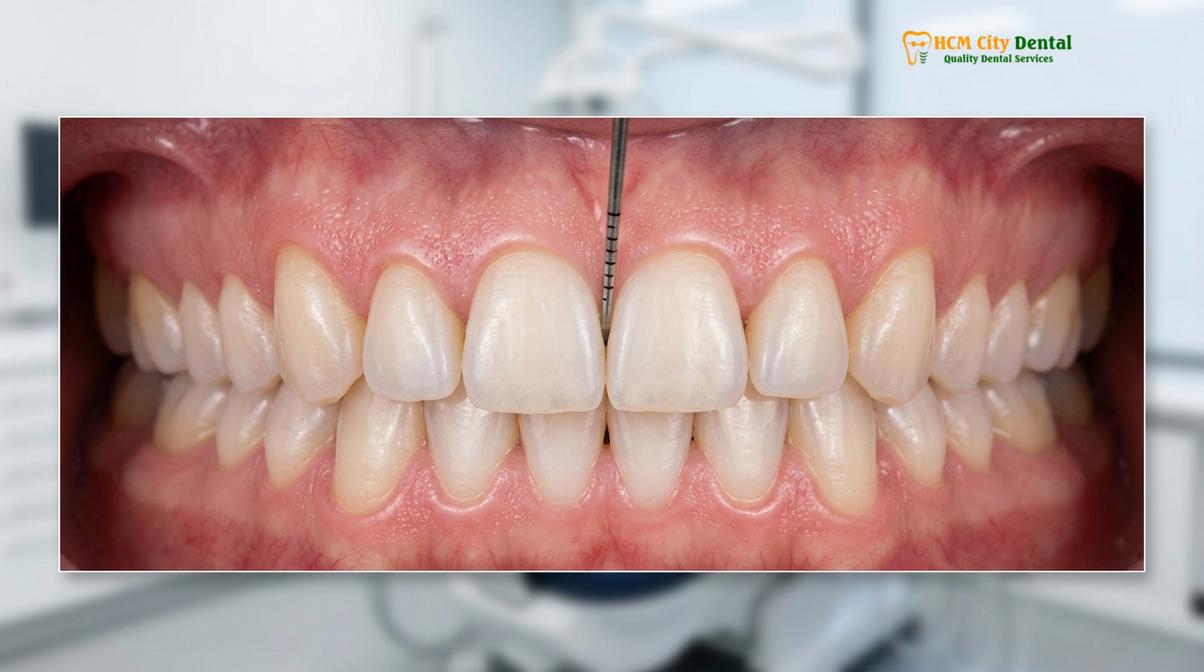
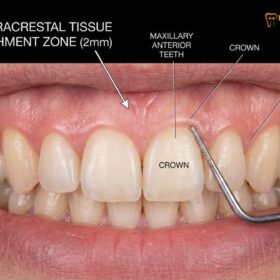
A critical concept in modern periodontal surgery is the preservation of the biological width, now more accurately termed the supracrestal tissue attachment. This refers to the natural dimension of soft tissue attached to the portion of the tooth above the alveolar crest, which must be a minimum of 2mm to maintain periodontal health [1]. If a contouring procedure violates this space without appropriate bone recontouring, the body will respond with chronic inflammation, unpredictable tissue rebound, and persistent discomfort as it attempts to re-establish this vital biological barrier. Therefore, precise preoperative digital smile design (DSD) and bone sounding are mandatory to map out the exact incisions.
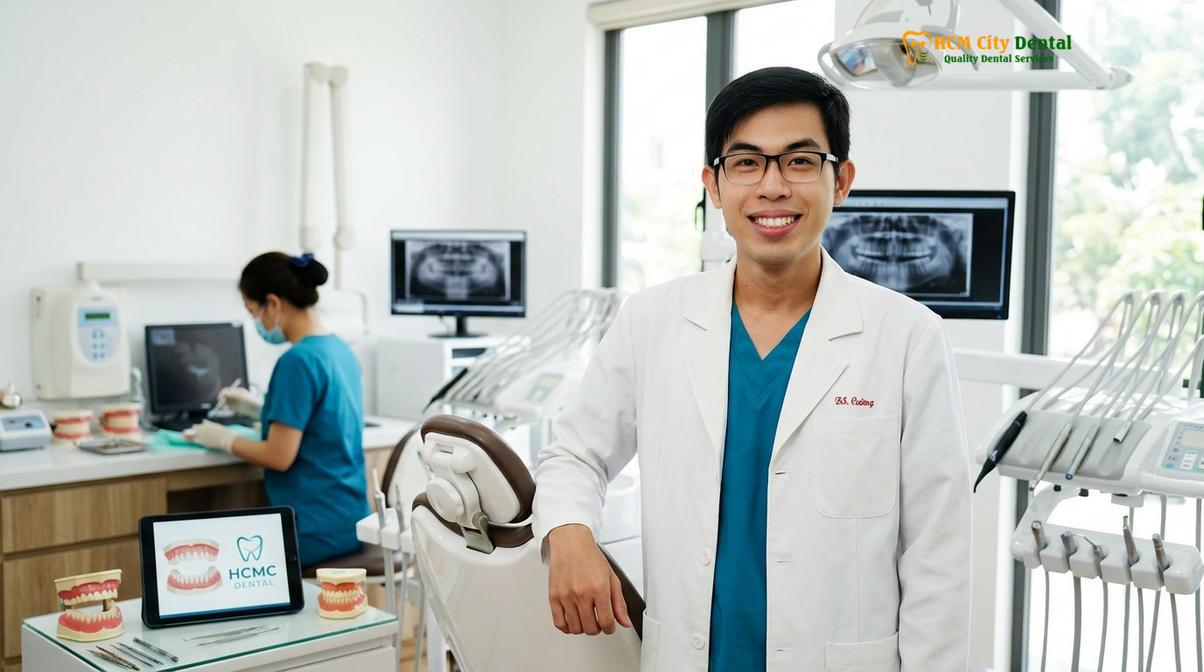
Dr. Nguyen Van Cuong, a leading specialist in aesthetic periodontics, emphasizes that calibrating the gingival zenith points—the highest point of the gum scallop, which should be displaced slightly distal to the long axis of the tooth—requires meticulous precision. By utilizing advanced diagnostic imaging and adhering strictly to biological principles, the surgical trauma is minimized, thereby reducing the intensity and duration of the subsequent inflammatory response. Patients undergoing these carefully planned procedures at HCMC Dental Clinic routinely report that their discomfort is far less than anticipated, often requiring nothing more than mild analgesics.
Laser vs. Scalpel: How AMD Picasso Lasers Minimize Discomfort
Advanced diode laser technology significantly reduces intraoperative trauma and postoperative discomfort by simultaneously cutting and coagulating soft tissue margins.
The evolution of surgical instrumentation has profoundly impacted the patient experience in cosmetic dentistry. Historically, gum contouring was performed exclusively using a traditional surgical scalpel. While effective, the scalpel severs blood vessels and nerve endings, leaving an open wound that heals by secondary intention. This traditional approach inevitably leads to intraoperative bleeding, necessitates the placement of sutures, and results in a prolonged, often uncomfortable recovery period characterized by significant swelling and a higher risk of postoperative infection.
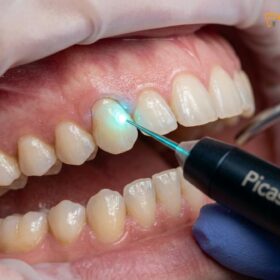
In stark contrast, the contemporary standard of care for soft tissue modification involves the use of advanced dental lasers. Specifically, the AMD Picasso Lasers, which operate at an 810nm diode wavelength, have revolutionized the field of periodontal plastic surgery. This specific wavelength is highly absorbed by melanin and hemoglobin, making it exceptionally efficient for ablating highly vascularized gingival tissue while leaving the underlying tooth structure and alveolar bone completely unaffected [2].
“The application of 810nm diode lasers in gingivectomy procedures not only provides a bloodless surgical field but also creates a sterile coagulum layer that acts as a biological dressing, significantly reducing the transmission of pain signals and accelerating epithelialization.”
When the laser energy interacts with the tissue, it vaporizes the targeted cells while simultaneously photothermally coagulating the adjacent blood vessels and cauterizing the severed nerve endings. This dual action means that the procedure is virtually bloodless and entirely sutureless. Because the nerve endings are sealed instantly, the transmission of nociceptive (pain) signals to the brain is drastically curtailed. Consequently, patients experience a remarkable reduction in postoperative pain and swelling, allowing for a rapid 48-hour recovery phase.
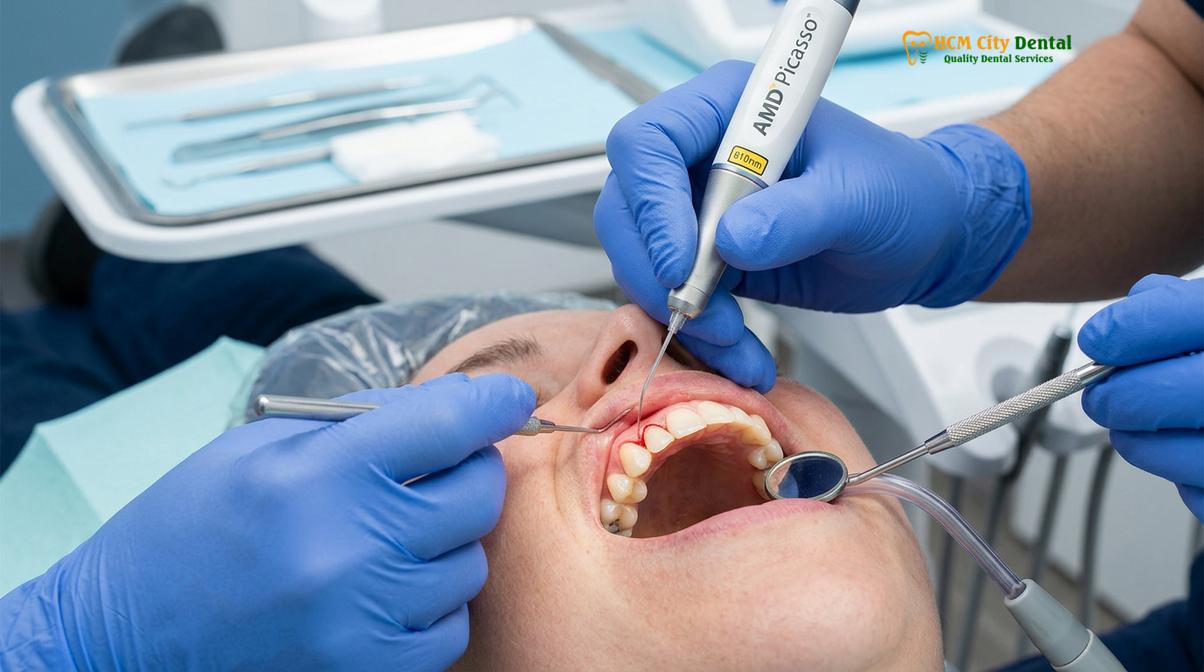
Furthermore, the high-energy light beam inherently sterilizes the surgical site as it cuts, destroying periodontal pathogens and significantly minimizing the risk of opportunistic infections during the healing phase. This sterile environment is crucial for achieving predictable, aesthetic outcomes without the complications of delayed wound healing. While scalpel surgery remains necessary for complex functional crown lengthening that involves osteoplasty (reshaping of the bone), the vast majority of purely aesthetic gingival contouring cases are now managed with diode lasers, offering a vastly superior, minimally invasive patient experience.
Normal Pain Signals vs. Infection Indicators
Differentiating between the natural inflammatory cascade of tissue repair and the early warning signs of bacterial infection is crucial for a safe recovery.
Following any surgical intervention in the oral cavity, a certain degree of physiological reaction is expected. Patients must be educated on how to interpret their body’s signals to distinguish between the normal healing process and potential pathological complications. The oral cavity is a complex microbiome, and while laser surgery minimizes risks, the surgical sites remain vulnerable until complete re-epithelialization occurs.
Normal post op soreness typically manifests as a mild to moderate dull ache, localized strictly to the areas where the tissue was modified. This sensation is often most pronounced on the first day following the procedure, gradually subsiding over the subsequent 48 to 72 hours. Patients may also experience transient dentinal hypersensitivity, especially to cold temperatures, if the contouring process exposed previously covered root surfaces. Mild, localized swelling and a slight change in tissue color—often appearing as a thin, white fibrinous slough over the laser margins—are completely normal signs of secondary healing and should not be mistaken for pus.
Clinical Warning: If you experience a sudden onset of severe, throbbing pain that radiates to the jaw or ear, accompanied by a fever, swollen lymph nodes, or a foul-tasting purulent discharge (pus) from the gumline, these are definitive signs of a bacterial infection. You must contact your dental provider immediately for an evaluation and potential antibiotic therapy.
Conversely, indicators of an active infection present a distinctly different clinical picture. Pain associated with an infection is rarely described as a dull ache; rather, it is typically sharp, throbbing, and progressively worsens rather than improving over time. The swelling associated with an infection is often diffuse, extending beyond the immediate surgical site, and the tissue may appear intensely erythematous (red) and feel warm to the touch. Systemic symptoms, such as a low-grade pyrexia (fever) or regional lymphadenopathy (swollen lymph nodes in the neck), further corroborate the presence of an infectious process.
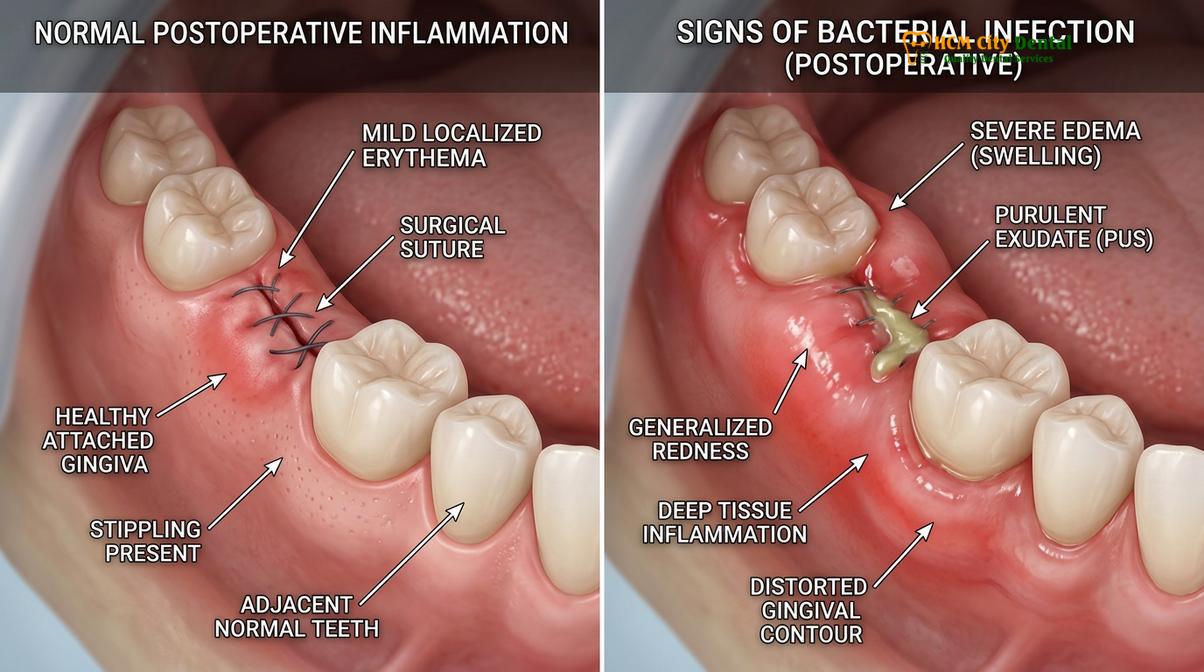
To mitigate these risks, comprehensive preoperative protocols are essential. Prior to any contouring procedure, a thorough dental scaling and prophylaxis must be performed to eliminate calculus and reduce the bacterial load in the oral cavity. Operating in a clean field is a fundamental surgical principle. Patients who observe any deviation from the expected healing trajectory are strongly encouraged to seek immediate clinical reassessment to ensure that their recovery remains on track and their aesthetic results are not compromised.
Approved Over-the-Counter Pain Relievers (Avoid Aspirin to Prevent Bleeding)
Proper pharmacological management using specific non-steroidal anti-inflammatory drugs or acetaminophen ensures optimal pain relief after gum surgery without compromising hemostasis.
Effective pain management is a cornerstone of postoperative care, ensuring patient comfort and facilitating a smooth recovery. Because laser gum contouring is minimally invasive, the vast majority of patients do not require prescription opioid analgesics. Instead, discomfort can be highly effectively managed using targeted over-the-counter (OTC) medications. However, the selection of the appropriate pharmacological agent is critical, as certain common pain relievers can induce severe bleeding complications.
The primary recommendation for managing postoperative inflammation and pain is the use of Non-Steroidal Anti-Inflammatory Drugs (NSAIDs), specifically ibuprofen. Ibuprofen works by inhibiting the cyclooxygenase (COX) enzymes, thereby reducing the synthesis of prostaglandins—the primary biochemical mediators responsible for inflammation and pain signaling at the surgical site. By addressing the root cause of the swelling, ibuprofen for gum swelling provides highly effective, targeted relief. Alternatively, for patients who cannot tolerate NSAIDs due to gastrointestinal sensitivities or specific medical contraindications, acetaminophen (paracetamol) serves as an excellent alternative. Acetaminophen acts centrally to elevate the pain threshold but lacks the peripheral anti-inflammatory properties of NSAIDs.
| Medication Type | Mechanism of Action | Clinical Recommendation | Postoperative Suitability |
|---|---|---|---|
| Ibuprofen (NSAID) | Inhibits COX enzymes, reducing prostaglandin synthesis. | 400mg every 6-8 hours as needed for pain and swelling. | Highly Recommended (Primary choice for inflammation). |
| Acetaminophen | Central elevation of pain threshold; weak peripheral action. | 500mg – 1000mg every 6 hours as needed for pain. | Recommended (Alternative for NSAID-sensitive patients). |
| Aspirin (Salicylate) | Irreversible inhibition of thromboxane A2 (platelet aggregation). | Strictly contraindicated in the immediate postoperative phase. | NOT Recommended (High risk of secondary hemorrhage). |
It is of paramount importance that patients strictly avoid aspirin (acetylsalicylic acid) and any combination medications containing aspirin during the initial recovery phase. Aspirin possesses potent antiplatelet properties; it irreversibly inhibits thromboxane A2, a lipid responsible for platelet aggregation. Consequently, aspirin acts as a blood thinner, preventing the formation of stable blood clots. Taking aspirin after periodontal surgery can lead to prolonged, uncontrolled oozing from the gingival margins, disrupting the delicate fibrin matrix necessary for healing and significantly increasing the risk of postoperative complications.
Patients are advised to begin their pain management regimen before the local anesthesia completely wears off, typically within the first two hours following the procedure. This preemptive approach prevents the pain signals from reaching peak intensity, making the discomfort much easier to control. Adhering strictly to the dosage guidelines provided by the clinical team ensures maximum efficacy while minimizing the risk of pharmacological side effects.
Warm Salt Water and Chlorhexidine Mouthwash Guidelines
Implementing a strict oral irrigation protocol with saline and prescribed antimicrobial rinses accelerates epithelialization and prevents plaque accumulation over surgical sites.
Maintaining impeccable oral hygiene is the most critical factor in ensuring a rapid, uncomplicated recovery following gingival contouring. However, traditional mechanical plaque control—vigorous brushing and flossing—is strictly contraindicated in the immediate surgical vicinity, as the abrasive action can easily tear the fragile, newly forming epithelial tissues. Therefore, chemical plaque control and gentle irrigation become the primary modalities for maintaining a sterile healing environment.
The foundation of postoperative oral care is the implementation of warm saline (salt water) rinses, beginning 24 hours after the procedure. An isotonic saline solution—created by dissolving half a teaspoon of non-iodized salt in eight ounces of warm water—acts through the principle of cellular osmosis. It gently draws out excess interstitial fluid from the inflamed gingival tissues, effectively reducing edema and alleviating the associated feeling of pressure. Furthermore, the mild salinity creates a transiently hypertonic environment that is inhospitable to many oral bacteria, promoting a clean, soothing healing field.
“The substantive properties of chlorhexidine gluconate allow it to bind to the oral mucosa and slowly release over 12 hours, providing a continuous bacteriostatic shield that is essential when mechanical brushing must be temporarily suspended.”
In addition to saline, clinicians frequently prescribe a 0.12% chlorhexidine gums rinse for the first 7 to 10 days post-operatively [3]. Chlorhexidine is a broad-spectrum cationic bisbiguanide that binds strongly to the negatively charged bacterial cell walls, causing disruption and cell death. Its high substantivity means it remains active in the oral cavity for prolonged periods. Patients are instructed to gently bathe the surgical sites with the rinse for 30 to 60 seconds twice daily, without vigorous swishing, to avoid dislodging the protective coagulum.
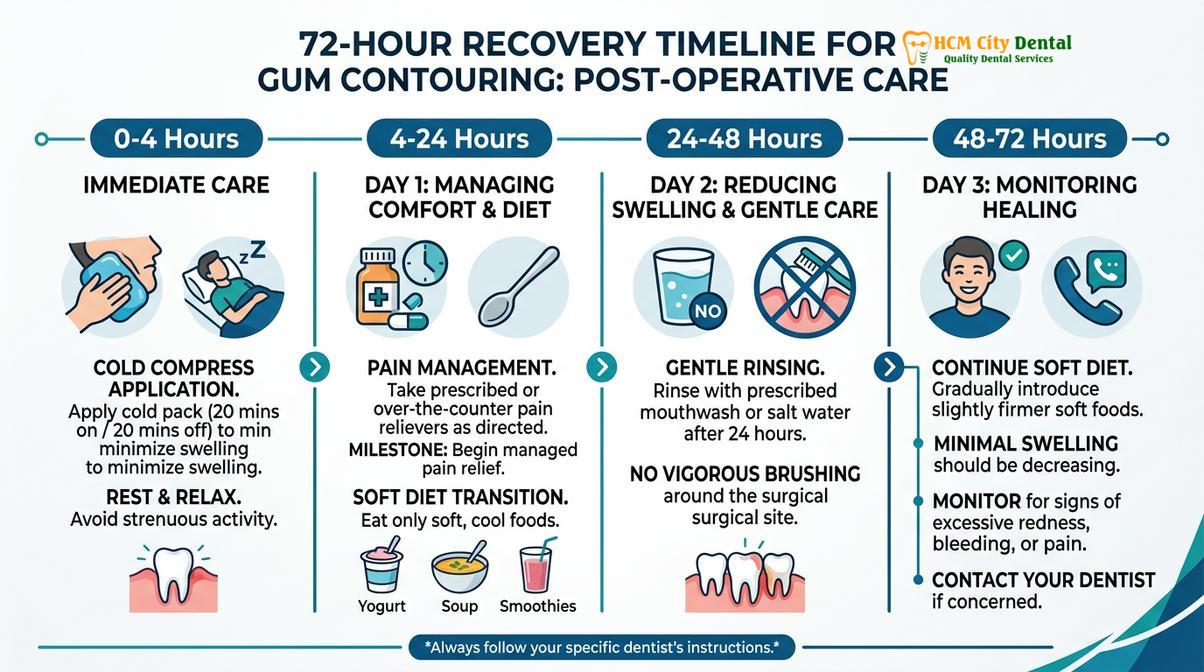
It is important to note that prolonged use of chlorhexidine can lead to extrinsic staining of the teeth and a temporary alteration in taste perception. Therefore, its use should be strictly limited to the prescribed duration. Once the initial healing phase is complete and the tissue has stabilized, patients will be guided to gradually reintroduce an ultra-soft surgical toothbrush, ensuring that the transition back to normal mechanical hygiene is seamless and non-traumatic.
What to Do If Gums Swelling Increases After 72 Hours
A sudden escalation in localized edema or pain beyond the third postoperative day requires immediate clinical evaluation to rule out secondary infections or delayed healing complications.
The physiological timeline of postoperative edema follows a highly predictable curve. Following any surgical trauma, swelling typically begins to accumulate within the first 12 hours, peaks at approximately the 48 to 72-hour mark, and then gradually subsides over the subsequent week as the lymphatic system drains the excess inflammatory exudate. Understanding this timeline is crucial for patients to accurately assess their recovery progress and identify potential anomalies.
If a patient observes that their gingival swelling is progressively increasing after the 72-hour window, or if the swelling is accompanied by a resurgence of acute pain, this is a clinical red flag. Delayed or escalating edema is not a normal part of the healing trajectory. It may indicate the development of a localized subperiosteal abscess, a secondary bacterial infection, or a severe inflammatory reaction to retained debris within the gingival sulcus. In cases involving surgical lip repositioning, excessive swelling might also indicate complications related to a hyperactive levator muscle disrupting the mucosal sutures.
Clinical Case Review: A 28-year-old patient presented to HCMC Dental Clinic in Ho Chi Minh City with concerns of escalating swelling four days after a laser gingivectomy performed elsewhere. Clinical examination by Dr. Cuong revealed localized purulent exudate due to trapped food debris under the healing margin. The site was gently debrided, irrigated with an antimicrobial solution, and the patient was placed on a short course of targeted antibiotics. Complete resolution of symptoms was achieved within 48 hours, highlighting the importance of prompt clinical intervention.
Upon noticing delayed swelling, the immediate course of action is to contact the treating dental clinic for an urgent evaluation. While awaiting the appointment, patients should discontinue the use of cold compresses—which are only effective during the first 48 hours to induce vasoconstriction—and transition to warm, moist compresses applied to the external cheek. The localized heat promotes vasodilation, increasing blood flow and lymphatic drainage to help clear the inflammatory infiltrates. However, self-management should never replace a professional diagnostic assessment when the healing timeline deviates from the expected norm.
Advanced Surgical Interventions and Pricing Structure
Comprehensive gummy smile correction may require multidisciplinary approaches, ranging from minimally invasive laser contouring to orthognathic surgery, with transparent fee schedules.
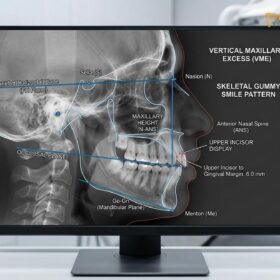
While laser gingivectomy is highly effective for cases involving excess soft tissue, a comprehensive approach to gummy smile correction often requires addressing underlying skeletal or muscular etiologies. For patients presenting with severe Vertical Maxillary Excess (VME)—a condition where the upper jawbone is vertically overgrown—soft tissue contouring alone will not yield satisfactory aesthetic results. In these complex skeletal cases, HCMC Dental Clinic collaborates with elite Surgical Jaw Partners at the National Hospital of Odonto-Stomatology in Ho Chi Minh City (Bệnh viện Răng Hàm Mặt Trung Ương TP.HCM) to perform Le Fort I osteotomy orthognathic surgery [4]. This advanced procedure involves repositioning the entire maxilla superiorly to achieve optimal facial harmony.
For cases driven by muscular hyperactivity, specifically a hyperactive levator labii superioris alaeque nasi muscle that pulls the upper lip too high during a smile, alternative interventions are required. Surgical Lip Repositioning (Lip Lowering) involves removing a strip of mucosa from the maxillary vestibule and suturing the lip in a lower position, physically restricting its upward movement [5]. Alternatively, Botox (botulinum toxin type A) injections offer a non-surgical, temporary neuromodulation to relax the hyperactive muscles, providing an excellent aesthetic outcome with zero downtime.
Understanding the financial investment is a crucial aspect of treatment planning. HCMC Dental Clinic is committed to providing transparent, highly competitive pricing, making it a premier destination for Gum Contouring & Gummy Smile procedures, especially for international patients seeking high-quality dental tourism options. According to the latest clinic fee schedule, the pricing structure is as follows:
- Laser Gingivectomy (per tooth): 1,500,000 VND (~$60 USD) (Walk-in: 2,500,000 VND).
- Full-Arch Laser Gum Contouring (up to 10 teeth): 12,000,000 VND (~$480 USD) (Walk-in: 20,000,000 VND).
- Functional/Esthetic Crown Lengthening (per tooth, including bone contouring): 3,000,000 VND (~$120 USD) (Walk-in: 5,000,000 VND).
- Surgical Lip Repositioning / Lip Lowering: 15,000,000 VND (~$600 USD) (Walk-in: 25,000,000 VND).
- Botox Gummy Smile Correction (both sides): 4,500,000 VND (~$180 USD) (Walk-in: 7,500,000 VND).
Patients are highly encouraged to utilize the clinic’s direct booking channels, as securing an appointment via WhatsApp entitles international and domestic patients to a significant -40% discount off the standard walk-in rates, ensuring exceptional value for world-class periodontal care.
When to See a Doctor
While recovery from gum contouring is generally smooth and predictable, certain clinical signs warrant immediate professional attention to prevent complications. You should contact your dental provider without delay if you experience any of the following red flag symptoms:
- Uncontrolled bleeding from the surgical site that does not stop after applying firm, continuous pressure with sterile gauze for 20 minutes.
- A sudden, severe escalation in throbbing pain that is entirely unresponsive to the prescribed or recommended over-the-counter analgesics.
- The appearance of a thick, yellowish or greenish purulent discharge (pus) oozing from the gum margins, often accompanied by a foul odor or taste.
- Systemic signs of infection, including a persistent fever exceeding 101°F (38.3°C), chills, or noticeably swollen and tender lymph nodes in the neck or under the jaw.
- Swelling that continues to increase significantly after the initial 72-hour postoperative window, or swelling that begins to compromise your ability to swallow or breathe.
Frequently Asked Questions
Why should I avoid aspirin after gum surgery?
Aspirin acts as a blood thinner by inhibiting platelet aggregation, which can disrupt clot formation and cause prolonged bleeding at the surgical site. Dentists strongly recommend using acetaminophen or specific NSAIDs instead to manage postoperative discomfort safely without compromising hemostasis.
How do I brush my teeth without touching the surgical areas?
You should use an ultra-soft surgical toothbrush and carefully clean only the biting surfaces and the teeth far away from the treated gingival margins. Avoid any sweeping or circular motions near the healing gums to prevent disrupting the delicate tissue.
Is it normal for my teeth to feel sensitive?
Yes, transient dentinal hypersensitivity is a normal physiological response after gum contouring, as newly exposed root surfaces or lower crown areas adapt to the oral environment. This thermal sensitivity typically subsides within a few weeks as the tissue fully epithelializes.
How long does the numbness last after the procedure?
Local anesthesia typically wears off within two to four hours following the completion of the contouring procedure. Patients are advised to avoid chewing solid foods or drinking hot liquids during this window to prevent accidental thermal burns or soft tissue biting injuries.
Can I drink coffee or hot tea during the first few days of recovery?
Hot beverages should be strictly avoided for the first 48 to 72 hours, as thermal heat can increase localized blood flow, potentially triggering secondary bleeding and exacerbating swelling. Stick to lukewarm or cold liquids to support the initial coagulation phase.
References
- Journal of Clinical Periodontology. Esthetic crown lengthening outcomes. (2021).
- International Journal of Periodontics & Restorative Dentistry. Diode laser vs scalpel gingivectomy. (2020).
- Journal of Aesthetic and Restorative Dentistry. Biological width around restorations. (2019).
- Journal of Oral and Maxillofacial Surgery. Le Fort I osteotomy stability. (2022).
- Clinical Oral Investigations. Surgical lip repositioning longevity. (2018).