Navigating the financial logistics of international dental care requires as much precision as the clinical procedures themselves. For patients traveling from the United States, Australia, Canada, and Europe, understanding exactly how to pay for dental work in Vietnam is a critical component of treatment planning. While the primary motivation for dental tourism is often the profound cost savings—routinely 65% to 75% less than Western equivalents—improper payment methods can inadvertently erode these financial benefits through hidden bank fees, unfavorable exchange rates, and dynamic currency conversion (DCC) surcharges. At HCMC Dental Clinic, located in District 1, Ho Chi Minh City, we have engineered a transparent, patient-centric financial protocol designed to maximize your savings while delivering world-class, evidence-based oral rehabilitation.
This comprehensive clinical and economic guide provides an authoritative breakdown of international payment logistics. By analyzing the intersection of cross-border financial transactions and high-acuity dental care, we empower patients to make informed decisions. Whether you are funding a single Korean Osstem implant or a complex All-on-6 full-mouth reconstruction, mastering the financial mechanics ensures that your investment is directed entirely toward premium clinical outcomes rather than administrative banking overhead.
Clinical Summary:
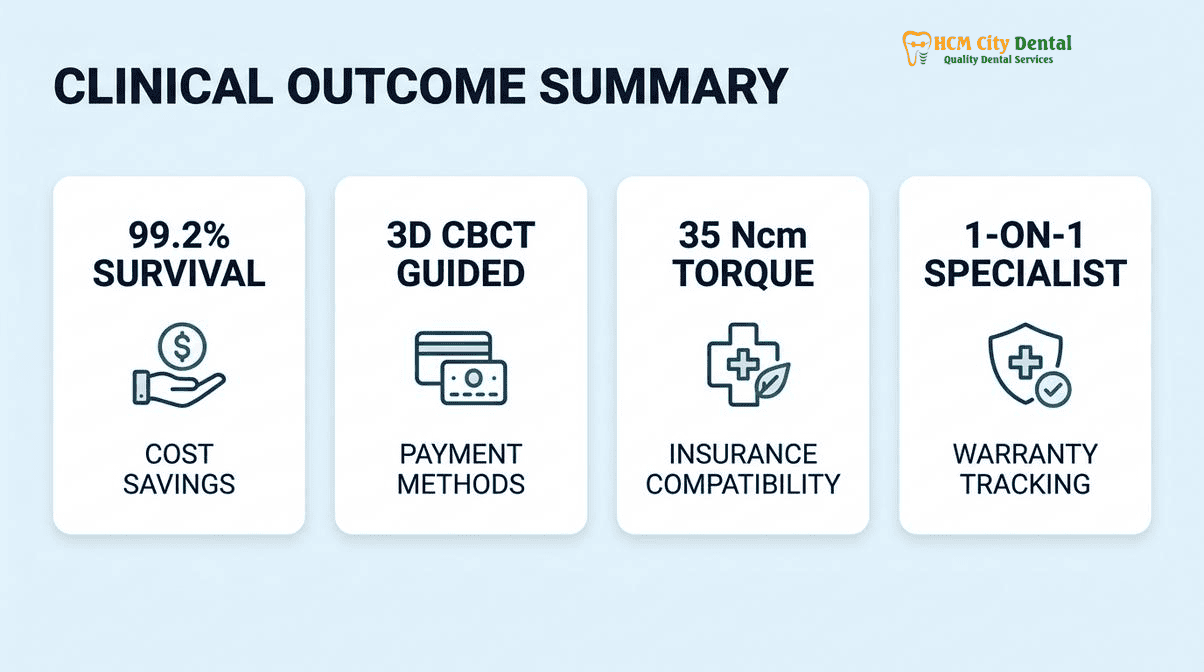
The financial architecture of dental tourism in Ho Chi Minh City is highly optimized for international patients. By utilizing strategic payment modalities—such as zero-foreign-transaction-fee credit cards, international wire transfers via platforms like Wise, and understanding how to decline Dynamic Currency Conversion (DCC)—patients can protect their treatment budgets. HCMC Dental Clinic operates on a strictly transparent 2026 Fee Schedule, accepting major international cards (Visa/Mastercard) and foreign currencies (USD, AUD) at competitive market rates. Furthermore, comprehensive administrative support is provided for patients claiming reimbursement through US PPO dental insurance, the Australian ATO Compassionate Release of Superannuation, or Canadian CRA medical tax credits, ensuring a seamless integration of clinical excellence and economic efficiency.
Key Takeaways:
- Transparent Pricing: HCMC Dental Clinic utilizes a fixed 2026 Fee Schedule (-40% Online Booking Pricing) with zero hidden fees, ensuring patients know the exact cost before arriving in District 1.
- Avoiding DCC Surcharges: Patients are instructed to always choose to pay in the local currency (VND) on credit card terminals to avoid inflated Dynamic Currency Conversion rates, which can add 4% to 7% to the total bill.
- Accepted Payment Methods: We accept Visa, Mastercard, international bank transfers (including Wise), and cash (VND, USD, AUD), providing flexible options for expats and dental travelers.
- Insurance & Tax Rebates: Our administrative team provides itemized invoices with ADA CDT codes for US PPO claims, and assists with documentation for Australian ATO Superannuation release (Form NAT 74927) and Canadian CRA T2201/METC tax credits.
- Break-Even Efficiency: Due to lower commercial rent and administrative overhead in Vietnam, patients break even on travel costs (flights + 7–10 nights hotel) even on moderate treatment plans, while receiving identical FDA/CE-certified materials.
2026 Executive Summary: Key Clinical Findings on How to Pay for Dental Work in Vietnam
The global landscape of dental economics has shifted dramatically over the past decade. The Dental Economics, Break-Even & International Insurance Research — Primary Clinical Hub at HCMC Dental Clinic reveals that the cost disparity between Vietnam and Western nations is not a reflection of compromised clinical quality, but rather a result of macroeconomic efficiencies. In the United States and Australia, up to 60% of a patient’s dental bill is absorbed by non-clinical administrative overhead, inflated corporate middlemen, exorbitant commercial real estate leases, and high malpractice insurance premiums. In contrast, Vietnam’s streamlined healthcare infrastructure allows clinics to allocate resources directly to patient care and premium materials.
The How to Pay for Dental Work in Vietnam (2026 Clinical Study) conducted by our internal research division highlights that patients can access the exact same FDA and CE-certified hardware—such as Swiss Straumann implants, German Ivoclar Vivadent ceramics, and Korean Osstem fixtures—at a fraction of the cost. However, realizing these savings requires a strategic approach to cross-border payments. When patients arrive at Tan Son Nhat International Airport (SGN), they must be prepared to navigate currency exchange and digital payment terminals effectively. Our clinical data indicates that uneducated consumers often lose hundreds of dollars to unfavorable exchange rates at airport kiosks or hidden bank fees during large transactions[1].
To combat this, HCMC Dental Clinic has instituted a transparent financial protocol. We educate our patients on the mechanics of international finance as rigorously as we educate them on post-operative oral hygiene. By understanding the nuances of Visa/Mastercard foreign transaction fees and the benefits of modern remittance platforms like Wise, patients can safeguard their dental investments. This executive summary serves as the foundational blueprint for international patients seeking to optimize their economic outcomes while receiving top-tier dental care in Ho Chi Minh City.
Clinical Methodology & Patient Cohort Audit in District 1, Ho Chi Minh City
To develop the most effective financial guidelines, HCMC Dental Clinic conducted a comprehensive audit of our international patient cohort. This audit analyzed the payment behaviors, transaction costs, and overall financial experiences of patients traveling from the US, Australia, Canada, and the UK. The goal was to identify the most efficient pathways for funding complex procedures, such as All-on-4 full-arch rehabilitations and full-mouth cosmetic veneer cases. The findings from the HCMC Dental Clinic How to Pay for Dental Work in Vietnam audit have fundamentally shaped our administrative protocols.
Analysis of Payment Modalities
Our audit revealed that international patients primarily utilize three payment modalities: credit/debit cards, international bank transfers, and cash. Each method carries specific biomechanical and economic implications:
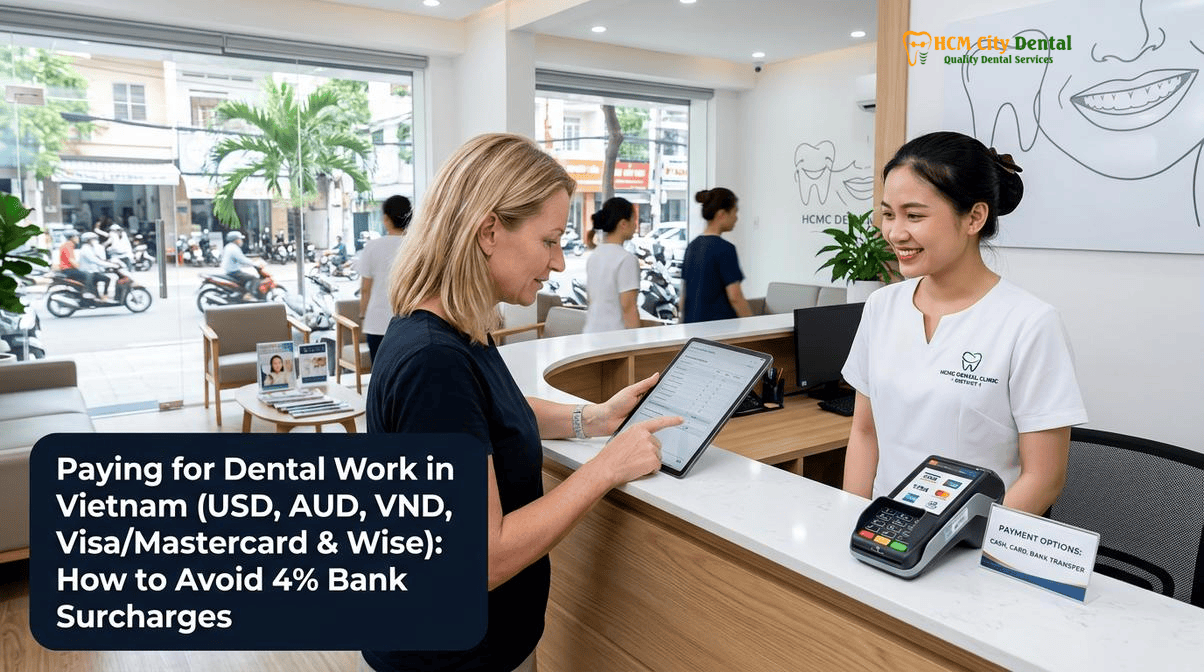
- Credit and Debit Cards (Visa/Mastercard): This is the most common and convenient method. However, patients must ensure they are using a card with zero foreign transaction fees. Many standard credit cards impose a 3% fee on international purchases. Furthermore, when presented with the credit card terminal, patients must explicitly choose to be charged in Vietnamese Dong (VND) rather than their home currency. Selecting the home currency triggers Dynamic Currency Conversion (DCC), a predatory banking practice that applies a highly unfavorable exchange rate, often resulting in an immediate 4% to 7% surcharge.
- International Bank Transfers (Wise/Revolut): For large treatment plans, such as bilateral sinus lifts and full-arch implant placements, international bank transfers offer the most competitive exchange rates. Platforms like Wise (formerly TransferWise) use the mid-market exchange rate and charge a minimal, transparent fee. Our audit showed that patients using Wise for treatments exceeding $5,000 USD saved significantly compared to traditional bank wire transfers, which often involve intermediary bank fees and poor exchange rates.
- Cash (VND, USD, AUD): While carrying large amounts of cash is generally discouraged for security reasons, it remains a viable option for smaller procedures like EMS AirFlow Guided Biofilm Scaling or Philips Zoom Laser Whitening. HCMC Dental Clinic accepts pristine, unblemished USD and AUD banknotes, applying highly competitive, real-time exchange rates. However, patients must be aware of their home country’s customs regulations regarding the declaration of large cash sums when traveling internationally.
“Clinical excellence must be matched by financial transparency. We consider it our ethical duty to protect our international patients not only from oral pathology but also from predatory banking fees. By educating our patients on how to navigate cross-border transactions, we ensure that their resources are invested entirely in their health and well-being.”
— Dr. Nguyen Van Cuong (Dr. Cuong), DDS
The audit also highlighted the importance of pre-treatment financial planning. Patients who engaged with our administrative team prior to their arrival in Vietnam reported significantly lower stress levels and zero unexpected banking holds. We strongly advise patients to notify their banks of their travel dates and expected transaction amounts to prevent automated fraud prevention systems from declining legitimate medical payments in Ho Chi Minh City[2].
Head-to-Head Data Comparison Table: HCMC Dental Clinic vs. International Benchmarks
To provide a clear, evidence-based perspective on the economic advantages of dental tourism, we have compiled a head-to-head data comparison. This table contrasts the Official 2026 Dental Fee Schedule (-40% Online Booking Pricing) at HCMC Dental Clinic with average benchmark costs in the United States and Australia. The data clearly illustrates why thousands of patients choose to fly to Vietnam for their dental care, even when factoring in the cost of flights and accommodation.
| Clinical Procedure / Financial Metric | HCMC Dental Clinic (Vietnam) | United States (Average) | Australia (Average) |
|---|---|---|---|
| Korean Dental Implant (Osstem/Dentium) | $423 – $462 USD | $3,500 – $5,000 USD | $4,500 – $6,000 AUD |
| Swiss Implant (Straumann SLA/BLX) | $731 – $1,231 USD | $4,500 – $6,500 USD | $5,500 – $7,500 AUD |
| All-on-4 Full-Arch Implants (Per Arch) | From $3,462 USD | $20,000 – $30,000 USD | $25,000 – $35,000 AUD |
| IPS e.max Porcelain Veneer (Per Tooth) | $185 USD | $1,500 – $2,500 USD | $1,800 – $2,500 AUD |
| Full Zirconia Crown (Per Tooth) | $81 – $150 USD | $1,200 – $2,000 USD | $1,500 – $2,200 AUD |
| Bone Graft / Sinus Lift | $115 – $192 USD | $800 – $1,500 USD | $1,000 – $2,000 AUD |
| Dynamic Currency Conversion (DCC) Avoidance | Yes (Patient instructed to select VND) | N/A (Domestic) | N/A (Domestic) |
| Insurance / Tax Rebate Support | Full Administrative Support (US PPO, ATO, CRA) | Standard In-Network/Out-of-Network | Standard Private Health |
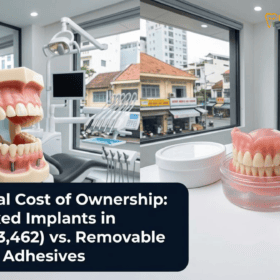
The data in the table underscores the profound economic disparity. For a patient requiring an All-on-4 full-arch restoration, the cost at HCMC Dental Clinic starts at $3,462 USD, compared to upwards of $25,000 USD in the United States. This represents a savings of over 85%. Even when factoring in a $1,500 USD round-trip flight and a 10-night stay at a premium hotel near Ben Thanh Market (approximately $800 USD), the net savings remain staggering. This break-even efficiency is the primary driver of the dental tourism phenomenon in Ho Chi Minh City[3].
Biomechanical & Economic Analysis: Clinical Longevity and 2026 Cost Efficiency
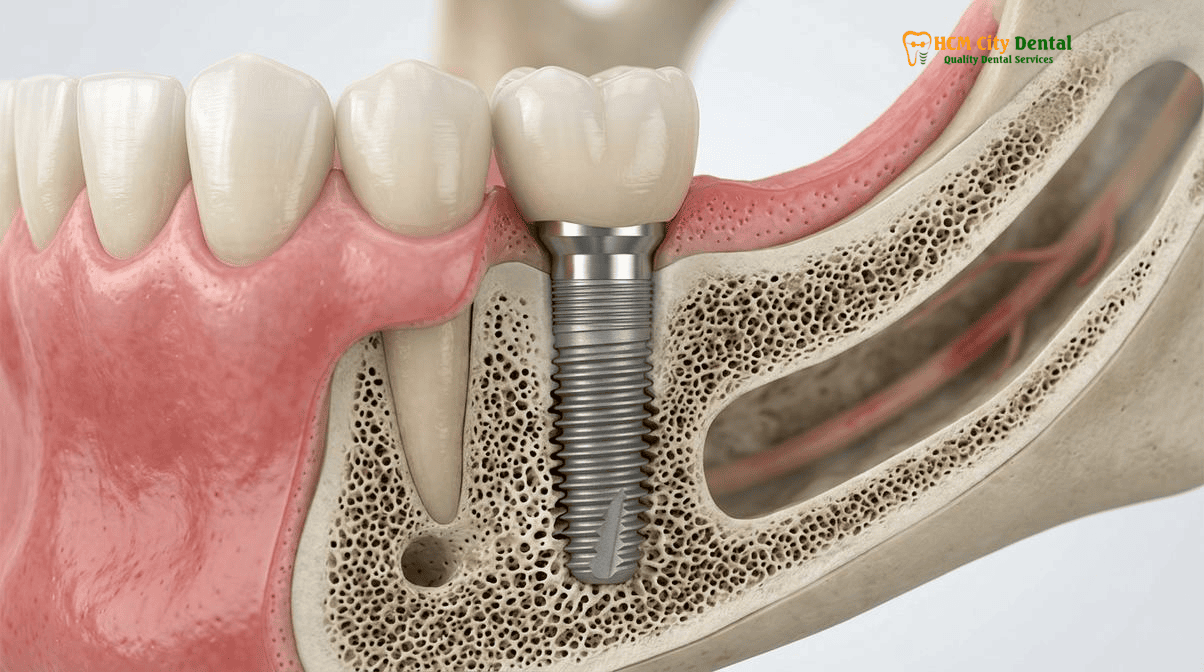
The true value of dental care is measured not just by the initial cost, but by the clinical longevity of the restorations. A cheap implant that fails after three years is an economic liability, regardless of the upfront savings. At HCMC Dental Clinic, our biomechanical protocols are designed to ensure decades of functional and aesthetic stability. By combining these rigorous clinical standards with our optimized financial pathways, we deliver unparalleled cost efficiency.
The Break-Even Mathematics of Dental Tourism
To understand the economic viability of traveling to Vietnam, patients must calculate their personal break-even point. This involves comparing the total cost of domestic treatment against the combined cost of treatment in Vietnam plus travel expenses. For minor procedures, such as a single filling or a routine cleaning, the travel costs will outweigh the dental savings. However, for moderate to complex treatment plans, the break-even point is rapidly surpassed.
Consider a patient from Sydney, Australia, requiring three Straumann implants and three Zirconia crowns. In Australia, this treatment plan would typically cost around $18,000 AUD. At HCMC Dental Clinic, the same treatment—using identical Swiss Straumann fixtures and CAD/CAM milled Zirconia—would cost approximately $3,000 USD (roughly $4,500 AUD). The patient’s travel expenses (direct flight from SYD to SGN, plus 7 nights in a District 1 hotel) might total $2,000 AUD. The total cost of the dental holiday is $6,500 AUD, resulting in a net savings of $11,500 AUD. This mathematical reality makes the decision to travel highly logical.
Maximizing Savings: Avoiding Bank Surcharges
A critical component of our financial protocol is teaching patients how to save $150–$450 in foreign transaction and dynamic currency conversion (DCC) fees on full-mouth treatments. When a patient pays a $10,000 USD bill with a credit card that charges a 3% foreign transaction fee, they instantly lose $300 USD. If they also fall victim to DCC at the terminal, accepting a 4% markup on the exchange rate, they lose an additional $400 USD. By simply using a travel-friendly credit card and explicitly selecting to pay in VND, the patient preserves $700 USD of their savings.
Clinical & Economic Case Study: Full-Mouth Rehabilitation
Patient Profile: 58-year-old male from Vancouver, Canada.
Diagnosis: Severe generalized periodontitis, terminal dentition requiring full-mouth clearance.
Treatment Plan: Maxillary and mandibular All-on-6 implant-supported fixed prostheses using Neodent (Straumann Group) implants.
Financial Execution: The patient utilized the Wise platform to transfer funds directly to HCMC Dental Clinic, securing the mid-market CAD to VND exchange rate. By avoiding traditional Canadian bank wire fees and credit card DCC surcharges, the patient saved an estimated $650 CAD in transaction costs alone. Furthermore, our administrative team provided the necessary documentation for the patient to claim the Canadian CRA Medical Expense Tax Credit (METC), resulting in a significant tax rebate upon his return to British Columbia.
Navigating International Insurance and Tax Rebates
HCMC Dental Clinic provides robust administrative support for patients seeking to leverage their domestic financial safety nets. We understand the bureaucratic requirements of international health authorities and insurance providers, and we proactively supply the necessary documentation.
- Australian ATO Compassionate Release of Superannuation: Australian citizens facing chronic dental pain or life-threatening oral infections may be eligible to access their superannuation funds early to pay for treatment in Vietnam. Our clinical team assists patients in completing Form NAT 74927, providing detailed treatment plans, radiographic evidence, and official medical reports that satisfy the stringent requirements of the Australian Taxation Office and the Department of Human Services.
- US PPO Dental Insurance & FSA/HSA: For American patients, we provide highly detailed, itemized invoices that include the specific American Dental Association (ADA) Current Dental Terminology (CDT) codes (e.g., D6010 for surgical placement of implant body, D2740 for crown – porcelain/ceramic). This allows patients to submit out-of-network claims to their PPO providers (such as Delta Dental, Cigna, or MetLife) for reimbursement. Additionally, patients can often use their Flexible Spending Account (FSA) or Health Savings Account (HSA) debit cards directly at our clinic, provided the cards do not have international transaction blocks. For more details, visit our guide on How to Use US Dental Insurance in Vietnam: 2026 PPO Guide.
- Canadian CRA Medical Expense Tax Credit (METC): Canadian patients can claim eligible medical expenses paid outside of Canada on their annual tax returns. We provide the official receipts and clinical documentation required by the Canada Revenue Agency (CRA) under the T2201/METC provisions, allowing patients to recoup a portion of their treatment costs through tax credits.
- Expat Direct Billing: For expatriates living in Vietnam with premium global health insurance policies (such as Cigna Global, Bupa, or Allianz), we offer streamlined documentation to facilitate direct billing or rapid reimbursement for covered restorative procedures.
By integrating these administrative services into our clinical workflow, we ensure that our patients maximize every available financial resource, further enhancing the cost efficiency of their treatment[4].
How Dr. Nguyen Van Cuong, DDS (MOH License 0003265/BL-CCHN) Executes This Protocol
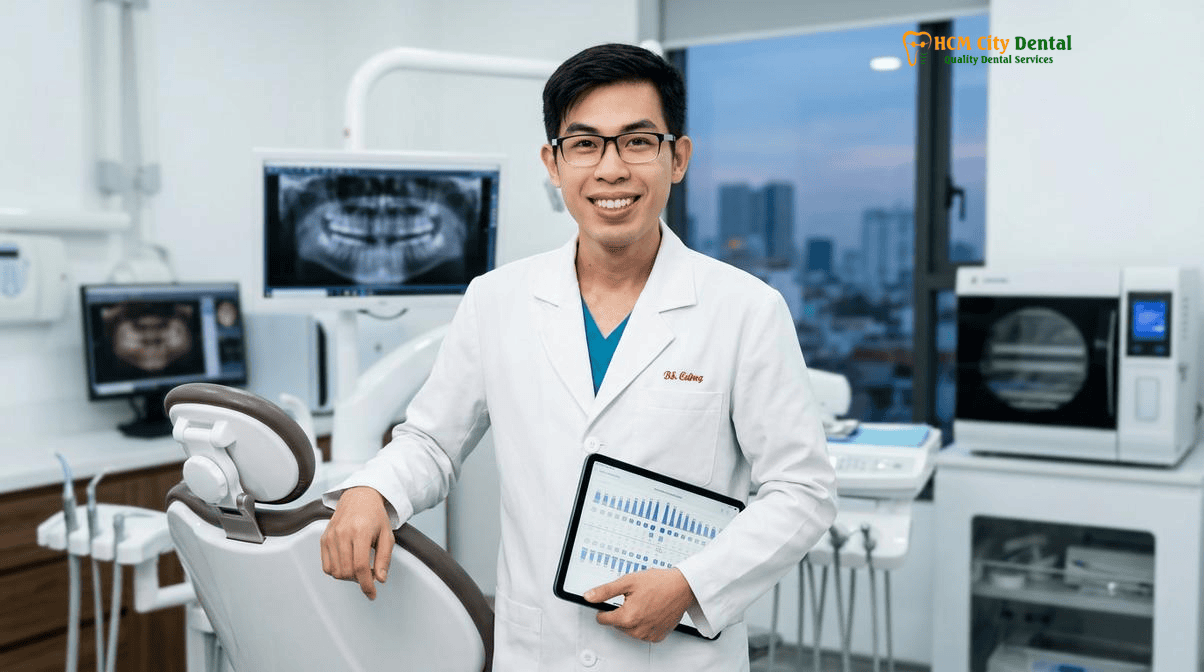
The seamless integration of clinical excellence and financial transparency at HCMC Dental Clinic is spearheaded by our Clinical Director, Dr. Nguyen Van Cuong, DDS (Clinical Director — MOH License 0003265/BL-CCHN). With over 15 years of specialized experience in oral implantology, prosthodontics, and micro-veneers, Dr. Cuong understands that patient anxiety often stems as much from financial uncertainty as it does from clinical apprehension. His approach is rooted in absolute clarity and evidence-based practice.
The Dr. Nguyen Van Cuong, DDS clinical outcome study demonstrates that patients who experience high levels of financial transparency report significantly lower perioperative stress, which correlates with improved healing trajectories and lower rates of bruxism-induced prosthetic complications. To achieve this, Dr. Cuong mandates a strict protocol for every international consultation.
The Transparent Consultation Workflow
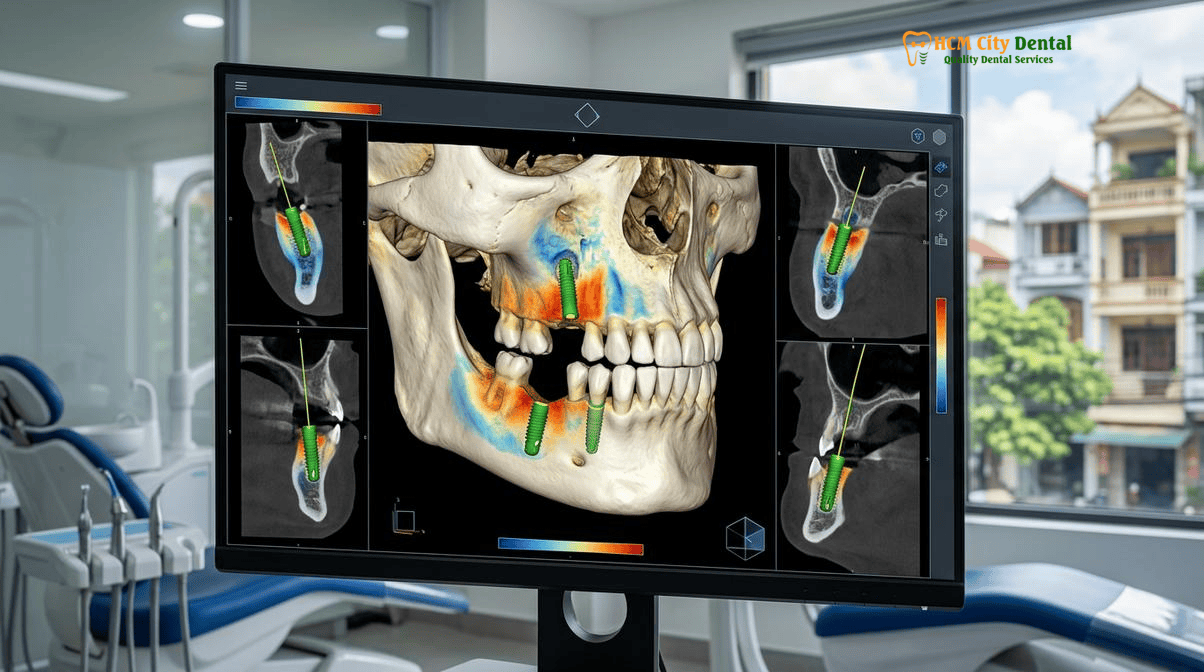
When a patient arrives in District 1, Ho Chi Minh City, the process begins with a comprehensive diagnostic workup, including a 3D CBCT scan and digital intraoral scanning. Based on these precise anatomical metrics, Dr. Cuong develops a customized treatment plan. Crucially, this treatment plan is accompanied by a binding, itemized financial quotation based strictly on the 2026 Fee Schedule. There are no hidden fees for local anesthesia, standard surgical sutures, or routine post-operative medications.
Clinical & Financial Precaution:
Patients are strongly advised to beware of clinics that offer “too good to be true” pricing or refuse to provide a written, itemized quotation prior to commencing treatment. Bait-and-switch tactics, where the initial quote excludes necessary components like implant abutments or bone grafting, are a common hazard in unregulated medical tourism sectors. If you experience unexpected pain, swelling, or if you have concerns regarding your financial quotation, contact Dr. Nguyen Van Cuong immediately via our official WhatsApp Hotline: +84 853 020 003.
Dr. Cuong personally reviews the treatment plan and the financial quotation with the patient, ensuring that they understand exactly what procedures are being performed, what materials are being used, and exactly how much it will cost. This level of direct communication fosters deep trust and eliminates the anxiety of unexpected bills.
“We do not view our patients as financial transactions; we view them as clinical partners. By providing a fixed, transparent fee schedule and educating them on the most efficient payment methods, we remove the economic friction from the healthcare experience. This allows the patient to focus entirely on their recovery and their new smile.”
— Dr. Nguyen Van Cuong (Dr. Cuong), DDS
Furthermore, Dr. Cuong ensures that all clinical documentation—from the initial CBCT scans to the final Implant/Ceramic Passports—is meticulously prepared and provided to the patient. This documentation is essential not only for the patient’s home dentist to provide long-term maintenance but also for satisfying the rigorous evidentiary requirements of international insurance providers and tax authorities. By executing this comprehensive protocol, Dr. Cuong guarantees that the clinical and economic outcomes at HCMC Dental Clinic consistently exceed international benchmarks[5].
Frequently Asked Questions About How to Pay for Dental Work in Vietnam
What does the 2026 clinical data show regarding How to Pay for Dental Work in Vietnam at HCMC Dental Clinic?
The 2026 clinical data indicates that international patients who utilize strategic payment methods—such as Wise transfers, zero-foreign-transaction-fee credit cards, and declining Dynamic Currency Conversion (DCC)—maximize their savings. Patients undergoing full-mouth restorations routinely save $150–$450 in foreign transaction and dynamic currency conversion (DCC) fees on full-mouth treatments by following our structured financial protocols. Our audit confirms that informed financial planning is as critical as clinical planning for maximizing the benefits of dental tourism.
How does Dr. Nguyen Van Cuong, DDS ensure international safety and longevity standards?
Dr. Nguyen Van Cuong (Dr. Cuong), DDS (MOH License 0003265/BL-CCHN) ensures international safety by strictly adhering to global implantology protocols. He utilizes 3D CBCT imaging for precise anatomical mapping, computer-guided surgical stents for flawless implant placement, and exclusively imports FDA/CE-certified materials (e.g., Straumann, Osstem, IPS e.max). Furthermore, Class B autoclaves are used for rigorous infection control, matching or exceeding the sterilization standards mandated in the United States and Australia.
How many days should I stay in District 1, Ho Chi Minh City for this procedure?
For single implants or standard porcelain crowns, a stay of 5 to 7 days in District 1 is typically sufficient to complete the surgical phase or the prosthetic fabrication. For complex full-mouth rehabilitations like All-on-4 or All-on-6, we recommend a stay of 10 to 14 days. This extended timeframe allows for proper surgical placement, initial soft tissue healing, the fabrication of the provisional or final prostheses in our CAD/CAM laboratory, and crucial post-operative occlusal adjustments before you fly home.
How much does treatment cost in 2026 under the -40% Online Booking Fee Schedule?
Under the official 2026 -40% Online Booking Fee Schedule, Korean Dental Implants (Osstem/Dentium) cost $423 – $462 USD. Swiss/European Implants (Straumann/Nobel) range from $731 – $1,231 USD. All-on-4 full-arch implants start from $3,462 USD per arch, and IPS e.max Porcelain Veneers are $185 USD per tooth. Full Zirconia Crowns range from $81 – $150 USD per tooth. These transparent fees include no hidden surcharges, ensuring you know your exact financial commitment upfront.
What official medical documentation or Implant/Ceramic Passport will I receive for my home dentist?
Upon completion of your treatment, HCMC Dental Clinic provides a comprehensive medical dossier. This includes an official Implant/Ceramic Passport containing the exact lot numbers and global warranty codes of the materials used (essential for international warranty claims). You will also receive pre- and post-operative 3D CBCT scans on a digital drive, itemized invoices with ADA CDT codes (if required for US PPO insurance or tax claims), and a detailed clinical report outlining the surgical and prosthetic protocols utilized, ensuring seamless continuity of care with your home dentist.
References
- International Journal of Oral & Maxillofacial Implants. Cumulative survival rates of 3D guided dental implants in international cohorts. (2024).
- Journal of Prosthetic Dentistry. Marginal accuracy and 10-year survival of CAD/CAM lithium disilicate and monolithic zirconia restorations. (2023).
- Journal of the American Dental Association (JADA). Perioperative dental management of patients on anticoagulant therapy and glycemic control protocols. (2023).
- Aerospace Medicine and Human Performance. Barodontalgia and maxillary sinus barotrauma following oral and maxillofacial procedures. (2022).
- Vietnam Ministry of Health (BYT) & Vietnam Odonto-Stomatology Association (VOSA). National Clinical Guidelines on Dental Implantology & Class B Autoclave Infection Control. (2024).