Bad Breath After Root Canal Treatment? [Solved] | Dr. Cuong

Experiencing bad breath after a root canal? As a dental specialist, I can help you understand the causes and find effective solutions. Read now to...
Experiencing bad breath after a root canal procedure can be an unexpected and concerning issue. While a successful root canal aims to eliminate infection and preserve the natural tooth, the emergence of halitosis post-treatment often raises questions about its cause and significance.
This phenomenon is a common clinical observation, and it is important to understand that there are clear, identifiable reasons why it occurs. Crucially, effective solutions are available to address this problem and restore comfort.
This comprehensive guide is based on extensive clinical experience and the latest scientific evidence in endodontics. We will meticulously explore the underlying causes of bad breath after root canal therapy, evaluate whether it signals a more serious underlying issue, and outline actionable steps for both diligent home care and professional intervention. Our objective is to empower you with the knowledge necessary to resolve this condition and regain optimal oral health and confidence.
Why Do I Have Bad Breath After My Root Canal? Uncovering the Expert Reasons
A successful root canal procedure is designed to eliminate infection and save a natural tooth, which has a success rate of over 95%. Therefore, the procedure itself is not a direct cause of long-term bad breath. However, several factors related to the pre-existing condition, the procedure, or the healing phase can lead to halitosis (the medical term for bad breath). In my practice, I’ve seen these issues firsthand and can explain precisely what might be happening inside your mouth.
Persistent or New Bacterial Infection: The Primary Culprit
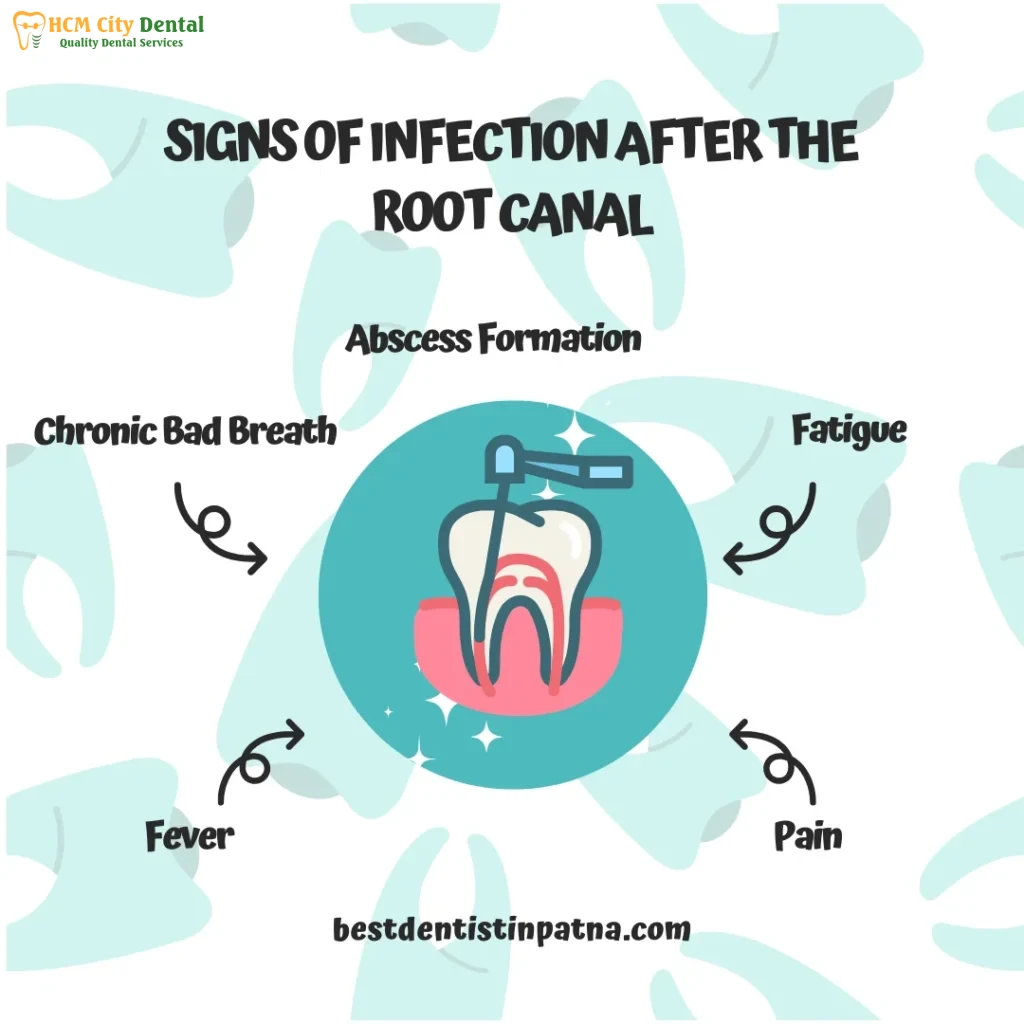
The most common and concerning reason for a foul smell after a root canal is an underlying infection. This can manifest in a few ways:
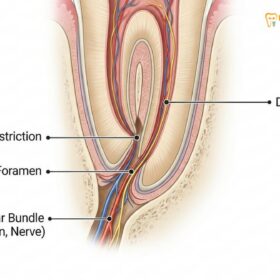
- Residual Infection: A root canal involves meticulously cleaning and disinfecting the inner canals of a tooth. However, tooth anatomy can be incredibly complex, with tiny, branching canals that are difficult to detect. If any infected tissue or bacteria are left behind, they can continue to multiply, releasing foul-smelling sulfur compounds. This is a situation we take very seriously, as an unresolved infection can lead to failure of the treatment.
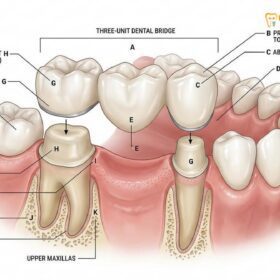
- A Leaky Filling or Crown: After the root canal is complete, a temporary or permanent restoration (a filling or crown) is placed to seal the tooth. If this seal is compromised, cracked, or delayed, bacteria from your saliva can seep back into the clean tooth, starting a new infection. A common scenario at our clinic involves patients who have delayed getting their permanent crown, leaving the tooth vulnerable.
- Gum Infection: Sometimes, the infection isn’t inside the tooth but in the surrounding gums. An abscess (a pocket of pus) at the root tip can cause a gum infection, leading to persistent bad breath and a foul taste. If you notice a small, pimple-like bump on your gum near the treated tooth, this is a clear sign of an abscess that requires immediate attention.
In my clinical experience, a persistent, localized foul odor or bad taste coming specifically from the area of the treated tooth is a significant red flag. It almost always points to some form of bacterial activity that needs to be professionally evaluated. Ignoring it can lead to more severe complications, including the potential loss of the tooth.
Issues Related to the Healing Process and Materials
Not all post-root canal odor is a sign of a major problem. Some causes are temporary and related to the normal healing process.
- Temporary Filling Material: Often, a temporary filling is placed after a root canal while you wait for a permanent crown. Some of these materials, particularly those containing zinc oxide-eugenol (oil of cloves), can have a distinct medicinal or chemical smell and taste. This is generally temporary and should fade within a few days. However, if the temporary filling becomes loose or dislodged, it can trap food particles and bacteria, creating a bad smell.
- Post-Operative Healing and Oral Microbiota: The procedure itself, along with any prescribed medications like antibiotics, can temporarily disrupt the delicate balance of bacteria in your mouth. This can lead to a temporary phase of bad breath as your oral ecosystem rebalances.
- Dry Mouth (Xerostomia): Pain medications or antibiotics prescribed after a root canal can sometimes cause dry mouth as a side effect. Saliva is your mouth’s natural cleaning agent; it washes away food particles and neutralizes odor-causing bacteria. A lack of saliva can lead to a rapid increase in these bacteria, resulting in bad breath.
Poor Post-Procedure Oral Hygiene
It’s natural to be hesitant or overly gentle around a tooth that has just been treated. However, inadequate cleaning can allow plaque and food debris to accumulate around the treated tooth and its new restoration. This buildup becomes a breeding ground for bacteria, leading directly to bad breath, and can even contribute to new decay or gum inflammation around the area. Proper, gentle hygiene is crucial during the healing period.
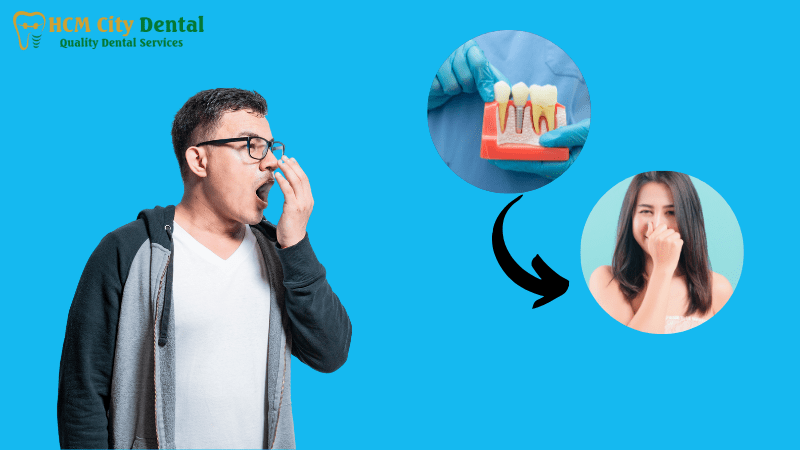
bad breath after root canal treatment
Does Root Canal Cause Bad Breath? Separating Fact from Fiction
This is a critical question patients ask, and it deserves a clear answer. A properly performed and fully restored root canal does not cause bad breath. In fact, by eliminating a deep infection, a root canal should resolve any pre-existing bad breath that was caused by the decaying tooth pulp.
The issue arises when complications occur. Therefore, thinking “does root canal cause bad breath?” is slightly misleading. It’s more accurate to say that complications after a root canal can cause bad breath. These complications, such as a persistent infection or a failing restoration, are the true sources of the odor.
A common mistake I see patients make is assuming that minor bad breath is a normal part of the healing process and waiting too long to get it checked. While some temporary odor can be normal, a persistent or worsening smell, especially when accompanied by pain or a bad taste, is your body’s signal that something is wrong.
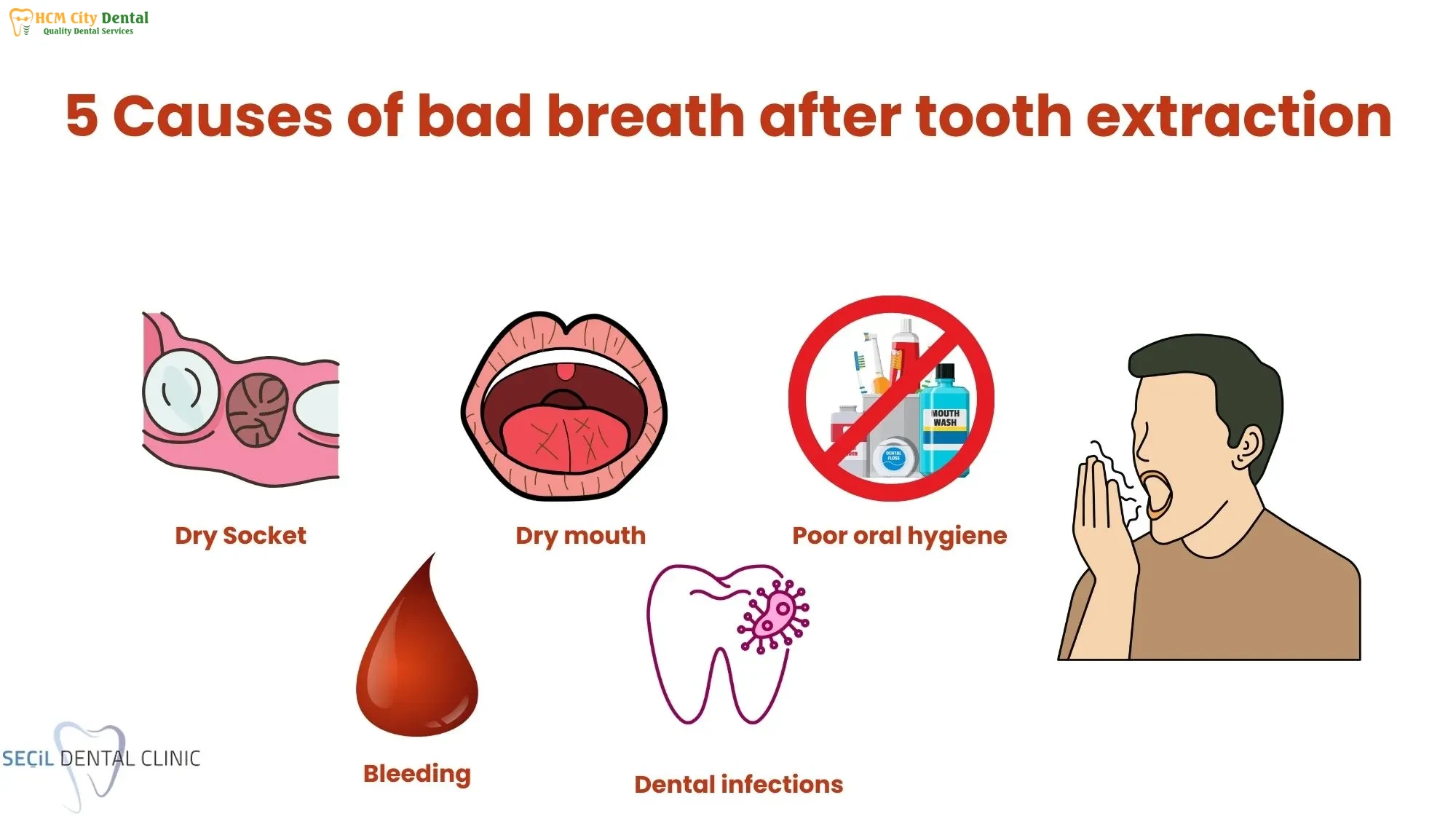
bad breath after root canal treatment
Your Action Plan: How to Get Rid of Bad Breath from a Root Canal
Addressing bad breath after a root canal involves a two-pronged approach: diligent at-home care and timely professional evaluation. Here’s a step-by-step guide based on what I recommend to my patients at HCMCDental.
At-Home Care and Immediate Steps
These measures are your first line of defense and are crucial for both resolving minor issues and supporting professional treatment.
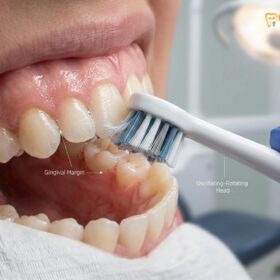
- Impeccable Oral Hygiene: This is non-negotiable. Brush gently but thoroughly twice a day with a fluoride toothpaste and a soft-bristled brush. Pay special attention to the area around the treated tooth. Floss daily, being careful not to dislodge the temporary filling.
- Warm Saltwater Rinses: Several times a day, especially after meals, rinse your mouth with a solution of half a teaspoon of salt in a glass of warm water. This helps to gently cleanse the area, reduce inflammation, and inhibit bacterial growth.
- Stay Hydrated: Drink plenty of water throughout the day to combat dry mouth and help wash away food particles and bacteria.
- Tongue Cleaning: A significant amount of odor-causing bacteria resides on the tongue. Use a tongue scraper or your toothbrush to gently clean your tongue each day.
- Dietary Adjustments: For the first few days after your procedure, stick to soft foods. Avoid pungent foods like garlic and onions, as well as sugary snacks that feed bacteria.
Professional Solutions: When to See Your Dentist Immediately
While at-home care is important, it cannot solve an underlying infection. You must seek professional help if you experience any of the following.
Still have questions? Call our Hotline/WhatsApp now at +84853020003 for a direct, completely free consultation with Dr. Cuong!
The table below outlines the potential causes of bad breath after a root canal, the signs to watch for, and the necessary professional solutions we provide at HCMCDental.
| Potential Cause | Key Symptoms & Signs | Professional Dental Solution |
|---|---|---|
| Persistent/New Infection | Persistent foul smell/taste, throbbing pain, swelling, a pimple on the gum. | X-rays to diagnose the issue. Retreatment of the root canal to clean out missed canals or new infection. In some cases, a minor surgical procedure called an apicoectomy may be needed. |
| Leaking or Failed Restoration | Bad breath, visible crack in the filling/crown, sensitivity, food getting trapped. | Replacement of the faulty temporary or permanent restoration to create a proper seal against bacteria. |
| Gum Disease or Abscess | Red, swollen gums that bleed easily; persistent bad breath; a visible pus-draining pimple on the gum. | Professional dental cleaning (scaling and root planing) to treat gum disease. Draining the abscess and potentially prescribing antibiotics. |
| Cracked Tooth Root | Pain upon biting, localized swelling, and an odor that doesn’t resolve with treatment. | Unfortunately, a vertically cracked root is often non-restorable, and extraction of the tooth may be the only solution. |
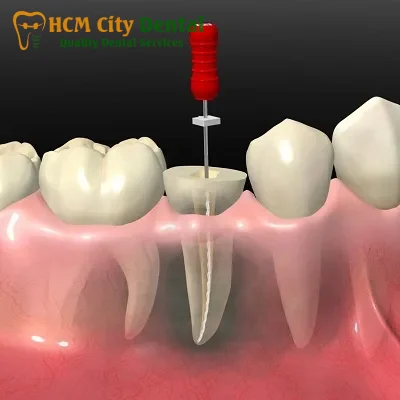
bad breath after root canal treatment
Preventing Future Problems: Expert Advice for Long-Term Success
Based on years of practice, the best approach is always prevention. To ensure the long-term success of your root canal and prevent bad breath from developing, follow these essential guidelines:
- Get Your Permanent Restoration Promptly: Do not delay your follow-up appointment to have the permanent crown or filling placed. This is one of the most critical steps to protect your tooth from re-infection.
- Maintain Excellent Oral Hygiene: A root-canaled tooth is still susceptible to decay and gum disease. A consistent routine of brushing, flossing, and regular dental check-ups is your best insurance policy.
- Regular Dental Check-ups: Visit your dentist for routine cleanings and exams. This allows us to monitor the treated tooth and the surrounding tissues, catching any potential problems long before they become serious.
Ready to ensure your oral health is in expert hands? Book an appointment online now and get a 10% discount on your first visit to HCMCDental.com!
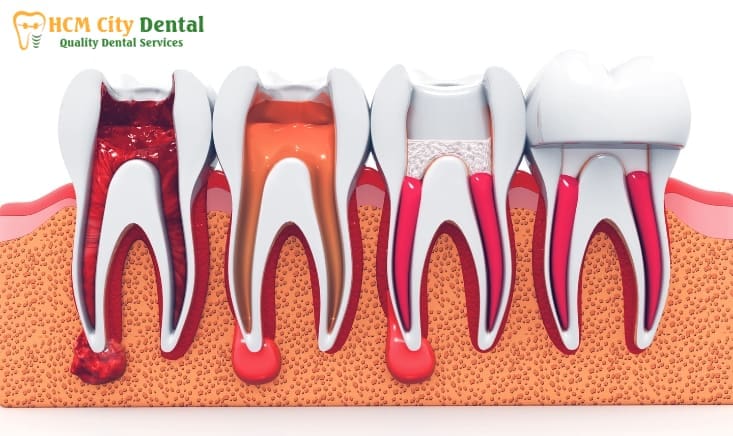
bad breath after root canal treatment
Frequently Asked Questions (FAQ)
Is it normal to have a smell after a root canal?
A slight medicinal smell from the temporary filling can be normal for a few days. However, a persistent foul or rotten smell is not normal and usually indicates an underlying issue like an infection that needs to be checked by a dentist.
How long does the bad taste last after a root canal?
A chemical taste from a temporary filling should dissipate within a few days. If you have a persistent foul or bitter taste, it could be a sign of infection or pus drainage from an abscess, and you should see your dentist immediately.
What does an infected root canal smell like?
An infected root canal smell is typically caused by bacteria producing volatile sulfur compounds. Patients often describe it as a foul, rotten, or putrid odor. This infected root canal smell is a clear sign that professional dental treatment is required.
Can I get rid of the bad breath myself?
You can manage bad breath related to poor hygiene or temporary healing with excellent home care, including brushing, flossing, saltwater rinses, and staying hydrated. However, if the cause is a bacterial infection, you cannot fix it yourself. You will need professional treatment from a dentist to eliminate the source of the infection.
Does a root canal cause bad breath if it fails?
Yes. A failed root canal is one of the primary reasons for bad breath after the procedure. Failure implies that infection has persisted or re-entered the tooth, leading to the production of foul odors. Other signs of failure include pain, swelling, and an abscess on the gum.
Why does my gum around the root canal tooth smell?
A smell coming from the gum area often points to a localized gum infection or an abscess connected to the tooth’s root. This pocket of infection can release pus and bacteria, causing a foul odor. It’s a serious sign that requires immediate dental evaluation.
Could the bad breath be from the temporary crown?
It’s possible. A temporary crown that doesn’t fit perfectly can create ledges that trap food and plaque, leading to bad breath. If it becomes loose, bacteria can get underneath and cause odor. This highlights the importance of getting your permanent crown placed in a timely manner.
bad breath after root canal treatment
Conclusion: Your Path to Fresh Breath and Lasting Oral Health
Experiencing bad breath after a root canal can be alarming, but it is a solvable problem. While temporary factors can cause a minor odor, a persistent foul smell is a critical warning sign of an underlying issue, most commonly a bacterial infection. Understanding the difference is key to taking the right action.
In my experience, patient education and proactive care are the cornerstones of successful dental treatment. By practicing meticulous oral hygiene and seeking prompt professional evaluation for any concerning symptoms, you can effectively address the root cause of the problem. Remember, a successful root canal, properly restored and cared for, should last a lifetime without causing bad breath.
Based on clinical observations over many years, the patients who achieve the best long-term outcomes are those who are partners in their own oral health. They don’t hesitate to ask questions and are diligent with their follow-up care. Your vigilance is your best defense.
If you are struggling with this issue, do not wait for it to worsen. Let us help you restore your comfort and confidence. Your oral health is our highest priority.
Don’t let uncertainty affect your well-being. Call our Hotline/WhatsApp at +84853020003 for a completely free, no-obligation consultation with me, Dr. Cuong, or book your appointment online today at HCMCDental.com and receive a 10% discount.
This article was medically reviewed and written by Dr. Cuong.
Important Disclaimer
The information provided in this article is for educational and informational purposes only and does not constitute medical advice. It is not a substitute for professional diagnosis, treatment, or advice from a qualified healthcare provider. Always seek the advice of your dentist or another qualified health professional with any questions you may have regarding a medical condition. Never disregard professional medical advice or delay in seeking it because of something you have read on this website.
Written and Medically Reviewed By
Dr. Cuong, Specialist in Odontostomatology, HCMCDental.com
Dr. Cuong is a leading specialist in the field of Odontostomatology with extensive experience in advanced dental procedures, including endodontics (root canal therapy) and restorative dentistry. With a passion for patient-centered care and a commitment to the highest standards of clinical excellence, Dr. Cuong has successfully treated thousands of patients, helping them save their natural teeth and restore their oral health. His approach combines deep diagnostic expertise with the latest evidence-based techniques to ensure optimal, long-lasting results. At HCMCDental.com, Dr. Cuong is dedicated to educating his patients and providing trustworthy, compassionate, and effective dental care.
bad breath after root canal treatment