Valplast dentures in Vietnam offer international patients a premium, metal-free, and highly aesthetic tooth replacement solution. Utilizing biocompatible thermoplastic nylon, these flexible partials provide superior comfort and tissue adaptation compared to traditional rigid acrylics, making them an excellent choice for restoring your smile.
Clinical Summary:
Valplast is a proprietary thermoplastic nylon resin utilized extensively in modern prosthodontics for fabricating flexible partial dentures. By completely eliminating the need for cast metal frameworks and visible wire clasps, this system relies on translucent, tissue-colored extensions that blend seamlessly with the natural gingival architecture. Clinically, Valplast is highly indicated for patients with documented monomer allergies, those seeking highly aesthetic transitional or long-term partials, and individuals who cannot tolerate the rigidity of conventional acrylic plates. The material’s inherent flexibility allows it to distribute masticatory forces dynamically, reducing localized pressure on the edentulous ridge while adapting to the micro-movements of the jaw during function.
Key Takeaways:
- Valplast utilizes a biocompatible, monomer-free thermoplastic nylon resin, ideal for sensitive patients.
- The system completely eliminates visible metal clasps, providing superior aesthetic integration.
- Inherent material flexibility adapts to natural tissue contours, minimizing the occurrence of sore spots.
- Fabrication in Ho Chi Minh City typically follows a streamlined, highly precise clinical workflow.
- The microcrystalline nylon base is exceptionally durable and highly resistant to fracture under normal masticatory stress.
What is Valplast? The Proprietary Thermoplastic Nylon System
Valplast is an advanced, injection-molded thermoplastic nylon resin designed specifically for flexible partial dentures, offering a durable, monomer-free alternative to traditional rigid acrylics.
In the realm of custom dental prosthetics, the evolution of materials has continuously aimed at mimicking the natural biomechanics of the human mouth. Valplast represents a significant leap forward in this pursuit. Unlike conventional dentures that rely on polymethyl methacrylate (PMMA) acrylics, Valplast is formulated from a proprietary polyamide nylon resin. This unique chemical composition fundamentally alters how the prosthesis interacts with the oral environment, shifting the paradigm from rigid structural support to dynamic, flexible adaptation.
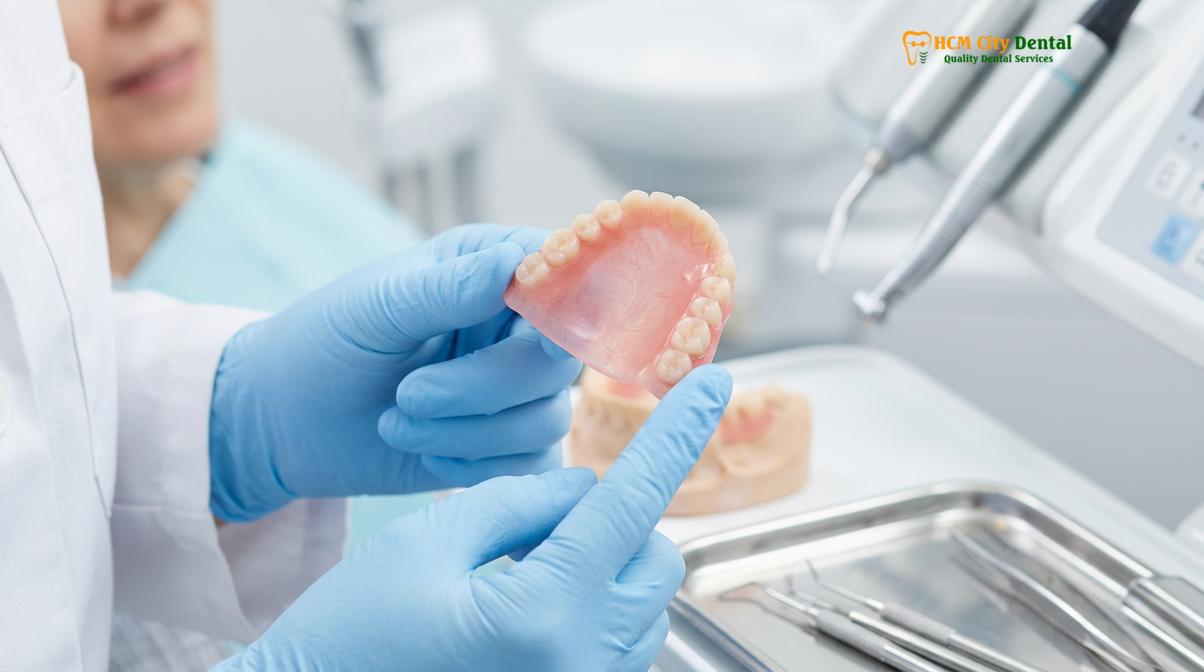
The manufacturing process of a Valplast appliance is highly specialized. The material is supplied in sealed cartridges and must be heated to precise temperatures—typically between 270°C and 300°C—before being injection-molded under high pressure into a custom-prepared dental flask. This high-pressure injection ensures that the molten nylon flows intimately into every anatomical undercut of the patient’s master cast, resulting in a fit that is exceptionally precise. The resulting prosthesis is a thin prosthetic plate that exhibits a microcrystalline structure, granting it remarkable tensile strength while maintaining a lightweight profile[1].
The Biomechanics of Tissue-Borne Prosthetics
Traditional partial dentures often rely on a combination of tooth support (via metal rests) and tissue support. Valplast, however, is primarily a tissue-borne appliance. Its inherent flexibility allows it to act as a stress-breaker. When masticatory (chewing) forces are applied, the flexible base micro-flexes, distributing the occlusal load more evenly across the edentulous ridge rather than concentrating the stress on the adjacent abutment teeth. This dynamic yielding helps preserve the periodontal health of the remaining natural dentition, making flexible partial dentures an excellent clinical choice for patients with compromised abutment teeth that cannot withstand the rigid torquing forces of a cast metal framework.
Zero Metal: Why Valplast Blends Seamlessly with Your Gums
By utilizing translucent, tissue-colored nylon extensions instead of cast metal hooks, Valplast partials achieve a virtually invisible integration with your natural gingival architecture.
One of the most common patient complaints regarding traditional partial dentures is the unsightly appearance of metal clasps. Cobalt-chrome or stainless steel hooks, while structurally sound, often cross the aesthetic zone of the smile, reflecting light and creating dark shadows against the teeth. Valplast completely revolutionizes this aspect of prosthodontics through its innovative metal-free clasping system.
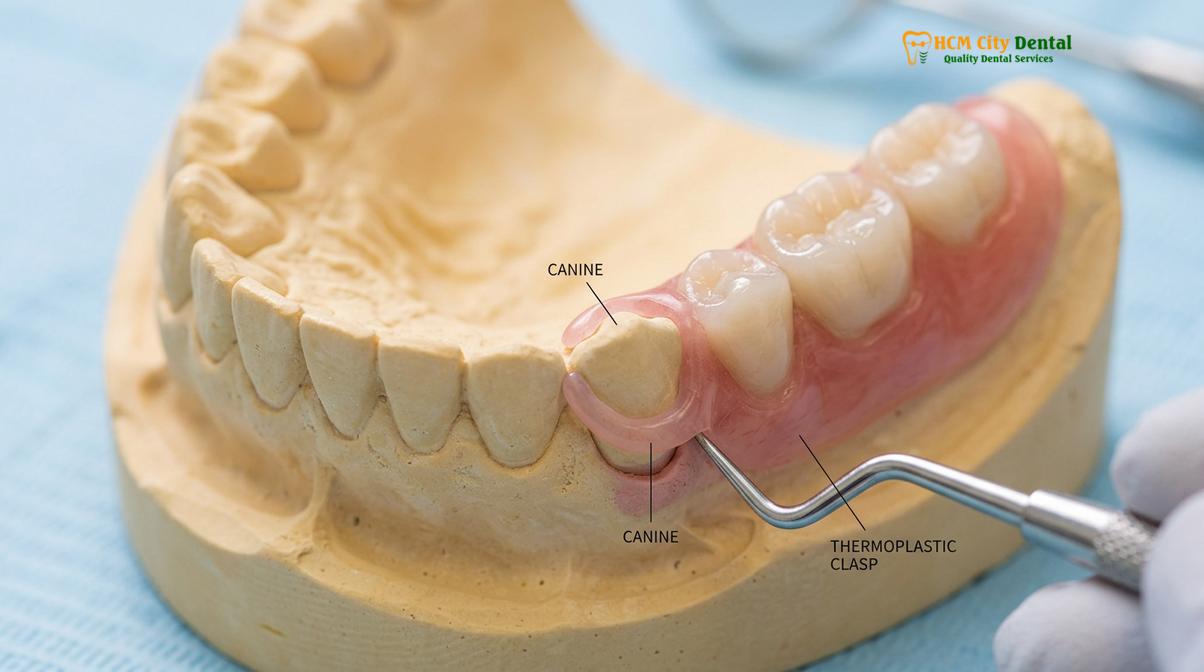
Instead of metal wire, Valplast utilizes extensions of the pink nylon base material itself to engage the natural undercuts of the abutment teeth. Because the USA Valplast resin is manufactured with varying degrees of translucency, it allows the patient’s natural tissue color to show through the material. This chameleon effect ensures that the clasps blend seamlessly with the surrounding gums, rendering the appliance virtually undetectable during normal speech and smiling[2].
“The psychological impact of an aesthetic tooth replacement cannot be overstated. When patients realize they can smile widely without revealing metal hooks, their confidence is immediately restored. Valplast allows us to provide functional restoration without compromising the natural beauty of the smile.”
— Dr. Nguyen Van Cuong, Lead Prosthodontist
The “Snap-Fit” Mechanism
The retention of a Valplast partial relies on a precise “snap-fit” mechanism. The flexible nylon clasps are designed to flex slightly as they pass over the height of contour of the anchor teeth, and then return to their original shape to rest securely in the cervical undercut (near the gumline). This provides excellent retention without the abrasive friction that metal clasps can exert on natural tooth enamel. Furthermore, because the material is non-porous and highly polished, it resists the accumulation of stains and odors, maintaining its aesthetic appeal over years of use.
Flexibility and Comfort: Eliminating Heavy Cast Metal Plates
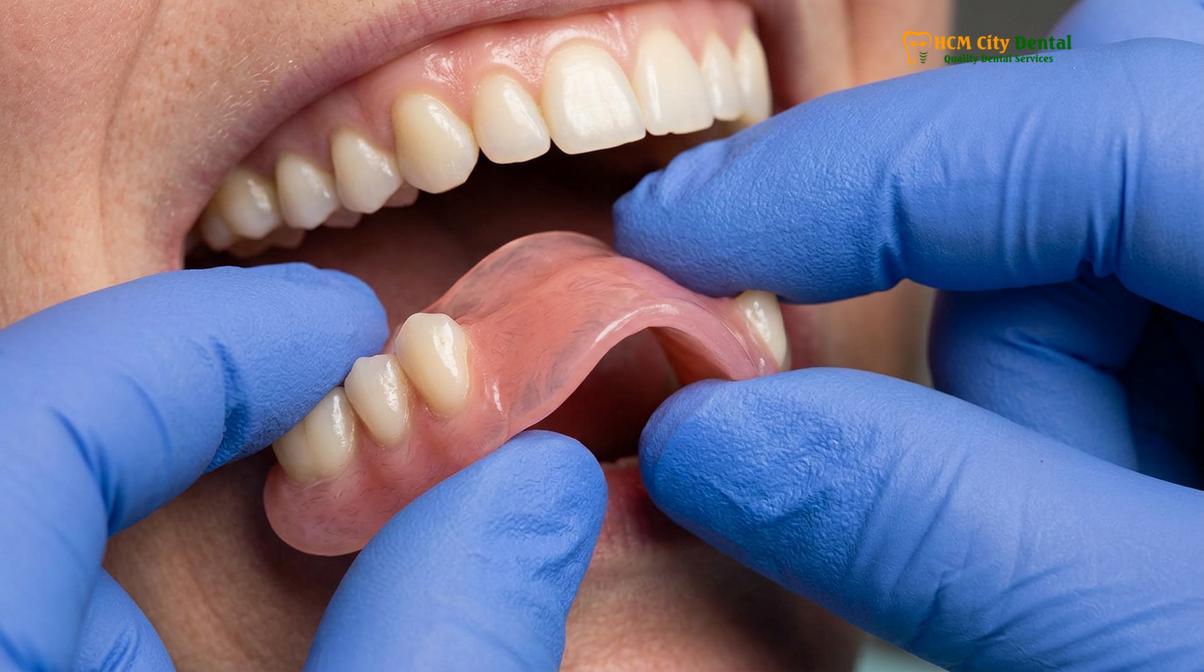
The inherent elasticity of Valplast allows the prosthesis to flex dynamically with natural jaw movements, significantly reducing the bulk and rigidity associated with conventional metal-based dentures.
Comfort in removable prosthodontics is directly correlated to the weight, thickness, and adaptability of the appliance. Traditional cast partial dentures require a rigid metal framework to provide structural integrity. This framework often necessitates a major connector—a thick bar of metal that crosses the palate or runs along the lingual surface of the lower teeth. For many patients, this rigid bulk interferes with the tongue space, causing speech impediments, altered taste sensation, and in severe cases, a persistent gag reflex.
Valplast eliminates the need for this heavy internal skeleton. The strength of the polyamide resin allows the dental laboratory to fabricate a remarkably thin prosthetic plate that is significantly lighter than its metal-acrylic counterparts. The flexibility of the material means it can adapt to the subtle, continuous changes in the oral cavity. As the jaw moves during speaking and chewing, the Valplast base micro-flexes in harmony with the surrounding musculature, drastically reducing the incidence of pressure sores and mucosal ulcerations.
Comparative Analysis of Removable Prosthetics
To fully appreciate the clinical advantages of Valplast, it is helpful to compare it against other standard removable dentures available in modern dentistry.
| Feature | Valplast Flexible Partial | Traditional Acrylic Partial | Cast Metal Framework Partial |
|---|---|---|---|
| Material | Thermoplastic Polyamide Nylon | Polymethyl Methacrylate (PMMA) | Cobalt-Chrome & PMMA |
| Flexibility | High (Dynamic adaptation) | Rigid (Prone to fracture) | Completely Rigid |
| Aesthetics | Excellent (Translucent tissue clasps) | Moderate (Visible metal wire clasps) | Poor (Visible cast metal clasps) |
| Biocompatibility | Hypoallergenic (Monomer-free) | May cause monomer sensitivity | May cause metal allergies |
| Thickness | Very Thin and Lightweight | Thick and Bulky | Thin but Heavy |
Biocompatibility: Hypoallergenic Qualities for Monomer Sensitivity
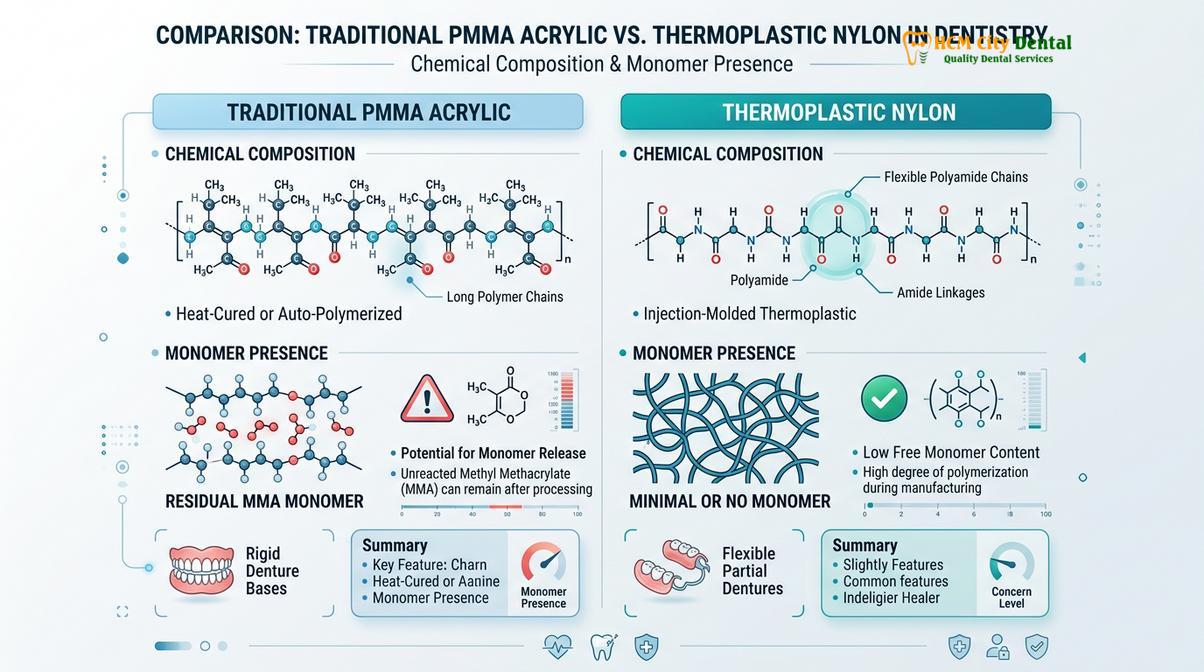
Formulated without the volatile liquid monomers found in standard acrylics, Valplast provides a safe, hypoallergenic solution for patients prone to oral tissue irritation or allergic contact stomatitis.
A critical, yet often overlooked, aspect of dental prosthetics is the biocompatibility of the materials used. Traditional acrylic dentures are fabricated by mixing a polymer powder with a liquid monomer (methyl methacrylate). During the curing process, a chemical reaction hardens the material. However, this conversion is rarely 100% complete. Residual, unreacted monomer can remain trapped within the acrylic matrix and slowly leach out into the saliva over time.
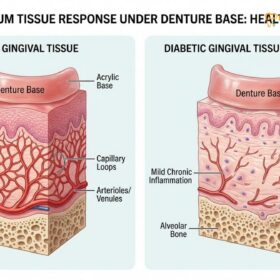
For a subset of the population, this residual monomer triggers a localized allergic reaction known as allergic contact stomatitis. Symptoms can range from mild erythema (redness) and a burning sensation on the palate, to severe tissue sloughing and chronic ulceration. Because Valplast is a pre-polymerized nylon resin that is simply melted and injected, it contains absolutely no liquid monomer. This makes it a true hypoallergenic denture, offering a safe haven for patients with documented chemical sensitivities[3].
Clinical Warning: Recognizing Acrylic Allergies
If you experience a persistent burning sensation, generalized redness, or swelling of the gums specifically in the areas contacting your current acrylic denture, you may be suffering from a monomer allergy. Discontinue use and consult a dental professional to evaluate if a monomer-free alternative like Valplast is clinically indicated for your condition.
The Inert Nature of Polyamide Resins
Beyond the absence of monomer, the USA Valplast resin is chemically inert. It does not react with the complex enzymatic environment of human saliva, nor does it corrode or release metallic ions like some low-grade cast partials might. This high degree of biocompatibility ensures that the oral tissues remain healthy and free from chemically induced inflammation, promoting long-term comfort and mucosal integrity.
Longevity and Durability: The Unbreakable Warranty
Engineered to withstand significant occlusal forces without fracturing, the microcrystalline structure of Valplast nylon ensures exceptional long-term durability under normal functional conditions.
When investing in an aesthetic tooth replacement, patients naturally inquire about the lifespan of the prosthesis. The durability of Valplast is one of its most compelling clinical attributes. Traditional acrylic dentures are notoriously brittle; dropping them on a hard bathroom tile often results in a catastrophic fracture of the baseplate. In stark contrast, the polyamide nylon used in Valplast is virtually unbreakable under normal use.
The material’s high flexural strength allows it to absorb impact energy rather than shattering. In fact, the manufacturer of the authentic USA Valplast resin provides a lifetime warranty against breakage and fracture of the base material under normal functional conditions. It is important to note, however, that while the pink nylon base is incredibly resilient, the artificial acrylic teeth embedded within it are subject to normal occlusal wear over time and may eventually require replacement[4].
“The fracture resistance of thermoplastic nylon fundamentally changes how we approach removable prosthetics. We no longer have to over-bulk the material to achieve strength, allowing us to deliver a prosthesis that is both delicate in appearance and incredibly robust in function.”
— Dr. Nguyen Van Cuong
Maintenance and Water Absorption
An interesting characteristic of nylon is its slight hydrophilicity—it absorbs a microscopic amount of water from the oral environment. This moisture absorption is actually beneficial, as it helps maintain the material’s flexibility and prevents it from becoming brittle over time. However, this also underscores the importance of proper maintenance. If the denture is left out of the mouth and allowed to dry completely for extended periods, it can temporarily lose its optimal elasticity. Patients are advised to keep their flexible partial dentures submerged in water or a specialized cleaning solution when not in use.
Clinical Steps to Fit Valplast in Saigon: Quick 3-Day Turnaround
The clinical workflow for fabricating a Valplast partial in Ho Chi Minh City involves precise digital or physical impressions, specialized laboratory injection molding, and meticulous final adjustments.
For international patients seeking comprehensive dental care, Vietnam has emerged as a premier destination. At HCMC Dental Clinic, the workflow for delivering a custom Valplast partial is highly optimized, often completed within a streamlined 3-day window without compromising clinical excellence. This efficiency is achieved through seamless integration between the clinical operatory and advanced in-house or closely partnered dental laboratories.
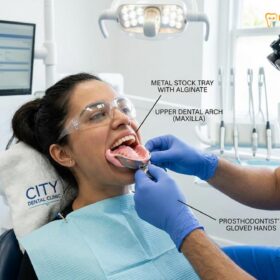
The process begins with a comprehensive clinical evaluation. The dentist assesses the periodontal health of the remaining teeth, the bone density of the edentulous ridge, and the patient’s occlusal scheme. If Valplast is deemed the appropriate aesthetic tooth replacement solution, highly accurate impressions are taken using either advanced polyvinyl siloxane (PVS) materials or intraoral digital scanners. Capturing the exact anatomical undercuts is critical, as the retention of the flexible clasps relies entirely on this precision.
Clinical Case Review: HCMC Dental Clinic
A 55-year-old international patient visited our facility in Ho Chi Minh City presenting with bilateral missing lower molars and a documented allergy to PMMA acrylic. Traditional cast metal was rejected due to aesthetic concerns. A bilateral Valplast flexible partial was prescribed. Impressions were taken on Day 1. By Day 3, the prosthesis was delivered. The tissue-colored clasps engaged the premolars seamlessly, providing immediate functional restoration and excellent aesthetic integration with zero allergic response.
Laboratory Fabrication and Final Delivery
Once the master models are poured, the laboratory technician sets the artificial teeth in wax for a try-in (if required) or proceeds directly to processing. The model is flasked, the wax is boiled out, and the Valplast resin is injected under high heat and pressure. After cooling, the prosthesis is meticulously polished.
The final delivery appointment requires specialized clinical skills. Because thermoplastic nylon melts under the friction of standard acrylic burs, the dentist must use specialized green stones and low-speed handpieces to make any necessary occlusal or tissue-surface adjustments. The bite is carefully calibrated using articulating paper to ensure even force distribution, and the patient is instructed on proper insertion, removal, and hygiene protocols[5].
When to See a Doctor for Prosthetic Evaluation
While Valplast offers exceptional benefits, it is not a universal solution for every form of tooth loss. It is imperative to undergo a thorough evaluation by a qualified dental professional to determine your candidacy. You should schedule a consultation at a facility like HCMC Dental Clinic if you experience any of the following:
- Chronic Tissue Irritation: If your current acrylic denture causes persistent redness, swelling, or a burning sensation, you may require a hypoallergenic alternative.
- Lack of Retention: If your partial denture frequently dislodges during speaking or eating, the clasps may be fatigued, or the underlying bone may have resorbed.
- Aesthetic Dissatisfaction: If visible metal clasps are preventing you from smiling confidently, an aesthetic evaluation for metal-free clasping is recommended.
- Abutment Tooth Pain: If the teeth anchoring your current partial feel sensitive or mobile, the rigid framework may be exerting excessive torquing forces, indicating the need for a stress-breaking flexible alternative.
It is important to note that Valplast is generally contraindicated for patients with minimal interarch space, extremely deep overbites, or those requiring complete full-arch dentures. A comprehensive assessment within the scope of General Dentistry will ensure that the chosen prosthetic design aligns perfectly with your specific anatomical and functional needs.
Frequently Asked Questions
How do you clean a Valplast flexible denture without damaging the material?
You should clean a Valplast flexible denture daily using a specialized non-abrasive denture cleanser and a soft-bristled brush. Avoid using regular toothpaste, bleach, or stiff brushes, as these can scratch the thermoplastic nylon and degrade its polished surface over time. Soaking the appliance in a dedicated Valplast cleaning solution for 10 to 15 minutes daily helps remove plaque and prevents bacterial buildup without compromising the material’s flexibility or color stability.
Can you add a new tooth to a Valplast denture if you lose another tooth?
Yes, it is clinically possible to add a new tooth to an existing Valplast denture, though the process is more complex than with traditional acrylic. The prosthesis must be sent back to a certified dental laboratory where the thermoplastic resin is carefully re-melted and injected to fuse the new tooth and base material seamlessly. Your dentist will need to take a new impression of your mouth with the current denture in place to ensure precise anatomical alignment.
Does a Valplast partial damage the adjacent teeth?
When properly designed and fitted, a Valplast partial does not damage adjacent teeth. The flexible, tissue-colored clasps are designed to rest gently against the natural contours of the abutment teeth without the abrasive friction associated with rigid metal hooks. However, meticulous oral hygiene is required; if plaque is allowed to accumulate beneath the flexible clasps, it can increase the risk of localized enamel demineralization or periodontal inflammation around the supporting teeth.
Is Valplast suitable for a complete full arch denture?
Valplast is generally not recommended for complete full arch dentures. The inherent flexibility that makes it excellent for partials can cause a full denture to flex excessively under masticatory forces, breaking the suction seal required for retention on the edentulous ridge. For complete edentulism, rigid acrylic or implant-supported overdentures are the clinically preferred standard to ensure structural stability and proper occlusal support.
How long does a Valplast partial typically last before needing replacement?
A well-maintained Valplast partial typically lasts between 5 to 10 years under normal functional conditions. While the proprietary nylon base material is virtually unbreakable and highly resistant to fracture, the artificial teeth embedded within it may experience normal occlusal wear over time. Additionally, natural changes in your jawbone and gum contours may eventually necessitate a replacement, as thermoplastic nylon cannot be easily relined chairside like conventional acrylic.
References
- Journal of Prosthodontic Research. Biomechanical evaluation of thermoplastic resin partial dentures. (2021).
- International Journal of Dentistry. Aesthetic outcomes of metal-free clasping systems in removable prosthodontics. (2020).
- Clinical Oral Investigations. Hypoallergenic properties of polyamide denture base materials. (2019).
- Journal of Applied Oral Science. Fracture resistance and flexural strength of injection-molded nylon prosthetics. (2022).
- British Dental Journal. Clinical workflows for flexible partial denture fabrication and adjustment. (2018).