After a root canal, you should eat soft, room-temperature foods that require minimal chewing, such as yogurt, applesauce, scrambled eggs, and mashed potatoes. Avoid hard, sticky, or hot foods to protect the temporary filling and prevent irritation while the treated tooth and surrounding tissues heal.
Clinical Summary:
Understanding what to eat after a root canal is a critical component of your post-operative care. The procedure removes infected pulp and seals the tooth, but the surrounding periodontal ligament and bone require time to recover from inflammation. During the first 48 hours, patients must adhere to a strict soft food diet, prioritizing nutrient-dense, room-temperature options that require zero occlusal force. Hard, crunchy, and sticky foods pose a severe risk of fracturing the weakened tooth or dislodging the temporary filling, which acts as a vital barrier against bacterial reinfection. By consciously chewing on the opposite side of the mouth and avoiding thermal shocks from extremely hot or cold beverages, patients can significantly reduce post-procedural discomfort. Proper nutritional choices not only protect the structural integrity of the tooth before the final crown placement but also provide the essential vitamins and proteins needed to accelerate cellular repair and ensure a highly successful endodontic outcome.
Key Takeaways:
- Stick to a soft, liquid-based diet for the first 48 hours to minimize pressure on the healing periodontal ligament.
- Avoid all hard, crunchy, and sticky foods to prevent fracturing the tooth or dislodging the temporary filling.
- Consume foods at room temperature to prevent triggering acute thermal sensitivity in the surrounding tissues.
- Consciously chew on the opposite side of your mouth until your permanent dental crown is securely placed.
- Prioritize nutrient-dense foods rich in protein and vitamins to accelerate tissue regeneration and reduce inflammation.
Protecting the Temporary Seal: The Primary Dietary Rule
The temporary filling placed after your procedure is fragile and designed only for short-term protection. Eating soft foods prevents this seal from cracking or dislodging, which is critical to stop oral bacteria from re-infecting the sterilized root canal system.
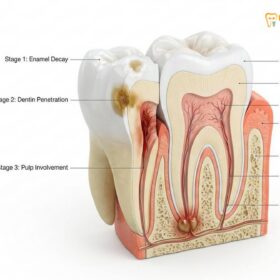
When you undergo a root canal procedure, the endodontist meticulously cleans, shapes, and disinfects the complex inner anatomy of your tooth. Once the infected pulp is removed and the canals are sealed with a biocompatible material called gutta-percha, the access hole created at the top of the tooth must be closed. In most clinical workflows, a permanent crown is not placed on the same day. Instead, the dentist places a temporary filling—often made from materials like Cavit, intermediate restorative material (IRM), or glass ionomer cement. This temporary seal is the only barrier standing between the sterile environment inside your tooth and the bacteria-rich environment of your oral cavity. Understanding the mechanical limitations of this temporary restoration is the foundational reason behind all post-operative dietary restrictions.
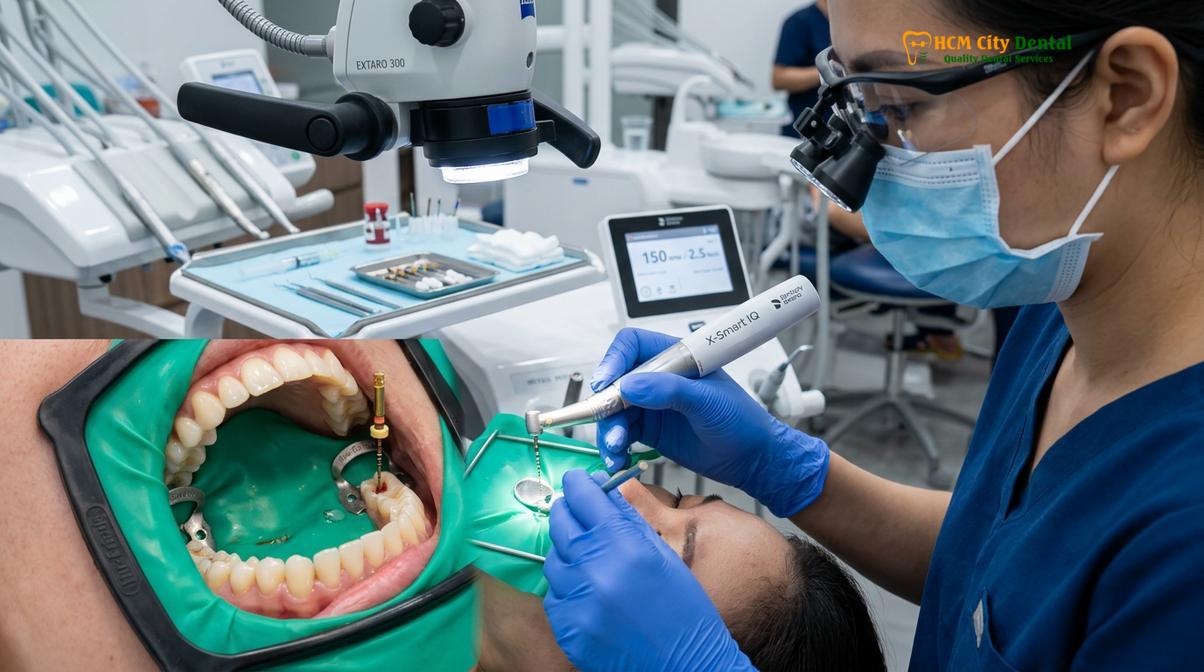
Temporary filling materials are inherently softer and less durable than your natural tooth enamel or permanent restorative materials like porcelain and zirconia. They are designed to be easily removed by the dentist during your follow-up appointment. Because of their temporary nature, they possess a lower compressive strength and are highly susceptible to wear and tear from mastication (chewing). If you apply excessive occlusal force—meaning the pressure generated when your upper and lower teeth bite together—the temporary filling can compress, crack, or completely dislodge. This scenario leads to a phenomenon known as coronal leakage, where saliva and bacteria seep back into the root canal system, potentially causing a secondary infection that could compromise the entire treatment [1].
Furthermore, an endodontically treated tooth is structurally compromised. The removal of the internal dentin to access the canals, combined with the loss of the tooth’s internal blood supply, renders the remaining tooth structure more brittle than a vital tooth. Without the protective “hoop stress” provided by a permanent dental crown, the tooth is highly vulnerable to vertical root fractures. A strict adherence to a temporary crown chew warning is not merely a suggestion; it is a clinical necessity to prevent catastrophic tooth failure before the final restoration is fabricated and cemented.
Dr. Nguyen Van Cuong, a leading specialist at HCMC Dental Clinic, frequently emphasizes this point to his patients. He notes that the success of endodontic therapy relies just as much on the patient’s compliance with post-operative care as it does on the precision of the clinical procedure itself. By choosing foods that require minimal to no chewing force, you actively protect the structural integrity of the tooth and the hermetic seal of the temporary filling, ensuring a smooth transition to the final restorative phase.
Best Soft Foods for the First 48 Hours
During the first two days, prioritize a liquid and soft food diet that requires zero to minimal chewing force. Ideal choices include smoothies, lukewarm soups, yogurt, and mashed vegetables to minimize mechanical stress on the healing periodontal ligament.
The first 48 hours following endodontic therapy are characterized by the acute inflammatory phase of healing. Even with the most gentle and precise techniques, the tissues surrounding the apex (tip) of the tooth root—specifically the periodontal ligament (PDL) and the periapical bone—experience localized trauma. The PDL acts as a shock absorber between the tooth and the jawbone. After a root canal, this ligament is often bruised and inflamed, making the tooth exquisitely tender to any downward pressure. Therefore, adopting a comprehensive soft food diet HCMC style—focusing on easily accessible, highly nutritious, and culturally adaptable soft foods—is essential for managing post-operative comfort.
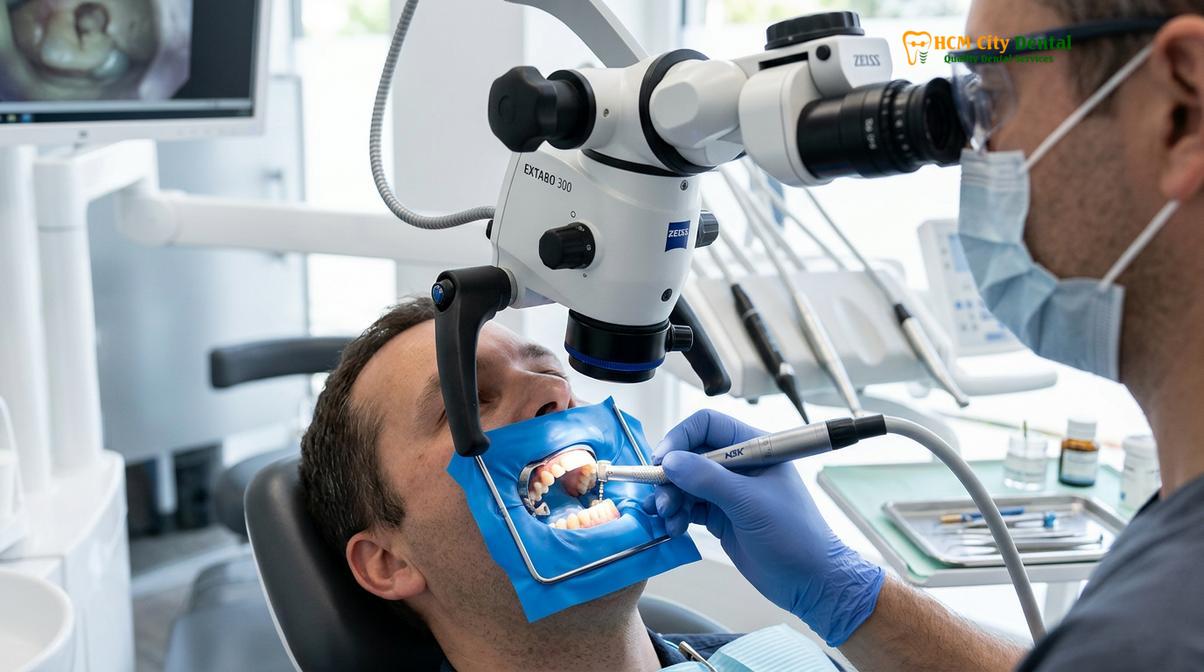
The goal during this initial period is to consume foods that can be swallowed with little to no mastication. Liquid and semi-liquid diets are highly recommended. Smoothies and protein shakes are excellent choices, provided they do not contain small, hard seeds (like chia or blackberry seeds) that could potentially lodge in the gum sulcus or around the temporary filling. When preparing smoothies, blending bananas, protein powder, and smooth peanut butter provides a high-calorie, nutrient-dense meal that requires absolutely no chewing.
Dairy products are also highly beneficial during this phase. Plain or lightly sweetened yogurt, cottage cheese, and kefir are not only soft but also rich in calcium and probiotics, which support overall oral and systemic health. For savory options, lukewarm blended soups—such as butternut squash, tomato bisque, or a smooth potato leek soup—offer comforting sustenance without irritating the surgical site. It is crucial, however, to ensure these soups are not consumed piping hot, as thermal sensitivity is a common post-operative symptom.
As you progress through the first two days, you can begin to incorporate slightly more textured, yet still exceptionally soft, foods. Mashed potatoes, steamed and pureed carrots, and mashed avocados are excellent sources of carbohydrates and healthy fats. Scrambled eggs or soft-boiled eggs provide high-quality protein necessary for tissue repair. Oatmeal, cream of wheat, and soft-cooked rice porridge (congee) are also gentle on the teeth and highly satiating.
| Food Category | Ideal Choices | Clinical Benefit |
|---|---|---|
| Proteins | Scrambled eggs, silken tofu, smooth protein shakes, cottage cheese | Provides essential amino acids for cellular repair without requiring occlusal force. |
| Carbohydrates | Mashed potatoes, oatmeal, rice porridge (congee), soft pasta | Delivers easily digestible energy to support the body’s metabolic healing demands. |
| Fruits & Vegetables | Applesauce, mashed bananas, blended vegetable soups, mashed avocado | Supplies vital micronutrients and antioxidants while remaining gentle on the PDL. |
| Dairy | Yogurt, kefir, milk, soft cheeses | Rich in calcium and requires zero mastication, protecting the temporary seal. |
Hydration is equally critical during this phase. Drinking plenty of water helps flush out toxins, maintains salivary flow (which naturally cleanses the oral cavity), and supports the systemic healing process. However, patients must strictly avoid using straws. The negative pressure (suction) created in the mouth when drinking through a straw can disturb the temporary filling and, in cases where an extraction was performed alongside the root canal, can dislodge the blood clot, leading to a painful condition known as dry socket [2].
High-Nutrition Foods to Accelerate Tissue Healing
Consuming nutrient-dense foods rich in vitamins A, C, and high-quality proteins accelerates cellular repair and reduces post-operative inflammation. Incorporating soft proteins like scrambled eggs or tofu provides the necessary building blocks for tissue regeneration without stressing the tooth.
While protecting the tooth mechanically is the primary concern, supporting the body’s biological healing processes through targeted nutrition is equally vital. The tissues surrounding the root apex are actively working to clear away inflammatory byproducts and regenerate healthy bone and periodontal fibers. This complex biological cascade—involving hemostasis, inflammation, proliferation, and remodeling—requires a steady supply of specific macronutrients and micronutrients to function optimally.
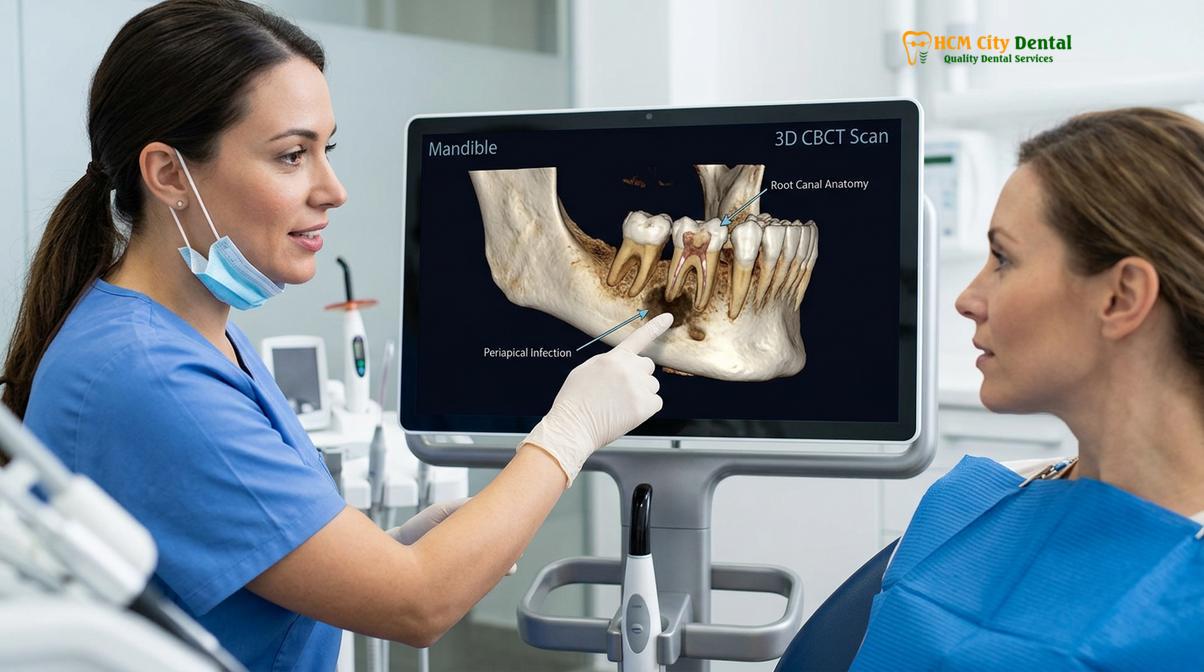
Protein is the fundamental building block of all human tissue. Following a surgical or endodontic procedure, the body’s demand for amino acids increases significantly to support the synthesis of new collagen and the repair of damaged cells. Because tough meats like steak or pork chops are strictly prohibited due to their high chewing demands, patients must find alternative, soft sources of protein. Flaky fish, such as baked salmon or steamed tilapia, is an excellent choice as it flakes apart easily and is rich in Omega-3 fatty acids, which possess potent natural anti-inflammatory properties. Silken tofu and well-cooked legumes (like soft lentils) are also outstanding plant-based protein sources that require minimal mastication.
Vitamins and minerals play a synergistic role in the healing process. Vitamin C is absolutely essential for the biosynthesis of collagen, the primary structural protein found in the gums and periodontal ligament. A deficiency in Vitamin C can severely delay wound healing and increase the fragility of the capillary walls, leading to prolonged bleeding or swelling. Soft fruits like mashed papaya, mango, and applesauce are excellent sources of Vitamin C. Vitamin A is crucial for epithelialization—the process by which the body creates new skin and mucosal cells to close wounds. Sweet potatoes, carrots (when steamed and mashed to a soft consistency), and spinach (when blended into a smoothie) are rich in beta-carotene, a precursor to Vitamin A.
“Optimal endodontic recovery extends beyond the dental chair. By consciously selecting foods that are rich in anti-inflammatory compounds and essential amino acids, patients can actively modulate their immune response, thereby reducing post-operative edema and accelerating the regeneration of the periapical tissues.”
— Dr. Nguyen Van Cuong, Clinical Director
Zinc is another critical trace mineral that supports immune function and DNA synthesis, both of which are highly active during the post-operative healing phase. Soft dairy products, fortified soft cereals, and smooth nut butters (without crunchy pieces) can help meet your daily zinc requirements. By focusing on a diet that is not only soft but also nutritionally dense, you provide your body with the exact biochemical tools it needs to resolve inflammation quickly and efficiently, leading to a more comfortable and rapid recovery [3].
Hard, Sticky, and Crunchy Foods to Avoid at All Costs
Hard, crunchy, and sticky foods pose a severe risk of fracturing the weakened tooth structure or pulling out the temporary restoration. You must strictly avoid nuts, ice, chewing gum, and caramels until your permanent crown is securely cemented.
Knowing what not to eat is arguably more important than knowing what to eat following a root canal. The biomechanical state of an endodontically treated tooth before the placement of a permanent crown is highly precarious. The removal of the internal pulp tissue deprives the dentin of its natural moisture supply, causing the tooth to become more brittle over time. Furthermore, the access cavity created to reach the root canals significantly reduces the structural volume of the tooth, diminishing its ability to withstand the complex forces of mastication.
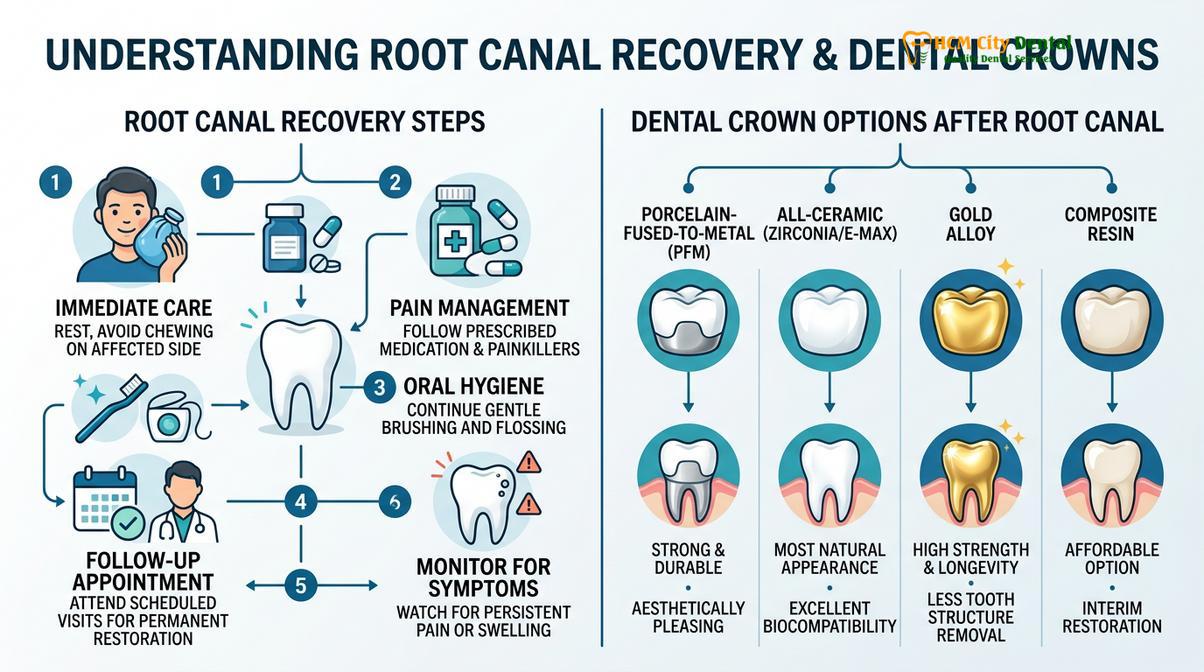
Hard foods represent the most immediate threat to a recovering tooth. Biting down on a hard object generates immense localized pressure—often exceeding several hundred pounds per square inch—which can easily exceed the tensile strength of the remaining enamel and dentin. Foods such as almonds, walnuts, hard candies, ice cubes, and unpopped popcorn kernels must be completely eliminated from your diet. If a patient accidentally bites down on a hard object with the treated tooth, the wedge-like forces can cause a vertical root fracture. A vertical root fracture is a catastrophic failure; it cannot be repaired, and the only clinical solution is the complete extraction of the tooth, rendering the entire root canal procedure futile.
Crunchy foods, while slightly less dense than hard foods, still pose a significant risk. Items like potato chips, crusty bread, raw carrots, and celery require substantial grinding forces to break down. The sharp edges of these foods can also traumatize the healing gum tissue surrounding the tooth. Moreover, the repetitive grinding motion required to chew crunchy foods places undue stress on the bruised periodontal ligament, exacerbating inflammation and prolonging post-operative pain.
Clinical Warning: Never consume sticky or chewy foods such as caramel, taffy, chewing gum, or gummy candies while you have a temporary filling. The adhesive forces generated by these foods can easily bond to the temporary restorative material, pulling it entirely out of the access cavity and exposing the sterile root canal system to immediate bacterial contamination.
Sticky and chewy foods present a different, yet equally dangerous, biomechanical challenge. The temporary filling material relies on mechanical retention and mild adhesion to stay in place. Foods like caramel, taffy, chewing gum, gummy vitamins, and even certain types of dried fruit (like raisins or dried apricots) possess high adhesive properties. When you bite into a sticky substance and subsequently open your jaw, the pulling force (tensile stress) can easily dislodge the temporary filling. If the filling is lost, the root canal system is immediately exposed to the oral microbiome. Saliva, which contains millions of bacteria per milliliter, will infiltrate the canals, necessitating a complete retreatment of the tooth to prevent a severe periapical abscess [4].
Managing Extreme Temperature Sensitivity (Hot vs. Cold Foods)
Although the tooth nerve is removed, the surrounding gum tissue and adjacent teeth remain highly sensitive to extreme temperatures. Consuming lukewarm or room-temperature meals prevents thermal shock and minimizes the risk of triggering acute inflammatory pain.
A common misconception among patients is that because the nerve (pulp) of the tooth has been removed during the root canal, the tooth can no longer feel pain or sensitivity. While it is true that the tooth itself is devoid of internal sensory innervation, the surrounding tissues—specifically the periodontal ligament, the alveolar bone, and the adjacent gingiva—are densely populated with nerve endings. Following the trauma of the procedure, these surrounding tissues are in a state of acute inflammation, a condition known as hyperalgesia. Hyperalgesia means that the pain receptors (nociceptors) in the area have a lowered threshold for activation, making them highly reactive to stimuli that would normally be innocuous.
Extreme temperatures are a primary trigger for these sensitized nerves. Consuming piping hot soups, boiling teas, or freshly brewed coffee can cause rapid vasodilation (expansion of blood vessels) in the already inflamed tissues. This sudden rush of blood increases the hydrostatic pressure within the confined space of the periodontal ligament, leading to a sharp, throbbing pain. Furthermore, avoiding hot spicy foods is crucial, as spices containing capsaicin chemically irritate the mucosal tissues, compounding the inflammatory response and causing a severe burning sensation around the surgical site.
Patient Experience at HCMC Dental Clinic:
A 45-year-old patient visited HCMC Dental Clinic in Ho Chi Minh City for a complex molar root canal. Despite successful endodontic therapy, the patient reported severe throbbing pain on the second day. Upon review, it was discovered the patient had consumed a bowl of boiling hot soup. Once the patient transitioned to a strictly room-temperature diet, the thermal-induced hyperalgesia subsided within 24 hours, allowing the periapical tissues to heal without further irritation.
Conversely, extremely cold foods and beverages can also trigger discomfort. Ice water, milkshakes, and ice cream can cause rapid vasoconstriction (narrowing of blood vessels), followed by a reactive vasodilation, which can similarly stimulate the sensitized nerve endings in the surrounding bone. Additionally, adjacent teeth may have experienced minor collateral stress during the procedure (such as from the placement of the rubber dam clamp) and may exhibit temporary cold sensitivity.
To mitigate these risks, all foods and beverages should be consumed at lukewarm or room temperature for the first few days following the procedure. Allow hot meals to cool significantly before eating, and avoid adding ice to your drinks. This simple thermal management strategy is highly effective in maintaining a stable, comfortable environment for the tissues to heal, preventing unnecessary spikes in post-operative pain [5].
Chewing Etiquette: Training Yourself to Chew on the Opposite Side
Consciously shifting all chewing forces to the untreated side of your mouth is a vital behavioral modification. This practice shields the vulnerable tooth from occlusal trauma and allows the periapical bone to heal undisturbed.
Beyond selecting the right types of food and managing their temperature, the physical mechanics of how you eat play a paramount role in your recovery. The most critical behavioral modification you must adopt is consciously chewing exclusively on the side of your mouth opposite to the treated tooth. This practice, often referred to as unilateral mastication, is a temporary but essential measure to protect the vulnerable tooth from occlusal loading.
The human jaw is capable of exerting tremendous force during mastication. When you chew, the upper and lower teeth come together in a complex grinding and crushing motion. If this force is applied to a tooth that has recently undergone endodontic therapy and is currently sealed only with a temporary filling, the risk of structural failure is exceptionally high. By shifting the workload to the untreated side of your mouth, you effectively isolate the healing tooth, allowing the inflamed periodontal ligament to rest and the periapical bone to regenerate without constant mechanical disruption.
Training yourself to chew on the opposite side requires conscious effort and mindfulness. Proprioception—the body’s ability to sense its position and movement in space—naturally guides us to chew on the side that feels most comfortable or efficient. You must actively override this instinct. Taking smaller bites, eating slowly, and focusing entirely on the mechanics of your chewing can help reinforce this new, temporary habit.
“The biomechanical isolation of an endodontically treated tooth is non-negotiable during the interim phase. By strictly directing masticatory forces to the contralateral side, we prevent micro-movements of the temporary seal and eliminate occlusal trauma, which are the two leading causes of inter-appointment flare-ups.”
— Clinical Guidelines on Post-Endodontic Care
This chewing etiquette must be maintained not just for the first few days, but for the entire duration between your root canal procedure and the placement of your final permanent restoration (usually a dental crown). Even if the tooth feels completely normal and pain-free after a week, its structural integrity remains compromised. The absence of pain does not equate to the restoration of strength. Only after your dentist has securely cemented the permanent crown, which acts as a protective helmet distributing chewing forces evenly across the tooth structure, can you safely resume normal bilateral chewing.
When to See a Doctor
While a carefully managed diet significantly reduces the risk of post-operative complications, it is crucial to monitor your healing process and recognize the clinical signs that require immediate professional intervention. Mild to moderate tenderness when biting down or pressing on the area is a normal physiological response to the instrumentation of the root canals and should gradually subside within a few days. However, if you experience severe, throbbing pain that escalates rather than diminishes, or pain that is not alleviated by prescribed over-the-counter analgesics, you must contact your dentist.
Visible swelling of the gums, face, or jaw is a definitive sign of an active infection or a severe inflammatory response and requires prompt evaluation. Additionally, if you notice that your temporary filling has cracked, sunk, or completely fallen out while eating, do not wait for your next scheduled appointment. An exposed root canal system is highly vulnerable to bacterial contamination from saliva and food debris. If you experience an allergic reaction to any prescribed medications, such as hives, difficulty breathing, or severe gastrointestinal distress, seek emergency medical care immediately. At HCMC Dental Clinic, our team is always available to address post-operative concerns, ensuring that your recovery remains on track and your treated tooth is fully protected.
Frequently Asked Questions
Can I drink coffee or hot tea after a root canal?
You should avoid hot coffee or tea for at least the first 48 hours following your procedure. Extreme temperatures can trigger severe sensitivity in the inflamed tissues surrounding the treated tooth and may also compromise the integrity of the temporary filling material. The heat causes rapid vasodilation in the localized blood vessels, which increases pressure within the periodontal ligament and leads to acute, throbbing pain. If you must consume caffeine, opt for lukewarm or iced coffee (without using a straw) to prevent thermal shock to the healing surgical site.
When can I start eating solid foods again?
You can gradually reintroduce soft solid foods after 3 to 4 days, provided your post-operative sensitivity has subsided. However, you must continue to avoid hard, crunchy, or sticky foods until your permanent crown is securely placed by your dentist. Begin with easily mashable solids like well-cooked pasta, baked fish, and steamed vegetables. Always remember to chew these foods on the opposite side of your mouth to protect the temporary filling and the structurally compromised tooth from excessive occlusal forces.
Can I drink alcohol after my root canal procedure?
Alcohol should be strictly avoided for at least 48 to 72 hours after your treatment. Alcohol can interact negatively with prescribed pain medications or antibiotics, increase the risk of post-operative bleeding, and generally delay the cellular healing process. Furthermore, alcohol acts as a systemic dehydrator, reducing salivary flow. A dry oral environment is less efficient at naturally cleansing the mouth of bacteria and food particles, which can increase the risk of secondary infections around the temporary restoration.
Is it safe to eat spicy food during recovery?
Spicy foods should be avoided during the initial healing phase of your recovery. Spices containing capsaicin can severely irritate the healing gum tissues and oral mucosa, leading to increased inflammation, burning sensations, and unnecessary discomfort around the surgical site. The localized irritation caused by spicy foods can mimic or exacerbate post-operative pain, making it difficult to distinguish between normal healing discomfort and a potential complication. Stick to bland, mildly seasoned foods until the gum tissue has fully recovered.
What should I do if my temporary filling falls out while eating?
If your temporary filling dislodges, contact your dental clinic immediately to schedule a replacement appointment. Do not attempt to chew on that side, and keep the area clean, as an exposed root canal system is highly susceptible to rapid bacterial reinfection. While waiting to see your dentist, gently rinse your mouth with warm salt water after meals to remove food debris, but avoid aggressive swishing. Never attempt to push the filling back in yourself or use over-the-counter dental cements without professional guidance.
References
- Journal of Endodontics. Outcomes of root canal treatment and restoration longevity. (2020).
- International Endodontic Journal. Biofilms in endodontics and disinfection strategies. (2021).
- Journal of the American Dental Association. Microscope-assisted endodontics and missed canals. (2019).
- Clinical Oral Investigations. Biocompatibility of bioceramic root canal sealers. (2022).
- British Dental Journal. Pain management and dental anxiety in endodontics. (2018).