Amalgam fillings contain approximately 50% elemental mercury, which continuously emits low levels of mercury vapor. While major health organizations consider them safe for the general adult population, concerns regarding chronic mercury toxicity have led many patients to seek biocompatible alternatives and safe removal protocols.
Clinical Summary:
Dental amalgam has served as a standard restorative material for over a century, highly prized for its mechanical durability and cost-effectiveness. However, its composition—relying heavily on elemental mercury—poses potential systemic risks due to the continuous release of invisible vapor, particularly exacerbated by chewing, bruxism, or thermal changes. Chronic exposure may lead to heavy metal accumulation in neurological and renal tissues. Consequently, modern biological dentistry emphasizes strict safety protocols for the extraction of these materials and advocates for the use of biocompatible resins and ceramics, providing durable, aesthetically pleasing solutions without the associated risks of heavy metal toxicity.
Key Takeaways:
- Dental amalgam consists of 50% elemental mercury bound with a mixture of silver, tin, and copper.
- Friction and heat continuously stimulate the release of odorless mercury vapor from the restorations.
- Health authorities advise against amalgam placement in vulnerable populations, including pregnant women and children.
- Symptoms of chronic toxicity can be subtle, primarily affecting the central nervous system and kidneys.
- Safe extraction requires specialized clinical protocols to prevent acute vapor inhalation by the patient and staff.
- Modern dentistry offers highly durable, non-toxic alternatives such as composite resins and zirconia ceramics.
The Chemical Composition of Silver Amalgam Fillings
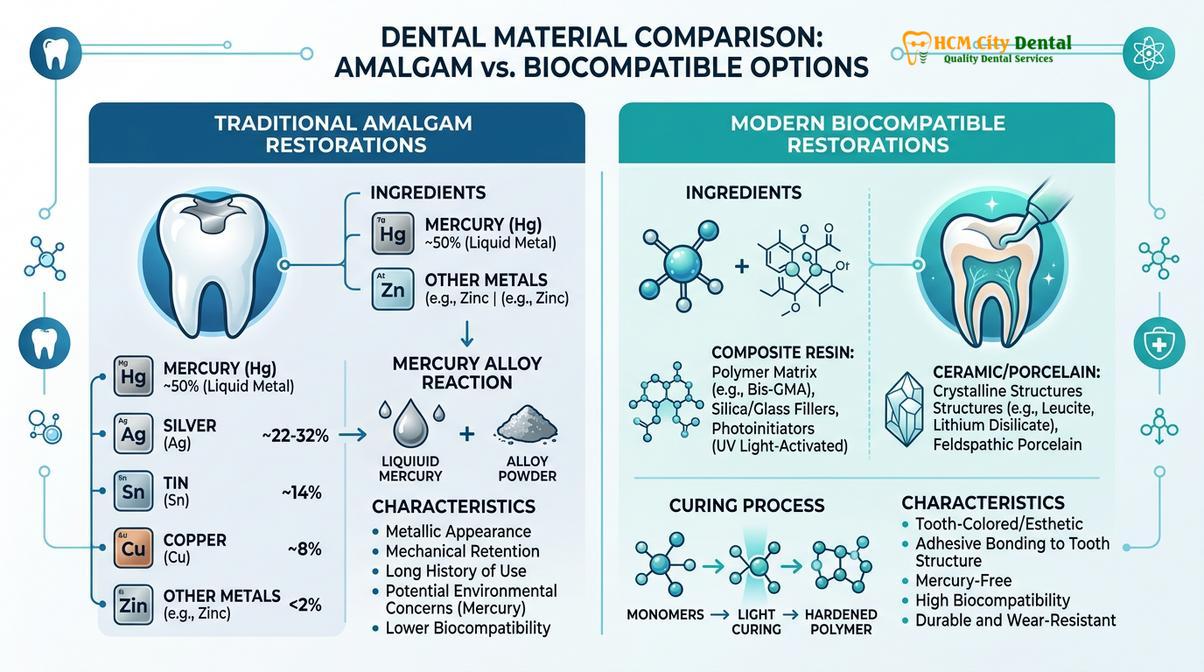
Dental amalgam is a metallic alloy composed of approximately 50% liquid elemental mercury mixed with a powdered blend of silver, tin, and copper to create a durable restorative material.
To fully comprehend the clinical concerns surrounding amalgam fillings mercury toxicity, one must first examine the precise metallurgical composition of the material. Dental amalgam is not a single metal but a complex alloy. The formulation relies on the unique properties of elemental mercury, which is a liquid at room temperature. This liquid mercury is triturated (mixed) with a specific alloy powder to initiate a chemical reaction that results in a hardened, durable mass capable of withstanding the immense occlusal forces of human mastication.
Historically, the formulation of dental amalgam has evolved, but the core reliance on mercury has remained constant. The alloy powder typically consists of silver (which provides strength and decreases setting time), tin (which improves the physical properties and facilitates the amalgamation process), and copper (which increases hardness and reduces corrosion). When patients ask if silver fillings toxic, the concern stems not from the silver itself, but from the mercury that constitutes half of the filling’s total mass [1].
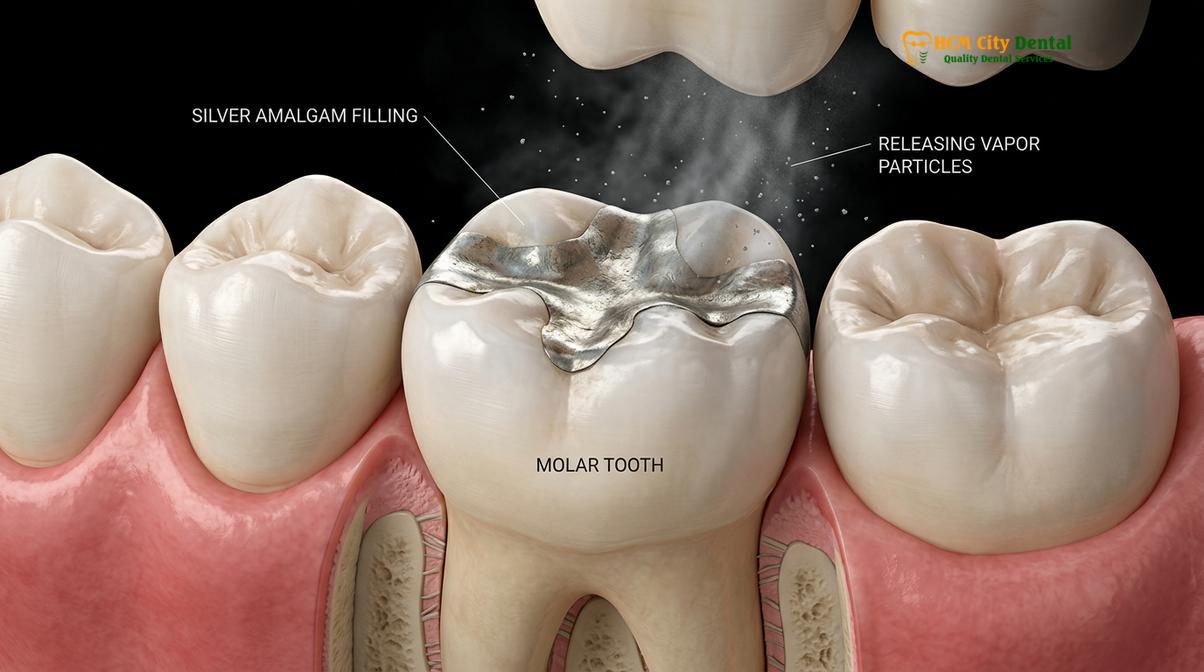
During the setting process, the metals undergo specific crystallization phases. The unreacted silver-tin particles are referred to as the gamma phase. When mixed with mercury, they form a matrix consisting of the gamma-1 phase (silver-mercury) and the gamma-2 phase (tin-mercury). Older amalgam formulations were highly susceptible to corrosion and marginal breakdown due to the weakness of the gamma-2 phase. Modern high-copper amalgams were developed to eliminate this weak phase, resulting in a more stable restoration. However, regardless of the copper content, the elemental mercury remains loosely bound within the crystalline matrix, rather than being permanently locked into an inert state.
| Component | Approximate Percentage | Clinical Function in the Alloy |
|---|---|---|
| Elemental Mercury (Hg) | 50% | Acts as the liquid binding agent to initiate crystallization. |
| Silver (Ag) | 22% – 32% | Provides mechanical strength and rapid setting properties. |
| Tin (Sn) | 14% – 16% | Facilitates the amalgamation process and controls expansion. |
| Copper (Cu) | 12% – 30% | Eliminates the weak gamma-2 phase, reducing corrosion. |
| Zinc (Zn) | 0% – 1% | Acts as a scavenger to prevent oxidation during manufacturing. |
The sheer volume of mercury in these restorations is often surprising to patients. A single, large molar filling can contain as much mercury as a traditional thermometer. Because the mercury is not chemically locked in a completely stable covalent bond, the surface of the restoration remains dynamic, constantly interacting with the biochemical and physical environment of the oral cavity.
How Amalgam Fillings Release Mercury Vapor
Friction from chewing, teeth grinding, and exposure to hot liquids continuously stimulate the release of invisible, odorless mercury vapor from amalgam restorations into the oral cavity.
The fundamental mechanism driving concerns about mercury vapor fillings is the continuous off-gassing of elemental mercury. Unlike organic mercury (methylmercury) found in certain types of seafood, the mercury in dental amalgam is inorganic, elemental mercury. At body temperature, elemental mercury has a high vapor pressure, meaning it readily transitions from a solid or liquid state into a gas. The oral cavity, with its constant moisture, fluctuating temperatures, and mechanical friction, provides an ideal environment for this vaporization process.
Clinical studies utilizing intraoral vapor analyzers have conclusively demonstrated that mercury vapor is continuously emitted from the surface of amalgam fillings. This baseline emission rate spikes significantly during mechanical stimulation. Actions such as chewing coarse foods, aggressive tooth brushing, and particularly bruxism (involuntary teeth grinding) generate microscopic friction and heat, dramatically increasing the release of vapor. Furthermore, the consumption of hot liquids, such as coffee or tea, elevates the temperature of the restoration, further accelerating the off-gassing process [2].
“The release of mercury from dental amalgam is not a static event confined to the moment of placement; it is a continuous, dynamic process of vapor emission that persists for the entire lifespan of the restoration in the oral cavity.”
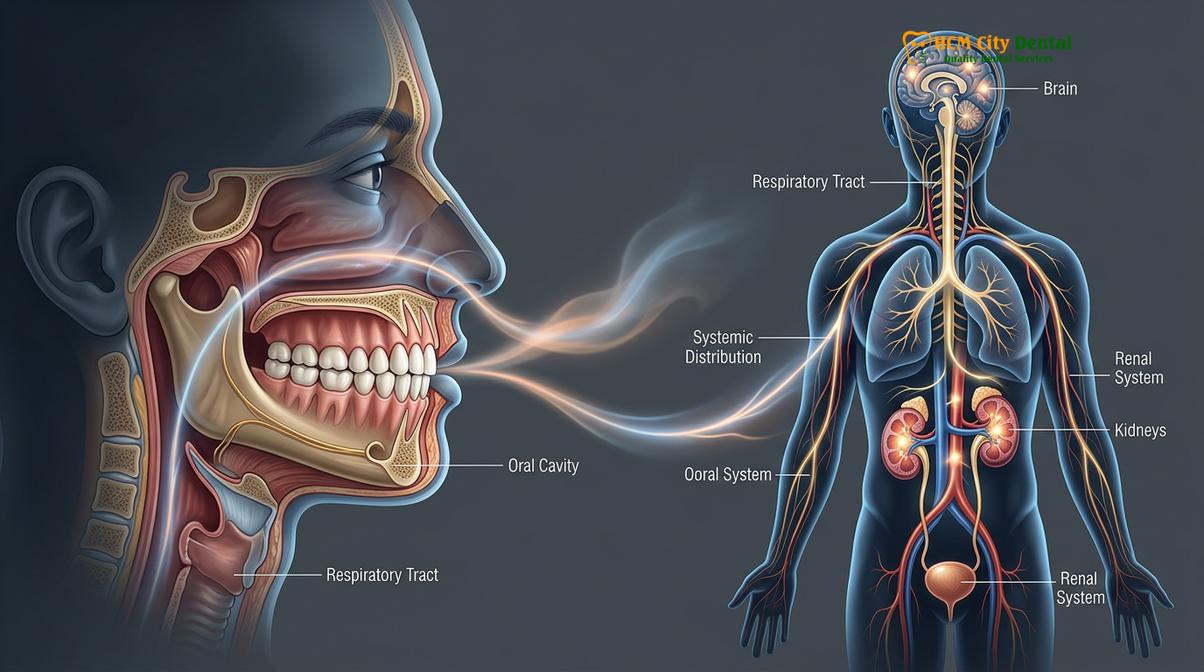
Once released into the oral cavity, the mercury vapor is inhaled into the lungs. Elemental mercury vapor is highly lipophilic (fat-soluble) and is absorbed across the alveolar membranes of the lungs into the bloodstream with an efficiency of approximately 80%. Because it is uncharged and lipophilic, it easily crosses critical biological barriers, including the blood-brain barrier and the placental barrier. Once inside the cells of the central nervous system or the kidneys, the elemental mercury is oxidized into inorganic divalent mercury (Hg2+), which becomes trapped intracellularly and binds tightly to sulfhydryl groups on proteins and enzymes, disrupting normal cellular function.
The half-life of mercury in the human body varies depending on the organ system. While mercury in the blood may have a half-life of several weeks, mercury that has accumulated in the brain or renal tissues can persist for years, leading to a slow, cumulative burden. This bioaccumulation is the primary reason why biological dentists advocate for biological dentistry practices that prioritize biocompatible materials and systemic health considerations.
Symptoms of Chronic Mercury Toxicity
Chronic exposure to low-dose mercury vapor can manifest as neurological disturbances, renal dysfunction, psychological changes, and immune system suppression over an extended period.
Diagnosing mercury poisoning from teeth is clinically challenging because the symptoms of chronic, low-dose heavy metal exposure are often insidious, non-specific, and mimic a wide variety of other medical conditions. Unlike acute mercury poisoning—which might occur from an industrial accident and presents with immediate, severe respiratory and neurological distress—chronic toxicity develops slowly as the body’s heavy metal burden gradually exceeds its capacity for detoxification and excretion.
The central nervous system is the primary target organ for inhaled elemental mercury vapor. Neurological symptoms often begin subtly. Patients may experience fine intention tremors, typically starting in the fingers or eyelids. Cognitive disturbances are also common, including brain fog, difficulty concentrating, and short-term memory loss. A classic psychological manifestation of chronic mercury exposure is known as erethism, characterized by extreme shyness, emotional lability, irritability, anxiety, and a tendency to withdraw from social interactions [3].
Beyond the neurological impacts, the kidneys are the primary organs responsible for filtering and excreting heavy metals, making them highly susceptible to damage. Chronic mercury accumulation in renal tissues can lead to proteinuria (excess protein in the urine) and a gradual decline in renal function. Additionally, mercury has a profound affinity for binding to sulfur-containing amino acids, which can disrupt enzymatic pathways, suppress immune function, and induce chronic fatigue.
Clinical Warning: The highest risk of acute mercury vapor exposure occurs during the placement or unprotected removal of amalgam fillings. Drilling into an old amalgam without specialized high-volume evacuation and cooling protocols generates massive amounts of heat and friction, releasing a concentrated plume of toxic vapor that can be deeply inhaled by both the patient and the dental team.
In the oral cavity itself, patients with multiple metallic restorations may experience galvanic toxicity. This occurs when different types of metals (e.g., a gold crown and a silver amalgam filling) are present in the mouth, bathed in saliva, which acts as an electrolyte. This creates a literal battery effect, generating measurable electrical currents that can cause localized pain, a persistent metallic taste, and accelerated corrosion of the amalgam, thereby increasing the rate of mercury release.
What the FDA and WHO Say About Dental Amalgam
Global health authorities acknowledge that while amalgam is generally safe for healthy adults, vulnerable populations such as pregnant women, nursing mothers, and children should avoid it due to neurotoxic risks.
The debate over the safety of dental amalgam has persisted for decades. For many years, major dental associations maintained that the amount of mercury released from fillings was clinically insignificant. However, as diagnostic technologies have improved and the understanding of chronic heavy metal bioaccumulation has deepened, regulatory stances have gradually shifted. The question of is dental amalgam safe is no longer answered with a blanket affirmative, but rather with nuanced, risk-stratified guidelines.
The World Health Organization (WHO) has been instrumental in addressing global mercury pollution through the Minamata Convention on Mercury. This international treaty, which aims to protect human health and the environment from anthropogenic emissions of mercury, explicitly includes provisions for the phase-down of dental amalgam. The WHO encourages nations to promote the use of cost-effective and clinically effective mercury-free alternatives for dental restoration.
In recent years, the United States Food and Drug Administration (FDA) updated its official guidance regarding dental amalgam. While the FDA does not recommend the proactive removal of intact amalgam fillings in healthy individuals—due to the risk of acute vapor exposure during the extraction process—it has issued specific warnings for high-risk populations. The FDA advises that the following groups should avoid receiving new amalgam restorations:
- Pregnant women and their developing fetuses.
- Women who are planning to become pregnant.
- Nursing mothers and their infants.
- Children, particularly those under the age of six.
- Individuals with pre-existing neurological disease, such as multiple sclerosis, Alzheimer’s disease, or Parkinson’s disease.
- Individuals with impaired kidney function.
- Patients with known heightened sensitivity or allergy to mercury or other components of dental amalgam.
This regulatory shift underscores the importance of informed consent. Patients must be fully educated about the materials being implanted into their bodies. As awareness grows, there is a distinct paradigm shift toward Dental Fillings that utilize advanced, biocompatible materials, ensuring that restorative dentistry supports, rather than compromises, overall systemic health.
Alternatives to Mercury-Containing Silver Fillings
Modern restorative dentistry utilizes biocompatible materials such as composite resins, glass ionomers, and porcelain ceramics to replace decayed tooth structure without the use of heavy metals.
The evolution of dental materials science has rendered the use of mercury amalgam largely unnecessary in modern clinical practice. Today, biological and cosmetic dentists have access to a wide array of biocompatible materials that not only eliminate the risks associated with heavy metal toxicity but also offer superior aesthetic and structural outcomes. These alternatives are designed to mimic the natural biomechanics of the tooth, adhering to the principles of biomimetic dentistry.
Composite Resins: The most common alternative to amalgam is composite resin. This material is a mixture of acrylic plastics (resins) and glass or quartz fillers. Unlike amalgam, which requires mechanical retention (meaning the dentist must drill away healthy tooth structure to create an undercut to hold the filling in place), composite resins bond micromechanically directly to the enamel and dentin. This allows for highly conservative cavity preparations, preserving maximum natural tooth structure. Furthermore, modern biological clinics often utilize BPA-free and Bis-GMA-free composite resins to ensure the highest level of biocompatibility [4].
Glass Ionomer Cements: For areas of the mouth that are difficult to keep completely dry during placement, or for pediatric patients, glass ionomer cements are an excellent alternative. These materials chemically bond to the tooth and have the unique ability to release fluoride over time, which can help remineralize adjacent tooth structure and prevent secondary decay. While they may not possess the sheer compressive strength of composite resins for large molar restorations, they are invaluable for specific clinical applications.
Porcelain and Zirconia Ceramics: For extensive decay or when replacing large, failing amalgam fillings, indirect restorations such as ceramic inlays, onlays, or crowns are often the treatment of choice. Materials like lithium disilicate (e.max) or monolithic zirconia offer exceptional durability and fracture resistance that rivals or exceeds that of traditional metal. These restorations are fabricated in a dental laboratory or milled in-office using CAD/CAM technology, providing a precise fit and a flawless, natural appearance that integrates seamlessly with the surrounding dentition.
Mercury-Free vs Mercury-Safe Dentistry
While mercury-free dentistry simply means a clinic no longer places amalgam, mercury-safe dentistry involves rigorous, specialized protocols to protect the patient and staff during the extraction of existing silver fillings.
It is crucial for patients to understand the clinical distinction between a “mercury-free” dental practice and a “mercury-safe” dental practice. A mercury-free dentist is simply one who has chosen to stop placing new amalgam fillings, opting instead for composite resins or ceramics. However, this designation does not guarantee that the dentist employs any specific safety measures when drilling out old, failing amalgam restorations.
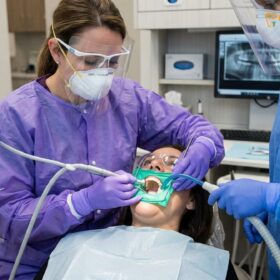
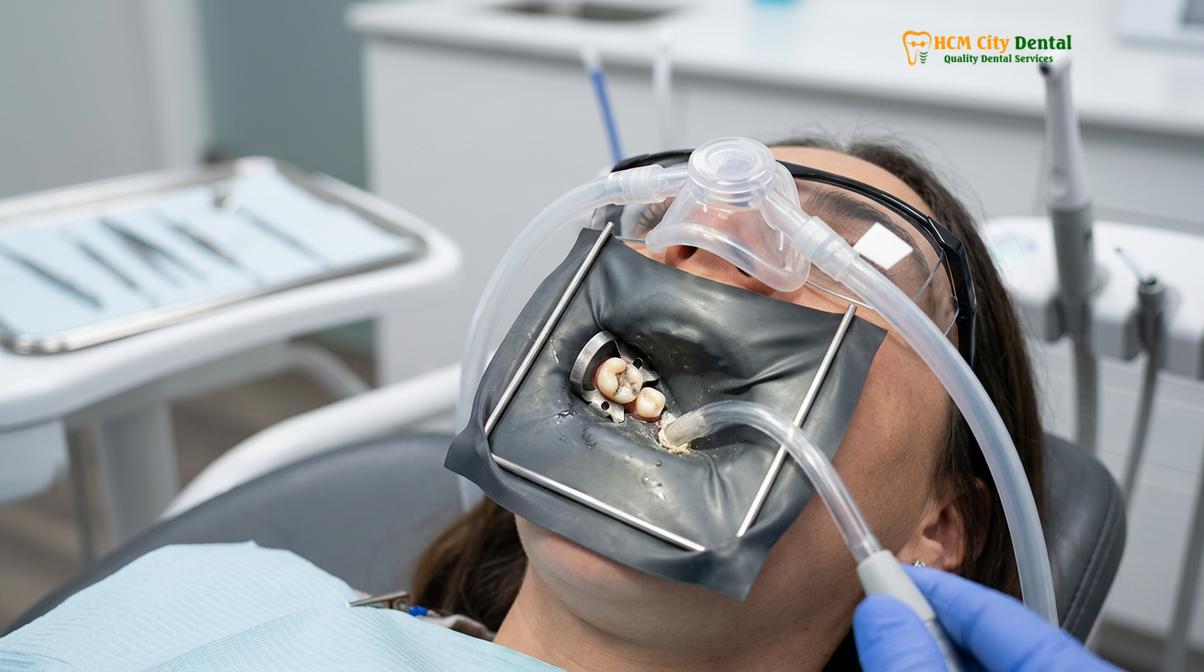
Conversely, a mercury-safe dentist recognizes the profound toxicological risks associated with the removal process. When a high-speed dental drill contacts an amalgam filling, it generates intense heat and friction, instantly vaporizing the mercury and creating a highly concentrated, toxic aerosol plume. To mitigate this severe risk, mercury-safe dentists strictly adhere to protocols such as the SMART (Safe Mercury Amalgam Removal Technique) protocol developed by the International Academy of Oral Medicine and Toxicology (IAOMT) [5].
Clinical Case Review: A 45-year-old patient presented to HCMC Dental Clinic in Ho Chi Minh City with multiple failing amalgam restorations exhibiting marginal leakage and recurrent decay. Dr. Nguyen Van Cuong conducted a comprehensive evaluation and determined that removal was medically necessary. Utilizing the strict SMART protocol—including full-body draping, non-latex rubber dam isolation, alternative oxygen supply for the patient, and specialized high-volume aerosol vacuums—Dr. Cuong safely sectioned and removed the heavy metal restorations without exposing the patient to acute vapor spikes. The teeth were subsequently restored with biocompatible, biomimetic ceramic onlays, resolving the patient’s localized galvanic sensitivity and restoring structural integrity.
The SMART protocol involves a meticulously orchestrated workflow. The patient is provided with an alternative air source (such as a nasal mask delivering clean oxygen) to prevent inhalation of ambient aerosols. A non-latex rubber dam is placed to isolate the specific tooth, preventing amalgam particulate from being swallowed or absorbed through the oral mucosa. The dentist utilizes a specialized “chunking” technique, using a specific type of bur at a lower speed with copious amounts of cold water to section the filling into large pieces, rather than grinding it into a fine powder. Simultaneously, a high-volume evacuation system and an external aerosol vacuum are positioned directly over the oral cavity to capture any escaping vapor.
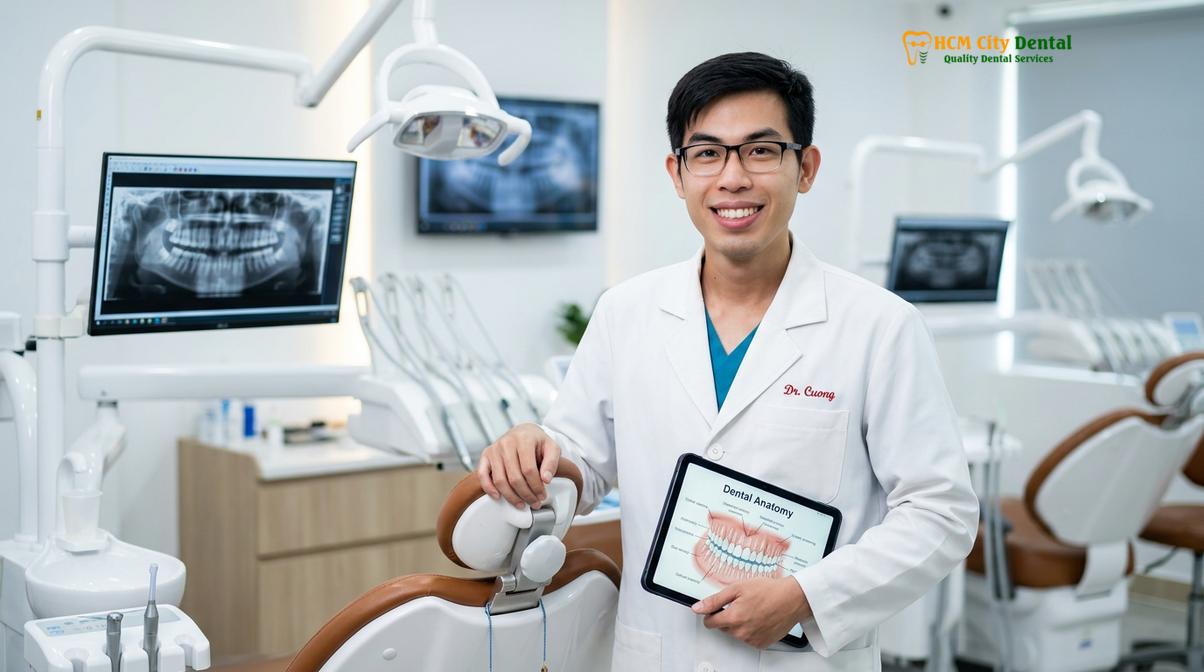
At HCMC Dental Clinic, Dr. Nguyen Van Cuong emphasizes that the safe removal of toxic dental materials is just as critical as the selection of the biocompatible materials used to replace them. This comprehensive approach ensures that the patient’s systemic health is safeguarded throughout the entire restorative process.
When to See a Doctor
Determining the appropriate time to address existing amalgam fillings requires a careful, individualized clinical assessment. Patients should not rush to have intact, functional amalgams removed out of fear alone, as the removal process itself carries risks if not performed correctly. However, consultation with a qualified biological dentist is highly recommended if you experience specific localized or systemic symptoms.
You should schedule a clinical evaluation if you notice visible defects in your existing silver fillings, such as cracks, chipping, or dark discoloration spreading into the surrounding tooth structure, which indicates marginal leakage and recurrent decay. Additionally, if you experience localized pain, sensitivity to temperature changes, or a persistent metallic taste (galvanic shock), the structural integrity of the restoration may be compromised.
“The decision to remove an amalgam restoration must be based on a comprehensive clinical diagnosis, weighing the structural condition of the tooth against the patient’s overall systemic health profile and detoxification capacity.”
Patients who have been diagnosed with chronic autoimmune conditions, unexplained neurological symptoms, or heavy metal toxicity by a medical physician should also seek a consultation to discuss the potential role of their dental restorations. A biological dentist will utilize advanced diagnostic imaging and clinical testing to evaluate the condition of the teeth and develop a personalized, safe treatment plan tailored to your specific physiological needs.
Frequently Asked Questions
Are silver fillings actually toxic?
Silver fillings contain elemental mercury, which is a known toxic substance. While major health organizations state they are generally safe for healthy adults, the continuous release of mercury vapor poses potential cumulative health risks over time. The toxicity depends on the individual’s exposure levels, genetic detoxification capacity, and overall systemic health.
How much mercury is in an amalgam filling?
A standard dental amalgam filling consists of approximately 50% elemental mercury by weight. The remaining 50% is a powdered alloy mixture primarily composed of silver, tin, and copper used to bind the material. Because mercury makes up half of the restoration, even a small filling contains a significant volume of this heavy metal.
Can mercury from fillings cause headaches?
Chronic exposure to mercury vapor can lead to neurological symptoms, and some patients report chronic headaches. However, headaches have many causes, and a comprehensive medical evaluation is necessary to determine if heavy metal toxicity is a contributing factor. Galvanic currents from mixed metals in the mouth can also contribute to localized tension and discomfort.
How do I know if my fillings are leaking?
Leaking fillings often present with localized sensitivity to hot or cold, a metallic taste in the mouth, or visible dark discoloration around the tooth margins. A clinical examination with dental radiographs is required for an accurate diagnosis. Your dentist will check for marginal breakdown, recurrent decay, and structural fractures that compromise the seal of the restoration.
Is it safe to keep old amalgam fillings?
If an amalgam filling is fully intact, structurally sound, and there is no underlying decay or medical contraindication, many dentists recommend monitoring it. Unnecessary removal without proper safety protocols can cause acute mercury exposure. However, if the filling is failing or if the patient has specific health concerns, safe removal using specialized protocols may be indicated.
References
- World Health Organization (WHO). Minamata Convention on Mercury and the phase-down of dental amalgam. (2019).
- Food and Drug Administration (FDA). Epidemiological evidence on the safety of dental amalgam. (2020).
- Journal of Occupational Medicine and Toxicology. The release of mercury from dental amalgam and potential systemic effects. (2018).
- Dental Materials Journal. Biocompatibility and clinical performance of modern composite resins and zirconia restorations. (2022).
- International Academy of Oral Medicine and Toxicology (IAOMT). Safe Mercury Amalgam Removal Technique (SMART) guidelines. (2021).