Experiencing pain after a root canal is common, but distinguishing between normal healing and an emergency is crucial for your oral health. Mild soreness and sensitivity for a few days are expected physiological responses. However, severe, escalating pain or facial swelling indicates a complication requiring immediate clinical intervention.
Clinical Summary:
Post-endodontic discomfort is a standard physiological response caused by periapical tissue inflammation and the mechanical instrumentation of the root canal system. Normal healing typically involves mild to moderate tenderness, especially upon mastication, which gradually subsides within three to seven days. Conversely, emergency scenarios are characterized by escalating symptoms such as severe throbbing pain, facial swelling, purulent discharge, or systemic fever. These red flags suggest persistent infection, a missed canal, or a vertical root fracture. Accurate clinical diagnosis, often utilizing 3D cone-beam computed tomography (CBCT), is essential to differentiate transient postoperative inflammation from true endodontic failure. Prompt evaluation by a dental professional ensures appropriate management, whether through occlusal adjustment, pharmacological intervention, or endodontic retreatment.
Key Takeaways:
- Mild tenderness and sensitivity for 3 to 5 days post-treatment are normal physiological responses to tissue inflammation.
- Severe, escalating pain that disrupts sleep or does not respond to over-the-counter analgesics is a clinical red flag.
- Facial swelling, fever, or a visible pimple on the gums (fistula) require immediate emergency dental care.
- A “high bite” or oversized restoration is a frequent, easily correctable cause of sharp pain when chewing.
- Proper home management includes NSAIDs, a soft diet, and avoiding extreme temperatures during the initial healing phase.
What to Expect Immediately After a Root Canal
The immediate aftermath of root canal therapy typically involves localized numbness followed by mild to moderate soreness as the local anesthesia wears off and tissue inflammation begins.
When you leave the dental chair following endodontic therapy, the treated area will remain profoundly numb for several hours due to the local anesthetics administered. During this window, it is imperative to avoid eating or drinking hot liquids to prevent accidental thermal burns or biting injuries to the anesthetized tongue and buccal mucosa. As the pharmacological blockade of the nerve pathways dissipates, the transition to normal sensation is often accompanied by a noticeable onset of localized discomfort.
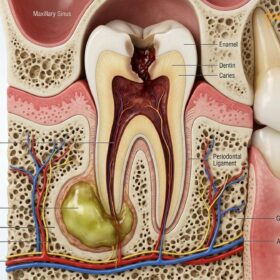
This initial discomfort is a direct result of the mechanical and chemical processes involved in saving the tooth. During a root canal, the clinician utilizes specialized endodontic files to meticulously clean and shape the complex internal anatomy of the root system. Even with the utmost precision, the delicate tissues surrounding the apex (tip) of the root—known as the periapical tissues and the periodontal ligament—can become irritated. Furthermore, the antimicrobial irrigants used to eradicate bacterial biofilms, such as sodium hypochlorite, can cause transient chemical inflammation if microscopic amounts interact with the tissues beyond the root tip [1].
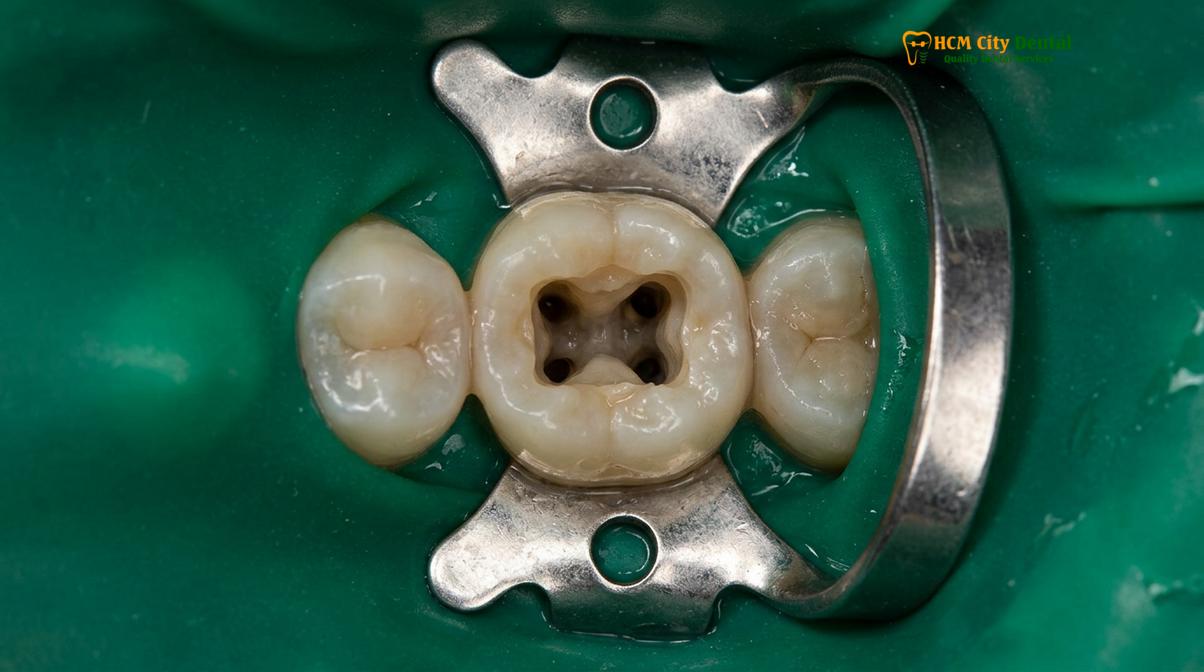
Patients frequently report a dull ache or a sensation of pressure within the jawbone. Experiencing mild throbbing after root canal treatment is entirely normal during the first 24 to 48 hours. The increased blood flow associated with the body’s natural inflammatory cascade causes this pulsatile sensation. Dr. Nguyen Van Cuong, a leading specialist, frequently advises patients that this initial inflammatory phase is an expected part of the healing journey, not an indication that the procedure was unsuccessful.
The tooth itself no longer contains vital nerve tissue (the pulp), meaning it cannot feel hot or cold stimuli. Therefore, any pain perceived is actually emanating from the highly innervated periodontal ligament that anchors the tooth to the surrounding alveolar bone. This ligament acts as a shock absorber, and when inflamed, it becomes highly sensitized to mechanical pressure, explaining why the tooth may feel “bruised” or tender when the jaws are brought together.
How Long Does Normal Soreness Last?
Normal post-endodontic soreness generally peaks within the first 24 to 48 hours and progressively diminishes over a period of three to seven days.
Understanding the expected timeline for recovery is essential for peace of mind and for recognizing when symptoms deviate from the norm. The root canal pain duration is highly variable among individuals, influenced by the preoperative condition of the tooth, the complexity of the root anatomy, and the patient’s unique inflammatory response.
Days 1 to 2: The Peak Inflammatory Phase
The first 48 hours represent the peak of the inflammatory response. During this time, the periapical tissues are actively responding to the recent intervention. Patients typically experience the highest level of tenderness, particularly when biting down or applying pressure to the treated tooth. The surrounding gingival tissues may also feel slightly sore from the placement of the rubber dam clamp used to isolate the tooth during the procedure. Over-the-counter anti-inflammatory medications are most effective when utilized consistently during this window.
“The resolution of post-endodontic pain is directly correlated with the clearance of periapical inflammatory mediators. A gradual decrease in symptomatology over the first week is the hallmark of a successful transition from acute inflammation to tissue repair.” [2]
Days 3 to 5: The Subsiding Phase
By the third day, the acute inflammation should begin to subside noticeably. The throbbing sensation typically resolves, transitioning into a dull, manageable ache. Tenderness upon mastication (chewing) may persist, but it should require significantly less effort to manage. Patients usually find that they can begin reintroducing softer solid foods into their diet without severe discomfort.
Days 6 to 7 and Beyond: Return to Baseline
Approaching the one-week mark, the majority of patients report a near-complete resolution of spontaneous pain. The tooth may still feel slightly “different” or mildly sensitive to heavy pressure compared to neighboring healthy teeth, but it should not interfere with normal daily activities or sleep. If the tooth was severely infected prior to treatment, presenting with a large periapical lesion (abscess), the bone healing process can take several months, though this deep healing is generally asymptomatic.
Red Flags: When Pain Indicates a Complication
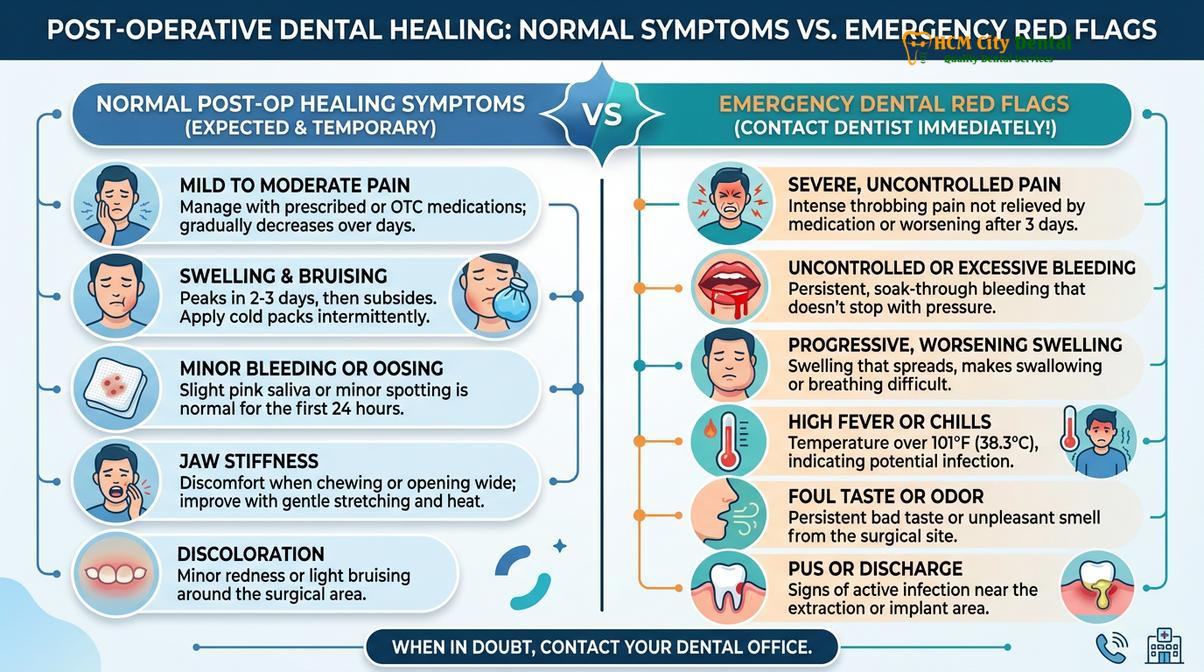
Escalating pain, visible facial swelling, or the presence of a gum abscess are critical warning signs that the tooth is not healing normally and requires urgent evaluation.
While transient discomfort is expected, certain clinical presentations demand immediate attention. Distinguishing between normal postoperative soreness and an active endodontic emergency is vital for preserving the tooth and preventing systemic complications. Recognizing root canal complication signs early can significantly alter the clinical outcome.
- Progressive Swelling: Any swelling that extends into the facial spaces, cheek, or neck, or swelling that rapidly increases in size.
- Intractable Pain: Severe, sharp, or throbbing pain that worsens over time and is not relieved by maximum doses of over-the-counter analgesics.
- Systemic Symptoms: The onset of a fever, chills, or swollen lymph nodes in the neck or under the jaw.
- Purulent Discharge: The appearance of a pimple-like bump on the gums (sinus tract or fistula) that oozes pus or causes a foul taste in the mouth.
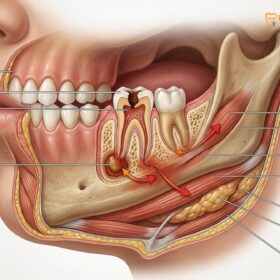
- Difficulty Swallowing or Breathing: A severe medical emergency indicating the spread of infection into deep fascial spaces (Ludwig’s angina).
A phenomenon known as an “endodontic flare-up” occurs in a small percentage of cases. This is characterized by an acute exacerbation of periradicular pathosis following the initiation or continuation of root canal treatment. Flare-ups are more common in teeth that were highly symptomatic or necrotic prior to treatment. The sudden disruption of the microbial balance within the root canal system can trigger a robust immune response, leading to rapid swelling and intense pain [3].
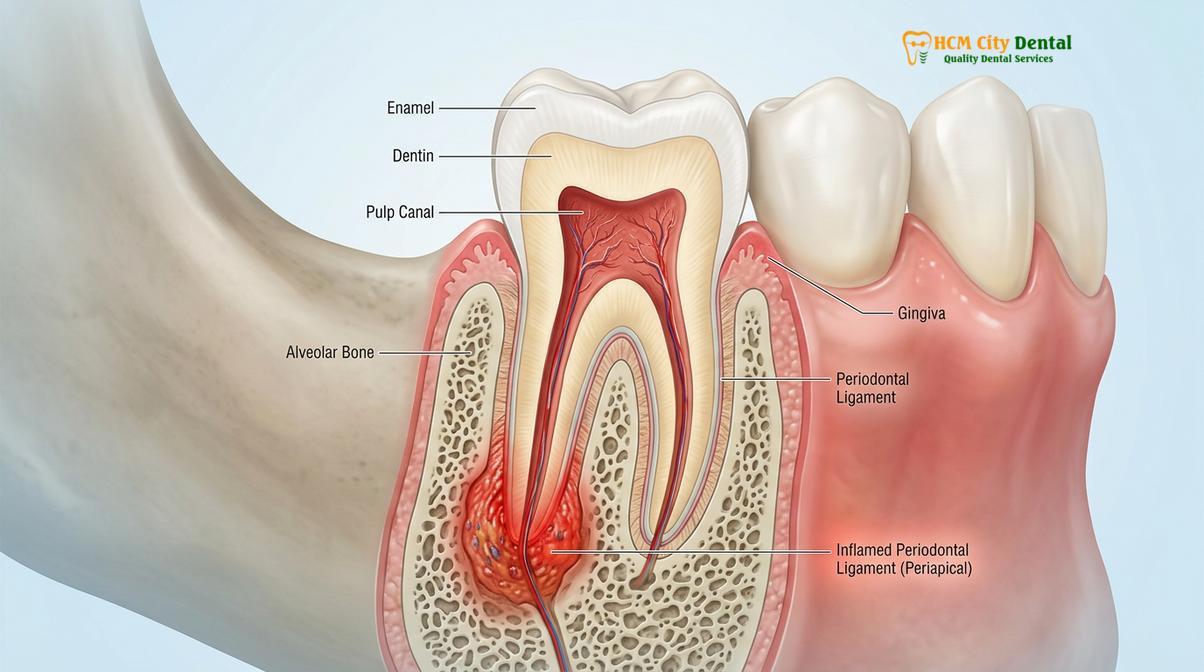
If you experience progressive facial asymmetry or a feeling of tightness in the tissues surrounding the jaw, this is indicative of cellulitis—a spreading bacterial infection of the soft tissues. Unlike localized inflammation, cellulitis requires prompt pharmacological intervention, typically involving a course of targeted systemic antibiotics to halt the spread of bacteria. Delaying care in the presence of these red flags can lead to severe, potentially life-threatening complications.
Furthermore, if the pain completely subsides but returns sharply weeks or months later, this is a strong indicator of a secondary issue, such as a coronal seal failure or a structural fracture. Patients experiencing any of these severe symptoms should immediately seek Emergency Dental Care for a comprehensive diagnostic evaluation.
Common Causes of Post-Treatment Pain
Persistent or severe discomfort is often traced to occlusal trauma from a high restoration, missed root anatomy, persistent bacterial infection, or structural fractures.
When post-endodontic pain falls outside the parameters of normal healing, clinicians must systematically investigate the underlying etiology. The diagnostic process involves a thorough clinical examination, percussion testing, and advanced radiographic imaging to pinpoint the exact cause of the persistent discomfort.
1. Hyperocclusion (High Bite)
The most frequent cause of sharp pain when biting down after a root canal is a temporary filling or crown that is slightly too high. Even a discrepancy of a few microns can cause the treated tooth to strike the opposing tooth prematurely during closure. Because the periodontal ligament is already inflamed from the procedure, this constant micro-trauma exacerbates the inflammation, leading to acute, localized pain. This issue is easily resolved with a brief clinical visit to adjust the occlusion.
2. Missed Canal Anatomy
Human dental anatomy is highly complex and variable. Molars, in particular, frequently harbor accessory canals or hidden nerve branches (such as the MB2 canal in maxillary first molars) that can be exceptionally difficult to locate without the aid of a dental operating microscope. If a canal is missed during the initial treatment, necrotic tissue and bacteria remain trapped within the tooth, leading to persistent infection and ongoing pain.
3. Extrusion of Materials
During the obturation (filling) phase of the root canal, the clinician seals the cleaned canals with a biocompatible material called gutta-percha and an endodontic sealer. Occasionally, a small amount of sealer or filling material may extrude beyond the apical foramen into the surrounding bone. While the body’s immune system typically encapsulates and tolerates this material over time, it can cause a significant foreign-body inflammatory response and localized pain in the short term.
4. Coronal Leakage and Reinfection
The long-term success of a root canal relies heavily on the integrity of the final restoration. If the temporary filling is lost, or if the permanent crown is delayed, bacteria from the oral cavity can rapidly re-infiltrate the root canal system. This coronal leakage reintroduces pathogens to the periapical tissues, reigniting the infection and causing delayed-onset pain.
5. Vertical Root Fractures
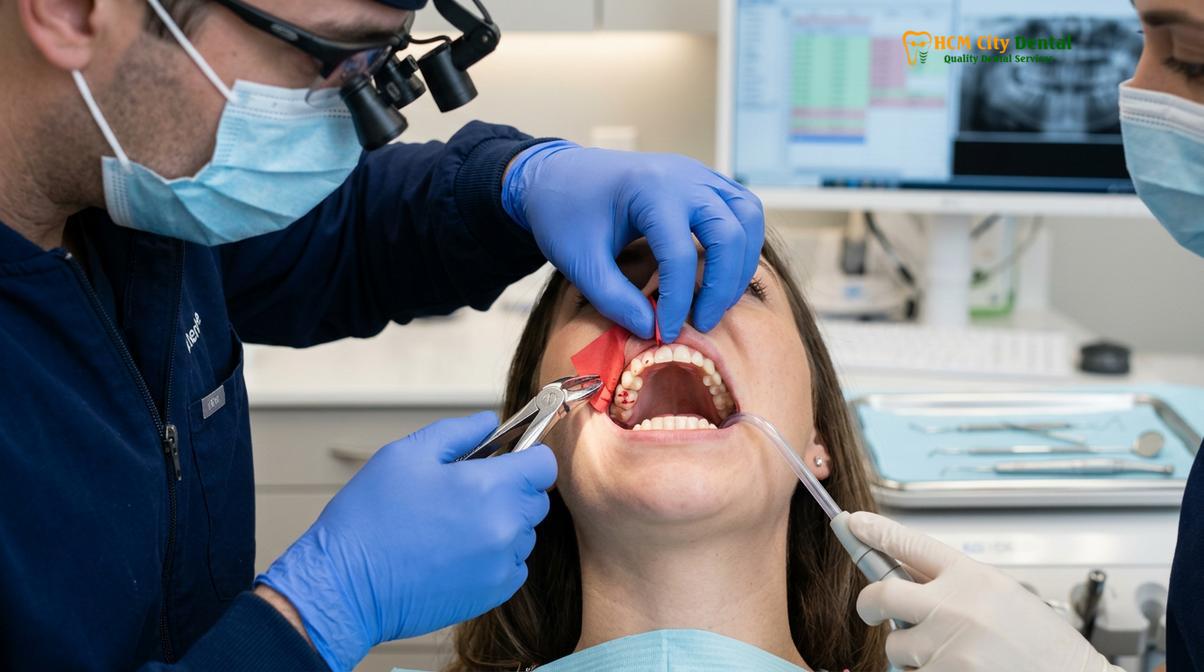
Endodontically treated teeth are inherently more brittle due to the loss of structural integrity and moisture content. If the tooth is subjected to heavy occlusal forces before a protective crown is placed, it is highly susceptible to cracking. A vertical root fracture often presents with a specific pattern of bone loss and a deep, narrow periodontal pocket. Unfortunately, teeth with true vertical root fractures are generally non-restorable and require extraction [5].
| Etiology | Primary Clinical Presentation | Diagnostic Indicator | Clinical Management |
|---|---|---|---|
| Hyperocclusion (High Bite) | Sharp pain specifically upon biting or bringing teeth together. | Premature contact marks on articulating paper. | Occlusal adjustment of the restoration. |
| Missed Canal | Persistent, dull ache; thermal sensitivity if vital tissue remains. | CBCT imaging revealing untreated root anatomy. | Endodontic retreatment to locate and clean the missed canal. |
| Apical Extrusion | Localized tenderness at the root tip; pain on palpation. | Radiographic evidence of sealer beyond the apex. | Observation, NSAIDs; rarely requires surgical intervention. |
| Vertical Root Fracture | Pain on release of biting pressure; localized deep gum pocket. | J-shaped radiolucency on X-ray; isolated deep probing depth. | Tooth extraction and implant planning. |
Home Management and Safe Pain Relief
Effective home care involves a combination of non-steroidal anti-inflammatory drugs (NSAIDs), cold therapy, and dietary modifications to minimize mechanical stress on the healing tooth.
Managing discomfort effectively at home is a critical component of the recovery process. The primary goal is to control the inflammatory response while protecting the vulnerable tooth from mechanical overload until the permanent restoration is placed.
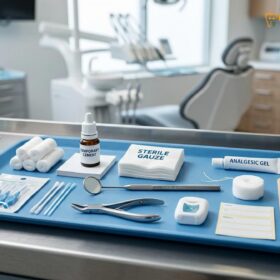
Pharmacological management should prioritize anti-inflammatory agents. Ibuprofen is widely considered the gold standard for dental pain because it directly inhibits the synthesis of prostaglandins—the chemical messengers responsible for pain and swelling in the periapical tissues. For patients who can safely tolerate it, taking ibuprofen on a strict schedule (e.g., every 6 to 8 hours) for the first 48 hours, rather than waiting for the pain to become severe, provides superior relief [4].
“The preemptive and scheduled administration of NSAIDs significantly reduces the intensity of postoperative endodontic pain compared to on-demand dosing. In cases of severe pain, the concurrent use of ibuprofen and acetaminophen provides a synergistic analgesic effect without exceeding maximum daily limits.” [4]
In addition to medication, dietary modifications are essential. Patients should adhere to a soft diet, consuming foods such as yogurt, scrambled eggs, mashed potatoes, and smoothies. It is crucial to chew on the opposite side of the mouth to prevent undue stress on the treated tooth, especially if it currently holds a temporary filling. Hard, crunchy, or sticky foods must be strictly avoided, as they can dislodge the temporary seal or, worse, fracture the unprotected tooth structure.
Maintaining excellent oral hygiene is also necessary to prevent secondary complications. Patients should continue to brush and floss normally, but with gentle caution around the treated area. If a temporary filling is in place, pulling the floss through the side of the teeth rather than snapping it upward can prevent accidental dislodgement. Similar to the protocols outlined in the Dry Socket Symptoms & Treatment Guide, avoiding aggressive rinsing or suction (like using a straw) helps maintain a stable healing environment.
When to Return to Your Endodontist
You should return to your endodontist if pain worsens after three days, if your bite feels uneven, or if you experience any signs of systemic infection.
Knowing exactly when root canal pain is abnormal empowers patients to seek timely intervention. While patience is required during the initial healing phase, ignoring persistent symptoms can jeopardize the long-term prognosis of the tooth.
If your bite feels “high” or uneven once the anesthesia has completely worn off, do not wait for it to settle. The tooth will not adapt to a high restoration; instead, the continuous trauma will exacerbate the inflammation and prolong your discomfort. A quick visit to the clinic for an occlusal adjustment can provide almost immediate relief.
Furthermore, if you experience a sudden recurrence of pain after a period of improvement, or if you notice any swelling or a bad taste in your mouth, prompt evaluation is mandatory. These symptoms suggest that the bacterial load has not been fully eradicated or that a new pathway for infection has opened. Your endodontist will perform a clinical assessment, which may include 3D CBCT imaging, to evaluate the internal structures of the tooth and the surrounding bone.
Depending on the findings, the clinical workflow may involve prescribing a course of antibiotics to manage an acute flare-up, performing endodontic retreatment to address complex anatomy, or, in rare cases of structural failure, discussing alternative options such as extraction and implant placement. Timely communication with your dental provider ensures that minor complications are addressed before they escalate into major emergencies.
When to See a Doctor: Important Clinical Considerations
While this guide provides comprehensive educational insights into post-endodontic recovery, it cannot replace a personalized clinical diagnosis. Dental pain is highly subjective, and the underlying etiology can only be definitively determined through professional examination and radiographic analysis. Relying solely on home remedies when experiencing severe symptoms can lead to the spread of infection and the irreversible loss of the tooth.
At HCMC Dental Clinic in Ho Chi Minh City, our clinical protocols emphasize precise diagnostics and patient-centered care. We utilize advanced magnification and 3D imaging to ensure that every root canal therapy is performed with the highest degree of accuracy, minimizing postoperative complications. However, biological responses vary, and ongoing monitoring is a standard part of our comprehensive care model.
A 42-year-old patient presented to HCMC Dental Clinic in Ho Chi Minh City complaining of severe, sharp pain upon chewing, four days after receiving root canal therapy on a lower molar. The patient was concerned that the procedure had failed. Upon clinical examination, Dr. Nguyen Van Cuong noted that the temporary filling was slightly hyperocclusal (too high). The localized trauma had severely inflamed the periodontal ligament. Dr. Cuong performed a minor occlusal adjustment, relieving the premature contact. Within 24 hours, the patient reported a complete resolution of the sharp pain, allowing the normal healing process to resume seamlessly. This case highlights the importance of timely clinical evaluation over assuming treatment failure.
If you have recently undergone endodontic treatment and are experiencing symptoms that align with the red flags discussed—such as swelling, fever, or intractable pain—it is imperative to seek professional care immediately. Whether you are dealing with a post-operative complication or require evaluation following an incident like a Dental Trauma Motorcycle Accident, prompt intervention is the key to preserving your natural dentition.
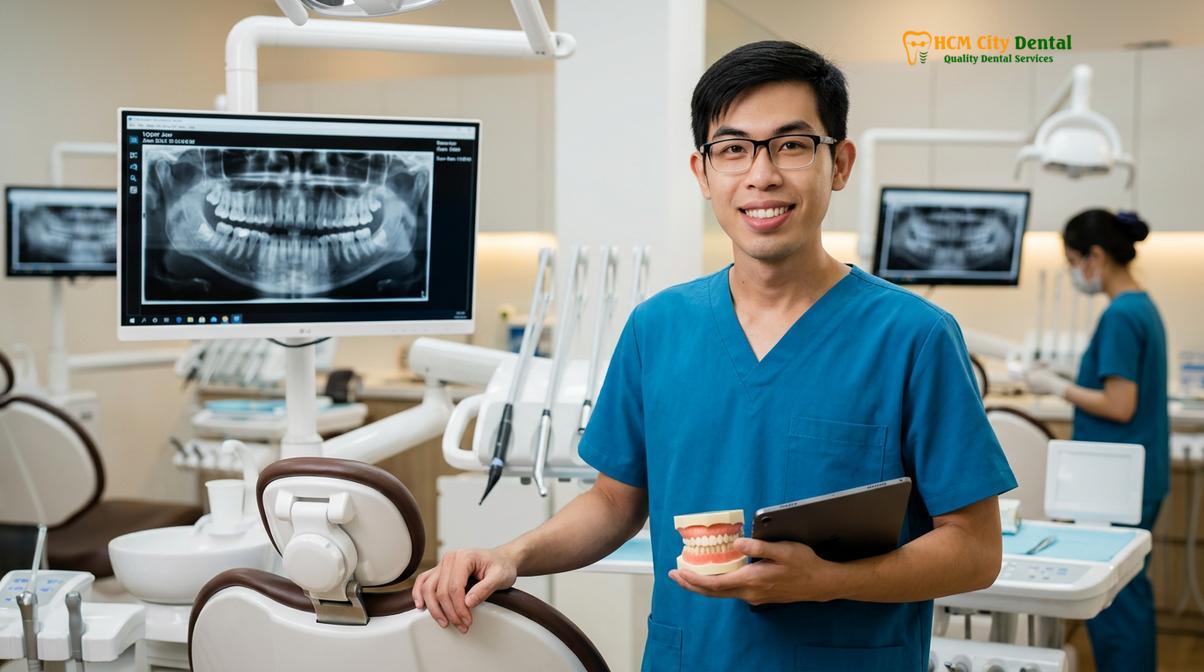
Every treatment method, including root canal therapy and subsequent restorations, has specific indications and potential contraindications based on the individual’s oral health status. A thorough clinical examination is required to determine the most appropriate and predictable course of action for your specific needs.
Frequently Asked Questions
Is it normal to have throbbing pain after a root canal?
Mild to moderate throbbing pain is normal for the first few days as the periapical tissues recover from inflammation. During the procedure, the tissues surrounding the root tip can become irritated by dental instruments or cleaning solutions. This localized inflammatory response increases blood flow, causing a throbbing sensation that should gradually subside with over-the-counter anti-inflammatory medications. If the throbbing becomes severe or disrupts sleep, clinical evaluation is required.
How long should a root canal hurt when biting?
Tenderness when biting typically lasts between three to seven days following the procedure. The periodontal ligament, which acts as a shock absorber for the tooth, becomes inflamed during treatment and requires time to heal. However, if the pain upon biting is sharp, highly localized, or persists beyond a week, it often indicates that the temporary filling is too high and requires a simple occlusal adjustment by your dentist.
Why does my tooth hurt 2 weeks after a root canal?
Pain two weeks post-treatment is not part of the normal healing timeline and requires professional evaluation. This delayed discomfort may indicate a persistent infection, a missed secondary canal, a leaking temporary restoration, or a microscopic crack in the tooth structure. A clinical examination, often involving 3D imaging, is necessary to identify the exact etiology and prevent further complications or potential failure of the endodontic therapy.
Can a root canal fail and cause an infection?
Yes, a root canal can fail if bacteria re-enter the canal system or if complex root anatomy was not fully disinfected. Failure can occur shortly after treatment or years later due to recurrent decay, a compromised dental crown, or structural fractures. Signs of reinfection include recurrent swelling, a pimple on the gums, or persistent pain, which may necessitate endodontic retreatment or an apicoectomy to save the tooth.
What painkiller is best for post-root canal pain?
Non-steroidal anti-inflammatory drugs (NSAIDs), such as ibuprofen, are generally the most effective first-line medications for post-endodontic pain. Because the discomfort is primarily driven by tissue inflammation, NSAIDs target the root cause more effectively than standard analgesics. In cases of moderate to severe pain, dentists may recommend a staggered combination of ibuprofen and acetaminophen, provided there are no medical contraindications for the patient.
References
- Journal of Endodontics. Postoperative pain after endodontic treatment: A systematic review. (2021).
- International Endodontic Journal. Management of acute endodontic emergencies and flare-ups. (2020).
- American Association of Endodontists. Guidelines for the management of traumatic dental injuries. (2022).
- Journal of the American Dental Association. Efficacy of NSAIDs in managing post-endodontic pain. (2019).
- Clinical Oral Investigations. Diagnosis and treatment of vertical root fractures in endodontically treated teeth. (2023).