Dental nerve pain typically presents as a sharp, shooting, or throbbing sensation triggered by temperature changes, originating deep inside the tooth structure. In contrast, gum pain feels like a dull, localized ache accompanied by swelling, redness, or bleeding around the tooth base. Accurate diagnosis dictates the appropriate clinical intervention.
Clinical Summary:
Distinguishing between dental nerve pain and gum pain is a critical first step in addressing oral discomfort. Nerve pain, clinically known as pulpitis, arises from inflammation or infection within the tooth’s inner chamber, often resulting in severe, spontaneous, and temperature-sensitive agony that can radiate across the face. Gum pain, conversely, originates in the periodontium—the soft tissues and ligaments supporting the teeth—and is usually characterized by a dull, continuous ache, localized swelling, and bleeding during oral hygiene routines. Because the anatomical pathways and underlying causes of these two conditions differ vastly, their treatments are entirely distinct. While nerve damage frequently necessitates endodontic therapy (root canals) or extractions, gum issues are managed through periodontal scaling, root planing, and improved hygiene protocols. Misidentifying the source of the pain can lead to delayed treatment and the exacerbation of underlying infections. Therefore, a comprehensive clinical evaluation involving vitality testing, periodontal probing, and radiographic imaging is essential to formulate a precise and effective treatment plan.
Key Takeaways:
- Nerve pain is generally sharp, throbbing, and highly sensitive to hot or cold stimuli.
- Gum pain presents as a dull, localized ache often accompanied by visible redness, swelling, or bleeding.
- Irreversible nerve damage will not heal on its own and requires professional endodontic intervention.
- Gum inflammation is often reversible in its early stages through professional cleanings and rigorous home care.
- Over-the-counter pain relievers offer only temporary symptom management and do not cure the underlying infection.
Anatomy of Dental Pain: Pulp vs Periodontium
Dental pain originates from two distinct anatomical structures: the inner dental pulp containing sensory nerves, and the surrounding periodontium comprising gum tissue and supporting ligaments.
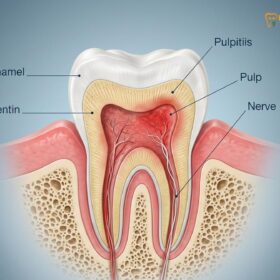
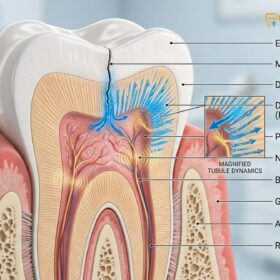
To fully comprehend the nuances of dental nerve pain vs gum pain, one must first understand the complex microanatomy of the oral cavity. A tooth is not a solid block of enamel; it is a highly sophisticated, living organ with multiple layers, each serving a specific biological function and possessing distinct neurological pathways. The outermost layer, the enamel, is the hardest substance in the human body and contains no living cells or nerve endings. Beneath the enamel lies the dentin, a porous, yellowish tissue composed of microscopic tubules. These tubules communicate directly with the innermost chamber of the tooth, known as the dental pulp.
The dental pulp is the vital core of the tooth. It houses a rich network of blood vessels, connective tissues, and highly sensitive nerve fibers. The nerves within the pulp are primarily of two types: A-delta fibers and C fibers. A-delta fibers are myelinated, meaning they transmit signals rapidly. They are responsible for the sharp, piercing pain you feel when a compromised tooth is exposed to cold water or sweet foods. C fibers, on the other hand, are unmyelinated and transmit signals more slowly. When these fibers are activated—usually by deep inflammation or infection—they produce a dull, throbbing, and poorly localized ache that can linger for hours. Because the pulp is encased in rigid dentin walls, any inflammation (pulpitis) causes a rapid increase in internal pressure. This pressure compresses the nerve endings, resulting in excruciating pain that is a hallmark of dental nerve issues[1].
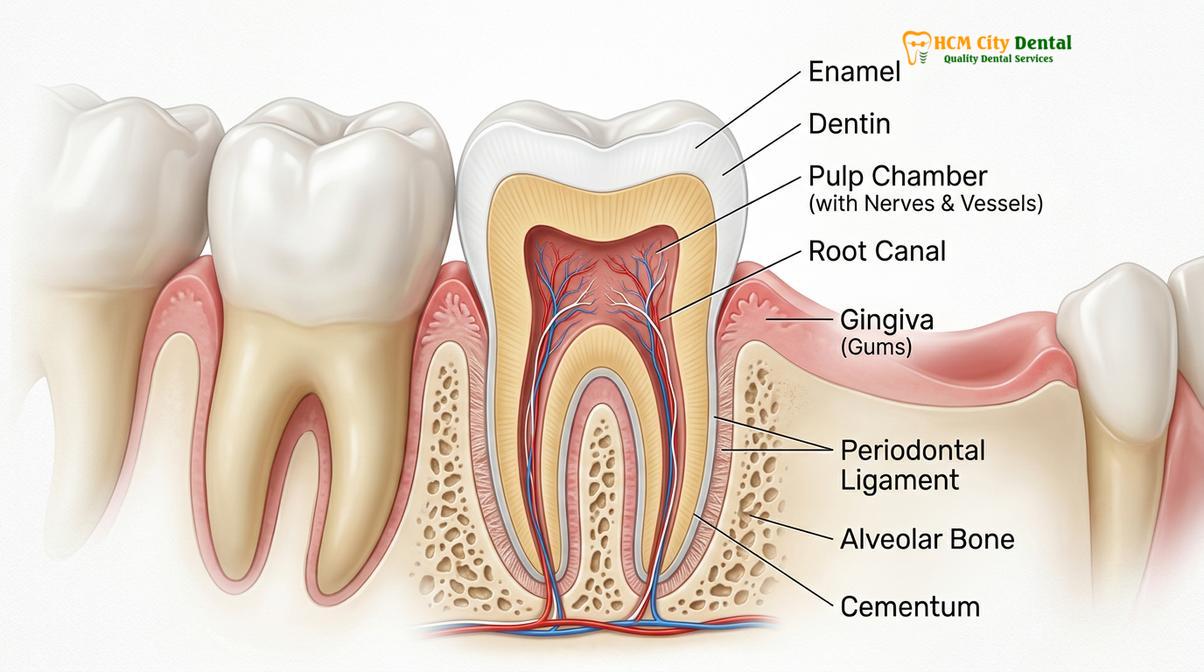
In stark contrast to the closed system of the dental pulp, the periodontium is an open system that supports and anchors the tooth within the jawbone. The periodontium consists of the gingiva (gums), the periodontal ligament (PDL), the cementum (which covers the tooth root), and the alveolar bone. The gingival tissue is rich in blood vessels and has its own distinct nerve supply, which is highly responsive to tactile stimulation, pressure, and chemical irritation from bacterial plaque. The periodontal ligament, a hammock-like structure of connective tissue that suspends the tooth in its socket, is densely populated with proprioceptive nerve endings. These nerves are incredibly precise at detecting pressure and spatial orientation.
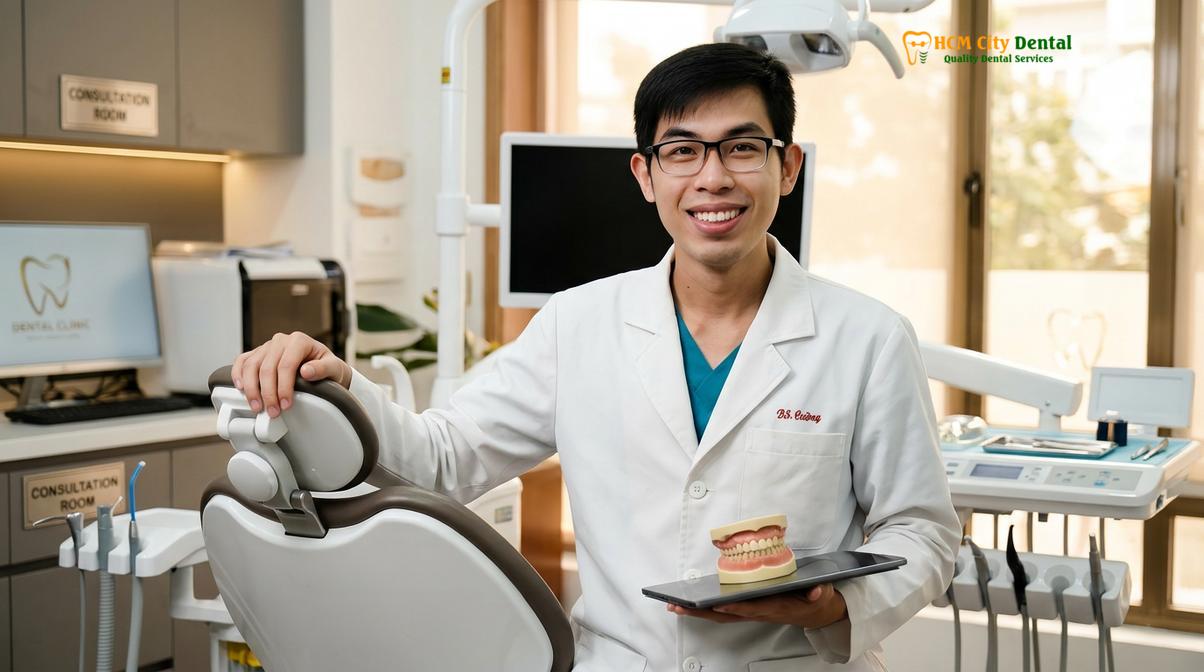
This anatomical difference explains a crucial diagnostic phenomenon. When a patient experiences pure nerve pain originating from the pulp, they often cannot identify exactly which tooth is hurting; the pain may radiate to adjacent teeth, the upper or lower jaw, or even the ear. However, when the pain originates in the periodontal ligament or the gums, the proprioceptive nerves allow the patient to point directly to the offending tooth, especially when biting down. Dr. Nguyen Van Cuong, a leading specialist, frequently emphasizes to his patients that understanding this anatomical distinction is the foundation of accurate clinical diagnostics. By evaluating how the pain behaves—whether it is diffuse and temperature-driven or localized and pressure-driven—clinicians can begin to map the origin of the discomfort before even looking at an X-ray.
Key Symptoms of Dental Nerve Pain (Pulpitis)
Nerve pain is characterized by spontaneous, sharp, or throbbing agony that intensifies with hot or cold stimuli and often radiates across the jaw or face.
Dental nerve pain, clinically referred to as pulpitis, is widely considered one of the most intense forms of pain a human can experience. The symptoms are highly specific and generally follow a predictable progression based on the severity of the pulpal inflammation. Pulpitis is broadly categorized into two stages: reversible and irreversible. Understanding the pulpitis symptoms associated with each stage is vital for determining whether a tooth can be saved with a simple filling or if it requires more invasive endodontic therapy.
Reversible pulpitis is the earliest stage of nerve irritation. It typically occurs when a cavity approaches the pulp, when a tooth sustains a mild physical trauma, or following a deep dental restoration. The primary symptom of reversible pulpitis is a sharp, fleeting pain triggered by a specific stimulus, most commonly cold temperatures or sweet foods. Crucially, in reversible pulpitis, the pain subsides almost immediately (within a few seconds) after the stimulus is removed. The nerve is inflamed, but it retains the capacity to heal if the underlying cause—such as bacterial decay—is promptly removed and the tooth is sealed.
“The transition from reversible to irreversible pulpitis marks a critical threshold in dental pathology. Once the pulpal tissue becomes engorged and begins to necrose due to restricted blood flow within the rigid dentin chamber, spontaneous and lingering pain becomes the dominant clinical feature, necessitating immediate endodontic intervention.”
If left untreated, the inflammation progresses to irreversible pulpitis. At this stage, the bacterial invasion or physical trauma has caused severe, unrecoverable damage to the nerve tissue. The tooth nerve pain signs become dramatically more severe. Patients will experience spontaneous pain—meaning the tooth begins to hurt without any external trigger. The pain is often described as a deep, relentless throbbing that can keep a person awake at night. This nocturnal exacerbation occurs because lying down increases blood pressure in the head, further elevating the pressure inside the inflamed tooth chamber. Furthermore, when exposed to hot or cold stimuli, the pain does not fade quickly; it lingers for minutes or even hours. In some advanced cases of irreversible pulpitis, cold water may actually provide temporary relief by constricting the blood vessels and reducing internal pressure, while heat causes excruciating expansion and pain[2].
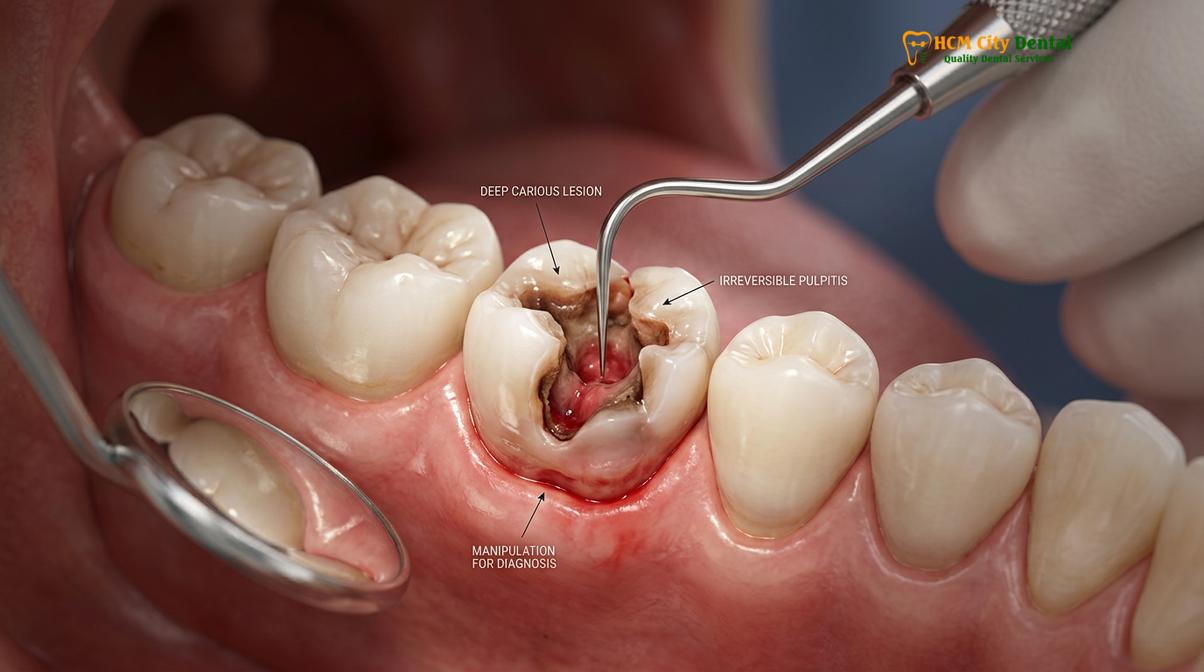
As irreversible pulpitis progresses, the nerve tissue eventually dies (pulpal necrosis). Paradoxically, the sharp, temperature-sensitive pain may suddenly stop, leading the patient to falsely believe the problem has resolved. However, the necrotic tissue and bacteria will soon exit the tip of the tooth root, spreading into the surrounding jawbone and forming a periapical abscess. At this point, the pain returns, but its character changes. It becomes a severe, localized pressure pain that makes the tooth exquisitely tender to touch or chewing. The infection can cause visible facial swelling, fever, and swollen lymph nodes. Recognizing these escalating symptoms is crucial for preventing systemic infection and preserving the structural integrity of the jawbone.
Common Causes and Signs of Gum Pain
Gum discomfort usually stems from bacterial plaque inducing inflammation, leading to localized swelling, bleeding during brushing, and a dull, continuous ache along the gumline.
While nerve pain originates from within the tooth, gum pain is an external issue affecting the soft tissues that surround and support the dentition. The most prevalent among gum pain causes is periodontal disease, a progressive inflammatory condition triggered by the accumulation of bacterial plaque and calculus (tartar) along the gumline. The human mouth harbors hundreds of species of bacteria. When oral hygiene is inadequate, these bacteria form a sticky, colorless biofilm on the teeth. If not removed through daily brushing and flossing, this plaque hardens into calculus, which can only be removed by a dental professional.
The initial stage of gum disease is gingivitis. The signs of gingivitis are often subtle, which is why many patients ignore them until the condition worsens. Healthy gums should be firm, pale pink, and fit snugly around the teeth. In contrast, gingivitis causes the gums to become red, swollen, and tender. The most universally recognized symptom of gingivitis is bleeding gums, particularly when brushing, flossing, or eating hard foods. At this stage, the pain is usually mild—often described as a generalized soreness, itchiness, or a dull ache that is more annoying than debilitating. Because the underlying bone is not yet affected, gingivitis is entirely reversible with professional cleanings and improved home care.
However, if gingivitis is left untreated, the bacterial infection penetrates deeper beneath the gumline, advancing to periodontitis. The toxins produced by the bacteria, combined with the body’s aggressive immune response, begin to break down the periodontal ligament and the alveolar bone that hold the teeth in place. This destruction creates deep “pockets” between the gums and the teeth, which become breeding grounds for anaerobic bacteria. As periodontitis progresses, the gum pain becomes more pronounced. Patients may experience a deep, throbbing ache in the gums, persistent bad breath (halitosis), and a foul taste in the mouth due to the presence of purulent exudate (pus) within the periodontal pockets[3].
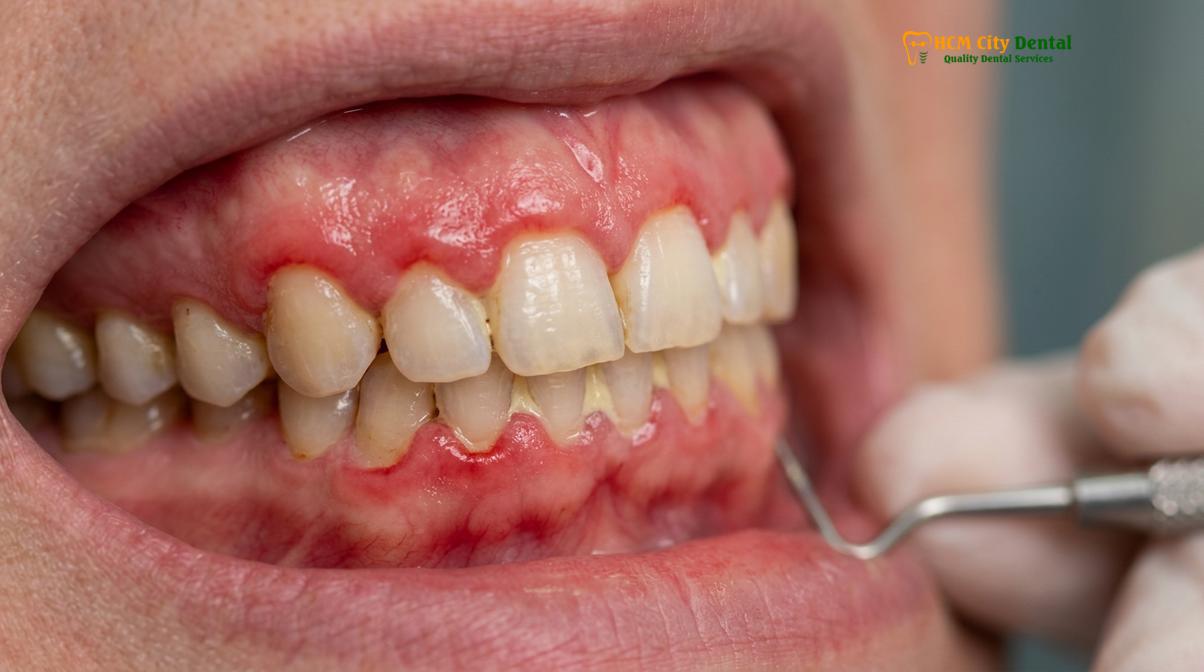
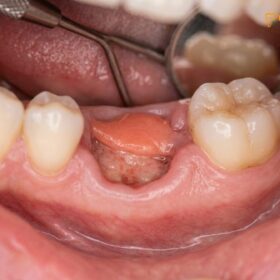
Another common cause of acute gum pain is a periodontal abscess. Unlike a periapical abscess (which originates from a dead tooth nerve), a periodontal abscess occurs when bacteria become trapped deep within a gum pocket, often due to a foreign object like a popcorn hull or a piece of meat getting lodged beneath the gumline. This leads to a rapid, painful swelling of the gum tissue. The area will appear as a red, shiny, fluid-filled bump on the gums that is extremely tender to the touch.
Additionally, non-infectious factors can cause significant gum discomfort. Aggressive brushing with a hard-bristled toothbrush can cause mechanical trauma, leading to gum recession and soreness. Hormonal changes during pregnancy or menopause can increase blood flow to the gums, making them hyper-sensitive and prone to bleeding. Furthermore, systemic conditions such as diabetes or vitamin deficiencies can impair the body’s ability to fight off oral bacteria, exacerbating gum inflammation and pain. Identifying the specific etiology of the gum pain is essential for implementing an effective, targeted treatment strategy.
How to Tell the Difference: A Comparative Guide
Differentiating between the two involves analyzing the pain’s character, location, triggers, and accompanying visual signs like swelling or bleeding.
For patients experiencing oral discomfort, distinguishing between sharp vs dull tooth pain can be confusing, as the sensations can sometimes overlap or occur simultaneously. However, a systematic evaluation of the pain’s characteristics can provide strong clues about its origin. Dental professionals utilize a combination of patient history, symptom analysis, and clinical testing to arrive at a definitive diagnosis. Below is a comprehensive comparative guide to help differentiate between dental nerve pain and gum pain.
| Diagnostic Feature | Dental Nerve Pain (Pulpitis) | Gum Pain (Periodontal Issue) |
|---|---|---|
| Character of Pain | Sharp, shooting, electric, or deep throbbing. | Dull, continuous ache, soreness, or tenderness. |
| Primary Triggers | Hot/cold temperatures, sweet foods, biting pressure (in later stages). | Brushing, flossing, touching the gums, acidic or spicy foods. |
| Duration | Can be fleeting (reversible) or linger for hours (irreversible). | Generally constant, low-grade discomfort that fluctuates with hygiene. |
| Localization | Often difficult to pinpoint; pain may radiate to the jaw, ear, or face. | Easily localized to a specific area of the gums or a specific tooth. |
| Visual Signs | Often no visible signs unless an abscess forms at the root tip (gum boil). | Red, swollen, puffy gums; bleeding; visible tartar buildup; receding gums. |
| Nighttime Exacerbation | Highly common; pain often wakes the patient from sleep. | Less common; pain remains relatively consistent regardless of posture. |
While this table provides a general framework, clinical reality is often more complex. For instance, a patient with severe gum recession may experience sharp, temperature-sensitive pain. This occurs because the receding gums expose the tooth root (dentin), allowing thermal stimuli to reach the nerve more easily. In this scenario, the root cause is a gum issue, but the symptom mimics nerve pain. Similarly, a severe periodontal infection can eventually spread to the apex (tip) of the tooth root, entering the pulp chamber backwards and causing secondary nerve death—a condition known as a perio-endo lesion.
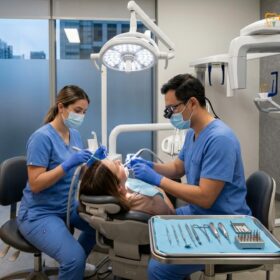
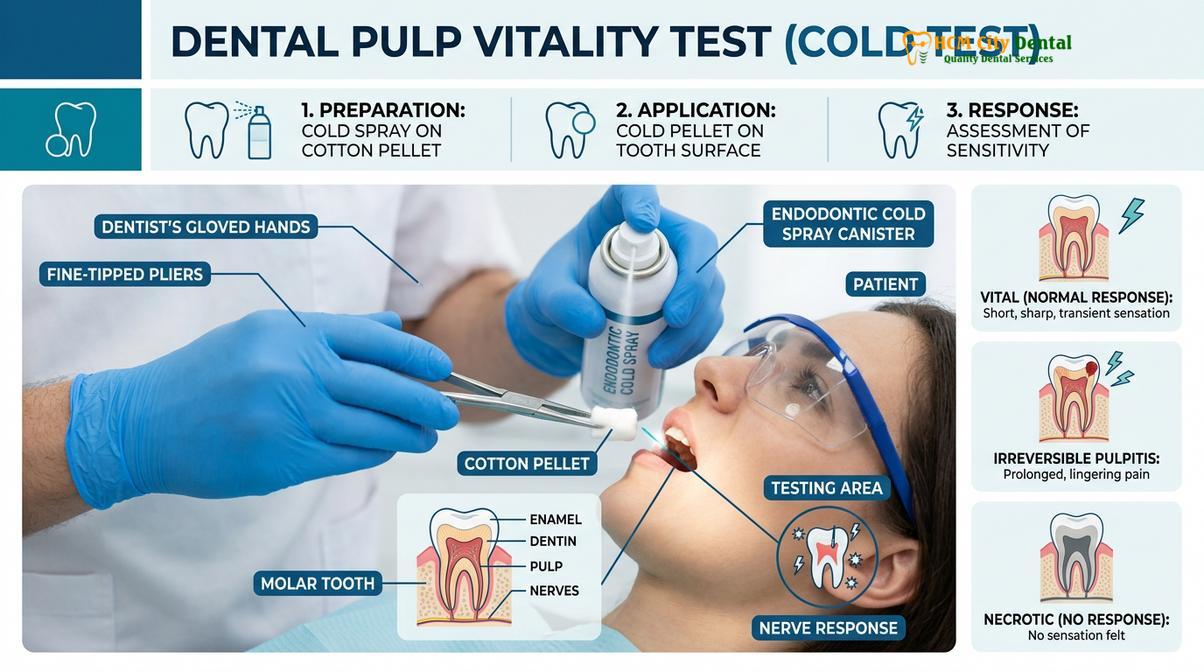
Because of these overlapping presentations, professional diagnostic testing is mandatory. During a clinical examination, a dentist will perform several specific tests. Vitality testing involves applying a cold stimulus (like Endo-Ice) or an electric current to the tooth to evaluate the nerve’s response. A healthy nerve will feel the cold and recover quickly; an irreversibly inflamed nerve will experience lingering, severe pain; a dead nerve will feel nothing at all. Percussion testing involves gently tapping on the teeth with a mirror handle to check for inflammation in the periodontal ligament. Finally, periodontal probing uses a specialized instrument to measure the depth of the pockets between the gums and teeth, assessing the extent of bone loss and active gum infection[4]. Only through this rigorous diagnostic workflow can the true source of the pain be identified.
Professional Treatments for Nerve vs Gum Issues
Nerve damage typically requires endodontic therapy or extraction, whereas gum disease is managed through professional scaling, root planing, and periodontal interventions.
Once a definitive diagnosis is established, the treatment pathways for nerve pain and gum pain diverge completely. Because the biological mechanisms driving the pain are different, applying a gum treatment to a nerve problem—or vice versa—will result in clinical failure and continued patient suffering. Modern dentistry offers highly effective, evidence-based protocols for resolving both types of conditions, aiming to eliminate infection, restore function, and preserve the natural dentition whenever possible.
For dental nerve pain caused by irreversible pulpitis or pulpal necrosis, the standard of care is endodontic therapy, commonly known as a root canal. Despite its intimidating reputation, modern root canal therapy is a routine and highly successful procedure that relieves pain rather than causing it. The workflow begins with profound local anesthesia to ensure patient comfort. The dentist creates a small access opening in the crown of the tooth to reach the pulp chamber. Using specialized micro-instruments, the diseased, inflamed, or necrotic nerve tissue is meticulously removed from the root canals. The hollowed canals are then chemically disinfected, shaped, and filled with a biocompatible material called gutta-percha to seal the space and prevent future bacterial reinfection. Following a root canal, the tooth becomes brittle and typically requires a custom dental crown to restore its structural integrity and chewing capacity. In cases where the tooth is too severely decayed or fractured to be saved, extraction followed by an implant or bridge may be the only viable option.
Clinical Case Study: Mixed Symptomatology
A 45-year-old patient presented to HCMC Dental Clinic in Ho Chi Minh City complaining of severe, radiating pain on the lower right side of their jaw. The patient assumed they needed a root canal due to the intensity of the throbbing pain. Upon examination, Dr. Nguyen Van Cuong noted that the teeth responded normally to cold vitality testing, ruling out irreversible pulpitis. However, periodontal probing revealed a localized 8mm pocket with purulent discharge between two molars, indicating a severe periodontal abscess. The pain was caused by acute pressure buildup in the gum tissue. Dr. Cuong performed localized incision and drainage, followed by deep ultrasonic scaling of the pocket and localized antibiotic placement. The patient’s “nerve pain” resolved entirely within 24 hours without the need for endodontic therapy, highlighting the critical importance of accurate clinical diagnostics.
Conversely, treatments for gum pain focus on eliminating the bacterial biofilm and calculus that drive periodontal inflammation. For early-stage gingivitis, a standard professional prophylaxis (cleaning) combined with improved daily brushing and flossing is usually sufficient to reverse the disease and eliminate the soreness. However, if the condition has advanced to periodontitis, a more intensive procedure known as scaling and root planing (SRP) is required. Often referred to as a “deep cleaning,” SRP involves using ultrasonic scalers and hand curettes to meticulously remove calculus and bacterial toxins from deep beneath the gumline, all the way down to the bottom of the periodontal pockets. The roots of the teeth are then smoothed (planed) to prevent bacteria from easily reattaching and to encourage the gum tissue to heal and reattach to the tooth surface.
In advanced cases of periodontal disease where significant bone loss has occurred, surgical interventions may be necessary. These can include flap surgery to access and clean deep roots, bone grafting to regenerate lost jawbone, or soft tissue grafts to repair receding gums and cover exposed, sensitive root surfaces. For patients requiring comprehensive care, exploring options within General Dentistry provides a foundation for maintaining long-term periodontal health and preventing the recurrence of painful flare-ups.
First Aid Relief for Both Pain Types
Temporary relief involves over-the-counter anti-inflammatory medications, cold compresses for swelling, and warm saltwater rinses to soothe irritated tissues until a dentist can be seen.
When a dental emergency strikes, immediate access to a dental professional is not always possible. In the interim, patients can employ specific first-aid measures to manage their symptoms. It is vital to understand that these home remedies are strictly palliative; they do not cure the underlying infection or reverse tissue damage. They are designed solely to make the patient comfortable enough to sleep or function until they can receive proper clinical care.
For acute dental nerve pain, the primary goal is to manage the deep tissue inflammation that is compressing the nerve endings. Non-steroidal anti-inflammatory drugs (NSAIDs), such as ibuprofen, are generally the most effective over-the-counter option. NSAIDs work by inhibiting the production of prostaglandins, the chemicals responsible for triggering inflammation and pain pathways. Taking the medication on a strict schedule, as directed by the packaging, is more effective than waiting for the pain to become unbearable before taking a dose. Additionally, keeping the head elevated with extra pillows while sleeping can help reduce the blood pressure in the head, thereby minimizing the throbbing sensation associated with pulpitis. If the tooth is highly sensitive to temperature, avoiding hot or cold foods and chewing on the opposite side of the mouth is essential.
Clinical Warning: The Aspirin Burn
A common and dangerous misconception is that placing a crushed aspirin tablet directly against the aching tooth or surrounding gums will provide localized pain relief. Aspirin is acetylsalicylic acid. Placing it directly on the soft tissues will cause a severe chemical burn, resulting in a painful, white, sloughing ulcer on the gums that significantly worsens the patient’s overall discomfort. Pain medications must always be swallowed to work systemically.
For gum pain, the focus shifts to soothing the external soft tissues and reducing localized bacterial loads. Warm saltwater rinses are highly effective for this purpose. Salt acts as a natural osmotic agent, drawing excess fluid out of the swollen gum tissues and reducing pressure. It also creates a temporary alkaline environment that inhibits bacterial growth. Dissolve half a teaspoon of salt in a glass of warm water and swish gently for 30 seconds, repeating several times a day. If the gums are bleeding, it is crucial not to stop brushing; instead, switch to an ultra-soft bristled toothbrush and clean the area gently to continue disrupting the bacterial plaque without causing further mechanical trauma. For localized swelling on the face or jaw associated with either a gum abscess or a nerve infection, applying a cold compress to the outside of the cheek in 15-minute intervals can help reduce edema and numb the area[5].
“Home remedies and over-the-counter analgesics serve merely as a bridge to professional care. Masking the pain of a dental infection without addressing the source allows the bacteria to proliferate, potentially leading to systemic complications, severe bone loss, or compromised airways.”
When to See a Doctor
Immediate professional evaluation is required if dental pain is accompanied by facial swelling, fever, difficulty swallowing, or if the pain becomes unrelenting and unresponsive to medication.
While minor gum soreness from aggressive brushing may resolve on its own within a few days, true dental nerve pain or deep periodontal infections require prompt medical attention. Delaying treatment not only prolongs suffering but also increases the risk of severe complications. Dental infections do not remain confined to the mouth; the bacteria can easily enter the bloodstream or spread through the fascial spaces of the head and neck.
You should seek immediate emergency dental care if you experience any “red flag” symptoms. These include visible swelling of the face, cheek, or jaw, which indicates that an infection has breached the confines of the tooth or gums and is spreading into the surrounding soft tissues. A fever, chills, or a general feeling of malaise accompanying a toothache suggests a systemic inflammatory response. Most critically, if swelling begins to affect the floor of the mouth, causing difficulty swallowing, speaking, or breathing, this is a life-threatening medical emergency (such as Ludwig’s angina) that requires immediate intervention, potentially at a hospital emergency room. For comprehensive evaluation and rapid intervention, patients should seek care through specialized emergency dentistry services to prevent irreversible damage and systemic spread.
Frequently Asked Questions
How do I know if my tooth pain is nerve or gum?
Nerve pain is typically sharp, triggered by temperature, and originates inside the tooth, while gum pain is a dull, localized ache accompanied by swelling or bleeding. A clinical examination using vitality testing and periodontal probing is required to confirm the exact source of the discomfort. Nerve pain often radiates and worsens at night, whereas gum pain is usually constant and localized to the soft tissues surrounding the teeth.
What does tooth nerve pain feel like?
Tooth nerve pain feels like a sudden, sharp, shooting, or throbbing sensation that often worsens at night or when exposed to hot and cold stimuli. It can radiate across the jaw, face, or ear, making it difficult to pinpoint the exact tooth responsible for the agony. In advanced stages of irreversible pulpitis, the pain can become spontaneous, occurring without any external triggers and lingering for extended periods.
Does nerve pain in a tooth go away on its own?
No, true nerve pain caused by irreversible pulpitis or infection will not heal on its own because the dental pulp cannot regenerate once severely damaged. While the pain may temporarily stop if the nerve dies, the underlying infection will continue to spread into the jawbone. This temporary cessation of pain is often a dangerous false signal, as the necrotic tissue will eventually cause a periapical abscess and severe bone destruction.
How do you relieve gum pain vs tooth nerve pain?
Gum pain is best relieved with warm saltwater rinses and gentle brushing to reduce inflammation, whereas nerve pain requires systemic anti-inflammatory medications like ibuprofen to manage the deep tissue swelling. Both methods are strictly temporary and require professional dental intervention for a permanent cure. Applying cold compresses to the outside of the face can also help manage swelling associated with either condition.
When does nerve pain require a root canal?
A root canal is required when the dental pulp becomes irreversibly inflamed or infected, leading to spontaneous, lingering pain or an abscess. This procedure removes the diseased nerve tissue, sanitizes the inner canals, and seals the tooth to prevent further bacterial invasion and tooth loss. If the nerve damage is only in the reversible stage, a simple filling to remove the decay may be sufficient to allow the nerve to heal.
References
- Journal of Endodontics. Diagnostic accuracy of pulpal and periapical tests. (2021).
- Journal of Periodontology. Pathogenesis of periodontal diseases and pain mechanisms. (2020).
- American Dental Association (ADA). Clinical guidelines on managing acute dental pain. (2022).
- International Endodontic Journal. The neurobiology of pulpal pain and inflammation. (2019).
- British Dental Journal. Differentiating odontogenic from non-odontogenic facial pain. (2018).