A dental first aid kit travel setup is a specialized collection of clinical supplies designed to temporarily manage oral emergencies, such as severe toothaches, lost fillings, or broken crowns, while away from home. Packing these essential items can help provide immediate pain relief and prevent further structural damage until professional care is accessible.
Clinical Summary:
Dental emergencies frequently occur during travel due to barometric pressure changes, dietary shifts, or unexpected trauma. A well-equipped travel dental kit serves as a critical bridge between the onset of acute oral symptoms and definitive professional treatment. By carrying specialized items such as zinc oxide-based temporary cements, topical anesthetics, systemic analgesics, and sterile isolation materials, travelers can effectively stabilize compromised teeth, manage pulpal inflammation, and control localized bleeding. Clinical experts emphasize that while these kits are indispensable for immediate symptom mitigation, they do not replace the need for comprehensive diagnostic imaging and restorative procedures. Proper application of these emergency supplies requires strict adherence to moisture control and infection prevention protocols to ensure optimal temporary outcomes.
Key Takeaways:
- A dedicated dental kit helps prevent minor oral traumas from escalating into severe infections while traveling.
- Zinc oxide eugenol (ZOE) cements are essential for temporarily sealing lost fillings and soothing inflamed dental pulp.
- Systemic NSAIDs combined with topical benzocaine typically provide the most effective multi-modal pain relief for acute toothaches.
- Proper moisture isolation using cotton rolls is mandatory before applying any temporary restorative material.
- Emergency supplies offer temporary stabilization; immediate professional evaluation remains necessary upon reaching your destination.
Why You Need a Travel Dental First Aid Kit
Carrying a dedicated dental kit during travel mitigates the risk of minor oral issues escalating into severe infections or irreversible structural damage when immediate clinical care is unavailable.
Oral health emergencies are notoriously unpredictable and can rapidly compromise the enjoyment and safety of any journey. The necessity of a travel dental kit becomes acutely apparent when considering the unique environmental and physiological stressors associated with transit[1]. One of the most common phenomena experienced by travelers is barodontalgia, a condition where changes in ambient barometric pressure—such as those occurring during commercial flights or scuba diving—cause expansion or contraction of trapped gases within a compromised tooth[4]. If a patient has a microscopic void beneath an existing amalgam or composite restoration, the pressure differential can trigger excruciating pulpal pain. Having immediate access to an emergency tooth kit allows for the rapid management of this discomfort until the underlying structural defect can be professionally addressed.
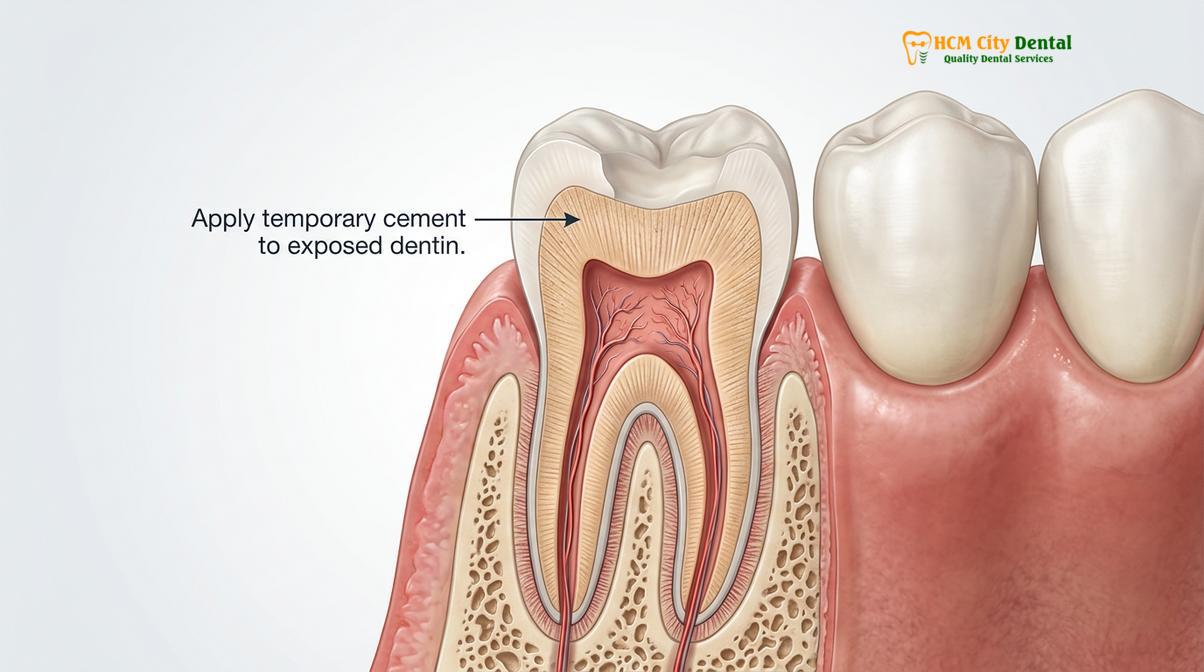
Furthermore, travel often introduces significant dietary changes. The consumption of unusually hard, sticky, or highly acidic regional foods increases the biomechanical stress placed on existing dental prosthetics, such as crowns, veneers, and bridges. A sudden fracture of a cusp or the dislodgement of a permanent restoration exposes the underlying dentinal tubules to thermal and chemical stimuli, resulting in acute hypersensitivity. Without the means to temporarily seal this exposure, the patient is left vulnerable to bacterial microleakage, which can rapidly progress to irreversible pulpitis or localized abscess formation.
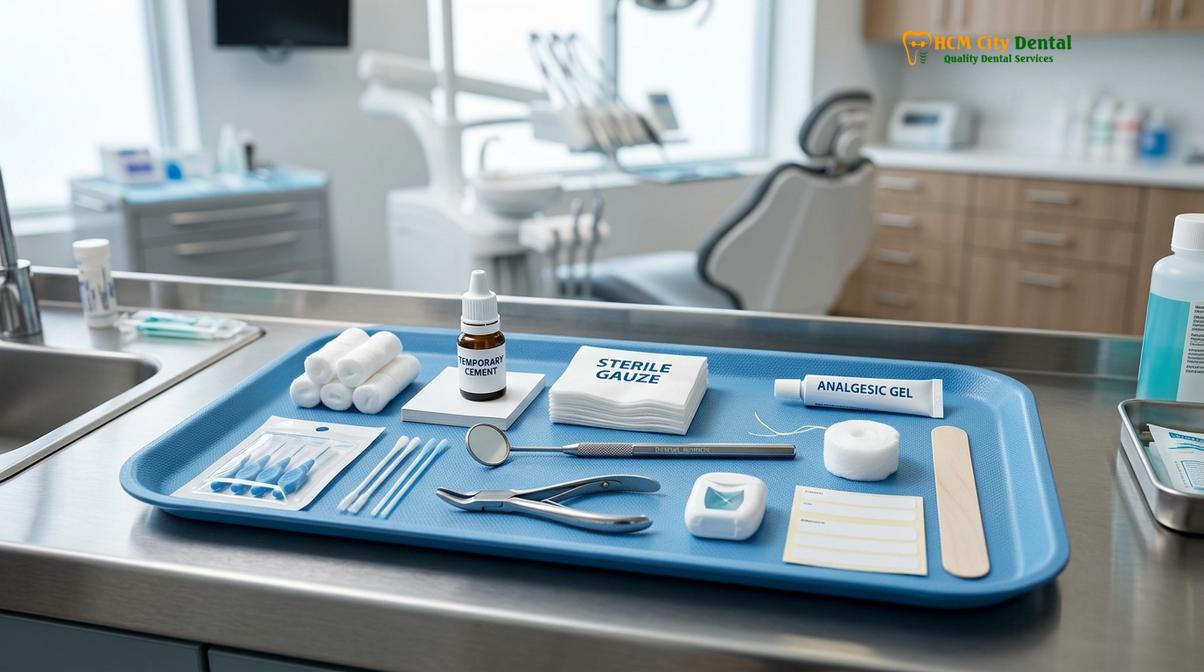
“The primary objective of emergency dental supplies is not to cure the underlying pathology, but to stabilize the oral environment. By sealing exposed dentin and managing inflammation within the first few hours of an incident, we significantly improve the prognosis for the definitive restorative treatment once the patient reaches the clinic.”
Beyond structural failures, soft tissue trauma is a frequent occurrence during active vacations. Accidental falls, sports-related impacts, or even aggressive mastication can result in lacerations to the buccal mucosa, tongue, or gingival tissues. A well-prepared kit provides the sterile gauze and hemostatic agents necessary to control hemorrhage and prevent secondary infections in these highly vascularized areas. Ultimately, the proactive assembly of these supplies transforms a potentially trip-ruining medical crisis into a manageable inconvenience, providing peace of mind and a clear protocol for action.
? Need urgent dental help in Ho Chi Minh City? Visit our Emergency Dentistry Hub for same-day appointments, 24/7 WhatsApp support, and comprehensive emergency dental services.
Essential Items to Pack in Your Dental Kit
A comprehensive kit must include temporary restorative materials, topical anesthetics, sterile isolation tools, and diagnostic aids to effectively stabilize sudden oral trauma.
When determining what to pack, dental emergency situations demand that supplies be categorized based on their clinical function: diagnostics, isolation, therapeutics, and temporary restoration. A haphazardly assembled bag of generic first aid items is insufficient for the specific micro-environment of the oral cavity. The materials must be capable of functioning in a moist, bacteria-rich environment while remaining biocompatible with delicate mucosal tissues.
Diagnostic and Isolation Tools: The foundation of any effective intervention is visibility and moisture control. A small, shatterproof dental mirror and a high-intensity penlight are indispensable for locating the exact source of pain or identifying the margins of a fractured tooth. Because the oral cavity is continuously bathed in saliva, applying any temporary cement or medication requires strict isolation. Braided cotton rolls and sterile woven gauze pads are essential for retracting the buccal mucosa and absorbing salivary flow, ensuring a dry working field.
Therapeutic Agents: Pain management is usually the most pressing concern for a patient experiencing a dental crisis. Systemic analgesics, specifically non-steroidal anti-inflammatory drugs (NSAIDs) like ibuprofen, are critical for downregulating the prostaglandin cascade responsible for pulpal inflammation. In addition to systemic relief, topical anesthetics containing 20% benzocaine provide rapid, localized numbing of the gingival tissues. Saline packets, which can be reconstituted with bottled water, offer a safe, isotonic solution for irrigating wounds and flushing out trapped food debris without causing cellular lysis.
| Item Category | Specific Supply | Clinical Purpose | Storage & Shelf-Life Notes |
|---|---|---|---|
| Restorative | Zinc Oxide Temporary Cement | Seals lost fillings; recements dislodged crowns temporarily. | Keep tightly sealed; hardens upon exposure to ambient moisture. |
| Therapeutic | 20% Benzocaine Gel | Provides rapid topical anesthesia to mucosal and gingival lesions. | Check expiration dates; efficacy degrades in extreme heat. |
| Isolation | Sterile Gauze & Cotton Rolls | Controls hemorrhage; maintains a dry field for cement application. | Must remain in sealed, sterile packaging until immediate use. |
| Orthodontic | Dental Wax / Silicone | Creates a smooth barrier over sharp wires or fractured cusps. | Store in a cool environment to prevent melting. |
| Diagnostic | Dental Mirror & Penlight | Allows visualization of posterior teeth and hidden fractures. | Ensure batteries are removed during long-term storage to prevent leakage. |
Temporary Fillings and Crown Cements: Safe DIY Use
Using over-the-counter temporary cements can safely protect exposed dentin and stabilize loose crowns, provided the tooth is properly cleaned and isolated before application.
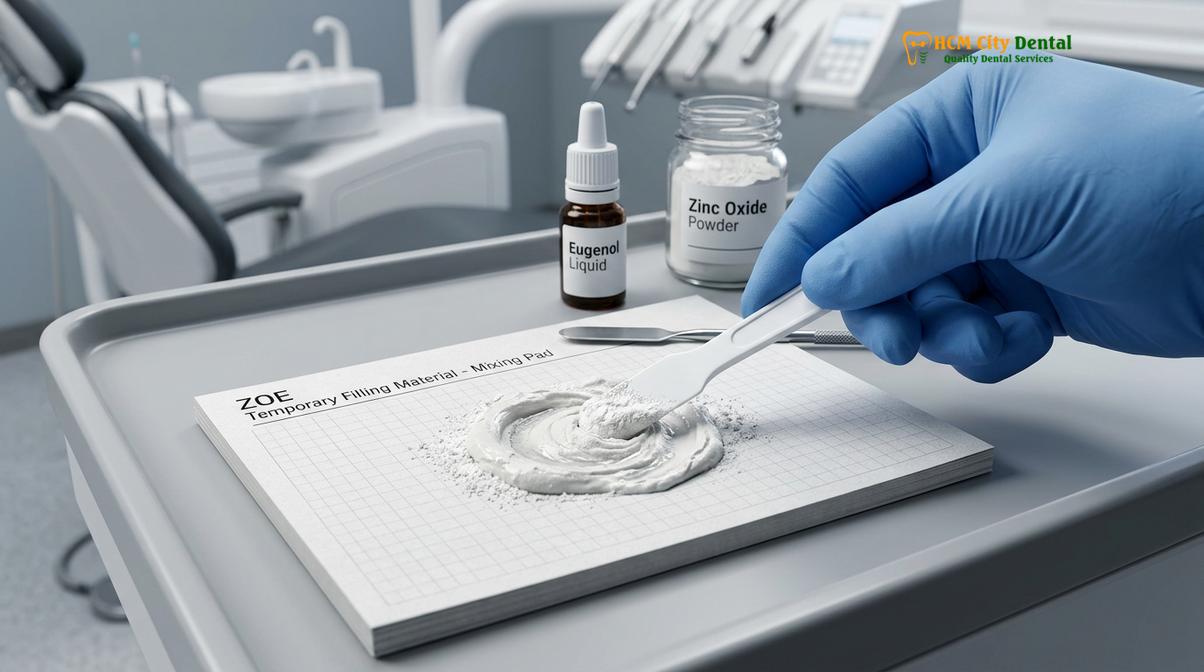
The cornerstone of any dental supplies travel kit is the temporary filling material. These over-the-counter cements are typically formulated with zinc oxide and eugenol (ZOE). Eugenol, derived from clove oil, possesses unique obtundent properties that actively soothe the inflamed dental pulp while the zinc oxide matrix provides a physical barrier against thermal shock and bacterial ingress[2]. When a filling falls out or a crown becomes dislodged, the underlying dentin is exposed to the oral environment, leading to severe sensitivity and a high risk of rapid decay.
Safe DIY use of these materials requires understanding their limitations. Temporary cements are designed to be soft enough for a dentist to easily remove later, meaning they will not withstand heavy chewing forces. When recementing a crown, it is crucial to ensure the inside of the crown and the underlying tooth structure are completely free of old cement debris and food particles. Applying new cement over debris will prevent the crown from seating fully, altering your bite and potentially causing trauma to the opposing teeth.
How to Use Travel Dental Kit Items Correctly
Proper application of emergency dental supplies relies heavily on maintaining a dry working field and following strict hygiene protocols to prevent secondary infections.
Having the right tools is only half the battle; knowing how to deploy them effectively is what saves a tooth. The most common mistake travelers make when using a dental first aid kit travel setup is failing to control moisture. Saliva is the enemy of temporary dental adhesives. Before applying any cement or wax, you must isolate the area. Place a cotton roll between the cheek and the affected tooth, and another on the tongue side if working on the lower jaw. Use sterile gauze to gently dry the tooth surface.
Once the area is dry, scoop a small amount of the temporary filling material using the provided applicator. Roll it into a small ball with clean fingers, place it into the cavity, and bite down gently on a piece of damp gauze to contour the material to your natural bite. For orthodontic wax, pinch off a pea-sized amount, roll it between your fingers to warm it, and press it firmly over the offending wire or bracket. Always wash your hands thoroughly with soap and water before and after any intraoral intervention to minimize the introduction of foreign pathogens.
Over-the-Counter Toothache Relief to Carry
Effective pain management requires a combination of systemic NSAIDs to reduce pulpal inflammation and topical benzocaine gels to numb localized gingival or mucosal pain.
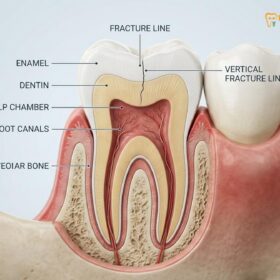
Managing acute dental pain while traveling requires a nuanced understanding of the underlying pathophysiology. Dental pain is rarely a simple surface irritation; it is most often the result of profound inflammation within the confined, rigid space of the pulp chamber. When bacteria penetrate the enamel and dentin, the pulpal tissue undergoes vasodilation and edema. Because the tooth cannot expand to accommodate this swelling, the internal pressure rises dramatically, compressing the delicate nerve fibers and resulting in severe, throbbing pain. Therefore, the pharmacological approach must target both the central perception of pain and the localized inflammatory response.
Systemic analgesics are the first line of defense. Non-steroidal anti-inflammatory drugs (NSAIDs), such as ibuprofen, are generally considered superior to acetaminophen for odontogenic pain because they actively inhibit the cyclooxygenase (COX) enzymes responsible for synthesizing pro-inflammatory prostaglandins[5]. By reducing the localized edema within the pulp chamber, NSAIDs address the root cause of the pressure-induced pain. For severe pain, clinical guidelines often suggest a staggered regimen of ibuprofen and acetaminophen, utilizing their different mechanisms of action to achieve a synergistic analgesic effect without exceeding the maximum daily toxicity thresholds for either medication.
While systemic medications take 30 to 60 minutes to reach therapeutic blood levels, topical agents provide immediate, albeit transient, relief. Benzocaine-based gels (typically in 10% to 20% concentrations) work by temporarily blocking voltage-gated sodium channels in the peripheral nerve endings, preventing the transmission of pain signals to the brain. These gels are highly effective for soft tissue injuries, such as aphthous ulcers, denture sores, or gingival abrasions. However, it is a common clinical misconception that topical gels can cure a toothache caused by deep decay; the gel cannot penetrate the calcified enamel or dentin to reach the inflamed pulp.
Managing Knocked-Out Teeth and Severe Trauma
Avulsed teeth require immediate action; preserving the tooth in a suitable medium like milk or saline is critical for successful replantation.
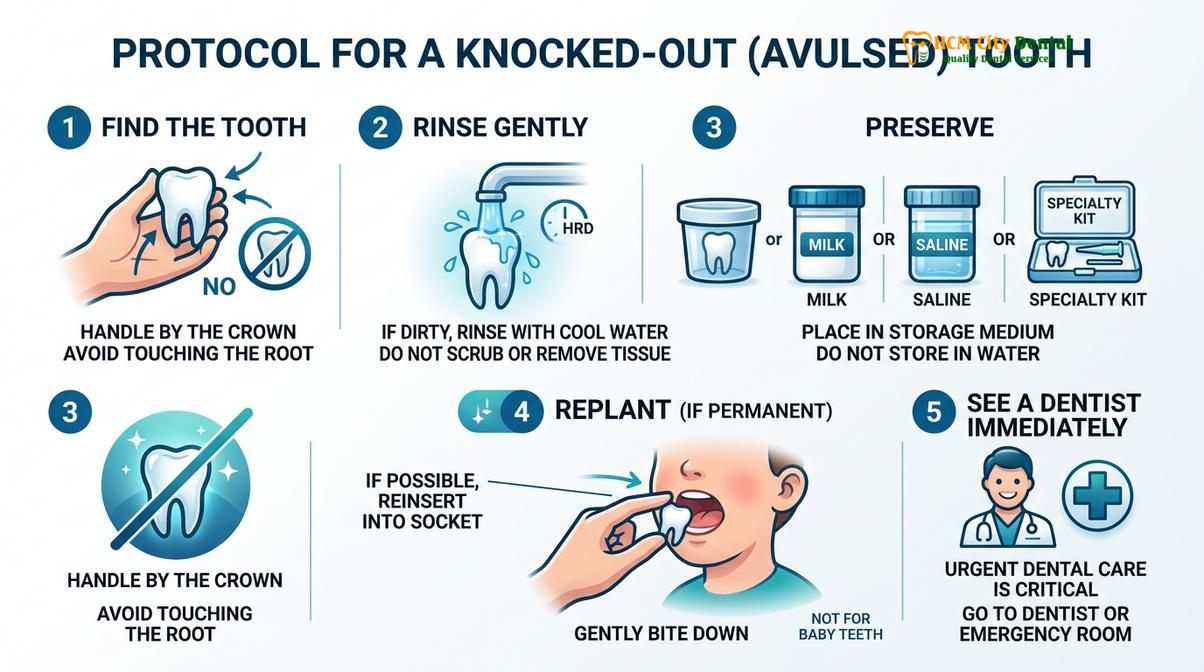
One of the most severe dental emergencies a traveler can face is the complete avulsion (knocking out) of a permanent tooth. Time is the most critical factor in these scenarios. If a tooth is knocked out, it should be picked up by the crown (the chewing surface), never by the root, to avoid damaging the delicate periodontal ligament cells. If the tooth is visibly soiled, it can be gently rinsed with cold milk or sterile saline from your travel kit—never scrubbed or washed with soap.
The ideal protocol is to immediately reimplant the tooth into its socket and have the patient bite down on sterile gauze to hold it in place. If immediate replantation is not possible, the tooth must be kept moist to maintain cellular viability. Storing the tooth in a container of cold milk or a specialized balanced salt solution (often included in premium dental first aid kits) significantly improves the chances of replantation success[3]. Storing the tooth in plain water is contraindicated, as the hypotonic environment will cause the root surface cells to swell and burst.
When to Seek Immediate Professional Care
While a travel kit provides temporary stabilization, certain symptoms indicate a severe infection or structural failure that requires urgent clinical intervention.
It is vital to recognize the limitations of a DIY dental kit. Temporary cements and over-the-counter analgesics are designed to buy time, not to serve as definitive treatments. According to general clinical guidelines, which align with recommendations from the Vietnam Ministry of Health (BYT) regarding antimicrobial stewardship, patients should never self-medicate with unprescribed antibiotics. Relying solely on painkillers while ignoring an underlying infection can lead to severe systemic complications.
Urgent Warning Signs: If you experience rapid facial swelling, difficulty swallowing, a high fever, or active purulent discharge (pus) from the gums, these are signs of a spreading fascial space infection. You must abandon temporary measures and seek emergency medical or dental care immediately, as these infections can become life-threatening if left untreated.
Additionally, if a tooth is fractured below the gumline or if a temporary filling repeatedly falls out, professional adhesive dentistry is required. Attempting to continuously reapply temporary cement to a heavily compromised tooth can trap bacteria and accelerate decay beneath the gum tissues.
Sourcing Dental Supplies Abroad in Vietnam
While basic analgesics and saline are widely available in Vietnamese pharmacies, specialized temporary cements may be scarce, making it crucial to pack them or visit a local clinic for immediate stabilization.
Traveling internationally introduces unique logistical challenges when a medical emergency arises. For expatriates and tourists visiting Southeast Asia, understanding the local healthcare landscape is vital. In Vietnam, the pharmacy system is highly accessible, with apothecaries located on nearly every street corner in major urban centers. Basic therapeutic components of a dental first aid kit travel setup, such as ibuprofen, paracetamol, and sterile saline, can be purchased over the counter without a prescription at very reasonable costs.
However, sourcing specialized dental materials presents a significant hurdle. Over-the-counter temporary filling materials, zinc oxide eugenol cements, and orthodontic wax are not commonly stocked in standard Vietnamese pharmacies. These items are typically distributed exclusively through professional dental supply companies directly to licensed clinics. Therefore, a traveler who loses a filling or breaks a crown in the middle of their trip may find it nearly impossible to purchase a DIY repair kit locally. This scarcity underscores the absolute necessity of packing these specific items before departing your home country.
Clinical Case Review: An international tourist visiting HCMC Dental Clinic (Ho Chi Minh City) experienced the sudden dislodgement of an anterior porcelain veneer while dining. Unable to locate temporary dental cement at local pharmacies, the patient experienced severe thermal sensitivity and aesthetic distress. They promptly visited the clinic for immediate stabilization. The clinical team successfully rebonded the veneer using professional adhesive protocols, highlighting the importance of seeking definitive care when DIY travel supplies are unavailable.
Dr. Nguyen Van Cuong, a leading clinician, emphasizes the importance of travel preparedness for all patients. He frequently advises travelers on how to safely stabilize oral injuries using a well-stocked emergency kit before they can reach a professional facility. His clinical expertise ensures that patients receive optimal restorative care once they arrive at the clinic, seamlessly transitioning from temporary first aid to permanent solutions.
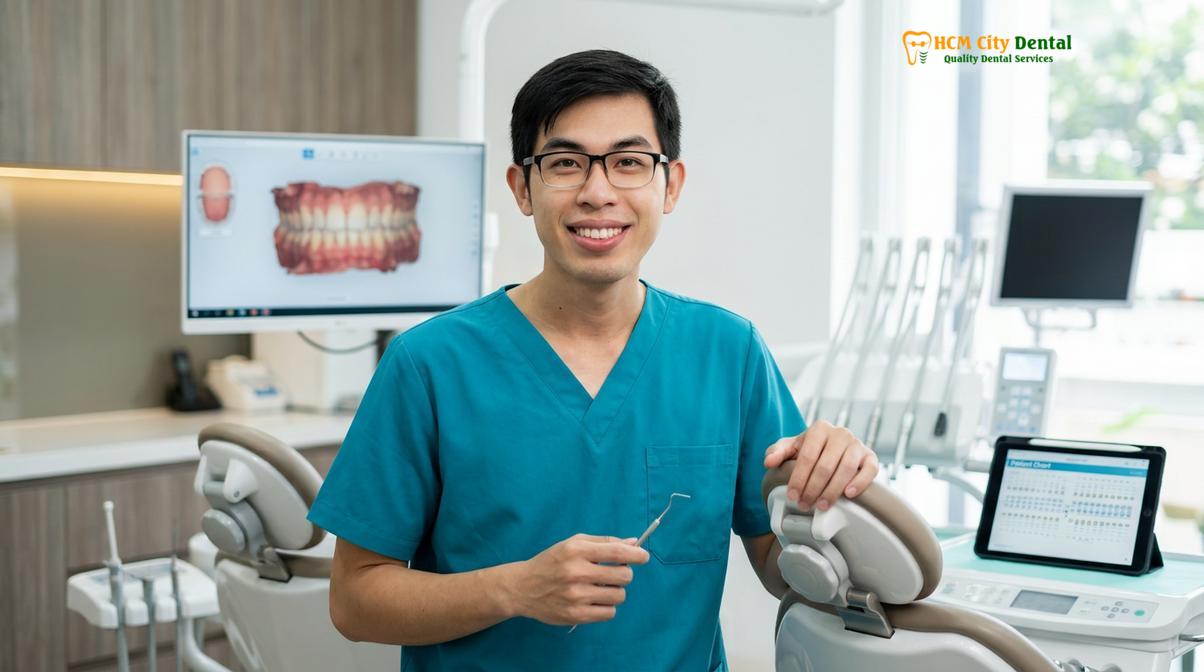
“While temporary cements are excellent for transit, they lack the marginal seal required for long-term success. We always advise patients to seek professional evaluation as soon as their itinerary permits to prevent microleakage and secondary decay.”
If you experience a dental emergency while traveling in Vietnam, do not rely indefinitely on temporary measures. For comprehensive evaluation and definitive restorative treatments, explore our General Dentistry tại HCMC Dental Clinic services. Our team in Ho Chi Minh City is fully equipped to replace lost restorations, manage acute pain, and ensure your oral health remains optimal throughout your journey.
References
- Journal of the American Dental Association. Management of dental emergencies during travel.
- International Endodontic Journal. Efficacy of zinc oxide eugenol in temporary restorations.
- Journal of Oral and Maxillofacial Surgery. Pre-hospital management of avulsed teeth.
- British Dental Journal. Barodontalgia and aviation dentistry considerations.
- Clinical Oral Investigations. Pharmacological management of acute pulpitis.