A broken tooth vietnam emergency requires immediate clinical evaluation to prevent bacterial infection and irreversible nerve damage. If you experience sudden dental trauma, rinse your mouth with warm water, apply a cold compress to manage swelling, and seek professional care promptly. Modern clinics in Ho Chi Minh City offer advanced, same-day restorations to stabilize the fracture and restore your smile’s function.
Clinical Summary:
Managing a broken tooth vietnam emergency involves a rapid, systematic assessment of the fracture’s depth, potential pulpal involvement, and surrounding periodontal health. Immediate first aid minimizes bacterial ingress and soft tissue damage, while definitive clinical treatments range from minimally invasive direct composite bonding to full-coverage CAD/CAM ceramic crowns. Prompt intervention at a qualified dental facility ensures optimal functional recovery, preserves remaining tooth structure, and significantly mitigates the risk of irreversible pulpitis or subsequent tooth loss.
Key Takeaways:
- Immediate first aid includes gentle rinsing, cold compresses, and preserving any large tooth fragments in milk or saline.
- The depth of the fracture dictates the clinical approach: enamel-only chips may require simple bonding, while pulpal exposure necessitates endodontic therapy.
- Same-day ceramic restorations are widely available in Ho Chi Minh City utilizing advanced digital milling technology.
- Delaying professional treatment exponentially increases the risk of bacterial infection and complex restorative needs.
- Dental care in Vietnam provides highly competitive pricing while utilizing premium, internationally recognized materials.
First Aid: What to Do Immediately
Immediate first aid for a broken tooth involves gently rinsing the mouth, controlling any bleeding, recovering the tooth fragment if possible, and seeking urgent dental care to prevent infection.
Experiencing a dental trauma can be highly distressing, especially when traveling or living abroad. The immediate moments following the injury are critical for pain management and preserving the viability of the remaining tooth structure. If you suffer a broken tooth saigon, your first priority is to remain calm and assess the oral cavity for any severe bleeding or concurrent soft tissue lacerations.
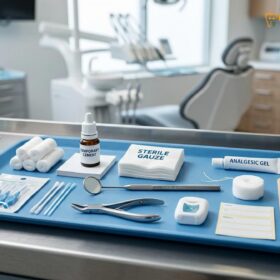
Begin by gently rinsing your mouth with warm water. This helps clear away blood, debris, and any small, unrecoverable tooth fragments that could pose a choking hazard. If the trauma has caused bleeding from the gums or the tooth socket, apply firm but gentle pressure using a clean piece of sterile gauze or a moistened tea bag. The tannic acid in tea can act as a mild astringent to help promote hemostasis. Externally, apply a cold compress to the cheek or lips adjacent to the injury; this causes vasoconstriction, which significantly reduces localized swelling and provides a degree of topical pain relief.
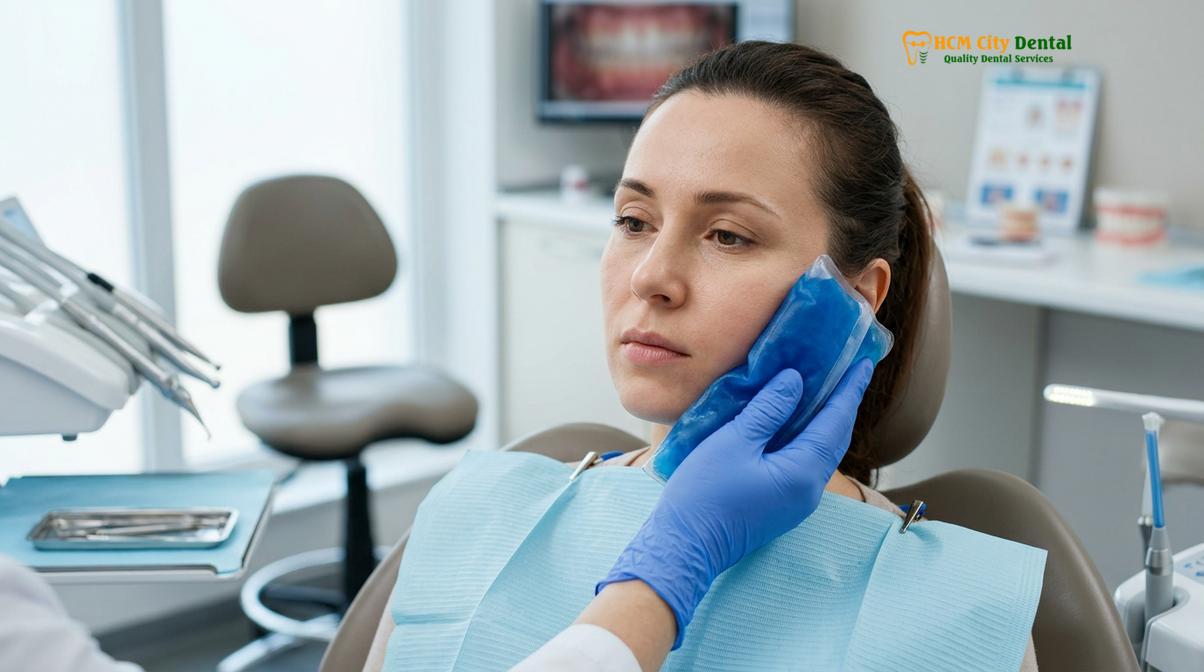
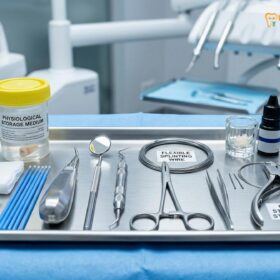
If you can locate the broken fragment of the tooth, handle it with extreme care. Pick it up by the enamel (the chewing surface) rather than the internal dentin or root surface. Rinse it very gently under cold water without scrubbing, as scrubbing can damage delicate microscopic structures. Place the fragment in a small container filled with milk, sterile saline, or your own saliva. In some clinical scenarios, a dentist can use advanced adhesive resin protocols to reattach the natural fragment, providing a highly aesthetic and conservative repair[1].
For pain management, over-the-counter non-steroidal anti-inflammatory drugs (NSAIDs) such as ibuprofen are generally recommended, provided you have no medical contraindications. Avoid placing aspirin directly against the gums or the broken tooth, as its acidic nature can cause severe chemical burns to the delicate oral mucosa. If the broken edge is exceptionally sharp and irritating your tongue or cheek, you can cover it temporarily with orthodontic wax or a piece of sugar-free chewing gum until you can reach a clinic for urgent dental care services.
Types of Tooth Fractures Explained
Tooth fractures are clinically categorized by their depth and severity, ranging from superficial enamel craze lines to complex vertical root fractures that may necessitate extraction.
Not all broken teeth are identical; the structural damage can vary immensely depending on the force and angle of the impact. Dental professionals utilize specific diagnostic criteria to classify fractures, which directly informs the subsequent treatment protocol. Understanding these classifications helps clarify why a cracked tooth hcmc might require a simple filling in one instance, but a complex root canal in another.
Craze Lines: These are microscopic, superficial cracks that affect only the outer enamel layer of the tooth. They are incredibly common in adult dentition and rarely cause pain or require immediate treatment. Craze lines are primarily an aesthetic concern and do not compromise the structural integrity of the tooth.
Fractured Cusp: The cusps are the pointed, chewing surfaces of the posterior teeth (molars and premolars). A fractured cusp typically occurs when a tooth has been weakened by a large, pre-existing filling. The break usually involves both the enamel and the underlying dentin but frequently spares the inner dental pulp. Patients may experience sharp pain when biting down or releasing bite pressure, a phenomenon explained by the hydrodynamic theory of dentin hypersensitivity[2].
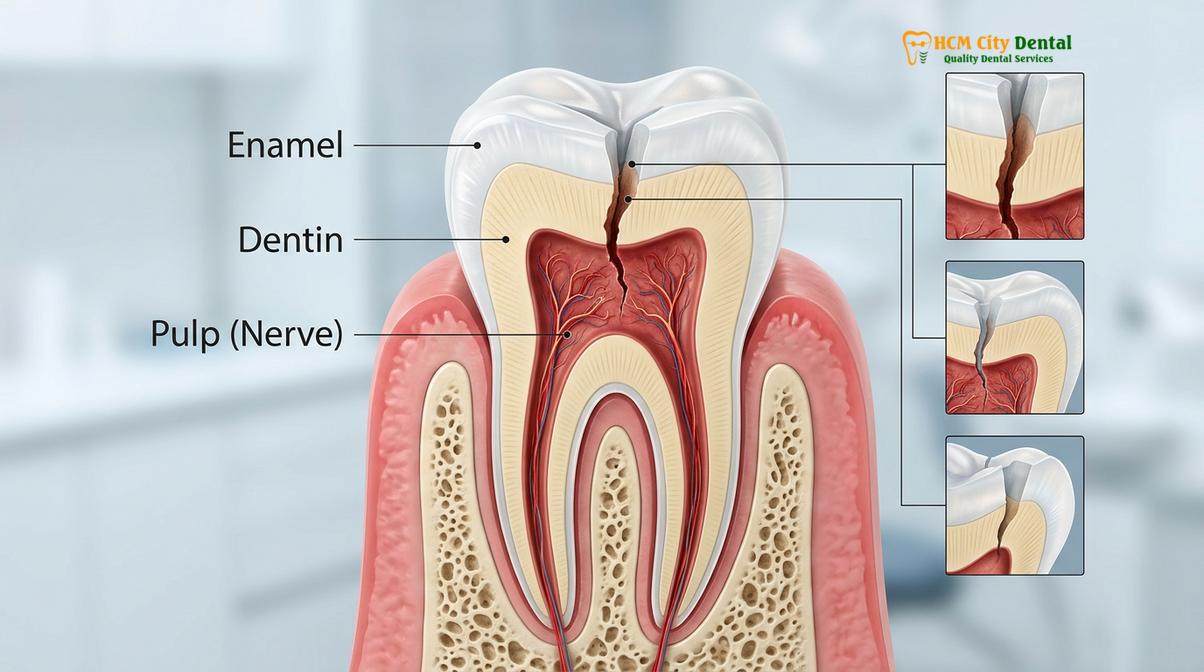
Cracked Tooth: This refers to an incomplete fracture that originates from the chewing surface and extends vertically toward the root. If the crack has not reached the gum line, the tooth can often be saved with a full-coverage crown. However, if the crack extends deep into the root, the prognosis becomes guarded. Dr. Nguyen Van Cuong emphasizes that early diagnosis using transillumination and bite tests is crucial to intercepting a cracked tooth before it splits completely.
Split Tooth and Vertical Root Fracture: A split tooth is the end result of an untreated cracked tooth, where the tooth is completely separated into distinct segments. A vertical root fracture begins at the root and propagates upward toward the chewing surface. These fractures are often asymptomatic until the surrounding bone and gums become infected. Unfortunately, teeth with these severe classifications are rarely salvageable and typically require extraction followed by implant placement.
Same-Day Repair Options in HCMC
Advanced dental clinics in Ho Chi Minh City utilize CAD/CAM technology and direct composite resins to provide definitive, high-quality, same-day restorations for fractured teeth.
One of the most significant advancements in modern dentistry is the ability to diagnose, prepare, and permanently restore a broken tooth in a single clinical visit. For patients seeking an emergency broken tooth repair, this eliminates the need for uncomfortable temporary crowns and multiple appointments. High-tier facilities in Ho Chi Minh City are equipped with state-of-the-art digital workflows to facilitate these rapid restorations.
For minor to moderate fractures, direct composite bonding is the treatment of choice. This procedure involves the application of a tooth-colored composite resin directly to the fractured area. The dentist meticulously isolates the tooth, etches the surface to create microscopic retention, and applies a bonding agent. The composite resin is then sculpted layer by layer to recreate the natural anatomy of the tooth. Finally, it is cured (hardened) using a specialized high-intensity blue light and polished to a high gloss. This method is highly conservative, preserving all remaining healthy tooth structure.
“The integration of digital intraoral scanning and in-office milling has revolutionized emergency dental care, allowing clinicians to deliver definitive, highly aesthetic ceramic restorations in a matter of hours rather than weeks.”
For more extensive damage, particularly when a cusp is lost or the tooth’s structural integrity is compromised, a same-day ceramic crown or onlay is indicated. This process utilizes CAD/CAM (Computer-Aided Design and Computer-Aided Manufacturing) technology. After the tooth is prepared, the dentist uses an intraoral scanner to capture a highly precise 3D digital impression. This digital model is used to design the custom restoration on a computer screen. The design is then transmitted to an in-office milling machine, which carves the crown from a solid block of high-strength ceramic, such as lithium disilicate or zirconia, in under an hour[3].
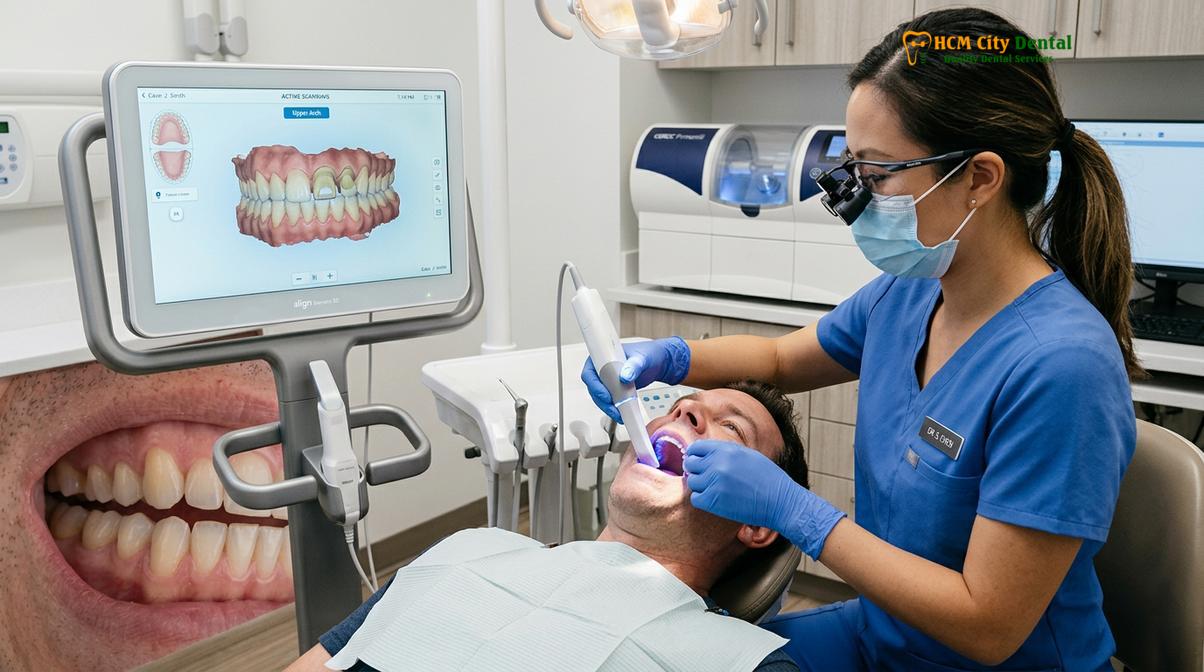
Once milled, the restoration is characterized, glazed, and fired in a ceramic furnace to achieve optimal aesthetics and strength. It is then permanently bonded to the tooth using advanced adhesive resin cements. This seamless workflow ensures that patients can walk into the clinic with a severe fracture and leave the same day with a fully restored, functional, and beautiful smile.
Bonding vs Crown vs Veneer for Broken Teeth
The clinical choice between bonding, crowns, and veneers depends heavily on the volume of lost tooth structure, the occlusal load, and the specific aesthetic requirements of the patient.
When presenting with a broken tooth, patients are often presented with multiple restorative options. Selecting the appropriate material and technique requires a comprehensive clinical evaluation of the tooth’s biomechanical status. The goal is always to restore function, achieve seamless aesthetics, and ensure long-term durability while being as conservative as possible.
Direct Composite Bonding: As previously discussed, bonding is ideal for minor chips, particularly on the front teeth where biting forces are lower. It is a highly versatile and cost-effective solution. However, composite resin has a lower modulus of elasticity compared to natural enamel or porcelain, making it more susceptible to chipping or staining over time if subjected to heavy functional habits like nail-biting or bruxism (teeth grinding)[4].
Porcelain Veneers: Veneers are ultra-thin shells of custom-crafted ceramic that are bonded to the front surface of the teeth. They are an excellent option for repairing moderate fractures on anterior (front) teeth, especially when the patient also desires improvements in tooth color, shape, or alignment. Veneers require minimal preparation of the natural tooth structure compared to crowns but offer superior stain resistance and optical properties compared to composite bonding.
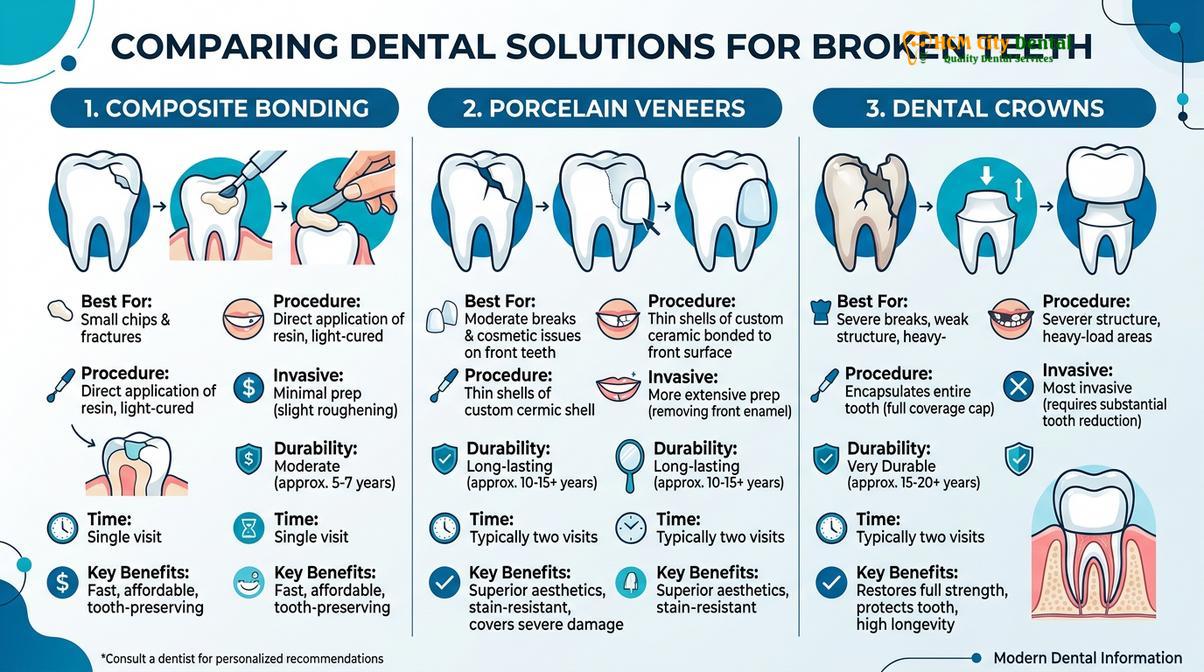
Dental Crowns: A crown, or “cap,” completely encases the visible portion of the tooth above the gum line. Crowns are the definitive treatment for teeth that have suffered extensive structural loss, have large failing restorations, or have undergone root canal therapy. They provide maximum protection and distribute occlusal (biting) forces evenly across the remaining root structure. Modern all-ceramic crowns offer exceptional strength and mimic the translucency of natural teeth perfectly.
| Restoration Type | Primary Indication | Material Durability | Tooth Preparation Required |
|---|---|---|---|
| Composite Bonding | Minor chips, small fractures, anterior teeth | Moderate (5-7 years average) | Minimal to none |
| Porcelain Veneer | Moderate anterior fractures, aesthetic enhancement | High (10-15+ years) | Conservative (front surface only) |
| Dental Crown | Severe fractures, posterior teeth, post-root canal | Very High (15-20+ years) | Extensive (circumferential reduction) |
Emergency vs Scheduled Treatment
True dental emergencies involve severe pain, uncontrolled bleeding, or pulpal exposure requiring immediate intervention, whereas minor, asymptomatic chips can often be managed during a scheduled appointment.
Determining whether a fractured tooth vietnam requires an immediate, middle-of-the-night emergency visit or if it can wait for a scheduled appointment the following day is a common dilemma. Triage in dental trauma relies on assessing the severity of symptoms and the risk of rapid deterioration.
A situation is classified as a strict clinical emergency if the fracture exposes the inner dental pulp (indicated by a visible pink or bleeding spot in the center of the tooth), if there is severe, unrelenting pain that does not respond to over-the-counter analgesics, or if the trauma is accompanied by significant facial swelling or uncontrolled bleeding. Pulpal exposure provides a direct pathway for oral bacteria to enter the bloodstream and the periapical tissues, rapidly leading to acute infection and abscess formation. In these cases, immediate endodontic intervention (root canal therapy) or extraction is necessary to manage the infection and alleviate profound pain.
Clinical Case Study: A 34-year-old patient visited HCMC Dental Clinic in Ho Chi Minh City after suffering a severe impact to the lower jaw during a sports incident. Clinical examination by Dr. Nguyen Van Cuong revealed a complicated crown-root fracture of the lower right first molar with active pulpal bleeding. Due to the immediate presentation, Dr. Cuong was able to perform emergency pulpotomy to stabilize the nerve, followed by the fabrication of a CAD/CAM ceramic onlay. The prompt intervention saved the tooth from requiring a full root canal or extraction.
Conversely, if the fracture is small, affects only the enamel, and causes no pain or only mild sensitivity to cold, it is generally safe to wait a few days for a scheduled appointment. However, even minor chips should be evaluated professionally, as sharp edges can lacerate the tongue, and microscopic cracks may be present that are not visible to the naked eye.
Cost of Broken Tooth Repair in Vietnam
The cost of repairing a broken tooth in Vietnam is highly competitive, varying significantly based on the required restorative material and whether complex endodontic therapy is necessary.
Vietnam has emerged as a premier destination for high-quality, cost-effective dental care. Patients seeking treatment for a dental emergency will find that the fees are a fraction of what they would typically encounter in North America, Australia, or Europe, without any compromise in the quality of materials or clinical expertise.
The total cost of repairing a broken tooth depends on a multi-factorial clinical assessment. The most affordable option is direct composite bonding, which is typically priced per tooth and depends on the number of surfaces involved. If the fracture requires a porcelain veneer or a full-coverage crown, the cost increases due to the laboratory fabrication process and the use of premium ceramic materials like E.max or Zirconia.
Additional costs may be incurred if the trauma necessitates diagnostic imaging, such as a 3D Cone Beam Computed Tomography (CBCT) scan, to assess the root structure and surrounding bone. Furthermore, if the dental pulp is irreversibly damaged, endodontic therapy (root canal) will be required prior to placing the final restoration, which adds to the overall treatment fee. Despite these variables, clinics in Vietnam maintain transparent fee schedules, ensuring patients receive comprehensive treatment plans and cost estimates before any procedures commence[5].
When to See a Doctor (Important Clinical Considerations)
While some minor dental chips may seem inconsequential, ignoring a structural defect in a tooth can lead to severe, cascading complications. The oral cavity is a highly dynamic environment teeming with bacteria; any breach in the protective enamel layer compromises the tooth’s defense mechanisms. It is imperative to seek professional clinical evaluation if you experience any of the following red flag symptoms.
Clinical Warning Signs Requiring Immediate Attention:
- Spontaneous, throbbing pain that awakens you from sleep.
- Visible swelling of the gums, cheek, or face near the affected tooth.
- A pimple-like bump (fistula) on the gums discharging pus or causing a foul taste.
- Extreme, lingering sensitivity to hot or cold temperatures.
- Difficulty swallowing or restricted jaw opening (trismus).
These symptoms strongly indicate that the dental pulp has become necrotic or that an acute periapical abscess has formed. Systemic spread of a dental infection can be life-threatening in rare cases. Dr. Cuong strongly advises that timely intervention is the most effective way to preserve natural dentition and avoid complex, invasive surgical procedures.
“The prognosis of a traumatized tooth is inversely proportional to the time elapsed between the injury and professional clinical intervention. Immediate stabilization is paramount.”
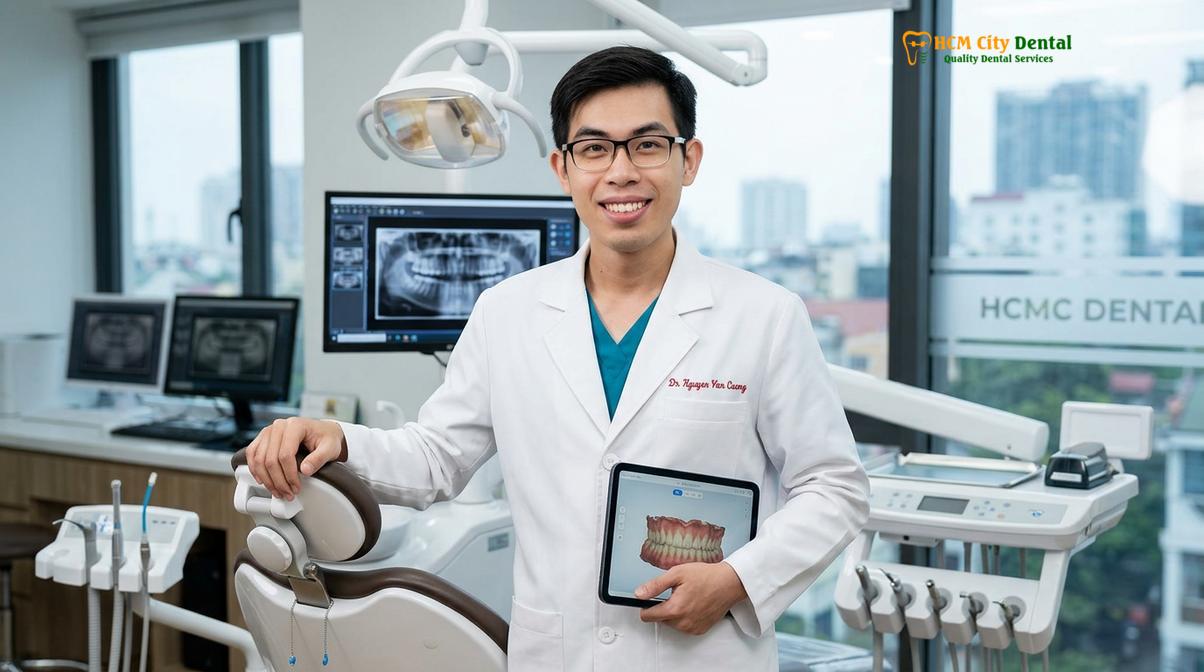
If you are currently experiencing a dental emergency, do not delay. Contact HCMC Dental Clinic for an immediate consultation and diagnostic assessment to secure the health and longevity of your smile.
Frequently Asked Questions
Can a broken tooth be fixed in one visit?
Yes, many broken teeth can be fully restored in a single visit using direct composite bonding or CAD/CAM same-day ceramic crowns. The feasibility depends on the fracture’s depth and whether the inner dental pulp has been exposed or damaged. If endodontic therapy is required, the treatment may need to be phased over two appointments to ensure complete eradication of infection.
How much does it cost to fix a broken tooth in Vietnam?
The cost varies based on the required treatment, ranging from highly affordable composite bonding to more comprehensive ceramic crowns. Vietnam offers premium dental materials and advanced technology at a fraction of the cost compared to Western healthcare systems. A precise estimate is provided following a thorough clinical and radiographic examination.
Should I keep the broken piece of tooth?
Yes, you should always attempt to locate and preserve the broken tooth fragment. Store it in a clean container with milk or sterile saline, as your dentist may be able to reattach the fragment using specialized adhesive resin protocols. Do not store it in plain water, as this can damage the cellular structure of the tooth.
Can a broken tooth get infected?
Absolutely. When a fracture penetrates the protective enamel and exposes the underlying dentin or pulp, oral bacteria can rapidly infiltrate the tooth. This bacterial ingress can lead to irreversible pulpitis, localized abscesses, and severe systemic infections if left untreated. Prompt sealing of the fracture is essential.
Is bonding or a crown better for a broken front tooth?
The optimal choice depends on the extent of the structural loss. Minor chips are excellently managed with minimally invasive composite bonding, while extensive fractures or teeth subjected to heavy biting forces typically require the superior durability of a porcelain crown. Your dentist will evaluate your bite and aesthetic goals to recommend the best material.
References
- International Association of Dental Traumatology. Guidelines for the management of traumatic dental injuries. (2020).
- Journal of Endodontics. Diagnostic accuracy of clinical tests for cracked teeth. (2019).
- Journal of Prosthetic Dentistry. Clinical evaluation of CAD/CAM ceramic restorations. (2021).
- Dental Materials. Mechanical properties of direct composite resins vs indirect ceramics. (2018).
- American Dental Association. Management of acute dental pain and pulpal emergencies. (2022).