Learning how to stop grinding teeth involves a comprehensive, multi-disciplinary approach, primarily utilizing custom night guards to protect dental enamel, alongside stress management, jaw relaxation exercises, and lifestyle adjustments. Clinical intervention is often necessary to diagnose underlying triggers like sleep apnea or temporomandibular joint (TMJ) disorders and prevent irreversible long-term dental damage.
Bruxism, the medical term for teeth grinding and jaw clenching, is a pervasive condition that affects millions of adults worldwide. It manifests in two primary forms: awake bruxism, which is largely driven by subconscious stress and concentration, and sleep bruxism, a sleep-related movement disorder linked to micro-arousals in the central nervous system. Because the forces exerted during nocturnal grinding can be up to six times greater than normal chewing forces, the resulting damage to the dentition can be catastrophic if left untreated. Patients often present with flattened chewing surfaces, chipped incisors, receding gums, and chronic facial pain. Addressing this condition requires moving beyond simple symptom management to uncover and treat the root biomechanical, neurological, and psychological causes.
Clinical Summary:
Bruxism (teeth grinding) is a multifactorial condition requiring both protective and preventative clinical strategies. The primary line of defense is a custom-fabricated occlusal splint (night guard) designed to prevent enamel attrition and distribute occlusal forces evenly. Secondary treatments must address the root causes of the parafunctional habit, including psychological stress reduction, physical therapy for the masseter and temporalis muscles, and sleep hygiene optimization. In severe, refractory cases, advanced interventions such as neuromodulator injections (Botox) or biofeedback therapy may be employed to disrupt the neuromuscular feedback loop.
Key Takeaways:
- Custom night guards provide the most reliable physical barrier against nocturnal enamel wear and joint strain.
- Psychological stress and anxiety are the primary triggers for both awake and sleep-related jaw clenching.
- Targeted jaw exercises can effectively relieve masseter muscle tension and reprogram resting jaw posture.
- Limiting caffeine and alcohol before bed improves sleep architecture and significantly reduces grinding episodes.
- Severe, unresponsive cases may require Botox injections to temporarily reduce the contractile force of overactive jaw muscles.
Custom Night Guard: The Gold Standard
A custom-fabricated night guard is the most effective clinical tool to prevent teeth grinding damage, acting as a precise protective barrier that absorbs occlusal forces and prevents enamel attrition.
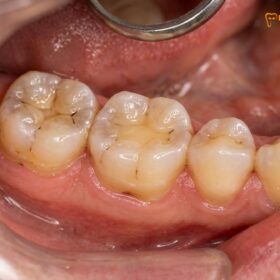
When patients ask how to stop grinding teeth, the immediate clinical priority is always protection. The human jaw is capable of exerting tremendous force, and during sleep bruxism, the protective feedback mechanisms that normally prevent us from biting down too hard are suppressed. This results in extreme friction between the upper and lower teeth, leading to accelerated wear, micro-fractures in the enamel, and the eventual exposure of the sensitive underlying dentin. To mitigate this, dental professionals rely on occlusal splints, commonly known as night guards.
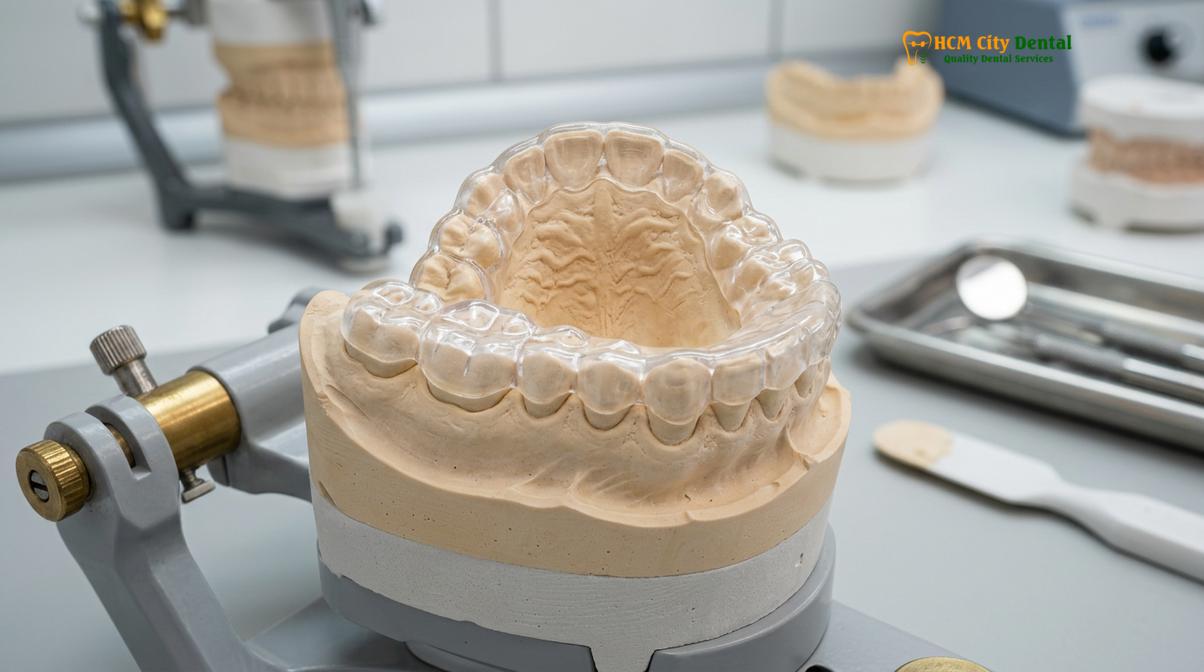
It is crucial to differentiate between over-the-counter (OTC) boil-and-bite guards and custom-fabricated clinical devices. OTC guards are typically made of soft, pliable materials. While they may seem comfortable initially, clinical evidence suggests that soft materials can actually stimulate the chewing reflex during sleep, inadvertently increasing muscle activity and exacerbating the bruxism. Furthermore, poorly fitting OTC guards can shift teeth over time and fail to provide balanced occlusal support, leading to temporomandibular joint (TMJ) strain.
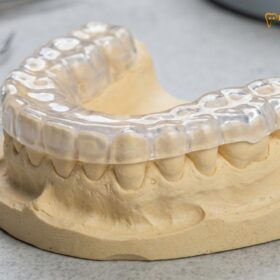
In contrast, a custom night guard is fabricated from precise digital scans or physical impressions of the patient’s unique dental anatomy. These devices are typically constructed from hard acrylic or a dual-laminate material (hard on the outside, soft on the inside). The hard occlusal surface allows the opposing teeth to glide smoothly over the guard without catching, which helps to disengage the masseter and temporalis muscles, thereby reducing the overall force of the clenching[1]. At HCMC Dental Clinic in Ho Chi Minh City, the fabrication of custom-fitted occlusal splints involves meticulous adjustments to ensure that the bite forces are distributed evenly across the entire dental arch, preventing any single tooth from bearing excessive load.
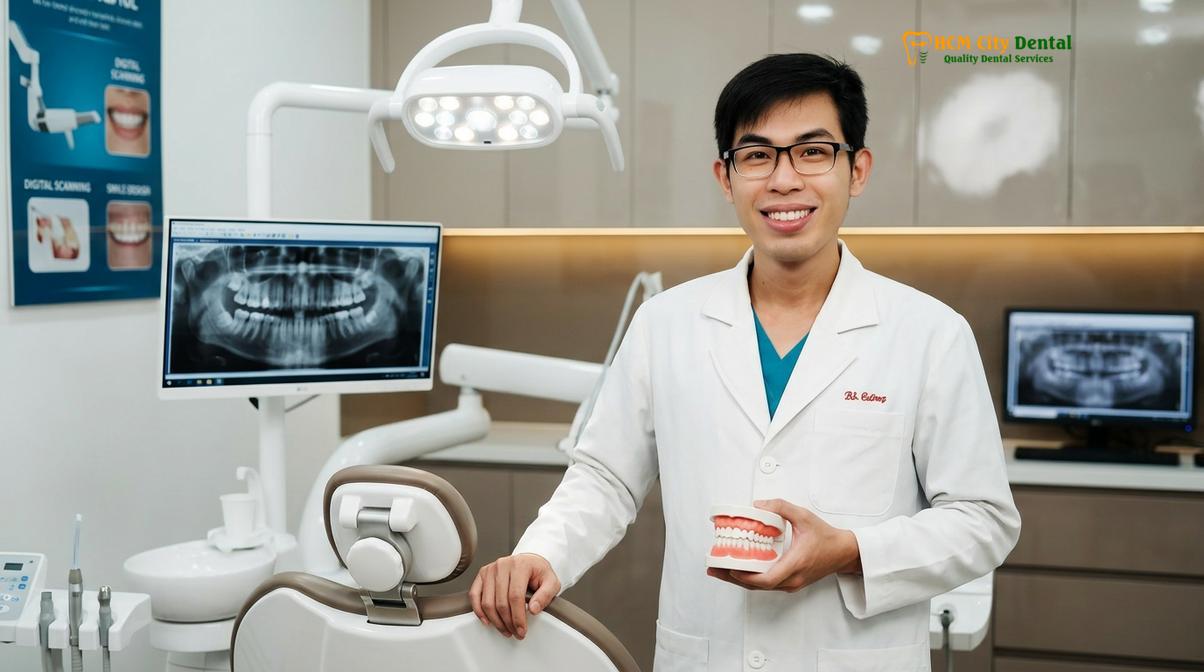
Dr. Nguyen Van Cuong frequently emphasizes to patients that while a night guard does not “cure” the neurological impulse to grind, it is the absolute prerequisite for any bruxism treatment plan. By preserving the vertical dimension of occlusion and protecting the restorative work (such as crowns and veneers) from catastrophic failure, the night guard buys the patient and the clinician time to address the underlying triggers of the condition.
Stress Reduction Techniques
Managing psychological stress is crucial for treating bruxism, as elevated cortisol levels and anxiety directly correlate with increased nocturnal jaw clenching and muscle hyperactivity.
The correlation between psychological stress and parafunctional oral habits is well-documented in dental and psychological literature. Awake bruxism, in particular, is heavily influenced by the central nervous system’s response to stress, anxiety, and intense concentration. When the body perceives stress, the sympathetic nervous system activates the “fight or flight” response, leading to a cascade of physiological changes, including the release of cortisol and adrenaline. This heightened state of arousal translates into increased resting muscle tone throughout the body, with the muscles of mastication (the jaw muscles) being particularly susceptible to holding this tension.
Effective bruxism treatment must therefore incorporate strategies to downregulate the nervous system. Cognitive Behavioral Therapy (CBT) has shown significant efficacy in helping patients identify the subconscious triggers that lead to daytime clenching. By bringing awareness to the habit, patients can actively practice keeping their teeth apart and their lips closed—the ideal resting posture for the jaw.
“The jaw is often the physical manifestation of the mind’s unresolved stress. We cannot fully treat the wear on the teeth without also addressing the tension in the patient’s daily life. A holistic approach that includes stress management is essential for long-term success.”
— Dr. Nguyen Van Cuong, Lead Clinician
In addition to professional therapy, daily stress reduction practices are vital. Mindfulness meditation, deep diaphragmatic breathing exercises, and progressive muscle relaxation before bedtime can help shift the body from a sympathetic (stressed) state to a parasympathetic (relaxed) state. This transition is critical for improving sleep architecture and reducing the frequency of micro-arousals during the night, which are the primary neurological events that trigger sleep bruxism episodes[2]. Patients are encouraged to establish a calming pre-sleep routine, disconnecting from digital screens and engaging in activities that lower the heart rate and calm the mind.
Jaw Relaxation Exercises
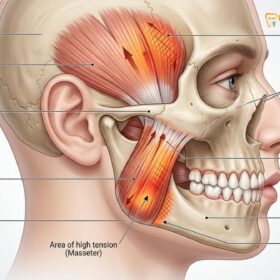
Targeted physical therapy and jaw relaxation exercises help reprogram muscle memory, reducing the resting tension in the masseter and temporalis muscles to alleviate chronic clenching.
Just as a physical therapist would prescribe exercises for a strained back, dental professionals recommend specific exercises to rehabilitate overworked jaw muscles. Chronic teeth grinding leads to muscle hypertrophy (enlargement) and the accumulation of lactic acid and other metabolic waste products within the muscle tissue, causing pain, stiffness, and a restricted range of motion. Jaw relaxation exercises aim to stretch these tight muscles, improve local blood circulation, and establish a healthier resting jaw posture.
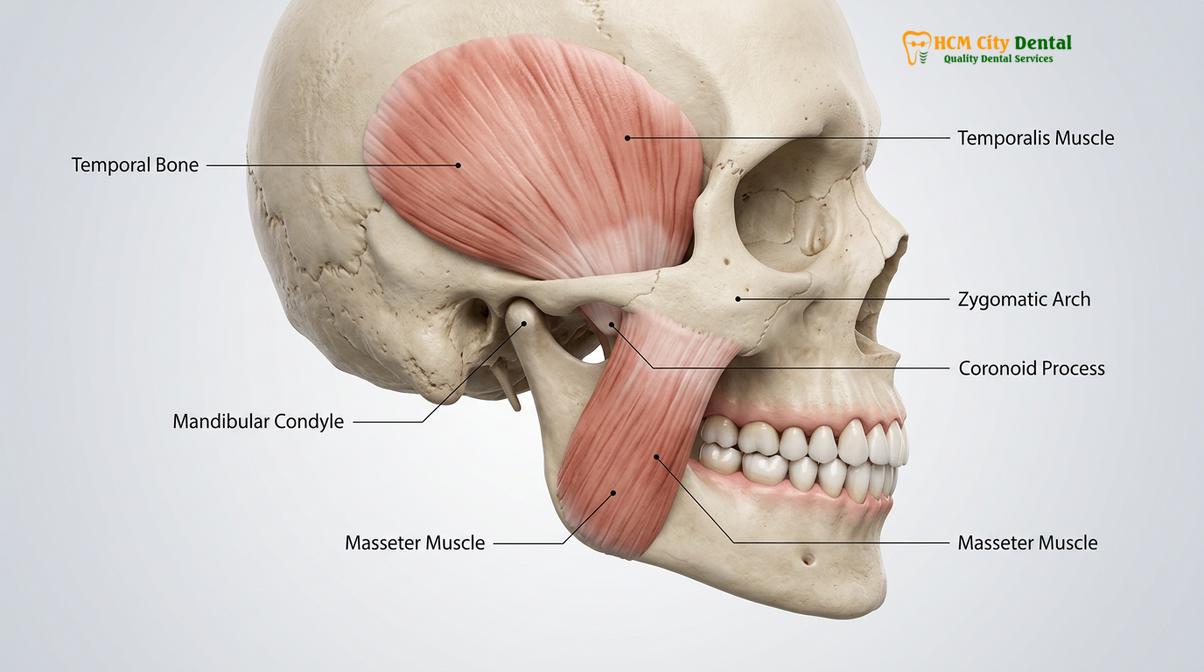
The fundamental goal of these exercises is to teach the patient the “freeway space”—the natural gap of 2-3 millimeters that should exist between the upper and lower teeth when the jaw is at rest. The only time teeth should touch is during active chewing and swallowing. To help patients stop teeth grinding, clinicians often prescribe a regimen of daily stretches and isometric exercises.
| Exercise Name | Technique Description | Clinical Purpose | Frequency |
|---|---|---|---|
| The “N” Position | Place the tip of the tongue on the roof of the mouth, just behind the front teeth (as if saying the letter “N”). Keep teeth apart. | Establishes the correct resting posture and prevents the teeth from making contact. | Continuously throughout the day. |
| Resisted Opening | Place a thumb under the chin. Open the mouth slowly while applying gentle upward resistance with the thumb. Hold for 3 seconds. | Strengthens the depressor muscles and gently stretches the hyperactive masseter muscles. | 10 repetitions, 3 times daily. |
| Resisted Closing | Open the mouth. Squeeze the chin with the index finger and thumb. Apply gentle downward pressure while closing the mouth. | Provides isometric conditioning to balance the neuromuscular feedback of the jaw. | 10 repetitions, 3 times daily. |
| TMJ Massage | Use the index and middle fingers to apply warm, circular pressure to the masseter (cheek) and temporalis (temple) muscles. | Increases blood flow, dissipates lactic acid, and manually releases muscle knots (trigger points). | 5 minutes, morning and night. |
Consistency is key when utilizing physical therapy as a treatment modality. It takes time to override years of subconscious muscle memory. Patients who diligently perform these exercises often report a significant reduction in morning jaw soreness and a decrease in the frequency of tension headaches associated with TMJ disorders[3]. Heat therapy, applied via a warm, damp towel to the sides of the face for 15 minutes before performing the exercises, can further enhance muscle elasticity and provide immediate symptomatic relief.
Sleep Hygiene Improvements
Optimizing sleep hygiene and addressing sleep-disordered breathing can significantly reduce sleep bruxism, which is often a subconscious physiological response to micro-arousals during the night.
The relationship between sleep quality and bruxism is profound and complex. Sleep bruxism is classified as a sleep-related movement disorder, and modern sleep medicine has revealed that grinding episodes rarely happen in isolation. Instead, they are typically preceded by a sequence of physiological events: an increase in brain wave activity (a micro-arousal), followed by an increase in heart rate and respiratory rate, culminating in the rhythmic contraction of the jaw muscles.
Improving sleep hygiene is therefore a critical component of any comprehensive plan to address nocturnal grinding. This involves creating an environment and a routine that promotes deep, uninterrupted sleep. Key practices include maintaining a consistent sleep schedule (going to bed and waking up at the same time every day), ensuring the bedroom is dark, quiet, and cool, and avoiding blue light exposure from smartphones and tablets at least an hour before sleep. Blue light suppresses the production of melatonin, the hormone responsible for regulating the sleep-wake cycle, leading to fragmented sleep and a higher likelihood of bruxism episodes.
Important Clinical Warning: Bruxism and Sleep Apnea
Sleep bruxism is highly correlated with Obstructive Sleep Apnea (OSA). When the airway collapses during sleep, the brain may trigger the jaw muscles to clench and thrust forward in a subconscious attempt to open the airway and resume breathing. If a patient has undiagnosed severe OSA, providing a standard night guard without addressing the airway can sometimes worsen the apneic events. A comprehensive evaluation by a dental professional or sleep physician is mandatory to rule out sleep-disordered breathing before initiating splint therapy.
If sleep apnea is suspected as the root cause of the bruxism, the treatment paradigm shifts. Instead of a standard flat-plane occlusal splint, the patient may require a Mandibular Advancement Device (MAD). This specialized appliance gently holds the lower jaw in a forward position during sleep, preventing the tongue and soft tissues from collapsing into the airway. By resolving the airway obstruction, the neurological trigger for the grinding is eliminated, effectively treating both the apnea and the bruxism simultaneously[4].
Dietary Changes That Help
Dietary modifications, including magnesium supplementation and the elimination of evening stimulants like caffeine and alcohol, can calm the nervous system and decrease grinding frequency.
What we consume has a direct impact on our neuromuscular excitability and sleep architecture. For patients seeking natural teeth grinding remedies, dietary adjustments offer a powerful, non-invasive avenue for improvement. The two primary dietary strategies involve adding muscle-relaxing nutrients and eliminating substances that hyper-stimulate the nervous system.
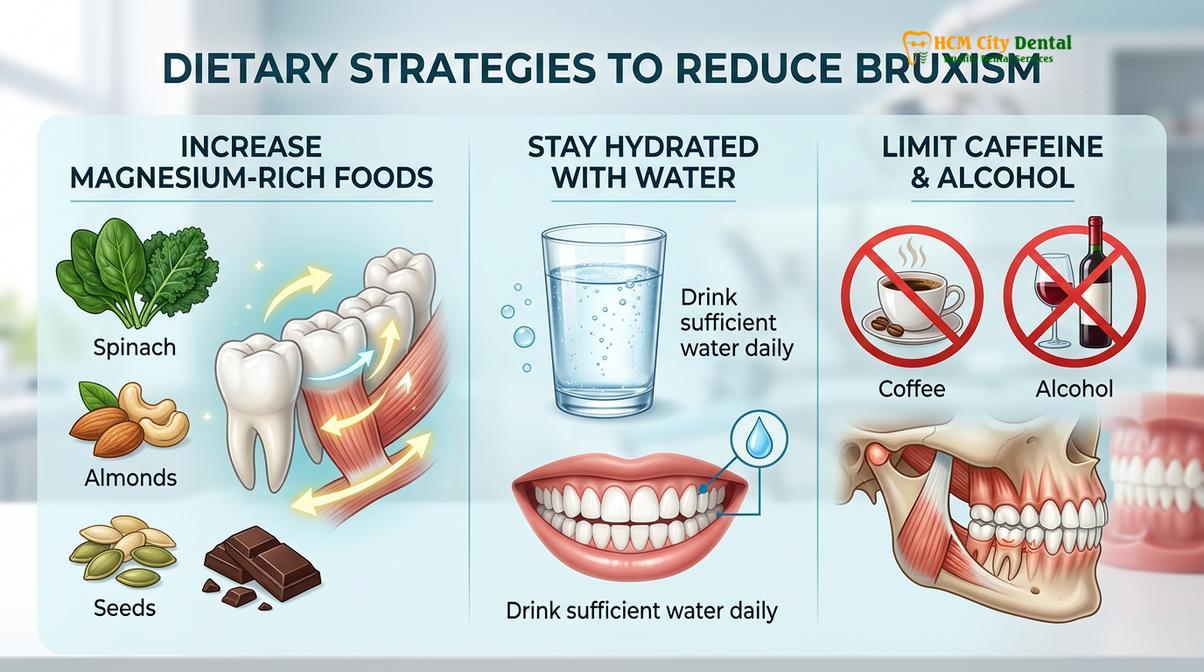
Magnesium plays a critical role in muscle function and nerve transmission. It acts as a natural calcium channel blocker at the neuromuscular junction. While calcium causes muscle fibers to contract, magnesium allows them to relax. A deficiency in magnesium can lead to increased muscle tension, cramps, and spasms, making the jaw muscles more prone to involuntary clenching during sleep. Incorporating magnesium-rich foods into the diet—such as spinach, kale, almonds, pumpkin seeds, black beans, and avocados—can help restore optimal mineral balance. In some cases, clinicians may recommend a high-quality magnesium supplement (such as magnesium glycinate, which is highly bioavailable and gentle on the stomach) taken shortly before bed to promote muscle relaxation and improve sleep quality[5].
Conversely, certain substances must be strictly limited or avoided, particularly in the hours leading up to bedtime:
- Caffeine: As a potent central nervous system stimulant, caffeine blocks adenosine receptors in the brain, preventing the onset of drowsiness. Because caffeine has a half-life of up to six hours, consuming coffee, tea, or energy drinks in the late afternoon or evening can keep the nervous system in a state of hyper-arousal, significantly increasing the likelihood of nocturnal bruxism.
- Alcohol: While alcohol is a depressant that may help a person fall asleep faster, it severely disrupts sleep architecture later in the night. It suppresses REM sleep and leads to frequent micro-arousals and fragmented sleep patterns. These micro-arousals are the exact neurological events that trigger sleep bruxism episodes.
- Nicotine: Smoking or using nicotine products acts as a stimulant, increasing heart rate and muscle activity. Studies have shown that smokers are significantly more likely to suffer from sleep bruxism compared to non-smokers.
Professional Treatments: Botox, Biofeedback
For refractory cases, professional interventions such as botulinum toxin injections and biofeedback therapy offer advanced mechanisms to disrupt the neuromuscular feedback loop causing bruxism.
When conservative measures—such as night guards, stress reduction, and dietary changes—fail to provide adequate relief, or when the muscle hypertrophy is severe, advanced clinical interventions become necessary to cure bruxism symptoms and protect the patient’s oral health. Two of the most effective advanced modalities are Botulinum Toxin Type A (Botox) injections and biofeedback therapy.
Botox, while widely known for its cosmetic applications, is a highly effective off-label treatment for severe bruxism and TMJ disorders. The mechanism of action involves injecting small, precise doses of the neurotoxin directly into the masseter and, occasionally, the temporalis muscles. Botox works by cleaving the SNAP-25 proteins at the neuromuscular junction, which prevents the release of acetylcholine, the neurotransmitter responsible for signaling the muscle to contract. This effectively induces a temporary, localized partial paralysis of the muscle. The goal is not to stop the muscle from working entirely—patients can still chew, speak, and smile normally—but rather to reduce the maximum contractile force the muscle can generate. By weakening the muscle, the destructive force of the grinding is drastically reduced, providing profound relief from facial pain and protecting the teeth[6]. The effects typically last for three to six months, after which the treatment may need to be repeated. Over time, the reduced activity can lead to a decrease in muscle bulk (atrophy of the hypertrophied muscle), which may reduce the frequency of future injections.
Clinical Case Study: Refractory Bruxism Management
A 34-year-old patient presented to HCMC Dental Clinic in Saigon with severe chronic facial pain, frequent morning headaches, and significant attrition on the lower incisors. Despite wearing a custom hard acrylic night guard for two years, the patient continued to clench with such force that they frequently bit through the appliance. Dr. Cuong initiated a combination therapy protocol: targeted Botox injections into the bilateral masseter muscles to immediately reduce contractile force, combined with a referral for cognitive behavioral therapy to address underlying work-related anxiety. Within two weeks post-injection, the patient reported a 90% reduction in facial pain. At the six-month follow-up, the patient’s new night guard showed minimal wear, indicating a successful disruption of the severe parafunctional habit.
Biofeedback therapy is another advanced approach, focusing on the neurological retraining of the habit. During awake bruxism biofeedback, sensors are placed on the jaw muscles to monitor electromyographic (EMG) activity. When the sensors detect increased muscle tension (clenching), the device alerts the patient via an auditory or visual signal. This immediate feedback brings the subconscious habit into conscious awareness, allowing the patient to actively relax the jaw. Over time, this conditioning helps the brain recognize and prevent the clenching behavior before it escalates. While biofeedback is highly effective for awake bruxism, specialized sleep biofeedback devices (which use mild electrical stimulation to prompt muscle relaxation without waking the patient) are also being utilized for nocturnal grinding.
When to See a Specialist
While occasional teeth grinding during periods of acute stress is common and may not require extensive intervention, chronic bruxism is a progressive condition that demands professional clinical management. Delaying treatment can lead to irreversible damage to the dentition, requiring complex and costly restorative procedures such as full-mouth rehabilitation with crowns, bridges, or dental implants.
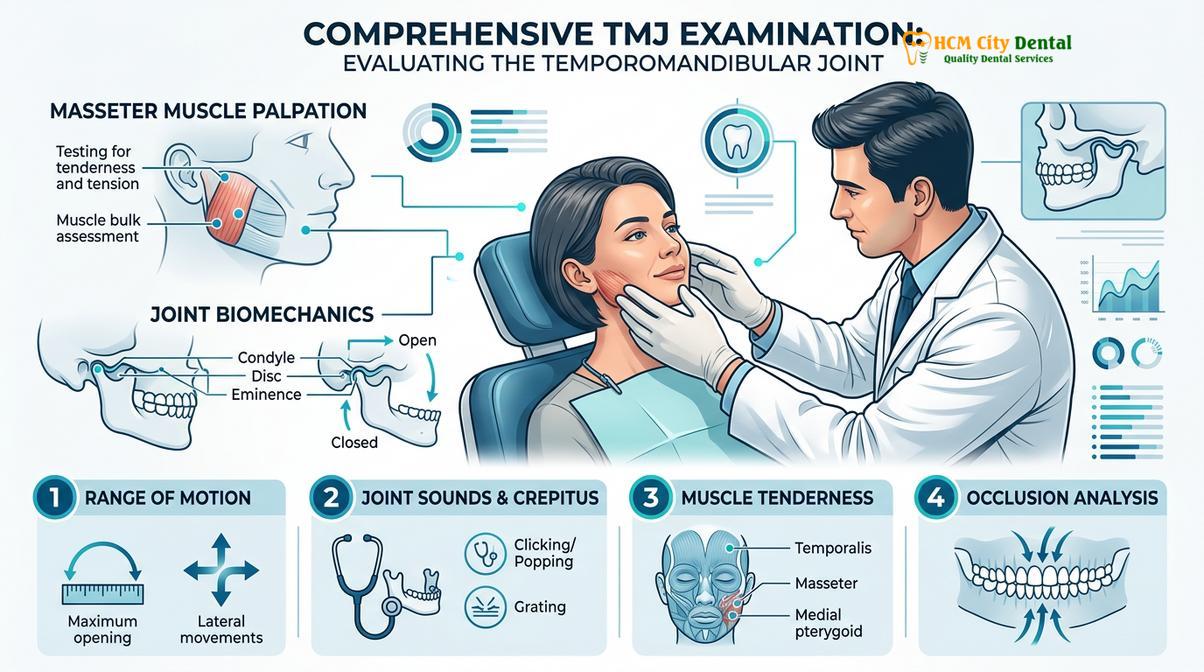
Patients should seek an immediate evaluation from a qualified dental professional if they experience any of the following signs or symptoms:
- Visible Tooth Damage: Flattened chewing surfaces, chipped or fractured teeth, or the presence of craze lines (vertical micro-cracks in the enamel).
- Increased Tooth Sensitivity: Heightened sensitivity to hot, cold, or sweet stimuli, indicating that the protective enamel has been worn away, exposing the dentin.
- Chronic Pain: Persistent dull, aching pain in the jaw, face, or ears, particularly upon waking in the morning.
- TMJ Dysfunction: Clicking, popping, or grating sounds in the temporomandibular joint when opening or closing the mouth, or episodes where the jaw feels “locked” or restricted in its range of motion.
- Soft Tissue Trauma: Scalloped edges on the sides of the tongue or a raised white line (linea alba) on the inside of the cheeks, caused by chronic suction and friction against the teeth.
“Early diagnosis is the cornerstone of preserving the natural dentition. By the time a patient notices their teeth are getting shorter, significant structural damage has already occurred. Routine dental examinations are critical for identifying the subtle, early signs of occlusal trauma before they escalate into complex functional problems.”
— Clinical Consensus on Bruxism Management
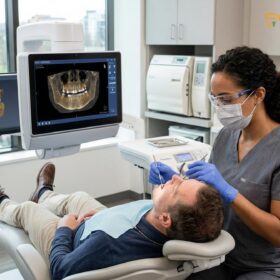
At HCMC Dental Clinic, the diagnostic process involves a comprehensive evaluation of the oral cavity, the temporomandibular joints, and the muscles of mastication. Advanced imaging, such as panoramic X-rays or Cone Beam Computed Tomography (CBCT), may be utilized to assess the health of the joint structures and the surrounding bone[7]. Based on these clinical findings, a personalized treatment plan is developed, ensuring that both the symptoms and the underlying causes of the bruxism are effectively addressed. If you suspect you are grinding your teeth, scheduling a consultation is the first critical step toward protecting your smile and restoring your quality of life.
Frequently Asked Questions
What is the best way to stop grinding teeth?
The most effective immediate method to stop teeth grinding damage is wearing a custom-fitted occlusal splint prescribed by a dentist. Long-term cessation requires identifying and managing the root causes, such as psychological stress, sleep apnea, or misaligned dental occlusion. A multi-disciplinary approach combining physical protection with behavioral and lifestyle modifications yields the highest success rates.
Can magnesium help with bruxism?
Yes, magnesium supplementation can help reduce bruxism by regulating neuromuscular signals and preventing muscle spasms. Magnesium acts as a natural calcium channel blocker, which helps relax the masseter and temporalis muscles, particularly in patients with a documented deficiency. Consuming magnesium-rich foods or taking a high-quality supplement before bed can improve sleep quality and reduce clenching.
Does Botox work for teeth grinding?
Botox is a highly effective off-label treatment for severe teeth grinding that does not respond to conservative therapies. By injecting botulinum toxin into the masseter muscles, it temporarily weakens the muscle’s ability to clench forcefully without affecting normal chewing function. This reduces the destructive forces on the teeth and provides significant relief from facial pain and tension headaches.
Can exercise reduce bruxism?
Targeted jaw and neck exercises can significantly reduce the severity of bruxism by releasing built-up muscle tension. Physical therapy techniques, such as the resting tongue position and resisted jaw opening, help reprogram muscle memory and decrease resting muscle tone. Consistent daily practice is required to override the subconscious habit of clenching.
How long does it take to stop grinding?
Stopping teeth grinding can take anywhere from a few weeks to several months, depending on the underlying cause and patient compliance. While a night guard provides immediate protection against damage, behavioral changes, stress reduction, and neuromuscular retraining require consistent, long-term effort. If sleep apnea is the cause, resolving the airway issue can stop the grinding almost immediately.
References
- Journal of Prosthetic Dentistry. Efficacy of hard vs. soft occlusal splints in sleep bruxism. (2020).
- American Academy of Sleep Medicine. Sleep-related bruxism and psychological stress factors. (2019).
- Journal of Oral Rehabilitation. Physical therapy and jaw exercises for temporomandibular disorders. (2021).
- Sleep Medicine Reviews. The correlation between obstructive sleep apnea and nocturnal bruxism. (2018).
- Clinical Nutrition. Magnesium deficiency and its effects on neuromuscular excitability. (2022).
- Journal of Maxillofacial and Oral Surgery. Botulinum toxin type A in the management of masseter hypertrophy and bruxism. (2020).
- International Journal of Prosthodontics. Diagnostic criteria and clinical management of severe dental attrition. (2021).