
What is normal after treatment
Mild pain, sensitivity, limited swelling, and small oozing can be normal for 24 to 72 hours depending on procedure.
+84 853 020 003. Mon–Sat, 8:00 AM – 8:00 PM (GMT+7) · Sun closed. Now Sat, 6:43 AM Saigon
Aftercare handbook
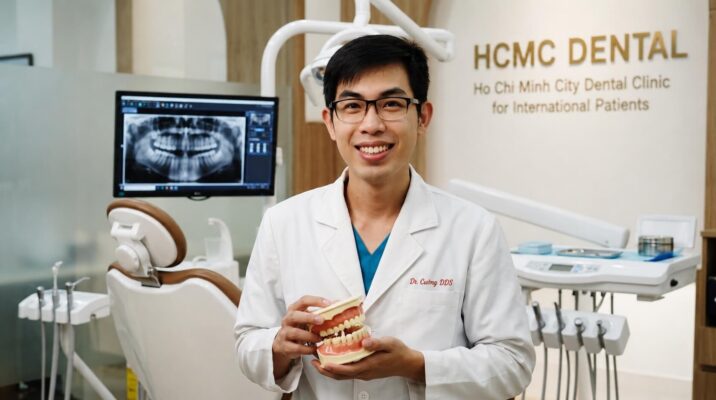
This page is designed as a patient-friendly recovery notebook for international and local patients after treatment at HCMC Dental. It explains what is normal, what to do today, what to avoid, and when to contact Dr. Cuong immediately.
Doctor-reviewed guidance • clear symptom thresholds • remote follow-up support
Mild pain, sensitivity, limited swelling, and small oozing can be normal for 24 to 72 hours depending on procedure.
Heavy bleeding, severe worsening pain, fever, foul discharge, spreading swelling, or breathing/swallowing difficulty needs immediate contact.
Follow diet rules, gentle hygiene, medication instructions, hydration, and rest. Do not smoke or disturb healing areas.
Send symptom notes and clear photos on WhatsApp or Messenger. Dr. Cuong and team guide your next step promptly.
Use this baseline protocol first, then apply your treatment-specific module below.
Use this table for quick orientation. Always prioritize your personalized doctor instructions.
Scroll horizontally on mobile.
| Treatment | First 24h | Days 2-7 | Week 2+ | Contact trigger |
|---|---|---|---|---|
| Implants / All-on-4/6 | Protect site, cold support, soft diet | Gentle cleaning, monitor swelling trend | Stability checks, progressive function | Worsening swelling, fever, bleeding, prosthesis issue |
| Veneers / Smile makeover | Manage sensitivity, soft brush | Track bite comfort and gum adaptation | Nightguard/maintenance habits | Chipping, debonding, persistent pain |
| Crowns / Bridges | Avoid hard chewing | Refine bite comfort if needed | Margin hygiene and review | High bite pain, looseness, swelling |
| Root canal | Avoid pressure on treated side | Pain should improve progressively | Complete protective restoration | Increasing pain, swelling, fever |
| Extraction / Wisdom extraction | Clot protection and pressure control | Soft diet and careful hygiene | Tissue healing follow-up | Persistent bleeding, severe pain, fever |
| Invisalign / Braces | Expected pressure sensation | Strict wear and hygiene discipline | Milestone monitoring | Broken appliance, severe ulcers, fit failure |
| Whitening | Color-safe diet and sensitivity care | Sensitivity should settle | Shade maintenance routine | Persistent severe sensitivity, soft tissue irritation |
| Dentures / removable prosthesis | Adaptation pressure points possible | Progressive wear and sore-spot checks | Fit stabilization and hygiene routine | Persistent ulcer, loose fit, chewing pain, speech decline |
Use this as a quick triage reference before messaging us.
| Symptom | Usually normal | Warning sign |
|---|---|---|
| Mild pain / tenderness | Common for 1 to 3 days | Pain that worsens after day 3 or is not controlled by advised medication |
| Swelling | Usually peaks in 24 to 72 hours | Rapidly spreading swelling, facial asymmetry getting worse, eye/neck involvement |
| Bleeding / oozing | Light pink saliva or minor oozing early phase | Persistent heavy bleeding despite pressure or repeated clot loss |
| Sensitivity to cold / bite | Expected short-term for veneers/crowns/whitening | Sharp persistent pain or inability to chew after adjustment period |
| Taste / odor changes | Temporary changes from healing and medication | Foul smell with pus, fever, and increasing pain |
| General condition | Mild fatigue after long treatment session | Fever, chills, nausea, dizziness, breathing or swallowing difficulty |
Choose the module that matches your treatment and follow it step-by-step.
What you may feel (normal): Mild bleeding spots, tenderness, and swelling are expected early. Bite adjustment sensation is common with provisional prosthesis.
Self-check at home: Daily self-check: swelling trend, pain trend, any unusual mobility sensation, fever, or bad discharge.
Send this to clinic: Send front smile, side profile, close-up of surgical area, plus pain score (0-10) and temperature if feverish.
When to contact us immediately: Message immediately for heavy bleeding, worsening swelling, fever, loose provisional, or severe bite pain.
Typical recovery window: Initial healing: 1 to 2 weeks. Functional stabilization and staged review continue over following weeks.
What you may feel (normal): Temporary sensitivity and slight gum tenderness may occur during adaptation.
Self-check at home: Check for edge roughness, persistent sensitivity, gum irritation, or bite mismatch.
Send this to clinic: Send smile at rest, broad smile, and close-up of any edge/surface concern in daylight.
When to contact us immediately: Contact us for persistent pain, veneer chipping, debonding sensation, or bite discomfort.
Typical recovery window: Adaptation often improves in days to weeks depending on bite and sensitivity profile.
What you may feel (normal): Mild bite awareness and sensitivity can be normal while tissues and occlusion settle.
Self-check at home: Check for food trapping, persistent high bite, sharp margin feel, or gum bleeding around restorations.
Send this to clinic: Send close-up of restoration side, bite concern description, and when discomfort occurs (cold, pressure, chewing).
When to contact us immediately: Contact for persistent bite pain, restoration mobility, fracture, or gum swelling near the margin.
Typical recovery window: Comfort usually stabilizes over several days; complex full-mouth cases require phased reviews.
What you may feel (normal): Tooth may feel tender to pressure for several days after treatment.
Self-check at home: Track whether pain decreases day by day and whether swelling is absent.
Send this to clinic: Send pain timeline, swelling photo if present, and trigger pattern (bite/hot/cold/spontaneous).
When to contact us immediately: Contact if pain worsens, swelling appears, or fever/systemic symptoms develop.
Typical recovery window: Tenderness usually reduces over several days; persistent worsening requires prompt reassessment.
What you may feel (normal): Minor oozing, soreness, and swelling are common in the first days.
Self-check at home: Check for clot stability, pain trend, swelling trend, and mouth opening progress.
Send this to clinic: Send extraction site photo in good light, pain score, and whether bleeding is ongoing.
When to contact us immediately: Urgent contact for persistent heavy bleeding, severe worsening pain, fever, foul discharge, or restricted swallowing.
Typical recovery window: Initial socket recovery often progresses through the first week; complete tissue remodeling continues longer.
What you may feel (normal): Pressure sensation after tray change or wire adjustment is expected.
Self-check at home: Check fit tracking, bracket integrity, gum irritation points, and oral hygiene quality.
Send this to clinic: Send front/side bite photos, tray fit photo, and note when pressure started.
When to contact us immediately: Contact for broken bracket, tray mismatch, severe ulceration, or unexpected bite changes.
Typical recovery window: Short adjustment windows follow each stage; consistency is key for predictable progress.
What you may feel (normal): Temporary sensitivity can occur, especially to cold stimuli.
Self-check at home: Check sensitivity pattern and gum comfort; most mild effects should improve.
Send this to clinic: Send close-up photos if sensitivity persists or gum irritation appears.
When to contact us immediately: Contact for persistent severe sensitivity or soft-tissue irritation.
Typical recovery window: Early sensitivity usually settles quickly; shade maintenance depends on daily habits.
What you may feel (normal): Initial pressure points, speech adaptation, and mild soreness can happen while tissues adapt to a new denture.
Self-check at home: Check sore spots, retention during speaking/chewing, and gum tissue irritation pattern each day.
Send this to clinic: Send photos of irritation area, fit concern description, and when movement/discomfort occurs.
When to contact us immediately: Contact for persistent ulceration, unstable fit, inability to chew, or repeated pain despite adaptation steps.
Typical recovery window: Adaptation often requires staged adjustments in the first weeks for comfort and function.
What you may feel (normal): Mild gum tenderness and temporary bleeding on cleaning can occur initially.
Self-check at home: Check bleeding trend, gum swelling, and breath changes over time.
Send this to clinic: Send gumline close-up and symptom history if bleeding/swelling persists.
When to contact us immediately: Contact for persistent bleeding, painful swelling, or recurrent acute episodes.
Typical recovery window: Improvement is progressive with consistent home care and professional maintenance.
What you may feel (normal): Symptoms may fluctuate after urgent intervention while inflammation settles.
Self-check at home: Check if condition is stabilizing and whether systemic symptoms are absent.
Send this to clinic: Send updated photos and concise symptom log (pain score, swelling, fever, function impact).
When to contact us immediately: Immediate contact for breathing/swallowing issues, rapidly spreading swelling, persistent fever, or uncontrolled pain.
Typical recovery window: Emergency phase is short-term stabilization; definitive care plan should follow promptly.
Use only medications from your doctor instructions or clearly appropriate OTC options discussed during your visit. Do not combine or change medication plans without guidance, especially if you have medical conditions, allergies, pregnancy, or regular prescriptions.
Urgent signs include heavy uncontrolled bleeding, rapidly worsening swelling, fever with increasing pain, foul discharge, breathing/swallowing difficulty, or sudden prosthesis instability after surgery.

Good lighting and consistent angles reduce delays and improve clinical decision quality.
This handbook is aligned with the treatment philosophy of Dr. Nguyen Van Cuong and the clinic safety framework. It is built to improve patient confidence, consistency, and early escalation for safer outcomes.
Clinical boundary: This page is educational guidance and does not replace direct emergency diagnosis.

Quick answers for common recovery concerns after dental treatment.
If discomfort and swelling gradually improve over days, this is usually expected. If symptoms are worsening, contact us promptly for review.
Many patients can fly based on treatment stage and symptom stability. Confirm your timing with us before travel, especially after surgery.
Use soft, non-irritating foods in early recovery and avoid hard, sticky, or crunchy foods until advised otherwise.
Send clear photos in daylight, symptom timeline, pain score, and any fever/swelling details. Structured updates help faster guidance.
Pain that worsens after initial days, does not respond to advised care, or is linked with fever/swelling is a warning sign.
Mild swelling commonly peaks within 24-72 hours then improves. Spreading or worsening swelling requires immediate contact.
Smoking is strongly discouraged in early healing because it increases risk of delayed recovery and complications.
Do not force bite adaptation yourself. Contact us for guided adjustment advice to prevent overload.
Short-term sensitivity can be normal. Persistent severe sensitivity should be reviewed so we can adjust your care plan.
Use urgent contact for heavy bleeding, breathing/swallowing issues, persistent fever, rapid swelling spread, or severe uncontrolled pain.
Yes. A caregiver can help send updates and photos, but keep communication centralized in one thread for safe continuity.
Yes. Scheduled reviews confirm healing quality and long-term stability, especially for implants, full-arch, and restorative cases.
Medical disclaimer: This handbook provides general post-treatment guidance for HCMC Dental patients and caregivers. It does not replace direct clinical diagnosis or emergency medical services. If symptoms are severe or rapidly worsening, seek immediate care and contact our team.
If you are unsure whether your recovery is on track, send us your symptoms and photos. We will guide your next safe step.