Brushing Your Teeth Before Breakfast: Is It [Damaging Enamel]? | Dr. Cuong

Confused about whether you should brush your teeth before or after breakfast? Dr. Cuong explains the science and why brushing your teeth before...
Confused about whether you should brush your teeth before or after breakfast? Dr. Cuong explains the science and why brushing your teeth before breakfast is crucial for protecting your enamel. Read now to find out the best practice.
It’s a daily debate in many households and a question I hear frequently from my patients at HCMCDental.com: should you brush your teeth before or after breakfast? You want to start your day with a clean mouth, but you also want to clear away food debris after your meal. This common confusion can lead to habits that, surprisingly, might be harming your teeth. As a specialist in Odontostomatology with many years of practice, my goal is to settle this debate for you with clear, science-backed guidance. This article will provide a definitive answer, explain the underlying reasons, and give you a practical routine to protect your smile for a lifetime.
The Core of the Debate: Should You Brush Your Teeth Before or After Breakfast?
Let’s get straight to the point. Based on overwhelming clinical evidence and dental science, the expert consensus is clear: it is significantly better to brush your teeth before breakfast.
While this might seem counterintuitive to some, the reasoning is based on protecting your tooth’s most vital defensive layer: the enamel. The choice isn’t just about removing food; it’s about preparing your teeth for the physiological challenge that breakfast presents. In my experience treating thousands of patients, those who adopt this simple habit often exhibit stronger, healthier enamel over the long term.
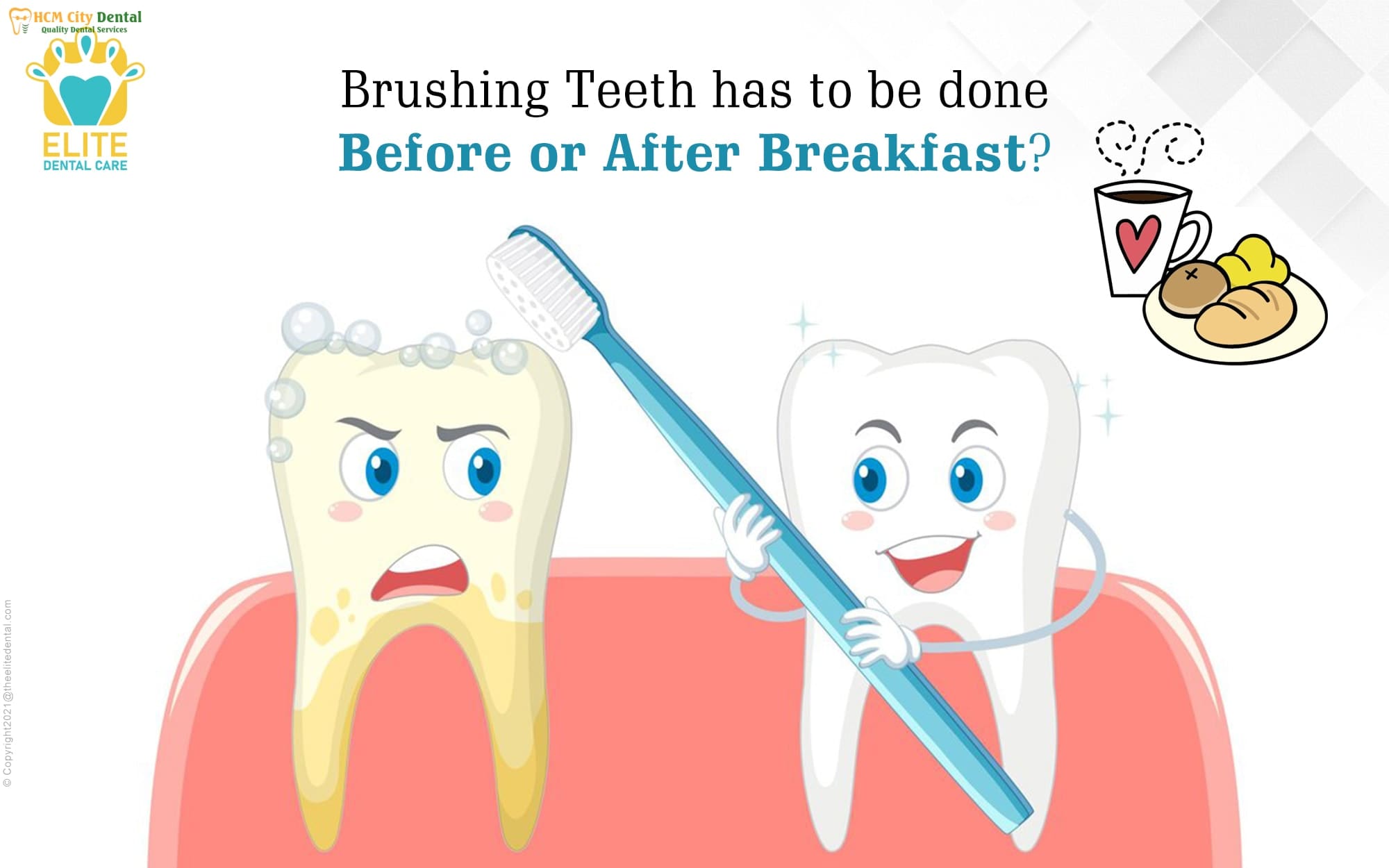
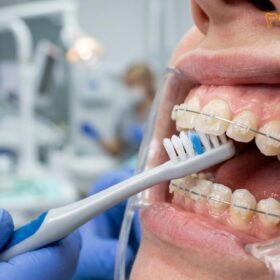
brushing your teeth before breakfast
The Scientific Case for Brushing Your Teeth Before Breakfast
Understanding the “why” behind this recommendation is key to appreciating its importance. Brushing first thing in the morning isn’t just a ritual; it’s a strategic defensive measure for your oral health.
Jumpstarting Saliva Production and Protecting Enamel
Physiologically speaking, brushing does more than just clean. The act of brushing stimulates your salivary glands. Saliva is your body’s natural mouthwash. It plays a critical role in rinsing away food particles and, more importantly, neutralizing the acids from your food. By brushing before you eat, you kickstart this saliva production, creating a healthier oral environment right as you begin your meal.
Removing Overnight Plaque Buildup
While you sleep, plaque-causing bacteria multiply in your mouth. This is what leads to that “morning breath” and fuzzy feeling on your teeth. This sticky film of bacteria is called plaque. When you eat breakfast without brushing first, you are essentially feeding this bacterial colony with sugars and carbohydrates. In turn, these bacteria produce acids that attack your tooth enamel, the primary cause of cavities. Brushing before breakfast removes this plaque biofilm, so there are far fewer bacteria to feast on your food.
Maximizing Fluoride’s Protective Power
When you brush with fluoride toothpaste, you’re not just cleaning; you’re applying a protective shield to your teeth. Fluoride integrates into the enamel, making it stronger and more resistant to acid attacks. By brushing before breakfast, you give the fluoride a head start, creating a protective barrier on your teeth *before* they are exposed to breakfast acids from things like coffee, fruit, and juice.
brushing your teeth before breakfast
The Dangers of Brushing Teeth After Breakfast: The “Acid Attack”
Now, let’s explore the other side of the coin: what happens when you decide to brush your teeth after breakfast? This is where many well-intentioned people inadvertently cause damage.
Understanding the pH Drop in Your Mouth
Many common breakfast foods and drinks—orange juice, coffee, fruits, pastries, and even toast—are acidic. When you consume them, the pH level in your mouth drops significantly, creating a highly acidic environment. This acid temporarily softens the mineral structure of your tooth enamel in a process called demineralization. Your enamel becomes vulnerable, like a wall that has been soaked in a weakening solvent.
Why Brushing Acid-Softened Enamel is Harmful
If you brush your teeth while the enamel is in this softened, vulnerable state, you are not just removing food particles; you are physically scrubbing away microscopic layers of the enamel itself. This is known as acid erosion or enamel abrasion. It’s one of the most common, yet preventable, causes of tooth damage I see in my practice.
From a clinical standpoint, the most significant damage I see from improper brushing habits is enamel abrasion. A common scenario at our clinic involves patients with thinning, sensitive teeth, often linked to the habit of brushing immediately after an acidic breakfast like coffee and a pastry. This is a preventable issue, but once enamel is lost, it is gone forever.
If you notice your teeth becoming more sensitive or appearing yellow (as the underlying dentin shows through), it’s a critical sign to get a professional evaluation. Contact HCMCDental.com for a consultation. Still have questions? Call our Hotline/WhatsApp now at +84853020003 for a direct, completely free consultation with Dr. Cuong!
brushing your teeth before breakfast
Practical Guide: How to Manage Your Morning Routine
Knowing the science is one thing; applying it to your daily life is another. Here is a clear, actionable guide to structure your morning for optimal oral health. The following table provides a quick comparison for those considering eating breakfast before brushing teeth versus after.
The Ideal Morning Oral Hygiene Routine
- Wake Up: Upon waking, before eating or drinking anything other than water, head to the bathroom.
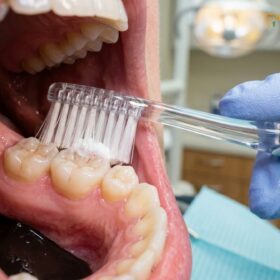
- Brush Thoroughly: Brush your teeth for two minutes with a soft-bristled toothbrush and fluoride toothpaste. This removes overnight plaque and applies a protective fluoride coating.
- Eat Breakfast: Enjoy your meal, knowing your teeth are already protected.
- Rinse After: After your meal, simply rinse your mouth vigorously with water to wash away any large food debris. You can also chew sugar-free gum to stimulate more saliva flow.
What If You MUST Brush After Eating Breakfast?
Experience has shown that sometimes life gets in the way. If you forget to brush beforehand or have a strong preference for brushing after, there is a safer way to do it. The golden rule is to WAIT.
You must wait at least 30 to 60 minutes after your meal before brushing. The American Dental Association specifically recommends waiting 60 minutes after consuming acidic items. This critical waiting period allows your saliva to do its job: neutralizing the acids in your mouth and allowing your enamel to remineralize and harden again. Brushing before this period has passed is what causes the damage.
| Feature | Brushing BEFORE Breakfast (Recommended) | Brushing AFTER Breakfast (If Necessary) |
|---|---|---|
| Primary Goal | Remove plaque bacteria before eating; Prime teeth with fluoride. | Remove food debris after eating. |
| Key Action | Brush immediately upon waking. | Wait at least 30-60 minutes after your meal. |
| Effect on Enamel | Protects enamel from food acids. | High risk of brushing away acid-softened enamel if you don’t wait. |
| Post-Meal Step | Rinse with water to clear food debris. | Brush gently with a soft-bristled brush. |
| Best For | Optimal long-term oral health and enamel preservation. | Situations where brushing before is not possible. |

brushing your teeth before breakfast
Dr. Cuong’s Expert Answers to Common Scenarios
Over my years of practice, patients bring up very specific, real-world questions about this topic. Here are my answers to some of the most common ones.
“What about my morning coffee or orange juice?”
This is a perfect example of why brushing before is so important. Coffee and citrus juices are highly acidic. If you brush *before* drinking them, your fluoridated enamel is better prepared to resist the acid. If you drink them first and then brush, you are creating the perfect storm for enamel erosion. The rule is simple: for acidic meals, brushing before is not just better, it’s critical.
“I have bad breath in the morning. Won’t eating first help?”
This is a common misconception. Morning breath is caused by the buildup of bacteria overnight. Eating breakfast might temporarily mask the odor with the smell of food, but it doesn’t solve the root problem. In fact, it feeds the very bacteria causing the smell. The true solution is to brush those bacteria away first thing in the morning.
A common question I get from patients is about coffee. They worry about the coffee staining their freshly brushed teeth. My advice is consistent: the structural health of your enamel is far more important than temporary surface stains. Protect your enamel first by brushing before your coffee. Stains can be managed with regular professional cleanings, but lost enamel is gone forever.
“What if I only drink water, workout, and then eat breakfast?”
A great question for active individuals. In this scenario, the best practice is to brush your teeth upon waking, before your water and workout. This removes the plaque that accumulated overnight. After your workout and subsequent breakfast, a simple rinse with water is sufficient. This routine ensures your teeth are clean and protected from the very start of your day.
brushing your teeth before breakfast
FAQ: Your Questions on Brushing and Breakfast Answered
So, should I brush my teeth before or after breakfast for the best results?
For the best results and long-term health of your tooth enamel, you should brush your teeth before breakfast. This removes plaque bacteria and coats your teeth with protective fluoride before they are exposed to acids from your food.
Is eating breakfast before brushing teeth really that bad for you?
Eating breakfast before brushing isn’t just about leaving food on your teeth; it’s about feeding the bacteria that grew overnight, which then produce enamel-damaging acids. Furthermore, if you brush immediately after an acidic meal, you can scrub away the softened enamel, causing permanent damage.
How long should you wait to brush your teeth after eating?
If you must brush after a meal, you should wait at least 30-60 minutes. This gives your saliva time to neutralize the acids and for your enamel to reharden, making it safe to brush.
Does it matter what kind of food I eat for breakfast?
Yes, very much. Acidic foods like citrus fruits, juices, coffee, and even some breads and pastries pose the biggest risk to your enamel. For these foods, it is especially important to brush beforehand or wait a full 60 minutes before brushing afterward.
Can I use mouthwash instead of brushing before breakfast?
While rinsing with an antiseptic mouthwash can kill some bacteria, it is not a substitute for the mechanical removal of plaque that brushing provides. Brushing physically dislodges the sticky biofilm from your teeth. A mouthwash can be a good supplement after rinsing with water post-meal, but not a replacement for brushing first.
What should I do if my teeth already feel sensitive?
Tooth sensitivity can be a sign of enamel erosion. It is crucial to see a dentist for a proper diagnosis. In the meantime, immediately switch to brushing before breakfast, use a toothpaste designed for sensitive teeth, and avoid brushing too hard. This is a sign that your teeth need professional attention.
Will brushing before breakfast help with bad breath?
Absolutely. Morning bad breath is caused by bacteria that multiply while you sleep. Brushing first thing in the morning is the most effective way to remove these bacteria and solve the root cause of the odor, rather than just temporarily masking it with food.
Your Smile’s Health Starts with Your Morning Routine
The evidence is clear: brushing your teeth before breakfast is the superior choice for protecting your irreplaceable tooth enamel. It removes harmful plaque, stimulates protective saliva, and applies a layer of fluoride when your teeth need it most. While brushing after breakfast is better than not brushing at all, it must be done correctly by waiting 30-60 minutes to avoid causing long-term damage.
Protecting your smile for a lifetime starts with simple, correct daily habits. For a personalized assessment of your oral health and a professional cleaning, we invite you to our clinic. Book an appointment online today at HCMCDental.com and get a 10% discount on your first visit!
This article was medically reviewed and written by Dr. Cuong.
Important Disclaimer
This article is for informational purposes only and does not constitute medical advice. The information contained herein is not intended to be a substitute for professional medical advice, diagnosis, or treatment. Always seek the advice of your dentist or other qualified health provider with any questions you may have regarding a medical condition. Never disregard professional medical advice or delay in seeking it because of something you have read on this website.
Written and Medically Reviewed By
Dr. Cuong is a leading Specialist in Odontostomatology at HCMCDental.com. With extensive clinical experience, he is passionate about preventive dentistry and patient education. Dr. Cuong is dedicated to providing his patients with the most current, evidence-based dental care to help them maintain optimal oral health throughout their lives.