Can Wisdom Teeth Cause Headaches? [Get Answers] | Dr. Cuong

Are you struggling with persistent headaches and wondering if your wisdom teeth are the culprit? As a specialist in Odontostomatology, this is a...
Persistent headaches can be debilitating, often leading individuals to extensively seek their underlying cause. While many factors contribute to head pain, a significant and frequently overlooked connection exists between chronic headaches and the presence of wisdom teeth. It is common for patients to be surprised by this association, yet clinical evidence and dental research consistently demonstrate how third molars can directly contribute to various forms of head and facial discomfort.
This comprehensive guide will meticulously explore the mechanisms by which problematic wisdom teeth can trigger symptoms ranging from tension-type headaches to more severe, migraine-like pain. We will detail the common scenarios, specific symptoms to watch for, and the range of professional solutions available. Understanding this intricate relationship is crucial for accurately identifying and effectively addressing a potential, yet often hidden, root cause of your ongoing pain.
Can Headaches Be Caused by Wisdom Teeth? The Definitive Answer
As a dental specialist, I can confirm that the answer is a definitive yes. While not every headache is related to your dental health, wisdom teeth are a significant and often overlooked cause of head and facial pain. In my years of practice, I’ve treated countless patients whose chronic headaches, and sometimes even debilitating migraines, were resolved after addressing their wisdom tooth problems. The pain you feel in your head can be a direct signal that something is wrong in the back of your mouth.
The reason this occurs is due to the complex network of nerves and structures in your head and jaw. Pain is not always felt at its source. This phenomenon, known as referred pain, is why a problem with a tooth can manifest as a headache, earache, or even neck pain. The pressure, infection, or inflammation from a problematic wisdom tooth can irritate major nerves, like the trigeminal nerve, which is responsible for sensation in most of your face, including your jaw and teeth. When this nerve is aggravated, it can send pain signals that your brain interprets as a headache.
can headaches be caused by wisdom teeth
The Primary Culprits: How Wisdom Teeth Cause Headaches
Understanding the specific mechanisms is the first step toward finding relief. Several common scenarios explain why your third molars might be the source of your head pain. A frequent situation at our clinic involves a patient presenting with tension-type headaches that have no other clear medical cause; an X-ray often reveals an impacted wisdom tooth as the hidden culprit.
Impacted Wisdom Teeth: The Pressure Cooker Effect
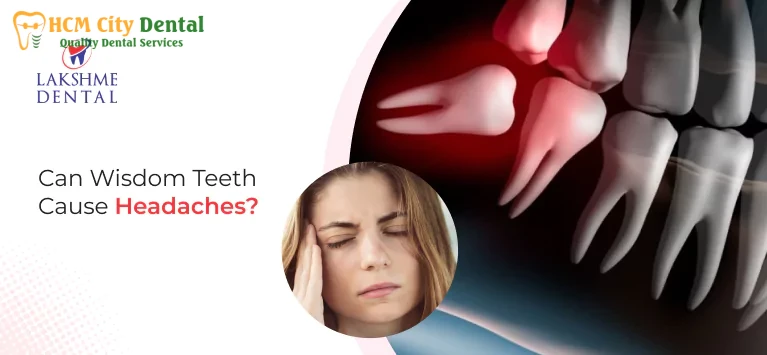
The most common reason wisdom teeth cause headaches is impaction. This occurs when there isn’t enough space in your jaw for the teeth to erupt normally. Our jaws today are often smaller than our ancestors’, leaving inadequate room for this final set of molars. When a wisdom tooth is impacted, it can become trapped in the jawbone or under the gums, pushing against the adjacent molar.
This creates immense pressure that doesn’t just stay in the jaw. This constant force can radiate outward, leading to several types of pain:
- Tension Headaches: The sustained pressure on the jawbone and surrounding muscles can lead to chronic muscle tension, a primary cause of tension headaches. You might feel this as a dull, aching pain or a tight band around your head.
- Radiating Jaw Pain: The pain often starts in the jaw and then travels up towards the temples and forehead.
- Damage to Adjacent Teeth: The pressure can also damage the roots of the neighboring second molars, causing further pain and dental problems that contribute to headaches.
Infection and Inflammation: A Painful Combination
Partially erupted wisdom teeth are notoriously difficult to clean. When a tooth is only partway through the gum, it creates a small flap of tissue known as an operculum. This area becomes a perfect breeding ground for bacteria, trapping food particles and plaque.
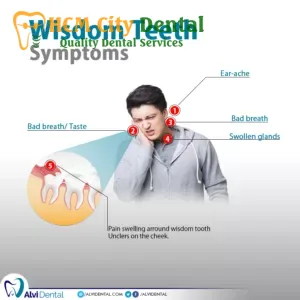
This can lead to a painful infection called pericoronitis. The signs of this infection are clear:
- Swollen, red, and tender gums around the wisdom tooth.
- A foul taste or bad breath.
- Pus discharge from the area.
- Swelling that can radiate up to the cheek and jaw.
This inflammation and infection trigger the body’s pain response, which can easily manifest as a throbbing headache. In my experience, headaches accompanied by these localized oral symptoms are a strong indicator that an infected wisdom tooth is the cause.
In my clinical experience, pericoronitis is one of the most acute and painful conditions patients face. The infection creates significant swelling and pressure that almost always refers pain to the head and ear. Prompt treatment is essential not only for pain relief but to prevent the infection from spreading.
Jaw Misalignment and TMJ/TMD Issues
When wisdom teeth erupt improperly, they can disrupt the delicate balance of your bite (occlusion). To avoid discomfort when chewing, you might unconsciously alter how you close your jaw. This subtle shift, over time, places immense strain on the temporomandibular joints (TMJ), the complex joints that connect your jaw to your skull.
This strain can lead to Temporomandibular Disorder (TMD), a condition characterized by:
- Pain and tenderness in the jaw joints.
- A clicking or popping sound when opening or closing your mouth.
- Difficulty opening your mouth wide.
- Muscle spasms in the jaw.
TMD is a well-known cause of chronic headaches and even wisdom teeth and migraines. The constant tension in the jaw muscles can trigger severe, debilitating head pain that mimics classic migraines.
Sinus Problems and Upper Wisdom Teeth
The roots of your upper wisdom teeth are located very close to the maxillary sinuses. When these teeth erupt or become impacted, they can exert pressure on the sinus cavities. This can lead to inflammation and congestion, causing symptoms that are often mistaken for a sinus infection:
- Pressure and pain behind the eyes and in the cheekbones.
- A stuffy or runny nose.
- A persistent, dull, throbbing headache, often described as a sinus headache.
If you experience headache symptoms along with sinus pressure, especially on one side, it’s worth considering if an upper wisdom tooth is the underlying cause.
Are your headaches accompanied by jaw pain or sinus pressure? This could be a sign. Still have questions? Call our Hotline/WhatsApp now at +84853020003 for a direct, completely free consultation with Dr. Cuong!

can headaches be caused by wisdom teeth
Identifying a Wisdom Tooth Headache: Key Signs and Symptoms
How can you differentiate a wisdom tooth headache from other types? While only a professional diagnosis is definitive, certain clues can point to a dental origin. Experience has shown that when patients report a combination of these symptoms, a dental examination is crucial.
Look for a primary headache accompanied by one or more of the following:
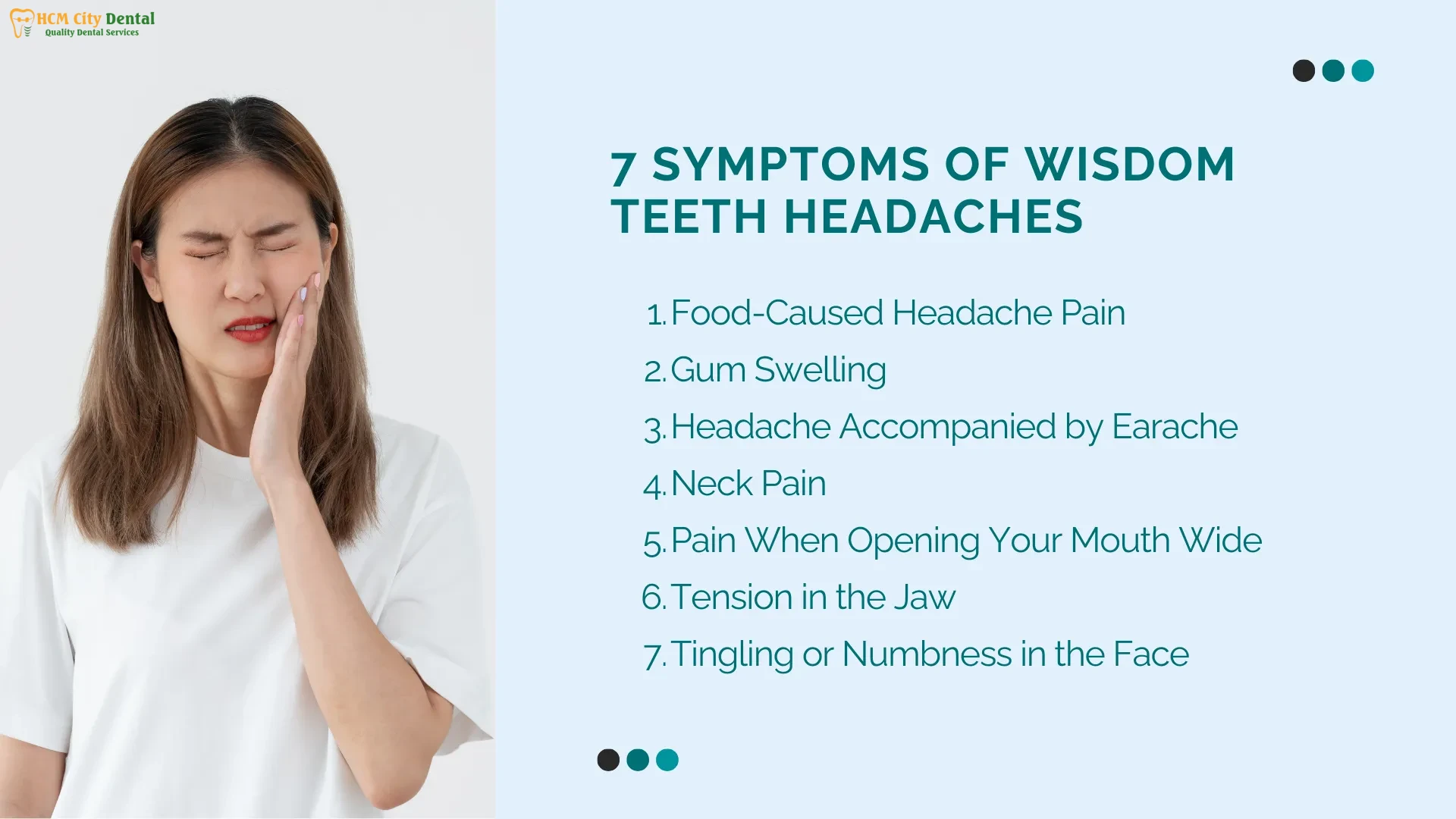
- Location of Pain: The headache is often one-sided, localized to the same side as the problematic tooth. It may be felt in the temple, behind the eye, or in the ear.
- Jaw and Mouth Symptoms: Pain, stiffness, or soreness in the back of the jaw. You might also notice swollen gums or difficulty opening your mouth fully.
- Pain Triggers: The headache may worsen when chewing or touching the jaw area near the wisdom tooth.
- Associated Pains: The headache is often accompanied by an earache or neck pain.
To help you distinguish between different types of headaches, consider the following table:
| Headache Type | Typical Location | Pain Character | Associated Symptoms |
|---|---|---|---|
| Wisdom Tooth Headache | Temple, behind the eye, ear, side of the head | Dull, aching, throbbing, can be severe | Jaw pain, stiff jaw, swollen gums, pain when chewing |
| Tension Headache | Band-like pressure around the forehead | Dull, aching, constant | Neck and shoulder muscle tightness |
| Migraine | Often one-sided, but can be bilateral | Throbbing, pulsating, severe | Nausea, vomiting, sensitivity to light and sound |
| Sinus Headache | Cheeks, forehead, behind the eyes | Deep, constant pressure | Nasal congestion, facial swelling, fever |
can headaches be caused by wisdom teeth
Solutions for Wisdom Tooth Headaches: From Home Care to Professional Treatment
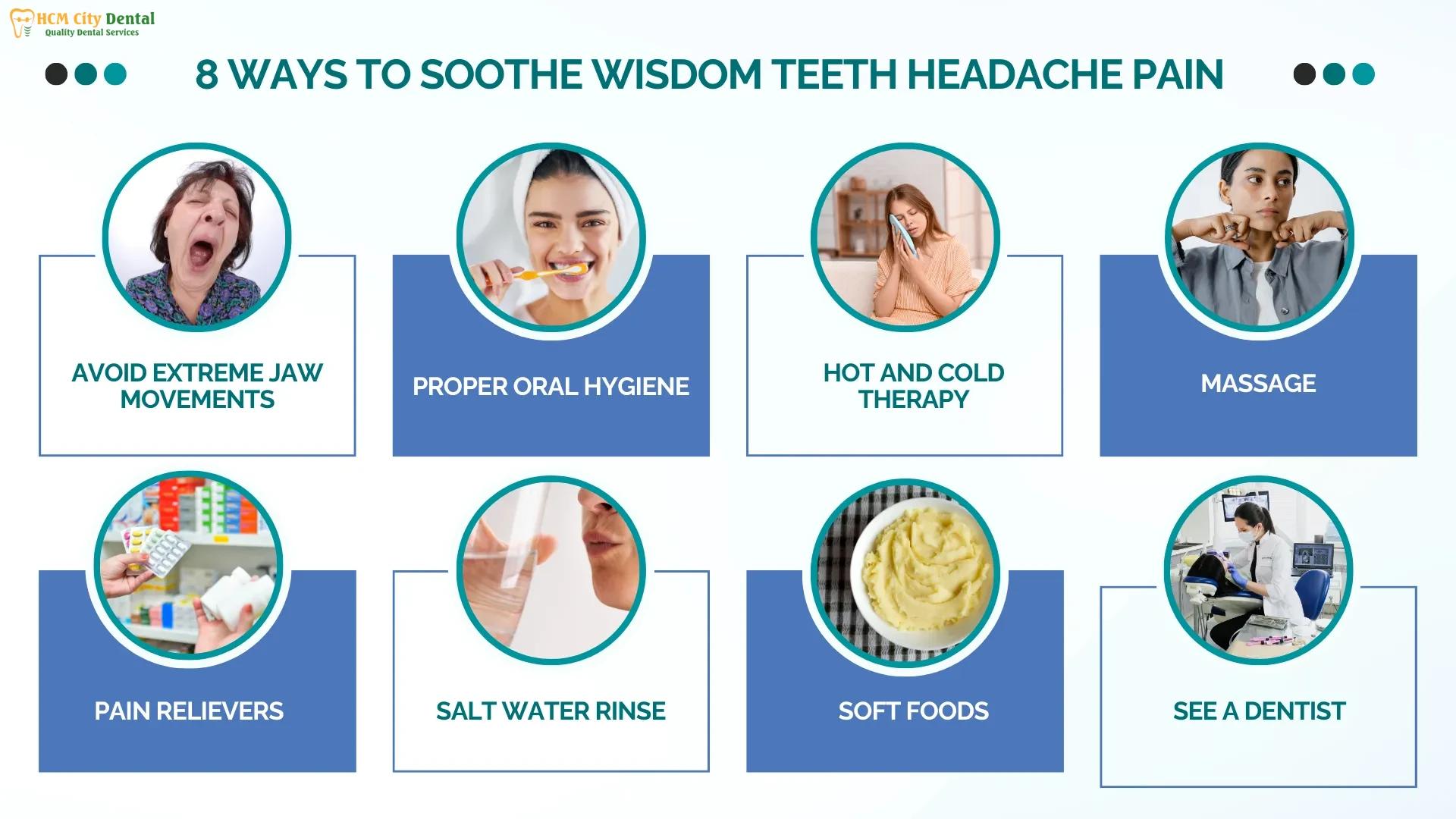
If you suspect your headaches are linked to your wisdom teeth, there are steps you can take for both immediate relief and a long-term solution. However, it is critical to understand that home remedies are temporary measures; they do not solve the underlying problem.
Temporary At-Home Pain Relief
While you await a professional consultation, these methods can help manage the discomfort:
- Over-the-Counter Pain Relievers: Anti-inflammatory medications like ibuprofen can help reduce both pain and swelling.
- Cold Compress: Applying an ice pack to the outside of your jaw for 15-20 minutes at a time can numb the area and decrease inflammation.
- Saltwater Rinse: Rinsing your mouth with warm salt water several times a day can help soothe irritated gums and reduce bacteria, especially if infection is a concern.
A common mistake I see patients make is relying solely on painkillers. While they provide temporary relief, they mask the underlying issue. An untreated impacted or infected wisdom tooth can lead to more severe complications, including cysts, abscesses, and significant damage to adjacent teeth. Please use these remedies as a bridge to seeing a professional, not a replacement.
The Definitive Solution: Professional Dental Care
The only way to permanently stop wisdom tooth headaches is to address the root cause with professional dental treatment. At HCMCDental.com, our approach is thorough and patient-focused.
- Comprehensive Examination and Diagnosis: The first step is always a detailed examination. This includes a physical check of your teeth and gums, along with a panoramic X-ray. The X-ray is crucial as it allows me to see the exact position of your wisdom teeth, whether they are impacted, and their proximity to nerves and sinuses.
- Wisdom Tooth Extraction: In the vast majority of cases where wisdom teeth cause headaches, extraction is the most effective and permanent solution. Removing the problematic tooth eliminates the source of pressure, infection, and pain. The procedure is common and safe, and we utilize modern techniques and sedation options to ensure your comfort.
- Managing Infection: If an active infection like pericoronitis is present, I may first prescribe a course of antibiotics to control the infection before proceeding with the extraction. This makes the procedure safer and aids in a smoother recovery.
Don’t let headache pain control your life. A dental evaluation can provide the answers you need. Book an appointment online now and get a 10% discount on your first consultation at HCMCDental.com!
can headaches be caused by wisdom teeth
Frequently Asked Questions (FAQ)
Can wisdom teeth cause headaches and dizziness?
Yes, it’s possible. The intense pain and pressure from an impacted wisdom tooth can sometimes affect the inner ear, which plays a role in balance, potentially leading to feelings of dizziness or vertigo in some individuals.
How do I know if my migraine is from my wisdom teeth?
If your migraines are consistently accompanied by jaw pain, earaches, or tenderness in the back of your mouth, there’s a strong possibility they are related to your wisdom teeth. Many patients who suffer from wisdom teeth and migraines find that their migraine frequency and intensity decrease significantly after extraction.
Can wisdom teeth cause headaches on one side of the head?
Absolutely. This is a very common presentation. Because the problematic tooth is on one side, the resulting pressure and nerve irritation often cause a unilateral headache on that same side.
Will the headaches go away after wisdom tooth removal?
For headaches directly caused by wisdom tooth impaction or infection, the relief after extraction is often dramatic and permanent. By removing the source of the pressure and inflammation, the trigger for the headache is eliminated.
What does a wisdom tooth headache feel like?
It often feels like a dull, persistent ache or a throbbing pressure in the temple, behind the eye, or radiating from the jaw. It can be mistaken for a tension headache or sinus headache, but the key differentiator is the presence of accompanying jaw, ear, or mouth pain.
Can wisdom teeth cause headaches even if they don’t hurt?
Yes. An impacted wisdom tooth can exert pressure on your jaw and other teeth without causing obvious localized pain in the tooth itself. This “silent” pressure can still be enough to trigger tension in the jaw muscles and refer pain that you experience as a headache.
Is it true that wisdom teeth cause headaches more in the morning?
Some patients report this, and it can be linked to nighttime teeth grinding or clenching (bruxism). The pressure from an impacted tooth can exacerbate bruxism, leading to increased jaw tension and a headache upon waking.

can headaches be caused by wisdom teeth
Conclusion: Your Path to a Headache-Free Life
To answer the core question, “can headaches be caused by wisdom teeth?” – the evidence from both clinical practice and scientific research is overwhelmingly clear: yes, they can. From the intense pressure of impaction to the radiating pain of infection and jaw misalignment, your third molars can be a hidden source of significant head pain. Recognizing the signs—jaw pain, one-sided headaches, and pain while chewing—is the first step toward finding a solution.
While home remedies can offer temporary comfort, the only lasting solution is a professional evaluation and treatment. A simple dental X-ray and examination can reveal the true cause of your suffering. If you are experiencing persistent headaches, especially in combination with any of the oral symptoms discussed, I urge you to seek a professional opinion. You do not have to live with chronic pain.
Based on my extensive experience, I can assure you that addressing a problematic wisdom tooth is one of the most effective ways to resolve certain types of chronic headaches. The relief patients feel is often life-changing. Don’t delay in seeking the care you deserve.
Take the first step towards a pain-free life today. Call our Hotline/WhatsApp at +84853020003 for a completely free, no-obligation consultation with me, Dr. Cuong, or book your appointment online at HCMCDental.com.
This article was medically reviewed and written by Dr. Cuong.
Important Disclaimer
The information provided in this article is for educational and informational purposes only and is not intended as a substitute for professional medical advice, diagnosis, or treatment. Always seek the advice of your dentist or another qualified health provider with any questions you may have regarding a medical condition. Never disregard professional medical advice or delay in seeking it because of something you have read on this website.
Written and Medically Reviewed By
Dr. Cuong, Specialist in Odontostomatology
Dr. Cuong is a leading specialist in the field of Odontostomatology with over 15 years of dedicated clinical experience. He has successfully treated thousands of patients at the HCMCDental Clinic, specializing in complex cases involving wisdom tooth extraction, dental implants, and cosmetic dentistry. Dr. Cuong is committed to providing patient-centered care, utilizing the latest technology and evidence-based practices to ensure the best possible outcomes. His mission is to educate patients and provide trustworthy, effective solutions for their oral health needs.
can headaches be caused by wisdom teeth