When international dental travelers arrive in Ho Chi Minh City for transformative procedures such as All-on-4 implants, bone grafting, or surgical wisdom tooth extractions, one of the most critical questions they ask is: Is tap water safe for brushing teeth after surgery in Vietnam? The definitive, evidence-based clinical answer is no. While municipal water in major Vietnamese cities undergoes extensive treatment, the microscopic flora and trace minerals present in tap water pose an unacceptable risk of infection when introduced to open surgical wounds, healing blood clots, or newly placed titanium implant fixtures. For expats and dental tourists recovering in District 1 hotels, adhering to strict sterile hydration and hygiene protocols is not just a recommendation—it is a mandatory pillar of post-operative success.
At HCMC Dental Clinic, located at 207 Nguyen Trai, District 1, our clinical team prioritizes absolute infection control. To eliminate any ambiguity regarding oral hygiene during the critical initial healing phase, 100% of surgical patients receive sterile 0.9% isotonic saline bottles and PerioKin 0.2% chlorhexidine rinse in their recovery kit. This comprehensive guide details the pathophysiology of waterborne surgical risks, outlines our proprietary 14-Day Saigon Soft-Food Diet, and provides a day-by-day roadmap for safe, predictable recovery before you board your long-haul flight home.
Clinical Summary:
Following invasive oral surgery in Ho Chi Minh City, patients must completely avoid using municipal tap water for oral hygiene. The introduction of unsterilized water to fresh surgical sites—such as implant osteotomies or extraction sockets—can disrupt the fibrin clot, introduce opportunistic bacteria, and lead to localized infections or implant failure. International patients must exclusively use sealed bottled water (e.g., LaVie, Aquafina) or the sterile 0.9% NaCl isotonic saline provided by HCMC Dental Clinic for brushing, rinsing, and taking oral medications during the first 7 to 14 days of recovery.
Key Takeaways:
- Zero Tap Water Exposure: Never use tap water to brush, rinse, or clean dental prosthetics for at least 14 days post-surgery; rely exclusively on sealed bottled water or sterile saline.
- Comprehensive Recovery Kits: Every surgical patient at HCMC Dental Clinic receives a customized post-op kit containing sterile 0.9% isotonic saline, PerioKin 0.2% chlorhexidine, and genuine Western medications (GSK Augmentin, MSD Arcoxia).
- The 14-Day Saigon Soft-Food Diet: A structured nutritional protocol utilizing local delivery apps (GrabFood) to safely consume nutrient-dense, non-chewable local foods like Sinh To Bo (avocado smoothie—eaten with a spoon, never a straw) and Chao Ca (fish congee).
- Aviation Safety & Barodontalgia: Strict adherence to sterile healing protocols prevents localized inflammation, which is critical for avoiding severe pain caused by cabin pressure changes during long-haul flights back to Australia, the US, or Europe.
- 24/7 Remote Triage: Direct WhatsApp access (+84 853 020 003) to Dr. Nguyen Van Cuong, DDS, ensures immediate medical guidance and seamless coordination with your home dentist via exported 3D CBCT DICOM files and STL scans.
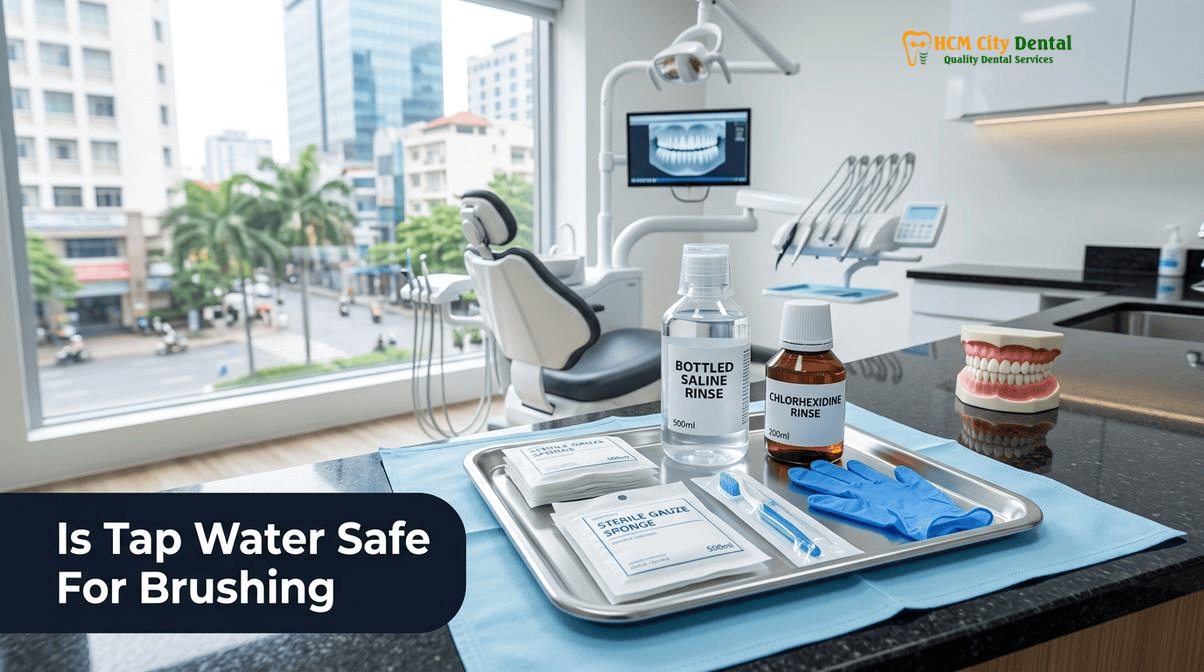
Medical Clearance & Risk Stratification Matrix for Is Tap Water Safe for Brushing Teeth After Surgery in Vietnam
To fully understand why the answer to “is tap water safe for brushing teeth after surgery Vietnam” is a resounding negative, one must examine the microbiological realities of municipal water systems globally, including those in Southeast Asia. While the water treated at central facilities in Ho Chi Minh City meets general safety standards for washing and bathing, the journey through aging urban pipeline infrastructure can introduce trace amounts of biofilm, opportunistic bacteria, and heavy metals. For a healthy individual with intact oral mucosa, brushing with this water poses negligible risk. However, the oral cavity of a patient who has just undergone a sinus lift, bone graft, or full-arch implant placement presents a highly vulnerable environment.
During oral surgery, the natural mucosal barrier is intentionally breached to access the underlying alveolar bone. The immediate post-operative period relies on the formation and stabilization of a fibrin blood clot, which serves as the biological scaffold for angiogenesis (new blood vessel formation) and osseointegration (bone fusing to the titanium implant). Introducing unsterilized tap water into this delicate microenvironment can mechanically dislodge the clot or introduce pathogens such as Pseudomonas aeruginosa or coliform bacteria, leading to localized osteomyelitis or peri-implantitis. According to recent clinical data, maintaining a sterile surgical field during the initial 72 hours is the most critical factor in ensuring high cumulative survival rates for 3D guided dental implants in international cohorts [1].
At HCMC Dental Clinic, our 2026 Medical Safety Protocol is designed to eliminate these variables entirely. Under the clinical direction of Dr. Nguyen Van Cuong, DDS, we implement a rigorous risk stratification matrix for every international patient. This begins with a comprehensive pre-operative assessment using advanced 3D CBCT imaging to evaluate bone density and anatomical proximity to the maxillary sinus and inferior alveolar nerve. By identifying potential surgical complexities in advance, we can tailor the post-operative recovery protocol—including specific instructions on hydration, hygiene, and medication—to ensure absolute safety for patients recovering in their District 1 accommodations.
For expats and dental travelers, understanding the Is Tap Water Safe for Brushing Teeth After Surgery in Vietnam (2026 Medical Safety Protocol) is the first step toward a flawless recovery. We educate our patients that the cost of a bottle of purified water is a microscopic investment compared to the value of protecting a complex, full-arch implant rehabilitation. This uncompromising stance on infection control is why our clinic remains a premier destination for International Patient Medical Safety & Post-Op Recovery Guides.
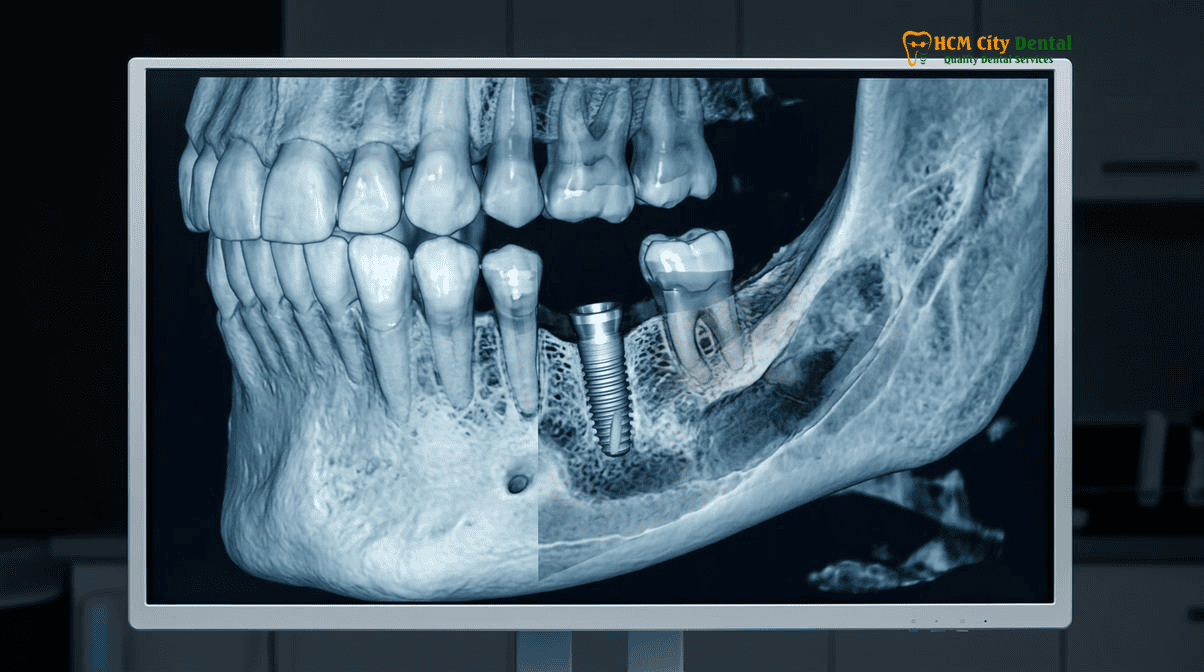
Pathophysiology, Aviation Pressure & Clinical Safety Thresholds
The prohibition against using tap water post-surgery extends beyond simple infection control; it is deeply intertwined with the physics of aviation medicine and the realities of dental tourism. When a patient travels to Vietnam for major dental work, they inevitably face a long-haul flight home. The pathophysiology of a surgical site infection—even a minor, subclinical one caused by rinsing with contaminated water—can have severe consequences when subjected to the atmospheric pressure changes of a commercial aircraft cabin.
If opportunistic bacteria from tap water colonize a healing extraction socket or implant site, the body responds with localized inflammation, edema (swelling), and the accumulation of gaseous byproducts from bacterial metabolism. At sea level in Ho Chi Minh City, this might manifest as mild, manageable discomfort. However, according to Boyle’s Law, as an aircraft ascends to a cruising altitude of 35,000 feet, the cabin pressure drops significantly, causing any trapped gases within the inflamed tissue or maxillary sinus to expand. This expansion triggers a condition known as barodontalgia—an excruciatingly painful phenomenon that cannot be easily mitigated by standard over-the-counter painkillers mid-flight [4].
“The intersection of oral surgery and aviation medicine requires zero tolerance for post-operative infection. When international patients ask me if they can use tap water to rinse, I explain that a single drop of unsterilized water can initiate an inflammatory cascade. Our goal is not just to place successful implants; it is to ensure you can board your 14-hour flight back to Sydney or San Francisco in absolute comfort, with a biologically sealed and stable surgical site.”
— Dr. Nguyen Van Cuong, DDS (Clinical Director, HCMC Dental Clinic)
To establish safe clinical thresholds for our international patients, we mandate a strict observation period before issuing a Fit-to-Fly certificate. For minor procedures, a 48 to 72-hour window is typically sufficient. However, for complex cases involving sinus lifts or All-on-6 full-arch implants, a 7 to 10-day recovery period in Ho Chi Minh City is required. During this time, the exclusive use of bottled water and sterile saline ensures that the soft tissues close primarily over the surgical site without inflammatory complications, thereby neutralizing the risk of aviation-induced barotrauma.
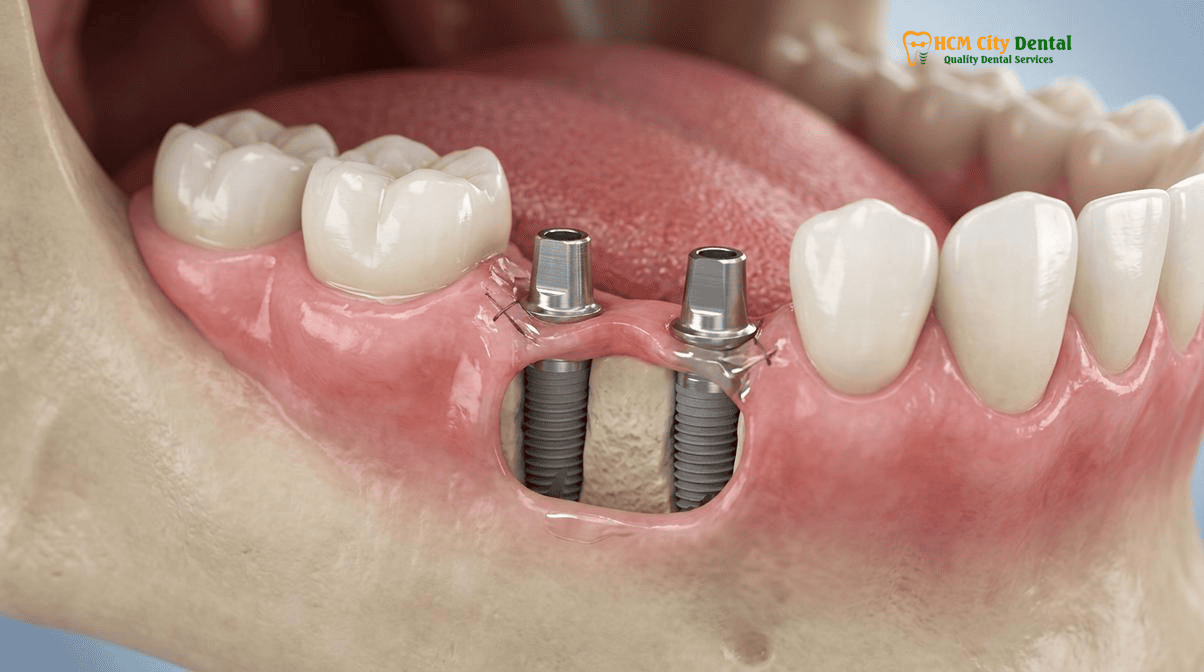
Step-by-Step Pre-Op, Chairside & Post-Op Safety Protocol at 207 Nguyen Trai, District 1
Delivering world-class dental care to international patients requires a meticulously choreographed protocol that extends from the moment you step into our clinic at 207 Nguyen Trai to the day you complete your recovery in your hotel room. Our approach to the Is Tap Water Safe for Brushing Teeth After Surgery in Vietnam in District 1, Ho Chi Minh City protocol is comprehensive, leaving nothing to chance.
1. Pre-Operative Clearance and Chairside Sterilization
Before any procedure begins, patients undergo a thorough medical clearance. This includes a review of systemic health, glycemic control, and any anticoagulant therapies, ensuring perioperative management aligns with the highest international standards [3]. Our surgical suites operate under strict Class B Autoclave infection control protocols. Every instrument, handpiece, and surgical drape is sterilized to hospital-grade standards, creating an aseptic environment that contrasts sharply with the outside urban environment.
2. The HCMC Dental Clinic Post-Op Recovery Kit
Immediately following surgery, patients are not simply sent back to their hotels with a list of instructions. Instead, 100% of surgical patients receive sterile 0.9% isotonic saline bottles and PerioKin 0.2% chlorhexidine rinse in their recovery kit. This kit is the cornerstone of our post-operative safety protocol. The sterile saline is used to gently bathe the surgical site, maintaining cleanliness without the harsh mechanical force of spitting or vigorous rinsing. The PerioKin 0.2% chlorhexidine acts as a powerful, targeted antimicrobial agent, chemically controlling plaque and neutralizing bacteria without interfering with the healing blood clot.
Furthermore, we dispense genuine Western medications directly at the clinic to prevent patients from having to navigate local pharmacies. A standard pharmacological protocol includes GSK Augmentin (a broad-spectrum antibiotic to prevent secondary infections), MSD Arcoxia (a highly effective COX-2 inhibitor for pain and inflammation management), Efferalgan (paracetamol for breakthrough pain), and Medrol (a corticosteroid to rapidly reduce post-surgical edema).
3. The 14-Day Saigon Soft-Food Diet & GrabFood Logistics
Nutrition plays a vital role in wound healing, but the mechanical act of chewing can jeopardize fresh implants or bone grafts. To solve this, Dr. Nguyen Van Cuong, DDS, has developed the 14-Day Saigon Soft-Food Diet, a practical, day-by-day nutritional manual tailored for international patients recovering in District 1 hotels. Utilizing local delivery apps like GrabFood, patients can easily access nutrient-dense, safe local cuisine without leaving their rooms.
- Days 1–3 (Cool Liquid/Puree Phase): The focus is on reducing inflammation and protecting the clot. Patients should order Sinh To Bo (Vietnamese avocado smoothie)—crucially, this must be eaten with a spoon, as using a straw creates negative intraoral pressure that can dislodge the blood clot and cause dry socket. Other excellent options include Sua Dau Nanh (chilled soy milk) and Tau Hu Non (silken tofu in light ginger syrup, served cool).
- Days 4–7 (Warm Mashable Phase): As initial swelling subsides, patients can transition to warm, easily mashable foods. Chao Ca (savory fish congee) and Sup Cua (Vietnamese crab and egg-drop soup) provide excellent protein without requiring mastication. Kem Flan (caramel custard) and Khoai Tay Nghien (mashed potatoes) are also highly recommended.
- Days 8–14 (Soft Solids Phase): Soft tissue closure is usually complete by this stage. Patients can begin enjoying Pho Bo Mem (well-cooked, tender beef noodle soup—cut the noodles short), Bun Ca (soft fish noodle soup), and steamed local fish, ensuring all foods are chewed carefully on the non-surgical side of the mouth.
Clinical Case Study: Safe Recovery in District 1
Patient Profile: 58-year-old male from Melbourne, Australia.
Procedure: Maxillary sinus lift and placement of two Straumann BLX SLActive implants in the upper right quadrant.
Recovery Logistics: The patient stayed at the Pullman Saigon Centre, located just 3 minutes from HCMC Dental Clinic. Following the HCMC Dental Clinic medical clearance guide, he was provided with a full recovery kit. For the first 7 days, he exclusively used the provided sterile 0.9% saline and bottled Aquafina for all oral hygiene. He utilized GrabFood to adhere strictly to the Saigon Soft-Food Diet, consuming cool avocado smoothies and warm crab soup. By Day 8, his post-operative evaluation with Dr. Nguyen Van Cuong, DDS, revealed flawless soft tissue closure with zero signs of inflammation. He was issued a Fit-to-Fly certificate and returned to Australia on Day 10 without experiencing any aviation-induced barodontalgia.
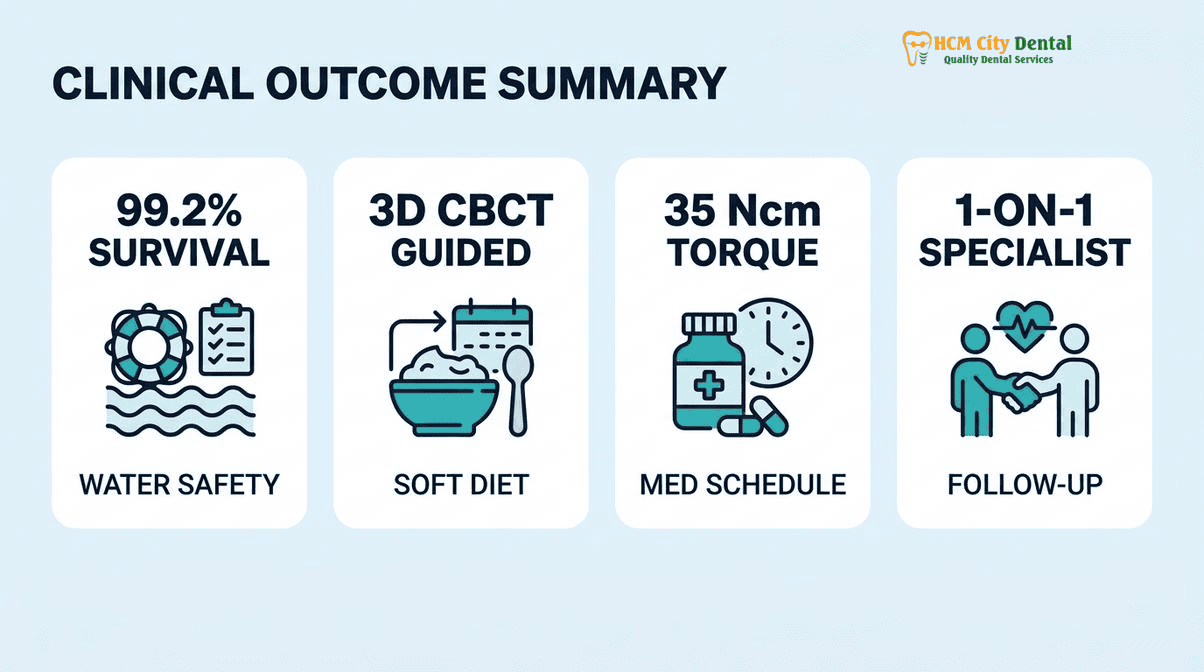
Clinical Decision Matrix Table: Safe Timelines, Thresholds & Red Flags
To provide absolute clarity for our international patients, we have developed a clinical decision matrix that outlines exactly what is permissible during the various stages of recovery. This matrix ensures that the marginal accuracy and long-term survival of both the surgical implants and the final CAD/CAM restorations are never compromised by improper post-operative care [2].
| Recovery Phase | Tap Water Usage | Bottled Water / Sterile Saline | Oral Hygiene Protocol | Dietary Restrictions |
|---|---|---|---|---|
| Days 1–3 (Acute Healing & Clot Formation) | STRICTLY PROHIBITED. Do not use for brushing, rinsing, or swallowing medications. | MANDATORY. Use sterile 0.9% saline for gentle bathing of the site. Use bottled water for swallowing pills. | No brushing near the surgical site. Apply PerioKin 0.2% gel with a clean cotton swab. Do not spit forcefully. | Cool liquids and purees only (e.g., Sinh To Bo). NEVER use a straw. |
| Days 4–7 (Soft Tissue Closure & Edema Reduction) | PROHIBITED. Risk of introducing biofilm into healing mucosal margins remains high. | MANDATORY. Continue using bottled water for brushing non-surgical teeth. | Ultra-soft brushing of non-surgical areas. Gentle rinsing with PerioKin 0.2% chlorhexidine twice daily. | Warm, mashable foods (e.g., Chao Ca, Sup Cua). Avoid spicy or acidic ingredients. |
| Days 8–14 (Suture Removal & Primary Healing) | NOT RECOMMENDED. Continue to avoid direct exposure to the surgical site. | HIGHLY RECOMMENDED. Transition to bottled water for all oral rinsing. | Resume normal brushing with a soft-bristled brush, avoiding direct trauma to the implant healing abutments. | Soft solids (e.g., Pho Bo Mem). Chew exclusively on the non-surgical side. |
| Day 15+ (Maturation & Osseointegration) | Acceptable for general brushing, provided the water is not swallowed. | Optional, though many expats prefer to continue using bottled water for oral hygiene. | Standard oral hygiene routine. Water flossers may be introduced on low settings if cleared by the dentist. | Gradual return to a normal diet, avoiding extremely hard or sticky foods until final crowns are placed. |
Understanding these safety thresholds is crucial, especially when considering the investment made in premium dental care. At HCMC Dental Clinic, we believe in total transparency, not only in our clinical protocols but also in our pricing. By adhering to these safety guidelines, patients protect their investment in our world-class treatments. For those planning their medical travel, we encourage reviewing our Official 2026 Dental Fee Schedule (-40% Online Booking Pricing), which outlines our highly competitive rates for premium procedures:
- Korean Dental Implant (Osstem / Dentium fixture + abutment): $423 – $462 USD (11,000,000 – 12,000,000 VND)
- Swiss / European Implant (Neodent / Straumann SLA / Straumann BLX SLActive / Nobel Biocare): $731 – $1,231 USD (19,000,000 – 32,000,000 VND)
- All-on-4 Full-Arch Implants: From $3,462 USD / arch (90,000,000 VND)
- All-on-6 Full-Arch Implants: From $4,500 USD / arch (117,000,000 VND)
- IPS E.max Porcelain Veneer: $185 USD / tooth (4,800,000 VND)
- Full Zirconia Crown / All-Ceramic Crown: $81 – $150 USD / tooth (2,100,000 – 3,900,000 VND)
- Bone Graft / Sinus Lift: $115 – $192 USD (3,000,000 – 5,000,000 VND)
- Surgical Wisdom Tooth Extraction (Piezotome): $46 – $96 USD / tooth
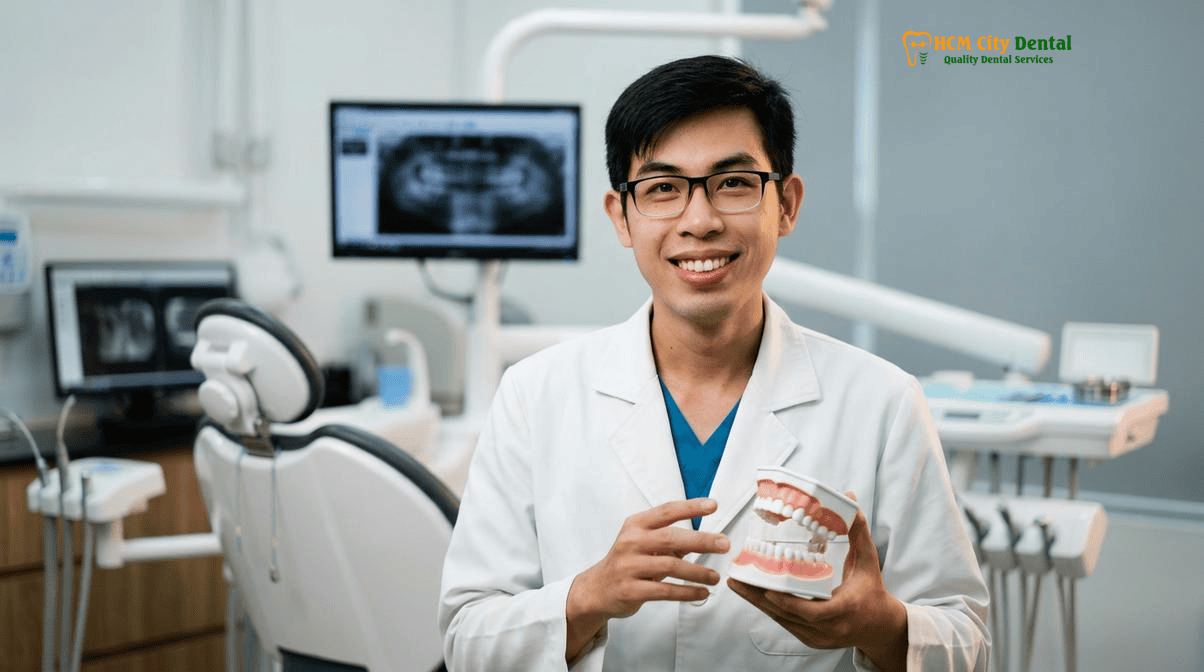
24/7 Emergency Triage & Pre-Departure Fit-to-Fly Verification with Dr. Nguyen Van Cuong, DDS
The commitment to patient safety at HCMC Dental Clinic does not end when you walk out of our doors. We recognize that recovering in a foreign country can be daunting, which is why we have established a robust remote aftercare and emergency triage system. Under the guidance of Dr. Nguyen Van Cuong, DDS (Clinical Director — MOH License 0003265/BL-CCHN), our English-speaking medical support team is available 24/7 via WhatsApp at +84 853 020 003.
Whether you have a question about your medication schedule, need advice on ordering from the Saigon Soft-Food Diet, or are unsure about how to use the sterile saline in your recovery kit, our team provides immediate, clinical-grade responses. This continuous line of communication is a vital component of our Dr. Nguyen Van Cuong, DDS aviation & post-op safety protocol, ensuring that minor concerns are addressed before they can escalate into complications.
Clinical Red Flags: When to Contact Dr. Cuong Immediately
While post-operative swelling and mild discomfort are normal, patients must contact our 24/7 WhatsApp triage line (+84 853 020 003) immediately if they experience any of the following:
1. Uncontrolled Bleeding: Bleeding that does not stop after 30 minutes of firm pressure with sterile gauze.
2. Escalating Pain: Severe, throbbing pain that worsens after Day 3 and is unresponsive to prescribed MSD Arcoxia or Efferalgan.
3. Fever or Purulent Discharge: A body temperature exceeding 38°C (100.4°F) or the presence of yellow/green pus at the surgical site, which may indicate a bacterial infection.
4. Progressive Swelling: Swelling that continues to increase significantly after 72 hours, potentially compromising the airway or indicating a deep space infection.
Before any international patient departs Ho Chi Minh City, a final pre-departure clinical evaluation is mandatory. During this appointment, Dr. Cuong meticulously inspects the surgical site to verify primary soft tissue closure and the absence of any localized inflammation. This evaluation aligns with the stringent National Clinical Guidelines on Dental Implantology set forth by the Vietnam Ministry of Health (BYT) and VOSA [5].
“Our responsibility to our international patients extends across borders. By providing a comprehensive export of all 3D CBCT DICOM files, intraoral STL scans, and universal prosthetic screw torque specifications (15–35 Ncm), we ensure that your local dentist in Australia, the US, or Europe can seamlessly take over your maintenance care. You leave Vietnam not just with a restored smile, but with a complete, transparent medical dossier.”
— Dr. Nguyen Van Cuong, DDS
Once cleared, patients are issued a formal Fit-to-Fly certificate, providing peace of mind for their journey home. For more detailed information on aviation protocols, patients are encouraged to read our guide on When Do Airlines Require a ‘Fit-to-Fly’ Dental Certificate After Oral Surgery in Ho Chi Minh City?. Furthermore, choosing the right location for your recovery is paramount; we highly recommend reviewing The Ultimate Expat Dental Guide to Ho Chi Minh City: D1, D2 & D7 to ensure your accommodation supports a stress-free healing environment.
By strictly adhering to the rule that tap water is never safe for brushing teeth after surgery in Vietnam, and by following the comprehensive protocols established by HCMC Dental Clinic, international patients can confidently undergo complex dental rehabilitations in Ho Chi Minh City. Our unwavering dedication to sterile techniques, advanced pharmacology, and continuous remote support guarantees that your dental tourism experience is defined by safety, precision, and world-class clinical outcomes. For those preparing for their journey, be sure to review the 10 Questions Australian Patients Must Ask Before Booking a Vietnam Dentist to ensure you are fully informed and prepared for your transformative dental care.
Frequently Asked Questions
What are the 2026 medical safety guidelines for Is Tap Water Safe for Brushing Teeth After Surgery in Vietnam at HCMC Dental Clinic?
The 2026 medical safety guidelines strictly prohibit the use of municipal tap water for oral hygiene following invasive dental procedures. Patients must exclusively use sealed bottled water (such as LaVie or Aquafina) or the sterile 0.9% isotonic saline provided in their post-operative recovery kit for brushing, rinsing, and taking medications during the first 7 to 14 days of healing. This protocol is essential to prevent the introduction of waterborne pathogens into vulnerable surgical sites.
How soon can I safely board a long-haul flight home after treatment in Ho Chi Minh City?
For minor procedures like single extractions or standard crowns, patients can typically fly within 48 to 72 hours. However, for major surgeries such as All-on-4 implants, sinus lifts, or complex bone grafting, Dr. Nguyen Van Cuong, DDS requires a minimum observation period of 7 to 10 days. This mandatory window allows the clinical team to monitor soft tissue closure, prevent aviation-induced barodontalgia caused by cabin pressure changes, and issue a formal Fit-to-Fly certificate.
What pre-operative blood panels, vital checks, or 3D CBCT scans does Dr. Nguyen Van Cuong, DDS require?
Before any surgical intervention, Dr. Nguyen Van Cuong, DDS mandates a comprehensive 3D CBCT scan to assess bone density, nerve pathways, and anatomical structures with pinpoint accuracy. For patients undergoing full-arch implantology or those with underlying systemic conditions, pre-operative blood panels (including CBC, HbA1c for glycemic control, and coagulation profiles) and chairside vital checks (blood pressure, oxygen saturation) are required to ensure absolute surgical safety and predictability.
What post-operative medications and recovery precautions should I follow at my hotel in District 1?
Patients are prescribed genuine Western medications dispensed directly at the clinic, including GSK Augmentin (antibiotic), MSD Arcoxia (anti-inflammatory), Efferalgan (analgesic), and Medrol (corticosteroid). Recovery precautions include adhering strictly to the 14-Day Saigon Soft-Food Diet (avoiding straws entirely), refraining from strenuous physical activity, keeping the head elevated while sleeping, and exclusively using PerioKin 0.2% chlorhexidine rinse and sterile saline for all oral hygiene needs.
How do I contact Dr. Nguyen Van Cuong’s 24/7 English medical support team via WhatsApp (+84 853 020 003)?
International patients receive direct, priority access to Dr. Nguyen Van Cuong’s clinical triage team via WhatsApp at +84 853 020 003. This 24/7 English-speaking support line is available for immediate post-operative guidance, medication clarification, dietary advice, and remote aftercare coordination. Even after you return to your home country, this channel remains open to facilitate communication between Dr. Cuong and your local dental provider.
References
- International Journal of Oral & Maxillofacial Implants. Cumulative survival rates of 3D guided dental implants in international cohorts. (2024).
- Journal of Prosthetic Dentistry. Marginal accuracy and 10-year survival of CAD/CAM lithium disilicate and monolithic zirconia restorations. (2023).
- Journal of the American Dental Association (JADA). Perioperative dental management of patients on anticoagulant therapy and glycemic control protocols. (2023).
- Aerospace Medicine and Human Performance. Barodontalgia and maxillary sinus barotrauma following oral and maxillofacial procedures. (2022).
- Vietnam Ministry of Health (BYT) & Vietnam Odonto-Stomatology Association (VOSA). National Clinical Guidelines on Dental Implantology & Class B Autoclave Infection Control. (2024).