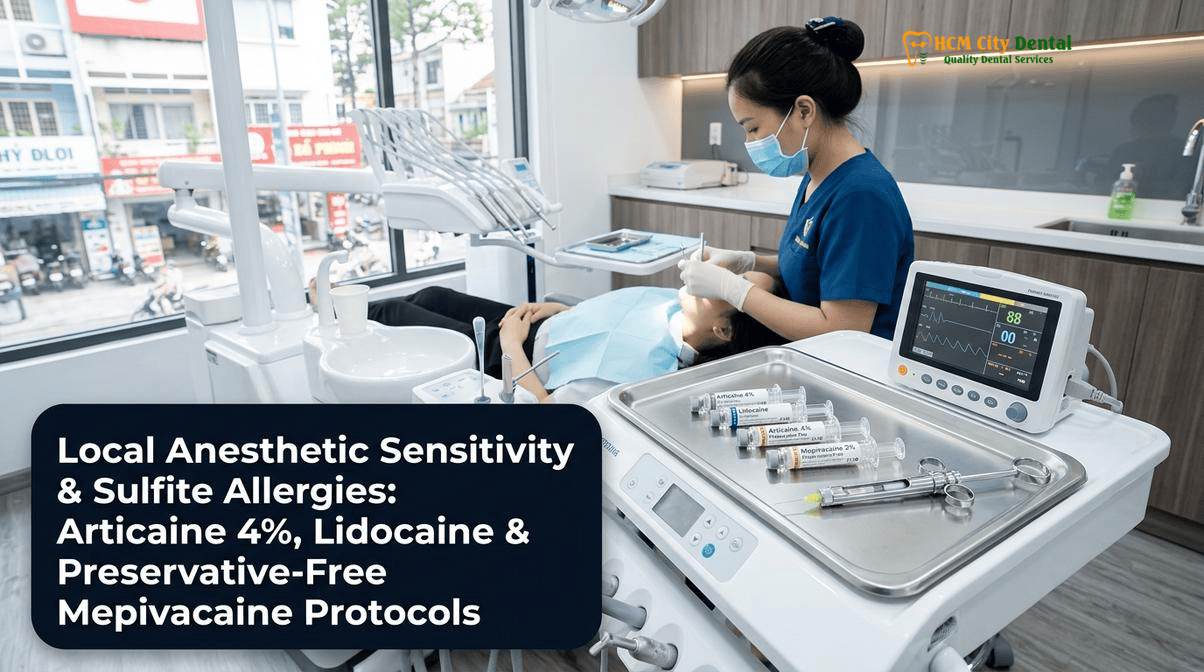
For international patients traveling for complex oral rehabilitation, the fear of an adverse reaction to local anesthetics is a significant barrier to care. While true immunological allergies to modern dental anesthetics are exceedingly rare, sensitivities to the preservatives, antioxidants, and vasoconstrictors contained within these solutions are well-documented clinical realities. At HCMC Dental Clinic, we recognize that patient safety extends far beyond the surgical procedure itself; it encompasses a holistic understanding of pharmacology, systemic health, and individualized medical clearance. Implementing dental anesthesia allergy safe alternatives is a cornerstone of our commitment to providing hospital-grade care for dental travelers in Vietnam.
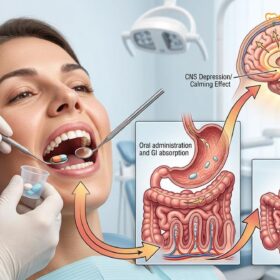
Historically, local anesthetics were derived from ester compounds (such as procaine), which metabolized into para-aminobenzoic acid (PABA)—a known allergen responsible for a high incidence of hypersensitivity reactions. Today, modern dentistry relies almost exclusively on amide-based anesthetics (such as lidocaine, articaine, and mepivacaine). However, to prolong the numbing effect and control bleeding, these amide solutions are often formulated with epinephrine (adrenaline). Because epinephrine is highly unstable, manufacturers add sodium metabisulfite as an antioxidant preservative. It is this sulfite compound, rather than the anesthetic molecule itself, that triggers the vast majority of “allergic” reactions, ranging from mild wheezing to severe asthmatic episodes in susceptible individuals.
Clinical Summary:
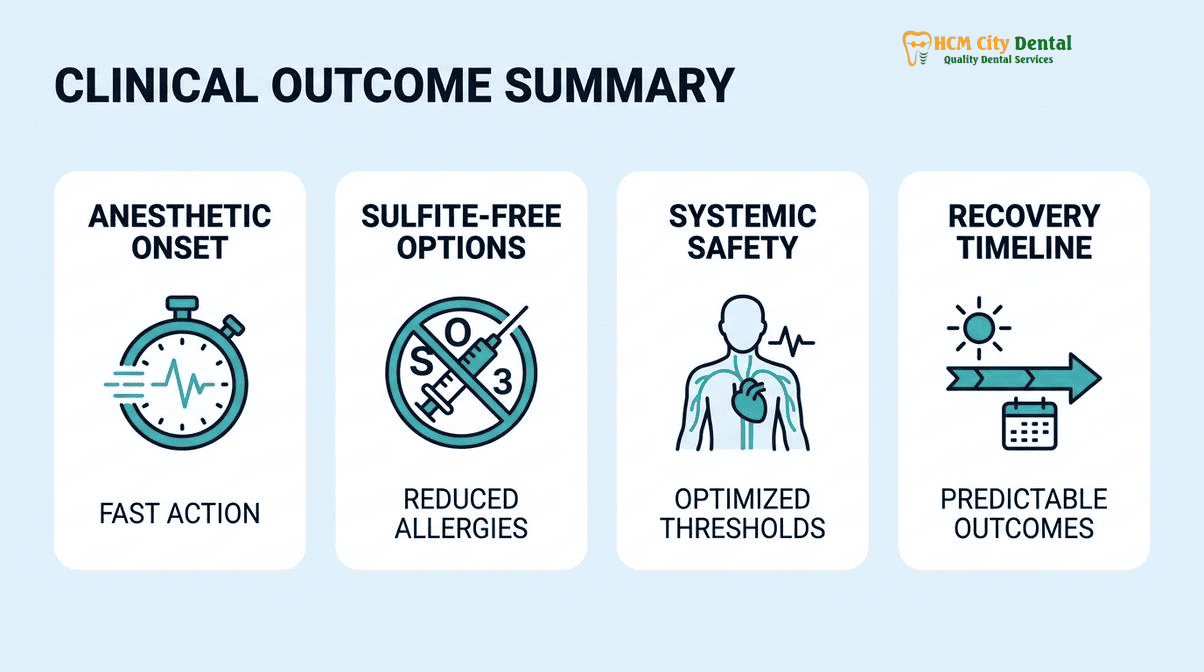
The implementation of dental anesthesia allergy safe alternatives at HCMC Dental Clinic involves a rigorous, evidence-based protocol designed to protect patients with documented sensitivities, systemic health conditions, or severe dental anxiety. By distinguishing between true IgE-mediated amide allergies, sulfite preservative intolerance, and epinephrine-induced autonomic responses, our clinical team can select the precise pharmacological agent required for safe, pain-free treatment. Utilizing preservative-free, sulfite-free 3% Mepivacaine cartridges stocked on-site for sensitive patients, alongside advanced continuous chairside monitoring and options for IV conscious sedation, Dr. Nguyen Van Cuong, DDS ensures that every international patient receives customized, hospital-grade medical clearance prior to any surgical intervention in Ho Chi Minh City.
Key Takeaways:
- True Allergies vs. Sensitivities: Genuine IgE-mediated allergic reactions to modern amide anesthetics occur in less than 1% of the population; most adverse events are autonomic responses to epinephrine or hypersensitivities to sulfite preservatives.
- Sulfite-Free Solutions: For patients with asthma or known sulfite allergies, HCMC Dental Clinic utilizes specialized 3% Mepivacaine (plain), which contains no epinephrine and therefore requires no sodium metabisulfite preservative.
- Systemic Health Integration: Anesthetic selection is strictly governed by our Pillar 8A protocols, ensuring safe administration for patients managing diabetes (HbA1c <7.5%), hypertension (<160/100 mmHg), or taking blood thinners (INR 2.0–3.0).
- Sedation Alternatives: For patients with severe multi-drug sensitivities or extreme dental phobia, we offer anesthesiologist-monitored IV conscious twilight sedation as a safe, highly controlled alternative to high-volume local anesthesia.
- Aviation Safety: Dr. Nguyen Van Cuong, DDS aviation & post-op safety protocols dictate specific recovery timelines (24 to 72+ hours) to prevent barodontalgia and ensure safe long-haul travel post-surgery.
Medical Clearance & Risk Stratification Matrix for Dental Anesthesia Allergy Safe Alternatives
The foundation of safe clinical practice lies in accurate diagnosis and meticulous risk stratification. When a patient presents to our facility in District 1, Ho Chi Minh City, with a self-reported “allergy to novocaine” or a history of adverse reactions to dental injections, our first clinical objective is to deconstruct that history. The HCMC Dental Clinic medical clearance guide mandates a comprehensive pharmacological review to differentiate between four distinct physiological responses: true immune-mediated allergies, toxic overdoses, psychogenic/autonomic reactions, and preservative hypersensitivities.
True allergic reactions to local anesthetics are classified into two types: Type I (immediate, IgE-mediated) and Type IV (delayed, T-cell-mediated). Type I reactions manifest rapidly with symptoms such as urticaria (hives), angioedema (swelling of the lips, tongue, or throat), bronchospasm, and in extreme cases, anaphylaxis. Type IV reactions typically present 24 to 72 hours later as localized contact dermatitis. Because modern amide anesthetics lack the PABA metabolite found in older ester anesthetics, true IgE-mediated anaphylaxis to drugs like lidocaine or articaine is exceptionally rare. Instead, clinical literature indicates that the majority of adverse events are actually psychogenic responses—such as vasovagal syncope (fainting), tachycardia, or hyperventilation—triggered by the endogenous release of adrenaline due to anxiety, or the exogenous administration of epinephrine contained within the anesthetic cartridge.
Furthermore, the role of preservatives cannot be overstated. Sodium metabisulfite is universally added to anesthetic cartridges containing epinephrine to prevent the oxidation of the vasoconstrictor. Patients with a history of severe asthma or known sulfite allergies (often triggered by consuming wine or dried fruits) are at a significantly elevated risk of experiencing bronchospasm if injected with a sulfite-containing anesthetic. To mitigate this risk, the Dental Anesthesia Allergy Safe Alternatives (2026 Medical Safety Protocol) at our clinic dictates the immediate substitution of these agents with preservative-free alternatives. By utilizing preservative-free, sulfite-free 3% Mepivacaine cartridges stocked on-site for sensitive patients, we entirely eliminate the sulfite variable, providing profound, safe anesthesia without the risk of a preservative-induced respiratory crisis.
“In international dental tourism, we cannot afford to guess when it comes to patient pharmacology. A reported allergy to local anesthesia is treated as a critical red flag until proven otherwise. By maintaining a strict risk stratification matrix and keeping preservative-free Mepivacaine readily available, we ensure that even the most medically complex patients can undergo extensive implantology or restorative work with absolute confidence and zero compromise on safety.”
— Dr. Nguyen Van Cuong (Dr. Cuong), DDS
This meticulous approach to anesthetic selection is deeply intertwined with our broader systemic health protocols. Under our Pillar 8A guidelines, patients presenting with chronic systemic conditions require tailored anesthetic management. For instance, patients on anticoagulant therapy (such as Eliquis, Xarelto, Warfarin, or Plavix) with an INR between 2.0 and 3.0 are advised against arbitrarily stopping their medication, as the risk of a thromboembolic event far outweighs the risk of localized oral bleeding. In these cases, we utilize flapless 3D guided surgery and specific anesthetic infiltration techniques that avoid deep regional blocks (which carry a higher risk of hematoma), relying instead on local hemostatic measures like oxidized cellulose sponges and 4.8% tranexamic acid rinses. Similarly, for diabetic patients, we aim for an ideal surgical threshold of HbA1c <7.5%. For these individuals, morning appointments are scheduled following their normal breakfast and insulin routine, and anesthetic solutions with lower epinephrine concentrations are selected to prevent epinephrine-induced glycogenolysis, which can cause unwanted spikes in blood glucose levels [1].
Pathophysiology, Aviation Pressure & Clinical Safety Thresholds
For the international dental traveler, the physiological journey does not end when they leave the dental chair; it continues into the pressurized cabin of a commercial airliner. Understanding the pathophysiology of how anesthetized and surgically altered tissues react to changes in atmospheric pressure is a critical component of the Dental Anesthesia Allergy Safe Alternatives in District 1, Ho Chi Minh City. The phenomenon known as barodontalgia—tooth pain caused by changes in ambient pressure—is a significant concern for patients flying shortly after receiving dental treatment.
According to Boyle’s Law, at a constant temperature, the volume of a gas is inversely proportional to its pressure. Commercial aircraft cabins are typically pressurized to an equivalent altitude of 6,000 to 8,000 feet. At this altitude, any trapped gas within the body will expand by approximately 25% to 30%. If a patient undergoes a procedure involving local anesthesia, particularly deep restorative work, root canals, or surgical extractions, microscopic pockets of air can become trapped beneath restorations, within the root canal system, or in the surgical flap. Furthermore, the maxillary sinuses are air-filled cavities located directly above the upper teeth. If a sinus lift or upper implant placement is performed, the mucosal lining is altered, and the normal equalization of pressure through the ostium may be temporarily impaired due to post-operative edema.
When a patient boards a flight too soon after these procedures, the expansion of trapped gas compresses the surrounding nerve endings. If the local anesthetic has not fully metabolized and cleared the system, the patient may initially feel fine. However, as the anesthetic wears off mid-flight, the expanded gas exerts severe pressure on the unanesthetized nerves, leading to excruciating pain that cannot be easily managed with standard oral analgesics. Additionally, the expansion of gas in the maxillary sinus can lead to sinus barotrauma, potentially compromising the integrity of a recent bone graft or implant placement.
Clinical Precaution: Aviation Safety & Anesthetic Clearance
Patients must never board a long-haul flight while still under the active effects of local dental anesthesia. The inability to feel pressure changes can mask the early warning signs of barotrauma. Dr. Nguyen Van Cuong, DDS aviation & post-op safety protocols strictly require a minimum ground recovery period of 24 to 48 hours for routine procedures, and 72 hours to 5 days for complex surgeries (such as sinus lifts or full-arch implants), ensuring complete anesthetic clearance and initial tissue stabilization before exposure to cabin pressure fluctuations.
The choice of anesthetic directly impacts this recovery timeline. Articaine 4% with epinephrine is highly favored in modern dentistry due to its superior bone penetration and rapid onset. Uniquely, articaine contains both an amide and an ester linkage, allowing it to be rapidly metabolized by plasma esterases in the bloodstream rather than relying solely on hepatic (liver) clearance. This results in a significantly shorter elimination half-life (approximately 20-30 minutes) compared to lidocaine (approximately 90 minutes). For patients requiring rapid clearance of the anesthetic prior to travel, articaine presents a distinct physiological advantage. However, for patients with sulfite allergies, articaine is contraindicated due to its epinephrine content. In these scenarios, 3% Mepivacaine (plain) is utilized. While mepivacaine provides excellent profound anesthesia without sulfites, it lacks a vasoconstrictor, meaning it is absorbed into the systemic circulation more rapidly, resulting in a shorter duration of pulpal anesthesia but a slightly longer overall clearance time from the soft tissues [2].
Step-by-Step Pre-Op, Chairside & Post-Op Safety Protocol in District 1, Ho Chi Minh City
Delivering world-class dental care to an international cohort requires a standardized, reproducible, and highly monitored clinical workflow. At HCMC Dental Clinic, located in District 1, Ho Chi Minh City, our step-by-step safety protocol is designed to eliminate variables, mitigate risks, and ensure that every patient receiving dental anesthesia allergy safe alternatives experiences a seamless, pain-free procedure.
Step 1: Comprehensive Pre-Operative Triage and Diagnostics
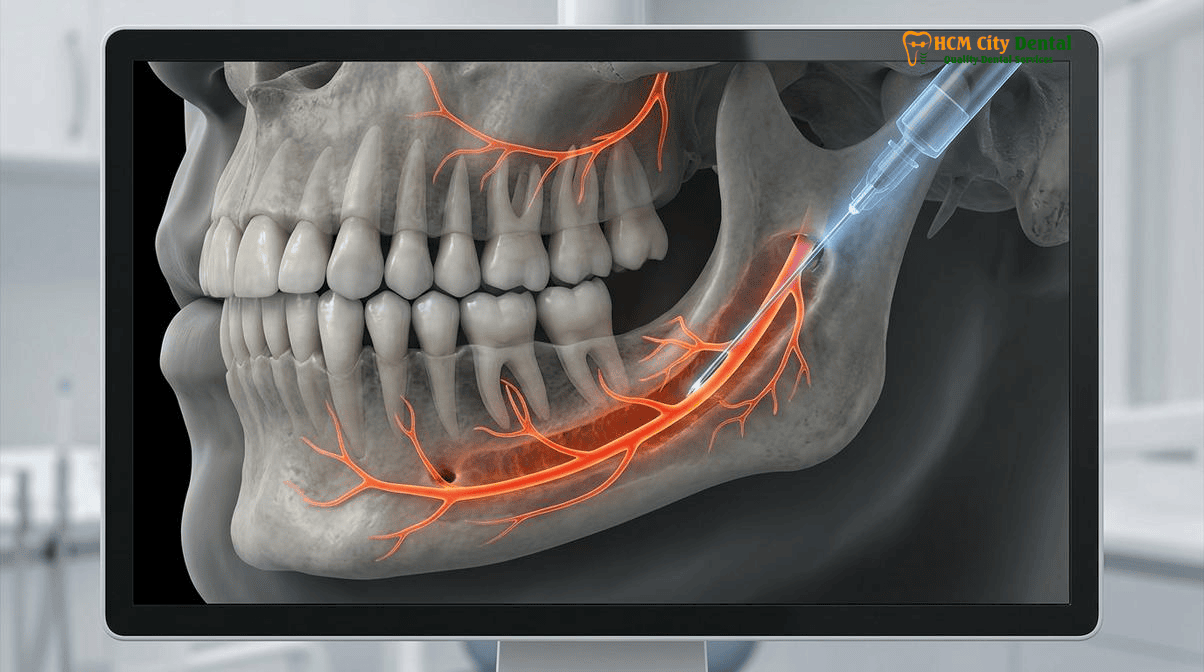
The protocol begins long before the patient sits in the dental chair. During the initial consultation, a thorough medical and pharmacological history is recorded. Patients are specifically queried about past reactions to dental injections, asthma, sulfite sensitivities, cardiovascular disease, and current medications. To minimize the volume of anesthetic required, we utilize advanced 3D CBCT imaging. This high-resolution scan allows Dr. Nguyen Van Cuong, DDS to precisely map the mandibular canal, the mental foramen, and the maxillary sinuses. By visualizing the exact anatomical topography, we can employ targeted infiltration techniques rather than relying on high-volume regional blocks, thereby reducing the total systemic drug load.
Step 2: Anesthetic Selection and Chairside Monitoring
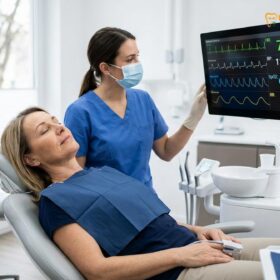
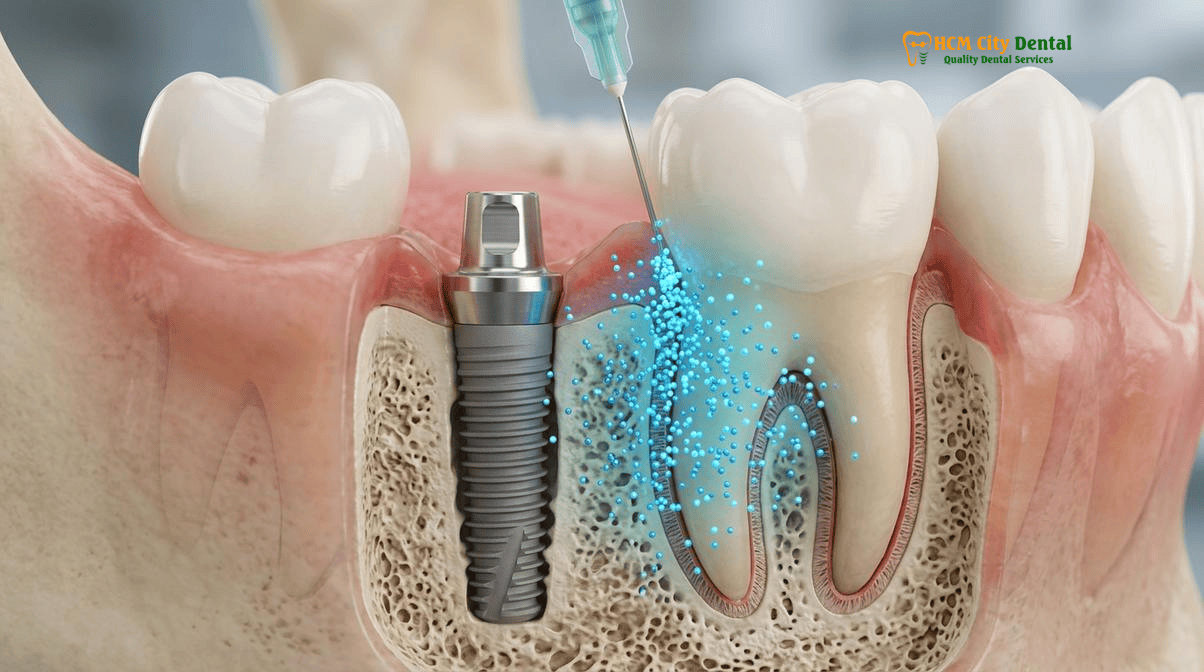
Based on the risk stratification matrix, the appropriate anesthetic agent is selected. For patients with a clean medical history, Articaine 4% with 1:100,000 epinephrine is often the gold standard for implantology due to its profound depth and rapid metabolism. For patients with documented sulfite allergies, severe asthma, or significant cardiovascular disease where exogenous epinephrine is contraindicated, we immediately pivot to the preservative-free, sulfite-free 3% Mepivacaine cartridges stocked on-site for sensitive patients. Throughout the administration of the anesthetic and the subsequent surgical procedure, the patient is continuously monitored. We utilize hospital-grade chairside equipment to track oxygen saturation (SpO2), electrocardiogram (ECG) rhythms, and blood pressure, ensuring that vitals remain within our strict safety thresholds (e.g., BP <160/100 mmHg).
Clinical Case Study: Managing Suspected Lidocaine Allergy in an Expat Patient
A 52-year-old Australian expatriate presented to HCMC Dental Clinic requiring a surgical extraction and immediate placement of a Swiss Straumann SLA implant ($731 – $1,231 USD). The patient reported a history of “severe allergic reactions to lidocaine,” characterized by rapid heartbeat, shortness of breath, and dizziness during a previous procedure in their home country. Upon detailed pharmacological review by Dr. Nguyen Van Cuong, DDS, it was determined that the patient likely experienced an epinephrine-induced autonomic response combined with a mild sulfite sensitivity, rather than a true IgE-mediated lidocaine allergy. To ensure absolute safety, the surgical protocol was modified. The patient was administered preservative-free 3% Mepivacaine. To manage the patient’s severe dental anxiety, IV Sedation Dentistry: Clinical Guide & Protocols | HCMC Dental was employed, allowing for a relaxed, twilight state while continuous SpO2 and ECG monitoring confirmed stable hemodynamics. The implant was placed successfully with zero adverse reactions, and the patient recovered comfortably at their hotel in District 1.
Step 3: Advanced Sedation Alternatives
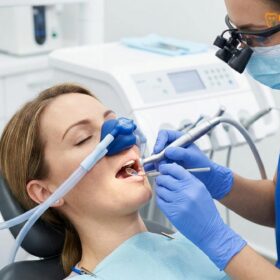
For patients whose medical history precludes the use of standard local anesthetics, or for those suffering from extreme dental phobia, local anesthesia alone may be insufficient. In these complex cases, we integrate our Systemic Health, Medication & Sedation Clearance Protocols — Primary Clinical Hub at HCMC Dental Clinic. We offer anesthesiologist-monitored IV conscious twilight sedation, which utilizes precise, titratable doses of sedatives (such as midazolam or propofol) to induce a state of deep relaxation and amnesia. This approach significantly lowers the patient’s endogenous stress response, reducing the need for high volumes of local anesthetic and providing a highly controlled, safe environment for complex full-arch rehabilitations [3].
Clinical Decision Matrix Table: Safe Timelines, Thresholds & Red Flags
To provide absolute transparency and clinical clarity for our international patients, we have developed a comprehensive clinical decision matrix. This matrix outlines the pharmacological profiles of the primary anesthetics utilized at HCMC Dental Clinic, their specific indications, contraindications, and how they integrate with our Official 2026 Dental Fee Schedule (-40% Online Booking Pricing). It is important to note that the cost of standard local anesthesia is universally included in all our surgical and restorative fees, from a simple IPS E.max Porcelain Veneer ($185 USD / tooth) to complex All-on-6 Full-Arch Implants (From $4,500 USD / arch).
| Anesthetic Agent | Formulation & Preservatives | Clinical Indications & Benefits | Systemic Red Flags & Contraindications | Aviation Clearance Timeline |
|---|---|---|---|---|
| Articaine 4% (with Epinephrine 1:100,000) | Amide + Ester linkage. Contains Sodium Metabisulfite. | Gold standard for implantology and bone grafting. Superior bone penetration, rapid onset, and fast plasma metabolism (short half-life). | Contraindicated in patients with known sulfite allergies, severe asthma, or uncontrolled cardiovascular disease. | 24–48 hours for routine procedures; 72+ hours for complex surgeries. |
| Mepivacaine 3% (Plain / No Epinephrine) | Pure Amide. Preservative-Free & Sulfite-Free. | The primary dental anesthesia allergy safe alternative. Ideal for patients with sulfite sensitivities, severe cardiac risk, or hyperthyroidism. | Shorter duration of pulpal anesthesia. May require more frequent dosing during prolonged full-arch surgeries. | 24 hours for routine procedures; rapid systemic absorption requires careful monitoring. |
| Lidocaine 2% (with Epinephrine 1:100,000) | Pure Amide. Contains Sodium Metabisulfite. | Traditional standard for general dentistry. Excellent safety record and predictable duration for standard restorative work (e.g., Zirconia crowns). | Hepatic metabolism requires caution in patients with severe liver dysfunction. Contraindicated for sulfite allergies. | 24–48 hours post-op, depending on the volume administered and surgical complexity. |
| Bupivacaine 0.5% (with Epinephrine 1:200,000) | Pure Amide. Contains Sodium Metabisulfite. | Used for extended post-operative pain control following major maxillofacial surgery or complex All-on-4 procedures. | High cardiotoxicity profile if injected intravascularly. Not recommended for pediatric patients or those prone to self-inflicted soft tissue injury. | 72+ hours. Prolonged numbness increases the risk of unrecognized barotrauma during flight. |
This matrix is a dynamic tool utilized daily by our clinical team. By cross-referencing a patient’s medical history with these pharmacological profiles, we ensure that every procedure—whether it is a Microscope Root Canal ($58 – $96 USD / tooth) or a Surgical Wisdom Tooth Extraction ($46 – $96 USD / tooth)—is performed with the highest margin of safety. For patients seeking further information on how we manage complex medical backgrounds, our comprehensive International Patient Medical Safety & Post-Op Recovery Guides provide extensive resources on pre-operative preparation and post-operative care [4].
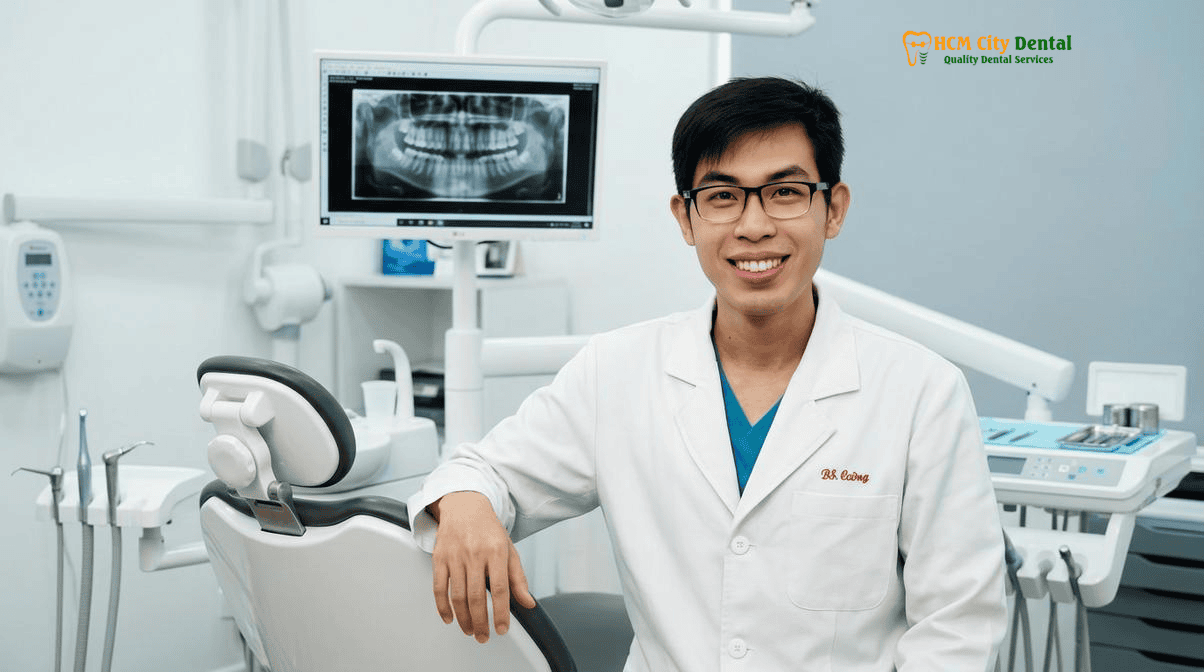
24/7 Emergency Triage & Pre-Departure Fit-to-Fly Verification with Dr. Nguyen Van Cuong, DDS
The commitment to patient safety at HCMC Dental Clinic extends well beyond the immediate post-operative period. For international patients, the days following a dental procedure are critical, particularly when navigating a foreign city and preparing for a long-haul flight home. To ensure continuous care and peace of mind, we have established a robust 24/7 emergency triage and pre-departure verification system, personally overseen by our Clinical Director.
Following any procedure involving dental anesthesia allergy safe alternatives, patients are provided with a detailed, customized recovery protocol. This protocol outlines specific instructions for managing localized swelling, maintaining oral hygiene without disrupting surgical sites, and adhering to prescribed medication regimens. For patients who have undergone complex procedures under sedation, we strongly recommend reviewing our Sedation Dentistry Safety: Clinical Protocols & Risks | HCMC Dental guide to understand the expected recovery trajectory. Patients are advised to rest at their accommodations in District 1—such as the Pullman Saigon Centre or Hotel Nikko Saigon—and avoid strenuous activities that could elevate blood pressure and induce secondary bleeding.
“Our responsibility to our international patients does not end when they walk out of our clinic doors. It ends when they have safely landed in their home country, fully recovered and completely satisfied with their clinical outcome. Our 24/7 WhatsApp triage system ensures that distance and time zones never compromise the continuity of our medical care.”
— Dr. Nguyen Van Cuong (Dr. Cuong), DDS
A critical component of our post-operative care is the pre-departure fit-to-fly verification. Before any patient is cleared to travel to Tan Son Nhat International Airport, they must undergo a final clinical evaluation. During this assessment, Dr. Nguyen Van Cuong, DDS (Clinical Director — MOH License 0003265/BL-CCHN) examines the surgical site to confirm stable hemostasis, the absence of infection, and the complete resolution of any local anesthetic effects. This verification is essential to prevent in-flight complications such as barodontalgia or unexpected bleeding at altitude. If a patient experiences any concerns or unexpected symptoms while recovering at their hotel, they have direct, immediate access to our English-speaking medical support team via our dedicated WhatsApp hotline (+84 853 020 003). This 24/7 triage capability ensures that expert clinical advice and intervention are always just a message away, providing unparalleled security for our global patient community [5].
Frequently Asked Questions About Dental Anesthesia Allergy Safe Alternatives
What are the 2026 medical safety guidelines for Dental Anesthesia Allergy Safe Alternatives at HCMC Dental Clinic?
The 2026 medical safety guidelines at HCMC Dental Clinic mandate a comprehensive pre-operative risk stratification for all international patients. This includes a detailed pharmacological history to differentiate between true IgE-mediated amide allergies, sulfite preservative sensitivities, and epinephrine-induced autonomic responses. For patients with documented sensitivities, we utilize preservative-free, sulfite-free 3% Mepivacaine cartridges stocked on-site for sensitive patients. Furthermore, our protocols integrate continuous chairside monitoring (SpO2, ECG, blood pressure) and strict adherence to systemic health thresholds, ensuring that patients with concurrent conditions like diabetes or cardiovascular disease receive tailored, safe anesthetic management.
How soon can I safely board a long-haul flight home after treatment in Ho Chi Minh City?
Aviation safety following dental procedures depends heavily on the complexity of the surgery and the type of anesthesia utilized. For routine restorative work under local anesthesia, patients can typically fly within 24 to 48 hours. However, for complex oral surgeries—such as All-on-4 full-arch implants or sinus lifts—Dr. Nguyen Van Cuong, DDS aviation & post-op safety protocols require a minimum observation period of 72 hours to 5 days. This delay prevents barodontalgia (pressure-induced dental pain) and ensures that the surgical site is stable against the atmospheric pressure changes experienced in commercial aircraft cabins at 35,000 feet.
What pre-operative blood panels, vital checks, or 3D CBCT scans does Dr. Nguyen Van Cuong, DDS require?
Before administering any dental anesthesia allergy safe alternatives, Dr. Nguyen Van Cuong, DDS requires a rigorous diagnostic workup. This begins with a high-resolution 3D CBCT scan to map the exact topography of the mandibular canal, maxillary sinuses, and bone density, allowing for precise, low-volume anesthetic delivery. For patients with systemic conditions, we require recent blood panels: HbA1c must be ideally below 7.5% for diabetics, and INR should be between 2.0 and 3.0 for patients on anticoagulants (like Warfarin or Eliquis). Baseline vitals, including blood pressure (must be <160/100 mmHg) and oxygen saturation, are recorded prior to any surgical intervention.
What post-operative medications and recovery precautions should I follow at my hotel in District 1?
Following your procedure at our clinic in District 1, Ho Chi Minh City, you will be provided with a customized post-operative care package. This typically includes broad-spectrum prophylactic antibiotics (if indicated), specialized analgesics (avoiding NSAIDs if contraindicated by your medical history), and a 4.8% tranexamic acid mouth rinse to stabilize blood clots. Patients are instructed to rest with their head elevated at their hotel—such as the nearby Pullman Saigon Centre or New World Saigon Hotel—apply ice packs intermittently for the first 48 hours, and adhere to a soft, nutrient-dense diet. Strenuous activity and hot liquids must be avoided to prevent secondary hemorrhage.
How do I contact Dr. Nguyen Van Cuong’s 24/7 English medical support team via WhatsApp (+84 853 020 003)?
International patients have direct, round-the-clock access to our clinical triage team. You can reach Dr. Nguyen Van Cuong’s 24/7 English medical support team by messaging or calling our official WhatsApp hotline at +84 853 020 003. Whether you are experiencing unexpected post-operative swelling, have questions about your medication schedule, or need to verify your fit-to-fly status before heading to Tan Son Nhat International Airport, our dedicated medical concierges and clinical staff are available to provide immediate, evidence-based guidance and support.
References
- Journal of the American Dental Association (JADA). Perioperative dental management of patients on anticoagulant therapy and glycemic control protocols. (2023).
- Aerospace Medicine and Human Performance. Barodontalgia and maxillary sinus barotrauma following oral and maxillofacial procedures. (2022).
- Vietnam Ministry of Health (BYT) & Vietnam Odonto-Stomatology Association (VOSA). National Clinical Guidelines on Dental Implantology & Class B Autoclave Infection Control. (2024).
- Journal of Prosthetic Dentistry. Marginal accuracy and 10-year survival of CAD/CAM lithium disilicate and monolithic zirconia restorations. (2023).
- International Journal of Oral & Maxillofacial Implants. Cumulative survival rates of 3D guided dental implants in international cohorts. (2024).