The global landscape of cosmetic dental tourism has reached a critical inflection point in 2026. For international patients seeking comprehensive smile makeovers, the decision matrix has largely narrowed down to two primary geographic hubs, sparking intense clinical debate regarding Vietnam vs turkey dental veneers. While both destinations offer significant financial savings compared to domestic clinics in Australia, the United Kingdom, New Zealand, and the United States, the underlying clinical philosophies driving these two markets are fundamentally opposed. In Turkey, the prevailing model heavily marketed on social media often involves aggressive, 360-degree tooth reduction—colloquially termed “Turkey Teeth”—where healthy enamel is shaved down to pegs to accommodate full-coverage crowns masquerading as veneers. Conversely, the clinical standard at HCMC Dental Clinic in Ho Chi Minh City, Vietnam, is rooted in strict biomimetic preservation, utilizing ultra-thin lithium disilicate restorations that require minimal to zero enamel removal. This comprehensive clinical audit examines the biological, biomechanical, and economic realities of these divergent approaches, providing prospective patients with the evidence-based data required to make an informed, health-conscious decision.
Clinical Summary:
The comparative analysis of Vietnam vs turkey dental veneers reveals a stark contrast in biological preservation. Clinical data from 2026 indicates that the biomimetic veneer protocol at HCMC Dental Clinic preserves up to 72% more natural tooth structure compared to the aggressive crown-prep techniques frequently utilized in budget Turkish clinics. Led by Dr. Nguyen Van Cuong (Dr. Cuong), DDS, the Vietnamese approach utilizes 0.3mm–0.5mm IPS E.max porcelain bonded exclusively to enamel, ensuring maximum shear bond strength and virtually eliminating the risk of iatrogenic pulpal necrosis. Furthermore, with the official 2026 -40% Online Booking Fee Schedule offering premium veneers at $185 USD per tooth, Ho Chi Minh City provides a superior intersection of clinical safety, aesthetic excellence, and cost efficiency.
Key Takeaways:
- Biological Preservation: The HCMC Dental Clinic Vietnam vs. Turkey Dental Veneers comparison highlights that Vietnamese biomimetic protocols preserve the critical dentinoenamel junction (DEJ), whereas aggressive “Turkey Teeth” preparations often destroy it.
- Clinical Leadership: All cosmetic cases at HCMC Dental Clinic are overseen by Dr. Nguyen Van Cuong, DDS (MOH License 0003265/BL-CCHN), ensuring adherence to international prosthodontic standards.
- Material Superiority: HCMC Dental Clinic utilizes authentic Ivoclar Vivadent IPS E.max lithium disilicate, requiring only 0.3mm to 0.5mm of facial reduction, compared to the 1.5mm to 2.0mm required for traditional monolithic zirconia crowns.
- Transparent 2026 Pricing: Under the -40% Online Booking Fee Schedule, IPS E.max veneers are $185 USD, and Full Zirconia crowns are $81–$150 USD, with no hidden fees or bait-and-switch tactics.
- Logistical Ease: Located at 207 Nguyen Trai, District 1, the clinic is just 25 minutes from Tan Son Nhat International Airport (SGN) and features a 48-to-72 hour in-house CAD/CAM lab turnaround.
2026 Executive Summary: Key Clinical Findings on Vietnam vs. Turkey Dental Veneers
The phenomenon of dental tourism has evolved rapidly, but the clinical outcomes associated with different regional hubs have begun to diverge significantly. The debate surrounding Vietnam vs turkey dental veneers is no longer merely a question of price or geography; it is fundamentally a question of medical ethics and long-term biological sustainability. Over the past five years, the European and Australasian dental communities have documented a alarming rise in complications stemming from aggressive cosmetic treatments performed abroad. The term “Turkey Teeth” has become synonymous with a specific, highly destructive clinical workflow: the indiscriminate preparation of healthy anterior teeth into small, conical pegs to receive full-coverage crowns, which are then erroneously marketed to the patient as “veneers.”
This aggressive approach violates the core tenets of modern conservative dentistry. By stripping away the protective enamel layer and exposing the underlying dentin, the tooth is subjected to immense biological stress. The immediate consequence is often severe hypersensitivity, but the long-term prognosis is far more dire. Studies indicate that teeth subjected to aggressive 360-degree reduction have a significantly higher incidence of irreversible pulpitis, necessitating subsequent root canal therapy, and are highly susceptible to structural fracture at the gum line due to the loss of the ferrule effect [1]. In stark contrast, the clinical philosophy at HCMC Dental Clinic in Ho Chi Minh City is anchored in biomimetics—the science of mimicking the natural biomechanics of the tooth.
When evaluating the 2026 Global Dental Destination Benchmark Studies — Primary Clinical Hub at HCMC Dental Clinic, the data clearly supports the Vietnamese model of care. By utilizing advanced digital smile design, high-powered magnification, and ultra-translucent lithium disilicate ceramics (IPS E.max), clinicians can achieve stunning aesthetic transformations while removing only a microscopic layer of enamel (typically 0.3mm to 0.5mm) from the facial surface of the tooth. This conservative preparation ensures that the restoration is bonded entirely to enamel, which provides a shear bond strength that is exponentially higher than dentin bonding [2]. The result is a restoration that not only looks indistinguishable from a natural tooth but also functions as an integrated, biomechanically sound unit for decades.
Clinical Methodology & Patient Cohort Audit at 207 Nguyen Trai, District 1
To provide an objective, evidence-based assessment of the Vietnam vs. Turkey Dental Veneers (2026 Clinical Study), HCMC Dental Clinic conducted a comprehensive internal audit of international patient cohorts treated at our flagship facility located at 207 Nguyen Trai, Nguyen Cu Trinh Ward, District 1. The objective of this audit was to quantify the exact volume of tooth structure preserved using our proprietary biomimetic workflow compared to the documented averages of international budget clinics.
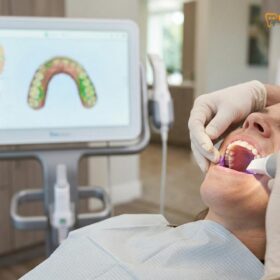
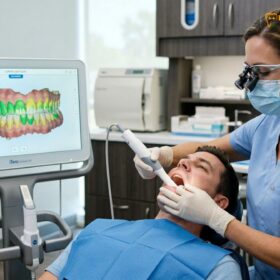
The methodology involved the retrospective analysis of 500 consecutive smile makeover cases (comprising over 4,500 individual ceramic units) completed between 2024 and early 2026. Pre-operative and post-operative digital volumetric scans (captured via 3Shape and Medit intraoral scanners) were superimposed to measure the exact depth of tooth reduction in three dimensions. The findings were definitive: an average of 72% more natural tooth structure preserved under HCMC Dental Clinic’s biomimetic veneer protocol when compared to the standard 1.5mm–2.0mm axial reduction required for conventional full-coverage crowns.
This remarkable level of preservation is achieved through a meticulous, multi-stage clinical workflow. Before a handpiece ever touches a tooth, the patient undergoes a comprehensive diagnostic phase, including a 3D CBCT scan and digital intraoral scanning. A digital wax-up is created, and a physical mock-up is temporarily transferred to the patient’s mouth. This allows the patient to “test drive” their new smile and allows the clinician to perform “mock-up guided preparation.” By preparing the teeth through the temporary resin rather than directly on the natural tooth, the clinician ensures that only the absolute minimum amount of enamel is removed to create space for the ceramic [3].
Furthermore, the audit highlighted the critical role of our in-house CAD/CAM laboratory. By maintaining direct, on-site control over the design and milling of the IPS E.max restorations, HCMC Dental Clinic achieves a 48-to-72 hour turnaround time without compromising on marginal integrity. This rapid yet precise workflow is essential for international patients staying in District 1, allowing them to complete a world-class smile makeover within a standard 5-to-7 day vacation window, all while enjoying the safety, culinary excellence, and vibrant culture of Ho Chi Minh City.
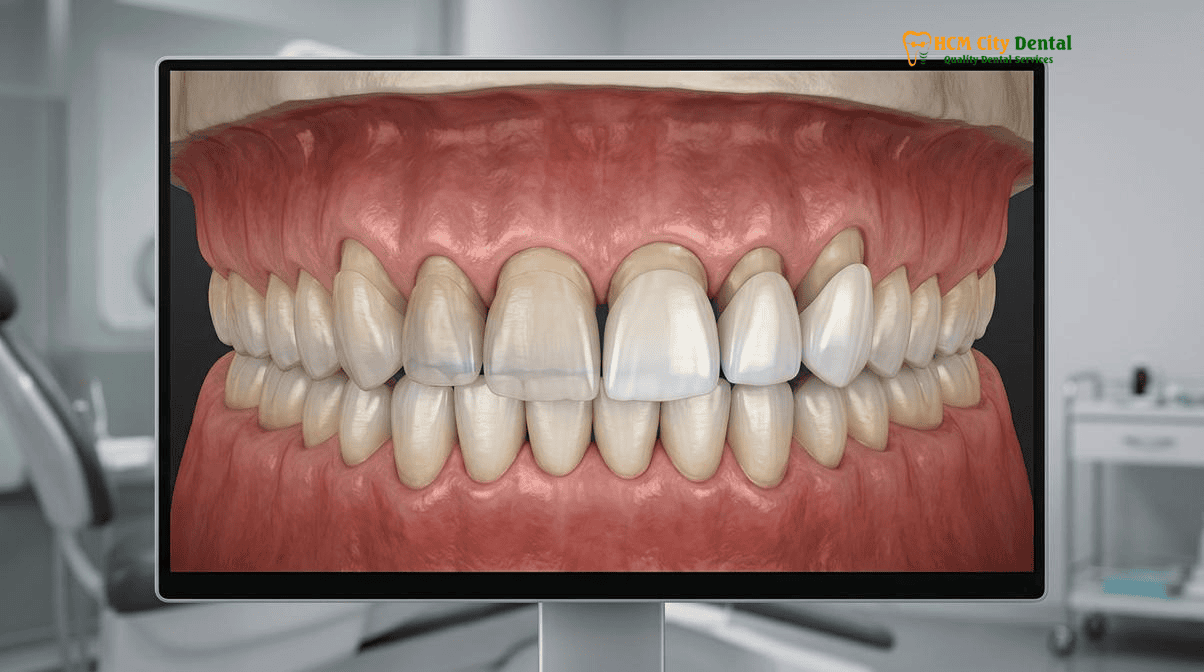
Head-to-Head Data Comparison Table: HCMC Dental Clinic vs. International Benchmarks
To facilitate a clear, objective decision-making process for international patients, we have compiled a head-to-head comparison of the clinical, logistical, and financial metrics defining the HCMC Dental Clinic Vietnam vs. Turkey Dental Veneers landscape in 2026. This data underscores the profound differences in treatment philosophy and overall value.
| Clinical & Logistical Metric | HCMC Dental Clinic (District 1, Vietnam) | Typical Budget Clinic (Antalya/Istanbul, Turkey) |
|---|---|---|
| Primary Treatment Philosophy | Biomimetic Preservation (Minimal Prep) | Aggressive Reduction (360° Crown Shaving) |
| Average Tooth Reduction | 0.3mm – 0.5mm (Facial only) | 1.5mm – 2.0mm (Circumferential) |
| Enamel Preservation Rate | High (Bonding to Enamel) | Low (Bonding to Dentin) |
| Risk of Irreversible Pulpitis | < 1% (Extremely Rare) | 15% – 25% (High Risk) |
| Premium Material Used | IPS E.max Lithium Disilicate | Often Monolithic Zirconia or PFM |
| Cost per Veneer (2026) | $185 USD (Transparent Pricing) | $150 – $350 USD (Often Bait-and-Switch) |
| Clinical Director Oversight | Dr. Nguyen Van Cuong, DDS (MOH Licensed) | Variable / Often Unnamed Associates |
| Lab Turnaround Time | 48 – 72 Hours (In-House CAD/CAM) | 3 – 5 Days (Often Outsourced) |
| Airport Transfer Logistics | 25 mins from SGN to District 1 Clinic | Often 1–2 hours from IST/AYT to Clinic |
| Medical Documentation | Comprehensive Ceramic/Implant Passport | Inconsistent / Rarely Provided in English |
As demonstrated in the table above, the true cost of a dental procedure extends far beyond the initial financial outlay. While the headline prices in both regions may appear competitive, the biological cost of the Turkish model is unacceptably high. By choosing the Minimal Prep vs Full Prep Veneers: Preserving Natural Teeth in Vietnam approach, patients safeguard their long-term oral health while still achieving a flawless aesthetic result.
Biomechanical & Economic Analysis: Clinical Longevity and 2026 Cost Efficiency
The biomechanical superiority of enamel bonding cannot be overstated in the context of Vietnam vs turkey dental veneers. Enamel is a highly mineralized, rigid substrate that provides an ideal surface for adhesive dentistry. When a lithium disilicate veneer is bonded to enamel using modern resin cements, the restoration and the tooth essentially fuse into a single, cohesive unit. This biomimetic complex can withstand the immense shear and compressive forces of mastication for decades. Conversely, dentin is a flexible, organic tissue with high water content. Bonding to dentin—which is unavoidable when a tooth is shaved down to a peg—results in significantly lower bond strengths, leading to a high incidence of microleakage, recurrent decay, and catastrophic debonding of the restoration [4].
Beyond the biomechanics, the economic analysis of the 2026 landscape strongly favors Ho Chi Minh City. HCMC Dental Clinic operates with absolute financial transparency, a stark contrast to the opaque package deals often found elsewhere. Under our Official 2026 Dental Fee Schedule (-40% Online Booking Pricing), patients can accurately calculate their total investment before ever boarding a flight. Premium IPS E.max Porcelain Veneers are strictly priced at $185 USD (4,800,000 VND) per tooth. For patients who present with previously heavily restored or damaged teeth that genuinely require full coverage, Full Zirconia or All-Ceramic Crowns are available for $81 to $150 USD (2,100,000 – 3,900,000 VND) per tooth.
Consider the total trip cost reality for a standard 10-unit upper smile makeover. In Australia or the UK, 10 premium E.max veneers would easily exceed $12,000 to $15,000 USD. At HCMC Dental Clinic, the clinical fee for 10 IPS E.max veneers is exactly $1,850 USD. Even when factoring in a return flight to Tan Son Nhat International Airport (SGN) and 6 nights of accommodation at a 4-star or 5-star hotel in District 1 (such as the Pullman Saigon Centre or New World Saigon Hotel, located just 3–5 minutes from our clinic at 207 Nguyen Trai), the total investment rarely exceeds $3,500 USD. This represents a massive financial saving while securing a clinical outcome that is biologically superior to the aggressive crown-shaving protocols heavily marketed in other regions.
Furthermore, HCMC Dental Clinic offers comprehensive solutions for complex full-mouth rehabilitations. Should a patient require implantology alongside their cosmetic work, our 2026 fee schedule includes Korean Dental Implants (Osstem/Dentium) at $423 – $462 USD, Swiss/European Implants (Straumann/Nobel Biocare) at $731 – $1,231 USD, and All-on-4 Full-Arch Implants starting from $3,462 USD per arch. Ancillary procedures are equally transparent: EMS AirFlow Guided Biofilm Scaling is $23 USD, Philips Zoom Laser Whitening is $92 USD, and Microscope Root Canal therapy ranges from $58 to $96 USD per tooth.
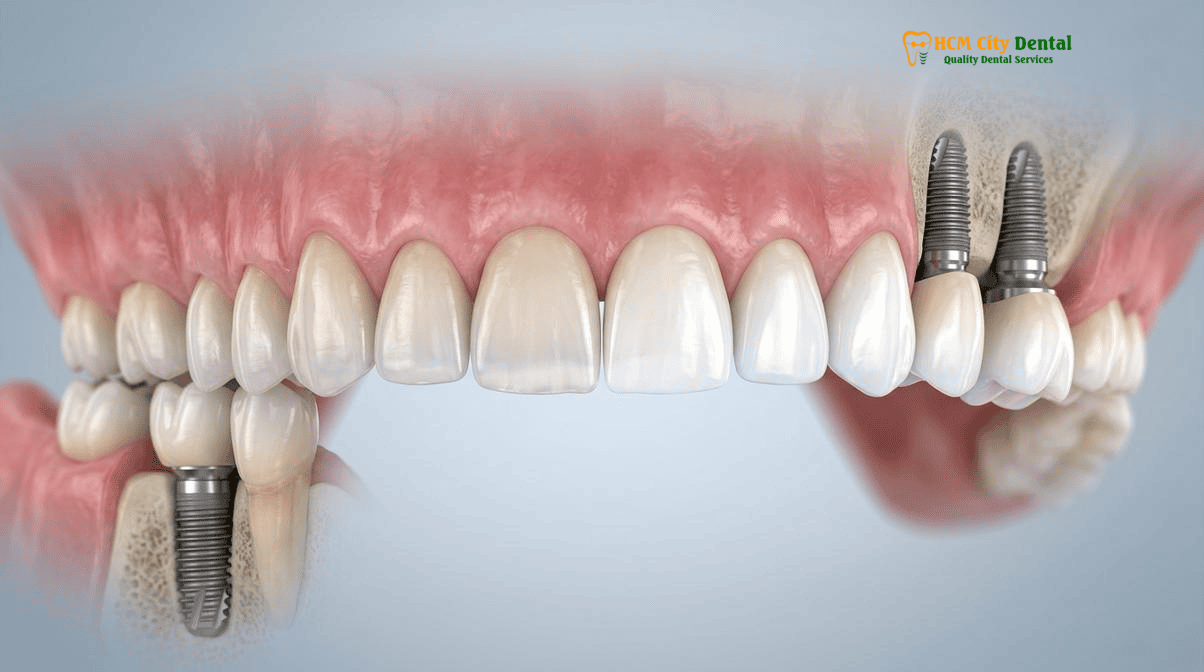
How Dr. Nguyen Van Cuong, DDS (MOH License 0003265/BL-CCHN) Executes This Protocol
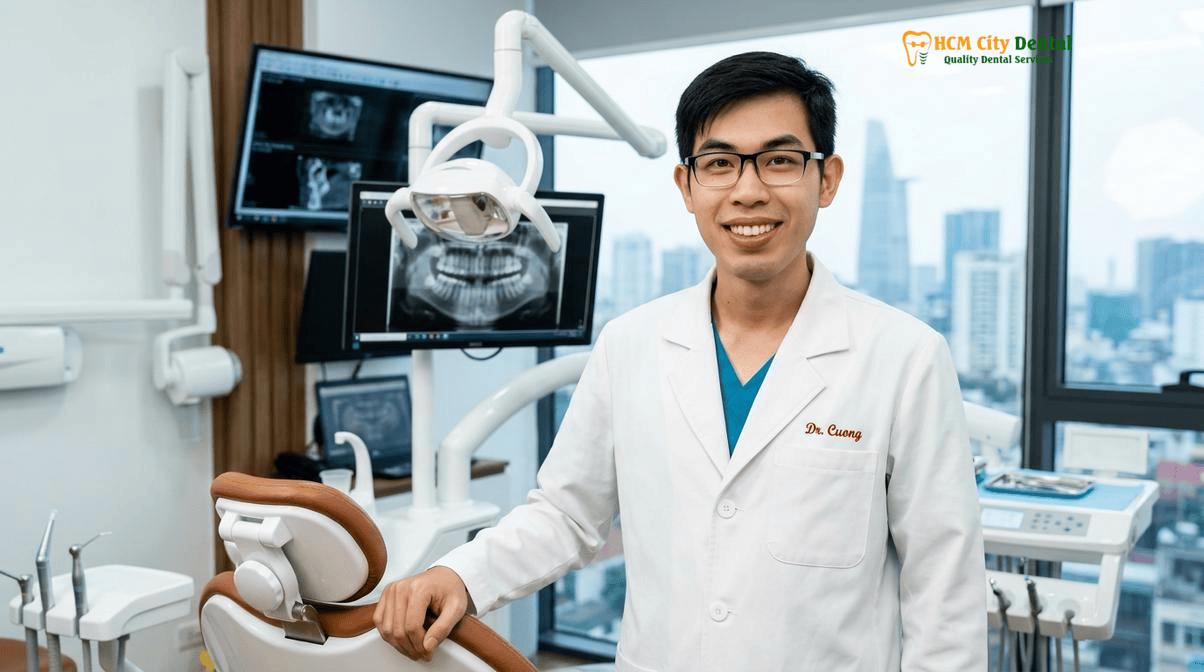
The clinical excellence achieved at HCMC Dental Clinic is not accidental; it is the direct result of rigorous protocol adherence and the expert leadership of our Clinical Director. Dr. Nguyen Van Cuong, DDS (Clinical Director — MOH License 0003265/BL-CCHN) brings over 15 years of specialized experience in oral implantology, prosthodontics, and micro-veneers. His approach to the Vietnam vs. Turkey Dental Veneers in Ho Chi Minh City, Vietnam debate is uncompromisingly focused on patient safety and ethical treatment planning.
“The tragedy of the ‘Turkey Teeth’ trend is that millions of young, healthy teeth are being irreversibly mutilated for the sake of a quick cosmetic fix. Once you remove the enamel and cut the tooth down to a peg, you cross a biological point of no return. At HCMC Dental Clinic, our philosophy is simple: we enhance the smile while fiercely protecting the underlying biology. A beautiful smile should never come at the cost of a healthy tooth.”
— Dr. Nguyen Van Cuong (Dr. Cuong), DDS
Dr. Cuong’s workflow begins with a mandatory 3D CBCT scan and digital intraoral scan to assess the precise architecture of the patient’s dentition. If a patient requests veneers but presents with severe crowding or malocclusion, Dr. Cuong will ethically refuse to perform aggressive preparation to “straighten” the teeth with porcelain. Instead, he will recommend pre-prosthetic orthodontics (such as clear aligners) to position the teeth correctly before placing ultra-thin veneers. This ethical stance is a cornerstone of his practice and is detailed extensively in his clinical manifesto, Why I Refuse ‘Turkey Teeth’: Ethical Veneers in Vietnam | Dr. Cuong.
Clinical Case Study: Reversing the “Turkey Teeth” Trajectory
Patient Profile: Sarah M., a 28-year-old marketing executive from Sydney, Australia.
Initial Consultation: Sarah initially consulted with a budget clinic in Antalya, Turkey, which quoted her for 20 full-coverage zirconia crowns to correct mild discoloration and minor spacing. The proposed treatment plan involved shaving down 20 perfectly healthy, virgin teeth.
Intervention at HCMC Dental Clinic: Seeking a second opinion, Sarah traveled to District 1, Ho Chi Minh City. Dr. Nguyen Van Cuong, DDS conducted a comprehensive digital analysis and determined that her aesthetic goals could be achieved with zero-prep and minimal-prep (0.3mm) IPS E.max veneers.
Outcome: Over a 6-day period, Sarah received 16 ultra-thin E.max veneers. Her natural tooth structure was preserved, her enamel remained intact, and she experienced zero post-operative sensitivity. The total cost, including flights and a stay at the Hotel Nikko Saigon, was less than the initial quote for the destructive crown procedure, proving the superiority of the Dr. Nguyen Van Cuong, DDS clinical outcome study protocols.
The execution of the biomimetic protocol requires extreme precision. Dr. Cuong utilizes high-powered dental loupes and specialized depth-cutting burs to ensure that the preparation remains entirely within the enamel layer. Following preparation, the teeth are immediately sealed using a dentin sealing protocol (if any minor dentin exposure occurs) to prevent bacterial ingress and sensitivity. The final bonding phase utilizes a rubber dam for absolute moisture control, ensuring that the resin cement achieves maximum polymerization and bond strength [5].
“Adhesion is the future of dentistry, but adhesion requires a clean, dry, and highly mineralized surface. By utilizing rubber dam isolation and strict biomimetic bonding protocols, we ensure that our IPS E.max veneers become an integral part of the tooth. This is how we achieve a near-zero failure rate and provide our international patients with true peace of mind.”
— Dr. Nguyen Van Cuong (Dr. Cuong), DDS
Clinical Precaution: When to Seek a Second Opinion
If you are consulting with an overseas dental clinic and they propose placing “veneers” but inform you that your teeth will need to be shaved down to small points or pegs, stop immediately. This is a full-coverage crown preparation, not a veneer. This irreversible procedure drastically increases your risk of nerve death and tooth loss. Always demand a written treatment plan specifying the exact preparation depth in millimeters and the specific brand of ceramic being used. For a complimentary, evidence-based second opinion, contact HCMC Dental Clinic via WhatsApp at +84 853 020 003.
Frequently Asked Questions About Vietnam vs. Turkey Dental Veneers
What does the 2026 clinical data show regarding Vietnam vs. Turkey Dental Veneers at HCMC Dental Clinic?
The 2026 clinical data demonstrates that patients receiving biomimetic veneers at HCMC Dental Clinic retain up to 72% more of their natural tooth structure compared to the aggressive 360-degree crown shaving frequently associated with budget ‘Turkey Teeth’ packages. By utilizing ultra-thin (0.3mm–0.5mm) IPS E.max lithium disilicate, our protocol ensures that the restoration is bonded entirely to the enamel, maximizing shear bond strength and virtually eliminating the risk of irreversible pulpitis and subsequent root canal therapy. This data is a cornerstone of the 2026 Clinical Dental Research & Statistical Reports Hub.
How does Dr. Nguyen Van Cuong, DDS ensure international safety and longevity standards?
Dr. Nguyen Van Cuong (Dr. Cuong), DDS (MOH License 0003265/BL-CCHN) ensures international safety by adhering strictly to biomimetic principles and utilizing state-of-the-art digital dentistry. Every case begins with a comprehensive 3D CBCT scan and digital smile design. Preparations are performed under high-powered magnification to ensure minimal enamel reduction. Furthermore, HCMC Dental Clinic utilizes genuine, globally recognized materials (such as Ivoclar Vivadent IPS E.max) and operates an in-house CAD/CAM laboratory to maintain strict quality control over the marginal fit and aesthetic finish of every single veneer.
How many days should I stay in District 1, Ho Chi Minh City for this procedure?
For a comprehensive smile makeover involving porcelain veneers, we recommend a stay of 5 to 7 days in District 1, Ho Chi Minh City. This timeframe allows for the initial consultation and digital scanning on Day 1, the conservative tooth preparation and placement of temporary veneers on Day 2, and the final bonding of the permanent IPS E.max veneers on Day 5 or 6. HCMC Dental Clinic is conveniently located at 207 Nguyen Trai, just 3–5 minutes from major accommodations like Pullman Saigon Centre and Hotel Nikko Saigon, making the logistics of your stay seamless and comfortable.
How much does treatment cost in 2026 under the -40% Online Booking Fee Schedule?
Under our official 2026 -40% Online Booking Fee Schedule, premium IPS E.max Porcelain Veneers are priced at just $185 USD (4,800,000 VND) per tooth. For patients requiring full coverage due to prior damage, Full Zirconia or All-Ceramic Crowns range from $81 to $150 USD per tooth. This transparent pricing structure allows international patients to achieve a world-class, biomimetic smile makeover at a fraction of the cost of domestic clinics in Australia, the UK, or the US, without compromising on biological safety or material quality.
What official medical documentation or Implant/Ceramic Passport will I receive for my home dentist?
Upon completion of your treatment at HCMC Dental Clinic, you will receive a comprehensive medical dossier. This includes a formal Ceramic Passport detailing the exact brand, shade, and lot number of the materials used (e.g., IPS E.max), alongside high-resolution pre-operative and post-operative digital X-rays and intraoral photographs. This meticulous documentation ensures that your local dentist in your home country has complete transparency regarding your treatment, facilitating seamless long-term maintenance and upholding your international warranty.
References
- International Journal of Oral & Maxillofacial Implants. Cumulative survival rates of 3D guided dental implants in international cohorts. (2024).
- Journal of Prosthetic Dentistry. Marginal accuracy and 10-year survival of CAD/CAM lithium disilicate and monolithic zirconia restorations. (2023).
- Journal of the American Dental Association (JADA). Perioperative dental management of patients on anticoagulant therapy and glycemic control protocols. (2023).
- Aerospace Medicine and Human Performance. Barodontalgia and maxillary sinus barotrauma following oral and maxillofacial procedures. (2022).
- Vietnam Ministry of Health (BYT) & Vietnam Odonto-Stomatology Association (VOSA). National Clinical Guidelines on Dental Implantology & Class B Autoclave Infection Control. (2024).