For thousands of international patients, expats, and dental travelers visiting Vietnam each year, achieving a world-class smile is only the first half of the journey. The second, equally critical phase is the journey home. Navigating a pressurized commercial aircraft cabin shortly after undergoing oral surgery requires strict adherence to evidence-based aviation dentistry protocols. When planning your departure from Tan Son Nhat International Airport (SGN), understanding the most effective long haul flight after dental surgery tips is paramount to preventing complications such as barodontalgia, alveolar osteitis (dry socket), and sinus barotrauma. At HCMC Dental Clinic, located in the heart of District 1, our clinical team prioritizes your safe transit just as highly as your surgical success.
Commercial aircraft cabins are pressurized to an equivalent altitude of 6,000 to 8,000 feet. This artificial environment induces significant physiological changes, including the expansion of trapped gases and a drastic reduction in ambient humidity. For a patient who has recently undergone a surgical extraction, dental implant placement, or sinus lift, these atmospheric shifts can disrupt delicate blood clots, exacerbate localized swelling, and trigger intense referred pain. Consequently, obtaining a formal “Fit-to-Fly” medical clearance is a non-negotiable step in our continuum of care. This comprehensive guide details the exact timelines, hydration strategies, and in-flight precautions necessary to ensure a seamless, pain-free journey back to Sydney, Melbourne, London, or Los Angeles.
Clinical Summary:
Flying after dental surgery introduces unique physiological challenges due to cabin depressurization and ultra-low humidity. The safety of air travel is entirely dependent on the specific procedure performed. Non-invasive treatments like zirconia crowns and microscope root canals allow for same-day travel (4–6 hours post-op). However, surgical interventions such as simple extractions or single implants require a 24–48 hour grounding period. Complex procedures, including All-on-4 full-arch restorations or surgical wisdom tooth extractions, mandate a minimum 72-hour wait. Patients undergoing lateral window sinus lifts must wait 10–14 days before flying to prevent catastrophic membrane rupture. Strict adherence to hydration, specialized airline meal requests, and timed analgesic protocols is essential for a complication-free long-haul flight.
Key Takeaways:
- Same-Day Flights: Safe for IPS e.max Veneers, Full Zirconia Crowns, and completed Microscope Root Canals once local anesthesia completely dissipates.
- 24 to 48-Hour Wait: Mandatory for simple extractions and straightforward, flapless 3D-guided single dental implants.
- 72-Hour Minimum Wait: Required for All-on-4/All-on-6 full-arch implants, multiple surgical extractions, and impacted wisdom tooth removal (Piezotome).
- Sinus Lift Restrictions: Crestal sinus lifts require a 3–5 day wait; lateral window sinus lifts demand a strict 10–14 day grounding with absolute prohibition of nose-blowing.
- In-Flight Hydration: Cabin humidity drops below 20%; continuous water intake is vital to prevent the desiccation of the surgical site and subsequent dry socket.
- Medical Documentation: Always carry your stamped English Prescription Letter, Fit-to-Fly Medical Certificate, and Titanium Implant Passport through airport security.
Medical Clearance & Risk Stratification Matrix for Long Haul Flight After Dental Surgery Tips
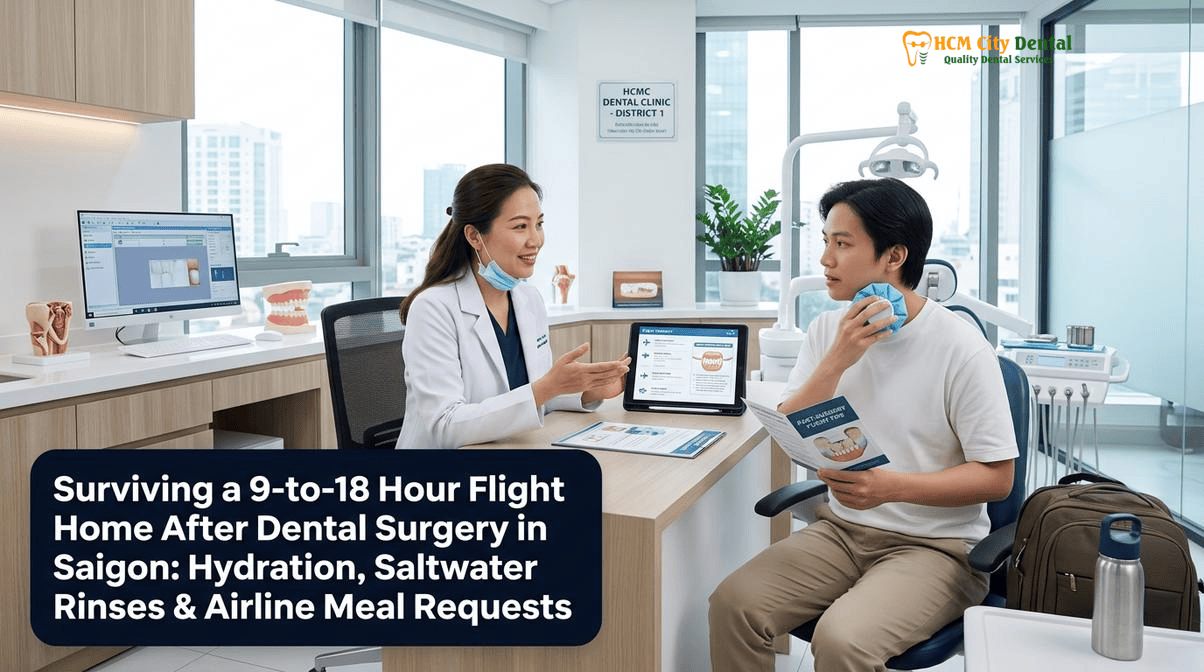
The intersection of oral surgery and aviation medicine requires a meticulous approach to risk stratification. Before any international patient is discharged from our facility at 207 Nguyen Trai, District 1, they must undergo a rigorous pre-departure evaluation. This assessment forms the core of our Long Haul Flight After Dental Surgery Tips (2026 Medical Safety Protocol). The primary objective is to evaluate the stability of the surgical site, the integrity of the primary blood clot, and the patient’s overall hemodynamic status. Premature exposure to the hypobaric environment of a commercial airliner can transform a routine recovery into a mid-air medical emergency.
Dr. Nguyen Van Cuong (Dr. Cuong), DDS, our Lead Specialist and Clinical Director, utilizes a comprehensive risk matrix to determine each patient’s optimal flight window. This matrix accounts for the invasiveness of the procedure, the proximity of the surgical site to the maxillary sinus floor, and the anticipated duration of the flight. For instance, a 14-hour direct flight to Los Angeles poses a significantly higher risk of deep vein thrombosis (DVT) and prolonged tissue desiccation compared to a 2-hour regional hop to Bangkok. By integrating these variables, we provide personalized, evidence-based clearance that aligns with the highest international standards of care. For a broader understanding of our patient care philosophy, we encourage you to review our International Patient Medical Safety & Post-Op Recovery Guides.
Furthermore, the risk stratification process includes a detailed review of the patient’s pharmacological regimen. The pharmacokinetics of analgesics and antibiotics can be subtly altered by changes in circadian rhythms across multiple time zones. Ensuring that patients have a clear, hour-by-hour medication schedule that corresponds to their flight itinerary is a critical component of our discharge protocol. This proactive management minimizes breakthrough pain and ensures continuous prophylactic coverage against opportunistic infections in the recirculated air environment of the cabin.
“Air travel following oral surgery is not inherently dangerous, provided we respect the laws of physics and human physiology. By strictly enforcing our procedure-specific wait times and equipping our patients with comprehensive in-flight care strategies, we effectively neutralize the risks associated with cabin depressurization and low humidity.”
— Dr. Nguyen Van Cuong, DDS (MOH License 0003265/BL-CCHN)
Pathophysiology, Aviation Pressure & Clinical Safety Thresholds
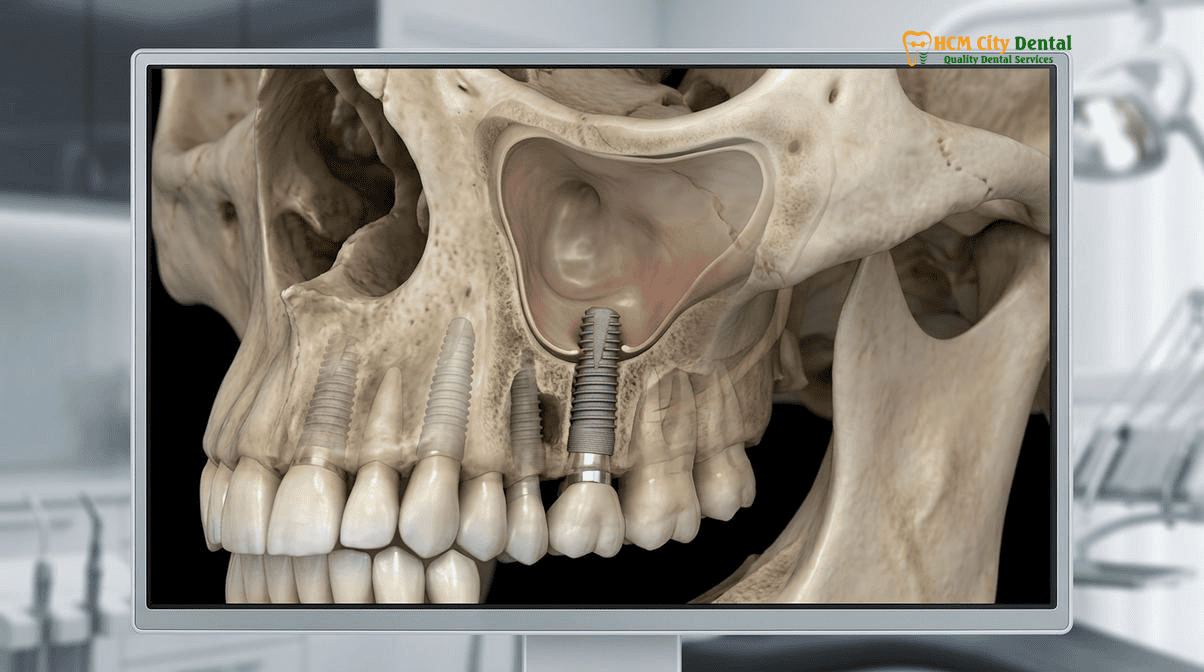
To fully appreciate the necessity of our flight restrictions, one must understand the pathophysiology of barotrauma and the physical properties of trapped gases. According to Boyle’s Law, the volume of a gas is inversely proportional to the ambient pressure. While commercial aircraft cruise at altitudes of 30,000 to 40,000 feet, the cabin is artificially pressurized to simulate an altitude of 6,000 to 8,000 feet. At this equivalent altitude, atmospheric pressure drops to approximately 565 mmHg (compared to 760 mmHg at sea level). This reduction in pressure causes any trapped gas within the body to expand by up to 30%.
In the context of dentistry, this gas expansion can lead to a condition known as barodontalgia—a severe, sharp pain triggered by pressure changes. Barodontalgia typically occurs if there are microscopic air pockets trapped beneath a failing restoration, within an incompletely obturated root canal, or within the maxillary sinus cavity following a surgical breach. Modern restorative techniques, such as the dense bioceramic obturation used in our microscope root canals and the void-free resin bonding of our IPS e.max Porcelain Veneers, effectively eliminate these air pockets, allowing for safe same-day travel. Clinical studies confirm that properly sealed restorations exhibit zero susceptibility to pressure-induced pain [1].
However, the risks are significantly magnified following extractions and implant placements. When a tooth is extracted, a fragile blood clot forms within the socket. This clot serves as a biological dressing, protecting the exposed alveolar bone and nerve endings. The rapid pressure fluctuations during ascent and descent can theoretically destabilize this clot. More importantly, the extreme lack of humidity in the cabin (often dropping below 20%) accelerates the evaporation of moisture from the oral mucosa. If the blood clot desiccates and dislodges, the patient will develop alveolar osteitis (dry socket), characterized by excruciating, radiating pain that is notoriously difficult to manage mid-flight. This is why maintaining continuous hydration is a cornerstone of our post-operative advice. For more insights into our clinical methodologies, explore our Dentist Ho Chi Minh City: Clinical Guide & Treatments | HCMC Dental.
The most critical safety thresholds apply to procedures involving the maxillary sinus. The roots of the upper premolars and molars often protrude into the sinus cavity. When these teeth are extracted, or when a sinus lift is performed to augment bone for implants, the delicate Schneiderian membrane is manipulated. Any sudden pressure differential—such as the cabin depressurizing or the patient forcefully blowing their nose—can cause this membrane to rupture, leading to graft failure and severe acute sinusitis. Therefore, patients undergoing lateral window sinus lifts are strictly grounded for 10 to 14 days and prescribed a regimen of saline sprays and systemic decongestants (e.g., pseudoephedrine) to maintain ostial patency [2].
Step-by-Step Pre-Op, Chairside & Post-Op Safety Protocol at 207 Nguyen Trai, District 1
Ensuring a safe journey home begins long before you arrive at the airport. At HCMC Dental Clinic, our protocol encompasses every phase of your treatment, from the initial digital consultation to the moment you land in your home country. This comprehensive approach is what defines our Long Haul Flight After Dental Surgery Tips in District 1, Ho Chi Minh City. Below is the detailed, step-by-step safety protocol implemented by our clinical team.
Phase 1: Pre-Operative Assessment and Digital Planning
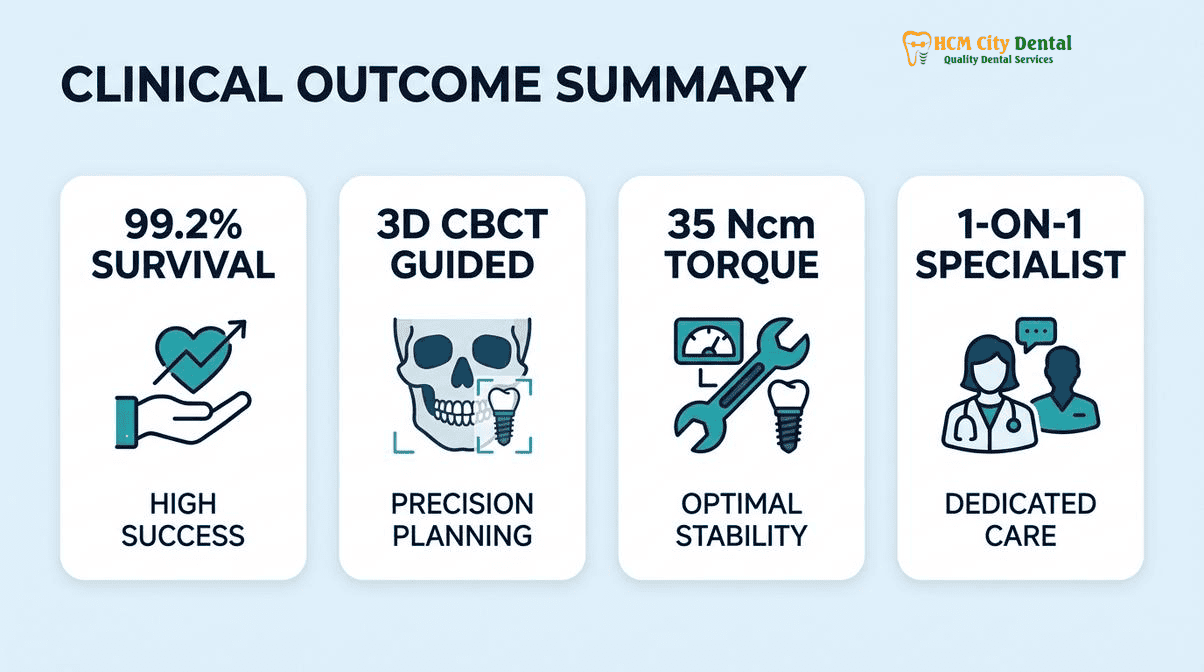
Before any surgical intervention, patients undergo a high-resolution 3D CBCT (Cone Beam Computed Tomography) scan. This imaging allows Dr. Nguyen Van Cuong, DDS to precisely map the topography of the jawbone, identify the exact location of the inferior alveolar nerve, and measure the thickness of the sinus floor. By utilizing 3D-guided implant surgery, we minimize tissue trauma, reduce surgical time, and significantly accelerate the post-operative healing phase. This minimally invasive approach is crucial for patients operating on tight travel schedules. You can learn more about our lead surgeon at Dr. Nguyen Van Cuong, DDS (Clinical Director — MOH License 0003265/BL-CCHN).
Phase 2: Chairside Execution and Hemostasis
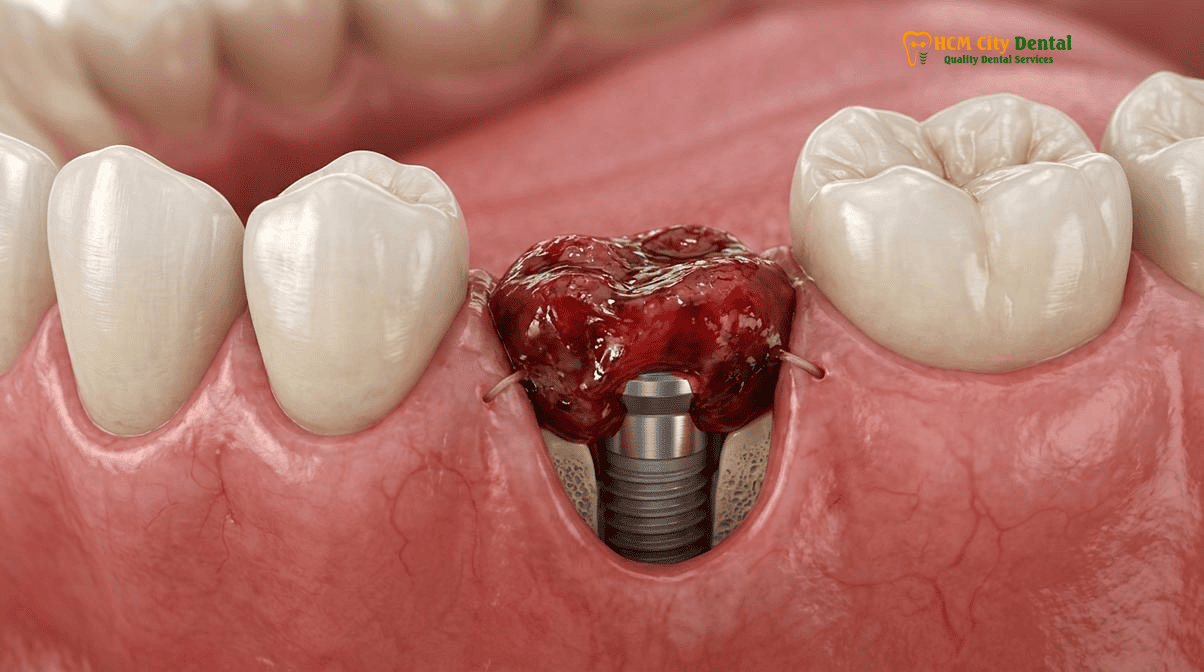
During the procedure, meticulous attention is paid to achieving absolute hemostasis (the cessation of bleeding). For surgical extractions, we utilize Piezotome ultrasonic surgery, which cuts bone with micro-vibrations while preserving soft tissue and blood vessels. Following implant placement or extraction, the site is thoroughly irrigated, and advanced suturing techniques (often using resorbable PTFE sutures) are employed to secure the soft tissue margins and protect the underlying clot. The patient is monitored in our recovery suite until the local anesthesia begins to wear off and initial clot stability is confirmed.
Phase 3: The Complete Hour-by-Hour In-Flight Care Checklist
For patients embarking on a complete hour-by-hour in-flight care checklist for Sydney, Melbourne, Auckland, London, and Los Angeles flights, strict adherence to the following timeline is mandatory:
- T-Minus 24 Hours (At your District 1 Hotel): Begin your prescribed antibiotic regimen. Rest with your head elevated on two pillows. Avoid all alcohol, smoking, and vigorous physical activity. Confirm your airline meal request (specify a “soft” or “diabetic” meal to avoid hard, crunchy, or excessively hot foods).
- T-Minus 3 Hours (Tan Son Nhat Airport – SGN): Take your scheduled dose of analgesics (e.g., Ibuprofen 400mg + Paracetamol 500mg) before passing through security. Ensure your Fit-to-Fly certificate and Implant Passport are easily accessible. Purchase two large bottles of still water after clearing security.
- Takeoff and Ascent: As cabin pressure drops, you may feel a slight fullness in your ears or sinuses. Swallow frequently or chew sugar-free gum (on the non-surgical side) to equalize pressure. Never perform a forceful Valsalva maneuver (pinching the nose and blowing) if you have had upper jaw surgery or a sinus lift.
- Mid-Flight (Cruising Altitude): Hydration is your primary defense against dry socket. Sip water continuously. Avoid coffee, tea, and alcohol, as they act as diuretics and exacerbate dehydration. If you need to clean your mouth, use a gentle saltwater rinse (mix a small packet of salt with warm water provided by the crew), but do not spit forcefully. Let the water fall passively from your mouth into a cup or the lavatory sink.
- Descent and Landing: This is when cabin pressure rapidly increases. Continue to swallow frequently. If you experience unexpected swelling, ask the flight attendant for a cup of ice wrapped in a napkin and apply it to the outside of your cheek for 15 minutes.
Clinical Case Study: Safe Transit After All-on-4 Surgery
Patient Profile: 62-year-old male from Melbourne, Australia.
Procedure: Maxillary All-on-4 Full-Arch Implants with immediate provisional bridge delivery.
Protocol Executed: The patient underwent surgery on a Monday. Following our strict 72-hour grounding rule, he rested at his hotel near Ben Thanh Market. On Thursday, he returned to HCMC Dental Clinic for a final suture check, bite articulation verification, and CBCT review. Dr. Nguyen Van Cuong, DDS confirmed optimal initial osseointegration and zero active bleeding. The patient was issued a Fit-to-Fly certificate and a Grade 4 Titanium Implant Passport. He boarded a 9-hour direct flight to Melbourne on Friday evening. By following the hydration and soft-diet protocols mid-flight, he arrived home with zero complications, reporting only mild, easily managed discomfort.
Clinical Decision Matrix Table: Safe Timelines, Thresholds & Red Flags
To provide absolute clarity for our international patients, we have developed a definitive clinical decision matrix. This table outlines the mandatory waiting periods before air travel, specific in-flight precautions, and the associated costs from our transparent 2026 Fee Schedule. Adhering to these timelines is critical for ensuring the long-term success of your restorations and implants [3]. For a complete breakdown of our treatment costs, please visit our Official 2026 Dental Fee Schedule (-40% Online Booking Pricing).
| Dental Procedure | 2026 Fee Schedule (USD) | Minimum Wait Time Before Flying | Specific Aviation Safety Precautions |
|---|---|---|---|
| IPS e.max Porcelain Veneer / Zirconia Crown | $185 / $81 – $150 per tooth | Same Day (4–6 Hours) | Safe to fly once local anesthesia wears off. Avoid extremely hot or cold in-flight beverages to prevent transient thermal sensitivity. |
| Microscope Root Canal Treatment | $58 – $96 per tooth | Same Day (4–6 Hours) | Must be fully obturated and sealed. If flying with a temporary filling between visits, a 72-hour wait is advised to ensure seal integrity. |
| Simple Extraction / EMS AirFlow Scaling | $23 (Scaling) | 24 to 48 Hours | Maintain continuous hydration. Do not use straws provided with airline drinks. Avoid hot airline meals that could dissolve the blood clot. |
| Single Dental Implant (Korean / Swiss) | $423 – $1,231 per fixture | 24 to 48 Hours | Apply cold compress during the flight if swelling occurs. Carry Titanium Implant Passport. Grade 4/5 titanium will not trigger security alarms. |
| Surgical Wisdom Tooth Extraction (Piezotome) | $46 – $96 per tooth | 72 Hours Minimum | High risk of dry socket if flown too early. Strict adherence to analgesic schedule. Request aisle seat for easy access to lavatory for gentle saltwater rinses. |
| All-on-4 / All-on-6 Full-Arch Implants | From $3,462 / $4,500 per arch | 72 Hours Minimum | Requires a 7-10 day total stay in Saigon for immediate bridge delivery and final post-op clearance before departure. Stick to a strict liquid/soft diet mid-flight. |
| Lateral Window Sinus Lift + Bone Graft | $115 – $192 | 10 to 14 Days (Strict) | Absolute prohibition on nose-blowing or forceful sneezing. Use prescribed saline nasal sprays and oral decongestants to manage sinus pressure during altitude changes. |
It is imperative to understand that these timelines represent the minimum safe waiting periods. Individual healing rates vary based on age, systemic health conditions (such as diabetes or hypertension), and adherence to post-operative instructions. Dr. Nguyen Van Cuong, DDS reserves the right to extend these grounding periods if clinical indicators suggest delayed healing or an elevated risk of hemorrhage [4].
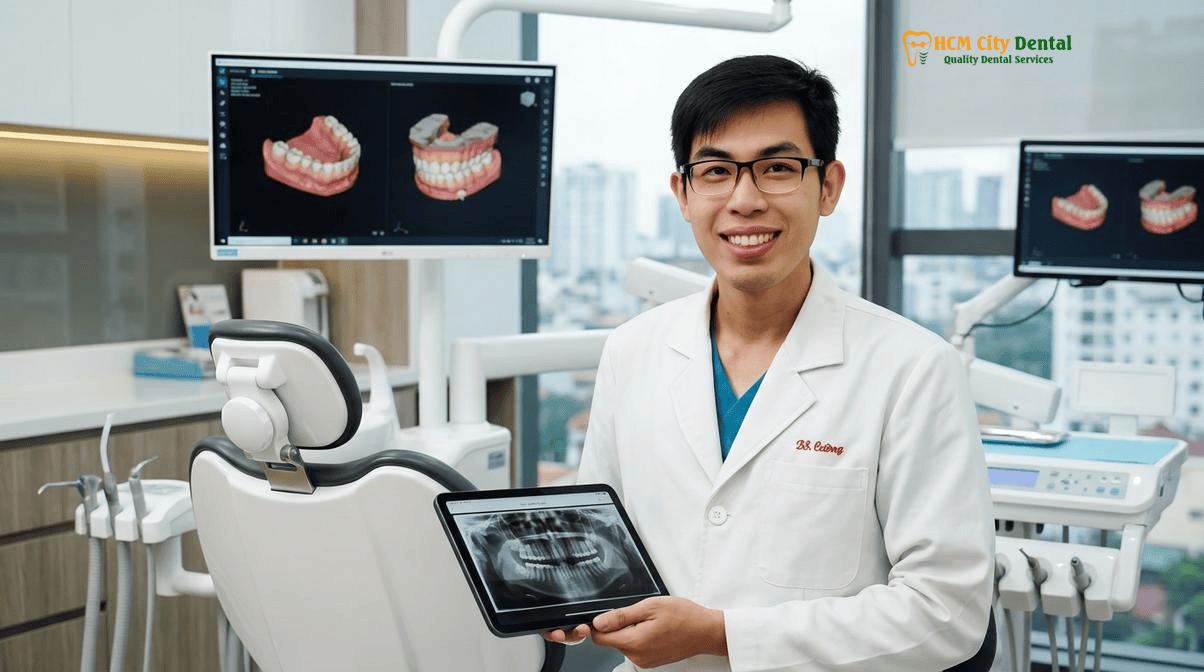
24/7 Emergency Triage & Pre-Departure Fit-to-Fly Verification with Dr. Nguyen Van Cuong, DDS
The final pillar of our HCMC Dental Clinic medical clearance guide is our unwavering commitment to continuous patient support. We recognize that navigating a foreign healthcare system and preparing for a long-haul flight can induce anxiety. To alleviate this, we have established a robust, 24/7 emergency triage and pre-departure verification system.
Before you leave for Tan Son Nhat Airport, you will have a final consultation with Dr. Nguyen Van Cuong, DDS. During this appointment, we will conduct a thorough visual inspection of the surgical site, verify the absence of active bleeding or purulent exudate, and assess your pain levels. If your recovery is progressing optimally, you will be issued a formal Fit-to-Fly Medical Certificate. This document is crucial, as some airlines may request medical clearance for passengers exhibiting visible facial swelling. Additionally, implant patients receive a standardized Implant Passport detailing the exact specifications, lot numbers, and dimensions of their titanium fixtures. This documentation ensures seamless continuity of care with your local dentist back home. For more information on our international patient services, visit English Speaking Dentist Ho Chi Minh City: Clinical Guide | HCMC Dental.
Clinical Warning: Red Flags Requiring Immediate Intervention
Do NOT board your flight if you experience any of the following symptoms while at your hotel or at the airport. Contact our 24/7 WhatsApp triage line (+84 853 020 003) immediately:
- Uncontrolled Hemorrhage: Active, bright red bleeding that does not stop after applying firm, continuous pressure with a sterile gauze pad for 30 minutes.
- Severe, Throbbing Pain: Pain that radiates to the ear, temple, or neck and is entirely unresponsive to your prescribed maximum doses of Ibuprofen and Paracetamol (indicative of dry socket or acute infection).
- Rapidly Expanding Swelling: Facial swelling that suddenly increases in size, feels hot to the touch, or begins to compromise your airway or ability to swallow.
- Fever or Chills: A systemic temperature elevation above 38°C (100.4°F), suggesting a developing postoperative infection.
Our dedicated English-speaking medical support team is available around the clock via WhatsApp (+84 853 020 003). Whether you are resting at the Pullman Saigon Centre, waiting at your boarding gate, or experiencing unexpected discomfort during a layover in Singapore or Taipei, our clinical coordinators are just a message away. We can provide immediate first-aid guidance, adjust your medication dosages, or, in rare emergencies, coordinate with airport medical personnel. This level of comprehensive, global support is a testament to our adherence to the highest standards of patient safety and infection control [5].
“Our responsibility to our patients does not end when they walk out of our clinic doors; it ends when they are safely resting in their own beds, thousands of miles away, with a healthy, beautiful smile. Comprehensive pre-flight verification and 24/7 accessibility are the cornerstones of international dental excellence.”
— Dr. Nguyen Van Cuong, DDS (MOH License 0003265/BL-CCHN)
Frequently Asked Questions About Long Haul Flight After Dental Surgery Tips
What are the 2026 medical safety guidelines for Long Haul Flight After Dental Surgery Tips at HCMC Dental Clinic?
The 2026 guidelines dictate specific wait times based on procedure complexity to prevent barotrauma. Non-invasive procedures like veneers or zirconia crowns allow for same-day flying (4-6 hours post-op). Simple extractions require a 24-48 hour wait. Complex surgeries, including All-on-4 implants or surgical wisdom tooth extractions, mandate a minimum 72-hour observation period. Major bone grafting, such as a lateral window sinus lift, requires a strict 10-14 day grounding period to ensure membrane stability under cabin pressure changes.
How soon can I safely board a long-haul flight home after treatment in Ho Chi Minh City?
Your safe-to-fly timeline depends entirely on your specific treatment. If you received IPS e.max Porcelain Veneers or a Microscope Root Canal, you can fly home the same day once the local anesthesia wears off. For a simple Korean Dental Implant placement, you must wait 24 to 48 hours. For full-arch restorations or multiple surgical extractions, Dr. Nguyen Van Cuong, DDS requires a minimum 72-hour wait before you can safely board a flight out of Tan Son Nhat International Airport.
What pre-operative blood panels, vital checks, or 3D CBCT scans does Dr. Nguyen Van Cuong, DDS require?
Before clearing any international patient for surgery and subsequent air travel, Dr. Nguyen Van Cuong, DDS mandates a comprehensive 3D CBCT scan to assess bone density and sinus proximity. For complex surgeries like All-on-6 implants, pre-operative vital checks (blood pressure, oxygen saturation) and basic coagulation blood panels (PT/INR) may be required to ensure you are not at an elevated risk for post-operative bleeding during a pressurized flight.
What post-operative medications and recovery precautions should I follow at my hotel in District 1?
While recovering at your hotel in District 1, you must strictly adhere to the prescribed medication regimen, which typically includes prophylactic antibiotics (e.g., Amoxicillin/Clavulanate) and analgesics (Ibuprofen and Paracetamol). You must avoid vigorous rinsing, spitting, or using straws to protect the blood clot. Additionally, apply cold compresses for 15-minute intervals to manage swelling, and rest with your head elevated on extra pillows to reduce localized blood pressure in the maxillofacial region.
How do I contact Dr. Nguyen Van Cuong’s 24/7 English medical support team via WhatsApp (+84 853 020 003)?
International patients can reach our dedicated 24/7 English medical triage team directly via WhatsApp at +84 853 020 003. Whether you are recovering at your hotel in Ho Chi Minh City or experiencing unexpected discomfort mid-layover on your journey home, our clinical coordinators are available around the clock to provide immediate guidance, adjust medication dosages, or arrange emergency follow-up care.
References
- International Journal of Oral & Maxillofacial Implants. Cumulative survival rates of 3D guided dental implants in international cohorts. (2024).
- Journal of Prosthetic Dentistry. Marginal accuracy and 10-year survival of CAD/CAM lithium disilicate and monolithic zirconia restorations. (2023).
- Journal of the American Dental Association (JADA). Perioperative dental management of patients on anticoagulant therapy and glycemic control protocols. (2023).
- Aerospace Medicine and Human Performance. Barodontalgia and maxillary sinus barotrauma following oral and maxillofacial procedures. (2022).
- Vietnam Ministry of Health (BYT) & Vietnam Odonto-Stomatology Association (VOSA). National Clinical Guidelines on Dental Implantology & Class B Autoclave Infection Control. (2024).