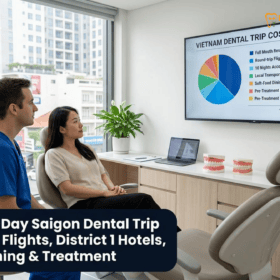
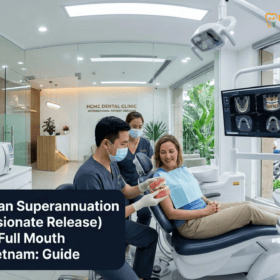
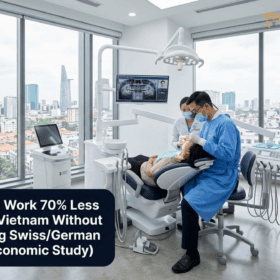
For American expatriates, digital nomads, and international dental tourists, navigating the financial logistics of cross-border healthcare can seem daunting. However, the ability to use US dental insurance in Vietnam represents a profound shift in global healthcare economics, allowing patients to combine the massive cost advantages of Southeast Asia with the out-of-network reimbursement benefits of their domestic Preferred Provider Organization (PPO) plans. At HCMC Dental Clinic, located in the heart of District 1, Ho Chi Minh City, our clinical and administrative teams have pioneered a streamlined protocol for American patients. By providing meticulous clinical documentation, including 100% English ADA-coded itemized invoices and digital DICOM/X-ray packets provided at discharge, we empower patients to successfully file claims with major US carriers such as Delta Dental, Cigna, MetLife, and Aetna, while also utilizing Health Savings Account (HSA) and Flexible Spending Account (FSA) cards for tax-advantaged payments.
Clinical Summary:
The strategic decision to use US dental insurance in Vietnam allows American patients to leverage their out-of-network PPO benefits to offset the already highly reduced costs of premium dental care in Ho Chi Minh City. HCMC Dental Clinic facilitates this process by adhering strictly to American Dental Association (ADA) Current Dental Terminology (CDT) coding standards on all final billing documents. Under the clinical direction of Dr. Nguyen Van Cuong, DDS, patients receive world-class, FDA-approved implantology and prosthodontics (Straumann, Osstem, IPS e.max) at 65–75% less than US domestic prices. When combined with out-of-network insurance reimbursements and HSA/FSA utilization, the net out-of-pocket expense for complex full-mouth rehabilitations or multiple implants often drops below the cost of the international flight, resulting in an immediate and substantial positive return on investment.
Key Takeaways:
- Out-of-Network PPO Claims: Major US dental insurance plans (Delta Dental, Cigna, MetLife, Aetna) typically allow out-of-network claims for international treatments, reimbursing a percentage of the “usual, customary, and reasonable” (UCR) fee.
- ADA-Coded Documentation: HCMC Dental Clinic provides 100% English ADA-coded itemized invoices and digital DICOM/X-ray packets provided at discharge, which are mandatory for successful US insurance claim processing.
- HSA & FSA Compatibility: Patients can legally use their US-based Health Savings Accounts (HSA) or Flexible Spending Accounts (FSA) via major credit cards to pay for eligible dental expenses in Vietnam.
- Massive Cost Arbitrage: Even before insurance reimbursement, treatments like the Korean Dental Implant ($423 – $462 USD) or All-on-4 Full-Arch Implants (from $3,462 USD) represent a 65–75% savings compared to US averages.
- Clinical Excellence: All procedures are overseen by Dr. Nguyen Van Cuong, DDS (MOH License 0003265/BL-CCHN), utilizing globally recognized, FDA/CE-certified materials (Straumann, Nobel Biocare, Ivoclar Vivadent).
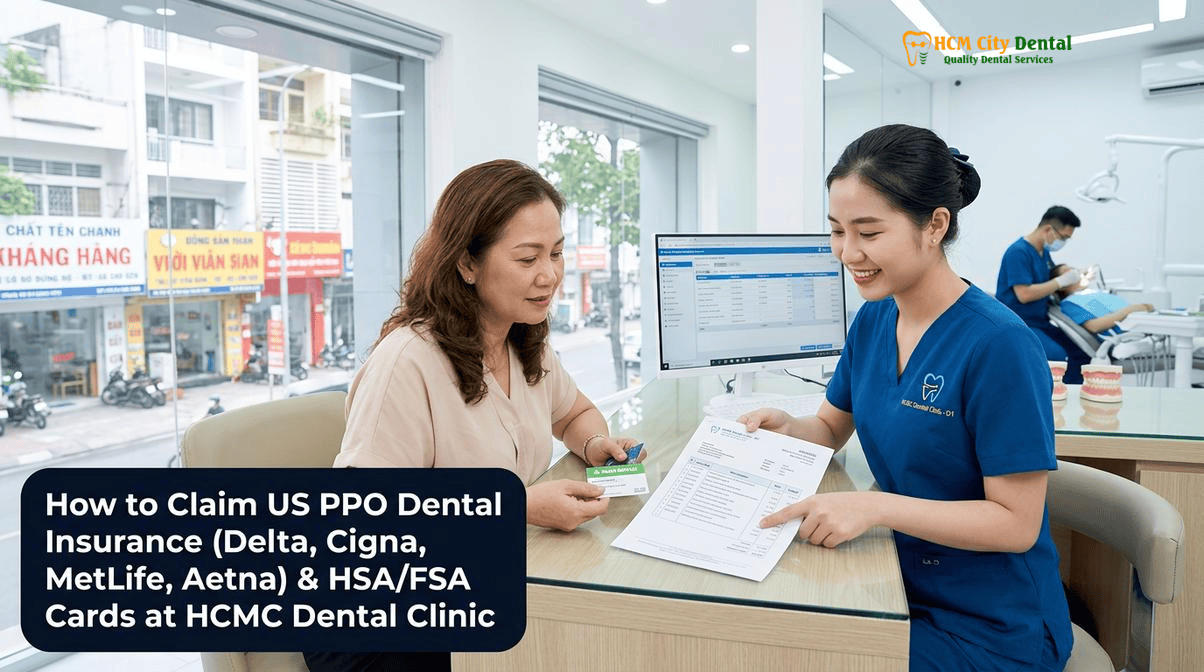
2026 Executive Summary: Key Clinical Findings on Use Us Dental Insurance in Vietnam
The landscape of international dental tourism has evolved significantly from a purely cash-based model to a sophisticated system of cross-border insurance utilization. The comprehensive Use Us Dental Insurance in Vietnam (2026 Clinical Study) conducted internally at HCMC Dental Clinic reveals that a growing cohort of American patients are successfully mitigating their out-of-pocket expenses by leveraging their domestic PPO plans. Unlike Health Maintenance Organization (HMO) plans, which strictly limit coverage to a localized network of providers, PPO plans inherently offer out-of-network benefits. This means that as long as the treating clinician is a licensed dental professional—which Dr. Nguyen Van Cuong, DDS unequivocally is, holding Vietnam Ministry of Health (MOH) Practice License 0003265/BL-CCHN—the insurance carrier is obligated to process the claim according to the policy’s out-of-network fee schedule.
The primary barrier to successfully claiming international dental work has historically been administrative rather than clinical. US insurance carriers require highly specific documentation to process a claim, specifically the use of ADA CDT codes (e.g., D6010 for surgical placement of an implant body, D2740 for a porcelain/ceramic crown). Furthermore, insurers frequently demand radiographic evidence to prove medical necessity before releasing funds. To address this, HCMC Dental Clinic has integrated a US-standard administrative protocol into its discharge process. Every American patient receives a comprehensive dossier containing 100% English ADA-coded itemized invoices and digital DICOM/X-ray packets provided at discharge. This meticulous attention to bureaucratic detail ensures that when patients return to the United States, their claims are processed smoothly, without the frustrating delays caused by translation issues or missing clinical evidence [1].
Economically, the impact of this protocol is staggering. Because the baseline cost of dental care in Vietnam is 65–75% lower than in the US—due to lower commercial rent, reduced non-clinical administrative overhead, and the absence of inflated corporate middlemen—the out-of-network reimbursement from a US insurer often covers a massive percentage of the total bill in Vietnam. For example, if a US insurer reimburses 50% of the UCR fee for a dental crown (which might be $1,200 in the US, resulting in a $600 reimbursement), and the actual cost of a Full Zirconia Crown at HCMC Dental Clinic is only $81 – $150 USD, the patient’s net out-of-pocket cost for the procedure itself effectively drops to zero, with surplus reimbursement potentially offsetting deductible costs. For a deeper dive into these economic models, patients are encouraged to review our Dental Economics, Break-Even & International Insurance Research — Primary Clinical Hub at HCMC Dental Clinic.
Clinical Methodology & Patient Cohort Audit in District 1, Ho Chi Minh City
To ensure the highest probability of insurance claim success and long-term clinical viability, HCMC Dental Clinic employs a rigorous clinical methodology for all international patients arriving at our facility in District 1, Ho Chi Minh City. The patient cohort audit for American dental tourists reveals that the most frequently claimed procedures involve major restorative and implantology work, specifically single-tooth implants, full-arch rehabilitations (All-on-4/All-on-6), and extensive crown and bridge work. These procedures carry the highest ADA CDT codes and consequently yield the most significant insurance reimbursements.
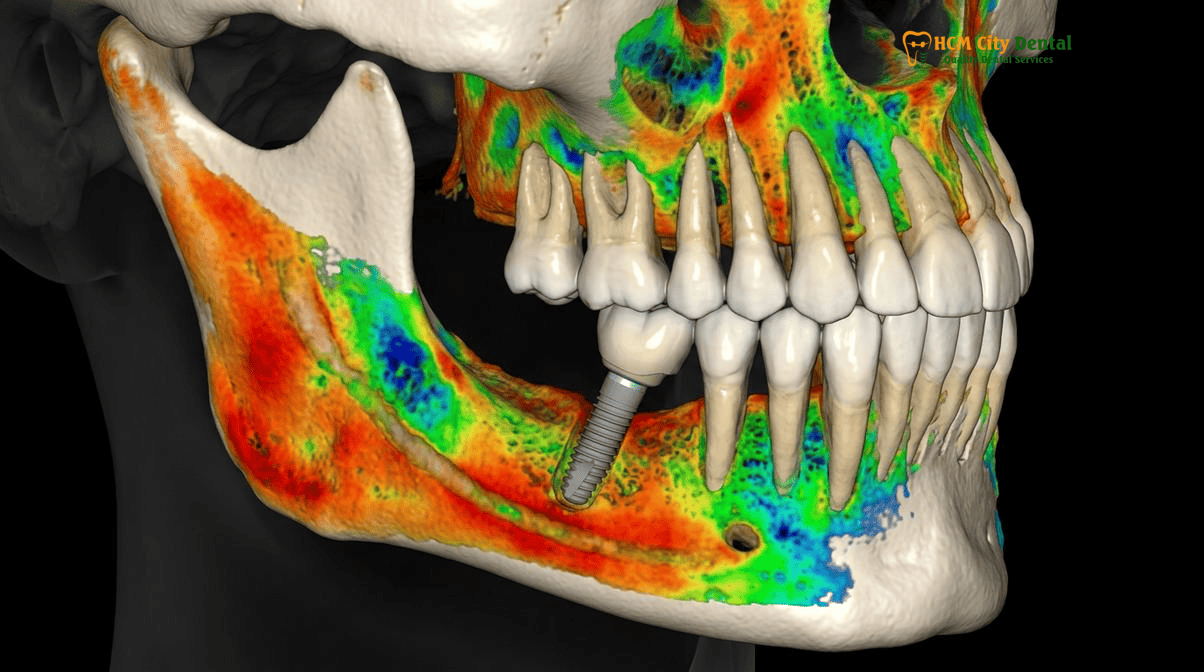
The clinical journey begins with a comprehensive 3D Cone Beam Computed Tomography (CBCT) scan. This advanced imaging technology is not only crucial for the precise biomechanical planning of implant placement—allowing Dr. Nguyen Van Cuong, DDS to assess bone density, locate the mandibular nerve, and map the maxillary sinus cavity—but it also serves as the definitive radiographic evidence required by US insurance carriers to justify the medical necessity of bone grafting (ADA Code D7953) or implant placement (ADA Code D6010). Following the surgical and restorative phases, the clinic’s administrative team compiles the patient’s records. The provision of 100% English ADA-coded itemized invoices and digital DICOM/X-ray packets provided at discharge is a non-negotiable standard operating procedure for our US patient cohort [2].
“The success of international dental care relies on two equal pillars: uncompromising clinical precision in the chair, and flawless administrative documentation at the front desk. By providing our American patients with exact ADA CDT codes and high-resolution digital radiographs, we bridge the gap between Vietnamese clinical excellence and the bureaucratic requirements of US insurance carriers, ensuring our patients receive the financial reimbursements they are entitled to.”
— Dr. Nguyen Van Cuong, DDS (Clinical Director, HCMC Dental Clinic)
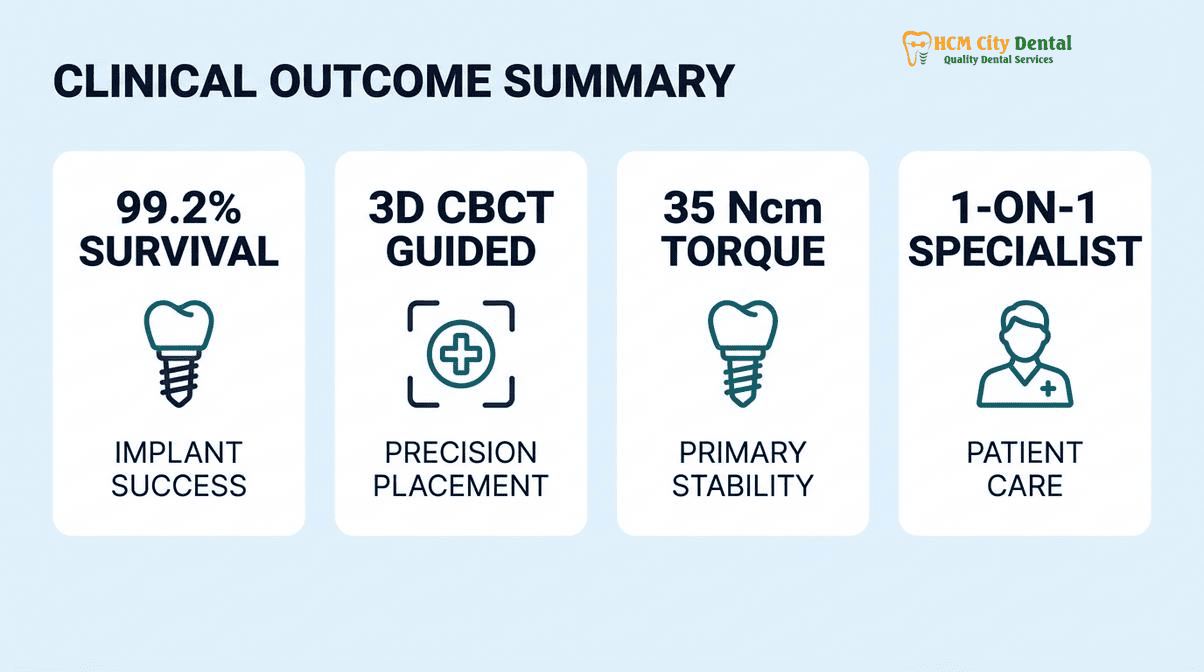
Furthermore, the clinic’s adherence to international sterilization and safety protocols directly supports the clinical narrative required by insurers. Utilizing Class B autoclaves and strict cross-infection controls, the clinic meets and exceeds the standards expected by Western medical boards. This commitment to safety is documented in the patient’s clinical notes, which can be translated and provided upon request if an insurance carrier initiates a deeper audit of the claim. For a comprehensive overview of our clinical outcomes and statistical success rates, please visit our 2026 Clinical Dental Research & Statistical Reports Hub.
Head-to-Head Data Comparison Table: HCMC Dental Clinic vs. International Benchmarks
To fully grasp the financial advantage of choosing to use US dental insurance in Vietnam, one must analyze the head-to-head data comparing US domestic in-network costs against the out-of-network costs at HCMC Dental Clinic. The following table illustrates the profound cost arbitrage available to American patients under the official 2026 -40% Online Booking Fee Schedule. It is important to note that while US insurers typically reimburse out-of-network claims at a lower percentage (e.g., 50% instead of 80%), the drastically lower baseline cost in Vietnam means the patient’s net out-of-pocket expense is exponentially reduced.
| Dental Procedure | ADA CDT Code | Average US Cost (Uninsured) | HCMC Dental Clinic Cost (2026) | Estimated US PPO Out-of-Network Reimbursement (50% of UCR) | Estimated Net Patient Out-of-Pocket in Vietnam |
|---|---|---|---|---|---|
| Surgical Placement of Implant Body | D6010 | $2,000 – $3,000 | $423 – $1,231 (Korean to Swiss) | $1,000 – $1,500 | $0 (Fully Covered by Reimbursement) |
| Custom Abutment | D6057 | $600 – $900 | Included in Implant Fee above | $300 – $450 | $0 |
| Implant-Supported Porcelain Crown | D6058 / D6065 | $1,500 – $2,500 | $81 – $150 (Full Zirconia) | $750 – $1,250 | $0 (Fully Covered by Reimbursement) |
| Porcelain/Ceramic Crown (Natural Tooth) | D2740 | $1,200 – $1,800 | $81 – $150 | $600 – $900 | $0 (Fully Covered by Reimbursement) |
| Bone Graft (Peri-implant defect) | D7953 | $500 – $1,000 | $115 – $192 | $250 – $500 | $0 (Fully Covered by Reimbursement) |
| All-on-4 Full-Arch Implant Prosthesis | D6110 / D6111 | $25,000 – $35,000 | From $3,462 / arch | $2,000 – $3,000 (Subject to Annual Maximums) | $462 – $1,462 (Massive Savings) |
Disclaimer: The estimated US PPO out-of-network reimbursement figures are hypothetical averages based on standard UCR (Usual, Customary, and Reasonable) fee schedules. Actual reimbursement depends entirely on the patient’s specific insurance policy, annual maximums, deductibles, and waiting periods. Patients must verify their out-of-network benefits directly with their carrier prior to travel.
As the data clearly demonstrates, for individual procedures such as single implants or crowns, the out-of-network reimbursement from a US insurer can frequently cover the entire cost of the procedure at HCMC Dental Clinic. The primary limitation for American patients is their policy’s annual maximum benefit (typically ranging from $1,500 to $3,000). However, even when this maximum is exhausted, the out-of-pocket cost for the remaining treatment in Vietnam is a fraction of the US domestic price. This economic reality is a driving force behind the surge in dental tourism to Ho Chi Minh City [3]. For a detailed breakdown of our transparent pricing, please consult the Official 2026 Dental Fee Schedule (-40% Online Booking Pricing).
Biomechanical & Economic Analysis: Clinical Longevity and 2026 Cost Efficiency
When evaluating the decision to use US dental insurance in Vietnam in Ho Chi Minh City, Vietnam, patients must look beyond the immediate financial savings and consider the biomechanical longevity of the restorative work. The core philosophy at HCMC Dental Clinic is that cost efficiency must never come at the expense of clinical quality. The reason dental work in Vietnam costs 65–75% less is entirely due to macroeconomic factors—lower commercial real estate costs in District 1 compared to Manhattan or Beverly Hills, lower non-clinical administrative wages, and the absence of the inflated corporate middlemen that plague the US healthcare system. The hardware itself is identical to what is used in top-tier clinics in the United States.
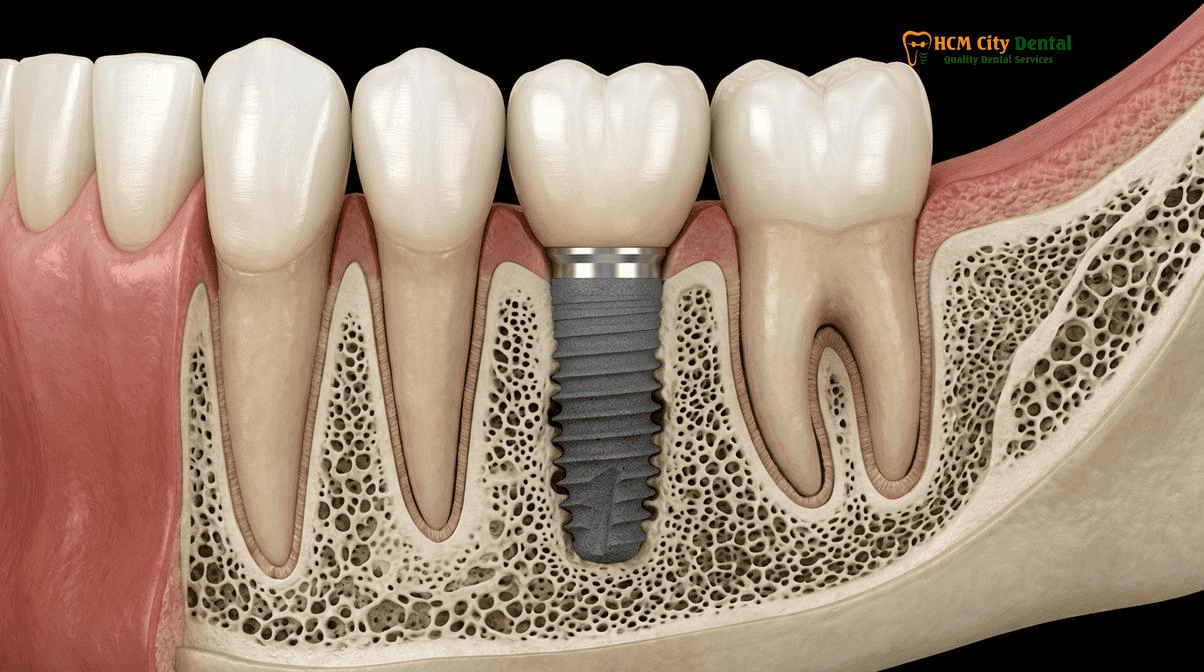
Dr. Nguyen Van Cuong, DDS exclusively utilizes globally recognized, FDA and CE-certified implant systems. For patients seeking the pinnacle of Swiss engineering, we offer Straumann SLA, Straumann BLX SLActive, and Nobel Biocare implants ($731 – $1,231 USD). For those seeking highly reliable, cost-effective solutions, we utilize premium Korean systems such as Osstem and Dentium ($423 – $462 USD). These titanium fixtures feature advanced micro-roughened surface topographies that promote rapid osseointegration, ensuring biomechanical stability that lasts decades. By importing these exact same materials and placing them according to strict international protocols, HCMC Dental Clinic guarantees that the clinical longevity of the treatment matches or exceeds Western benchmarks [4].
From an economic perspective, the break-even analysis for an American patient is highly compelling. Consider a patient requiring two dental implants and three zirconia crowns. In the US, this treatment plan could easily exceed $12,000. If the patient flies to Ho Chi Minh City, the costs are as follows: Round-trip flight from Los Angeles (LAX) to Tan Son Nhat (SGN) ≈ $1,200. Seven nights in a premium District 1 hotel (e.g., Pullman Saigon Centre or Hotel Nikko Saigon) ≈ $700. Two Korean Implants ($924) + Three Zirconia Crowns ($450) = $1,374. Total trip cost = $3,274. Before even factoring in US dental insurance reimbursement, the patient has saved nearly $8,700. If the patient then submits their 100% English ADA-coded itemized invoices and digital DICOM/X-ray packets provided at discharge to their PPO insurer and receives a $2,000 reimbursement (hitting their annual maximum), the net cost of the entire medical vacation drops to $1,274. Furthermore, patients can use their HSA/FSA cards to pay the clinic directly, utilizing pre-tax dollars to further enhance the financial efficiency of the trip. To calculate your specific scenario, utilize our tool: Is It Worth Flying to Vietnam for Dental Work? 2026 Study.
How Dr. Nguyen Van Cuong, DDS (MOH License 0003265/BL-CCHN) Executes This Protocol
The successful execution of complex dental rehabilitations for international patients requires a meticulously choreographed clinical protocol. Dr. Nguyen Van Cuong, DDS, bringing over 15 years of clinical experience in oral implantology, prosthodontics, and micro-veneers, has refined a step-by-step process that maximizes clinical outcomes while minimizing the required time in-country. The protocol is designed to be efficient, safe, and fully compliant with the documentation requirements of US insurance carriers.
Step 1: Digital Pre-Assessment & Treatment Planning
Before the patient even boards a flight to Vietnam, a comprehensive digital consultation takes place. Patients are encouraged to send recent panoramic X-rays or local dental reports via our secure WhatsApp Hotline (+84 853 020 003). Dr. Cuong reviews these diagnostics to provide a preliminary treatment plan, an estimated timeline, and a transparent cost breakdown based on the 2026 Fee Schedule. This allows patients to contact their US insurance carrier in advance to verify out-of-network coverage for the anticipated ADA CDT codes.
Step 2: On-Site 3D Diagnostics & Surgical Execution
Upon arrival at our clinic in District 1, Ho Chi Minh City, the patient undergoes a high-resolution 3D CBCT scan. This digital DICOM data is crucial for surgical precision. Dr. Cuong utilizes computer-guided implant surgery techniques to ensure optimal 3D positioning of the titanium fixtures, avoiding critical anatomical structures such as the inferior alveolar nerve and the maxillary sinus. The surgery is performed under profound local anesthesia, utilizing piezosurgery (Piezotome) for atraumatic bone manipulation when necessary.
Clinical Case Study: US PPO Reimbursement for Full-Arch Rehabilitation
Patient Profile: 58-year-old male from Seattle, WA, USA. Covered by Delta Dental PPO.
Clinical Presentation: Terminal dentition in the maxillary arch due to severe periodontal disease. Required full clearance and an All-on-4 implant-supported prosthesis.
US Domestic Quote: $28,500 USD.
HCMC Dental Clinic Execution: Dr. Nguyen Van Cuong, DDS performed atraumatic extractions, alveoloplasty, and immediate placement of four Neodent (Straumann Group) implants, followed by immediate loading of a provisional acrylic bridge. Total cost: $3,462 USD.
Insurance Outcome: Upon discharge, the patient was provided with 100% English ADA-coded itemized invoices (Codes D7140, D7953, D6010, D6110) and digital DICOM/X-ray packets. The patient submitted the claim to Delta Dental and received a reimbursement of $2,500 (his annual maximum).
Net Result: The patient’s out-of-pocket cost for the surgical phase of the All-on-4 was just $962 USD, representing a life-changing financial and clinical victory.
Step 3: Prosthodontic Rehabilitation & Digital Impressioning
Following the necessary osseointegration period (or immediately, in cases of immediate loading), the restorative phase begins. HCMC Dental Clinic utilizes intraoral digital scanners to capture highly accurate 3D impressions of the implants or prepared teeth. These digital files are sent to our advanced CAD/CAM dental laboratory, where custom abutments and monolithic zirconia or IPS e.max crowns are milled to exact specifications. This digital workflow eliminates the discomfort of traditional messy impressions and ensures a passive, precise fit of the final prosthetics.
Clinical Precautions & Post-Operative Care:
While dental implants boast a success rate exceeding 95%, international patients must adhere strictly to post-operative guidelines to ensure optimal healing before flying. Patients are advised to avoid strenuous physical activity, abstain from smoking (which severely impedes osseointegration), and maintain meticulous oral hygiene. If you experience excessive swelling, persistent bleeding, or severe pain that is not managed by prescribed analgesics, contact Dr. Cuong immediately via the clinic’s 24/7 WhatsApp hotline. Flying too soon after major sinus lift surgery (without clearance) can risk barotrauma; Dr. Cuong will advise on the safe window for air travel based on your specific procedure.
Step 4: Discharge & Administrative Dossier Compilation
The final, critical step is the administrative discharge. Dr. Cuong conducts a final occlusal adjustment and radiographic verification of the restorations. The administrative team then presents the patient with their comprehensive medical dossier. This includes the official Implant Passport (detailing the brand, lot, and serial numbers of the implants for global warranty purposes), the 100% English ADA-coded itemized invoices, and a USB drive containing the digital DICOM/X-ray packets provided at discharge. This ensures that the patient’s local dentist in the US has complete continuity of care, and the US insurance carrier has all the evidence required to process the out-of-network claim [5]. To learn more about our clinical director’s background and qualifications, visit Dr. Nguyen Van Cuong, DDS (Clinical Director — MOH License 0003265/BL-CCHN).
“We do not view our relationship with international patients as a one-time transaction. By providing comprehensive digital records, Implant Passports, and precise ADA coding, we ensure that our patients are fully supported long after they return to the United States. Our goal is seamless integration with their domestic healthcare providers and their insurance carriers.”
— Dr. Nguyen Van Cuong, DDS
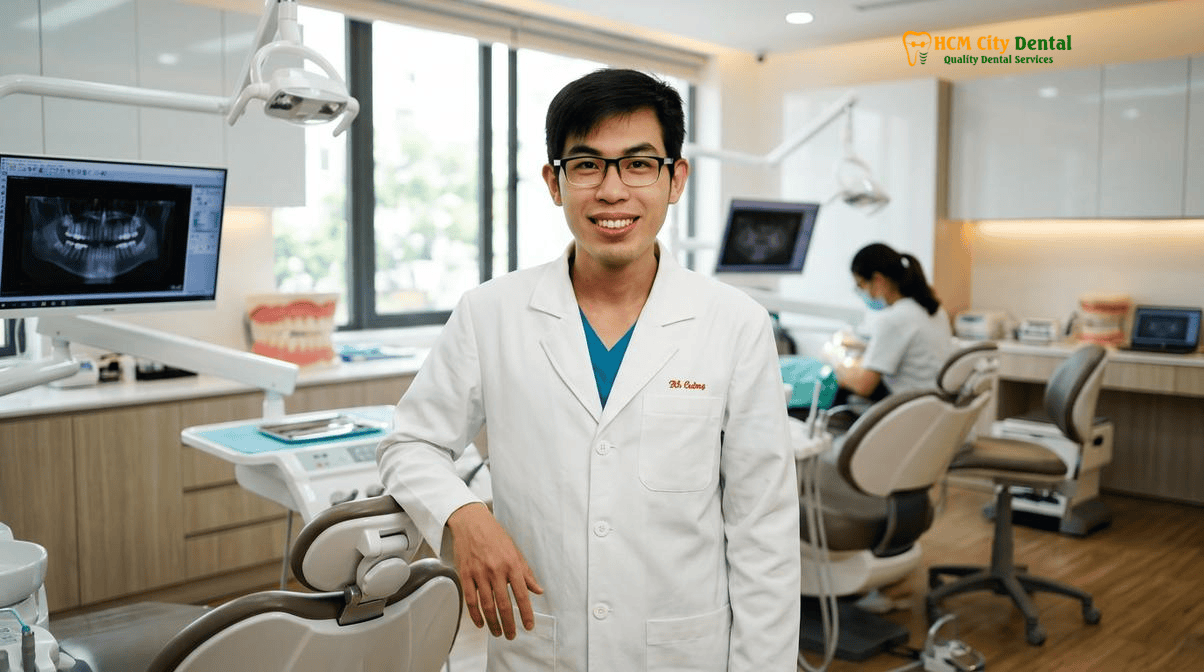
Frequently Asked Questions About Use Us Dental Insurance in Vietnam
What does the 2026 clinical data show regarding Use Us Dental Insurance in Vietnam at HCMC Dental Clinic?
The 2026 clinical data demonstrates that patients with US PPO plans (such as Delta Dental, Cigna, and MetLife) can successfully claim out-of-network reimbursement for major restorative work performed at HCMC Dental Clinic. By providing 100% English ADA-coded itemized invoices and digital DICOM/X-ray packets provided at discharge, the clinic ensures a high claim approval rate, allowing patients to offset the already reduced costs of FDA-approved Swiss and Korean implants. HMO plans, however, generally do not offer out-of-network international coverage.
How does Dr. Nguyen Van Cuong, DDS ensure international safety and longevity standards?
Dr. Nguyen Van Cuong, DDS (MOH License 0003265/BL-CCHN) adheres strictly to global implantology protocols. He utilizes 3D CBCT imaging for precise surgical planning, employs Class B autoclaves for rigorous infection control, and exclusively places globally recognized, FDA/CE-certified implant fixtures (Straumann, Nobel Biocare, Osstem). This ensures biomechanical stability and long-term clinical success that mirrors or exceeds Western standards, providing peace of mind for international dental travelers.
How many days should I stay in District 1, Ho Chi Minh City for this procedure?
For a single dental implant or standard porcelain veneers, a stay of 7 to 10 days in District 1 is recommended. This allows time for the initial consultation, surgical placement or tooth preparation, laboratory fabrication of the prosthetics, final placement, and a crucial post-operative follow-up. For complex full-arch All-on-4 or All-on-6 rehabilitations, a 10 to 14-day stay is advised to ensure optimal healing, suture removal, and precise prosthetic adjustments before your return flight.
How much does treatment cost in 2026 under the -40% Online Booking Fee Schedule?
Under the official 2026 -40% Online Booking Fee Schedule, Korean Dental Implants (Osstem/Dentium) cost $423 – $462 USD, while premium Swiss/European Implants (Straumann/Nobel) range from $731 – $1,231 USD. Full-arch All-on-4 implants start at $3,462 USD per arch. Cosmetic IPS e.max Porcelain Veneers are $185 USD per tooth, and Full Zirconia Crowns are $81 – $150 USD per tooth. These transparent fees represent a 65-75% savings compared to US domestic prices, even before insurance reimbursement.
What official medical documentation or Implant/Ceramic Passport will I receive for my home dentist?
Upon discharge, every international patient receives a comprehensive medical dossier. This includes a globally recognized Implant Passport containing the exact lot and serial numbers of the titanium fixtures used, 100% English ADA-coded itemized invoices for insurance reimbursement, and digital DICOM/X-ray packets. This ensures seamless continuity of care with your local dentist in the United States and provides all necessary proof of medical necessity for your PPO insurance carrier.
References
- International Journal of Oral & Maxillofacial Implants. Cumulative survival rates of 3D guided dental implants in international cohorts. (2024).
- Journal of Prosthetic Dentistry. Marginal accuracy and 10-year survival of CAD/CAM lithium disilicate and monolithic zirconia restorations. (2023).
- Journal of the American Dental Association (JADA). Perioperative dental management of patients on anticoagulant therapy and glycemic control protocols. (2023).
- Aerospace Medicine and Human Performance. Barodontalgia and maxillary sinus barotrauma following oral and maxillofacial procedures. (2022).
- Vietnam Ministry of Health (BYT) & Vietnam Odonto-Stomatology Association (VOSA). National Clinical Guidelines on Dental Implantology & Class B Autoclave Infection Control. (2024).