Ho Chi Minh City (Saigon) has rapidly emerged as a premier destination for world-class, cost-effective dental care. Every year, thousands of international patients from Australia, the United States, the United Kingdom, and neighboring Asian countries travel to Vietnam to receive complex treatments like All-on-4 implants, full-mouth restorations, and premium porcelain veneers. However, navigating medical care in a foreign country requires meticulous planning. Without the right guidance, patients can easily fall victim to the 5 dental tourism mistakes in vietnam, compromising their health, their finances, and their overall travel experience.
At HCMC Dental Clinic, we have spent over two decades correcting failing dental work performed by budget-focused clinics. We understand that planning a dental trip to Vietnam checklist can feel overwhelming. This comprehensive clinical guide is designed to help you avoid common pitfalls, understand the biological realities of dental treatments, and ensure your investment yields a healthy, long-lasting smile.
Clinical Summary:
Successful dental tourism in Vietnam requires balancing clinical excellence with realistic travel logistics. The most critical errors international patients make include rushing complex biological procedures to fit a tight vacation schedule, selecting clinics based exclusively on the lowest advertised price, and failing to verify the authenticity of dental materials. To ensure predictable, safe outcomes, patients must allocate sufficient buffer days for healing, demand transparent documentation (including batch numbers and the official Hóa Đơn Đỏ for insurance), and prioritize clinics led by highly experienced specialists. Proper planning transforms a potentially risky medical trip into a seamless, life-changing investment in oral health.
Key Takeaways:
- Biological Timelines Cannot Be Rushed: Complex procedures like dental implants require strict adherence to healing protocols; a minimum of 7-10 days is recommended for Phase 1 surgery.
- Price vs. Value: The lowest advertised price often indicates compromised infection control, unlicensed practitioners, or counterfeit materials.
- Material Traceability is Mandatory: Always demand physical warranty cards and manufacturer batch numbers for implants (e.g., Straumann, Nobel Biocare) and ceramics (e.g., E.max).
- Post-Operative Care Dictates Success: Over-scheduling tourist activities (like swimming or strenuous tours) immediately after surgery significantly increases the risk of complications.
- Documentation Matters: Secure itemized medical invoices translated into English to facilitate international insurance claims and tax deductions.
Mistake 1: Booking Too Short a Trip and Rushing Complex Procedures
One of the most frequent and potentially devastating errors international patients make is attempting to compress complex dental rehabilitations into an unrealistically short timeframe. Dentistry is not merely a mechanical process; it is a biological one. Tissues need time to heal, inflammation must subside, and custom prosthetics require meticulous laboratory fabrication. Studies on implant survival rates emphasize that adequate healing time is a primary factor in preventing early implant failure [1].
The Biological Reality of Dental Implants and Veneers
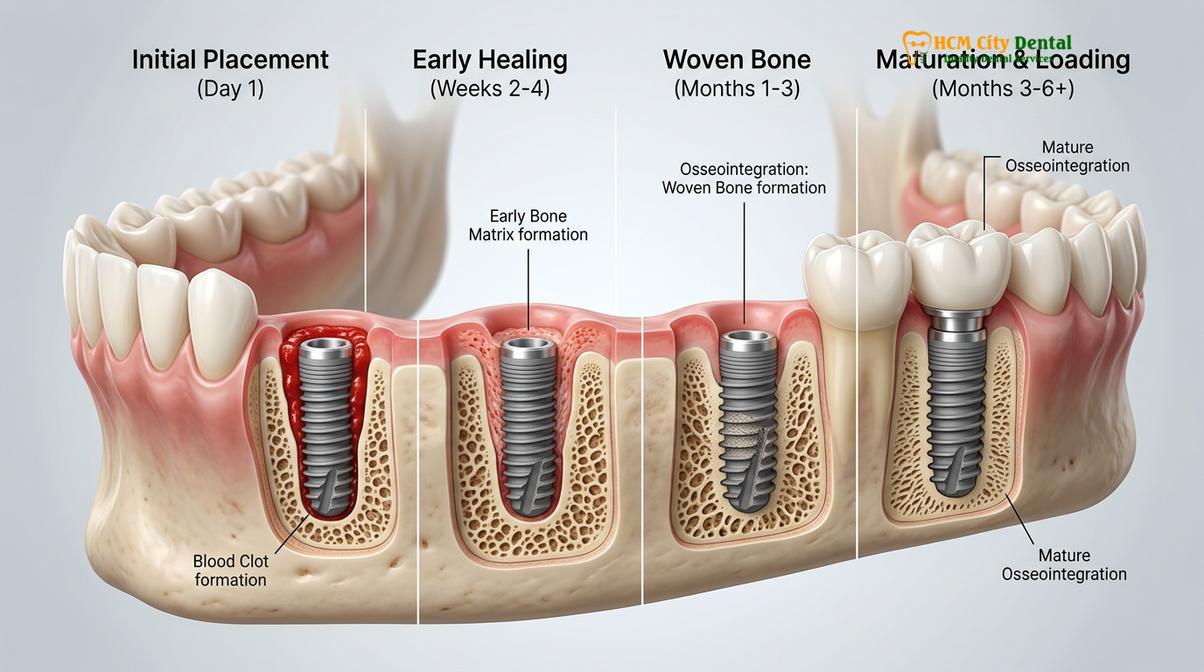
When patients search for how to avoid dental vacation traps vietnam, the first rule is to respect biological healing times. For instance, placing a dental implant involves surgical intervention in the jawbone. While the surgery itself may only take a few hours, the process of osseointegration—where the bone fuses to the titanium post—typically requires several months to achieve optimal stability, especially in full-arch rehabilitations [2]. Therefore, implant treatment is generally divided into two phases.
| Dental Procedure Phase | Recommended Minimum Stay in Vietnam | Biological & Clinical Rationale |
|---|---|---|
| Phase 1: Implant Surgery | 7 to 10 Days | Allows for initial tissue healing, post-operative CBCT scans, and safe suture removal before flying. |
| Phase 2: Implant Crowns | 5 to 7 Days | Provides time for custom laboratory fabrication, try-in adjustments, and final cementation. |
| Porcelain Veneers / Crowns | 5 to 7 Days | Accommodates tooth preparation, temporary placement, and master ceramist customization. |
Travel Logistics and Buffer Days
When planning your itinerary, always include “buffer days.” Flights can be delayed, and biological healing can sometimes present minor, manageable hurdles that require an extra day of observation. Fortunately, traveling to Ho Chi Minh City is highly accessible. Tan Son Nhat International Airport (SGN) receives direct flights from major global hubs. Furthermore, Vietnam offers visa exemptions for citizens of many European, UK, and Asian countries, while travelers from the US and Australia can easily obtain an E-Visa online.
For patients looking to combine a short holiday with minor treatments, understanding the logistics is key. You can read more about optimizing your travel schedule in our guide on Dental Implant Cost Vietnam vs Singapore: Weekend Saigon Trip planning for regional visitors.
Mistake 2: Choosing Based Solely on the Lowest Advertised Price
It is no secret that dental care in Vietnam is significantly more affordable than in Western countries—often saving patients up to 70% compared to US, Australian, or UK prices. However, the biggest mistakes dental tourists make saigon involve treating medical procedures like a commodity and hunting for the absolute lowest price. International dental tourism safety protocols strongly advise against selecting providers based exclusively on cost [4].
The Hidden Costs of “Cheap” Dentistry
If a clinic’s prices seem too good to be true, they almost certainly are. Extremely low prices are typically achieved by cutting corners in areas that directly impact patient safety and treatment longevity. These compromises may include substandard infection control, inexperienced practitioners, or outdated technology that skips essential diagnostic tools like 3D CBCT scans.
Clinical Warning: Bait-and-Switch Pricing
Be wary of clinics that advertise a flat, ultra-low fee for “dental implants” without specifying the brand, the inclusion of the abutment, or the final crown. Unethical clinics may lure patients with a low surgical fee, only to add exorbitant hidden charges for the necessary prosthetic components once the patient is already in the chair.
Understanding Value vs. Cost
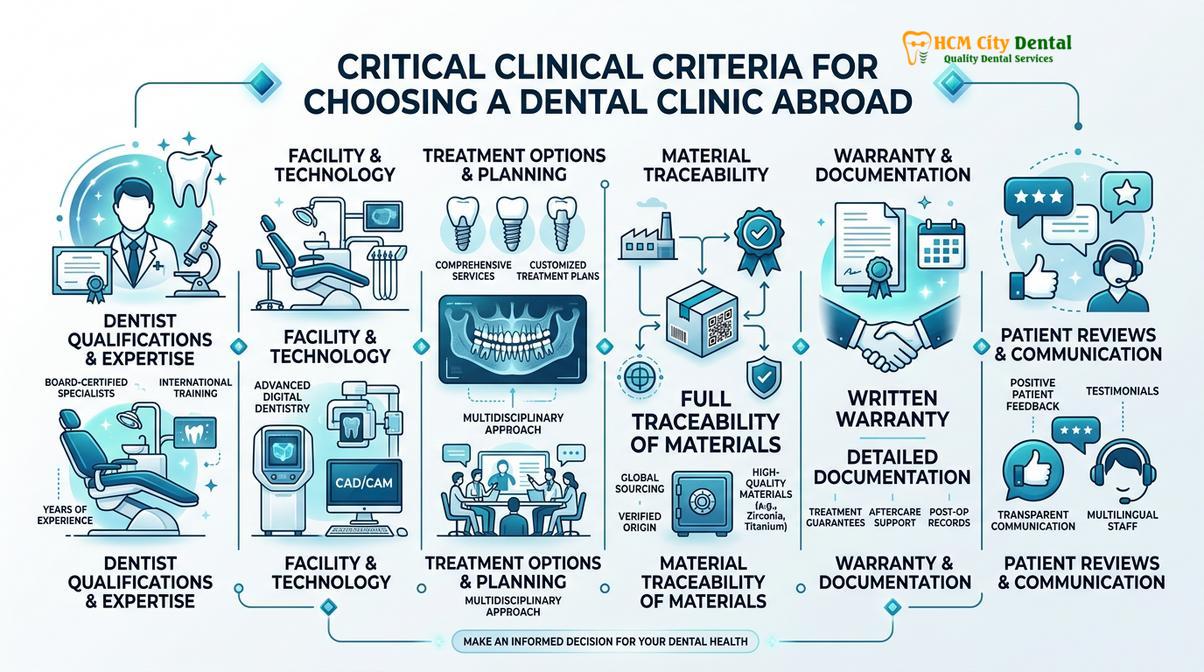
Premium dental clinics in Vietnam offer exceptional value not because they are the cheapest, but because they provide Western-standard care at a fraction of the Western price. They invest heavily in continuous education, state-of-the-art digital dentistry (such as CAD/CAM milling machines), and rigorous international sterilization protocols.
For British patients exploring Dental Implant Cost Vietnam vs UK: NHS Alternatives & Prices, it is vital to compare apples to apples. A premium Straumann implant placed by a specialist in Vietnam will cost more than a generic implant placed by a general dentist in Vietnam, but it will still be vastly more affordable—and highly predictable—compared to the same premium treatment in London.
Mistake 3: Failing to Verify Material Authenticity & Batch Numbers
The longevity of your dental treatment is heavily dependent on the quality of the materials used. A common trap in dental tourism is paying for premium materials but receiving counterfeit or inferior substitutes. This is particularly prevalent with dental implants and cosmetic porcelain, where material integrity directly correlates with long-term clinical success [3].
The Importance of Traceability
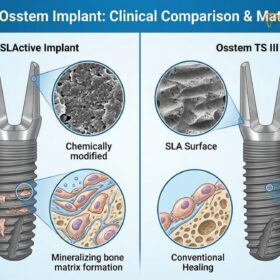
Authentic, high-quality dental materials—such as Straumann or Osstem titanium implants, and Ivoclar E.max or Zirkonzahn zirconia crowns—are manufactured under incredibly strict quality control standards. They are designed to withstand the immense biting forces of the human jaw and integrate safely with biological tissues. Counterfeit materials, often sourced from unregulated gray markets, lack this structural integrity. They are prone to fracturing, causing allergic reactions, or leading to peri-implantitis (infection around the implant), which ultimately results in implant failure.
“Transparency is the cornerstone of ethical dentistry. A patient has the absolute right to know exactly what is being placed in their body. We never begin a surgical procedure without first presenting the patient with the sealed, original packaging of their implant, complete with the manufacturer’s batch number and digital passport.”
How to Protect Yourself
To avoid this mistake, you must be proactive. Before any procedure begins, ask the clinic to provide the physical material passport. For implants, this is a small card or sticker that includes a unique serial number, which can often be verified directly on the manufacturer’s global website. For porcelain veneers and crowns, reputable clinics will provide a certificate of authenticity from the dental laboratory.
If you are an expatriate living locally, finding a trustworthy provider is just as crucial as it is for a short-term tourist. For a comprehensive breakdown of reputable areas and clinics, refer to our The Ultimate Expat Dental Guide to Ho Chi Minh City: D1, D2 & D7.
Mistake 4: Over-Scheduling Tourist Activities on Surgery Days
Vietnam is a vibrant, culturally rich country, and it is entirely understandable that patients want to maximize their time exploring the bustling streets of District 1, visiting the Mekong Delta, or relaxing on the beaches of Da Nang. However, treating a dental trip purely as a vacation, especially immediately following invasive surgery, is a significant clinical error.
Post-Operative Vulnerability
Procedures such as multiple extractions, bone grafting, sinus lifts, or full-arch implant placements subject the body to localized trauma. In the first 48 to 72 hours post-surgery, the body is actively forming blood clots, managing inflammation, and beginning the cellular repair process. During this critical window, patients are vulnerable to complications if they do not rest. Strict adherence to the Vietnam Ministry of Health (MOH) national guidelines on infection control is necessary to prevent post-operative complications [5].
Engaging in strenuous activities elevates blood pressure, which can dislodge blood clots and cause secondary bleeding. Furthermore, exposing yourself to extreme heat, unhygienic environments, or contaminated water (such as swimming in public pools or the ocean) drastically increases the risk of severe post-operative infections and aerosol-related contamination [6].
Clinical Case Study: The Importance of Rest
Patient Profile: A 55-year-old male from Australia traveling for an All-on-4 implant procedure, visiting HCMC Dental Clinic in Ho Chi Minh City.
The Mistake: Despite strict post-operative instructions from our clinical team, the patient booked a full-day, outdoor walking tour in the humid Cu Chi Tunnels the morning after surgery.
The Outcome: The combination of heat exhaustion, dehydration, and elevated blood pressure resulted in severe facial swelling and localized bleeding, requiring an emergency return to the clinic and delaying his temporary prosthesis fitting by three days.
The Lesson: Schedule your intensive tourist activities before your surgery. Post-surgery days should be spent resting in a comfortable, air-conditioned hotel room, eating soft foods, and allowing your body to heal.
Crafting a Realistic Itinerary
When planning your trip, structure your itinerary so that the most physically demanding tourist activities occur before your dental appointments. After your procedure, plan for “downtime.” Enjoy gentle activities like visiting a local museum, enjoying a quiet coffee in a high-end cafe, or simply relaxing at your hotel. Always follow your dentist’s dietary restrictions, which typically involve a soft-food diet and avoiding spicy, acidic, or excessively hot local street foods during the initial healing phase. For more tailored advice, see our Dental Tourism Vietnam for Australians: Costs, Flights & Guide.
Mistake 5: Neglecting Written International Warranty Documentation
The final, and often most overlooked, of the 5 dental tourism mistakes in vietnam is leaving the country without securing comprehensive, written documentation of your treatment. While you may have received excellent care, you need a safety net once you return to your home country.
The Necessity of the “Hóa Đơn Đỏ” and Medical Records
If you plan to claim your dental expenses through international health insurance, Australian private health extras, or utilize US HSA/FSA tax deductions, a standard receipt will not suffice. You must request a Hóa Đơn Đỏ (Red Invoice), which is the official, government-recognized tax invoice in Vietnam. Additionally, insurance companies require highly detailed, itemized medical reports translated into English, complete with specific international dental codes.
For a deep dive into navigating these financial logistics, review our comprehensive guide on International Dental Insurance Direct Billing in Vietnam: Complete Guide.
Securing Your Global Warranty
Premium dental materials come with international warranties. For example, a genuine Straumann implant carries a lifetime global warranty on the titanium fixture. However, this warranty is only valid if you possess the official documentation and batch numbers. If you require a minor adjustment or face a complication back home, your local dentist will need to know exactly what implant system was used, the diameter, and the connection type.
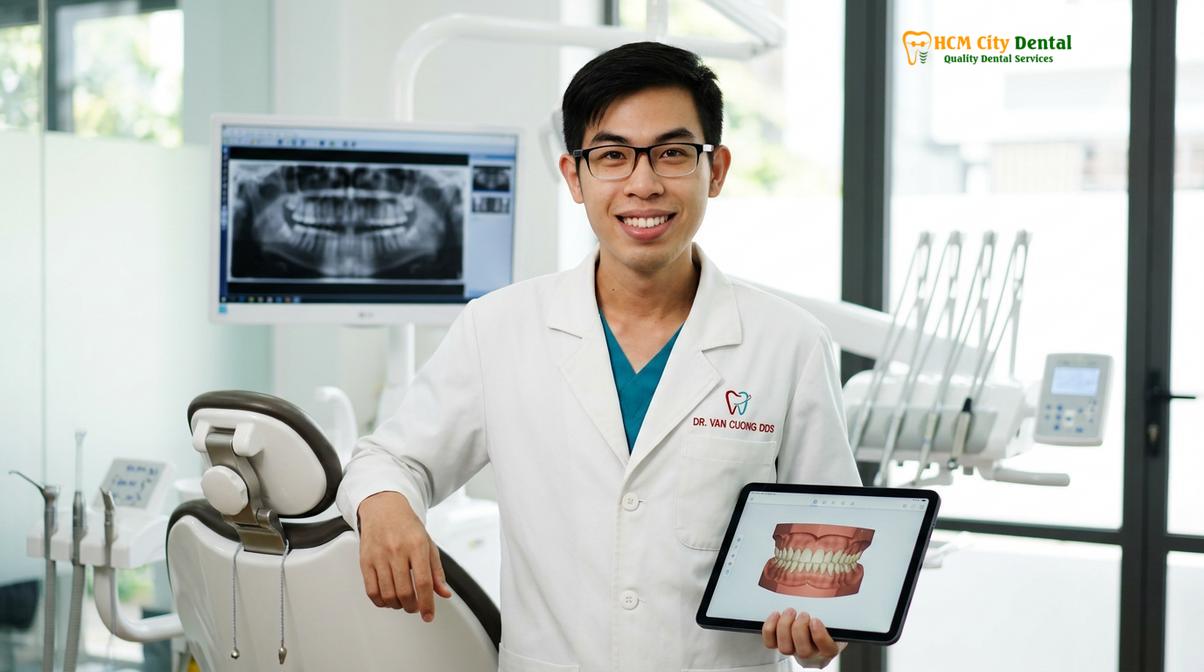
Dr. Nguyen Van Cuong, Chief Clinical Director at HCMC Dental Clinic, emphasizes that successful outcomes rely on meticulous planning and transparent communication. Under his guidance, the clinical team ensures that every international patient receives comprehensive care without rushing biological timelines, providing a seamless transition from treatment to recovery. You can learn more about our comprehensive approach by exploring Comprehensive Dental Care at HCMC Dental Clinic.
“We consider a patient’s treatment incomplete until they have their digital and physical exit packet. This includes their pre- and post-operative CBCT scans on a USB drive, their translated clinical notes, and their physical warranty cards. This ensures continuity of care, no matter where in the world they reside.”
This level of documentation is particularly vital for overseas Vietnamese returning home for care. We outline specific protocols for this demographic in our resource regarding Việt Kiều Dental Care in Ho Chi Minh City: The Ultimate Guide.
When to Seek Immediate Medical Attention
Even with the best planning and execution, biological healing can occasionally present challenges. It is crucial to monitor your recovery closely while still in Vietnam. You should contact your dental provider immediately if you experience any of the following symptoms after a major procedure:
- Uncontrolled Bleeding: Bleeding that does not stop after applying firm pressure with sterile gauze for 30 to 45 minutes.
- Severe, Escalating Pain: Pain that worsens after the first 48 hours and is not managed by prescribed analgesics.
- High Fever or Chills: A body temperature exceeding 38.5°C (101.3°F), which may indicate a developing systemic infection.
- Progressive Swelling: Swelling that continues to increase after the third day post-surgery, or swelling that extends down the neck or up toward the eye.
- Numbness or Tingling: Persistent loss of sensation in the lips, chin, or tongue lasting more than 24 hours after the local anesthesia should have worn off.
Addressing these signs promptly with your clinical team in Ho Chi Minh City ensures that minor complications are managed before they compromise your final results or your flight home.
Frequently Asked Questions
What is the most dangerous mistake dental tourists make in Vietnam?
The most dangerous mistake is prioritizing the lowest advertised price over clinical expertise and material authenticity, which often leads to compromised infection control and failing restorations.
How many buffer days should I include in my travel itinerary for implants?
For Phase 1 dental implant surgery, you should include at least 2 to 3 buffer days after the procedure to allow for initial healing, post-operative evaluations, and suture removal before flying.
How can I verify if my dentist is using authentic Swiss or German materials?
You can verify authenticity by requesting the physical material passport, the manufacturer’s batch number, and the official warranty card (such as a Straumann or Nobel Biocare ID) before the procedure begins.
Is it safe to go swimming or sightseeing immediately after dental surgery?
No, it is generally advised to avoid swimming, strenuous sightseeing, or exposure to excessive heat for at least 48 to 72 hours following oral surgery to prevent infection and minimize bleeding risks.
What documentation should I demand before leaving the dental clinic?
Before departing, you should secure your itemized medical invoice (Hóa Đơn Đỏ), physical warranty cards with batch numbers, pre- and post-operative X-rays (CBCT scans), and a detailed clinical report translated into English.
References
- Journal of the American Dental Association. Implant survival rates in digital dentistry. (2022).
- International Journal of Oral and Maxillofacial Implants. All-on-4 full arch rehabilitation. (2021).
- Journal of Esthetic and Restorative Dentistry. Minimal prep porcelain veneer longevity. (2020).
- British Dental Journal. Dental tourism safety protocols and material traceability. (2023).
- Vietnam Ministry of Health (MOH). National guidelines on infection control in dental facilities. (2021).
- Journal of Clinical Periodontology. Infection control and aerosol management. (2021).
If you are ready to plan a safe and predictable dental journey, contact HCMC Dental Clinic in Ho Chi Minh City today. Explore our comprehensive resources at Comprehensive Dental Care at HCMC Dental Clinic to begin your consultation and ensure your smile is in expert hands.