A professional wedding teeth whitening package combines in-office LED bleaching and custom take-home trays to safely oxidize deep enamel stains. By utilizing advanced hydrogen peroxide gels and amorphous calcium phosphate, brides and grooms can achieve a brilliant, photogenic smile without compromising long-term dental health.
Clinical Summary:
Preparing your smile for a wedding requires a strategic clinical approach that balances aesthetic goals with enamel safety. The gold standard for bridal cosmetic preparation involves a dual-action protocol: professional scaling to remove biofilm, followed by in-office Philips Zoom! WhiteSpeed LED activation, and sustained with custom Opalescence take-home trays. This methodology ensures deep oxidation of chromophores within the dentin tubules while utilizing Amorphous Calcium Phosphate (ACP) to mitigate transient sensitivity. Proper sequencing is critical; whitening must be completed at least four weeks prior to any restorative work to allow the shade to stabilize. By adhering to a strict 48-hour post-treatment white diet, patients can maximize the longevity of their results, ensuring a flawless appearance for their wedding photography.
Key Takeaways:
- Advanced Technology: Treatments utilize genuine Philips Zoom! WhiteSpeed and Beyond Polus systems for optimal safety and efficacy.
- Sensitivity Management: Gels incorporate Amorphous Calcium Phosphate (ACP) and potassium nitrate to rebuild enamel and soothe nerves.
- Strategic Timing: Whitening must be completed weeks before color-matching any new ceramic restorations like veneers or crowns.
- Post-Care Protocol: A strict 48-hour “white diet” is mandatory while the protective enamel pellicle naturally reforms.
- Exclusive Pricing: International patients booking via WhatsApp receive a 40% pre-arrival discount on all bridal packages.
Preparing Your Smile for the Big Day
Achieving a luminous smile requires careful clinical sequencing, ensuring that professional bleaching is completed and stabilized before any restorative dental work begins.
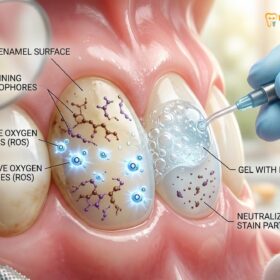
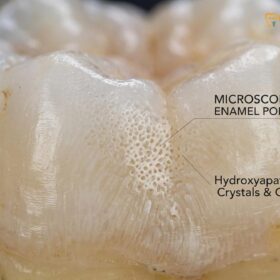
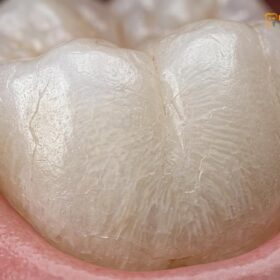
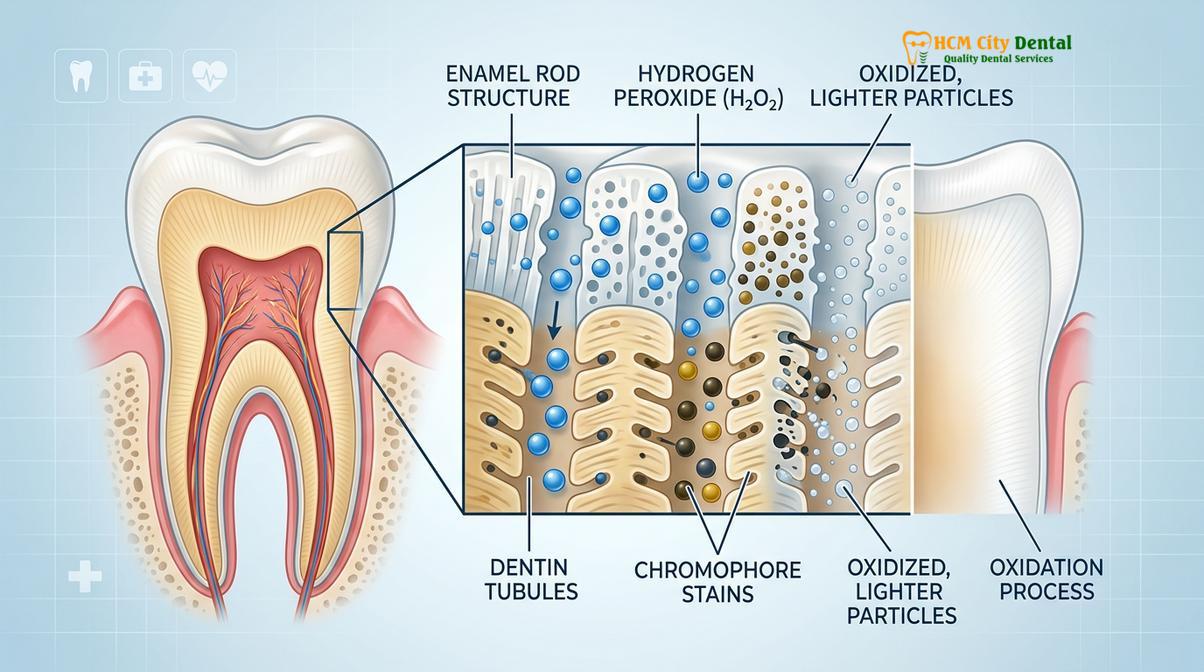
Your wedding day is one of the most heavily photographed events of your life, making a radiant, confident smile a top priority for many couples. However, achieving that perfect aesthetic requires more than just a quick cosmetic fix; it demands a structured clinical approach. The foundation of any successful professional clinical bleaching procedure lies in understanding the microscopic anatomy of the tooth and how whitening agents interact with it. The outer layer of the tooth, the enamel, is composed of tightly packed hydroxyapatite crystals forming enamel rods. Beneath the enamel lies the dentin, which contains microscopic tubules. Over time, chromogens—pigmented molecules from food, drink, and tobacco—penetrate the interprismatic spaces of the enamel and settle into the dentin, causing visible discoloration[1].
When you invest in a comprehensive smile makeover package, the clinical objective is to safely reverse this discoloration through a chemical process called oxidation. The active ingredient in professional whitening gels breaks down into highly reactive oxygen free radicals. These free radicals penetrate the enamel and dentin, cleaving the double carbon bonds of the dark chromophore molecules, rendering them colorless and significantly lightening the overall appearance of the tooth[2].
A critical rule in cosmetic dentistry, heavily emphasized in our clinical protocols, is proper treatment sequencing. Whitening must always be performed before getting any new restorations, such as porcelain veneers, dental crowns, or composite bonding. Bleaching agents only affect natural tooth structure; they cannot change the color of ceramic or resin materials. Therefore, if you require restorative work as part of your bridal preparation, you must complete your whitening treatment first and allow a mandatory two-week stabilization period. During this time, the oxygen dissipates from the tooth structure, and the final shade settles, allowing the dentist to accurately color-match your new restorations to your newly brightened natural teeth[5].
Why Professional Cleaning Must Precede Whitening
Removing calculus and plaque biofilm through professional scaling ensures the bleaching gel makes direct, uniform contact with the enamel surface for predictable results.
A common misconception is that whitening can be applied to any set of teeth at any time. In reality, a pristine enamel surface is a non-negotiable prerequisite for safe and effective bleaching. This is why a pre-wedding dental cleaning protocol is standard practice. Over time, plaque biofilm hardens into calculus (tartar) on the surfaces of the teeth, particularly near the gumline. If whitening gel is applied over calculus or heavy plaque, the active peroxide molecules cannot penetrate the underlying enamel. This results in uneven, patchy whitening and can exacerbate gingival irritation.
Comprehensive dental scaling and polishing utilize ultrasonic instruments to safely vibrate and flush away hardened calculus, followed by a prophylactic paste to polish away superficial extrinsic stains. This process not only creates a clean canvas for the bleaching agent but also reduces bacterial load, promoting healthier, less inflamed gums. According to the clinical safety standards outlined by the Vietnam Odonto-Stomatology Association (VOSA), maintaining healthy gingival tissue is crucial during an in-office whitening session, as inflamed gums are more susceptible to chemical irritation from high-concentration peroxide gels[6].
“The efficacy of hydrogen peroxide penetration is directly correlated to the cleanliness of the enamel surface. Bypassing professional scaling prior to bleaching compromises both the aesthetic outcome and the patient’s periodontal comfort.”
Furthermore, professional polishing temporarily removes the acquired pellicle—a microscopic protein film derived from saliva that coats the teeth. While the pellicle protects the enamel, its temporary removal allows the whitening gel to penetrate the tooth structure more rapidly and efficiently. Patients are always evaluated for periodontal health and calculus buildup before any cosmetic bleaching is authorized, ensuring the highest standard of care and the most brilliant possible outcome for their wedding day.
Timeline Planning: When to Schedule Your Zoom! Session
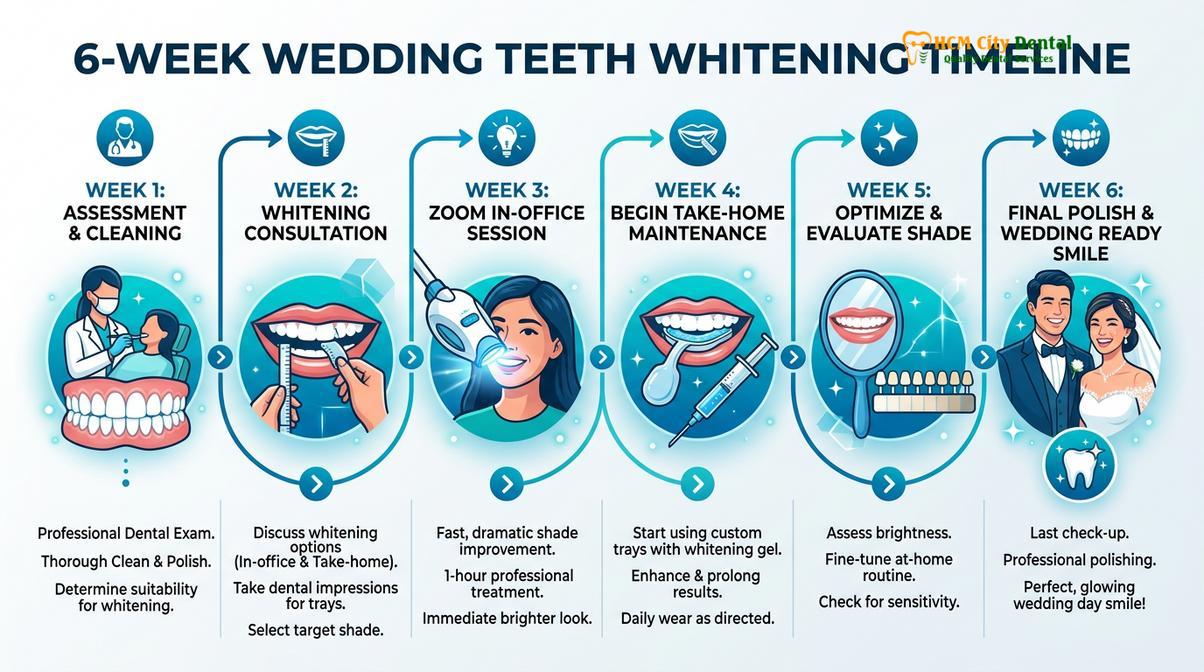
The optimal whitening timeline begins four to six weeks prior to the wedding, allowing ample time for shade stabilization and the resolution of any transient sensitivity.
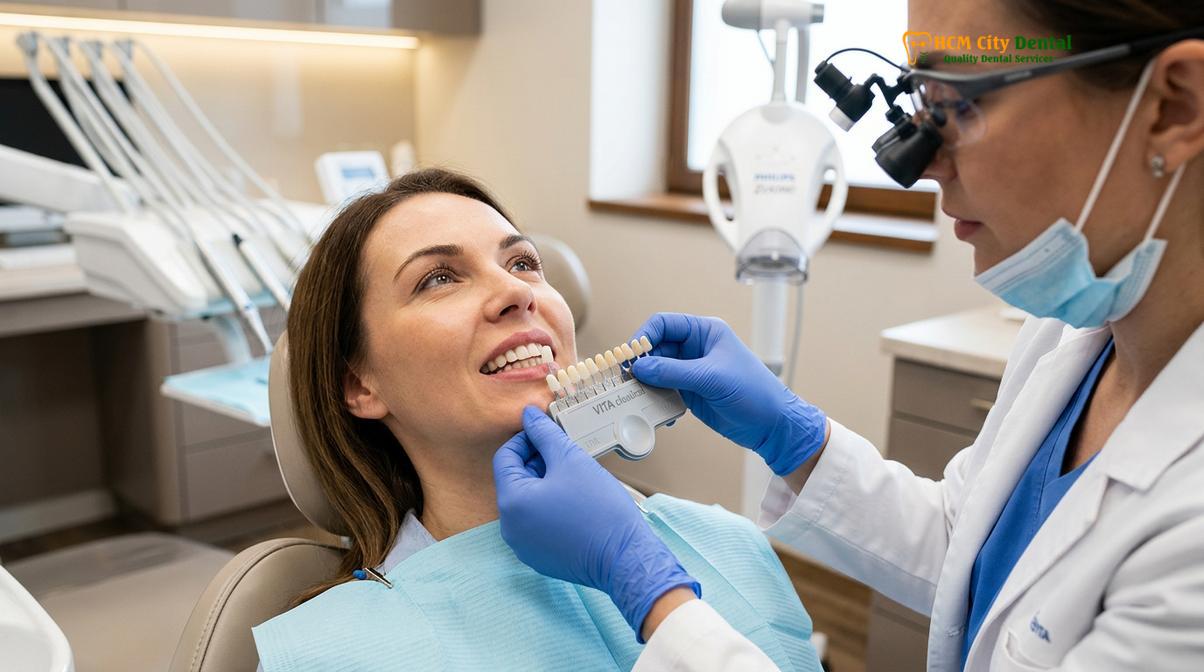
Timing is everything when planning your bridal aesthetic treatments. Waiting until the week of the wedding to start your whitening journey can lead to unnecessary stress and suboptimal results. A well-structured timeline ensures that you achieve your target shade safely and comfortably. The process begins with a baseline assessment using a standardized tooth shade scale, such as the VITA Classical guide, which categorizes teeth by value (lightness), chroma (intensity), and hue (color). This allows the clinician to set realistic expectations and track your progress accurately.
For the most dramatic and immediate results, an in-office LED session is highly recommended. We utilize the original Philips Zoom! WhiteSpeed blue LED technology and Beyond Polus Halogen/LED systems. The specific wavelength of the blue LED light acts as a catalyst, accelerating the breakdown of hydrogen peroxide and enhancing the oxidation process without generating excessive heat that could damage the dental pulp. However, even with advanced technology, the teeth need time to recover and stabilize.
| Timeline Before Wedding | Recommended Clinical Action | Expected Outcome |
|---|---|---|
| 6 to 8 Weeks | Comprehensive exam, scaling and polishing, and addressing any active decay. | Healthy gums, clean enamel surface ready for optimal gel penetration. |
| 4 to 5 Weeks | In-office Philips Zoom! WhiteSpeed session (90 minutes). | Immediate improvement of up to 8 shades; beginning of stabilization phase. |
| 2 to 3 Weeks | At-home maintenance using custom trays and Opalescence gel. | Refinement of shade, addressing any stubborn stains, final color stabilization. |
| 1 Week | Cessation of active whitening; strict adherence to the white diet. | Resolution of any transient sensitivity; pellicle fully reformed and protective. |
Scheduling your treatment four to six weeks out provides a crucial buffer. It allows any transient pulpitis (temporary nerve sensitivity) to completely subside long before you need to enjoy your wedding banquet. It also provides time to use take-home trays to push the shade slightly lighter if desired, ensuring your smile is perfectly calibrated for your big day.
Bright Smile vs. Perfect Smile Combo: What’s Included?
Our clinical packages combine Philips Zoom! WhiteSpeed technology with Opalescence take-home kits, offering tiered solutions tailored to your specific aesthetic goals and budget.
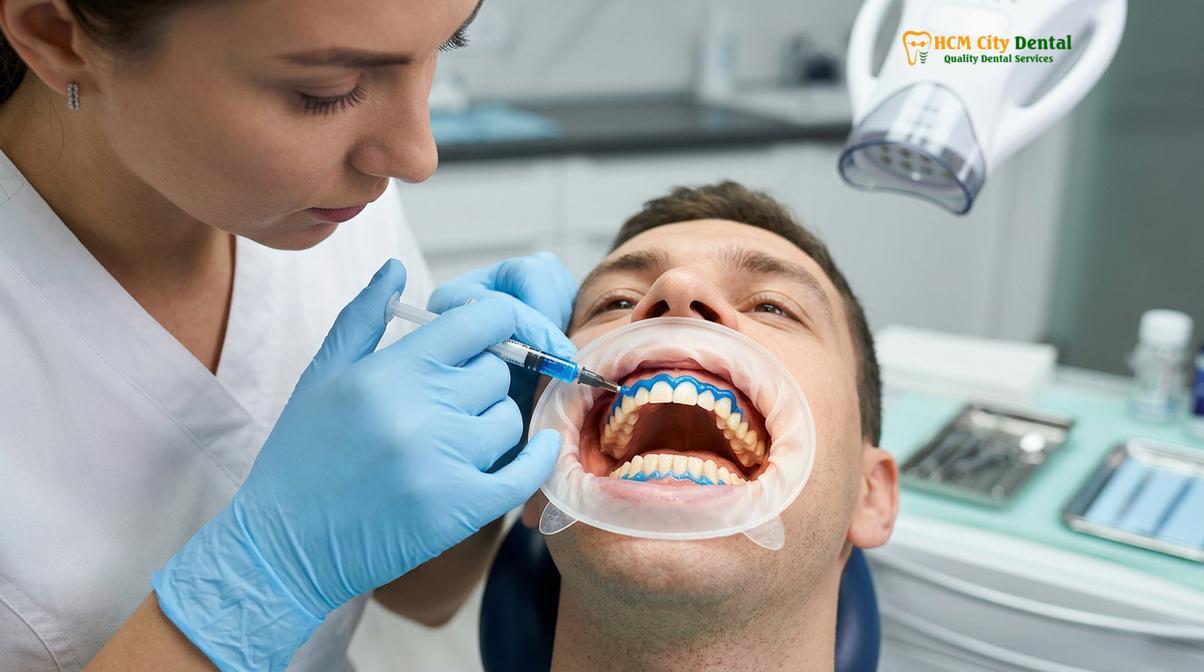
Understanding that every patient has unique needs, we offer structured packages that combine the immediate impact of in-office treatments with the sustained power of at-home care. The core of our in-office protocol involves the application of a 25% hydrogen peroxide gel, which is meticulously activated by the Philips Zoom! LED lamp over three to four 15-minute cycles. To ensure patient comfort, this proprietary gel contains Amorphous Calcium Phosphate (ACP). ACP is a revolutionary desensitizer that precipitates into the dentinal tubules in real-time, physically blocking nerve pathways, rebuilding enamel micro-hardness, and adding a lustrous finish to the teeth[3].
For sustained results, we provide custom-fabricated bleaching trays loaded with genuine Opalescence gel. These trays are vacuum-formed over precise models of your teeth, ensuring a snug fit that keeps the gel against the enamel and away from the gums. The Opalescence gel utilizes a PF formula (potassium nitrate and sodium fluoride). Potassium nitrate depolarizes the dental nerve to prevent pain signals, while fluoride strengthens the enamel. We recommend specific concentrations based on clinical assessment: 10% carbamide peroxide for overnight wear or sensitive teeth, and 15% for standard daytime wear.
Clinical Case Review: Comprehensive Bridal Preparation
A 28-year-old patient visited HCMC Dental Clinic in Ho Chi Minh City seeking a dramatic shade improvement five weeks before her wedding. Baseline assessment revealed a VITA shade of A3 with mild extrinsic staining. The clinical team recommended the Perfect Smile Combo. Following a thorough scaling, the patient underwent a 90-minute Zoom! session, achieving an immediate shift to shade B1. She was dispensed custom trays with 10% Opalescence gel for two weeks of maintenance. The dual approach not only stabilized the B1 shade but also ensured zero post-operative sensitivity, resulting in a flawless aesthetic outcome for her wedding photography.
To make world-class cosmetic dentistry accessible, we offer a transparent pricing structure with significant advantages for patients planning ahead. By utilizing our WhatsApp booking system, international and domestic patients can secure a 40% pre-arrival discount:
- In-office Zoom Whitening: Walk-in: 4,666,667 VND (~$180) | WhatsApp booking discount: 2,800,000 VND ($108).
- Take-home Whitening Kit: Walk-in: 2,500,000 VND (~$96) | WhatsApp booking discount: 1,500,000 VND ($58).
- Bright Smile Combo (Clean + Zoom): Walk-in: 5,333,333 VND (~$206) | WhatsApp booking discount: 3,200,000 VND ($123).
- Perfect Smile Combo (In-office + Take-home): Walk-in: 7,166,667 VND (~$276) | WhatsApp booking discount: 4,300,000 VND ($166).
These comprehensive packages come with complete peace of mind, backed by a global warranty and remote WhatsApp checkup support, ensuring your smile remains brilliant long after you leave the clinic.
Bridal Party Packages: Group Discounts at HCMC Dental
Comprehensive group treatments allow the entire bridal party to achieve cohesive, radiant smiles while benefiting from specialized clinical care and exclusive pricing tiers.
A wedding is a collective celebration, and the aesthetic harmony of the bridal party is often a key consideration for the couple. When the bride, groom, bridesmaids, and groomsmen all possess bright, healthy smiles, it elevates the entire visual impact of the event. Recognizing this, we offer specialized bridal dental packages designed to accommodate multiple patients efficiently. By scheduling concurrent appointments, the bridal party can undergo their cosmetic enhancements together, turning a clinical procedure into a shared pre-wedding experience.
“Achieving aesthetic harmony across the bridal party requires individualized clinical assessment, as each patient presents with unique enamel density and baseline shade characteristics.”
Opting for professional teeth whitening ensures that everyone receives safe, predictable results under the supervision of qualified dental specialists. This is particularly important because individual dental histories vary greatly; what works for one person may cause severe sensitivity in another. A professional assessment ensures that each member of the bridal party receives the appropriate concentration of bleaching gel and the necessary desensitizing protocols.
Important Note: When to Consult a Dentist
Patients experiencing severe thermal sensitivity, bleeding gums, or signs of enamel erosion should consult a dental professional immediately before attempting any bleaching procedures. Furthermore, strictly avoid DIY kitchen remedies such as baking soda mixed with lemon juice or activated charcoal. These substances are highly abrasive and highly acidic. They do not chemically oxidize deep stains; instead, they aggressively scratch away the outer layer of enamel, leading to permanent damage and increased yellowing over time.
By coordinating group treatments, patients not only ensure clinical safety but also gain access to our tiered group pricing structures. Whether you require a rapid 90-minute express treatment or a comprehensive combo package, our clinic provides direct billing partnerships with major international insurers for eligible routine care components, making the financial aspect of your pre-wedding preparation seamless and stress-free.
Maintaining Your Brilliant Wedding Smile
Strict adherence to a white diet for 48 hours post-treatment and consistent use of custom trays ensures your newly brightened smile remains pristine.
The immediate hours following a professional whitening session are the most critical for the longevity of your results. During the bleaching process, the acquired pellicle—the protective protein layer on the surface of the enamel—is temporarily dissolved. It takes approximately 48 hours for the salivary proteins to fully reconstruct this barrier. During this vulnerable window, the enamel tubules remain open and are highly susceptible to secondary staining[4].
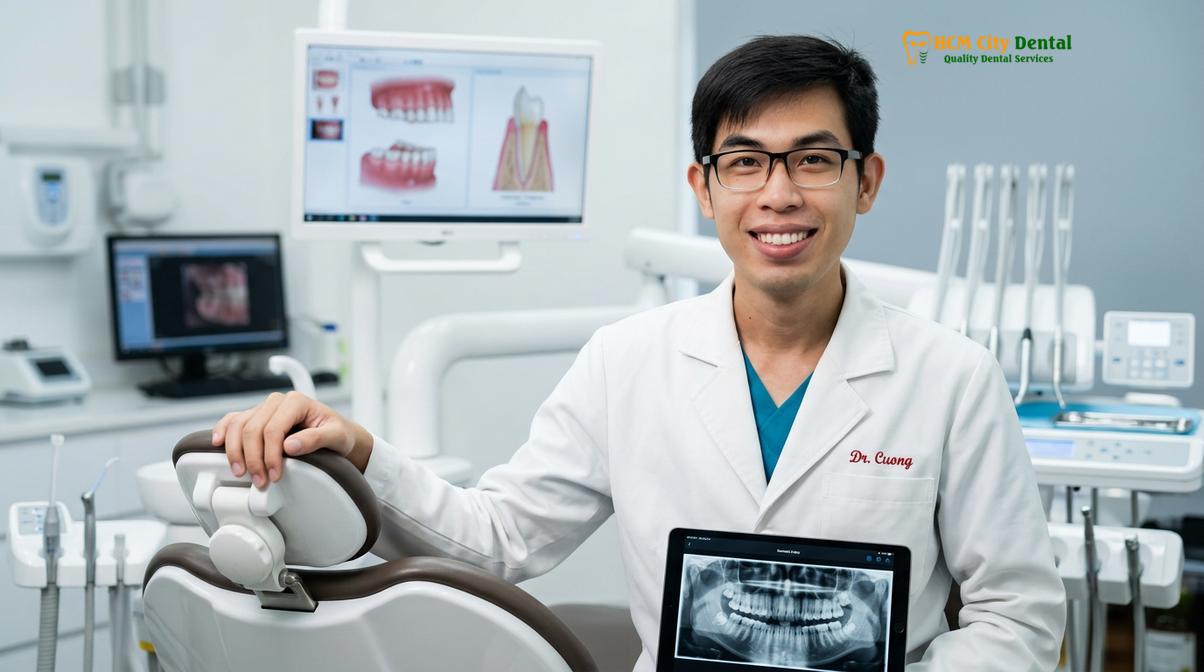
Dr. Nguyen Van Cuong, a leading cosmetic specialist, emphasizes that a thorough clinical evaluation is the cornerstone of any successful bridal aesthetic treatment. Dr. Cuong ensures that every teeth whitening protocol is customized to the patient’s unique enamel density and sensitivity profile. By combining advanced LED technology with personalized desensitizing strategies, he helps couples achieve their ideal wedding smiles safely and comfortably.
To protect your investment, we strongly advise adhering to a “white diet” for the first two days after your in-office session. This means avoiding coffee, tea, red wine, soy sauce, berries, and any other highly pigmented foods or beverages. If you must consume a dark beverage, using a straw can help minimize contact with the anterior teeth. Long-term maintenance involves excellent daily oral hygiene, regular dental cleanings, and periodic touch-ups using your custom Opalescence trays.
If you are planning your wedding and want to ensure your smile is camera-ready, contact HCMC Dental Clinic in Ho Chi Minh City today. Our dedicated team is ready to guide you through the optimal timeline for your Teeth Whitening at HCMC Dental Clinic, ensuring brilliant and lasting results for your special day.
References
- Journal of Esthetic and Restorative Dentistry. Efficacy and safety of in-office bleaching with advanced LED activation. (2021).
- American Dental Association. Clinical guidelines for professional teeth whitening and cosmetic sequencing. (2020).
- Journal of Dentistry. The role of Amorphous Calcium Phosphate in reducing transient post-bleaching sensitivity. (2022).
- Operative Dentistry. Staining susceptibility of bleached enamel during the pellicle reformation phase. (2019).
- International Journal of Prosthodontics. Shade stabilization timelines prior to ceramic restorations. (2018).
- Vietnam Odonto-Stomatology Association (VOSA). Clinical safety standards and protocols for in-office dental bleaching.